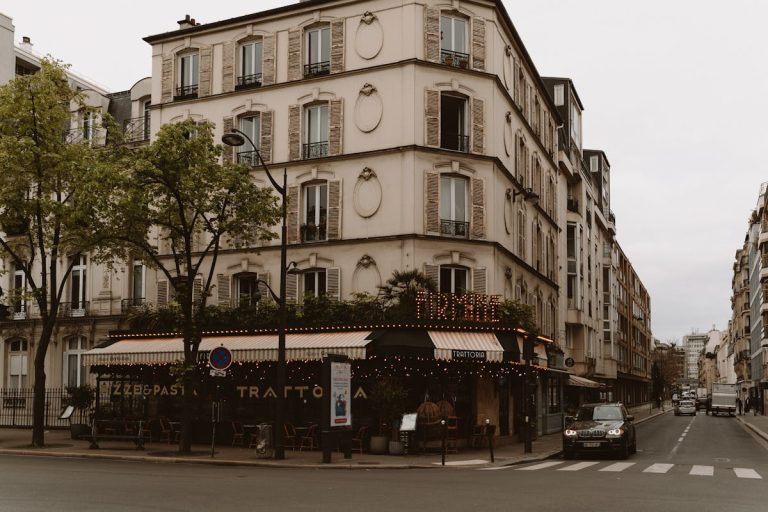
10 Regional Fast Food Chains Closing Locations Rapidly
Across regional dining corridors and suburban strips, familiar quick-serve names are contracting in ways that feel deliberate yet quietly emotional. Closures rarely arrive as dramatic announcements; instead franchisees weigh rent, staffing, kitchen upkeep, and shifting customer habits before letting a location fade from the local map. These decisions reshape everyday life in slow, recognizable ways, erasing places where families met after school events or where late-night workers found something reliable on their way home. The retreat is incremental but steady, and it leaves communities adjusting their routines around the absence of places that once felt permanent.
Steak ‘n Shake
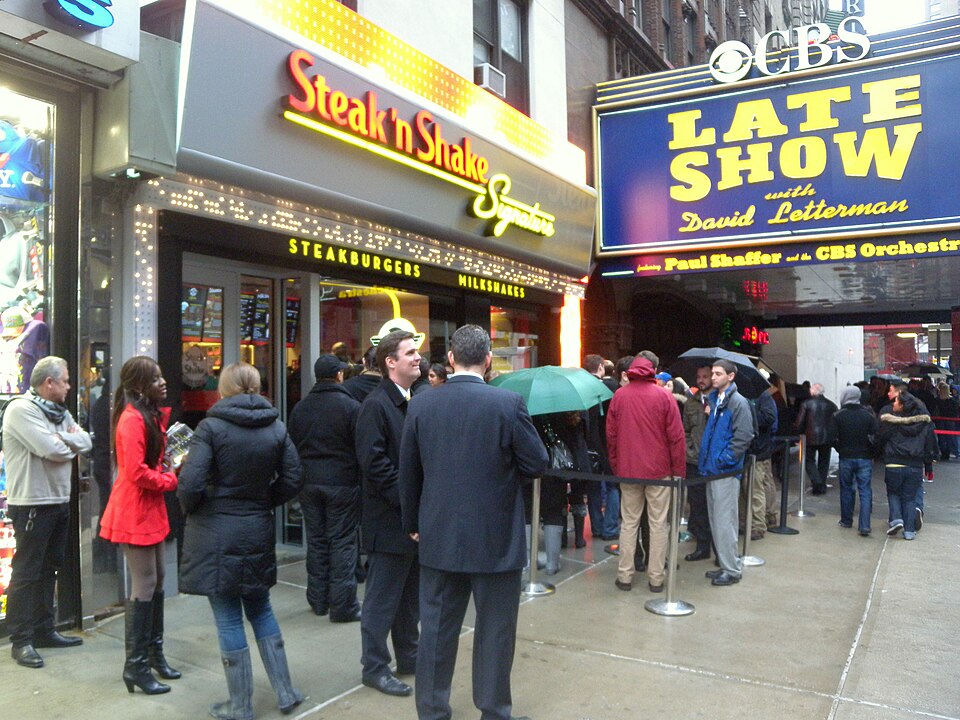
Steak ‘n Shake continues to pull back from markets where its older diner-style layouts, labor-heavy service model, and rising ingredient costs outpaced the revenue they once generated. Many of its traditional dining rooms rely on long hours and steady table service, yet modern customers gravitate toward quicker formats that require fewer employees. Corporate leaders have shifted toward compact kitchens and drive-thru efficiency, which means older stores often cannot justify a remodel. When a location closes, it quietly removes a familiar anchor for students, night-shift workers, and anyone who relied on a booth and a shake to reset between long days.
Friendly’s
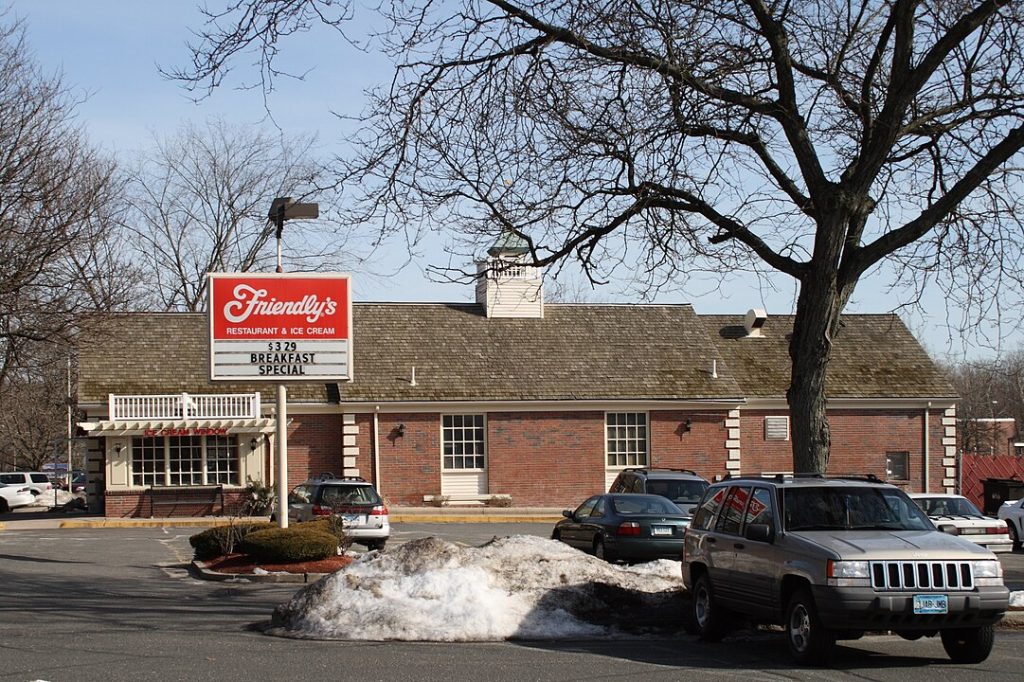
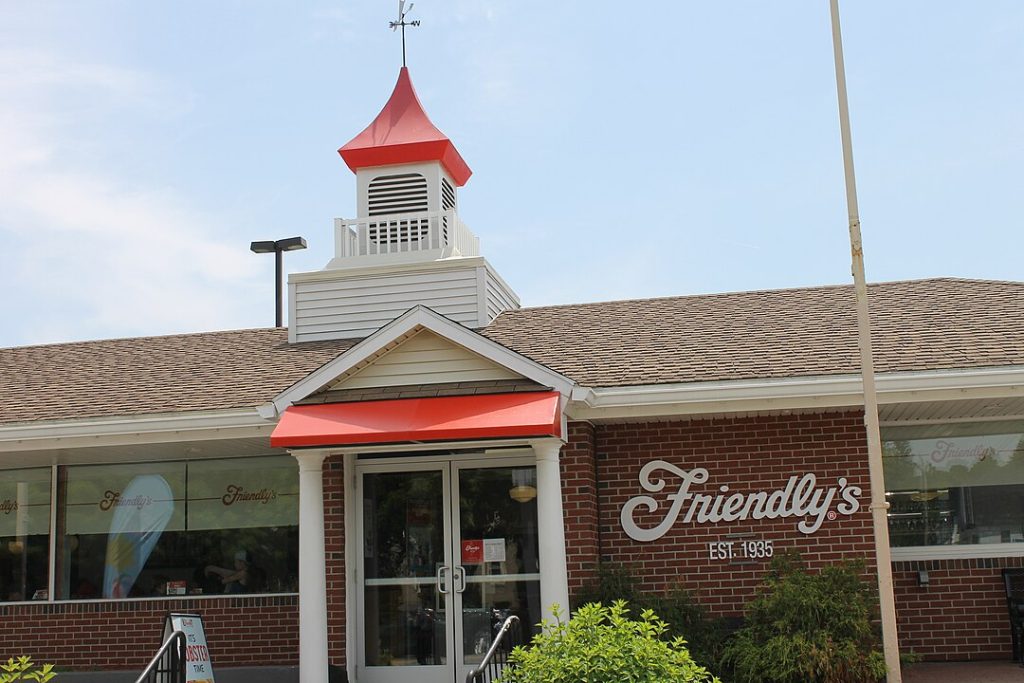
Friendly’s, long associated with ice cream sundaes, family gatherings, and warm nostalgia, has struggled to maintain older properties built during a different era of American retail. Many sat beside malls that no longer carry the foot traffic needed to support full-service dining, and franchise owners face steep renovation costs to bring kitchens and interiors up to current expectations. As they choose which stores to keep, weaker sites fall away, leaving only pockets of renewed investment. The closures create a noticeable absence in towns where Friendly’s once functioned as a celebratory stop after games, birthdays, and slow Sunday afternoons that stretched gently into evening.
Kenny Rogers Roasters
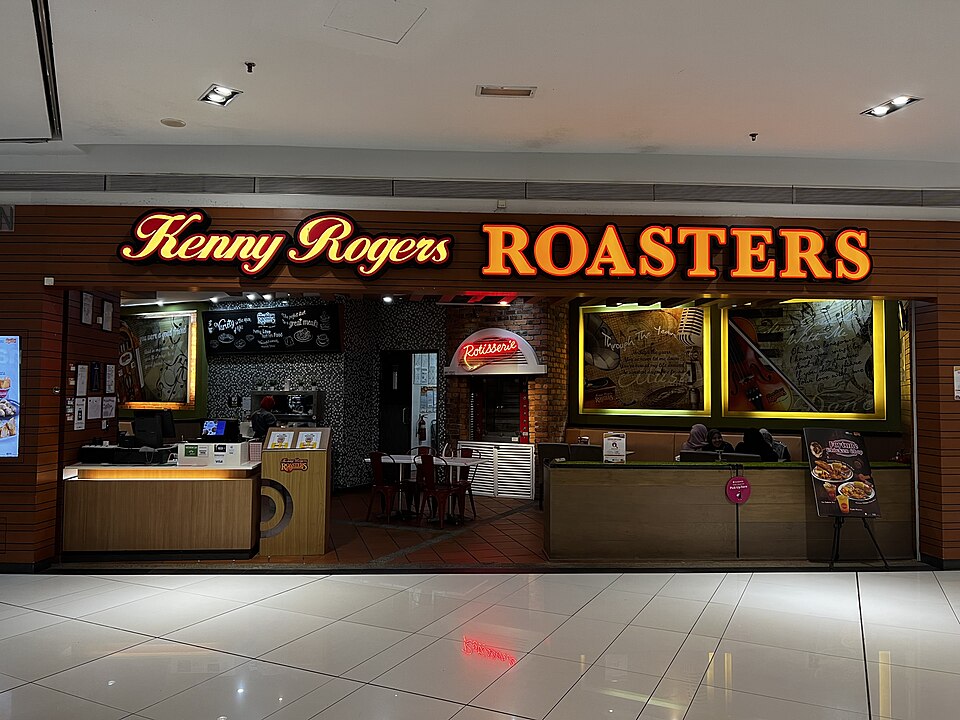
Kenny Rogers Roasters has nearly disappeared from the U.S. landscape, not because the concept lacked appeal, but because its domestic operations struggled to adapt to the pace and economics of modern quick service. Rotisserie equipment, broad menus, and sizable dining rooms became harder to sustain as customers favored delivery-friendly meals and streamlined kitchens. Meanwhile, the brand found new life overseas, where mall culture and local partnerships aligned more naturally with its model. Americans familiar with the chain often feel a sense of quiet surprise seeing it thrive abroad while the spaces it once filled at home have been absorbed by newer, faster formats.
Arby’s
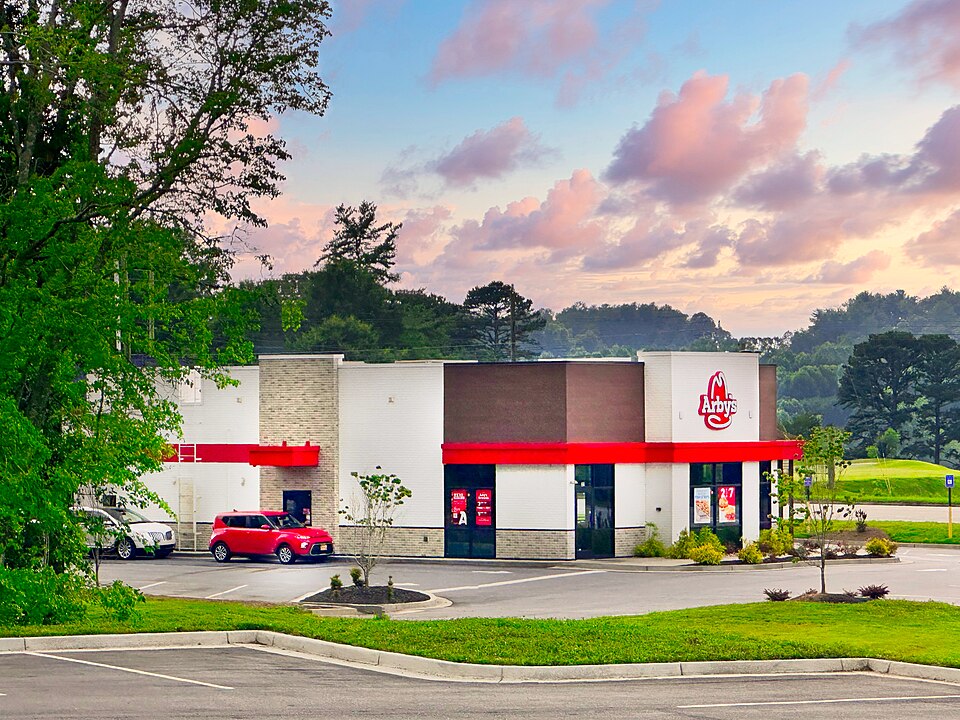
Arby’s has trimmed its footprint in regions where updating older buildings no longer made financial sense, especially in corridors with high rents and slow daytime traffic. Franchise operators increasingly direct their budgets toward modernized layouts that support digital orders and smoother drive-thru lines, and not every market has the customer volume to justify that investment. The closures tend to be precise rather than sweeping, yet each one changes the character of local lunch routines. People who loved the chain’s distinct menu feel the loss immediately, especially in towns that already had limited alternatives beyond standard burgers and fried chicken.
Denny’s
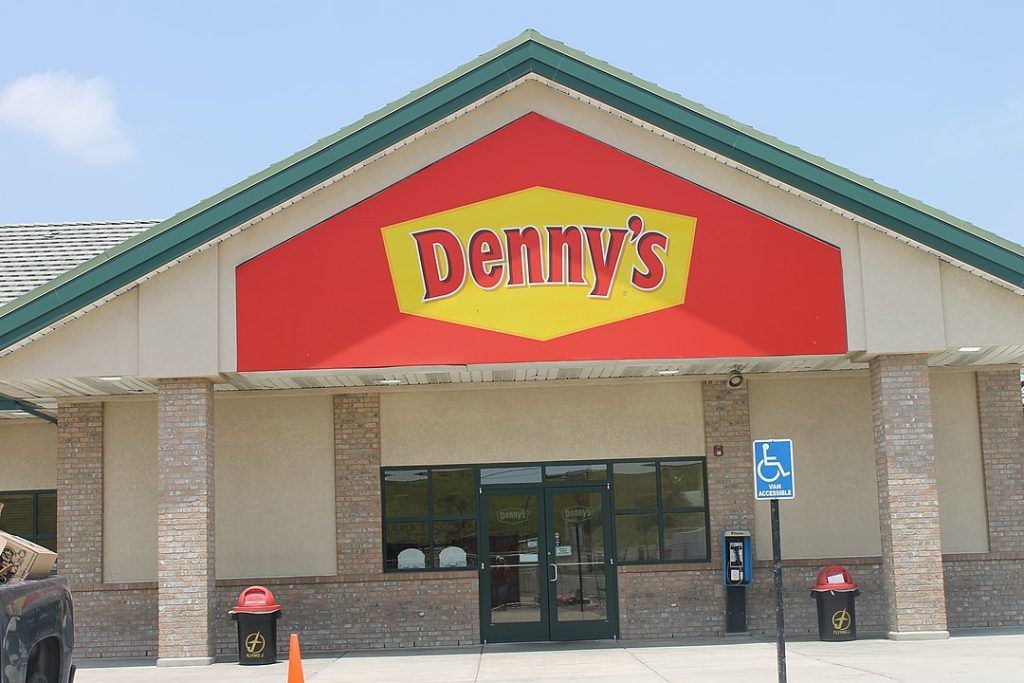
Denny’s faces a unique challenge: maintaining a reputation for always being open while customer demand for overnight dining has dropped sharply in many regions. Staffing around the clock has become more difficult, and many properties are old enough that remodeling them would require a substantial commitment. Corporate and franchise owners now favor a streamlined network that focuses on locations with reliable traffic throughout the day. The closure of a Denny’s removes more than just a place to eat; it takes away a dependable gathering point for students finishing late rehearsals, workers between shifts, and families who needed a relaxed place to sit without watching the clock.
Hooters
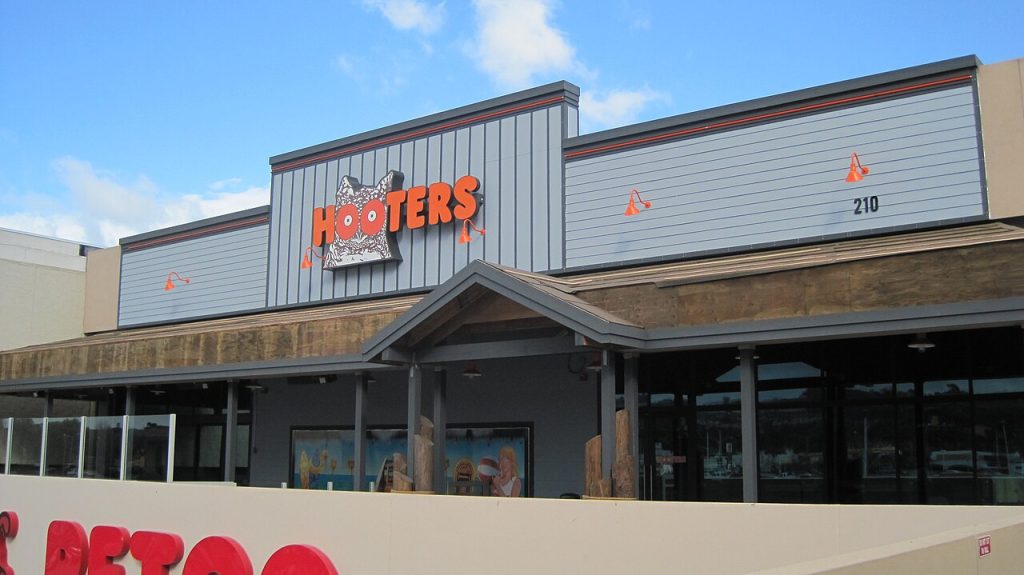
Hooters has steadily closed stores in markets where shifting dining habits and rising costs made large dining rooms hard to sustain. The brand has tried to modernize its image and update its menu, but success depends on consistent nighttime crowds, sports events, and group gatherings that vary widely by region. When those patterns weaken, owners often choose to focus resources on stronger, more predictable locations. Each closure leaves a visible gap in entertainment districts that once buzzed with game-day crowds, turning lively corners of town into quieter stretches that seem to lose a bit of their former rhythm.
Red Lobster
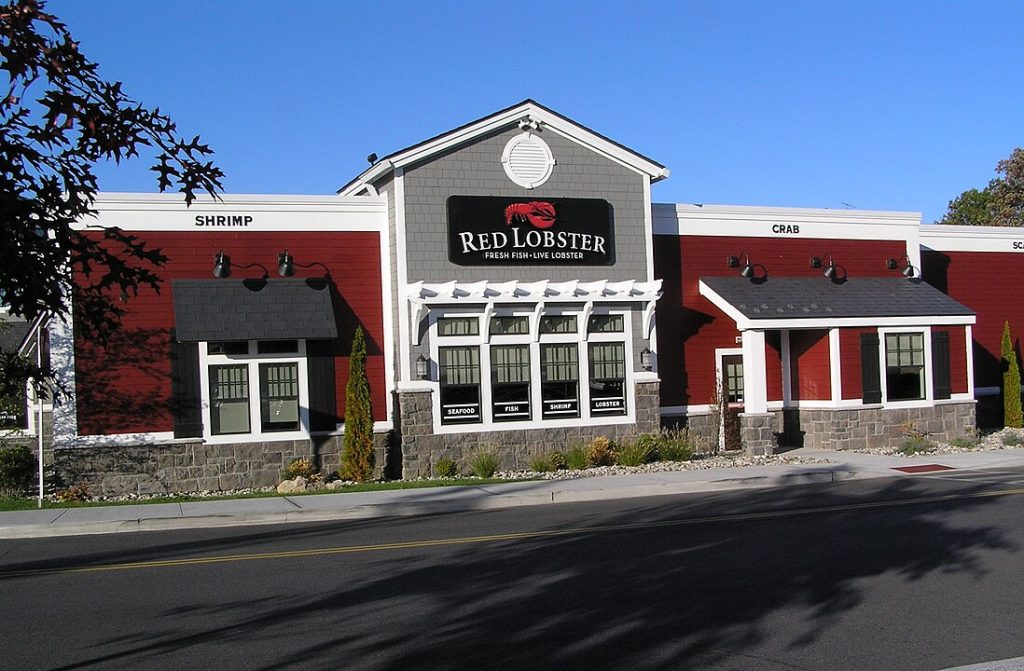
Red Lobster’s contraction reflects pressures unique to seafood dining: fluctuating supply costs, intense competition, and a customer shift toward quicker options that still feel indulgent but require less time and staffing. Many locations sit on high-rent parcels originally designed for sprawling dining rooms, making profitability harder to maintain without steady evening traffic. Corporate shifts toward simplified menus and more targeted real estate cannot save every store, especially in markets where dinner outings have declined. When a Red Lobster closes, it removes a familiar place for family celebrations, small anniversaries, and modest gatherings built around the comfort of shrimp platters and warm biscuits.
Long John Silver’s
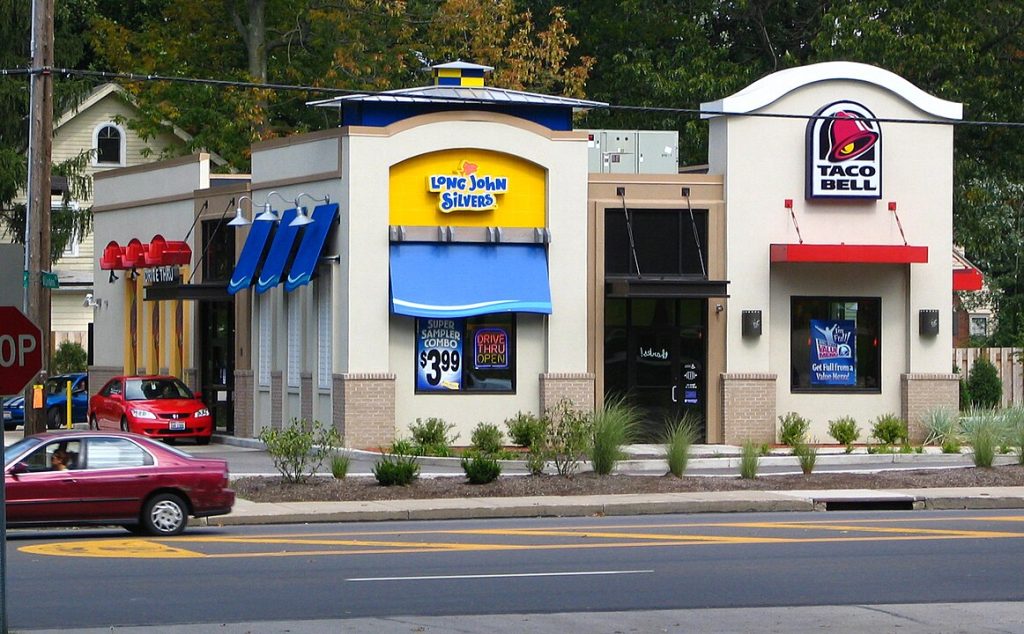
Long John Silver’s has pulled away from many regions as seafood-focused fast food became harder to run in an era dominated by drive-thru speed and predictable supply chains. Its specialized fryers, ingredient demands, and mall-area locations created vulnerabilities when shopping patterns changed. Franchisees often close stores when fluctuations in seafood pricing and maintenance costs outweigh the return on daily sales. The exits leave behind empty pads where a distinct aroma and a familiar blue roof once signaled something different in a landscape crowded with burgers, creating a small but noticeable shift in the variety of quick meals available.
Church’s Chicken
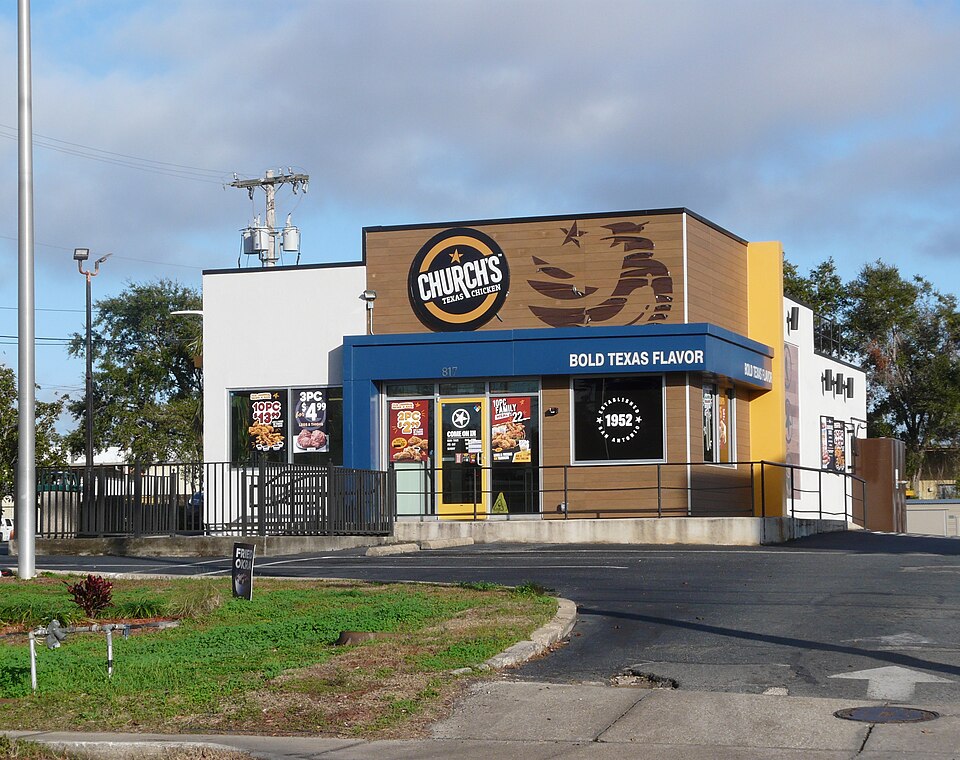
Church’s Chicken has weathered competition for decades, yet some markets have become too saturated with newer chains offering similar menus with sleeker buildings and stronger digital ordering systems. Franchisees must decide whether to renovate older structures or cut their losses, and many have chosen to consolidate into areas where the brand still holds deep loyalty. Even as Church’s continues to serve communities with long-standing connections to its flavors, other locations fade due to rent increases, uneven demand, or tight labor conditions. Each closure reshapes local dinner habits and nudges families toward new routines that lack the familiar comfort of a long-standing neighborhood staple.
Jack in the Box
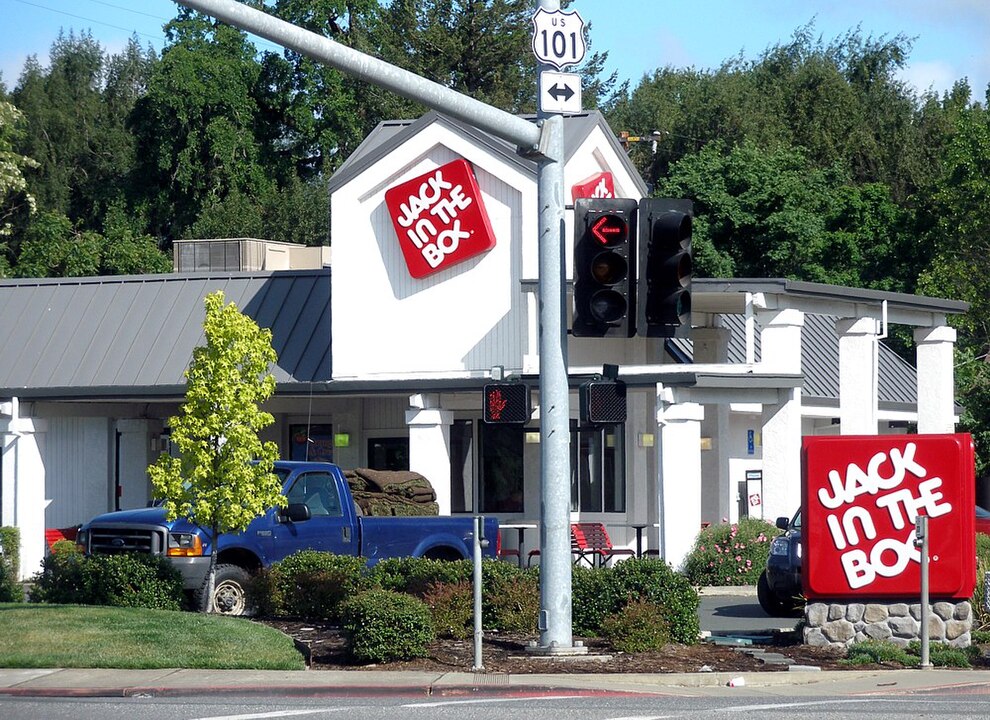
Jack in the Box has withdrawn from several regions as costs rise and older locations struggle to support the extended hours and broad menus that once drove its popularity. Newer prototypes favor modern kitchens and digital integration, and many older stores cannot be adapted without major expense. As franchisees choose to invest in denser markets, smaller towns sometimes lose their only late-night stop, altering patterns that once revolved around quick tacos and breakfast sandwiches served long past midnight. These closures signal a shift toward more focused growth, even if it means stepping back from communities that once embraced the chain’s quirky charm.