10 “Safe” Suburbs That Are Seeing a Spike in Crime This Year
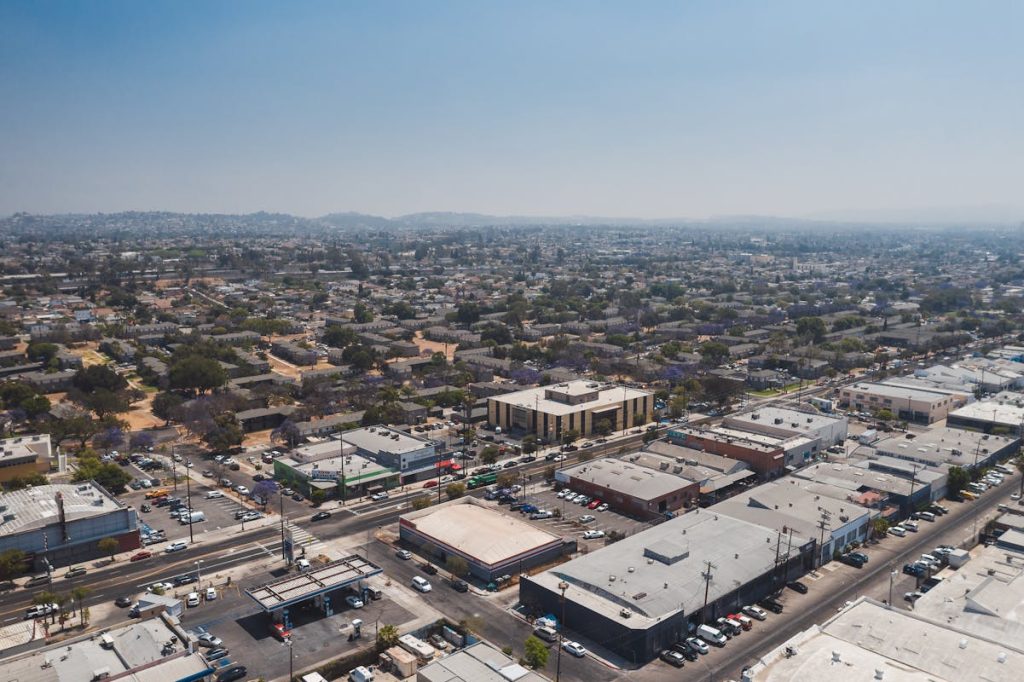
Many suburbs long considered secure and predictable have begun facing unexpected shifts in crime trends that worry residents and reshape local conversations about community safety. Population growth, expanding commercial corridors, and regional economic pressures often influence how law enforcement resources stretch across formerly low-incident neighborhoods. As cities expand outward, suburban areas inherit new challenges related to traffic, property access, and increased visitor activity, creating opportunities for crimes that rarely appeared in past reports. Local officials frequently emphasize that these spikes remain relative to historically low baselines, yet even modest increases can feel significant in communities known for stability. Understanding which suburbs are experiencing changes helps highlight broader patterns affecting regions nationwide and offers insight into how suburban landscapes continue evolving as demographics, development, and mobility patterns shift.
Round Rock, Texas
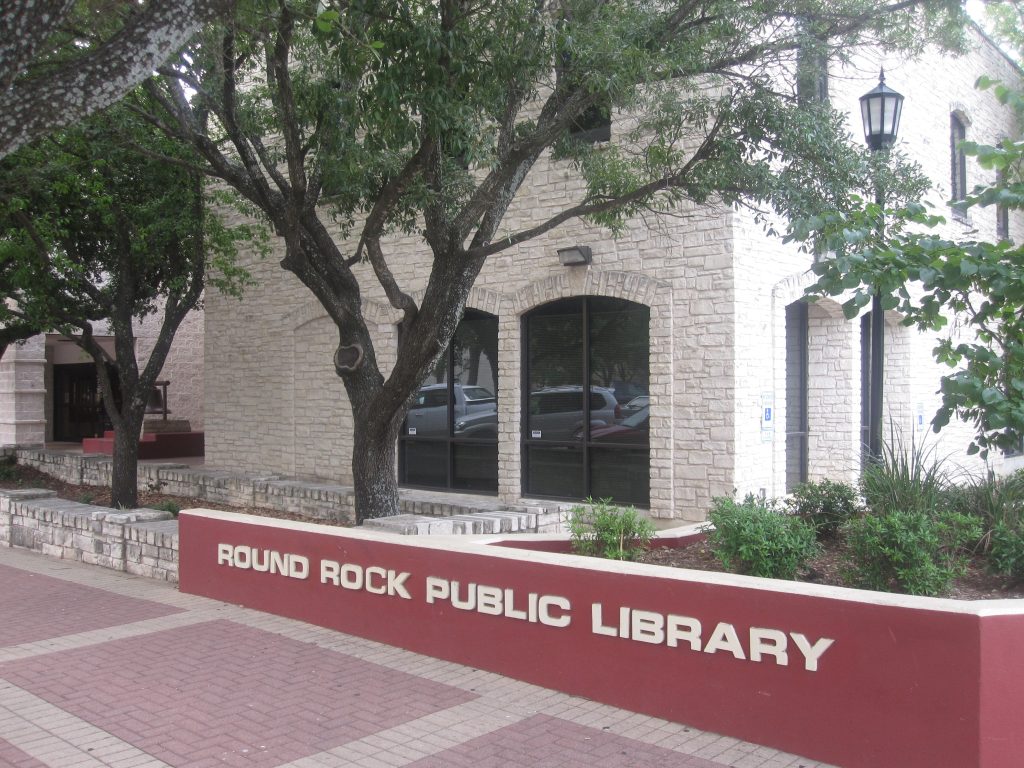
Round Rock has long been viewed as a calm and family-focused Austin suburb, yet recent reports show notable increases in property crimes tied to rapid population growth and expanding commercial centers. As more businesses open along major corridors, police note a rise in thefts and vehicle break-ins connected to higher traffic and visitor flow. The area’s booming housing development also introduces transitional neighborhoods where new construction attracts opportunistic activity. While violent crime remains low, residents express concern over the pace of change as Round Rock becomes a major regional hub. Local officials continue adjusting patrol strategies to accommodate growth while emphasizing that long-term planning remains crucial for maintaining overall community safety.
Naperville, Illinois
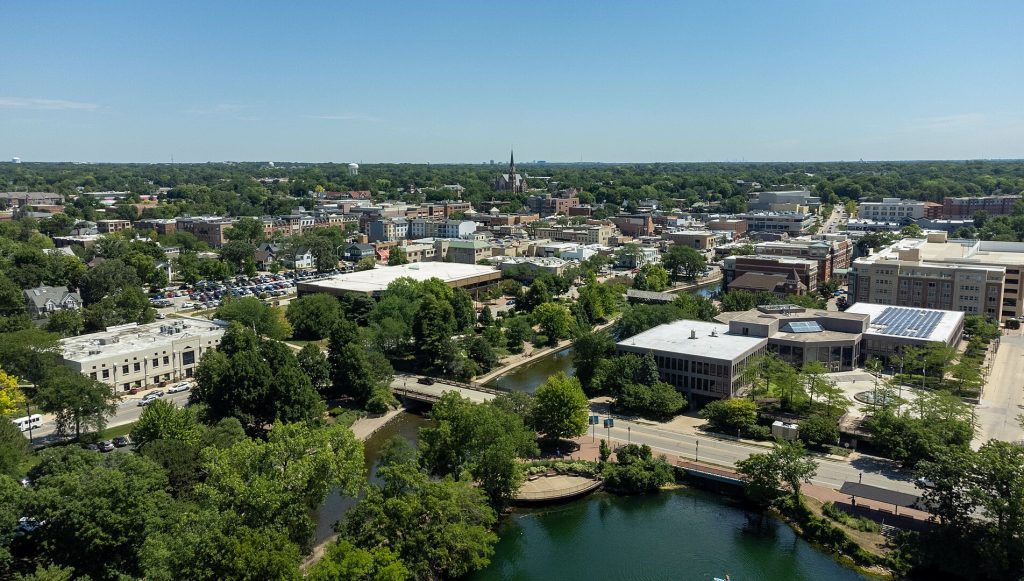
Naperville consistently ranks among America’s safest cities, but shifting economic conditions and increased travel activity have contributed to a noticeable uptick in certain crime categories this year. Retail theft has grown in busy shopping districts, reflecting statewide trends affecting suburban commerce. Police have also responded to more vehicle-related incidents, including catalytic converter thefts that mirror patterns across the Midwest. Population density and commuter traffic make these crimes harder to curb quickly despite strong enforcement. Residents remain engaged with neighborhood watch efforts, but many acknowledge that even highly regarded suburbs face evolving challenges tied to broader regional pressures that influence long-term public safety expectations.
Bellevue, Washington
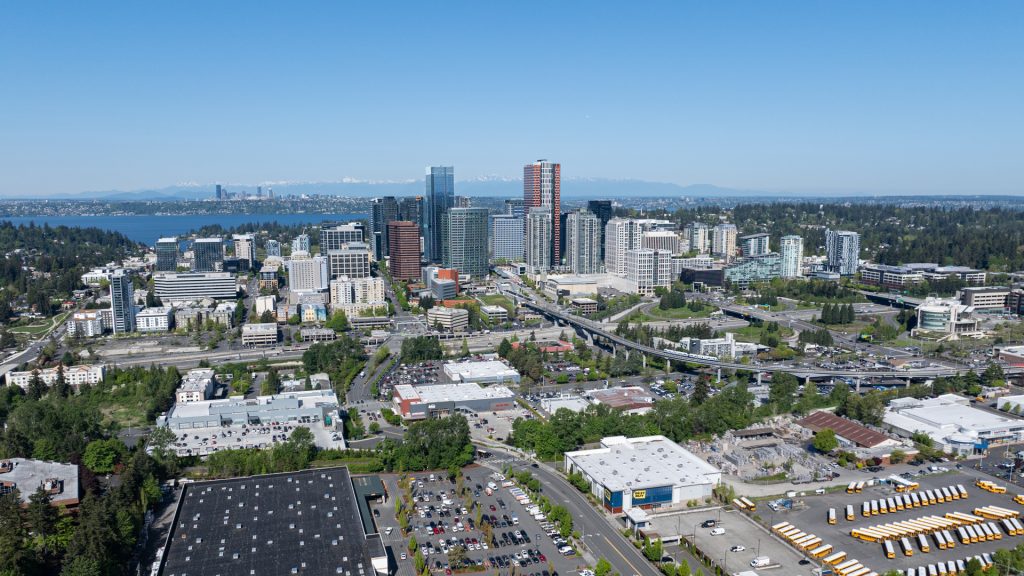
Bellevue’s expansion as a tech-driven economic center has increased daily commuter volume and led to rising reports of property crimes near corporate campuses and residential towers. Car break-ins and package thefts have become more frequent as dense development creates busy, high-traffic zones that attract opportunistic behavior. The rapid growth of mixed-use districts also stretches police resources across larger geographic areas. Although Bellevue continues to maintain a relatively low crime rate overall, officials note that spikes reflect the city’s transformation into a major metropolitan hub. Community leaders emphasize continued investment in surveillance, patrols, and collaborative programs that help protect both long-term residents and new arrivals.
Sandy Springs, Georgia
Sandy Springs, located just north of Atlanta, has seen increases in property and vehicle crimes as major highways channel heavy traffic directly through the suburb. The city’s corporate presence and hotel districts attract visitors from across the region, creating opportunities for theft near business centers and parking structures. Residential neighborhoods have also reported rising incidents linked to metropolitan spillover as Atlanta’s population shifts outward. Police highlight ongoing efforts to expand staffing and community outreach while managing fast-paced development. Even with these challenges, Sandy Springs maintains strong public engagement and continues adjusting safety strategies to address a changing suburban environment shaped by regional growth.
Overland Park, Kansas

Overland Park, known for its quiet neighborhoods and strong schools, has reported a recent spike in burglary and vehicle-theft cases influenced by increased mobility across the Kansas City metro area. Rising commercial activity and expanding residential zones create more access points for criminal activity than in past decades. Law enforcement notes that offenders often target parking lots near retail areas where high traffic complicates surveillance. Residents remain attentive to shifting patterns, especially as the city attracts new businesses and developments. Despite the increase, Overland Park continues working toward targeted solutions that address emerging risks while maintaining the community-focused atmosphere it has long cultivated.
Cary, North Carolina
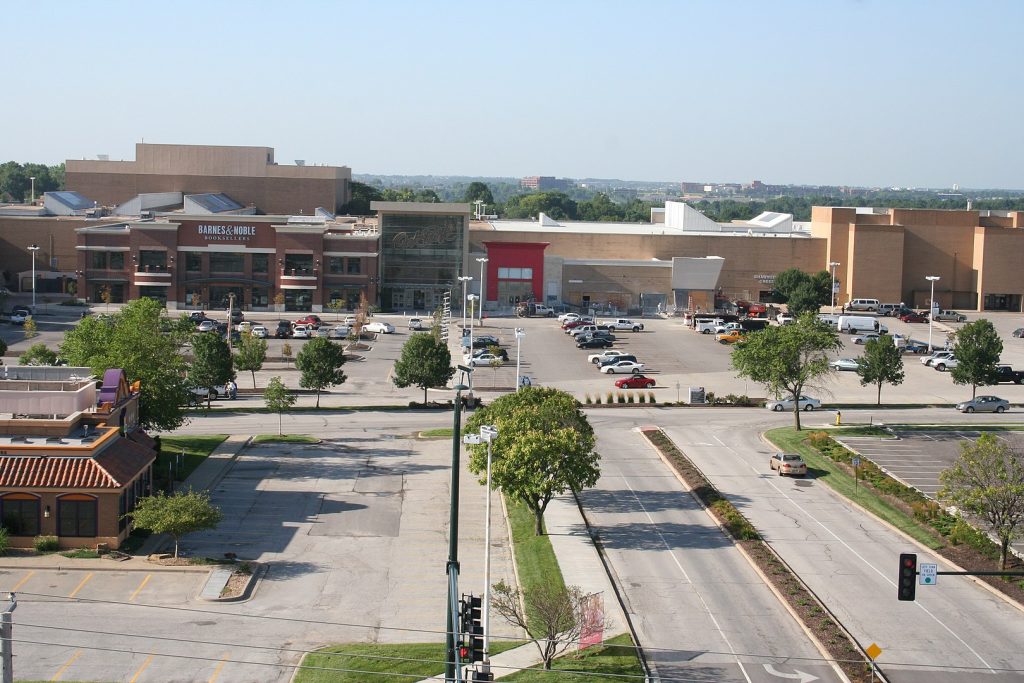
Cary’s reputation as one of the safest cities in the Southeast has faced challenges due to rising reports of fraud, package theft, and vehicle break-ins linked to rapid population growth and changing neighborhood dynamics. The city’s expanding tech sector attracts new residents each year, increasing overall density and activity. Suburban shopping centers and residential communities experience more incidents during peak movement hours, prompting stepped-up patrols and outreach programs. While Cary’s crime levels remain low compared with other regions, the shift illustrates how fast-growing suburban environments must adapt to new pressures. Local leaders continue monitoring trends to maintain the sense of stability the town is known for.
Irvine, California

Irvine remains one of Southern California’s safest cities, yet its large population and extensive commercial districts have brought a rise in property crimes, particularly theft and vehicle-related incidents. As major employers draw increasing numbers of daily commuters, parking structures and retail complexes experience heightened activity that attracts opportunistic offenders. Dense residential developments also create more targets for porch piracy and break-ins. Police emphasize that these increases reflect larger trends seen across Orange County, where economic shifts and population mobility influence crime patterns. Irvine’s community programs remain strong, but officials acknowledge the need for continued adjustments as the city continues its rapid expansion.
Henderson, Nevada

Henderson, a popular Las Vegas suburb, has reported rising burglary, theft, and fraud cases connected to overall growth in the metro area. Tourism, increased visitor flow, and shifting housing markets contribute to fluctuating crime rates that affect both residential and commercial districts. As more neighborhoods develop near major transit routes, police highlight the challenge of monitoring expanding boundaries. Although Henderson maintains a relatively low violent-crime rate, property-related incidents have climbed in step with regional population increases. Community engagement and new safety initiatives continue evolving as the city works to balance growth with long-standing expectations for suburban security.
Franklin, Tennessee
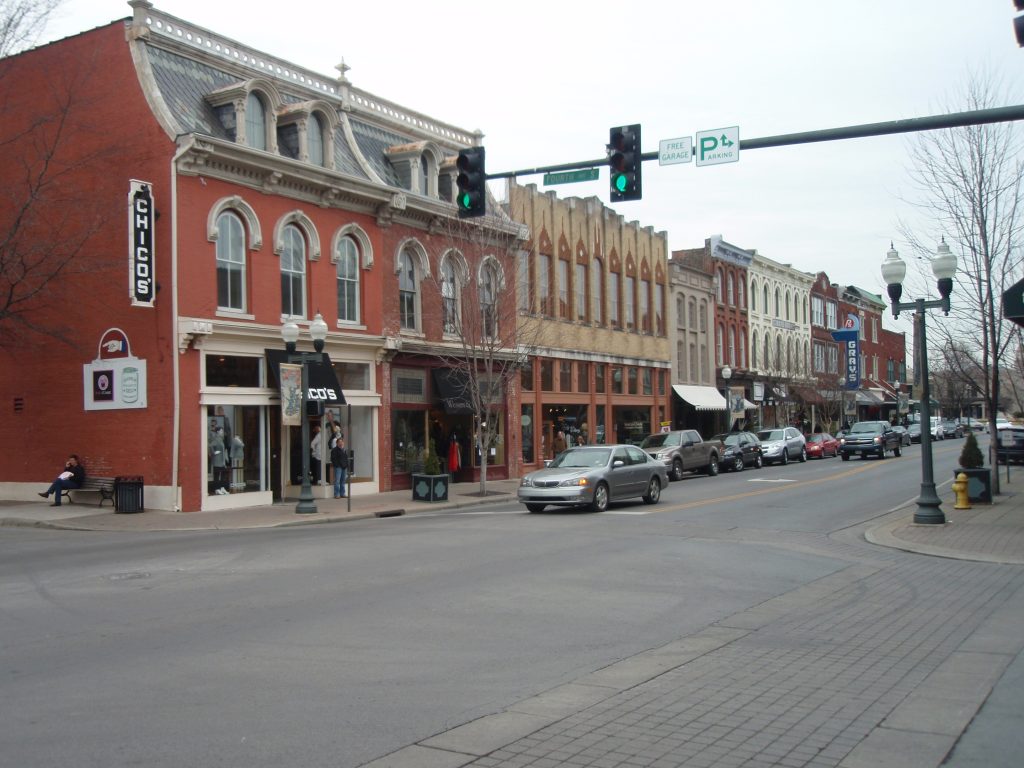
Franklin’s historic charm and rapid development have brought increased traffic, new commercial areas, and higher residential density, contributing to noticeable rises in property crime. Vehicle break-ins and retail thefts appear more frequently in bustling shopping districts that attract both locals and visitors. The city’s growing appeal as a business destination also increases daily foot traffic, creating new opportunities for opportunistic offenses. Police departments respond with expanded patrols and community partnerships aimed at maintaining the town’s reputation for safety. Residents remain attentive as Franklin adapts to the pressures of becoming a prominent regional hub with evolving public safety needs.
Gilbert, Arizona

Gilbert has experienced a surprising increase in crime despite maintaining one of the lowest crime rates in the Phoenix metropolitan region. Rapid population growth, rising commercial corridors, and increased commuter movement contribute to more property-related incidents, including vehicle break-ins and package thefts. Suburban development expands the areas police must cover, slowing response times during peak hours. Local officials emphasize that the city remains safe overall, but they acknowledge the importance of addressing these new challenges before they escalate. Gilbert continues refining strategies that reinforce community policing and keep pace with the fast-changing demands of a growing suburban landscape.