10 Secret U.S. Hot Springs Women Only Find After Asking Locals

Female travel safety consultants and outdoor adventure guides report that finding the perfect hot spring involves navigating a complex balance between accessibility and seclusion. While many roadside thermal pools have become overcrowded party destinations, a distinct network of quieter, more respectful springs exists for those who know who to ask. Community forums and local hiking groups often serve as the gatekeepers to these locations, sharing directions only with travelers who demonstrate a commitment to “leave no trace” principles and safety protocols.
Hydrogeologists and land management officials note that these hidden gems often require specific knowledge of forest service roads, seasonal water flow, or reservation systems that are not immediately obvious on standard map apps. Accessing these sites frequently involves a physical barrier, such as a steep hike or a high-clearance drive, which naturally filters out casual tourists. Experts emphasize that for women seeking a serene and safe soaking experience, these hurdles are actually features that ensure a respectful crowd and a pristine environment.
Goldmyer Hot Springs In Washington
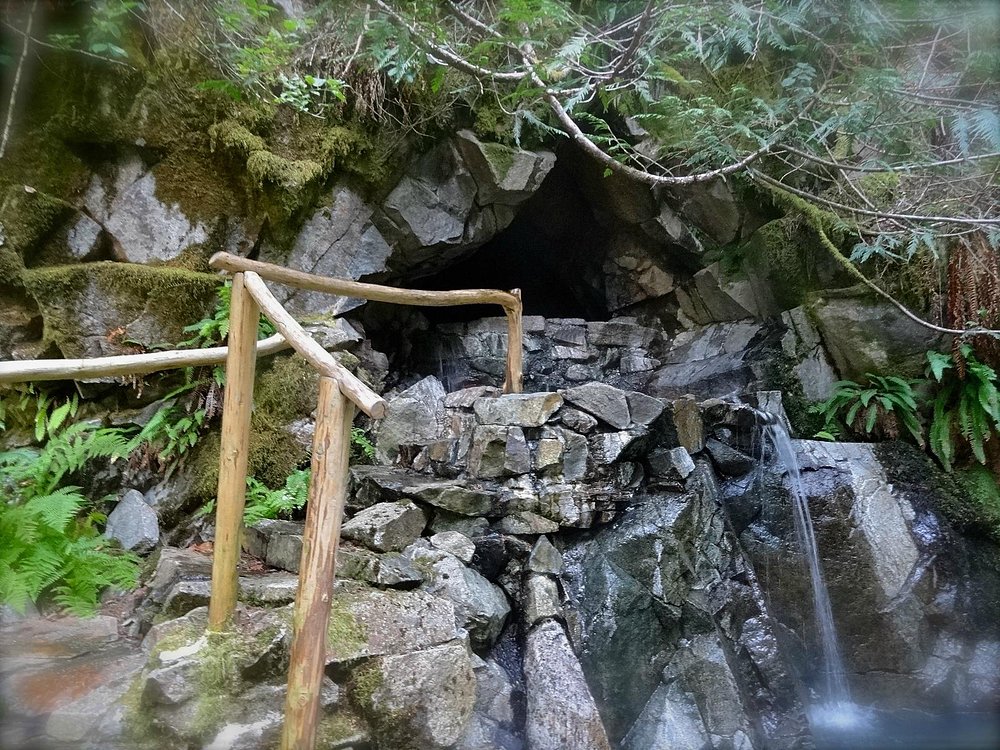
Wilderness conservationists and local hiking guides identify Goldmyer as the crown jewel of the Cascades due to its strict access controls. Managed by a non-profit organization, the springs require a reservation that must be secured months in advance, a system that limits daily visitors to just twenty people. This policy creates an environment of guaranteed solitude and safety that is highly enlarged by the presence of on-site caretakers who live at the property year-round.
The journey to the springs involves a substantial drive down a rough forest service road followed by a hike through ancient old-growth forest. Geologists explain that the water emerges from a horizontal mine shaft deep within the mountain before cascading into a series of tiered stone pools. The difficulty of access and the limited entry numbers ensure that the atmosphere remains meditative and respectful, contrasting sharply with the chaotic energy of uncontrolled public springs nearby.
Verde Hot Springs In Arizona
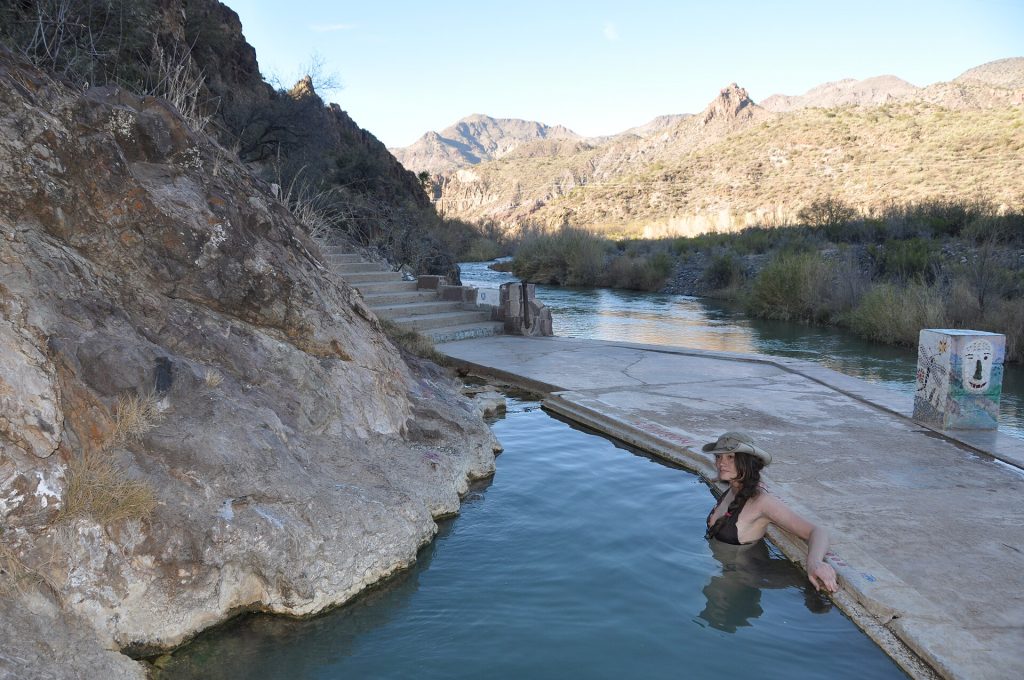
Historical researchers and Tonto National Forest rangers describe Verde Hot Springs as a destination where the journey is as significant as the soak. Located at the site of a former 1920s resort that burned down decades ago, the pools are set within the remaining foundation walls and are decorated with local art. Reaching the site requires miles of washboard dirt roads and a wade across the Verde River, a logistical challenge that local women advise tackling only when water levels are safe.
The springs offer a unique blend of history and wilderness with the ruins providing a sense of shelter and privacy. Adventure travel experts note that the remote location tends to attract serious hikers and nature enthusiasts rather than party crowds. The thermal water fills deep concrete tubs painted with murals creating a surreal, artistic oasis hidden in the stark beauty of the Arizona high desert.
Scenic Hot Springs In Washington
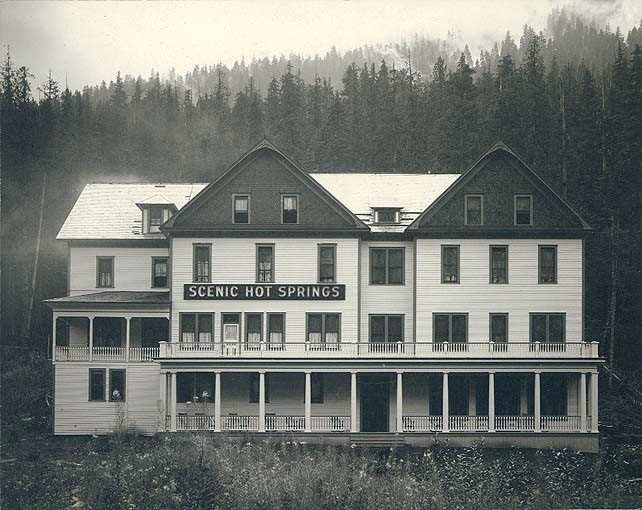
Private land managers and Pacific Northwest travel insiders view Scenic Hot Springs as the ultimate example of a location protected by its own exclusivity. Historically an unmanaged party spot, the springs are now located on private land and require a specific reservation and permission to enter. Local guides emphasize that the directions are only provided after the booking is confirmed, keeping the exact trailhead location out of the general public domain.
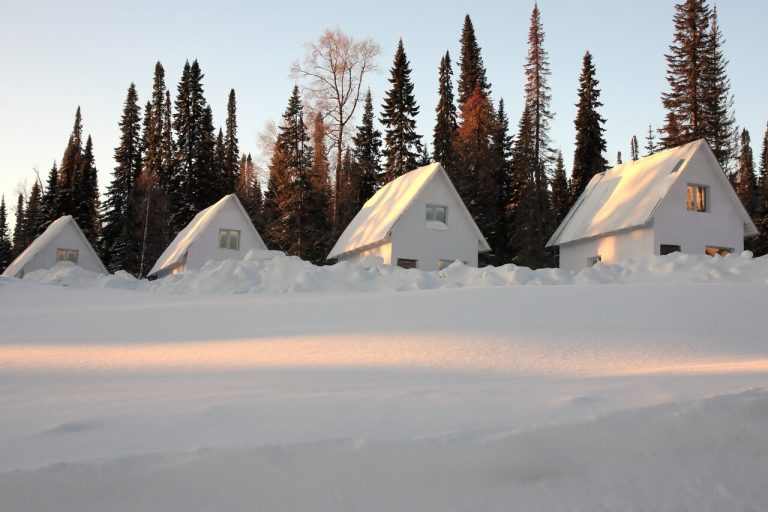
The springs consist of three heavy-duty plastic tubs set into a wooden deck that overlooks a breathtaking alpine valley filled with fir trees. Winter travel safety experts warn that reaching the site often requires snowshoes or touring skis, adding a layer of physical effort that deters casual visitors. This barrier to entry preserves the silence of the alpine environment making it a coveted retreat for those willing to ask the right people and respect the private property rules.
San Antonio Hot Springs In New Mexico
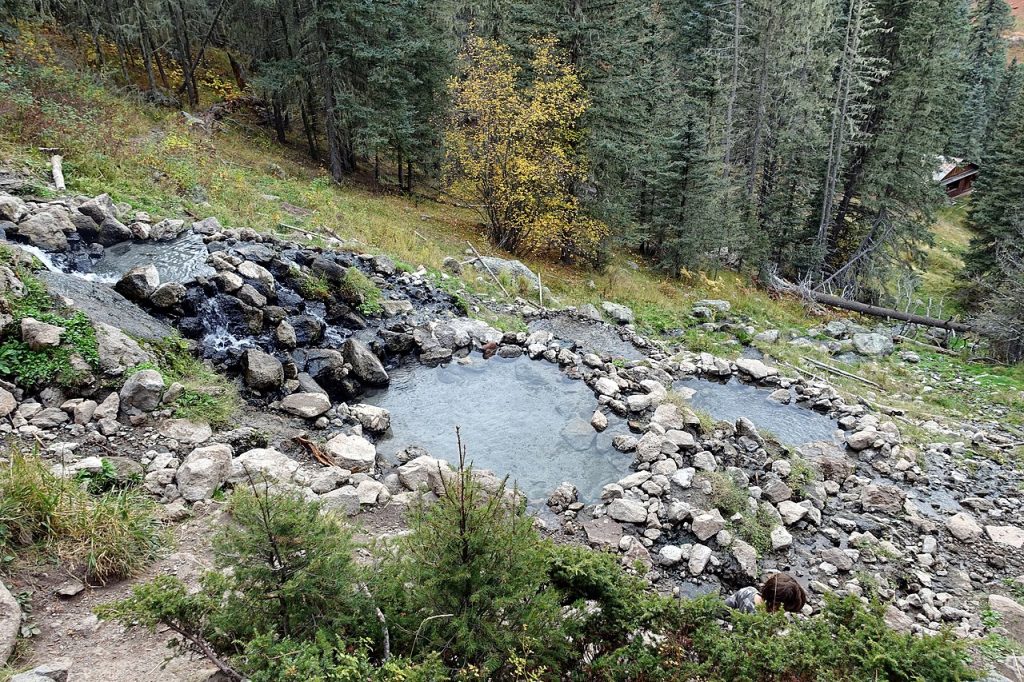
Santa Fe National Forest officials and local off-road driving instructors highlight San Antonio Hot Springs as a reward reserved for those with the right vehicle or the stamina to hike. The springs are located high in the Jemez Mountains and are accessed via a heavily rutted forest road that is impassable for standard sedans. Locals advise visitors to park at the gate and hike the five miles in during winter or wet weather to avoid getting stuck.
Geologists value the springs for their stunning tiered layout where hot water flows from pool to pool down the side of a steep hill. The elevation provides panoramic views of the surrounding pine forest and valley floor. The physical effort required to reach the site acts as a natural filter ensuring that the crowds are generally smaller and more appreciative of the natural setting than at more accessible roadside attractions.
Fifth Water Hot Springs In Utah
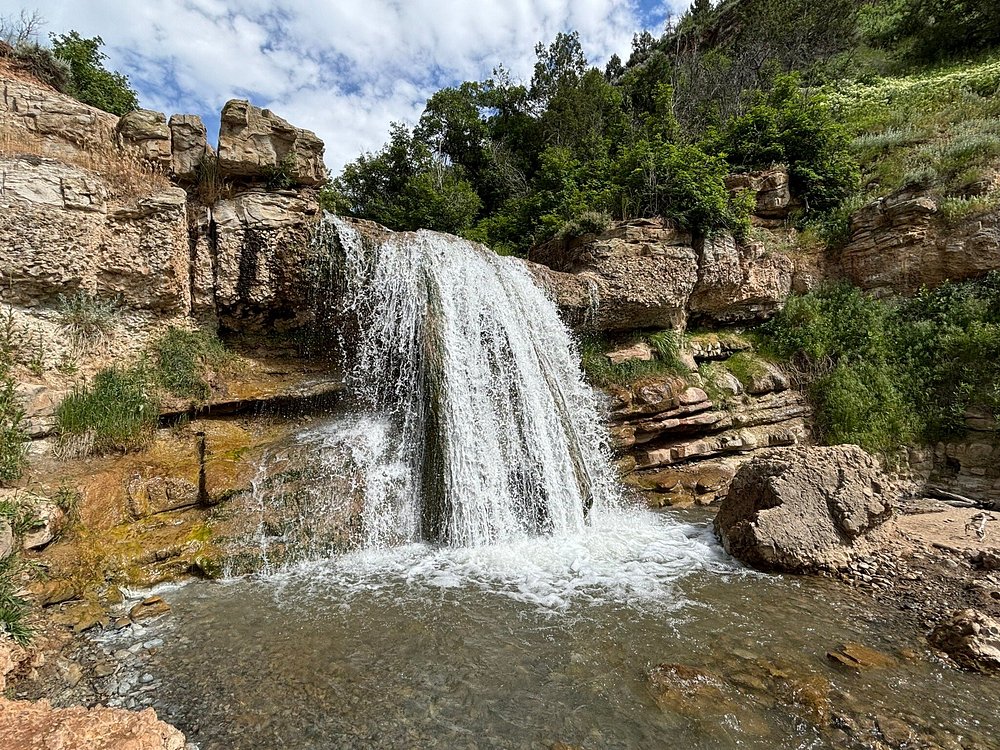
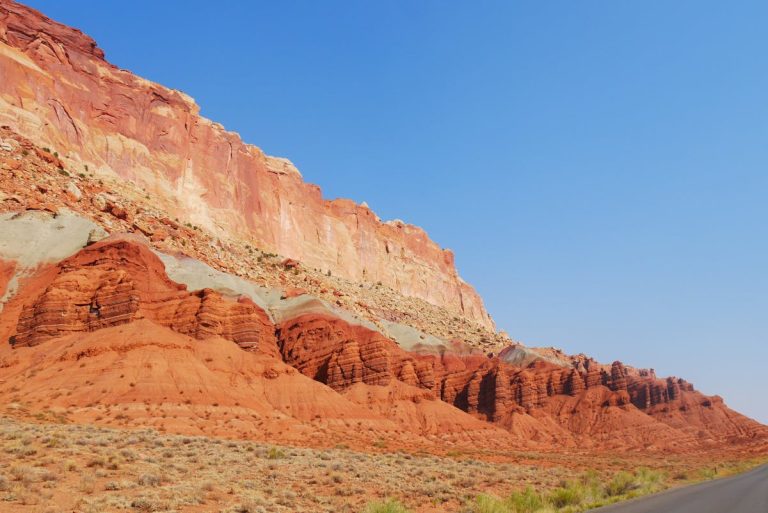
Hydrologists and landscape photographers frequently cite Fifth Water, also known as Diamond Fork, as one of the most visually striking springs in the West due to its unique water chemistry. The water carries a high concentration of sulfur and calcium which gives it a milky, turquoise blue hue that contrasts vividly with the red rock canyon walls. Local hiking groups note that the trailhead is hidden down a canyon road that closes in winter requiring a longer trek on snowshoes to access the pools.
The pools vary in temperature and are constructed from natural rock and mortar creating a series of soaking tubs that cascade alongside a cold waterfall. Safety consultants advise that the distinct sulfur smell is a small price to pay for the therapeutic minerals. The multi-mile hike ensures that the site attracts active nature lovers creating a communal and friendly atmosphere among the bathers who make the journey.
Remington Hot Springs In California
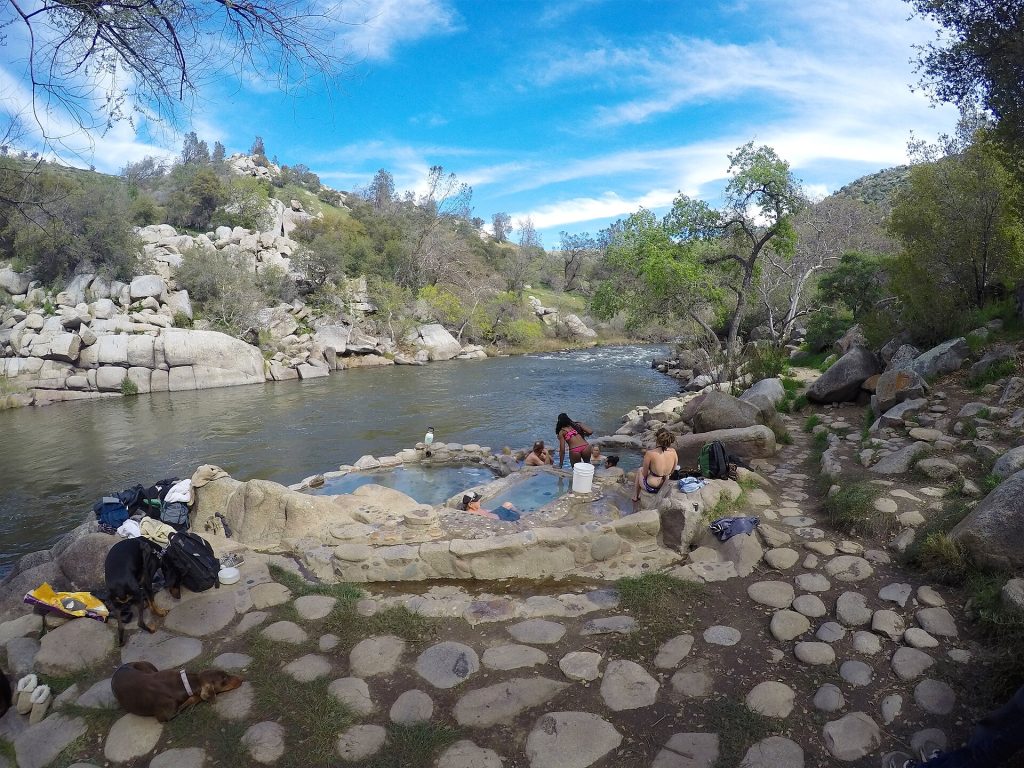
Kern River conservationists and trail maintenance volunteers manage Remington Hot Springs as a community treasure that relies on user stewardship. Unlike the more famous and crowded Miracle Hot Springs nearby, Remington is located down a steep, steep trail that discourages those carrying heavy coolers or party gear. Local river guides explain that the pools are constructed of cemented river stones right at the water’s edge allowing bathers to switch between the hot thermal water and the cold rush of the Kern River.
The site is maintained by locals who regularly scrub the tubs and clear trash fostering a culture of respect and cleanliness. Frequent visitors note that the vibe here is typically quiet and contemplative with the sound of the river drowning out conversation. The steep hike back up to the parking lot serves as a final check on the crowd ensuring that only those physically capable and prepared venture down to the water.
Jerry Johnson Hot Springs In Idaho
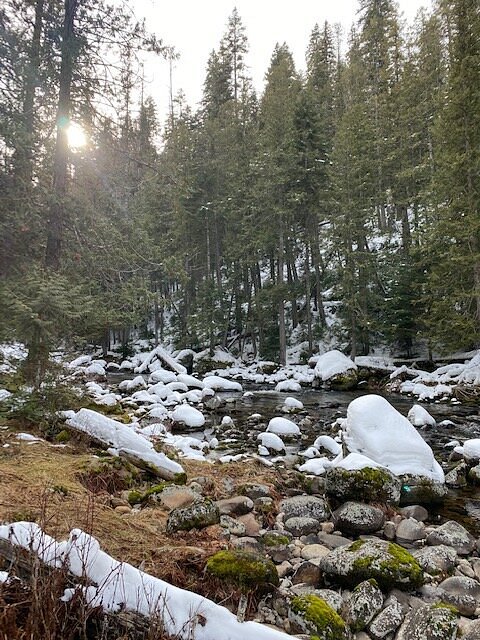
Clearwater National Forest rangers and biology students from nearby universities identify Jerry Johnson as a prime location for observing the intersection of geothermal activity and wildlife. The springs are accessible via a flat but substantial hike through a cedar grove which opens up to steam rising from rock pools along Warm Springs Creek. Local women often recommend visiting in the early morning to share the mist-filled valley with moose and elk rather than other humans.
The pools vary significantly depending on the season with spring runoff sometimes submerging the lower tubs. Experienced locals know exactly which rock-walled pools remain hot and usable during high water. This seasonal knowledge is crucial for a successful visit making it a destination where current information from community sources is far more valuable than a generic guidebook description.
Travertine Hot Springs In California
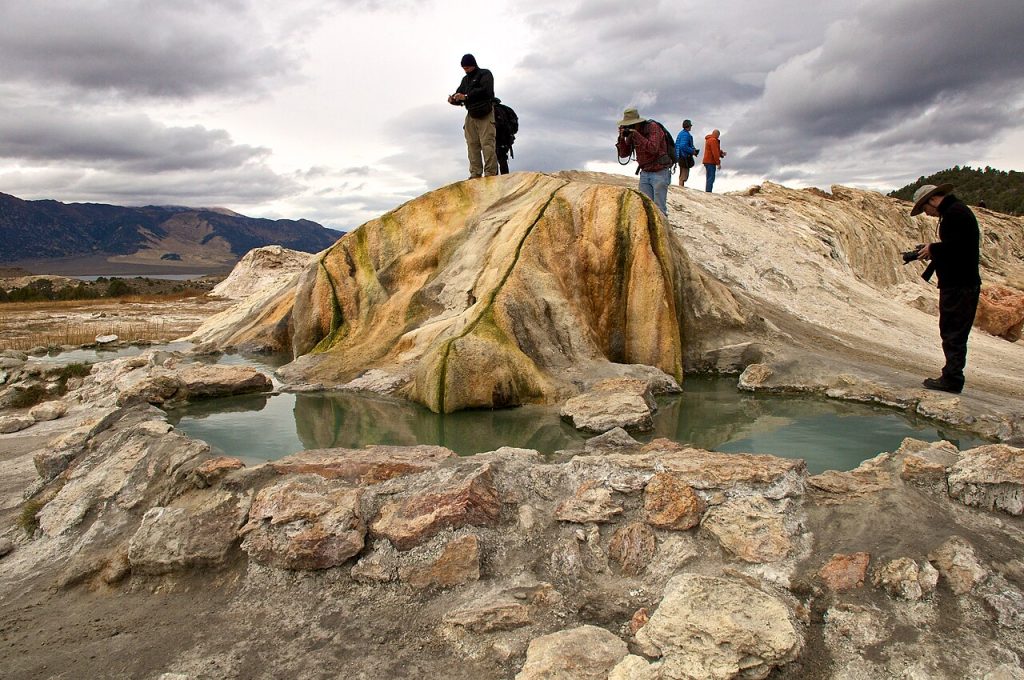
Eastern Sierra geologists and Bureau of Land Management officers view Travertine as a geological marvel that requires specific directions to find the best pools. While the main parking area is accessible, the most secluded and scenic pools are tucked away down unsigned footpaths through the brush. Local guides suggest exploring beyond the main concrete tub to find the natural rock-bottomed pools that offer unobstructed views of the Sierra Nevada mountains.
The springs are named for the massive deposits of calcium carbonate that have formed colorful ridges and terraces over millennia. Rangers emphasize the importance of staying on established paths to protect these fragile formations. The expansive views and the ability to find a private nook among the rocks make it a favorite for solo travelers seeking a connection with the high desert landscape.
Weir Creek Hot Springs In Idaho
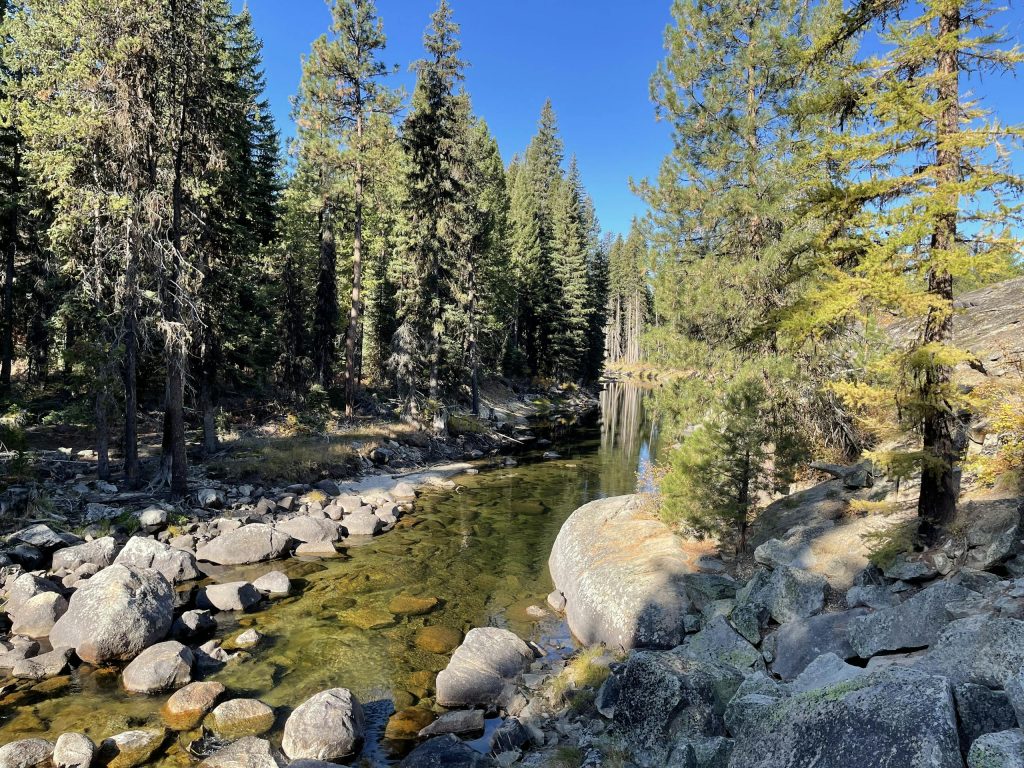
Backcountry guides and wilderness advocates distinguish Weir Creek from other Idaho springs by its rugged setting and the sheer cliffs that frame the pools. Located just off the Lochsa River, the trail is often muddy, steep, and slick requiring sturdy footwear and a sense of adventure. Locals warn that the path hugs a precipice in places acting as a deterrent for those with a fear of heights or improper gear.
The springs themselves are nestled in a granite amphitheater with hot water cascading from a crack in the cliff face. The intimate size of the main pool encourages quiet conversation among the few hikers who make the trek. The physical challenge of the approach and the remote location ensure that the site remains a sanctuary for those who prioritize wilderness immersion over convenience.
Strawberry Park Hot Springs In Colorado
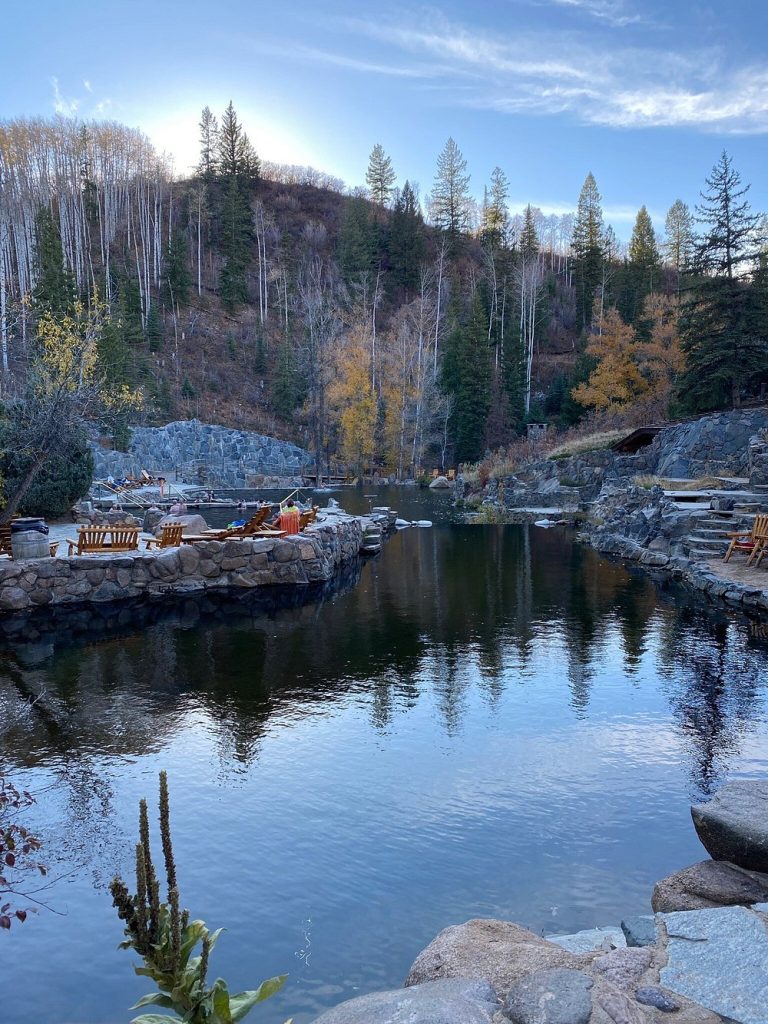
Steamboat Springs hospitality directors and local ski instructors recommend Strawberry Park as the ideal blend of rustic charm and managed safety. While the springs are privately owned, the access road is notoriously difficult in winter requiring a four-wheel drive vehicle with snow tires or a seat on the local shuttle. Experts note that the shuttle service is the preferred method for many women as it eliminates the stress of mountain driving and guarantees a safe return.
The pools are built directly into the natural environment using stone masonry to create multiple temperature zones separated by the rushing Hot Springs Creek. Park staff monitor the area to ensure that the noise levels remain low and the atmosphere stays relaxing. The reservation system and the difficult road effectively limit the capacity preserving the tranquil experience of soaking in a steaming pool while snow falls gently on the surrounding aspen trees.