10 Small Airports Losing Major Airline Service
Small airports sit close to everyday life: a short drive, a familiar terminal, a single route that keeps work, family, and emergencies within reach. When a major airline trims a spoke or cancels a hub link, the change rarely looks dramatic on paper, but it rewrites how time, money, and stress add up across a year. Across the country, recent cuts show the same pattern. One flight disappears, and the trip quietly grows longer, less flexible, and harder to fix when plans shift.
Casper, Wyoming: Delta Ends Salt Lake Link

In Casper, WY, the Delta Connection hop to Salt Lake City ends after the last flight on Dec. 3, 2024, closing a fast link to a major hub and leaving the airport without any Delta-branded departures. That single daily round trip quietly carried oil-field crews, visiting nurses, college athletes, and winter travelers who needed one clean connection rather than a patchwork of long drives, missed meetings, and tight connections. County leaders had helped keep the route afloat with minimum revenue guarantees and once that support stopped, Delta’s regional math stopped with it, even as United Express still feeds Denver this year.
Lewiston, Idaho: United Drops Denver

Lewiston’s airport in Idaho loses its daily United flight to Denver on Jan. 31, 2025, a line on a timetable that changes how the region moves. That Denver connection handled medical appointments, college travel, and business swings in a single stop, and it also served as a safety valve when Seattle routes were full or disrupted by winter fog and low clouds. Airport officials can pitch demand, offer marketing support, and rally partners, but until another carrier steps in, the town’s most reliable long-haul doorway simply shuts, and the drive to Spokane becomes the fallback, with fewer same-day options for returning home.
Fayetteville, North Carolina: American Pulls Back From DFW

Fayetteville, NC, watched American drop its Dallas-Fort Worth service effective Mar. 5, 2024, tightening the airport’s map to fewer hub choices and reducing the kind of one-ticket itineraries people count on. DFW mattered because it opened the West, the Mountain states, and international connections with one transfer, while also giving military families and contractors a second major gateway beyond Charlotte during travel weeks. When a hub disappears from a small field, the impact is not just fewer seats; it is less flexibility when delays hit, prices jump, or the last flight of the day fills, and plans tighten fast.
Albany, New York: United Ends Newark
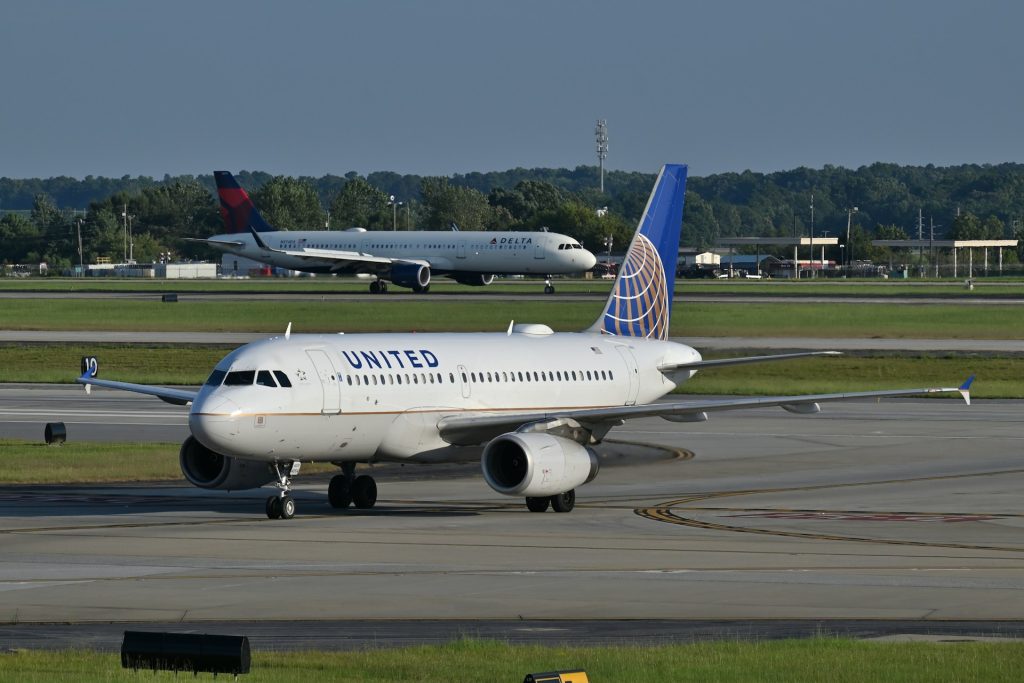
Albany International lost a small but strategic slice of service when United ended its Newark flights on Mar. 29, 2025 a cut that looks minor until a trip needs a tight connection. Newark was not just a New York-area option; it was a link to international departures and to United’s full East Coast schedule for day trips that start at 7:00 a.m. and land back home at dinner. With that link gone, the remaining choices push passengers toward longer drives to bigger airports and connections, and fewer last-minute fixes when meetings move, storms roll in, or the final seat sells, especially on Monday mornings and snowy Fridays.
Providence, Rhode Island: A Hub Shortcut Disappears

Providence, RI felt United’s pullback from Newark, with the last PVD-EWR flight scheduled for Mar. 29, 2025, cutting a quick hop that many travelers treated like a commuter run for locals. For an airport built on convenience, Newark worked as a shortcut to global itineraries, same-day meetings, and the tight connections that make a regional field feel bigger than it is, especially during winter disruptions. When a legacy carrier trims a spoke, the pain shows up in quieter ways: fewer schedule choices, more driving to Boston or flying via another hub, and less resilience when one delay starts a chain reaction across the day.
Manchester, New Hampshire: Newark Out, Dulles In

Manchester’s airport in New Hampshire did not lose United outright, but it did lose Newark, its lone nonstop to the New York area, after Mar. 29, 2025. United replaced it on Mar. 30 with Washington-Dulles service, which keeps a hub connection but changes the shape of trips that once depended on quick access to Manhattan, Newark’s international banks, and the easy rail links across New Jersey. For business flyers and weekend travelers alike, the swap adds a steady path to Washington and government-heavy itineraries yet it also means New York now requires a connection, a drive, or the bus, and that adds extra drag in winter.
Midland, Texas: Delta Ends the Austin Link

Midland International Air and Space Port in Texas is set to lose Delta’s nonstop to Austin after Nov. 8, 2025, a short flight that carried utility for a region built on tight schedules. The route was a connector for government work, tech commutes, and onward links through Austin’s network, and it also gave travelers a choice beyond driving 300 miles round trip or backtracking through Dallas-Fort Worth for one connection. When a single daily nonstop disappears, the airport still has planes on the board, but the clock tax on every trip rises, meetings get harder to stack, and travelers start budgeting time instead of miles.
Paine Field, Washington: Frontier Exits

At Paine Field near Everett, WA, Frontier said it will end all service on Jan. 5, 2026, shrinking the promise of nearby flights; for many north-of-Seattle travelers, it meant skipping the long haul to Sea-Tac. The airport has watched airlines come and go, and each exit leaves fewer bargain seats, fewer nonstops to warm-weather cities, and less leverage for keeping prices in check on what remains during busy weeks. For travelers north of Seattle, the change is familiar: the same trip now starts with extra driving, extra parking, and the sense that convenience can vanish between one season’s schedule and the next.
Fort Collins, Colorado: United’s Landline Option Ends

Northern Colorado Regional in Fort Collins, CO, is losing its United-branded Landline connection on Jul. 31, 2025, ending the bus-to-hub option that let tickets work like flights and fed United’s schedule at Denver. For locals, the appeal was simple: check bags once, clear security once, and reach Denver International without fighting I-25 traffic or paying long-term parking when a trip really starts at the big airport. When that branded link disappears, the airport still exists, but its role as a convenient front door to a major airline network fades, and the region feels a little less connected when plans change late too.
Eugene, Oregon: American Cancels DFW

Eugene, OR, lost a high-leverage nonstop when American scheduled its last Dallas-Fort Worth flight for Aug. 5, 2025, trimming a direct bridge to one of the country’s biggest hubs. That DFW link made cross-country trips feel straightforward for university travel and family visits, and it served as a pressure-release valve when West Coast fog or wildfire smoke squeezed capacity and pushed passengers to rebook fast. Without it, the airport still has many on the departures board but long itineraries gain extra connections, missed-meeting risk rises, and the simple promise of getting there and back in a day gets harder to keep.