10 Small U.S. Cities New Residents Say They Were Misled About
Small U.S. cities often promise an easier life: friendlier faces, shorter drives, and a budget that finally breathes. After the move, newcomers sometimes feel misled by what never made the brochure. Housing can be tight, wages can lag, and quiet can mean limited services, fewer flights, or long waits for childcare and doctors. Tourism seasons, college calendars, or a single major employer can shape everything from traffic to rent. Most frustration comes from a gap between a weekend impression and weekday reality. None of this makes a place bad. It just means the real city shows up on a rainy Tuesday, not during a sunny visit.
Asheville, North Carolina
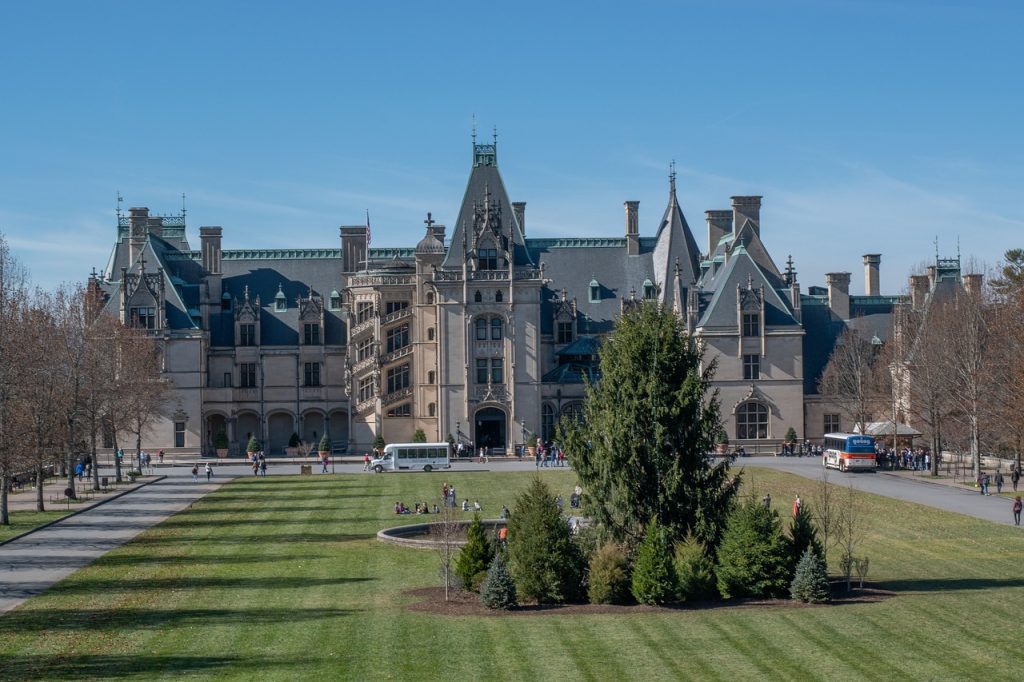
Asheville is pitched as a creative mountain pocket where breweries, galleries, and Blue Ridge views soften daily stress. New residents sometimes feel misled by how tight the housing market can be, with limited inventory, fast application cycles, and prices that outpace many local pay scales. Tourism also changes the feel of downtown on peak weekends, when traffic thickens, parking becomes a hunt, and basic errands take longer. Some newcomers also note longer waits for contractors and certain appointments. The charm holds, but it often comes with tradeoffs that show up in leases, queues, and the cost of staying close to the center.
Bozeman, Montana
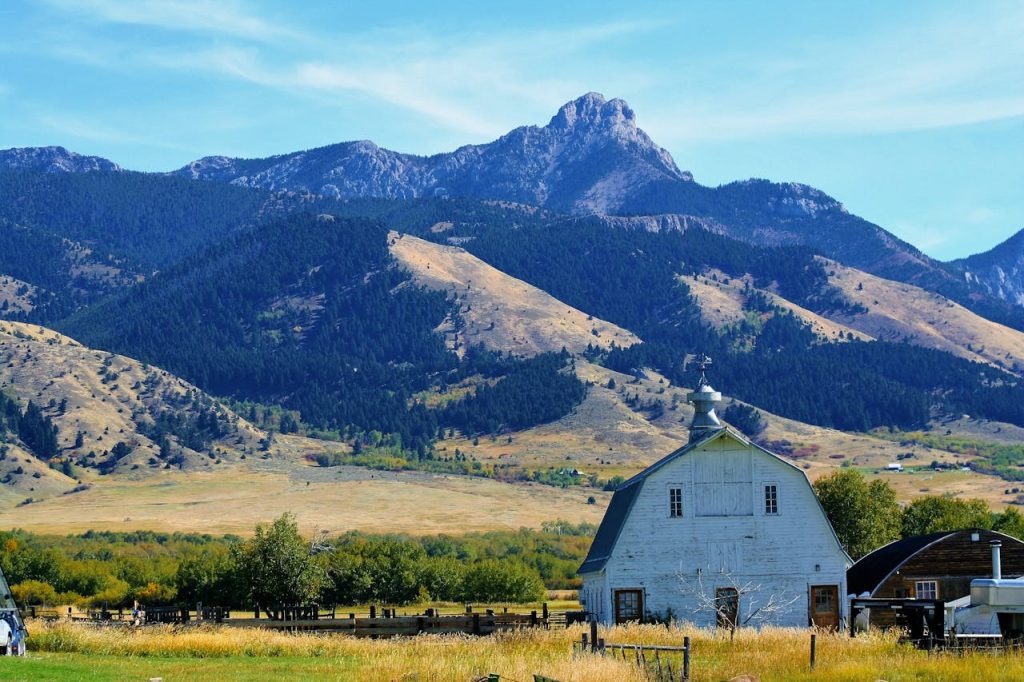
Bozeman is often sold as a relaxed college town with ski access, clean air, and a friendly pace under big skies. New arrivals sometimes feel misled by how expensive basics can be once growth collides with limited supply, especially for rentals, childcare, and skilled trades. Winter stretches long, and late-summer smoke can interrupt the outdoor calendar in some years. Outside a few major sectors, the job market can feel narrower than expected, which makes budgeting and long-term planning more complex. The setting delivers, but daily life may depend on steady income, patience, and comfort with peak-season crowds.
Bend, Oregon
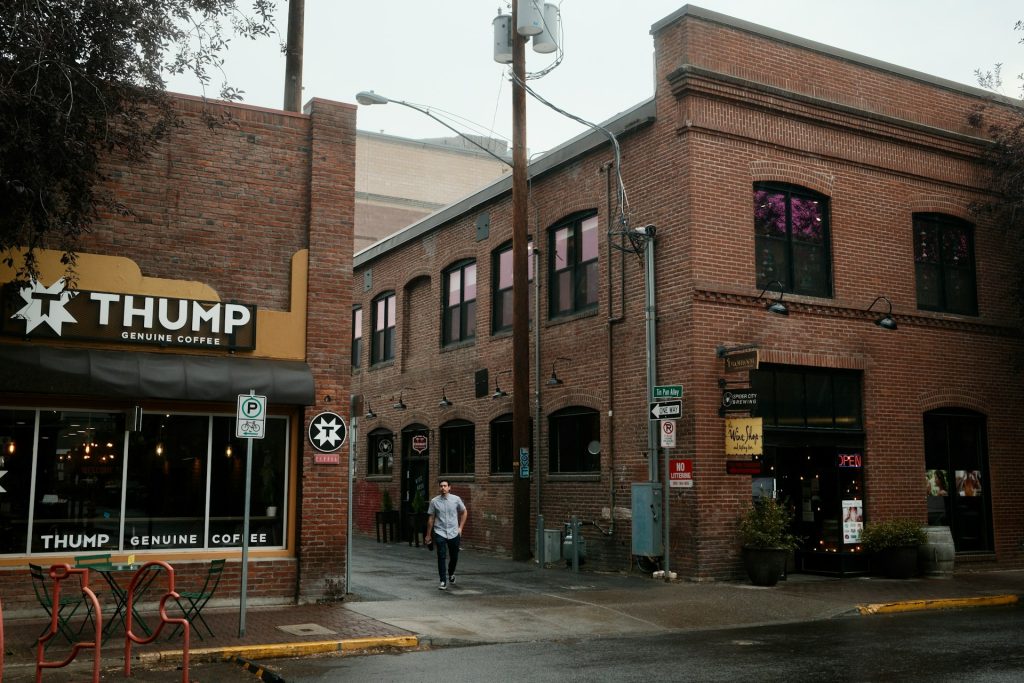
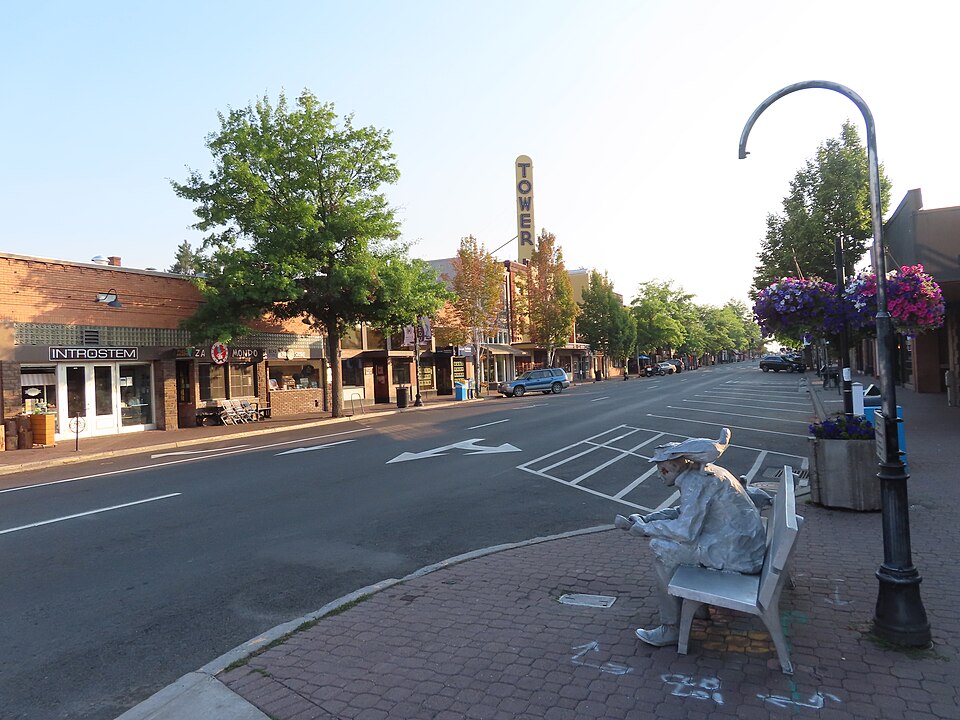
Bend’s reputation is river floats, trailheads, and bright high-desert days that make a workweek feel outdoors-first. New residents sometimes say they were misled by the price tag: housing, dining, and childcare can land closer to major-metro levels than a small-city image suggests. Demand can also outpace capacity, leading to longer waits for repairs, contractors, and appointments. Tourism swells in peak months, and wildfire smoke can reshape summer routines, pushing plans indoors. The lifestyle is real, but it often requires planning, flexible expectations, and a budget built for a popular town.
Santa Fe, New Mexico
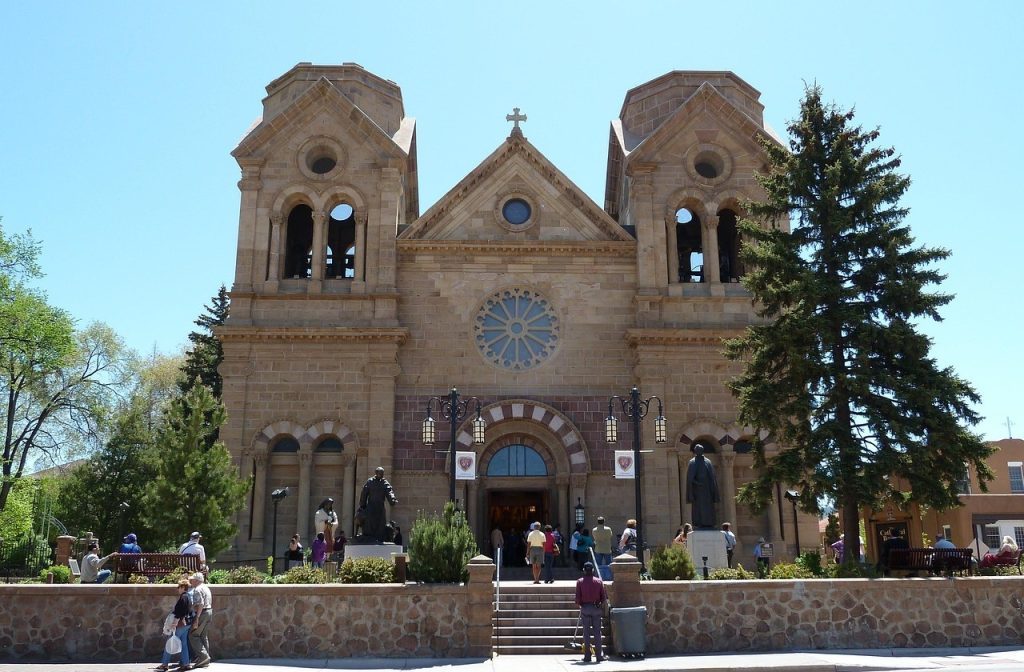
Santa Fe is marketed as an artsy refuge of adobe lanes, galleries, and high-desert light, with a slower pace that looks effortless. Newcomers sometimes feel misled by how quickly costs add up, from housing to meals, while many careers funnel into a few dominant lanes such as tourism, government, and healthcare. The altitude and dry air can be a real adjustment, and winter nights can feel sharper than a first visit suggests. Services can be spread out, so errands mean more driving than expected. The city rewards people who value culture, quiet beauty, and a practical approach to daily logistics.
Savannah, Georgia
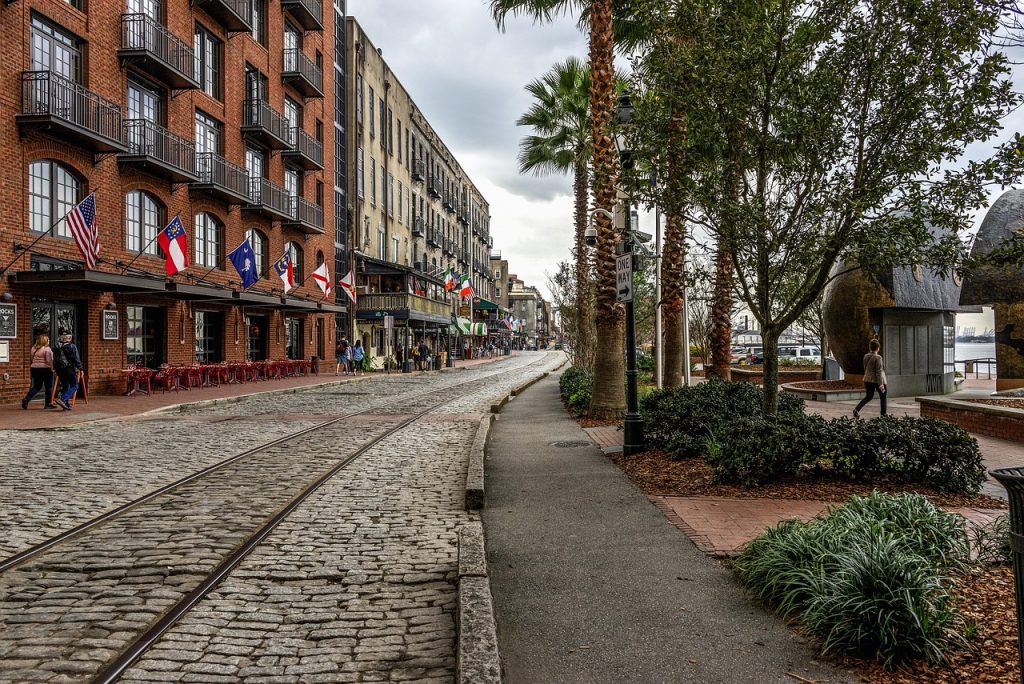
Savannah’s image is historic squares and slow walks under live oaks, so newcomers often expect calm charm as the default setting. Some say they were misled by how much tourism and nightlife shape the downtown core, bringing noise, weekend traffic, and constant turnover from short-term stays. Heat and humidity can be more than an inconvenience, and storm season adds another layer of planning and cost. Parking and basic errands downtown can feel like a daily puzzle rather than a postcard stroll. The city can still be deeply livable, but it works best when neighborhood choice, commute routes, and seasonal rhythms are taken seriously.
Charleston, South Carolina
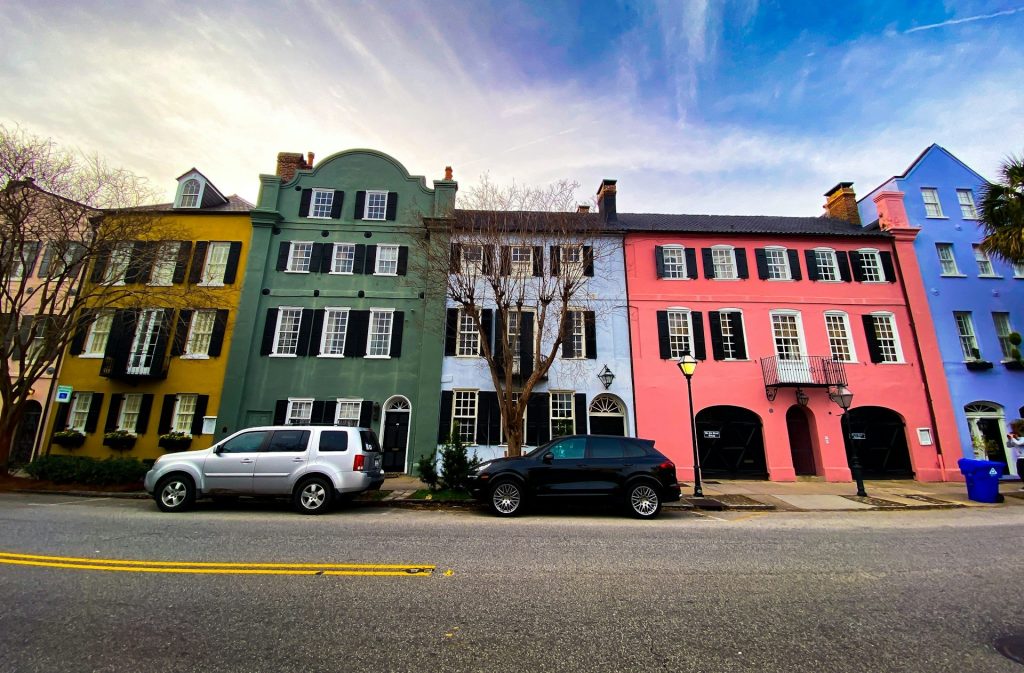
Charleston is framed as effortless coastal charm, with a historic core and food scene that make relocation feel instantly rewarding. New residents sometimes feel misled by how intense traffic can be and how strongly the visitor calendar influences reservations, parking, and weekday errands. Housing costs can rise faster than salaries in some fields, tightening budgets sooner than expected. Heat and humidity linger for long stretches, and flood-prone streets in some areas can complicate commutes and insurance choices. The city still shines, but it tends to favor people who plan carefully and accept that beauty does not cancel logistics.
Burlington, Vermont
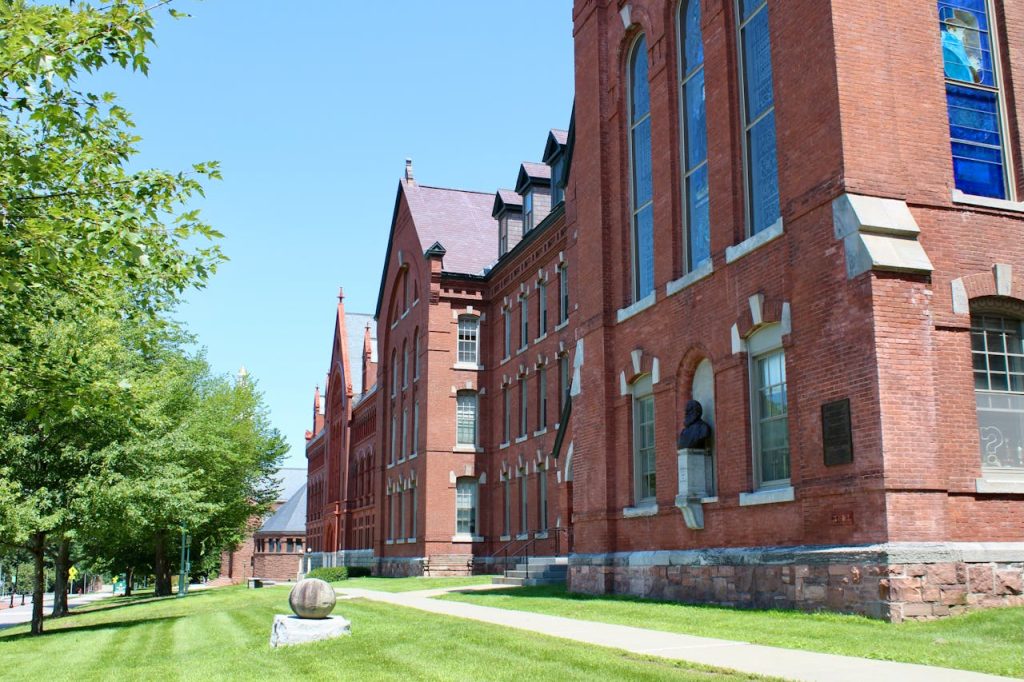
Burlington looks like a compact lake city with big community energy, so newcomers expect walkable ease and a steady social pulse. Some say they were misled by how tight housing can be and how limited certain services feel in a small regional hub, where repairs, childcare, and specialist appointments may require more lead time than anticipated. Winter can run long and dark, and heating costs can strain a budget, especially for older rentals. Groceries can also feel pricier than expected. Many still stay because the scale is humane, nature is close, and neighborly routines build slowly, but they build for real.
Flagstaff, Arizona
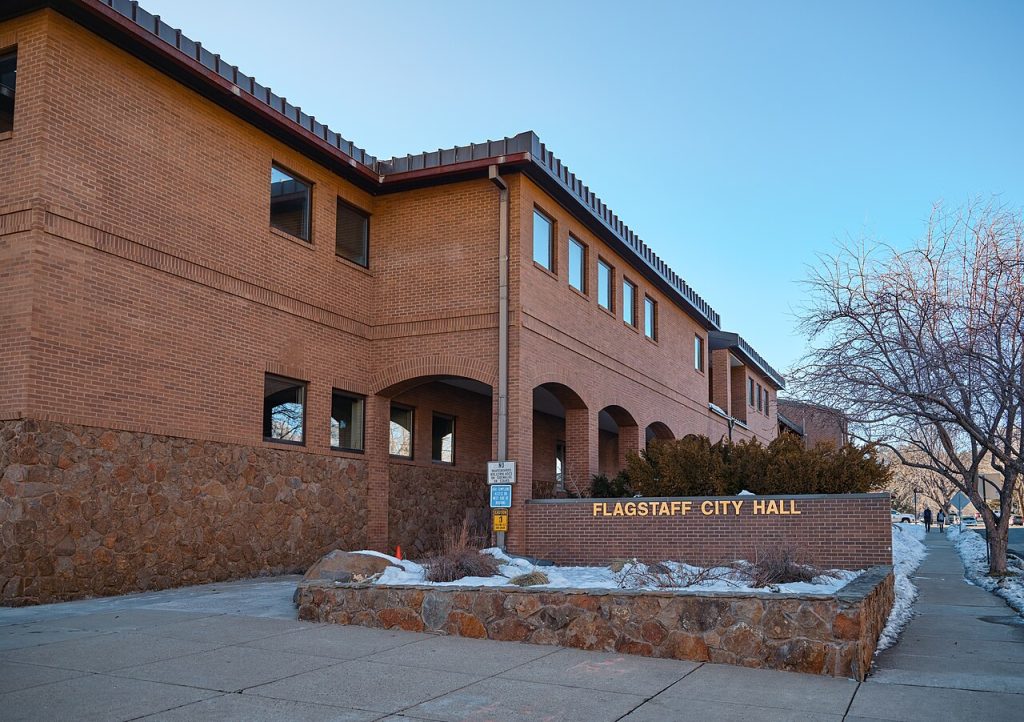
Flagstaff is advertised as Arizona’s cool-weather escape, framed by pines and mountain air, so newcomers often expect easy comfort. New residents sometimes feel misled by how real winter can be, with snow, icy mornings, and higher heating bills than a desert state implies. Housing can be competitive because tourism and the university keep demand high, and rentals can cycle quickly. The job market can feel concentrated, so career pivots may take time. Altitude can also affect sleep and energy at first. The payoff is a true four-season town, but it rewards planning, good timing, and realistic expectations about supply.
Traverse City, Michigan
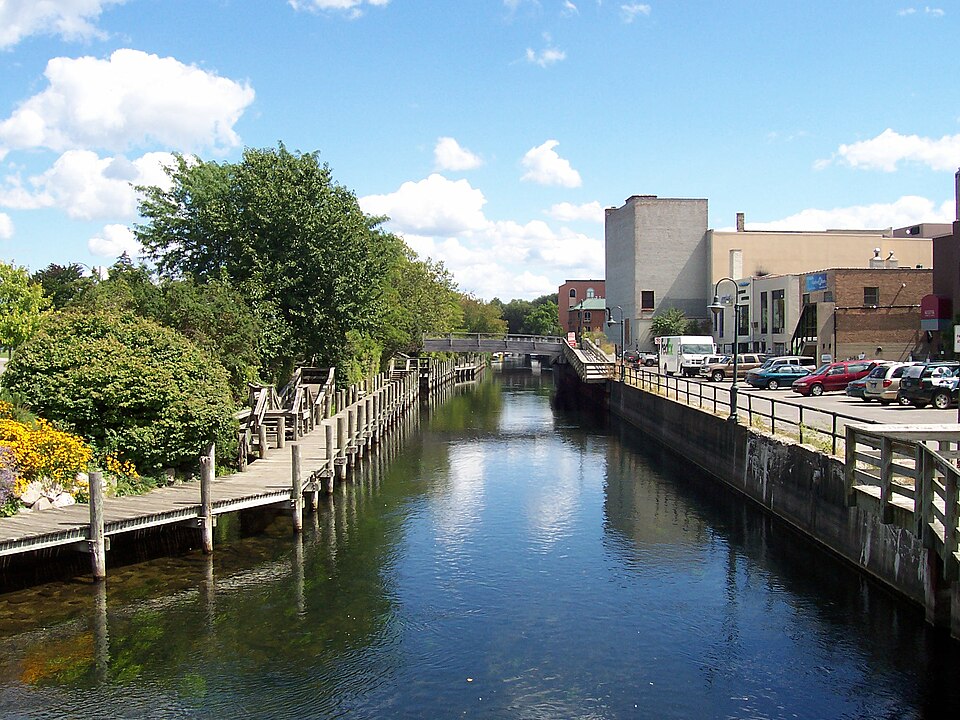
Traverse City is sold as lakeside bliss, with wineries, beaches, and a summer glow that makes daily life feel like a getaway. Some newcomers say they were misled by how sharply crowds swell in warm months, turning restaurant waits, traffic, and grocery runs into a planning exercise. Work and services can feel seasonal, with fewer options once peak travel slows. Flights are limited, and some specialty care needs planning beyond the region. Winter can be gray and snow-heavy, and the quiet months test anyone who moved for constant energy. Many love it anyway, but the move works best when both July and January are treated as the real hometown.
Key West, Florida
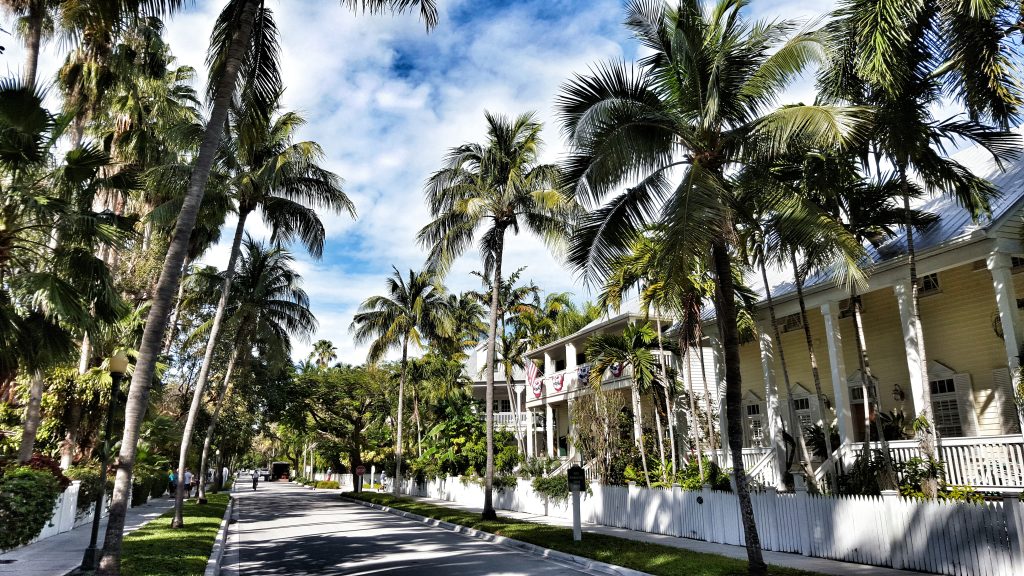
Key West is sold as laid-back island living, where sunsets and live music make the pace feel permanently relaxed. New residents sometimes feel misled by the cost and scarcity of long-term housing, plus the way tourism keeps the island crowded through much of the year. Space is limited, so parking, storage, and quiet work time can be harder to secure than expected. Groceries and repairs can cost more, and storm season shapes insurance decisions and planning. The charm is real, but it suits people who budget generously, stay flexible, and enjoy living in a small place that rarely feels empty at night.