10 Street Food Markets Crawling With Pickpockets
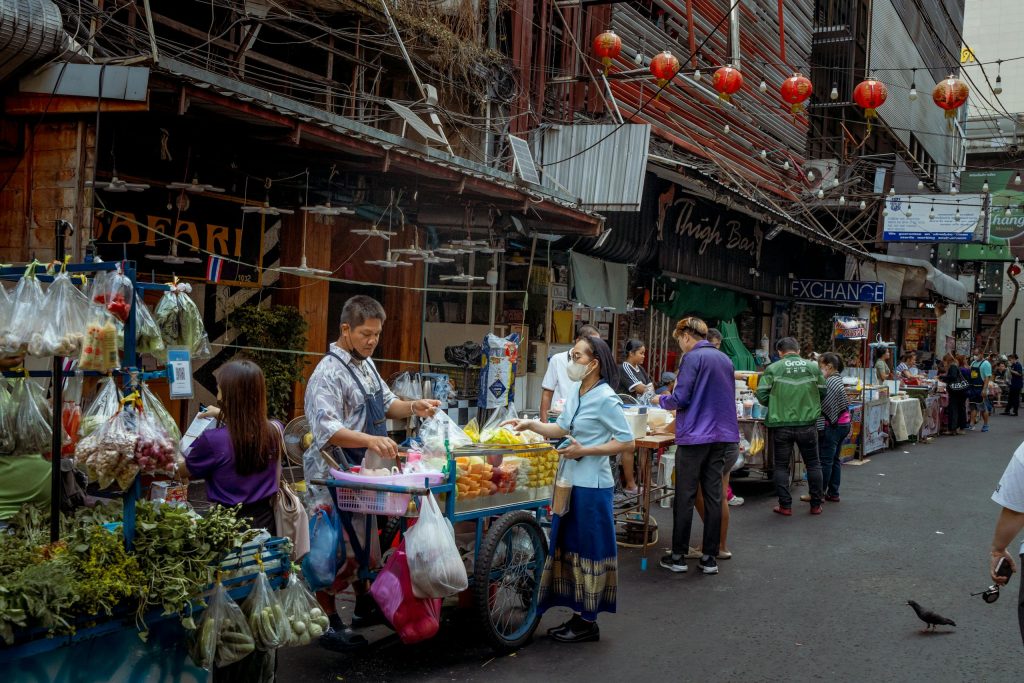
Security analysts and travel safety consultants consistently identify bustling food markets as some of the most high-risk environments for petty theft globally. The unique combination of sensory overload, crowded aisles, and the transaction of cash creates a perfect storm for skilled pickpockets. Criminologists explain that when the human brain is fixated on the smell and sight of food, peripheral awareness diminishes significantly. This biological reaction allows thieves to operate within the personal space of a victim without triggering the usual defensive instincts.
Law enforcement officials in major tourist hubs report that organized theft rings specifically target these culinary centers during peak hours. The layout of these markets often features narrow choke points and blind corners that facilitate a quick escape for perpetrators. By understanding the mechanics of distraction that define these venues, travelers can better appreciate why experts classify these gastronomic destinations as hotspots for losing wallets and passports.
La Boqueria In Barcelona
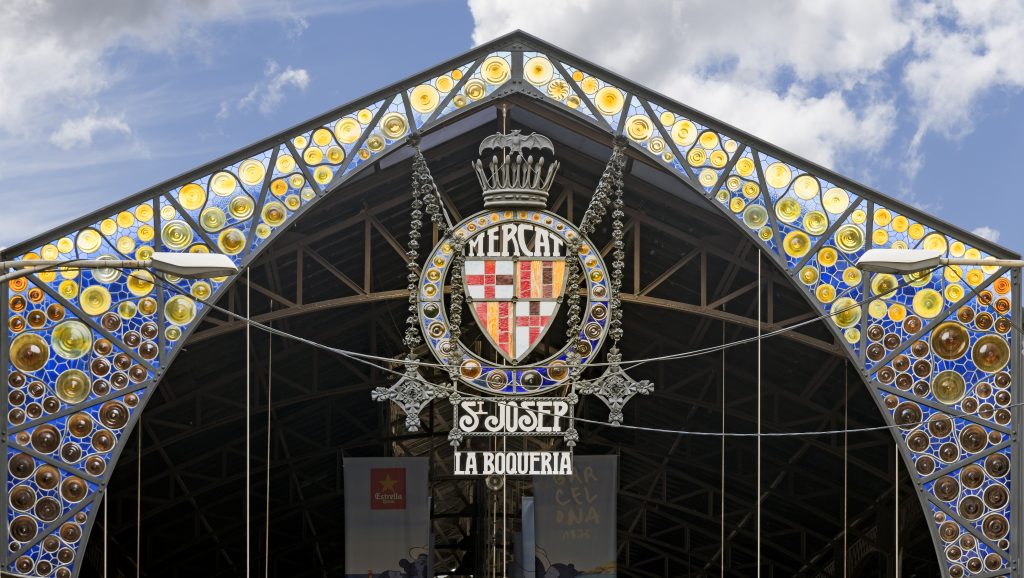
Catalan police forces and tourism safety officers frequently cite this iconic market off La Rambla as a primary operating ground for professional theft teams. The vibrant displays of fruit, cured ham, and seafood demand total visual attention from visitors. Security experts note that the aisles are intentionally kept narrow to maximize stall space which forces physical contact between strangers. This constant jostling provides cover for pickpockets who use the density to mask the sensation of a hand slipping into a pocket or bag.
The problem is exacerbated by the sheer volume of tourists who stop abruptly to take photographs of the food. Crowd control specialists observe that these static bottlenecks create ideal targets for thieves who work the perimeter of the group. While the market offers a premier culinary experience, the local authorities advise that the chaotic environment requires a heightened level of vigilance regarding personal belongings at all times.
Jemaa el-Fnaa In Marrakech
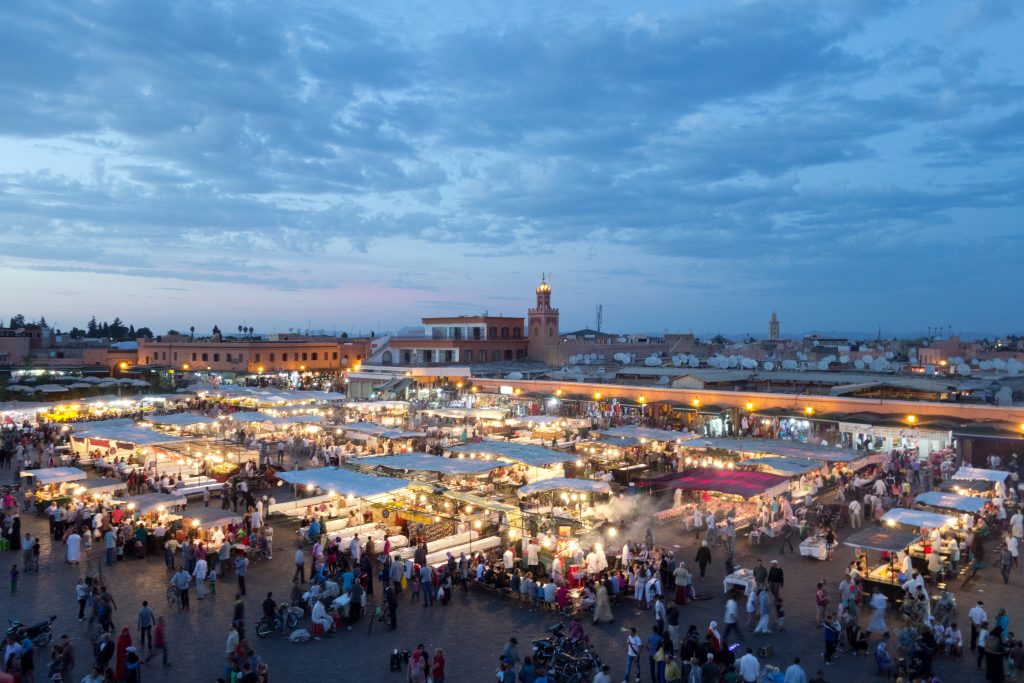
Travel risk assessors warn that the transformation of this square from a day market to a massive night food stall center creates a chaotic environment ripe for theft. As the sun sets and the smoke from hundreds of grills fills the air, visibility drops and the crowd density increases. Local guides emphasize that the sensory bombardment from musicians, snake charmers, and aggressive food touters overwhelms the situational awareness of most visitors.
The seating arrangements at the food stalls are typically cramped communal benches where diners sit shoulder to shoulder with strangers. Security consultants point out that this proximity allows thieves to access bags placed on the ground or hanging from chair backs with ease. The frenetic pace of the service and the distraction of the live entertainment serve as effective diversions that professional pickpockets exploit nightly.
Borough Market In London
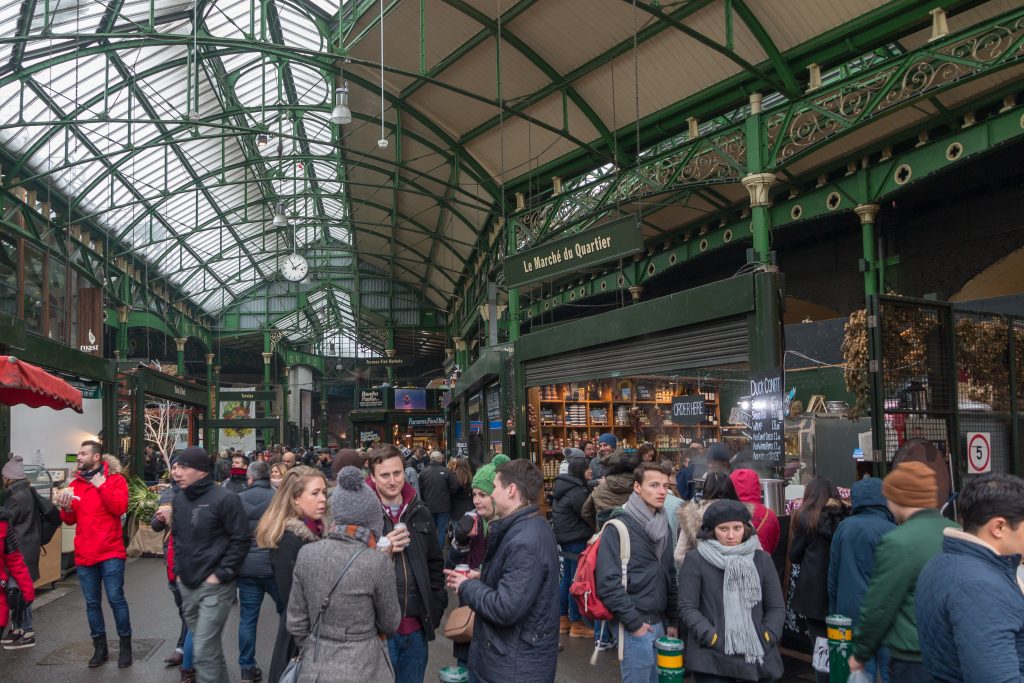
Metropolitan Police statistics and urban safety reports highlight this historic market near London Bridge as a significant location for stealth crime. The market is located under a railway viaduct which creates a loud and enclosed acoustic environment that adds to the disorientation. Retail security experts note that the high price point of the artisanal goods attracts a wealthy demographic that thieves view as lucrative targets.
The pathways between the stalls are notoriously tight and become gridlocked during the lunch rush and weekends. Surveillance teams observe that pickpockets often use coats or large shopping bags to shield their hand movements while the victim is distracted by tasting samples or paying for goods. Signs throughout the area warn visitors of pickpockets precisely because the congestion makes it nearly impossible to feel a subtle theft occurring.
Ben Thanh Market In Ho Chi Minh City
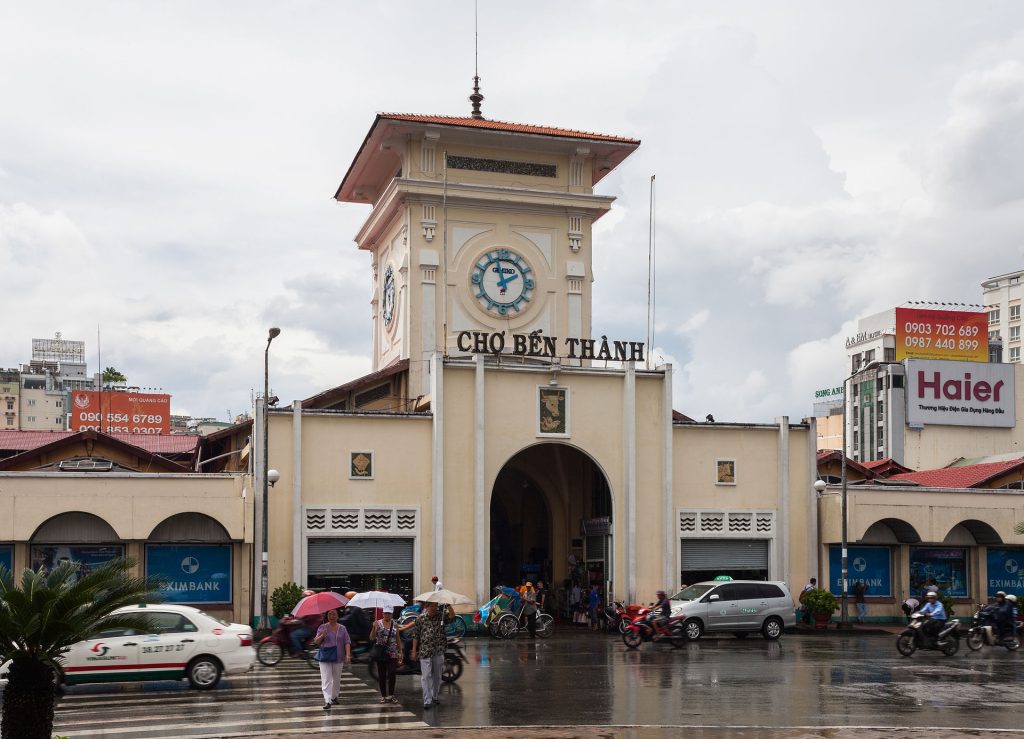
Vietnam travel advisors and consular safety warnings frequently mention Ben Thanh Market as a zone requiring extreme caution. The interior aisles are extremely narrow and poorly lit in certain sections which favors the stealthy operations of pickpockets. Local merchants note that the aggressive sales tactics and the need to haggle for prices absorb the full mental focus of the shopper.
The perimeter of the market transforms into a night market where motorbikes and pedestrians share the same chaotic space. Traffic safety experts explain that the constant movement of vehicles forces pedestrians to huddle together to avoid being hit which creates artificial density for thieves to exploit. Grab-and-go thefts are also common here where thieves on motorbikes snatch bags from diners eating at the street-side plastic tables.
Jalan Alor In Kuala Lumpur
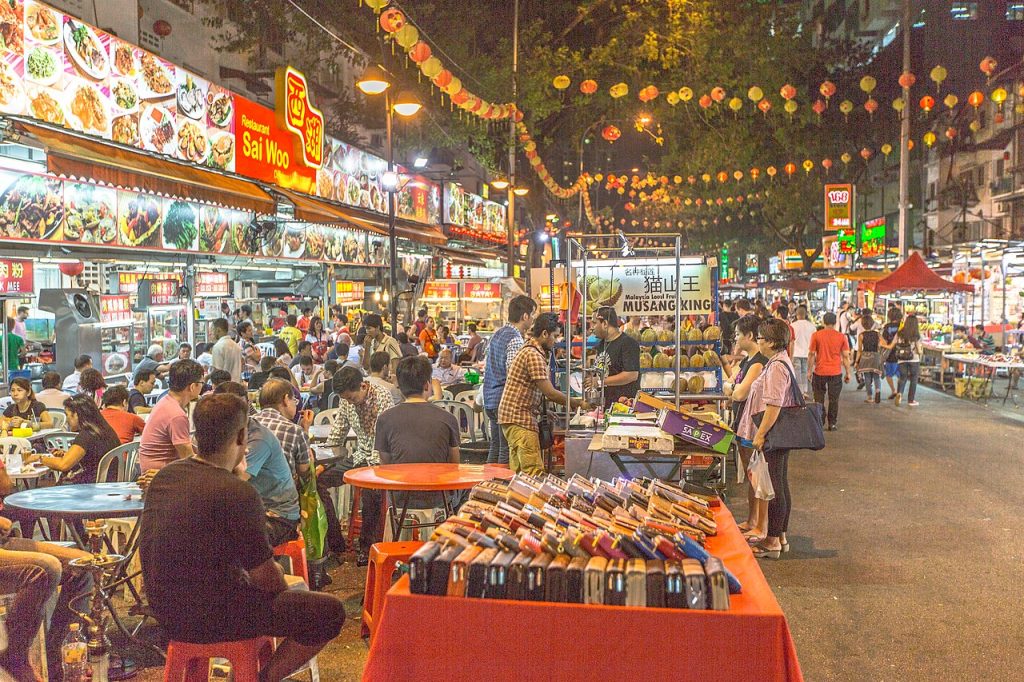
Malaysian law enforcement officials identify this famous food street as a hotspot for opportunistic crime due to the density of the nighttime crowds. The street is lined with open-air restaurants that spill out onto the pavement leaving only a sliver of space for pedestrians to walk single file. Security analysts suggest that the slow-moving nature of the crowd makes it easy for thieves to unzip backpacks or access rear pockets without detection.
The noise level from the woks and the shouting vendors creates a sonic mask that hides the sound of zippers or velcro. Diners seated at the edge of the street are also at risk as their attention is focused on the meal while their bags often rest on the floor behind them. Police presence is visible but the sheer number of people makes it difficult to monitor every interaction in the crushing humidity and chaos.
Spice Bazaar In Istanbul
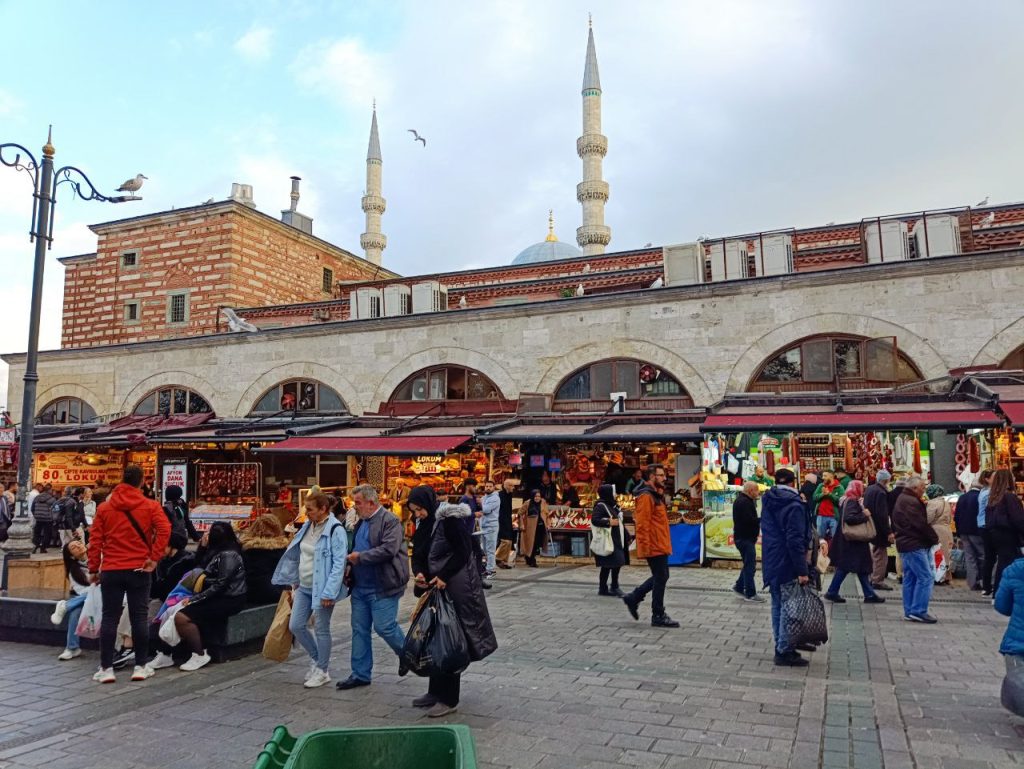
Turkish tourism police and heritage site managers acknowledge that the covered nature of the Spice Bazaar amplifies the risk of theft. The L-shaped building funnels thousands of visitors into a confined space filled with the overpowering scents of spices and Turkish delight. Cognitive psychologists explain that the intense olfactory stimulation can momentarily reduce cognitive processing related to spatial safety.
The architecture features numerous exits and connecting alleyways that provide thieves with multiple escape routes. Security experts note that the mesmerizing patterns of the lantern shops and spice piles cause tourists to look up and away from their belongings. Pickpockets in this area are known to be highly skilled at bumping into victims in the crush of the crowd to disguise the theft as accidental contact.
Chatuchak Weekend Market In Bangkok
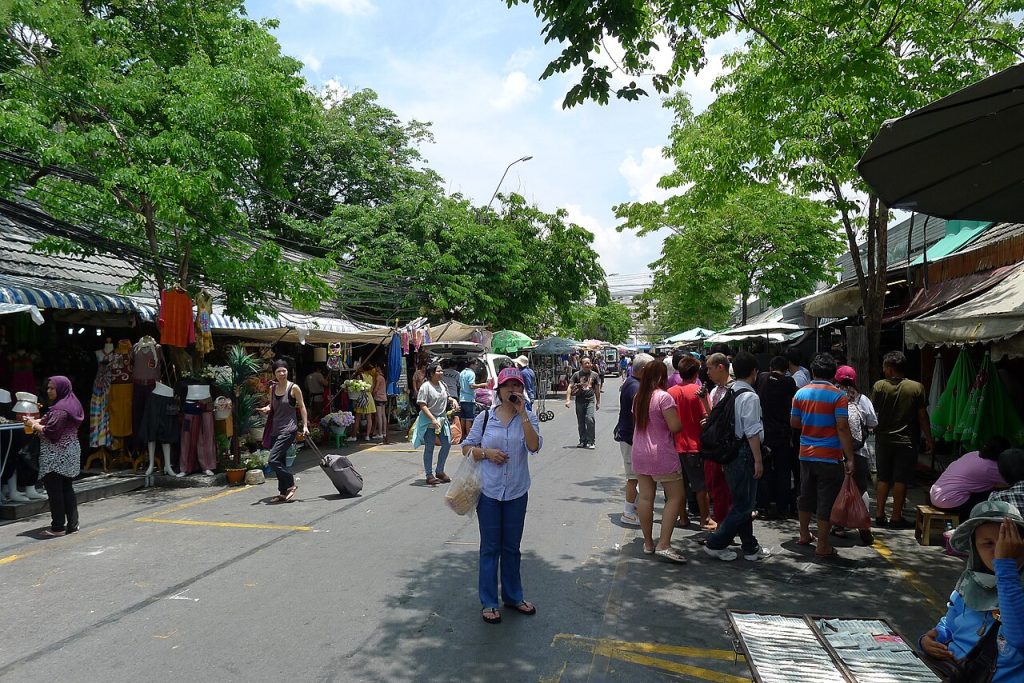
Thai tourist police and market administrators manage one of the largest markets in the world where the food sections are notoriously perilous for wallets. The heat and humidity inside the metal-roofed structure contribute to physical exhaustion which lowers the reaction time and alertness of visitors. Safety consultants warn that the sheer scale of the market can be disorienting which causes tourists to consult maps or phones and leave their bags vulnerable.
The food stalls are often located in the deepest and most crowded corridors where movement comes to a standstill. Intelligence from local authorities indicates that gangs of pickpockets work these choke points in teams to block victims and execute the theft. The casual atmosphere and the low cost of street food often lead travelers to carry large amounts of cash in easily accessible pockets.
Mercado de San Miguel In Madrid
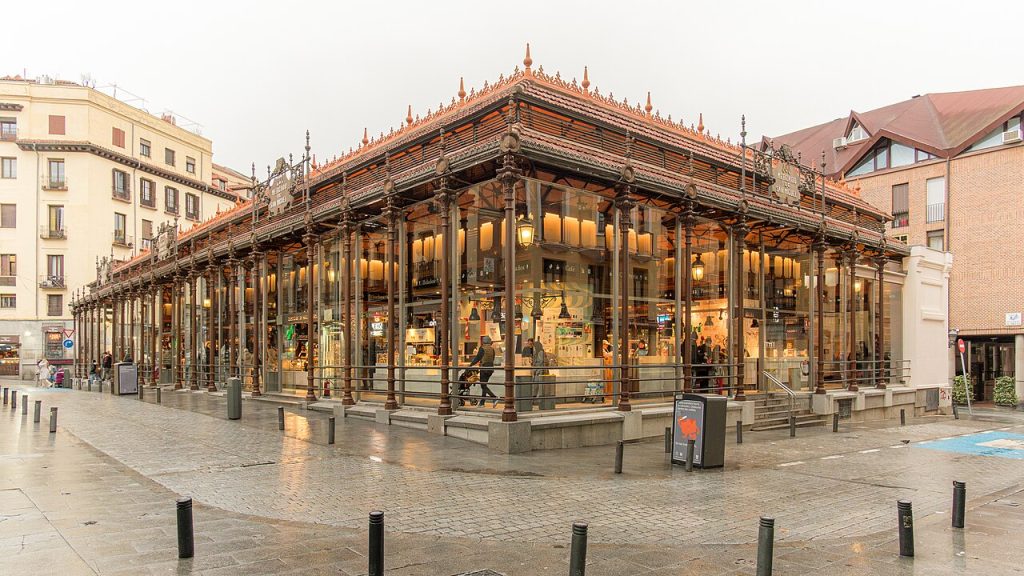
Spanish urban safety observers describe this glass-enclosed market as a high-end trap for unwary gourmands. Unlike gritty street markets, the upscale nature of San Miguel creates a false sense of security among visitors enjoying tapas and wine. Security professionals emphasize that the consumption of alcohol lowers inhibitions and vigilance which makes patrons easier targets.
The market is perpetually crowded with standing diners balancing plates and glasses which occupies both hands and leaves pockets undefended. Theft analysts note that well-dressed thieves blend in seamlessly with the clientele to avoid suspicion. The central location near Plaza Mayor ensures a constant stream of tourists who are often distracted by the architecture and the social atmosphere of the venue.
Campo de’ Fiori In Rome
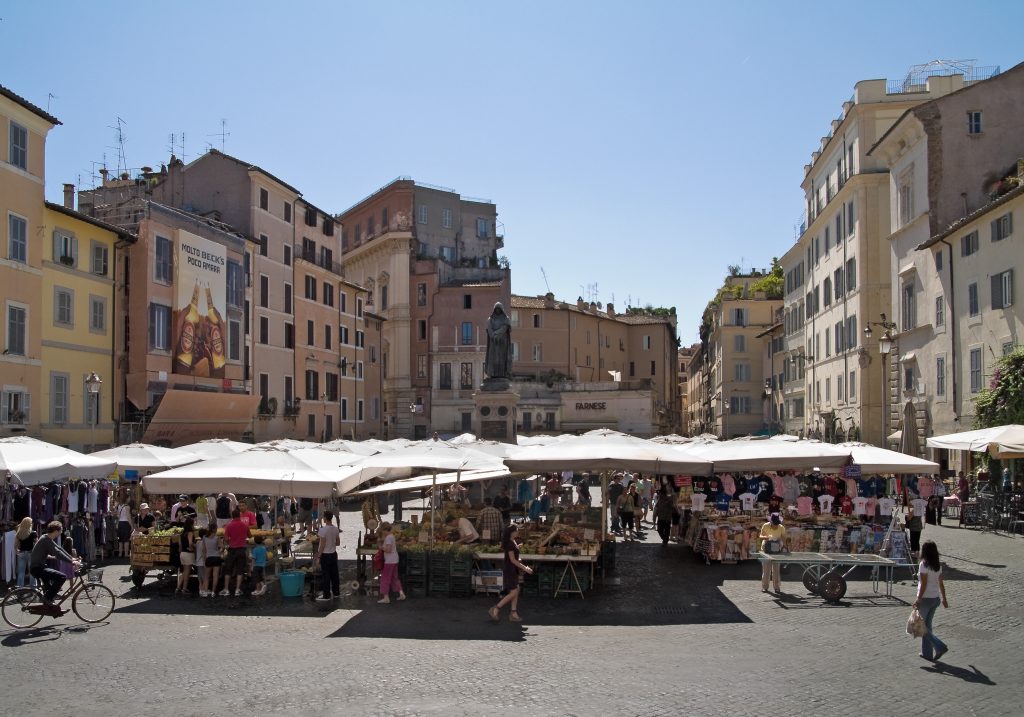
Italian Carabinieri and municipal police monitor this piazza closely as the transition from morning market to evening social hub attracts different types of thieves. During the day, the food stalls are packed with shoppers squeezing between vegetable crates and flower displays. Criminologists point out that the open-air nature of the market allows thieves to approach from any angle and disappear into the surrounding maze of Roman streets.
The distraction here is often the historic statue of Giordano Bruno which draws gazes upward while thieves work at waist level. Risk management experts advise that the casual nature of buying fruit and pizza by the slice encourages people to hold cash in their hands which signals the location of wallets to watching eyes. The density of the crowd often forces shoppers into physical contact that masks the theft.
Chandni Chowk In Delhi
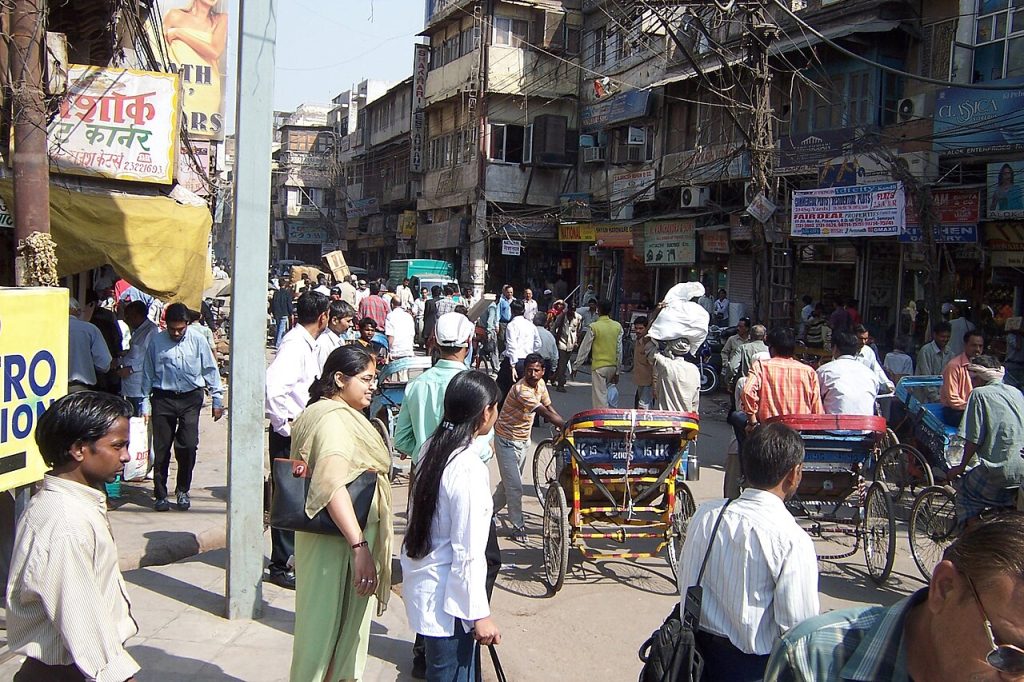
Indian police officials and local guides categorize the food lanes of Old Delhi as some of the most intense pedestrian environments on the planet. The Paranthe Wali Gali is so narrow that physical contact is unavoidable and constant. Urban planners note that the mix of pedestrians, rickshaws, and animals creates a level of chaos that completely overwhelms the senses.
The sheer crush of humanity means that personal space is non-existent. Safety experts explain that pickpockets in this environment do not need to be subtle as the constant pressure of bodies makes it impossible to distinguish a theft from the general movement of the crowd. The distraction of navigating the uneven pavement and avoiding traffic leaves visitors with little mental bandwidth to monitor their pockets.