10 Streets Around the World Locals Warn You Never to Walk Alone After Dark
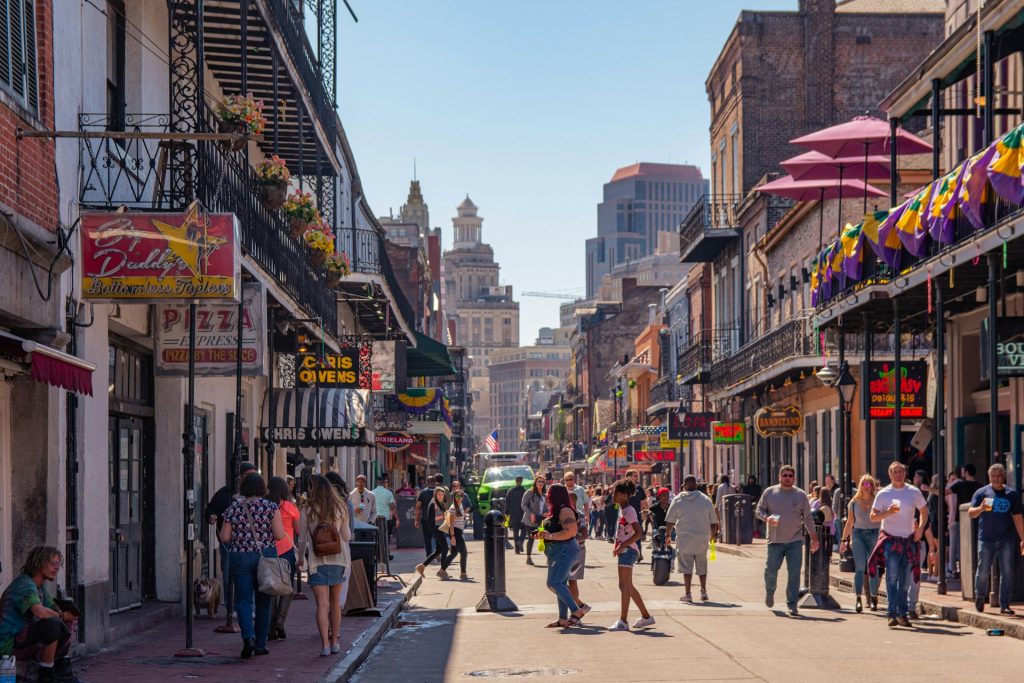
Some streets feel effortless in daylight, then tighten once shutters drop and transit gaps widen. The shift is subtle: fewer open doors, less chatter, and more people moving tired or distracted. Even familiar blocks change when lights thin out.
Locals describe it as conditions, not fear. Bright corridors and busy corners act like safety nets, and those nets weaken when crowds fade and storefronts stop spilling light. Quiet gaps beside nightlife strips matter most.
Good nights end well when plans stay simple. Small groups, clear routes, and short rides beat lonely shortcuts, and phones stay pocketed until indoors. The goal is a calm finish.
Bourbon Street, New Orleans
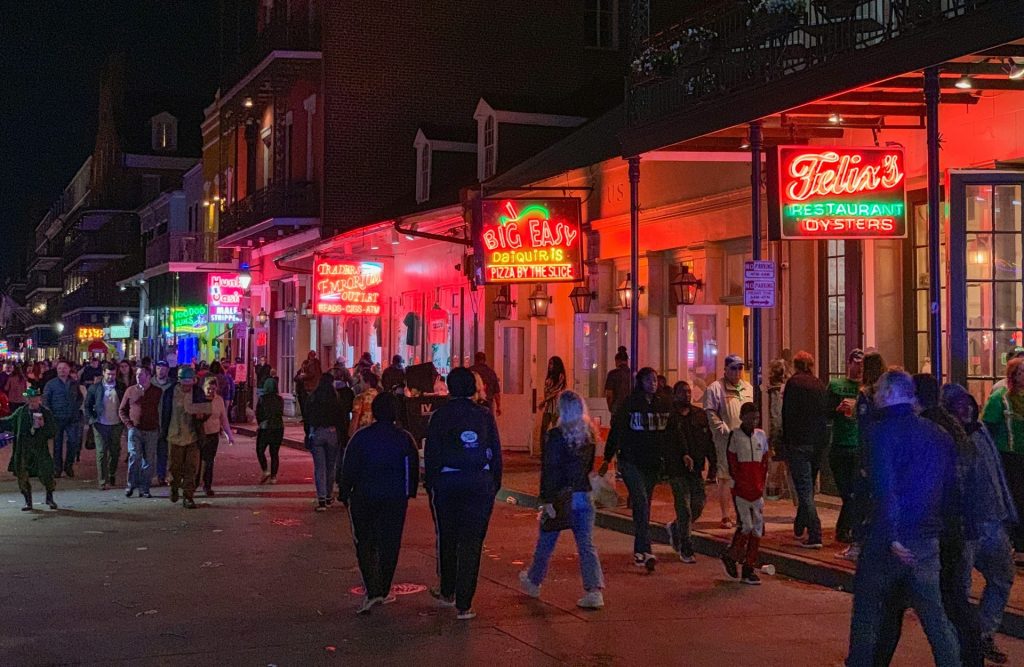
By day, Bourbon Street is a bright corridor of music, balcony lights, and constant motion. After dark, the same stream can turn choppy as groups split up, lines blur, and attention drops while people search for food, rides, or the right hotel door. The main block often stays busy, but the details shift: more waiting on corners, more phones out, and more confusion that invites petty hassles.
Locals focus on the side streets, where light and foot traffic fall off in a single block.
Staying on the brightest stretch, keeping valuables tucked away, and leaving together beats a thin walk for an ATM, a quieter bar, or a shortcut.
La Rambla, Barcelona
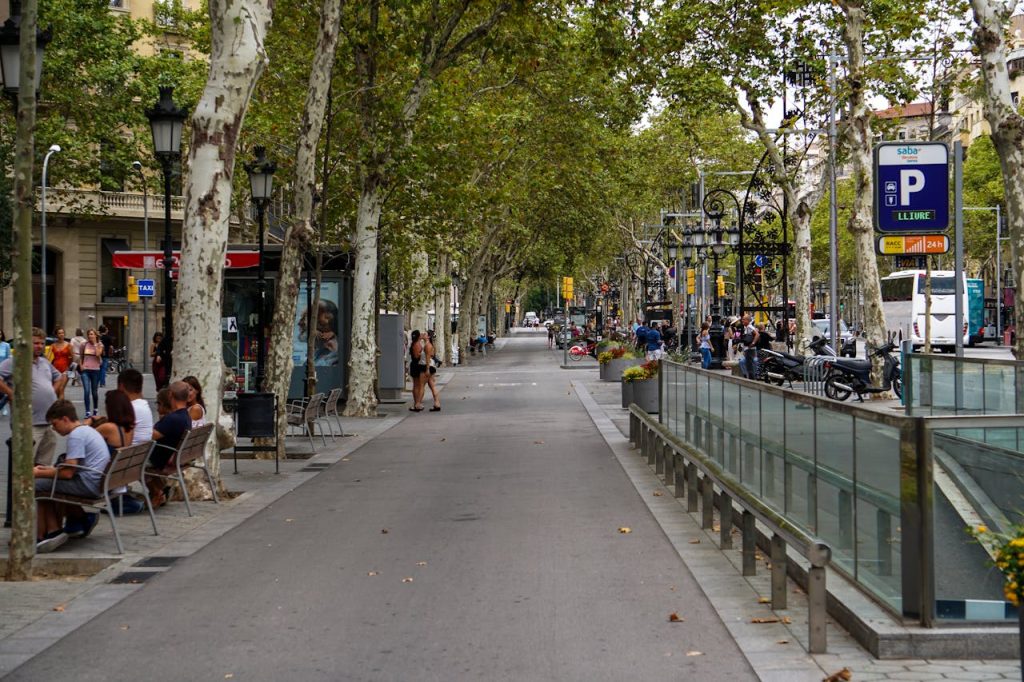
La Rambla stays busy late, with performers, kiosks, and café tables pulling attention in every direction. That crowd can feel protective, yet it also creates cover for distraction theft: a gentle bump, a sudden question, or a staged commotion that shifts focus for two seconds. Locals treat the boulevard like a transit lane at night, not a place to drift, because open bags and bright screens stand out.
Side lanes can turn quiet quickly once restaurants close and the flow thins for the night.
Closed zippers, phones pocketed until indoors, and friends walking close together keep the promenade lively without becoming an easy target.
Avenida Atlântica, Copacabana, Rio de Janeiro
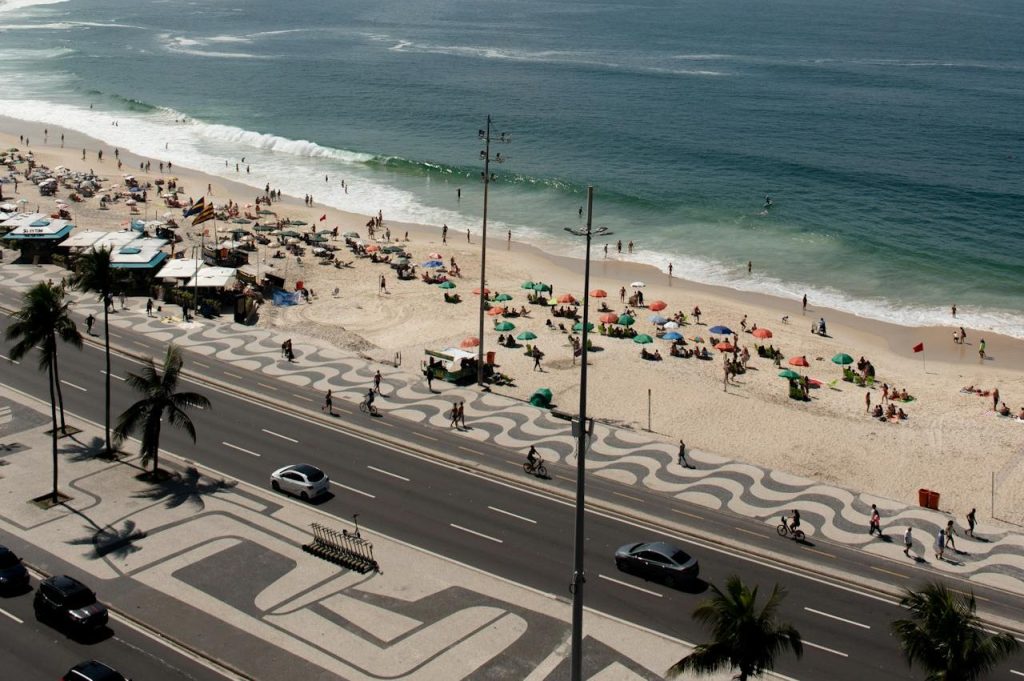
Avenida Atlântica runs beside the Copacabana shore, with hotels and kiosks acting like bright anchors early in the evening. Later, long stretches can thin out, and the openness starts to feel exposed, especially between busy corners where lighting varies block to block. Locals often avoid lingering near the sand with a phone in hand, not because the avenue is always tense, but because the quiet gaps leave fewer easy options.
Timing matters more than bravado, and the mood changes fast after midnight.
Meeting near active storefronts, moving in small groups, and taking a direct ride home keeps the shoreline social without long, lonely blocks.
Caminito, La Boca, Buenos Aires
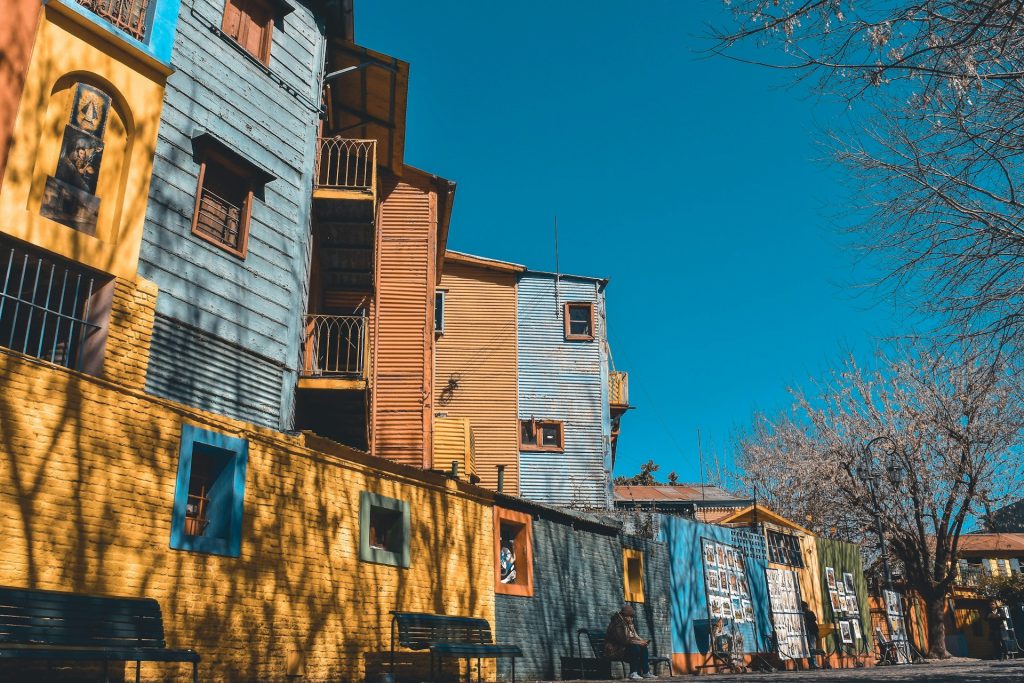
Caminito is built for daylight: painted walls, tango soundtracks, and a tight loop of stalls that keeps visitors clustered. The charm depends on that crowd and clear boundaries, so the mood changes once tours fade and shutters come down. Locals describe the warning as a map problem: the colorful pocket is easy to read, but nearby blocks can empty quickly, and a wrong turn at night can feel longer than it looks.
Most residents suggest seeing the area earlier, then leaving on a clear route.
A short ride out beats solo wandering past closed storefronts, where fewer open doors and fewer bystanders make small hassles harder to shake.
Long Street, Cape Town
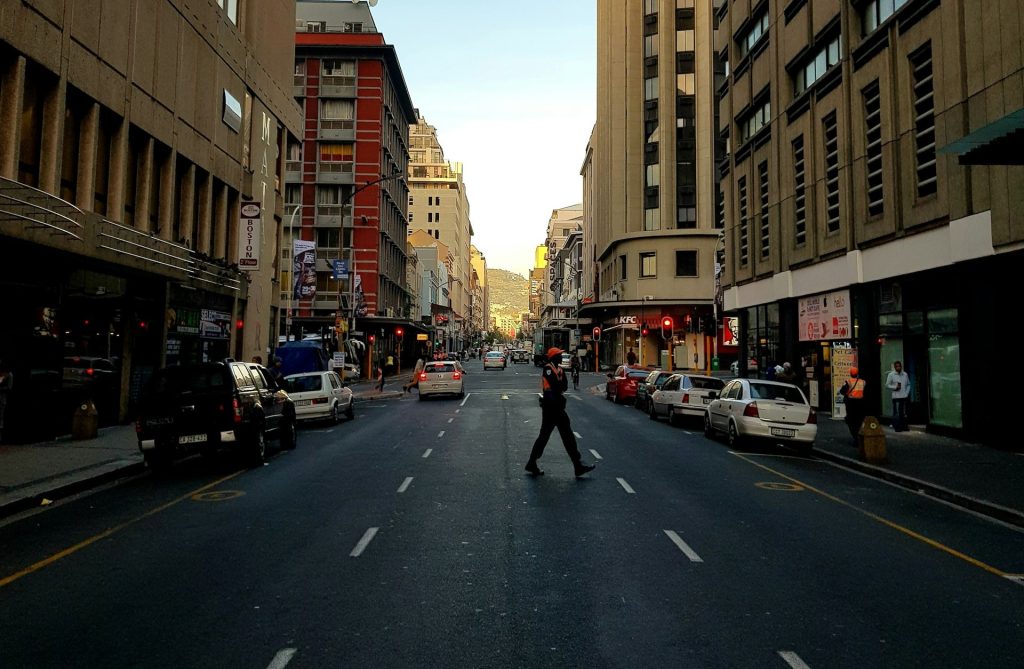
Long Street is a classic night-out corridor, lined with bars, late kitchens, and club doors that keep the sidewalk lively while venues are full. The shift comes after closing time, when groups scatter, lines disappear, and a block that felt social suddenly feels thin. Locals tend to worry about the in-between minutes: waiting outside for a ride, walking alone to a quieter corner, or taking a shortcut down a dim side street.
Planning the exit is treated as part of going out, not an afterthought.
Meet-up points, rides arranged in advance, and friends moving together keep the street fun without leaving someone isolated on a quiet block.
Avenida Revolución, Tijuana
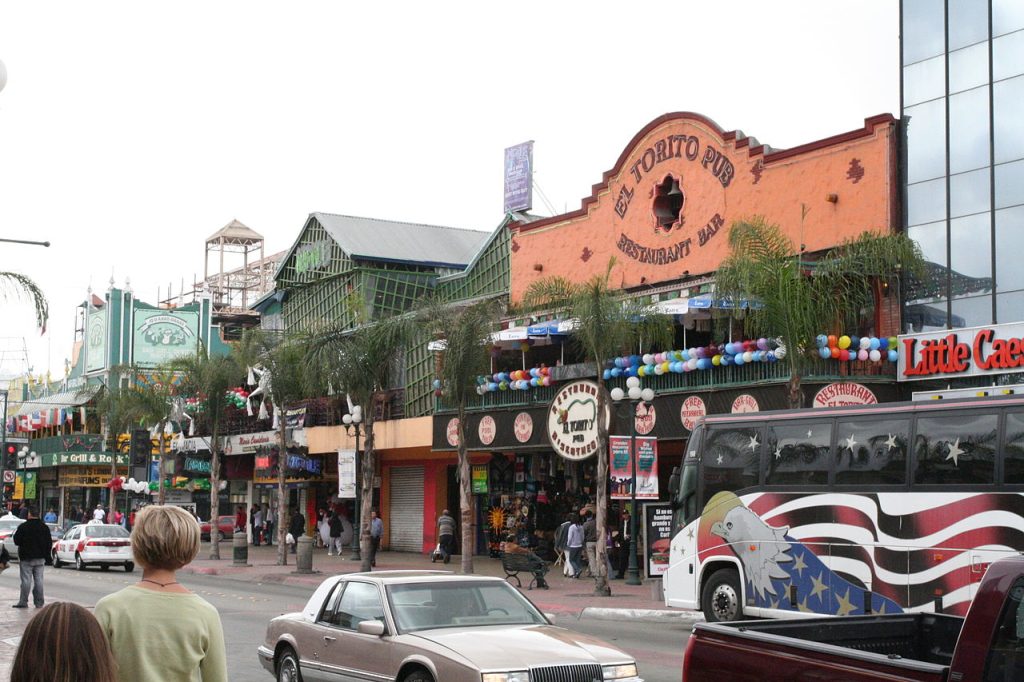
Avenida Revolución can be bright and festive, with music, vendors, and clusters moving between bars at night. It is easy to assume the area stays lively because the main strip looks lit. Locals warn about the fade-out: crowds come in waves, and the street can flip from packed to patchy in minutes as shutters come down. One block off the drag, sidewalks quiet quickly, and waiting at an ATM or searching for parking feels less comfortable.
The advice is not to avoid the strip, but to respect how fast it changes.
Sticking near active corners, keeping valuables out of sight, and using a direct ride back preserves the energy without empty gaps.
Rue de Dunkerque, Near Gare du Nord, Paris
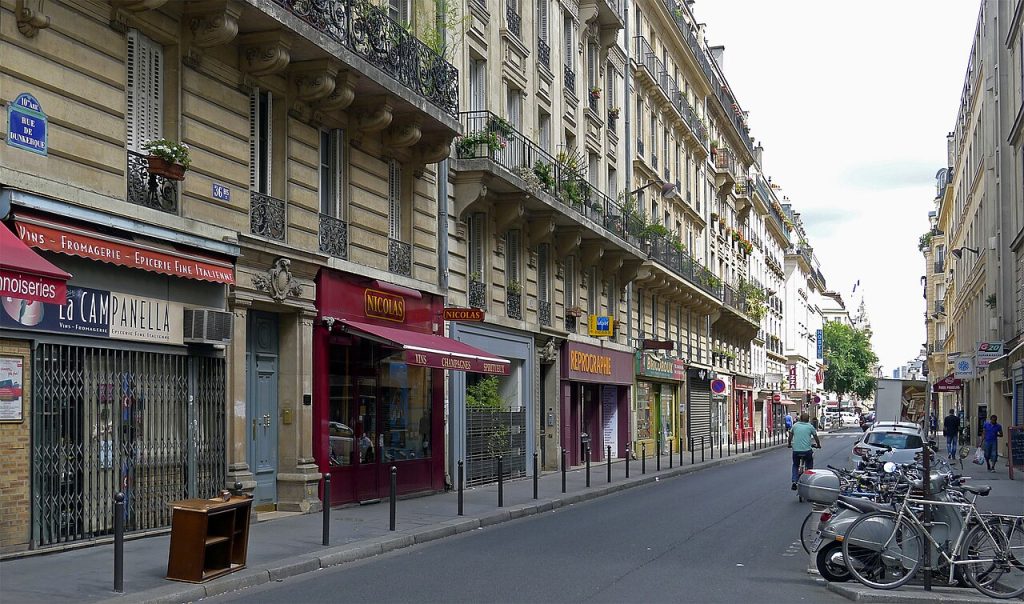
Rue de Dunkerque sits beside Gare du Nord, so the sidewalk fills with arrivals, commuters, and travelers hauling luggage. Busy can feel safe, yet it also creates anonymity, and anonymity makes quick scams and pickpocketing easier to hide. Locals move through with purpose: bags closed, straps held, and no long pauses outside entrances or ticket machines. The goal is to avoid becoming the stationary person in a moving crowd.
The risk rises when someone looks lost, distracted, or separated from companions.
Staying together, keeping valuables in front, and choosing the brightest, direct route keeps the station area predictable at night.
Via Giolitti, Near Roma Termini, Rome
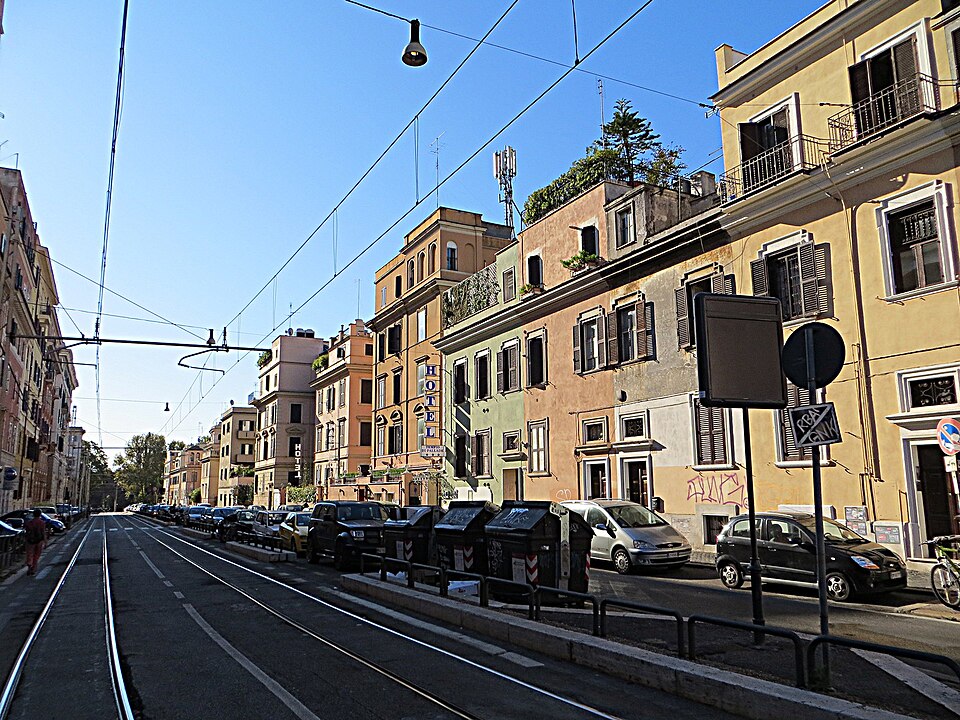
Via Giolitti runs along the orbit of Roma Termini, where the city feels crowded and impersonal at the same time. Late at night, it becomes a corridor of hotels, kiosks, and arrivals scanning for the right doorway while trains cycle in. Locals mention familiar patterns: pickpocketing in the flow, pushy offers of help near machines, and side lanes that feel thin once the crowd fades. The street is manageable, but it rewards focus.
Residents do not linger. They pass through, stay alert, and keep valuables zipped.
Pairs or small groups, plus a direct ride when the block quiets down, keeps the station zone straightforward after dark.
Khao San Road, Bangkok
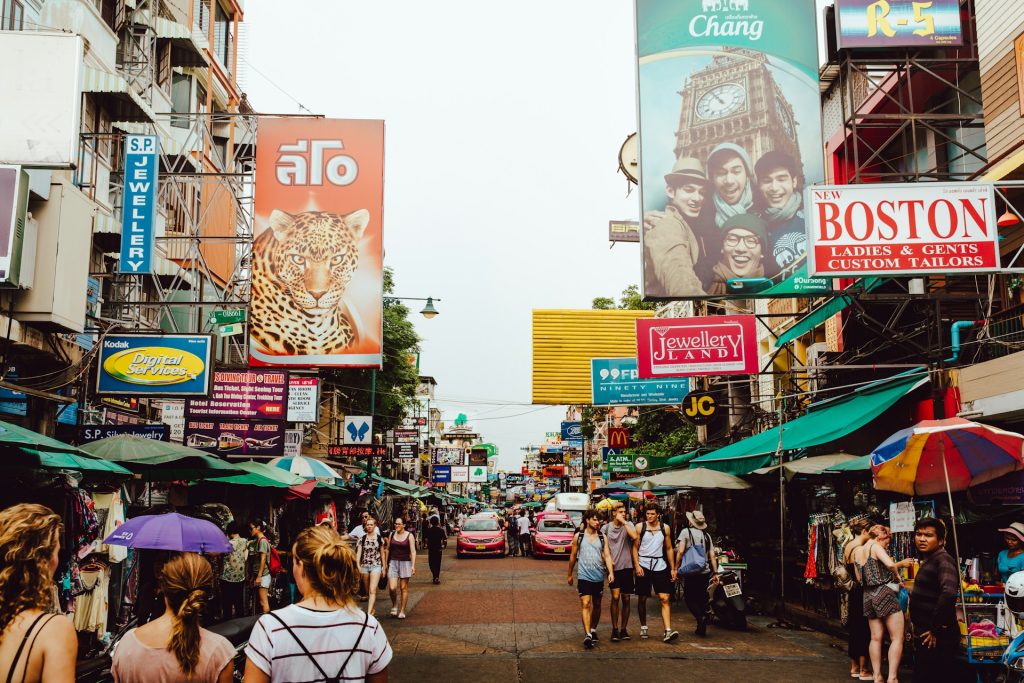
Khao San Road stays bright late, with food stalls, music, and crowds moving between bars and sidewalk seats. That constant motion feels protective, yet locals note how quickly distraction builds after 1 a.m. for many: loud offers, tight clusters, and tired decision-making. The usual problems start when someone gets separated, stops to scroll for directions, or drifts toward a quieter edge where the crowd thins and the lighting changes.
Staying with trusted company matters more than chasing one more stop.
Watched drinks, closed bags, and clearly identified rides home keep the last mile simple and keep the night’s mood intact.
?stiklal Street, Istanbul
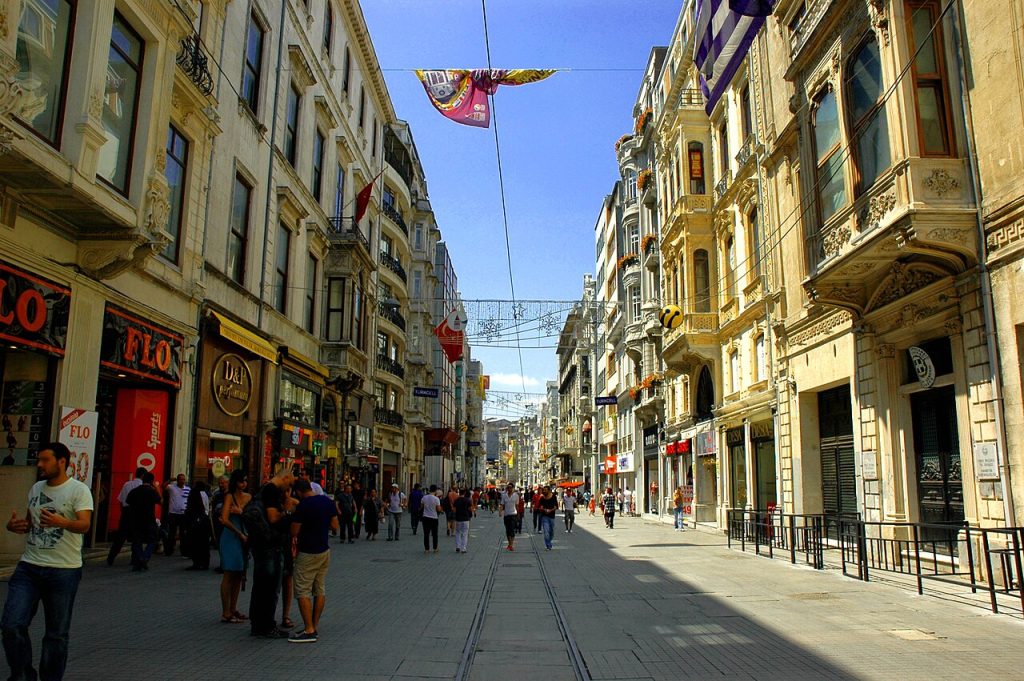
?stiklal Street near Taksim stays busy into the evening, packed with shops, music, and constant foot traffic. Density feels protective, yet it also creates cover for pickpockets, especially when phones come out for photos or directions. Locals keep it plain: bags closed, valuables in zipped pockets, and a steady pace that avoids stopping in tight clusters. Side lanes can change lighting and mood quickly once the late crowd fades.
The warning is not to avoid the avenue, but to avoid walking it alone when it thins.
Friends walking close together and choosing a direct ride over quiet back routes keeps the night calm and the route simple.