10 “Sustainable” Travel Styles That Aren’t as Eco-Friendly as They Seem

Sustainable travel increasingly focuses on how journeys are shaped rather than where they lead. Many travelers now prioritize experiences that minimize strain on environments, communities, and personal well-being. Travel styles rooted in intention, moderation, and awareness often feel more rewarding than fast-paced or consumption driven approaches. These methods encourage deeper connection while reducing waste, pressure, and burnout. Sustainability in travel does not require perfection or sacrifice, but thoughtful choices that balance enjoyment with responsibility. This article explores ten travel styles that feel sustainable in practice, highlighting approaches that support longevity, respect local rhythms, and align comfort.
Slow Travel

Slow travel emphasizes depth over distance, encouraging longer stays in fewer places. This approach reduces transportation emissions while allowing meaningful engagement with local culture. Travelers often choose walking, trains, or regional transport instead of frequent flights. Daily routines align with local rhythms rather than packed itineraries. Time becomes flexible, supporting rest and observation. Economic benefits spread more evenly through extended stays. Stress decreases as constant movement disappears. Slow travel supports sustainability by reducing resource consumption and fostering appreciation. The experience feels grounded and manageable, allowing destinations to be understood rather than consumed.
Local Immersion Travel
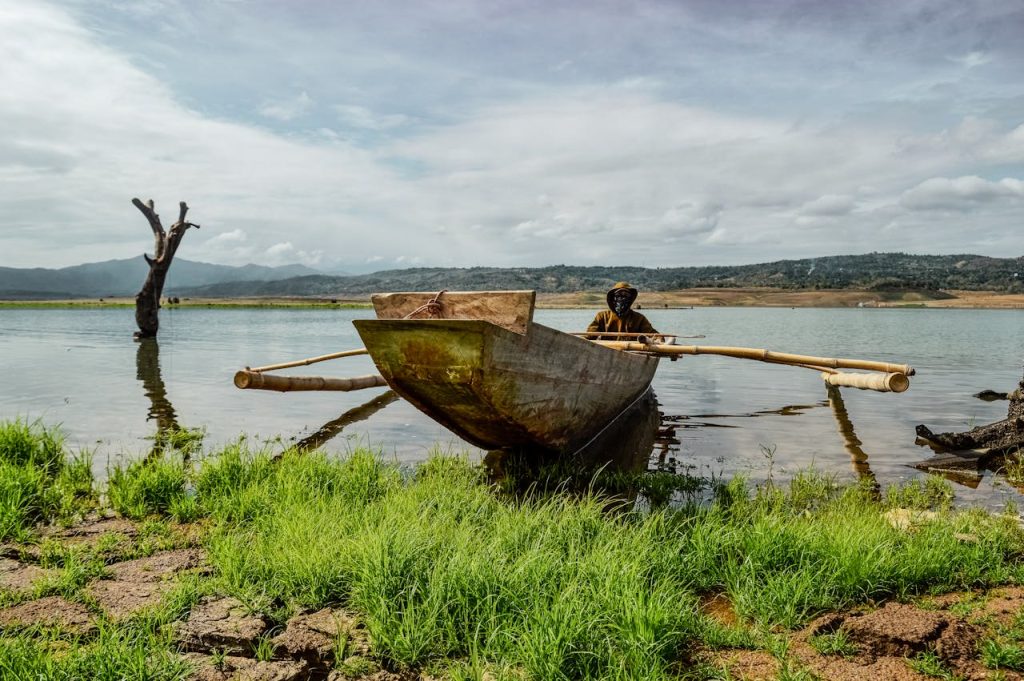
Local immersion travel centers on everyday experiences rather than major attractions. Staying in residential neighborhoods, shopping at local markets, and using public services integrates visitors into daily life. This style supports small businesses and reduces pressure on overcrowded landmarks. Cultural exchange becomes mutual rather than transactional. Transportation needs remain minimal due to localized movement. Travelers often report stronger connection and understanding. Environmental impact decreases as consumption patterns mirror those of residents. Local immersion feels sustainable because it values participation over observation. The pace encourages respect, adaptability, and long-term appreciation rather than checklist.
Train Based Travel
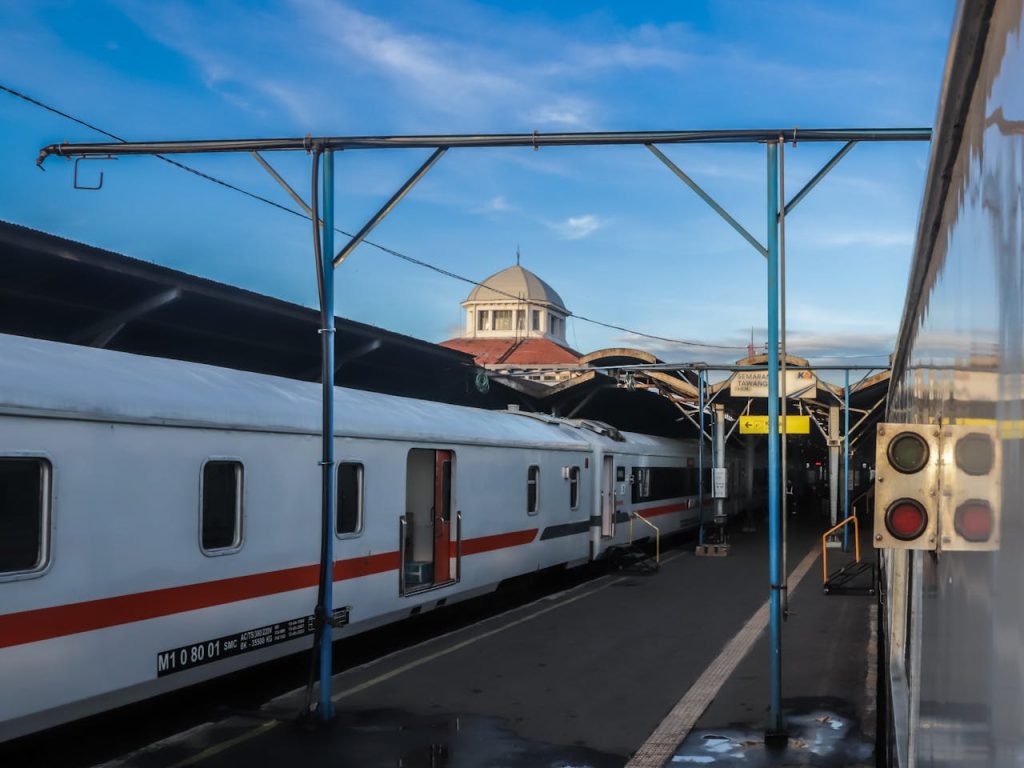
Train based travel offers a lower impact alternative to air or car journeys, especially across regions with established rail networks. Trains reduce per person emissions while providing efficient, comfortable transit. Routes often pass through towns rather than bypassing them, supporting regional economies. The experience allows rest, scenery, and continuity instead of disruption. Schedules encourage planning without urgency. Luggage limits discourage overpacking. Train travel feels sustainable because movement becomes part of the journey rather than an obstacle. This approach balances practicality with environmental consideration while preserving energy, focus, and enjoyment throughout longer trips across connected destinations.
Nature Focused Travel
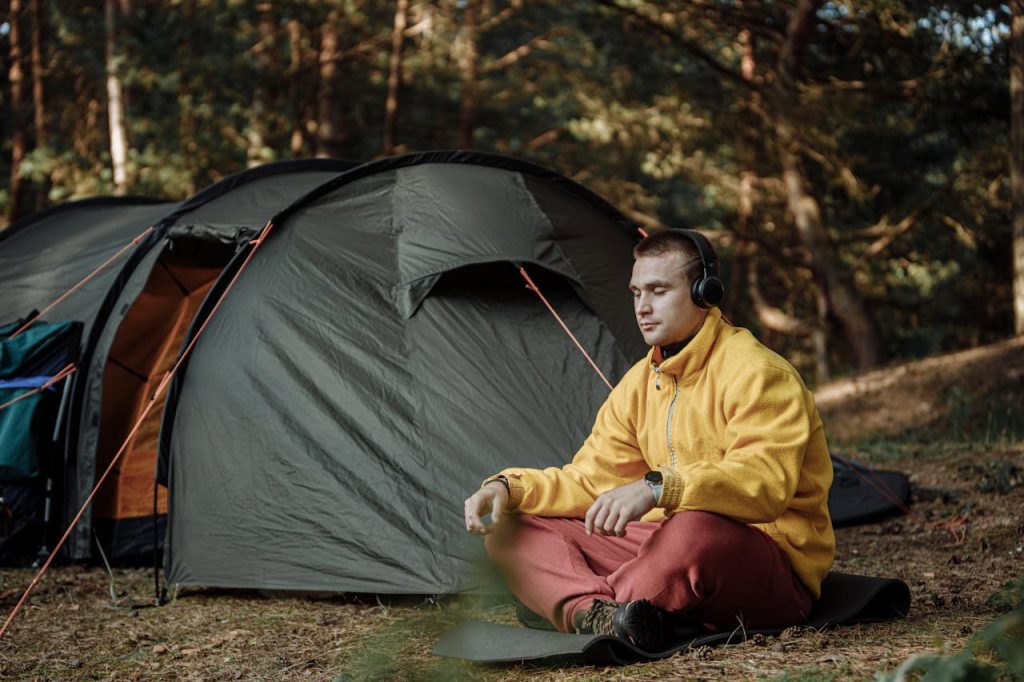
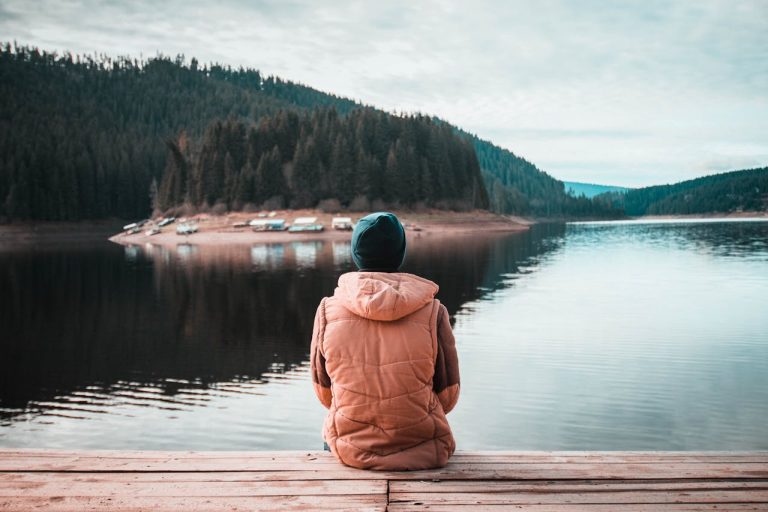
Nature focused travel prioritizes landscapes, conservation areas, and outdoor experiences with minimal infrastructure. Activities like hiking, wildlife and low impact camping encourage appreciation without heavy development. This style often involves education about ecosystems and conservation practices. Spending time outdoors supports physical and mental well-being. When guided responsibly, nature focused travel contributes to preservation through fees and awareness. The simplicity reduces consumption and waste. This travel style feels sustainable because it reinforces respect for natural systems while offering restorative experiences that depend on protection rather than exploitation of fragile environments worldwide.
Off Season Travel

Off season travel shifts visitation away from peak demand periods, easing pressure on destinations. Traveling during quieter months reduces overcrowding, resource strain, and inflated pricing. Local communities benefit from steadier income rather than seasonal extremes. Infrastructure operates within capacity, improving experience quality. Environmental stress decreases as water use, and energy demand spread more evenly. Travelers enjoy calmer atmospheres and authentic interactions. Off season travel feels sustainable because it aligns demand with destination resilience. Flexibility becomes a benefit, allowing exploration without competing for space or contributing to overtourism challenges faced by many popular locations globally.
Minimalist Travel

Minimalist travel focuses on carrying less and needing less while traveling. Packing light reduces transportation weight and simplifies movement. Fewer belongings encourage thoughtful consumption and reuse. Decision fatigue decreases as choices narrow. This style often pairs with slower pacing and flexible planning. Accommodation and transit become easier to navigate. Environmental impact lowers through reduced laundry, purchases, and waste. Minimalist travel feels sustainable because it shifts attention from possessions to experience. The approach fosters adaptability and comfort with simplicity, supporting journeys that feel manageable, efficient, and aligned with long-term travel habits rather than short term indulgence.
Community Based Tourism
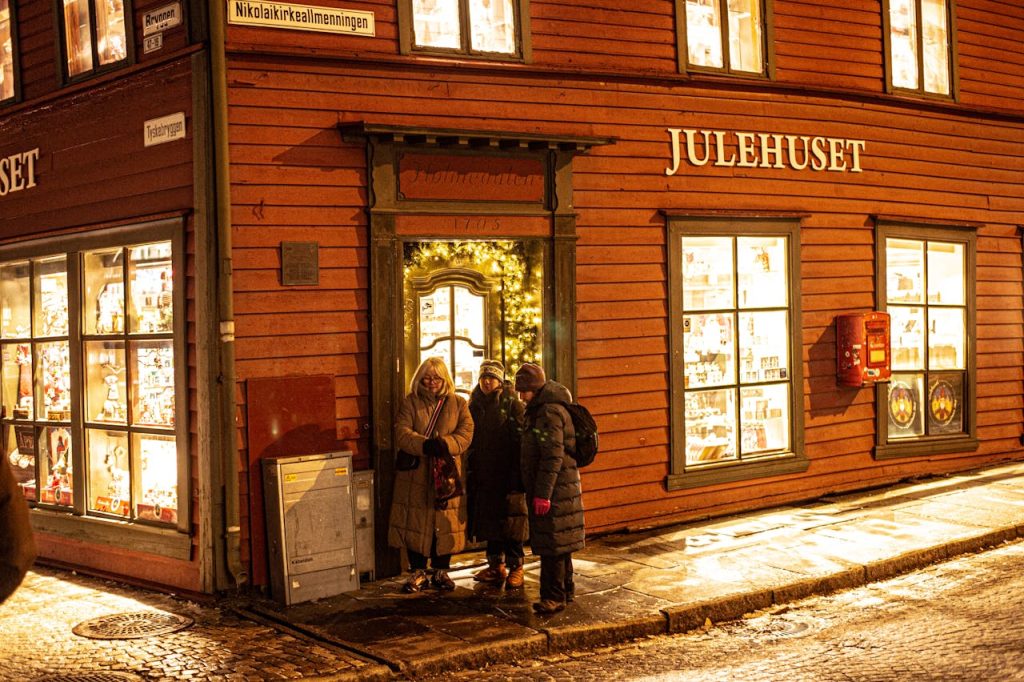
Community based tourism centers local ownership and participation in travel experiences. Lodging, guides, and activities are managed by residents, keeping economic benefits. Cultural exchange occurs respectfully through storytelling, food, and shared activities. Group sizes remain small, reducing environmental and social strain. Visitors gain context and understanding rather than surface impressions. This model supports preservation of traditions and livelihoods. Community based tourism feels sustainable because it balances visitor interest with local control. The approach values relationship building and accountability, creating travel experiences that benefit hosts and guests while protecting cultural and environmental integrity.
Wellness Oriented Travel

Wellness oriented travel prioritizes rest, health, and balance over constant activity. Destinations often emphasize natural settings, gentle routines, and mindful practices. Travel schedules allow recovery time rather than compression. Consumption decreases as focus shifts toward simple nourishment and movement. Environmental impact lowers through reduced transportation and entertainment demands. Wellness travel supports sustainability by aligning personal well-being with environmental respect. The experience encourages listening, pacing, and presence. This style feels sustainable because it reduces burnout, promotes long-term travel enjoyment, and supports destinations designed around care rather than excess stimulation.
Digital Light Travel

Digital light travel involves intentional reduction of device use while traveling. Fewer electronics lower energy consumption and charging needs. Attention shifts toward surroundings and interactions. Navigation, and planning become simpler and less constant. This approach often pairs with slower travel styles and local immersion. Stress decreases without continuous updates or documentation. Digital light travel feels sustainable because it reduces reliance on infrastructure. Experiences become internal rather than performative. The style supports mental sustainability alongside environmental consideration, encouraging travelers to engage more deeply with place while leaving lighter technological footprints.
Return Travel
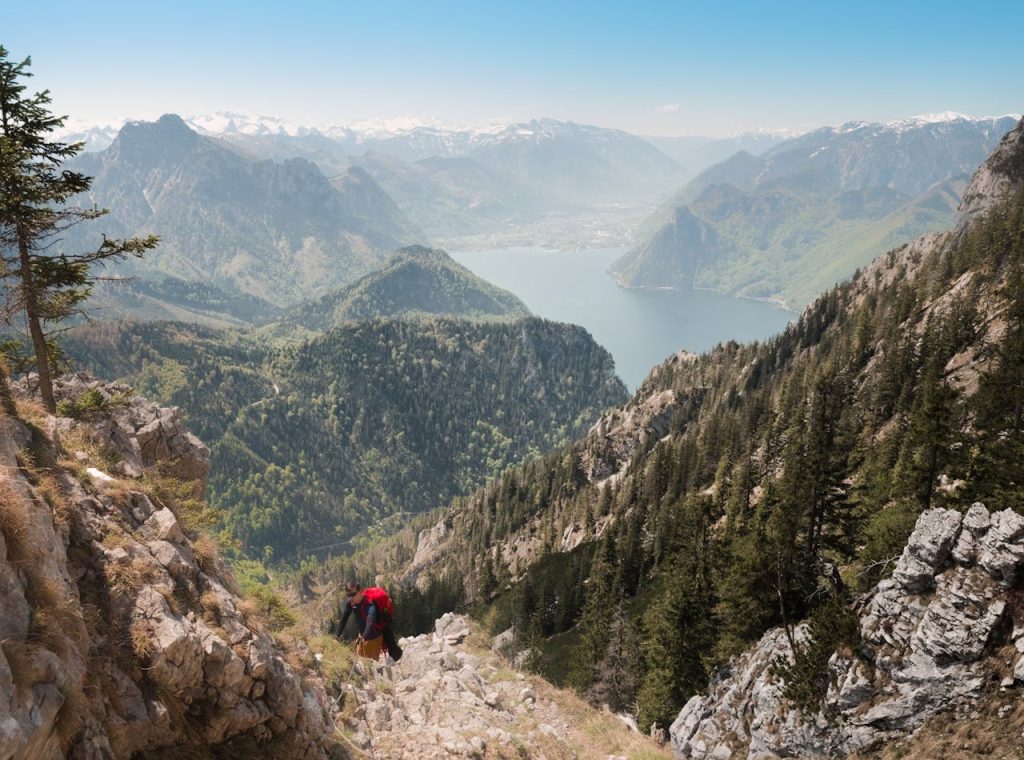
Return travel involves revisiting destinations rather than constantly seeking new ones. Familiarity reduces planning and exploratory strain. Understanding replaces surface level discovery. Transportation patterns often stabilize through repeated routes. Relationships with local businesses and communities strengthen over time. Environmental impact lowers as learning curves flatten and unnecessary activity decreases. Return travel feels sustainable because it values continuity and care. The approach supports long-term appreciation rather than novelty seeking. Tourist often find greater satisfaction through layered experiences, proving sustainability can grow through revisiting places with connection instead of constant expansion.