10 Tiny U.S. Villages Packed with Surprises
Demographers and rural sociologists frequently highlight that the true character of the American landscape is often found in its smallest settlements rather than its sprawling metropolises. While urban centers dominate the cultural conversation, experts note that tiny villages often preserve unique historical oddities, architectural experiments, and social customs that have vanished elsewhere. These micro-communities serve as living time capsules where geography or sheer determination has fostered distinct identities that defy the homogenization of modern life.
Travel analysts and regional historians emphasize that visiting these locations requires a shift in perspective. The value lies not in a density of amenities but in the singular nature of the experience. From towns with single-digit populations to communities living entirely under one roof, these ten villages offer insights into the resilience and eccentricity of the human spirit. Exploring them reveals that a lack of square mileage often correlates with an abundance of character and unexpected history.
Monowi In Nebraska

Census bureau data and regional demographers identify Monowi as the only incorporated municipality in the United States with an official population of one. The sole resident serves as the mayor, librarian, and bartender, managing the municipal budget and road plan single-handedly. Civic governance experts view this village as a fascinating anomaly of administrative persistence where the bureaucracy of a town is maintained by a single dedicated individual to prevent the community from dissolving into unincorporated territory.
The village library houses thousands of books devoted to the late husband of the current resident, creating a literary oasis in the sparsely populated Great Plains. Visitors from around the globe travel to the dusty tavern to witness this unique example of solitude and civic duty. Rural sociologists note that Monowi stands as a poignant symbol of the depopulation trends affecting the Great Plains while simultaneously celebrating the enduring spirit of those who refuse to abandon their homes.
Whittier In Alaska
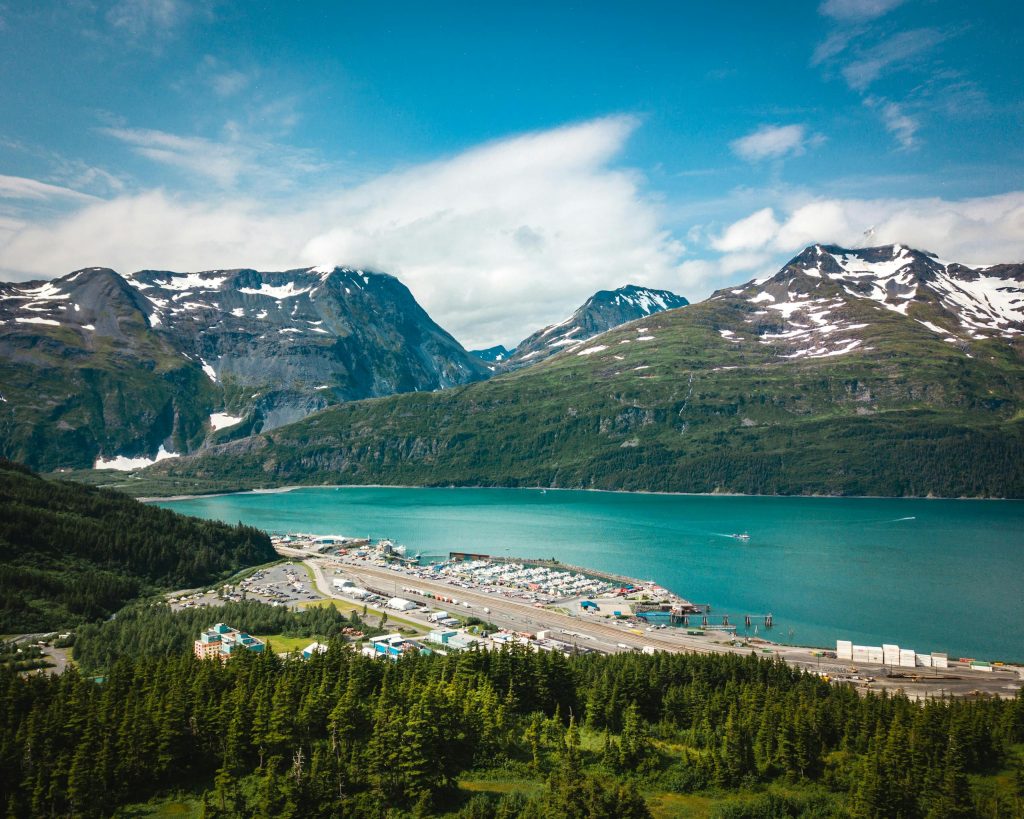
Urban planners and architects frequently cite Whittier as a radical case study in high-density living within a remote environment. Almost the entire population of this deep-water port resides within a single fourteen-story structure known as the Begich Towers. This former Cold War barracks houses the post office, police station, grocery store, and apartments, allowing residents to live for weeks without stepping outside into the harsh subarctic weather. Structural engineers admire the efficiency of this vertical village which essentially functions as an arcology.
Access to the town is controlled by the Anton Anderson Memorial Tunnel, the longest combined vehicle and rail tunnel in North America, which operates on a strict schedule. Transportation logistics experts highlight that the tunnel shuts down at night, physically sealing the village off from the rest of the world. This isolation fosters a tight-knit community dynamic that social psychologists describe as intense and familial, necessitated by the shared reality of living in a singular, self-contained fortress against the elements.
Supai In Arizona
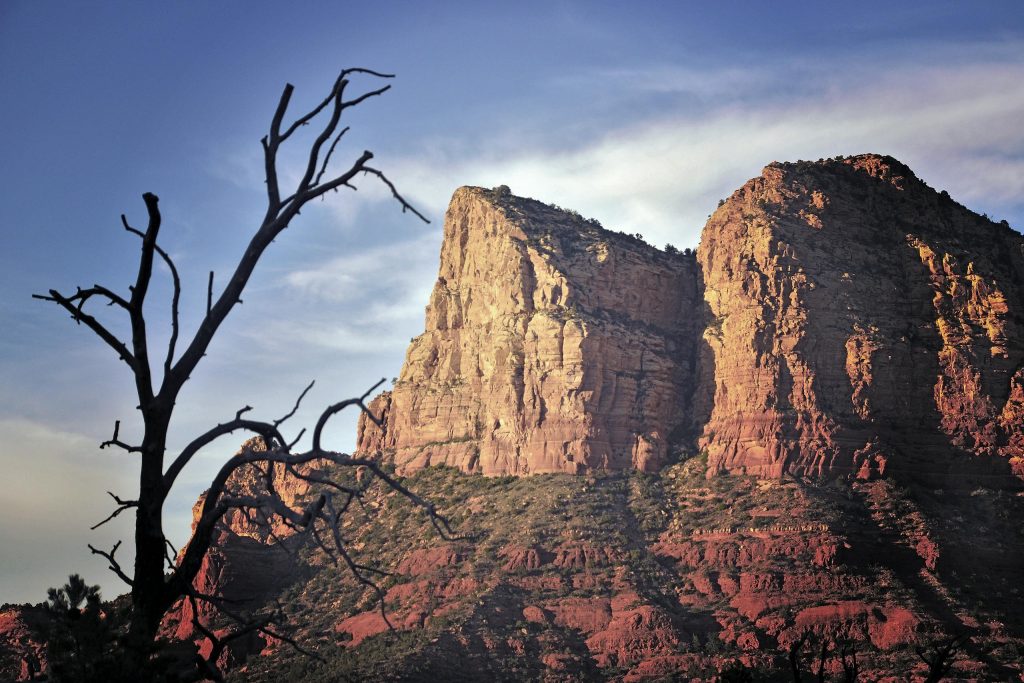
Postal service historians and geographers recognize Supai as the only place in the United States where mail is still delivered and dispatched by mule train. Located at the bottom of the Grand Canyon within the Havasupai Indian Reservation, the village is inaccessible by road. Logistics coordinators explain that the rugged eight-mile trail to the village necessitates the use of pack animals to transport everything from letters to groceries, preserving a rhythm of life that disappeared from the rest of the country a century ago.
The village serves as the gateway to the stunning blue-green waterfalls that draw hikers from around the world. Environmental scientists and tribal leaders strictly manage tourism to protect the fragile riparian ecosystem and the privacy of the residents. Visitors must secure permits months in advance to enter this hidden oasis. Anthropologists note that the Havasupai people, whose name means people of the blue-green waters, have maintained their residence in the canyon for centuries, adapting to the challenges of isolation while preserving their cultural heritage.
Tangier Island In Virginia
Linguists and dialect coaches revere Tangier Island for preserving a unique American dialect often described as a relic of Elizabethan English. Isolated in the middle of the Chesapeake Bay, the community retained distinct speech patterns and vocabulary due to centuries of limited contact with the mainland. Cultural anthropologists explain that the islanders’ way of speaking offers a living auditory link to the Cornish and Devonshire settlers who arrived in the seventeenth century.
Climate scientists and coastal geologists currently study the island as a critical indicator of sea-level rise. The landmass is steadily eroding, threatening the future of the historic crabbing community. Residents navigate narrow streets on golf carts and skiffs, maintaining a water-bound lifestyle that is increasingly precarious. The village stands as a testament to cultural resilience in the face of environmental change, offering visitors a glimpse into a maritime world that is slowly disappearing into the bay.
Cassadaga In Florida

Religious scholars and historians identify Cassadaga as the oldest active spiritualist camp in the southeastern United States. Founded in the late nineteenth century, the entire village is dedicated to the practice of Spiritualism and is populated largely by mediums, psychics, and healers. Heritage preservationists note that the camp retains much of its original Victorian architecture and layout, creating an atmosphere that feels suspended in time.
The community is governed by an association that maintains the camp’s spiritual mission and certification standards for its mediums. Visitors walking the quiet, moss-draped streets often encounter residents engaged in meditation or readings on their porches. Paranormal researchers frequently visit the site, but community leaders emphasize the village is a place of peace and healing rather than a haunted attraction. The existence of such a specialized intentional community highlights the diversity of religious expression in American history.
Rabbit Hash In Kentucky
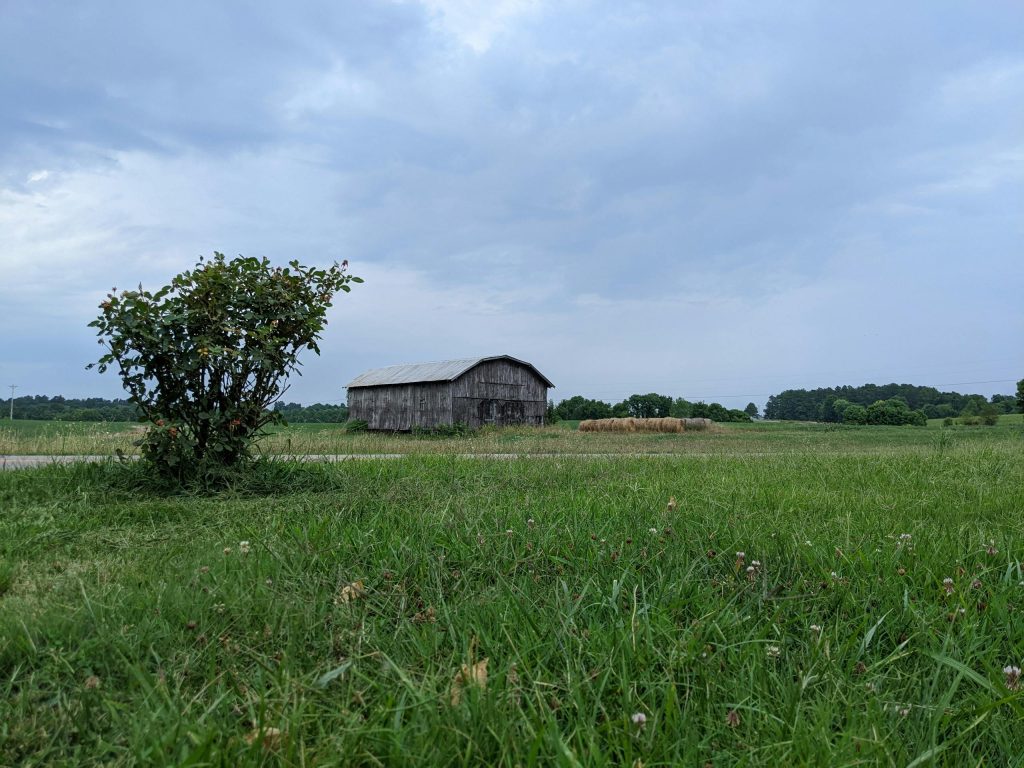
Political scientists and local historians often point to Rabbit Hash as a humorous yet functional example of community fundraising through civic satire. The village is famous for electing a dog as mayor, a tradition that began in the late 1990s. While the canine mayor holds no legislative power, the elections serve as vital fundraisers for the Rabbit Hash Historical Society, allowing the community to preserve its buildings and heritage without relying on tax levies.
The centerpiece of the village is the Rabbit Hash General Store, which has been in operation since 1831 and is regarded by preservationists as one of the best-surviving examples of a working river country store. It survived devastating floods and fires thanks to the dedication of the community. Travelers visit to experience the nostalgia of the wood-stove heated store and to pet the incumbent mayor, finding a welcoming atmosphere that celebrates rural Kentucky charm and whimsy.
Luckenbach In Texas
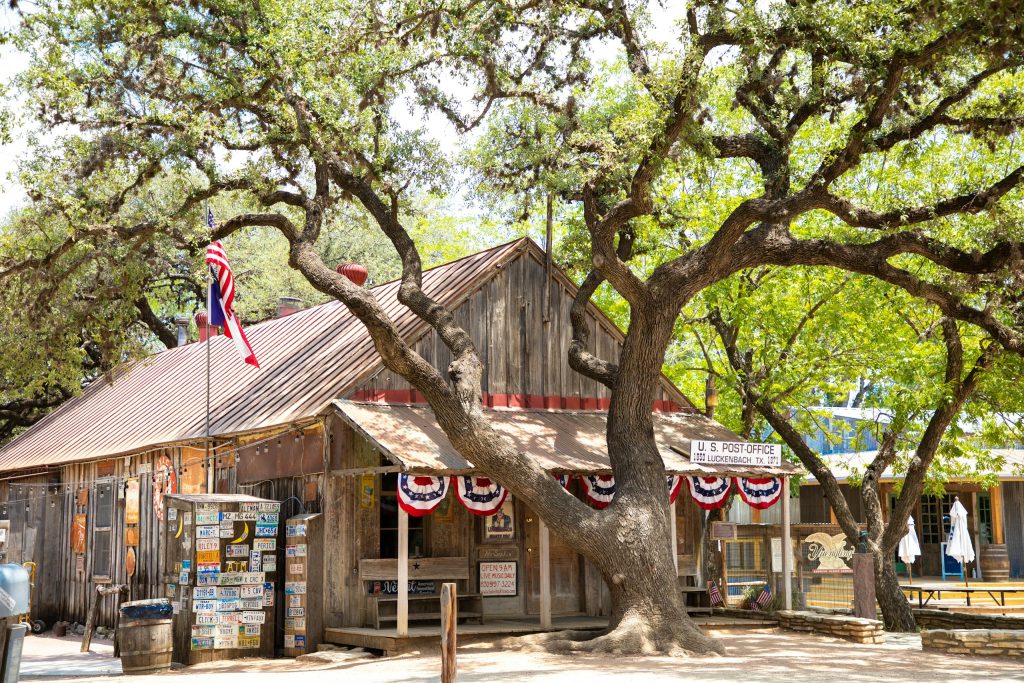
Music historians and country music aficionados revere Luckenbach as a near-mythical venue that helped launch the outlaw country movement. Technically comprising little more than a post office, a saloon, and a dance hall, the village gained international fame through the Waylon Jennings song. Cultural commentators note that the town operates under the motto that everybody is somebody in Luckenbach, fostering an egalitarian spirit that draws bikers, cowboys, and tourists to its oak-shaded grounds.
The village hosts daily guitar pickers circles and regular concerts in its historic dance hall. Event organizers maintain a laid-back atmosphere where the music takes precedence over modern amenities. The lack of commercial development preserves the rustic authenticity that attracted legends like Willie Nelson. For visitors, Luckenbach offers a tangible connection to Texas musical heritage in a setting that refuses to gentrify or modernize.
Point Roberts In Washington

Geopolitical analysts and border security experts cite Point Roberts as a prime example of a pene-exclave, a piece of land that is part of the United States but can only be reached by land through Canada. Situated on the tip of the Tsawwassen Peninsula, the village is separated from the rest of Washington State by Boundary Bay. Geographers explain that this border anomaly was created by the 49th parallel agreement, resulting in a community that is physically Canadian but politically American.
Residents must cross international borders to go to school, visit a hospital, or buy certain goods, creating a unique trans-national lifestyle. Economic researchers note that the local economy fluctuates wildly based on the strength of the Canadian dollar and border crossing wait times. The village is known for its gas stations and package stores catering to Canadian visitors, as well as its quiet, rural character. The heavily monitored border crossing stands in stark contrast to the sleepy residential streets it guards.
Metamora In Indiana

Industrial archaeologists and canal enthusiasts recognize Metamora as a rare surviving example of a canal town from the early nineteenth century. The village sits along the Whitewater Canal and features a working grist mill powered by the water, the only one of its kind still operating in the state. Historians emphasize that the preservation of the canal infrastructure provides a functional demonstration of the transportation technology that opened the Midwest to commerce before the railroads took over.
The village transforms into a bustling hub of artisans and history buffs on weekends, yet retains a quiet, pre-industrial atmosphere during the week. Preservationists have maintained the wooden aqueduct, a structural marvel that carries the canal over a creek. Visitors can ride a horse-drawn canal boat, experiencing the slow pace of travel that defined the era. Metamora offers a tangible link to the era of internal improvements that shaped the economic destiny of the American interior.
Ferndale In California

Architectural historians and film scouts celebrate Ferndale for its impeccably preserved Victorian streetscape, often referred to as the Butterfat Palaces. These ornate structures were built by prosperous dairy farmers in the late nineteenth century and have been maintained with rigorous attention to detail. Urban designers note that the isolation of the town, located near the Lost Coast, helped protect it from modern development and suburban sprawl.
The entire village is a state historical landmark, and its main street has appeared in numerous films requiring a quintessential small-town American backdrop. Agriculture experts highlight that the town remains a working dairy community, surrounded by pastoral farmland that supports the local economy. Visitors walking past the painted ladies and ornate storefronts experience a level of architectural grandeur that is unexpected in such a remote rural setting.