10 Tourist-Friendly Cities That Are Becoming Hostile to Visitors
Some cities built their reputations on easy wandering: open plazas, late meals, and the sense that visitors could slip into local rhythm. Now the pressure of crowds, rising rents, and strained services is hard to ignore. Officials are responding with fees, caps, stricter rental rules, and tighter enforcement that favor planning over impulse. Residents, meanwhile, want streets that feel like home again. The result is not a locked gate, but a colder edge around the old welcome, where simple travel habits suddenly carry conditions, paperwork, and penalties.
Venice, Italy
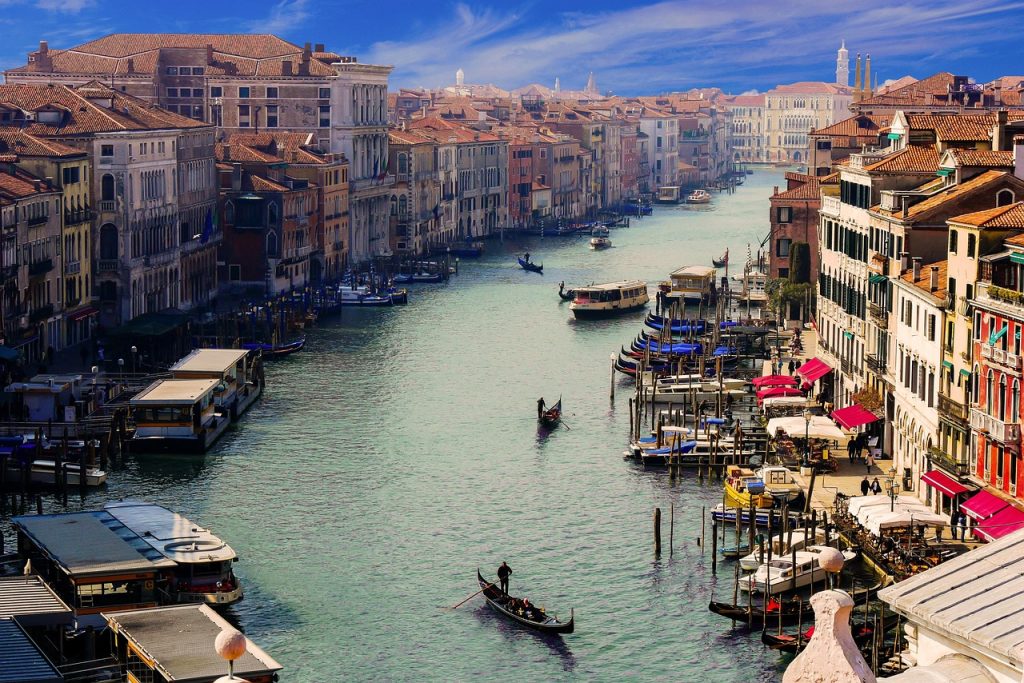
Venice once welcomed day-trippers with nothing but bridges and patience, and arrival felt frictionless even on bright spring weekends. On select peak days, day visitors register online, pay an access fee, and carry a QR code that can be checked during set hours, with a lower price for earlier payment and a higher one close to arrival. Officials frame it as crowd management for a fragile historic center, but it also changes the mood. Wandering starts with a transaction, checks can happen near common entry routes, and spontaneity gets traded for planning and time-stamped choices that make the city feel managed.
Barcelona, Spain
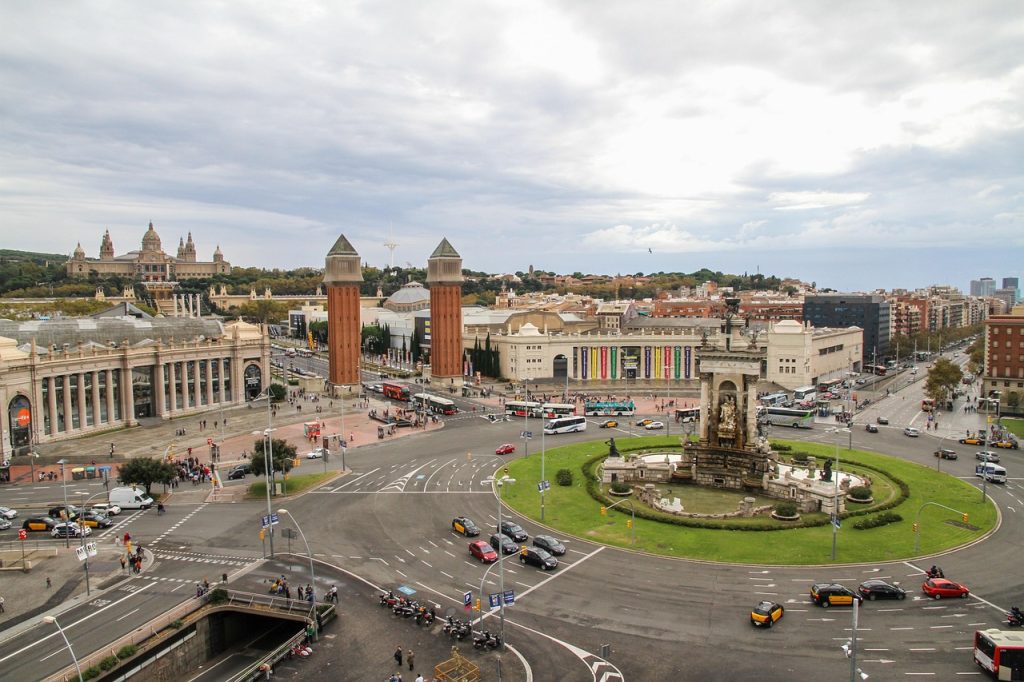
Barcelona is still magnetic, yet it is putting guardrails around volume and reclaiming breathing room for residents in crowded waterfront and center districts. Cruise traffic is being scaled back through agreements that reduce terminal capacity and smooth peak arrivals, cutting the sudden surges that flood Las Ramblas and the Gothic Quarter at once. The city is also tightening the future of short-term tourist apartments, pushing housing back toward locals and limiting the easy, last-minute stay in the most pressured neighborhoods. The welcome remains, but it now comes with fewer beds, fewer quick-entry visits, and a clear message that tourism must fit the city’s limits.
Amsterdam, Netherlands
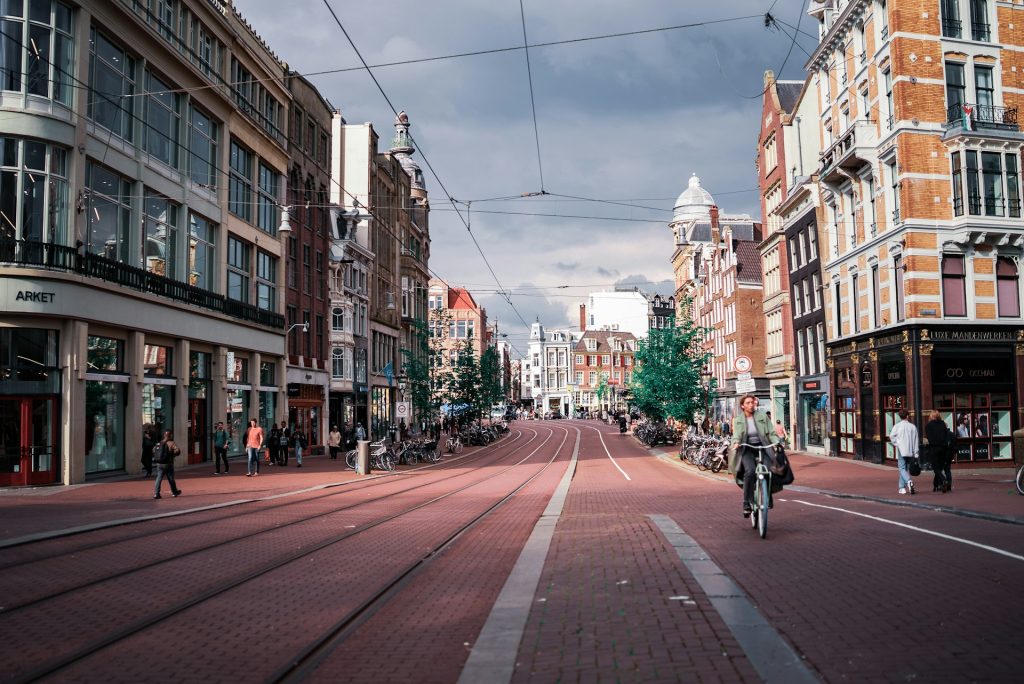
Amsterdam’s center is being tuned for livability, with policies designed to make tourism fit the city rather than consume it. Measures restrict new tourist-oriented retail, curb hotel growth, and tighten rules for short-term rentals, while river and sea cruising is being pushed away from the tightest core. The goal is to protect housing and reduce nuisance in neighborhoods that are still lived in, not staged. Visitors feel the shift as fewer low-effort stays along the canals, more enforcement around nightlife behavior, and a stronger push to spread out beyond the postcard streets, where pressure has been highest for years.
Dubrovnik, Croatia
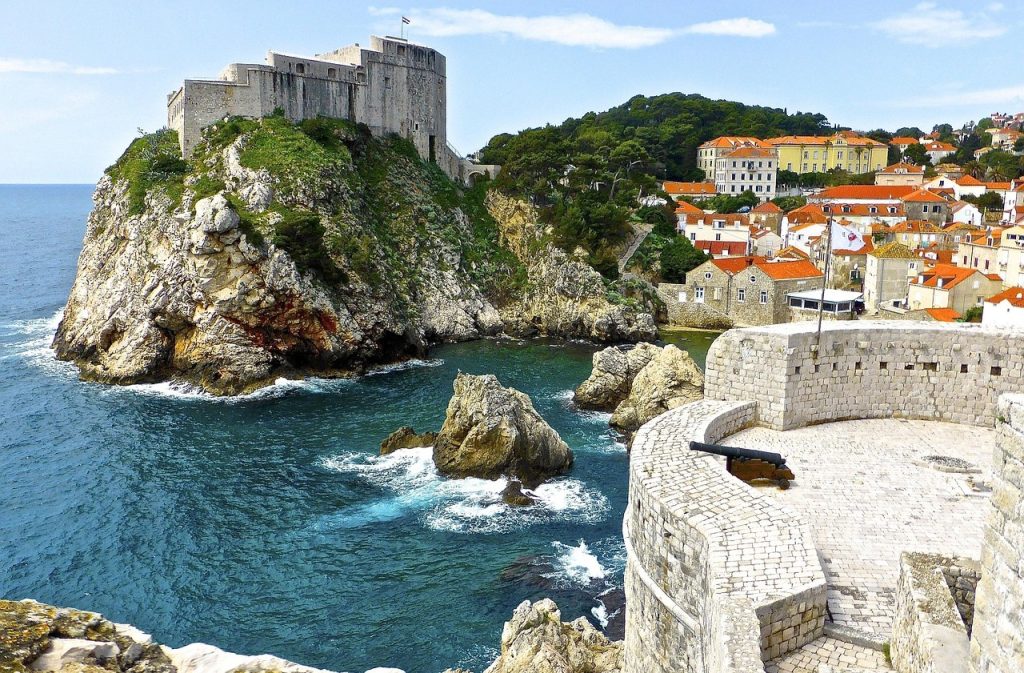
Dubrovnik’s Old Town was never built for modern surges, so the city has made pacing part of the visit. Cruise arrivals are scheduled and capped to ease bottlenecks at the gates and along the main street, reducing the moment when thousands arrive at once and the stone lanes become a slow shuffle. The streets can feel calmer, but spontaneity shrinks on cruise-heavy days, when arrival slots and crowd flow shape what feels possible. Visitors notice more active management, tighter timing, and a tone that prioritizes order over romance, especially in peak season when the walls feel like they are holding their breath.
Florence, Italy
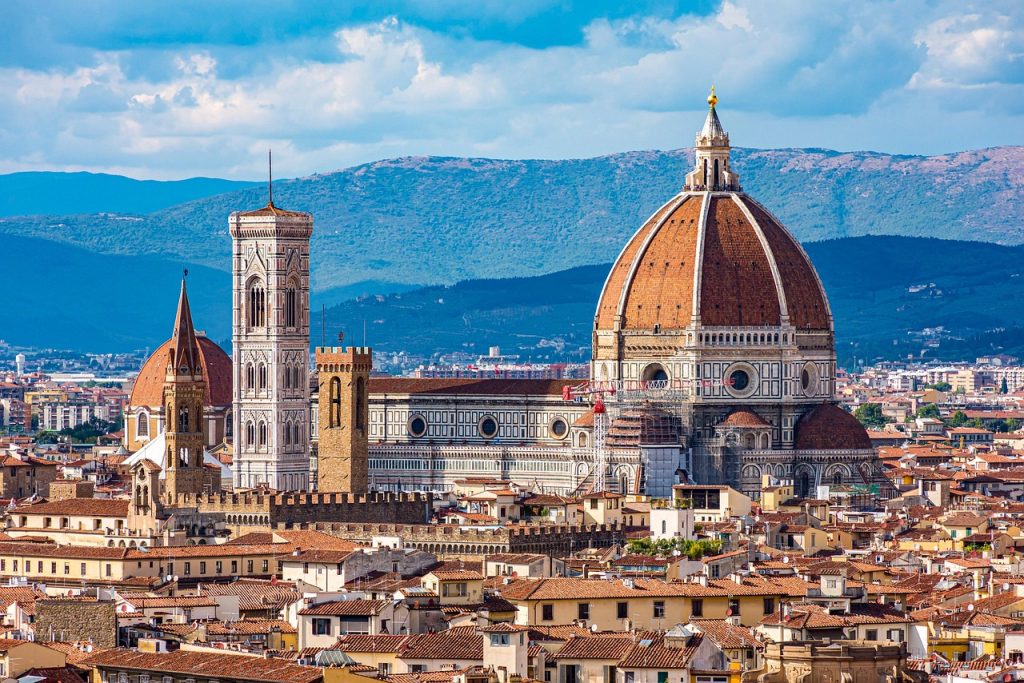
Florence is pushing back against tourism that turns historic streets into self-service corridors and erodes neighborhood life. The city ordered the removal of self check-in keyboxes from holiday rentals, pairing the rule with enforcement that can include fines and physical removal. It is about more than a metal box on a wall. The move signals that anonymous turnover has a cost, from security concerns to visual clutter, and that visitors are expected to meet a host, follow formal steps, and respect the building’s rhythms. The city still welcomes travelers, but it is reclaiming its street face and reducing the sense that the center is a hotel lobby.
Lisbon, Portugal
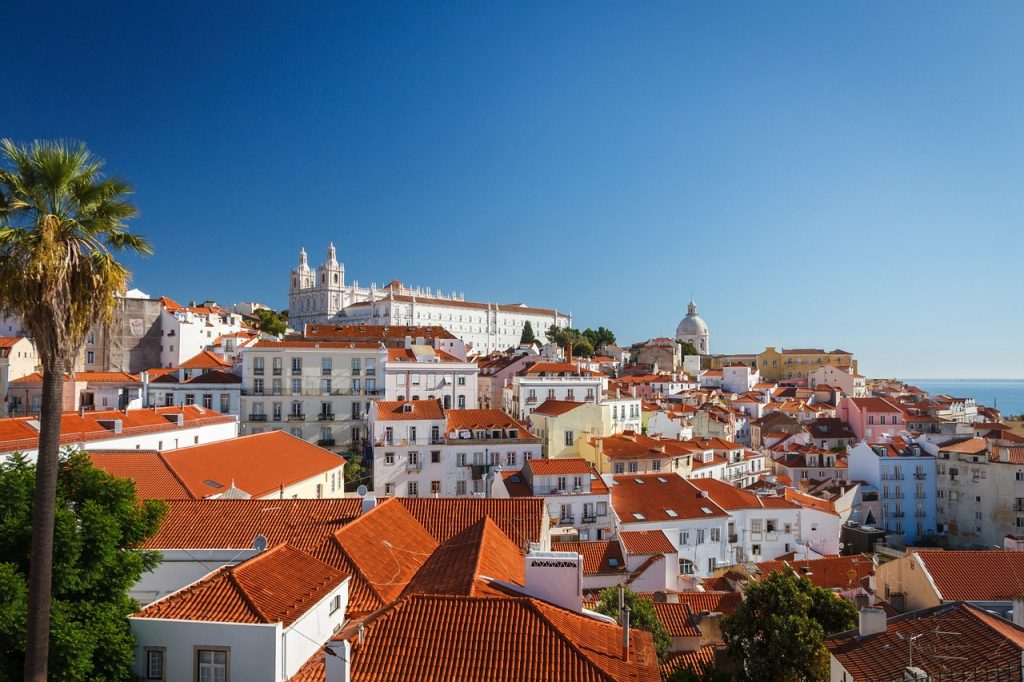
Lisbon’s tourism boom collided with a housing squeeze, and the debate has sharpened into civic action that is hard to ignore in central neighborhoods. Proposals to restrict short-term tourist rentals in residential buildings reflect a desire to slow churn in stairwells and give long-term residents a fairer shot at staying put. Even before the policy direction is fully settled, the shift is visible in stricter scrutiny of listings, louder neighborhood activism, and a growing preference for regulated stays. Visitors may find fewer casual apartment options, more cautious hosts, and higher competition for legal listings in the most popular districts, especially during peak months.
Kyoto, Japan
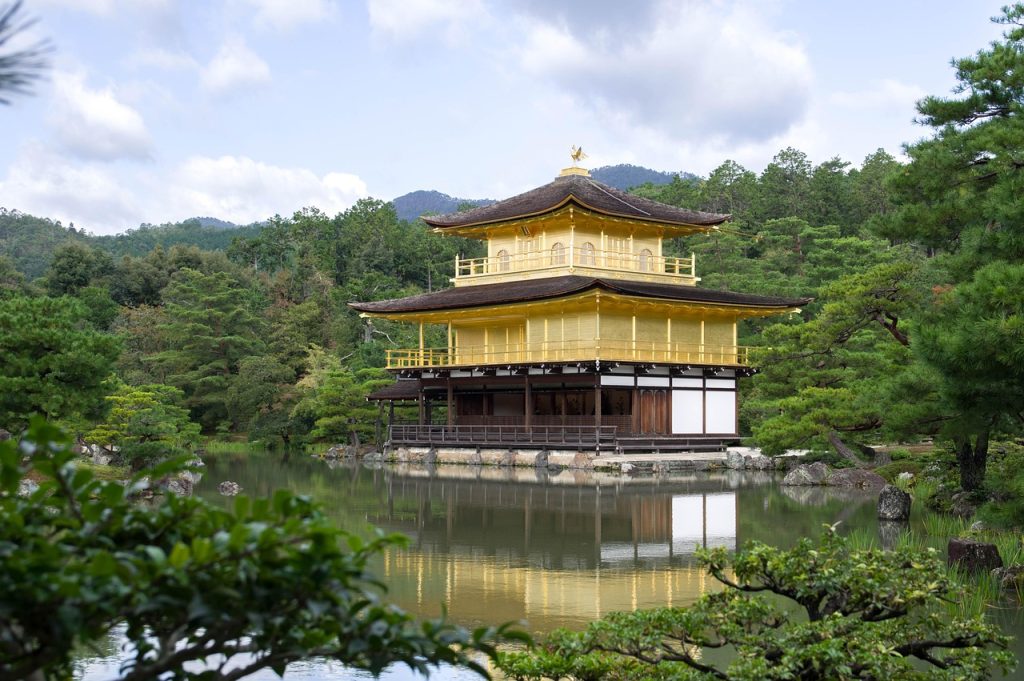
Kyoto is protecting daily life in places that became backdrops for crowd behavior, especially neighborhoods built on quiet and routine. In the Gion area, certain narrow private alleyways have been closed to tourist entry, and signage draws a clear line between public streets and lived spaces. The change does not erase the city’s temples or traditions, but it redraws where wandering ends, particularly in the most delicate lanes where residents felt watched and disrupted. Visitors feel firmer boundaries, more visible rules, and a stronger expectation of restraint, as if the city is asking for respect before it offers access.
Paris, France
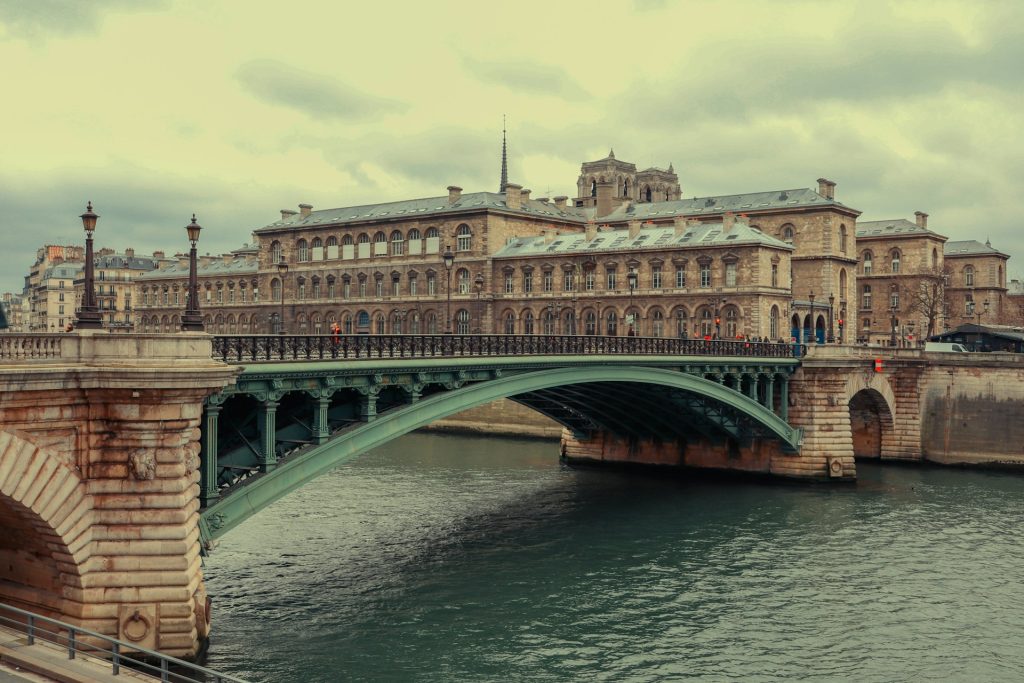
Paris remains a magnet, yet it is less patient with tourism that strains housing and daily life in dense neighborhoods. Crackdowns and tighter enforcement target short-term rentals that violate local rules, and penalties for illegal arrangements can be steep. Visitors experience the shift as fewer apartment options, more compliance language at booking, and a rising sense that casual rule-bending is not tolerated the way it once was. Add higher taxes on some stays and stronger resident frustration in over-visited districts, and the welcome becomes more conditional. Paris is not turning cold. It is trying to stay livable, even if the edges feel sharper.
Málaga, Spain
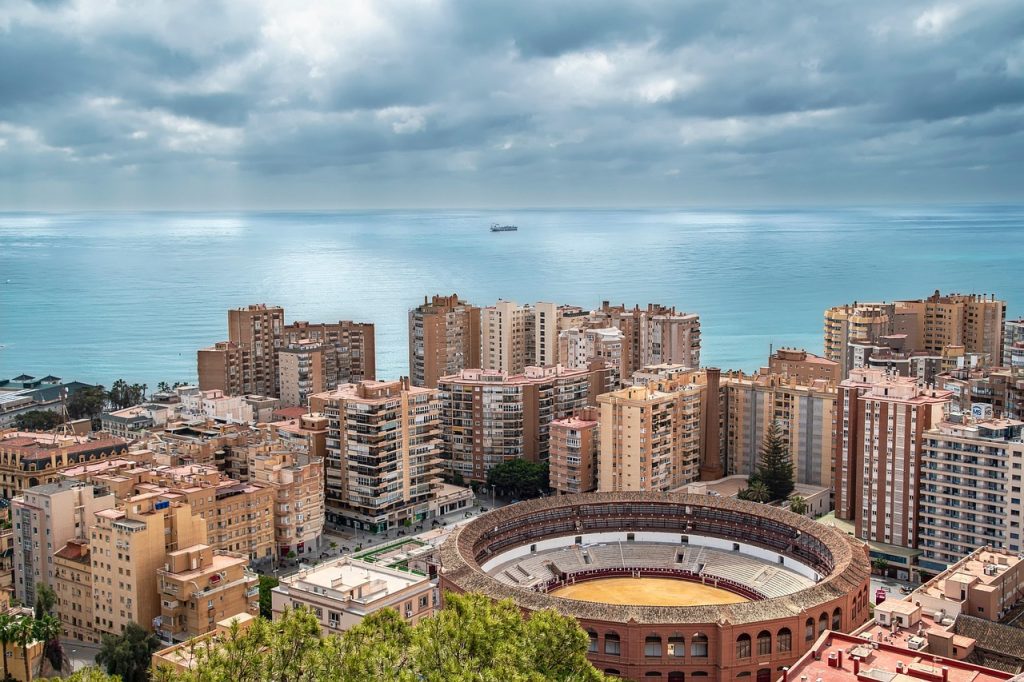
Málaga has surged in popularity, and the city is choosing resident stability over unlimited growth in its most pressured areas. It has moved to block new short-term tourist rental permits in dozens of neighborhoods, responding to concerns that locals are being priced out as holiday flats multiply. Because restrictions can be neighborhood-specific, the visitor experience can feel uneven: fewer legal options near the historic core, more competition for compliant listings, and more last-minute price spikes when festival weeks and beach season collide. The tone is not anti-visitor. It is pro-neighborhood, and it signals that the city is willing to trade easy tourism growth for housing breathing room.
Prague, Czechia
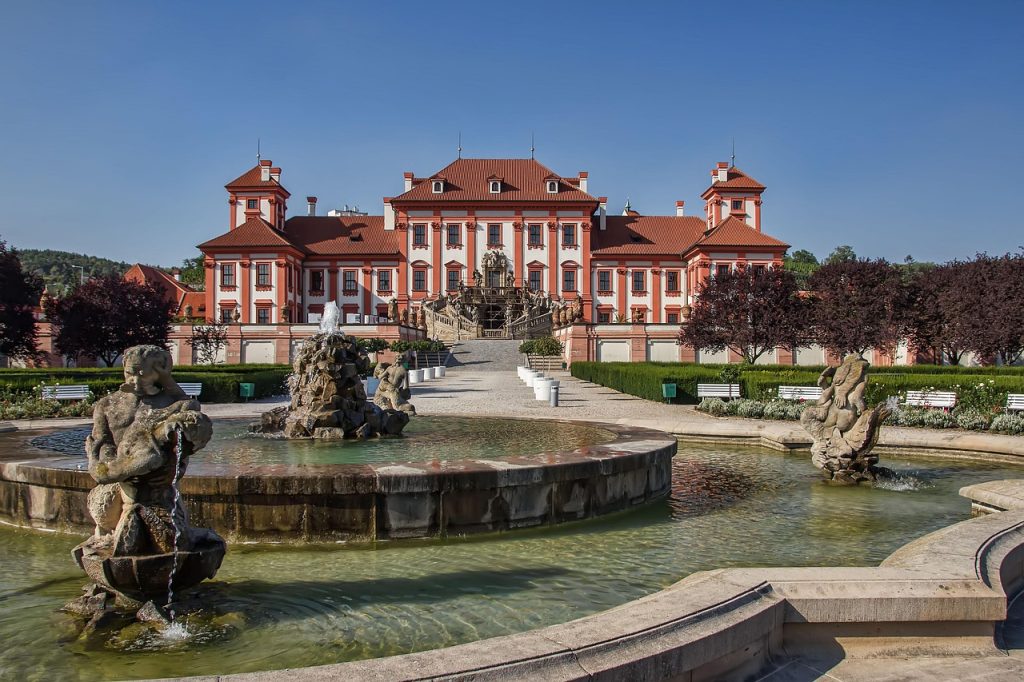
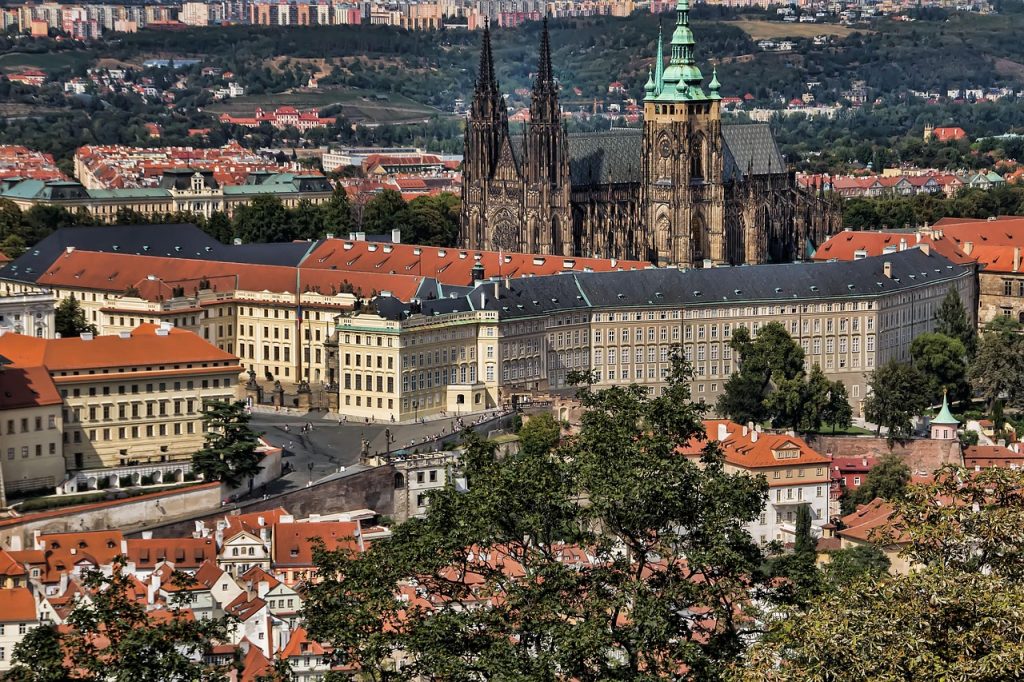
Prague has been blunt about the tourism it wants less of, especially when it spills into residential nights and leaves locals exhausted. The city banned organized night-time pub crawls run by travel agencies during late-night hours, aiming to cut noise and pivot its image toward culture rather than party circuits. The rule targets guided groups that can dominate narrow streets after dark, but it still shifts the visitor experience. Expect fewer packaged nightlife tours, more policing of loud groups, and a clearer expectation that evenings stay contained and respectful. Prague still offers fun. It is simply narrowing what counts as acceptable fun in the historic center.