10 Tourist Towns That Quietly Emptied Out Over the Decades
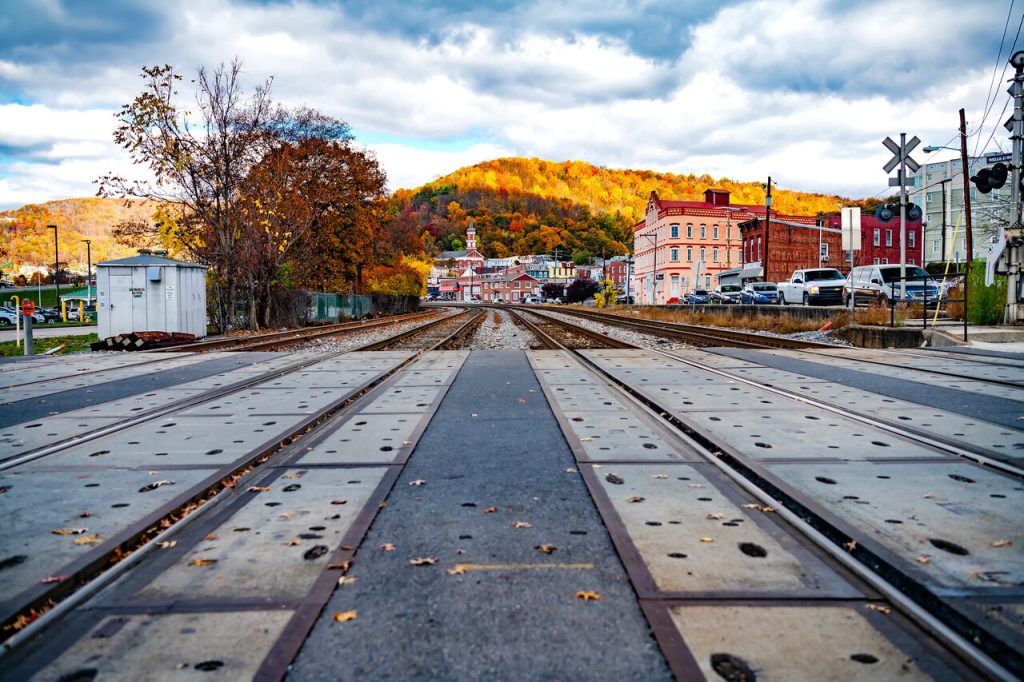
Some towns once buzzed with travelers, summer festivals, and local charm until the crowds stopped coming. Economic shifts, natural disasters, and changing travel trends turned once-popular spots into near ghost towns. These places still hold beauty and stories, but their silence tells a different tale. When you walk through them now, you can almost feel the echoes of laughter, the creak of old inns, and the quiet pride of locals who never left. Here are ten tourist towns that slowly emptied out over the decades.
1. Centralia, Pennsylvania

Centralia was once a lively mining town that drew curious visitors with its small-town appeal and rolling hills. In 1962, an underground coal fire ignited beneath the town, and what started as a minor problem became an unstoppable blaze that still burns today. Residents were forced to leave, and the town was eventually condemned. The old streets, marked by smoke and cracked pavement, remain as a strange, haunting reminder of what was lost. Today, only a handful of people live there, surrounded by empty roads and silence.
2. Bodie, California
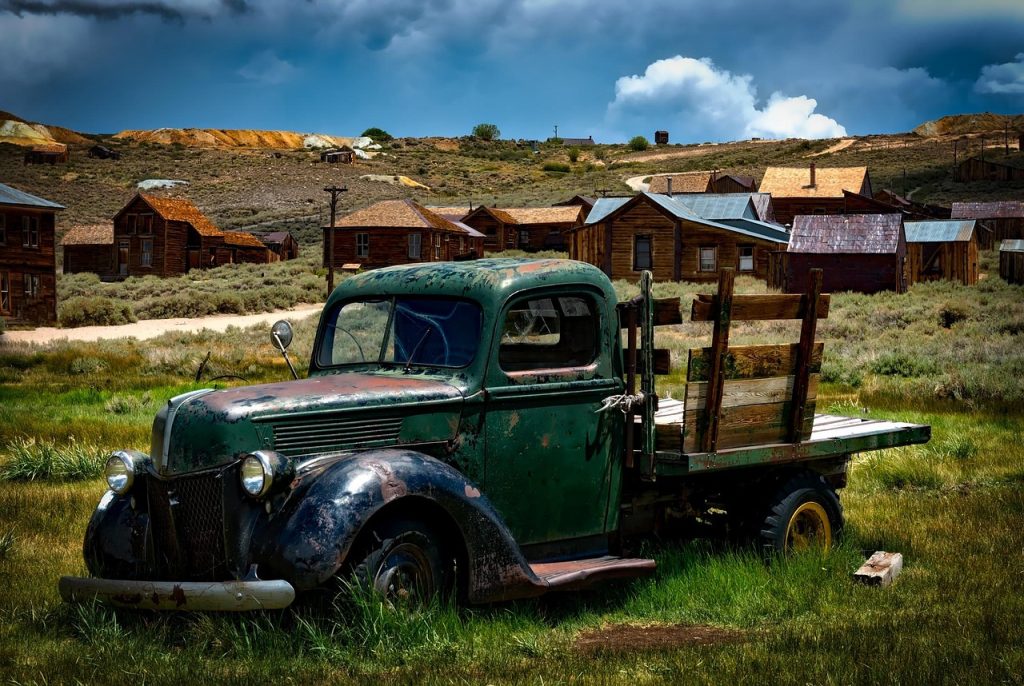
Bodie thrived during the gold rush, packed with saloons, brothels, and hopeful miners chasing fortunes. At its peak in the late 1800s, the town had thousands of residents and a notorious reputation for lawlessness. But when the gold dried up, so did the excitement. Families left, businesses closed, and Bodie faded into memory. The dry winds and cold winters preserved much of the town, and now visitors walk through a “frozen” moment in time. It’s one of America’s best-preserved ghost towns, with eerie charm and forgotten energy.
3. Bombay Beach, California
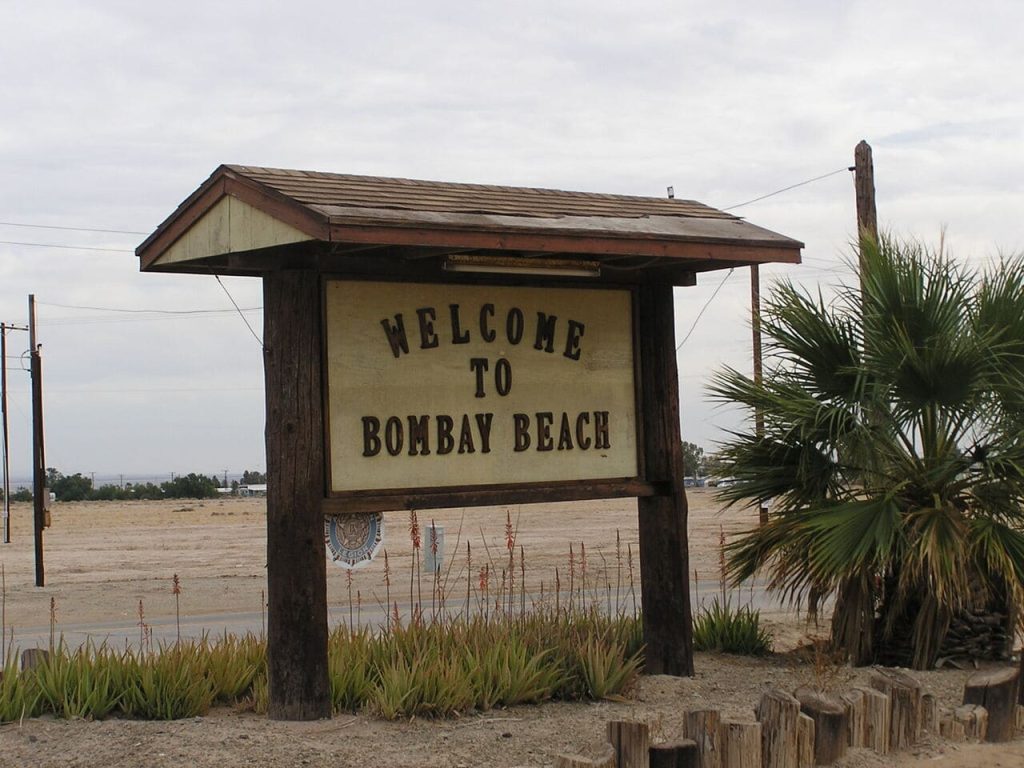
Bombay Beach on the Salton Sea was once a sunny escape for anglers and families in the 1950s. The shimmering lake attracted vacationers who built homes and marinas along the shore. Then, pollution and rising salinity turned the water toxic, killing fish and driving away visitors. By the 1980s, the beach was abandoned, leaving behind rusted playgrounds and cracked piers. Strangely, artists and photographers later rediscovered it, turning the decayed landscape into an unlikely creative hub that’s part eerie and part inspiring.
4. Glenrio, Texas-New Mexico Border
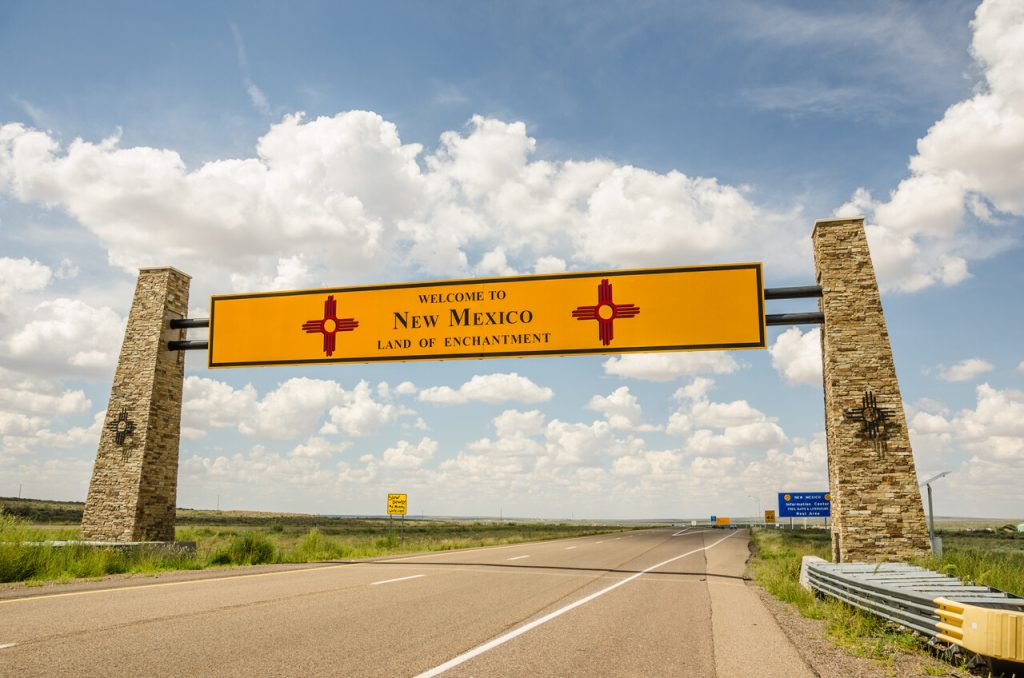
Glenrio sat perfectly along Route 66, welcoming travelers with motels, diners, and gas stations. When Interstate 40 bypassed the town in the 1970s, the steady flow of tourists vanished overnight. Businesses closed, and the town slowly emptied until only its faded neon signs and crumbling buildings remained. You can still walk the old highway and imagine the days when engines roared and travelers stopped for a quick meal. Now, the silence feels heavier than the desert air, yet the nostalgia never fully disappears.
5. Picher, Oklahoma
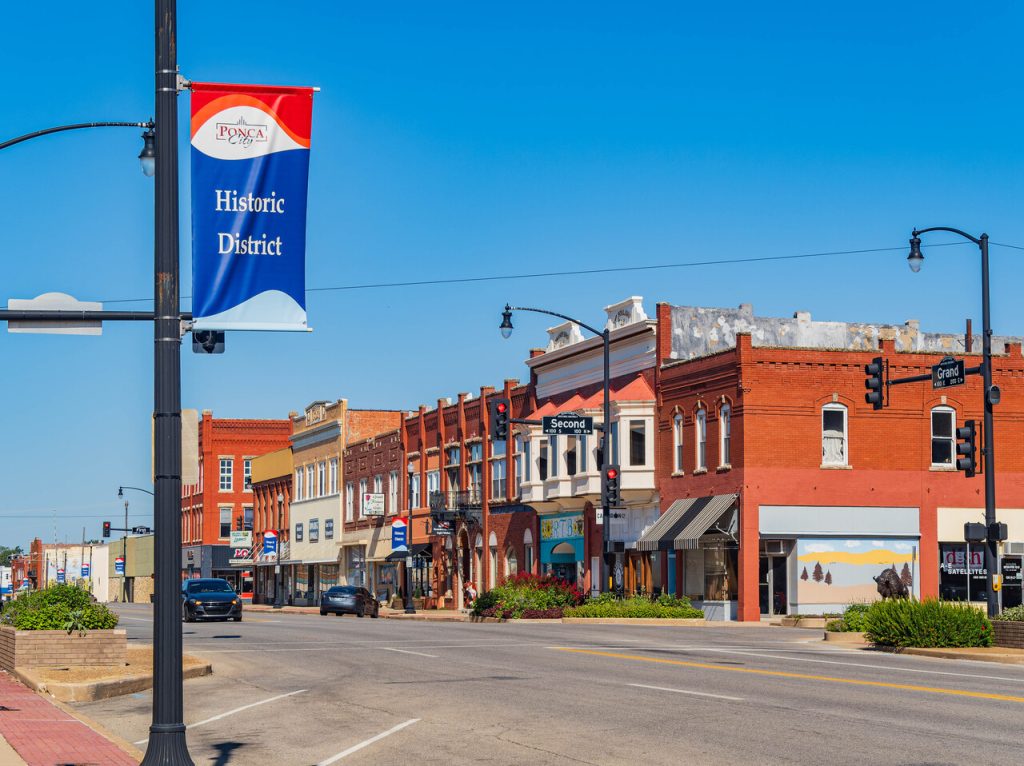
Picher was once booming thanks to lead and zinc mining, drawing both workers and visitors interested in its bustling economy. Over time, however, the same industry that built it also destroyed it. The mines contaminated the soil and water, creating dangerous conditions that led to a full evacuation by 2009. Tornadoes later finished what pollution started. Today, piles of toxic mine waste tower over an empty town that feels frozen in its final chapter. What remains is a stark warning of unchecked industry’s long-term cost.
6. Kennecott, Alaska

Kennecott rose from the discovery of rich copper deposits in the early 1900s. The isolated mining camp soon became a small but thriving company town with a hospital, school, and bustling workforce. When the copper ran out in 1938, everyone packed up and left. The massive red mill buildings still stand against the icy backdrop, slowly weathering with time. Visiting today feels like stepping back into another century, where echoes of machinery and human ambition linger in the still mountain air.
7. Cairo, Illinois
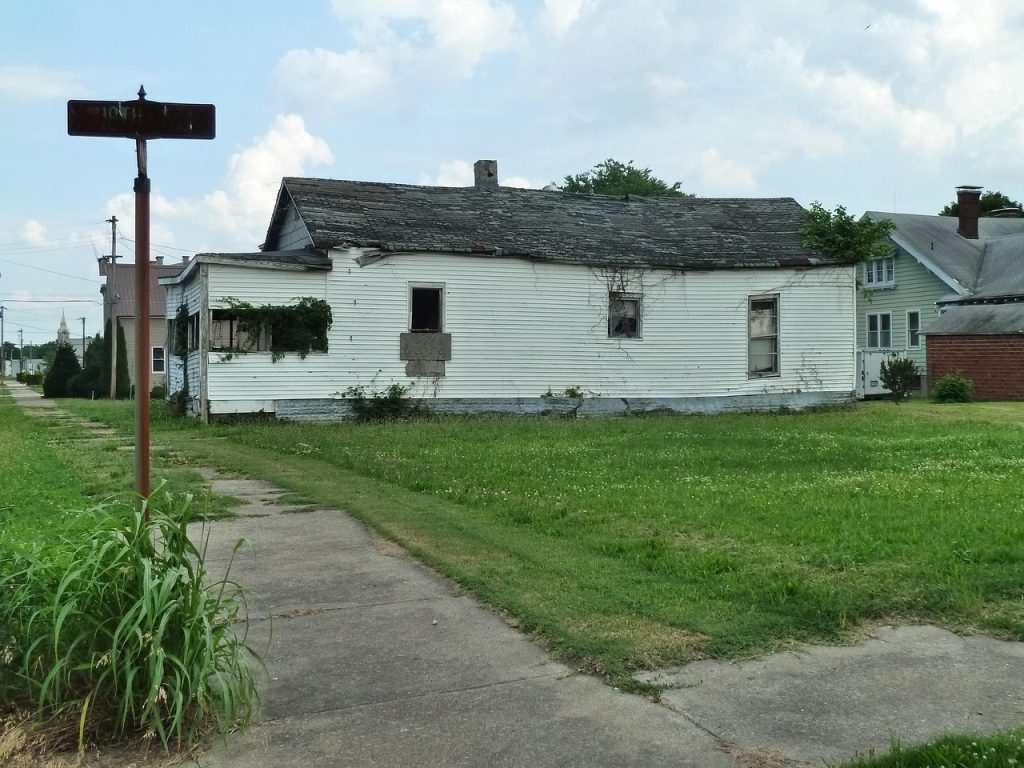
Cairo once sat proudly at the meeting of the Ohio and Mississippi Rivers, a bustling hub for river trade and travelers. In the early 20th century, it flourished with hotels, theaters, and elegant homes. But as industries declined and racial tensions rose, the town fell into sharp decline. Businesses shuttered, and the population dwindled year after year. Walking through downtown Cairo now feels surreal grand old buildings stand empty, their faded signs hinting at a once-thriving river city that time simply left behind.
8. Virginia City, Montana
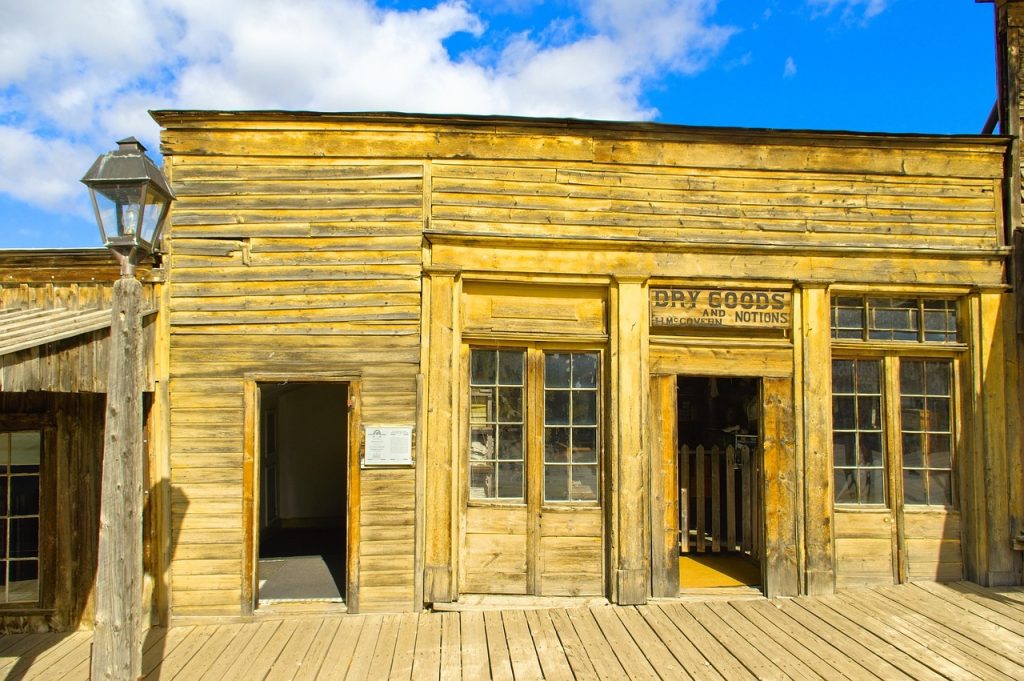
Virginia City exploded with life during Montana’s gold rush in the 1860s. Thousands of miners poured in, and for a short while, it became one of the richest places in the West. When the gold was gone, so were the people. The town nearly vanished until preservationists restored it as a living museum. Today, it attracts a trickle of visitors curious about frontier life. You can still walk its wooden sidewalks and sense the echoes of a crowd chasing dreams that faded into dust.
9. Thurmond, West Virginia

Thurmond was once a vital stop along the Chesapeake and Ohio Railway, filled with hotels, banks, and rail workers. Its coal shipments made it one of the busiest spots in the region. But when diesel engines replaced steam and the mines closed, the trains stopped coming. By the 1950s, Thurmond was nearly empty. A few residents remain, surrounded by overgrown tracks and quiet hills. The National Park Service now protects it, allowing visitors to glimpse the skeleton of a once-vibrant railroad town.
10. Garnet, Montana
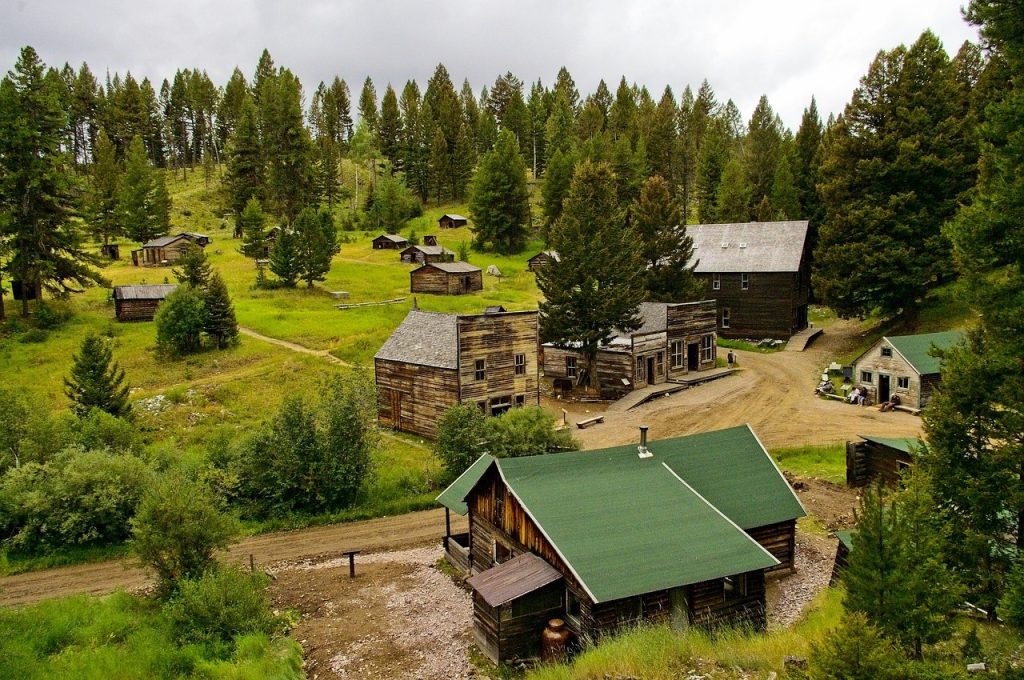
Garnet’s gold rush days brought fortune seekers and families eager for opportunity. The town flourished briefly in the 1890s, with shops, saloons, and music filling the mountain air. But harsh winters and depleted mines drove most people away by 1917. What makes Garnet special is how well it’s been preserved log cabins and storefronts still stand, untouched by modern construction. Walking through it today, you can almost hear the echo of boots on the boardwalk, a reminder that even prosperity has an expiration date.