10 Travel Locations That Are Easier to Book This Time of Year
Travel calendars often follow predictable rhythms, and quieter windows appear between major holidays and peak seasons. During these periods, many destinations become easier to reserve without long lead times or inflated demand. Airlines release more seats, hotels loosen minimum stays, and popular attractions operate on calmer schedules. The result is a travel landscape that feels more accessible and flexible. This moment favors planners seeking variety rather than spectacle, with cities, coastal regions, and cultural centers offering smoother logistics. These ten destinations consistently show improved booking availability during this time of year while maintaining their character and appeal.
Lisbon, Portugal
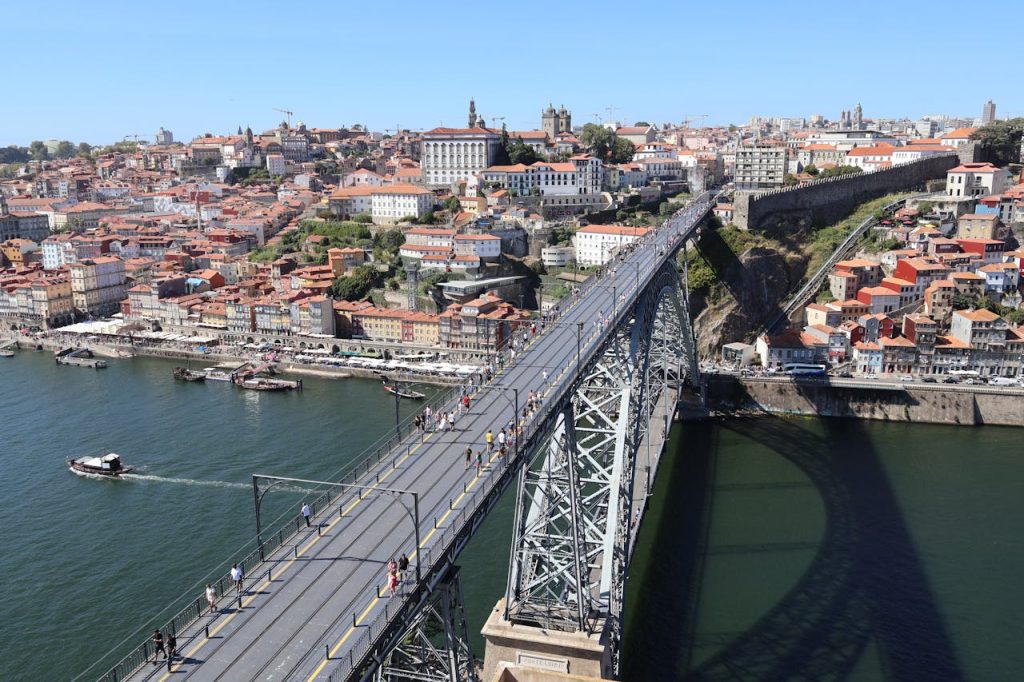
Lisbon, Portugal often experiences a lull between summer crowds and major European holidays, making reservations simpler. Airlines increase shoulder season inventory, and centrally located hotels typically have broader date flexibility. The city’s hills, trams, and riverfront neighborhoods remain fully active without peak congestion. Restaurants, museums, and viewpoints operate on normal schedules, yet tables and tickets are easier to secure. Weather remains mild by Atlantic standards, supporting sightseeing without extremes. This period highlights Lisbon’s everyday rhythm, allowing visitors to explore Alfama, Baixa, and Belém with fewer logistical hurdles. Public transit runs frequently across districts during these calmer weeks.
Kyoto, Japan
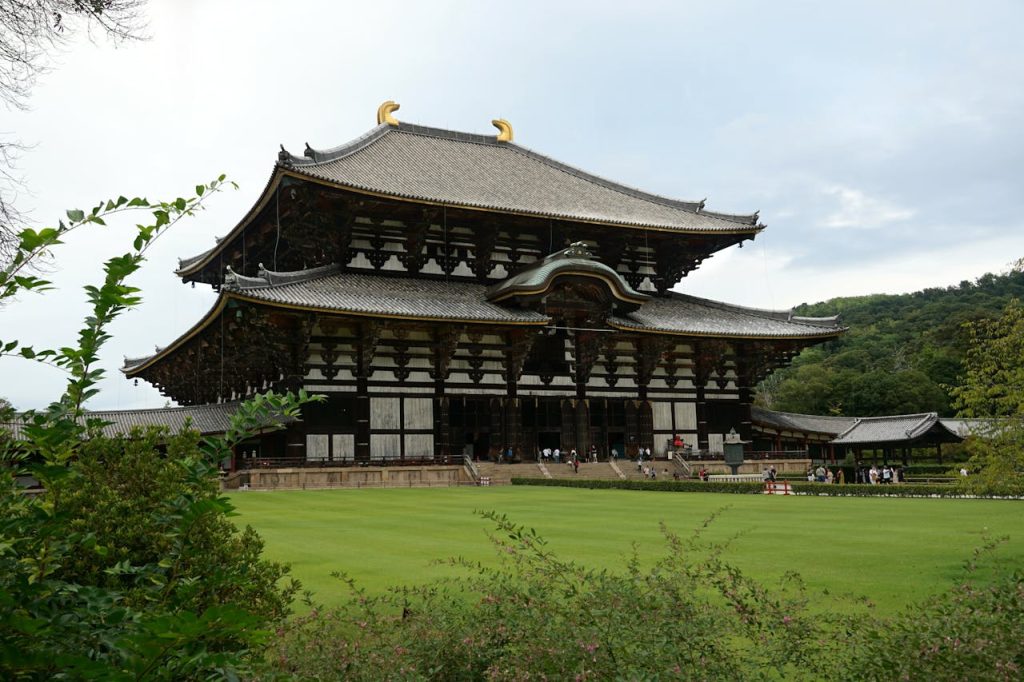
Kyoto, Japan becomes easier to book outside peak cherry blossom and autumn foliage periods. After festival surges pass, accommodations across traditional ryokan and modern hotels open wider availability. Rail travel within Kansai remains efficient, while temples and gardens feel less compressed by tour groups. Cultural sites such as Kiyomizu-dera and Arashiyama maintain full access without seasonal restrictions. Dining reservations are more attainable, especially for neighborhood restaurants. This timing preserves Kyoto’s contemplative atmosphere, supporting unhurried walks through historic streets and a smoother overall planning experience. Local buses and regional trains operate on standard schedules throughout the period.
New Orleans, Louisiana
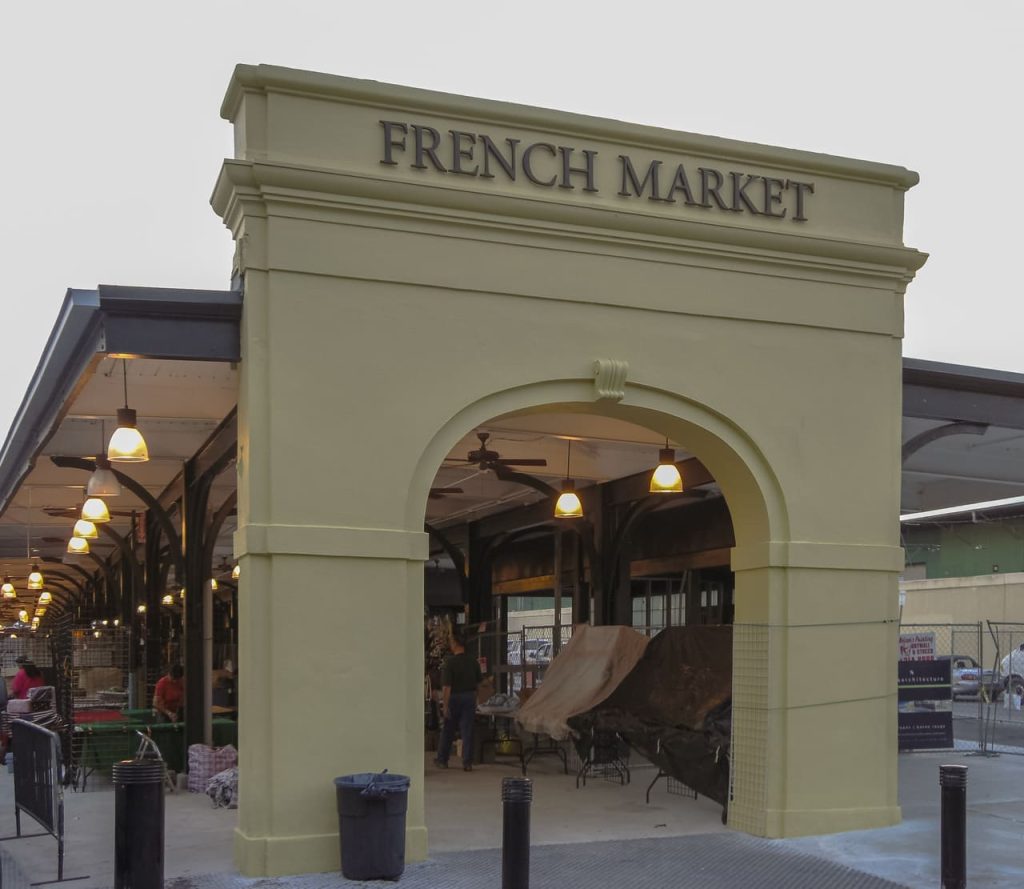
New Orleans, Louisiana tends to see lighter booking pressure between major festival seasons. After marquee events conclude, hotels in the French Quarter and surrounding neighborhoods often have improved availability. Flight schedules remain consistent, supporting flexible arrival options. Live music venues, museums, and historic tours continue daily operations without ticket bottlenecks. The city’s culinary scene stays vibrant, while reservations become less competitive. This calmer interval emphasizes local character, allowing exploration of neighborhoods beyond the core tourist zones with fewer scheduling constraints. Streetcar lines run reliably, connecting districts at a relaxed, predictable pace.
Reykjavik, Iceland
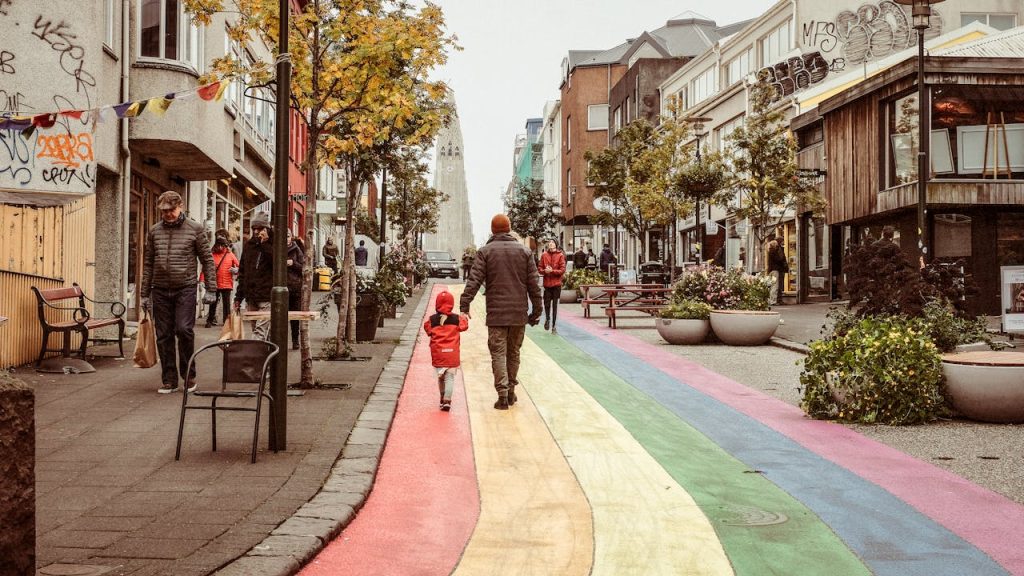
Reykjavik, Iceland often becomes simpler to reserve outside the height of summer travel. As daylight remains ample but demand eases, flights and hotels show broader openings. The compact city continues full cultural programming, including galleries, pools, and music venues. Road access to nearby geothermal sites and coastal viewpoints remains dependable without peak traffic. Tour operators maintain regular departures for nature excursions. This season balances accessibility with comfort, supporting urban exploration while preserving Iceland’s distinctive sense of space. Public buses operate frequently, and essential services remain uninterrupted throughout the city. Museums extend weekday hours during quieter months.
Barcelona, Spain

Barcelona, Spain typically offers easier booking between peak summer tourism and major holidays. As beach demand softens, hotels across Eixample and El Born release more availability. Air routes remain dense, allowing varied arrival times. Cultural landmarks such as the Sagrada Família and Picasso Museum operate normally with reduced crowd pressure. Restaurant reservations become more attainable, especially beyond waterfront areas. This period highlights everyday city life, balancing architectural exploration, neighborhood markets, and coastal walks without intense scheduling competition. Public transit runs frequently, supporting movement across districts at a relaxed pace. Museums maintain consistent hours, and parks remain open daily.
Vancouver, Canada
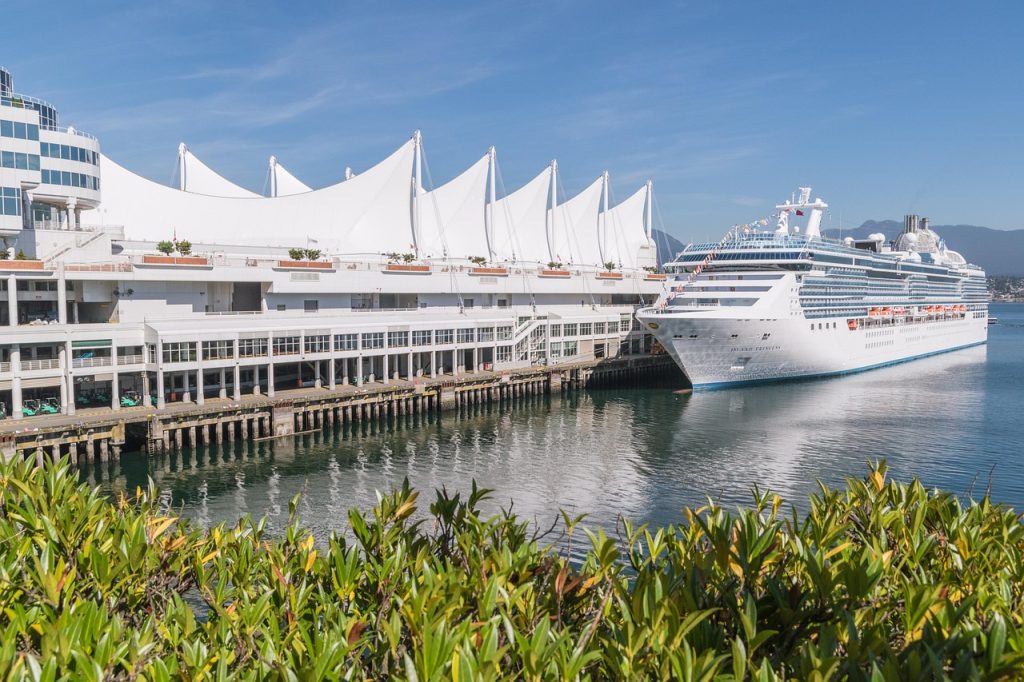
Vancouver, Canada often sees improved booking flexibility outside its summer cruise season. As port traffic eases, downtown hotels and waterfront properties show wider date options. Flights from major North American hubs remain frequent, supporting short planning windows. Urban attractions, including Stanley Park and neighborhood markets, continue regular operations without seasonal closures. Dining reservations become less competitive, especially midweek. This time underscores Vancouver’s balance of city access and natural scenery while keeping logistics straightforward and dependable. Public transit, bike routes, and ferries operate on standard year round schedules. Museums and galleries maintain full access across neighborhoods.
Rome, Italy

Rome, Italy becomes easier to book between peak summer heat and major religious holidays. As group travel slows, hotels near historic districts often open more availability. Flights remain plentiful from international gateways, keeping arrival options flexible. Archaeological sites, museums, and churches operate normally with steadier visitor flow. Dining reservations grow more accessible beyond tourist corridors. This period allows Rome’s layered history to unfold at a manageable pace while preserving essential services and transportation reliability. Public transit lines run consistently, and walking routes remain clearly navigable. Museums maintain standard hours across the city. Parks stay open daily.
Marrakech, Morocco
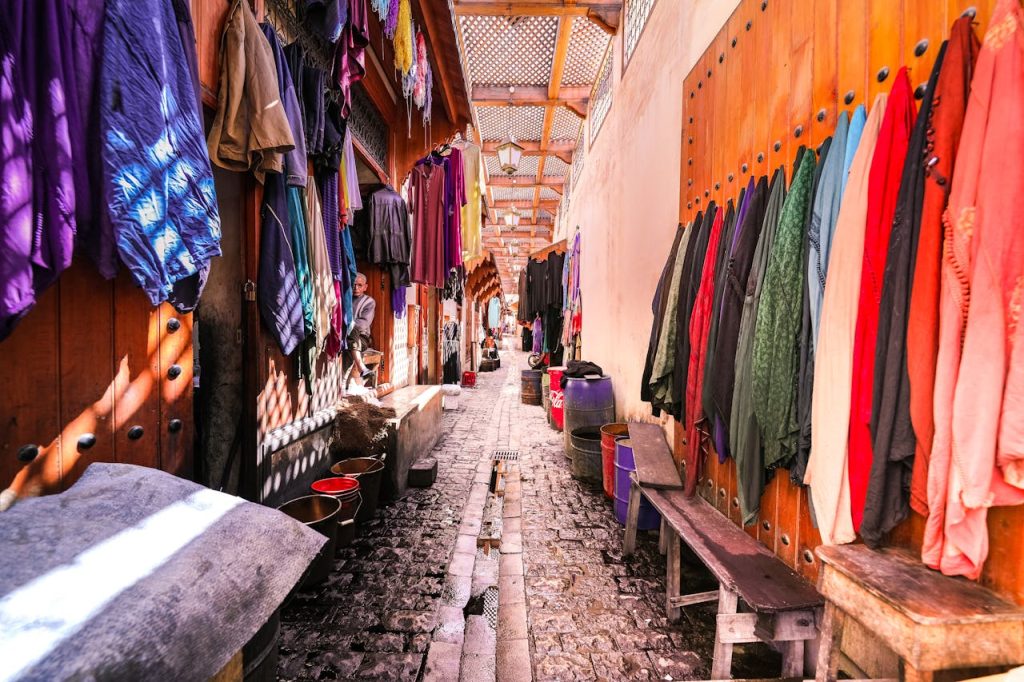
Marrakech, Morocco often experiences lighter booking demand outside peak winter tourism. As seasonal crowds thin, riads and hotels within the medina show improved availability. Air connections through major European hubs remain steady, supporting flexible itineraries. Historic sites, souks, and gardens operate daily with reduced congestion. Guided excursions to surrounding landscapes continue on regular schedules. This interval highlights Marrakech’s craftsmanship and rhythms, making planning simpler while preserving cultural depth and operational consistency. Public transport and taxis operate reliably, and essential services remain available citywide. Museums maintain standard access without seasonal restrictions.
Queenstown, New Zealand
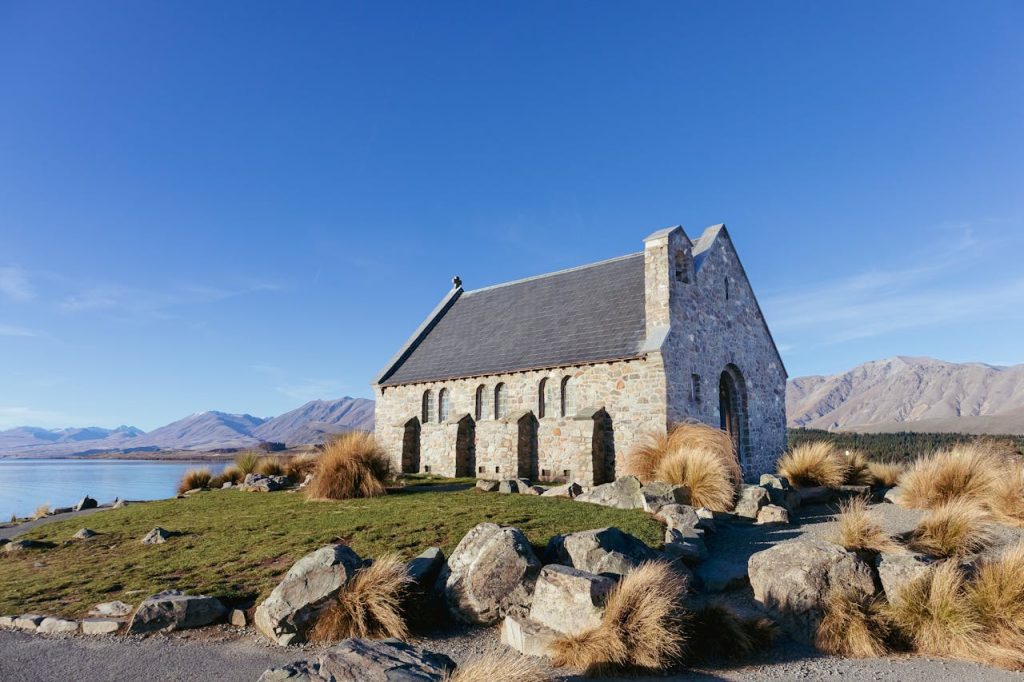
Queenstown, New Zealand becomes easier to book outside peak summer adventure travel. As demand moderates, lodges and hotels across the region show greater availability. Flights through domestic hubs remain consistent, supporting flexible planning. Outdoor activities continue operating, while reservation pressure decreases for popular experiences. Restaurants and transport services maintain standard schedules. This timing emphasizes Queenstown’s natural setting without peak congestion, allowing access to landscapes, trails, and lakefront areas with smoother logistics. Road conditions remain reliable, and regional buses operate on published timetables. Parks stay open, supporting sightseeing throughout the period.
San Diego, California

San Diego, California often offers easier booking between summer crowds and holiday peaks. As coastal demand softens, hotels across beach communities and downtown show broader availability. Flight frequency remains high, supporting flexible travel dates. Outdoor attractions, museums, and waterfront areas continue normal operations year round. Dining reservations become less competitive outside event weekends. This period reflects San Diego’s steady climate and infrastructure, allowing relaxed planning while maintaining access to beaches, parks, and cultural sites. Public transit and road networks operate reliably across the region. Museums maintain standard hours throughout the season. Neighborhood services remain consistent.