10 Travel Mistakes That Make You an Easy Target

Airports, ferry docks, and crowded old centers create a mix of excitement and distraction. Travelers move through unfamiliar systems while tired, rushed, and focused on tickets, maps, and check-in times. That is when small habits matter: where a phone rests, how a bag closes, and what gets shared in public. A few careless routines can lead to canceled cards, lost time, and a trip spent fixing problems instead of enjoying it. Calm awareness, not fear, is the point. These common missteps show how to stay harder to hassle and easier to relax.
Broadcasting Expensive Gear In Crowds

Shiny cameras, new phones, and loud brand logos draw the eye in markets, waterfronts, and train halls, especially when they stay in hand while directions load. A quieter approach works better: check the route, then pocket the device, keep straps short, wear a crossbody in front, and close every zipper before moving again. Valuables that appear only when needed are less likely to be bumped, snagged, or simply noticed by someone scanning for distraction, and a plain case, wrist loop, and quick setup pause inside a shop let the same photos happen without turning the walk into a spotlight at all, now.
Using Easy-Reach Pockets For Essentials
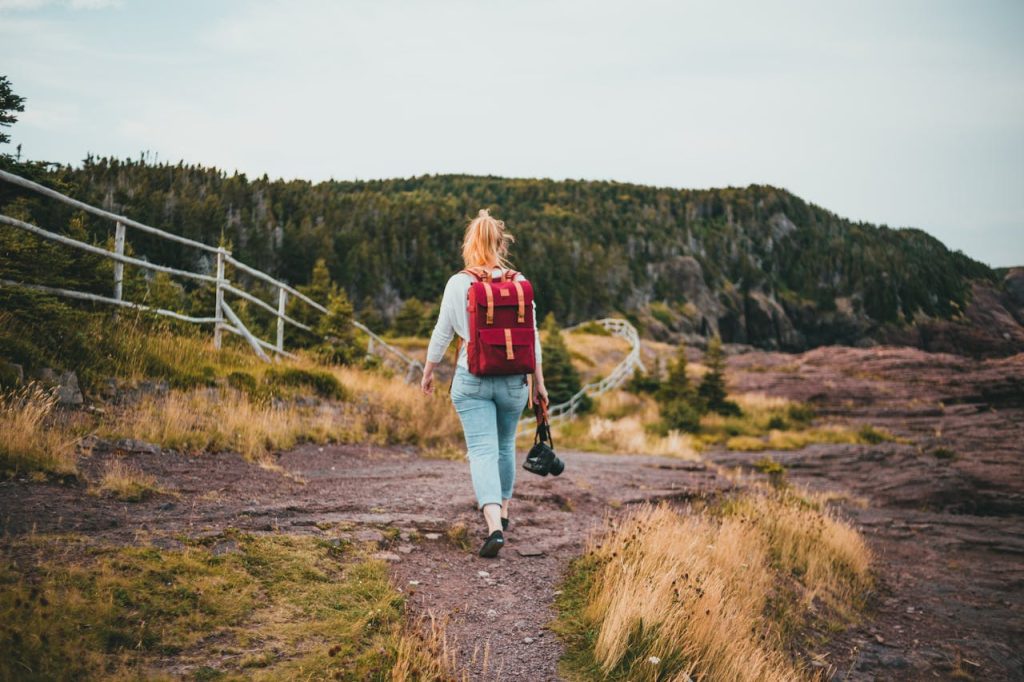
Back pockets, open jacket pockets, and unzipped totes feel convenient until a sidewalk squeeze turns into constant jostling. Essentials kept at the edge of awareness are easiest to misplace during photos, ticket scans, escalators, and quick café orders, especially when hands are full. A small upgrade helps: a crossbody worn in front, a zippered inner pocket for cards, and a habit of closing and touching each zipper after every stop, with the phone and wallet separated so one slip does not wipe out everything, and bags kept off chair backs where they can drift away in the noise in seconds, quietly.
Freezing In Place At Transit Bottlenecks

Ticket machines, departure boards, baggage belts, and turnstiles pull attention in four directions, and that is when travelers stop in the middle of the flow to sort papers. That pause narrows focus and leaves bags behind knees or on the floor, right when crowd surges and hurried bodies press close. Stepping to the side first, choosing a well-lit spot, and organizing passes and payment before reaching the front of a line keeps movement smooth, keeps straps on shoulders, and builds a simple rhythm: zip, scan, pocket, then walk, so nothing gets left on a ledge, a kiosk shelf, or the last seat nearby.
Treating Public Wi-Fi Like A Safe Default
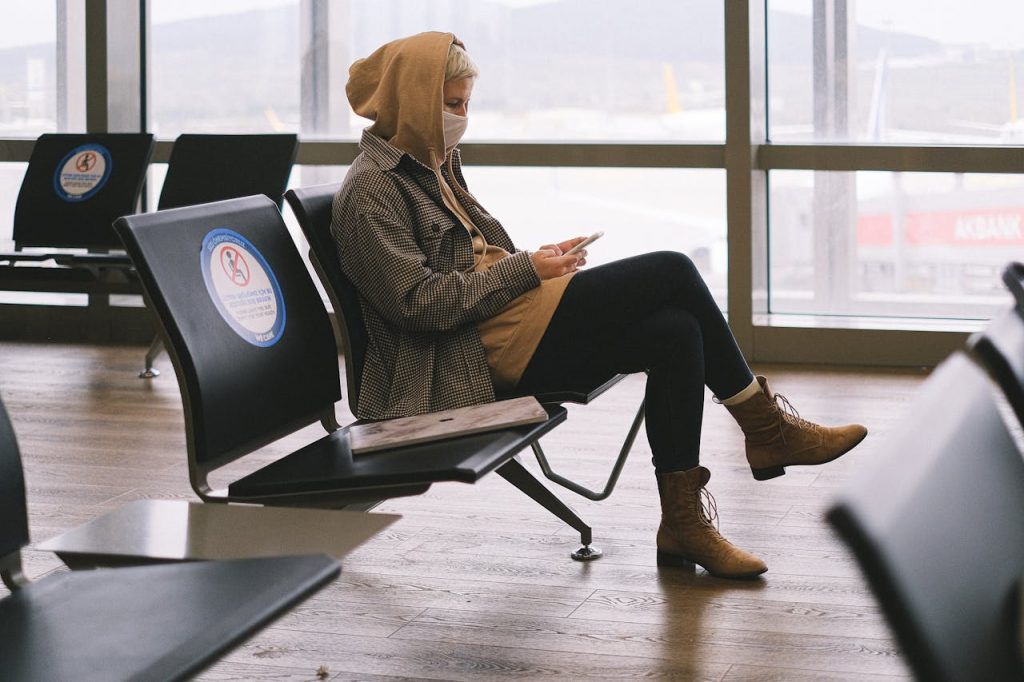
Free Wi-Fi feels like relief at 9 p.m., but open networks are built for convenience, not privacy, and travelers often log into sensitive accounts on the first signal that appears. Auto-join settings, rushed pop-ups, and laptops that share files like they do at home can turn a quick check-in into a problem that follows the trip for weeks. Using cellular data for logins, turning off auto-join, forgetting networks after use, and locking screens with a PIN or biometrics adds a quiet layer of control that rarely changes the evening, and a reputable VPN can help when a public network is the only option.
Posting Real-Time Location And Plans

Real-time posts can turn a fun moment into a public schedule, especially when tags reveal a hotel name, a favorite café, or the exact time a train leaves. Many travelers share boarding passes, room views, or street signs without noticing how clearly those details map the next few hours, down to routes, transfers, and the quiet gap when a room sits empty. Delaying posts until later, avoiding precise tags, cropping out reservation codes, and keeping daily plans inside private messages keeps travel social without advertising patterns, and it helps routines stay private, from morning coffee runs to the walk back after dinner.
Keeping All Money And Cards In One Wallet
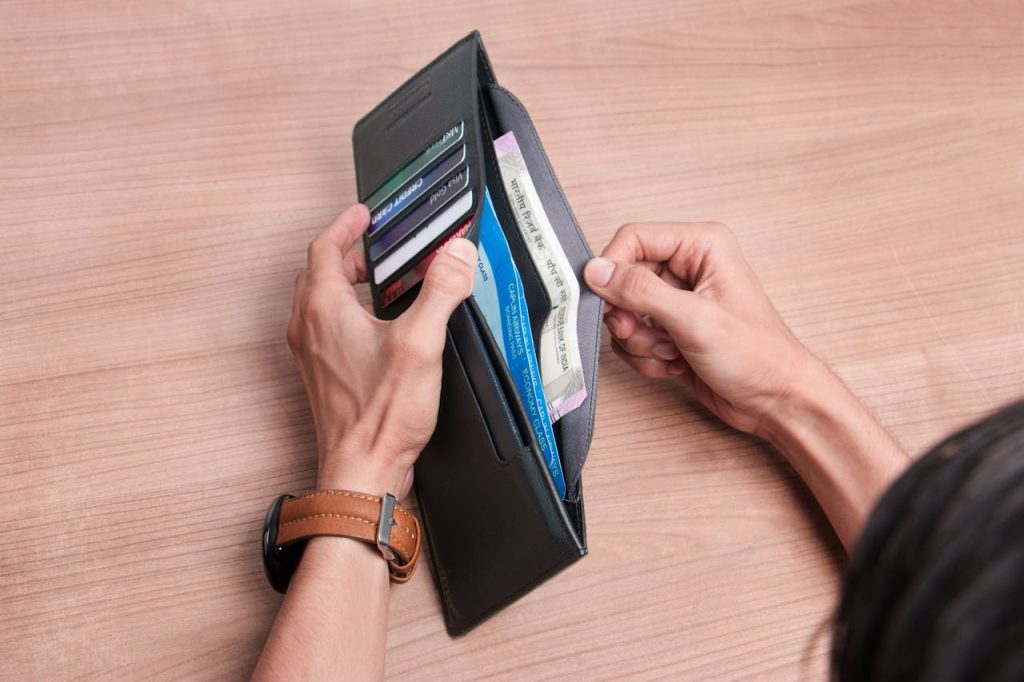
A single wallet that holds every card, all cash, transit tickets, and an ID makes life easy until it vanishes, then the whole trip can stall at once. Travel days involve constant seat changes, quick payments, and moments of hurry at counters, which raises the odds of a simple slip or a forgotten wallet on a table edge. Splitting resources across two places, carrying only what is needed for the day, and keeping a backup card separate turns a setback into a manageable hassle, not a full reset, and a small emergency stash in a hidden pocket, plus photos of key documents stored securely, can shorten the recovery time.
Accepting Unsolicited Help Under Pressure
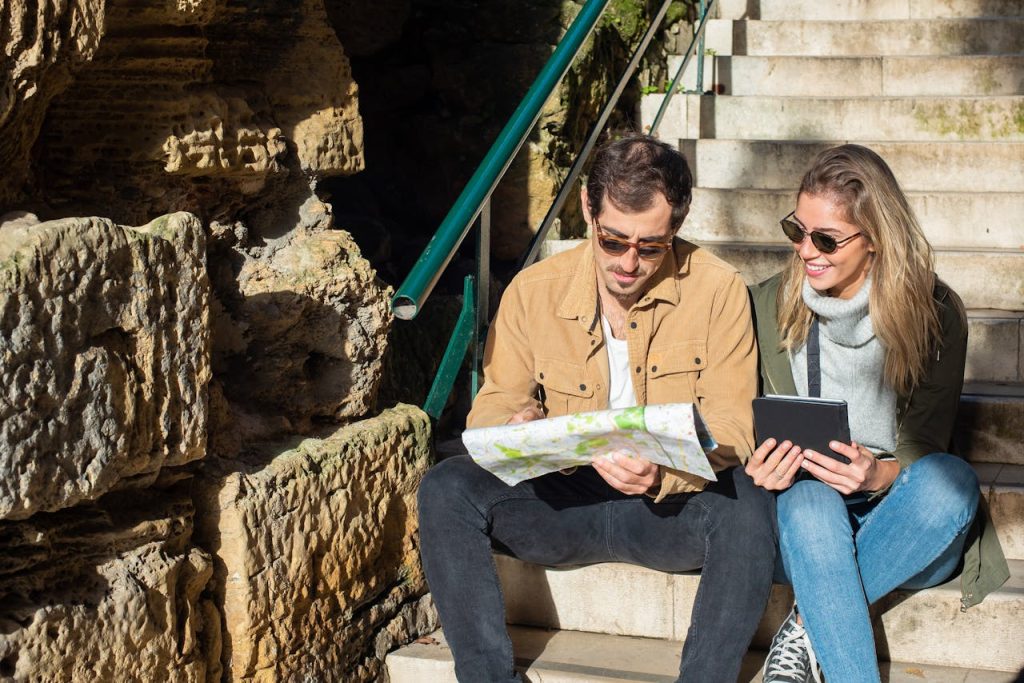
Unsolicited help often appears the moment a traveler looks stuck, at a ticket machine, a map board, or an ATM that takes too long, and the pressure can feel urgent. Most people offering directions mean well, yet busy travel zones also attract pushy helpers who stand too close, rush decisions, and steer the situation away from clear choices. Choosing official counters, stepping out of the flow before asking for help, and keeping phone, card, and bags in hand maintains control without being rude, and it buys calm seconds to read signs, check prices, and decide the next move with a clear head too.
Taking The First Ride Without Verifying Details
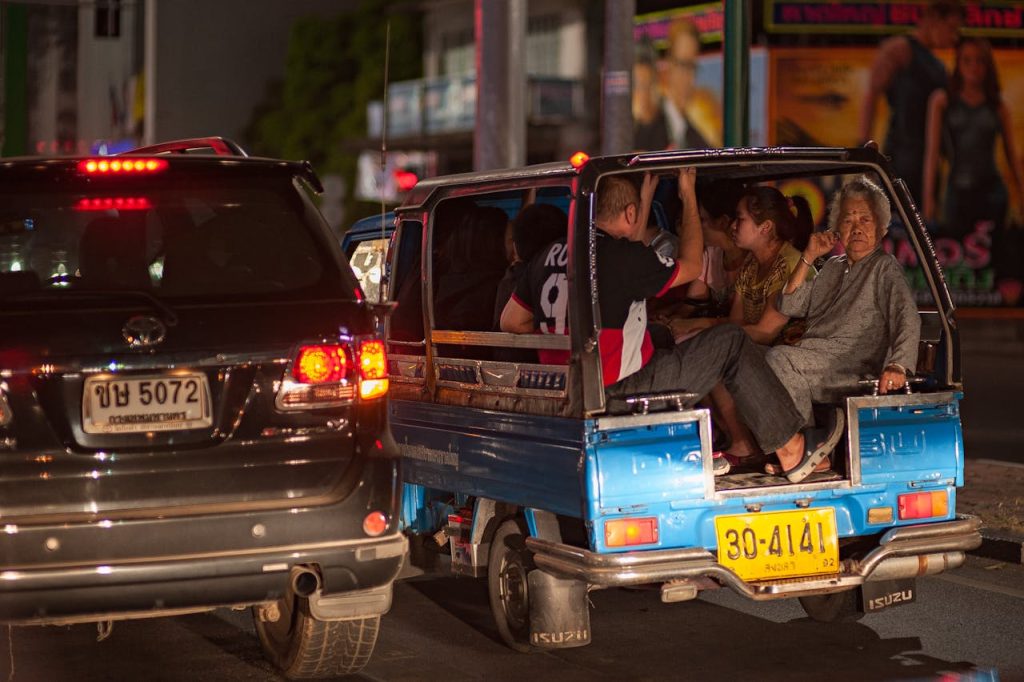
Arriving tired makes any ride look tempting, especially after a late flight when the curb feels chaotic and the hotel address is finally in reach. Some travelers accept the first driver who calls out, skip checking the vehicle details, or agree to a price before understanding local norms, then feel trapped in an awkward conversation once the door closes. Using official taxi lines or reputable apps, confirming the plate and destination on the screen, and sharing trip details with a companion keeps the ride routine, and it reduces surprises at the end when fatigue makes negotiation harder at night.
Letting Fatigue And Alcohol Run The Night

Long travel days can end with a drink meant to celebrate, but fatigue and alcohol stack quickly and blur judgment in unfamiliar settings. When focus softens, phones get left on tables, bags slide under chairs, and decisions drift toward extra stops that were not planned, especially in loud districts where it is easy to lose track of streets and time. Setting a simple limit, eating before the first drink, carrying only one payment card, and keeping a buddy routine for the walk back helps the night stay light, and a saved ride option or a hotel card in a separate pocket can prevent a late scramble at 1 a.m.
Looking Lost In The Middle Of The Flow

Getting turned around is normal, but lingering at corners with luggage, studying a map for minutes, or arguing about money in a crowd signals that routines are not set yet. In busy tourist corridors, that confusion invites interruptions, from aggressive street sellers to strangers offering advice that is not needed. Choosing a clear landmark, stepping into a café or shop to regroup, downloading an offline map, and keeping a note with the lodging address and nearest transit stop builds quiet confidence, so decisions happen privately and the pace stays steady even when the route changes midday, too.