10 Travel That Feels Balanced

Balanced travel is not about doing less or doing more. It is about choosing a pace that lets a place sink in without draining the body, the mood, or the budget. The most satisfying trips mix a few high-energy moments with long, ordinary stretches: a market morning, a museum hour, a quiet lunch, and an early night. They leave room for weather and surprise, but they protect basics like sleep and simple logistics. These ten approaches describe what balance looks like in real days, not in fantasy itineraries.
One Anchor Plan Per Day

Balanced days usually have one anchor, not five, because one commitment gives shape without turning the schedule into a chase. A timed museum ticket, a ferry crossing, or one dinner reservation keeps transit simple and leaves room for the good surprises between stops, like a bakery with warm bread, a courtyard gallery, a shaded bench, or a street musician worth lingering for. If the anchor changes, the day still works because the rest is walking, eating, and noticing, not scrambling to rebuild every hour. This approach also reduces decision fatigue, which keeps patience intact and makes the trip feel generous instead of managed.
Morning Energy, Afternoon Ease

Trips often feel better when the active piece happens early, while streets are quieter, lines are shorter, and the body still feels generous. A market run, a long walk, or a short hike can carry the day, then afternoons soften into cafés, bookstores, baths, and slower meals that do not demand tickets or tight timing. This rhythm avoids the late-day slump and keeps evenings restorative, with enough patience left for good conversation and small detours. It also makes sleep easier, because the body has moved, eaten well, and had time to unwind, not just sprinted between stops until dark and collapsed in exhaustion.
Two Splurges, Many Simples
Balanced budgets come from choosing two intentional splurges, then letting the rest stay simple and steady. One great hotel night, a local guide, or a memorable tasting stands out more when the in-between meals are street food, groceries, and bakery runs, plus free pleasures like parks, viewpoints, and long walks. The mix keeps costs predictable and reduces stress at the table, yet still leaves room for generosity, like tipping well and buying from small makers. It also keeps the trip from feeling either stingy or out of control, because comfort is planned and everything else stays light, calm, and easy to repeat.
City Texture Plus Nature Air

Travel feels steadier when culture and nature share the schedule, so the mind gets stories and the body gets air without being forced to choose. A morning in museums, markets, and neighborhoods can be followed by a botanical garden, riverside path, or beach walk that resets attention without requiring a long drive or a hard hike. Together they keep the day from feeling frantic or empty. Sleep often improves, too, because the nervous system gets both stimulation and release, and feet get a softer surface than pavement. Even in dense cities, a park loop and a waterfront bench can add the quiet that makes the rest feel richer.
Planned Transit, Unplanned Wanders
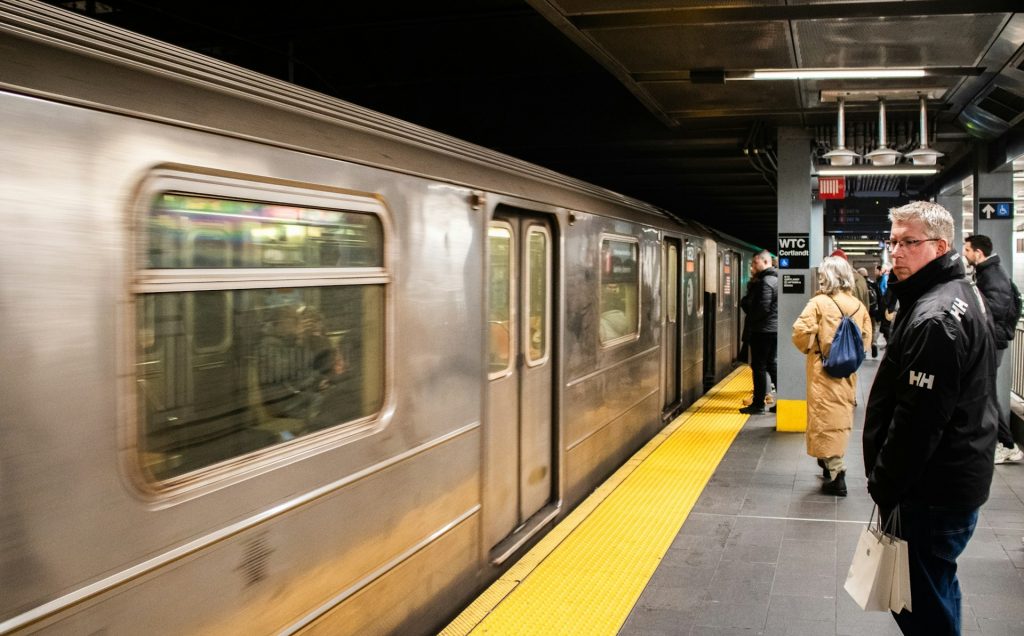
Balance shows up in logistics, not over-scheduling, because transit is where stress multiplies fastest. Booking the long train, airport transfer, or intercity bus ahead removes the hard parts, then wandering can stay loose once bags are dropped and water is refilled. Freedom works best after structure, not before it. With the big move handled, curiosity can guide the rest, whether that means following the scent of grilling, a bookstore sign, a market lane, or music down the next block. This split keeps the day resilient when something runs late, because nothing fragile depends on perfect timing, and the best parts often happen in the unplanned hours anyway.
Social Moments, Quiet Pockets
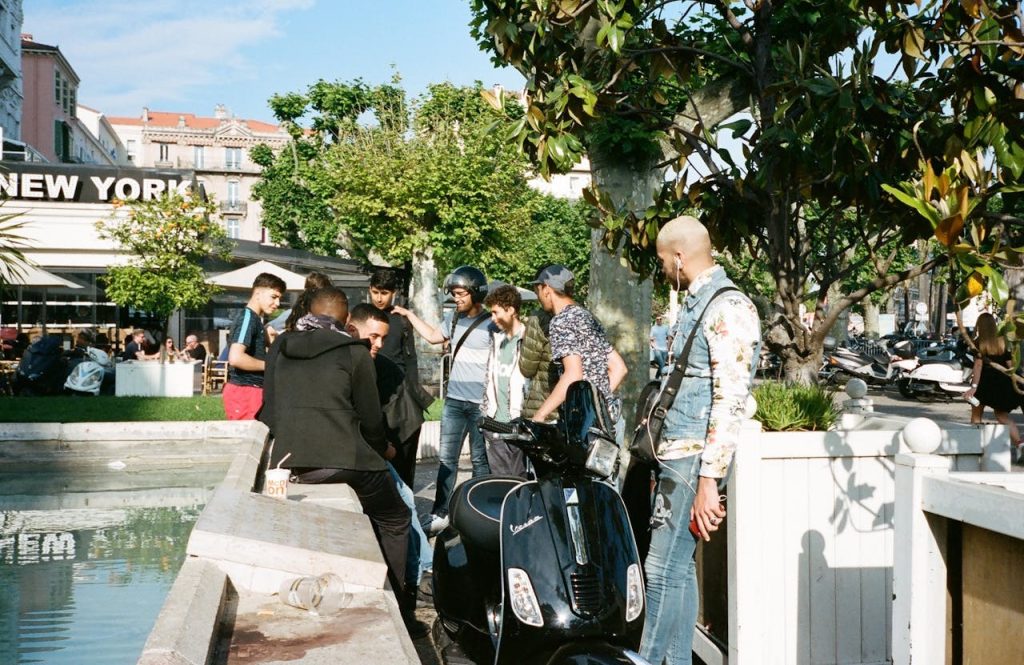
Balanced travel leaves room for connection without forcing constant togetherness, which keeps moods steadier and mornings friendlier. A shared food tour, a live music set, or a communal dinner can bring energy, while quiet pockets protect patience, like a solo walk, a slow coffee, a museum hour alone, or an early night with a book. When a group treats silence as normal, conversation warms up and small frictions stop growing. The trip feels less like negotiation and more like shared ease, even among friends with different stamina and different ideas of fun. A simple rule helps: one shared plan, then space to reset.
One Meal That Grounds The Day

A single sit-down meal can anchor a day better than chasing every famous restaurant, because it creates a dependable pause everyone can count on. A long lunch in a neighborhood spot, or a simple dinner near the hotel, gives time for hydration, planning, and calm, and it reduces rushed eating between attractions and transit platforms. With one meal set, the rest can stay flexible, and energy stays steadier for walking and wandering. Hunger stops driving sharp decisions and cranky compromises. The meal becomes a reset button, and it also builds a relationship with place, because staff, flavors, and small rituals become familiar when a table is returned to.
Move Lodging Closer To Life
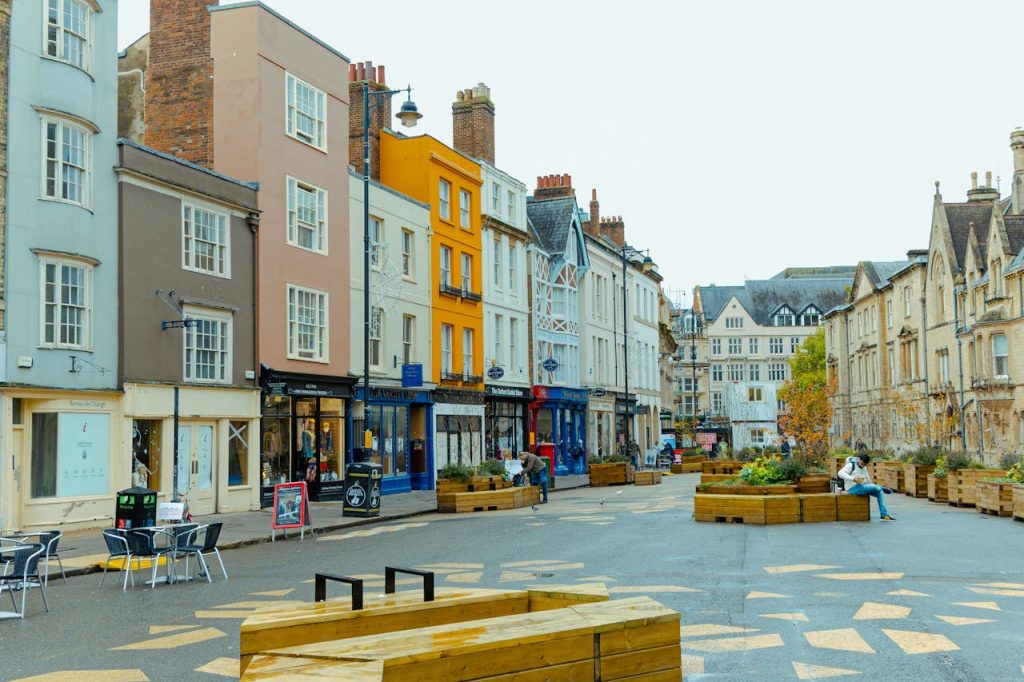
Balance often starts with where the bed is, since distance quietly taxes every hour. Lodging near transit and everyday services means fewer rides, easier returns, and more time on foot, making rest breaks, outfit changes, and quick showers simple instead of strategic. A walkable base also discourages cramming, because the city stays accessible in small doses. Late nights feel calmer when the route home is short, familiar, and well lit, lined with open cafés rather than empty stretches. That ease improves behavior, too, because people are less tired, less rushed, and less likely to push staff for exceptions, rush check-ins, or last-minute fixes.
Leave A Buffer Day Unbooked

A buffer day protects a trip from small surprises becoming big stress. Weather shifts, closures, sore feet, or a late train can be absorbed when one day has no fixed agenda, and that space often becomes the favorite day. It invites returning to what felt good and skipping what did not, with no guilt. A café repeat, laundry, a long bath, or a missed neighborhood can happen naturally, and the whole trip becomes more resilient. Recovery is built in rather than treated as failure. That matters for families, friend groups, and solo travelers alike, because everyone has limits, and a buffer day respects them without turning the trip into a lecture on pacing.
End With A Gentle Landing

Balanced trips avoid a rough ending where the final day is packed, followed by a long journey home before the body is ready. A gentler last day keeps walking light, purchases minimal, and meals simple, with time for packing, a grocery stop for the trip, and an early night. That calm landing reduces airport stress, prevents lost items, and makes the return feel like a smooth close instead of a scramble. The trip ends with clear memories and enough energy to unpack without resentment. It also protects the homecoming mood, because arriving tired and frazzled can erase the calm built during the trip, while arriving steady lets the good feeling last.