10 Travel Zones Where Visitors Must Adjust Behavior Quickly

Some destinations are not difficult because they are remote or expensive. They are difficult because the social and legal rules shift the moment a visitor enters. A habit that is harmless in one city can become disrespectful, risky, or simply not allowed in the next. Smart travelers do not treat this as friction; they treat it as part of the map.
This pattern is becoming more common in places managing crowd pressure, fragile ecosystems, sacred spaces, and heritage zones. Visitors meet timed entry windows, route systems, behavior codes, and permits that are easy to miss if they plan only flights and hotels. The trip can still be incredible, but only if expectations update fast.
What changes outcomes is not perfection. It is quick adaptation. People who read signs, follow local cues, and ask one extra question usually enjoy more access, fewer delays, and better interactions with residents, guides, and staff. People who resist those cues often lose time and miss the parts they traveled far to experience.
The zones below show where that adjustment matters most right now. Each one has its own logic, from religious requirements to conservation rules and crowd-control systems. Learn that logic early, and the trip feels smooth instead of tense. Ignore it, and even simple plans can unravel by lunch.
Mecca During Hajj Season
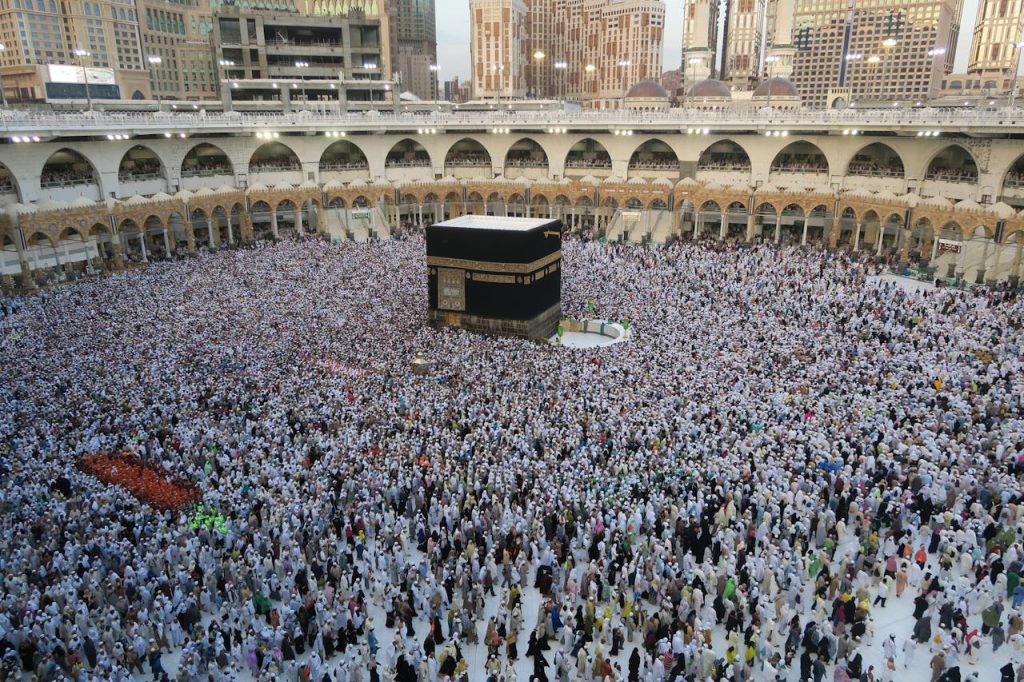
Mecca is not a casual drop-in zone during Hajj operations. Access is tightly managed, and authorities emphasize permit compliance as a core requirement, not a suggestion. Visitors who assume they can improvise on arrival are often shocked by how structured the process is.
The practical shift is mental first: treat this as a credentialed journey, not a flexible city break. Registration pathways, package systems, and service-provider channels matter before a suitcase is packed. If the paperwork chain is incomplete, everything downstream gets harder.
Behavior on the ground also changes quickly. Movement, timing, and crowd flow are coordinated at scale, so personal spontaneity has limits. Travelers who cooperate with stewards and posted instructions usually move more confidently through each stage.
The key advantage is respect plus preparation. When visitors arrive with the correct permits, realistic timing, and calm expectations, the experience becomes clearer and less stressful. In a high-volume sacred setting, readiness is not just efficient; it is considerate.
Venice Historic Center on Access-Fee Days
Venice now asks day visitors to think about entry logistics before stepping onto the first vaporetto. On designated dates and time windows, the city applies its access-contribution system for short-stay visitors. That means behavior starts changing before arrival, not at the first canal photo spot.
The adjustment is simple but non-negotiable: verify whether your date falls under access-control rules, and complete required steps early. Travelers who skip this check often spend precious morning time troubleshooting instead of exploring. In a city where movement already takes patience, that delay stings.
Once inside, pace becomes the second adaptation. Venice rewards quiet navigation, smaller footprint choices, and attention to local flow through narrow corridors and bridges. Visitors who rush or block passage create tension fast, especially during peak daytime surges.
The better approach is strategic timing and gentle movement. Arrive informed, travel light, and build buffer time between major stops. Venice still delivers magic, but it now favors visitors who treat access and etiquette as part of the itinerary itself.
Kyoto’s Gion District at Night

Gion is beautiful, but it is also a living neighborhood, not a stage set. Local guidance in southern Gionmachi explicitly asks visitors to avoid nuisance behavior, including obstructing streets, trespassing, and intrusive interactions with geiko and maiko. This is about resident quality of life as much as tourism management.
The first behavior shift is to stop chasing the perfect close-up. If a moment is unfolding naturally, let it pass without blocking paths or following people. Visitors who prioritize dignity over content usually experience the district with far more grace.
The second shift is spatial awareness. Many lanes look public but connect to private property and community spaces with clear boundaries. Crossing those lines for a photo may feel small to a traveler and very large to the people who live there.
The reward for adjusting quickly is a calmer, richer evening. You notice architecture, sounds, and ritual details that vanish when the trip becomes a social-media sprint. Respectful behavior does not reduce the experience; it makes the real experience possible.
Bhutan’s High-Value, Low-Impact Tourism Corridors
Bhutan asks visitors to enter with a different mindset from mass-tourism destinations. Entry rules, visa handling, and the Sustainable Development Fee framework signal a model built around managed impact rather than high-volume throughput. This is intentional policy design, not marketing language.
For travelers, that means planning fundamentals are stricter. Documentation, approved pathways, and local guidance standards matter early, and last-minute improvisation can become expensive quickly. People who plan late often confuse flexibility with freedom, then discover the opposite.
On the ground, the behavioral tone is measured rather than hurried. Cultural sites, mountain roads, and community spaces reward patience, local pacing, and thoughtful movement. Visitors who arrive with checklist energy often miss what Bhutan is actually offering.
The best adjustment is simple: slow down and align with the country’s intent. When travelers accept that structure is part of preservation, decisions get easier. The trip stops feeling constrained and starts feeling coherent.
Galápagos Protected Visitor Sites
Galápagos is one of the clearest examples of behavior-first travel. Park rules center on guided access, marked trails, wildlife distance, and non-interference, with the aim of protecting species and habitats from cumulative visitor impact. These are operational rules, not optional tips.
The immediate shift is to trade freedom for precision. You follow authorized operators, stay with approved guidance, and move where the route allows. Travelers who expect independent roaming usually need to reset expectations on day one.
Wildlife behavior is the second adjustment point. In Galápagos, animals may appear close and calm, which can trick visitors into stepping too near or framing aggressive photos. The correct move is distance, stillness, and restraint, even when the scene feels irresistible.
People who adapt quickly often report a better experience, not a smaller one. Guided interpretation adds context, slower movement reveals more detail, and low-impact behavior protects what they came to see. In fragile systems, discipline is the price of wonder.
Machu Picchu’s Timed Circuits
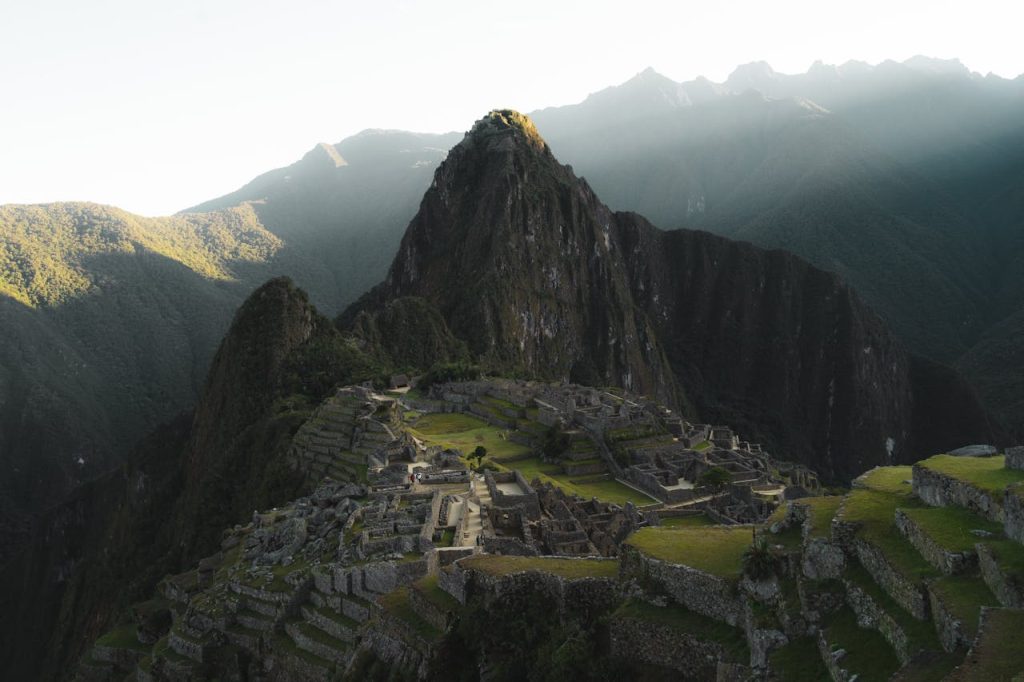
Machu Picchu now operates through defined circuits and routes that shape how visitors move through the site. The current structure groups visits into specific pathways rather than open wandering, which changes planning, ticket choice, and on-site decision-making. If the wrong route is booked, the day can feel compromised.
The adaptation starts before arrival in Aguas Calientes. Visitors need to match route type with fitness level, priorities, and time window, then commit to that flow. Treating entry as a generic ticket instead of a route-specific reservation is a common mistake.
At the site itself, timing discipline matters as much as the view. Entry slots, directional movement, and pathway rules create a rhythm that favors prepared travelers. Those who show up late or under-informed spend their energy negotiating logistics instead of absorbing the place.
The practical win is clarity. When the chosen circuit matches your pace and goals, the visit feels focused, less crowded, and more meaningful. Machu Picchu still inspires awe, but the modern version rewards planning precision from the first click.
Antarctica Landing Sites
Antarctica is governed by a serious environmental ethic backed by treaty frameworks and visitor guidance. Site-level instructions exist because the continent is ecologically sensitive, logistically unforgiving, and vulnerable to cumulative disturbance. This is not adventure theater; it is regulated stewardship.
Behavior changes begin with basic conduct: do not disturb wildlife, do not remove natural material, and do not wander off operational guidance. Even harmless-looking actions can create long-term effects in an ecosystem with limited resilience and short recovery windows.
Safety behavior is equally strict. Weather shifts quickly, terrain hazards are real, and group discipline is central to risk control. Travelers who follow leader instructions closely usually experience more confidence, not less freedom.
Antarctica rewards humility. Visitors who treat rules as shared responsibility often return with deeper respect for both science and conservation. The place feels vast and wild, but access depends on careful human behavior at every step.
Mount Fuji Yoshida Trail Gate Zone
Mount Fuji has moved toward managed entry on heavily used routes, including gate controls and capacity-linked procedures on the Yoshida Trail system. Official guidance also emphasizes preparation standards and conduct expectations, from route discipline to environmental care. This is a mountain with systems, not a free-for-all climb.
The first adjustment is administrative. Climbers need to understand reservation mechanics, fee requirements, and cutoff timing before they arrive at the gate. Assuming a spontaneous night ascent will work can quickly end the plan.
The second adjustment is behavioral. Equipment readiness, staying on designated routes, and avoiding harmful shortcuts are part of the published expectations, not just polite advice. Rangers can deny access when standards are ignored, which many visitors underestimate.
Climbers who adapt early usually have a safer and calmer experience. They spend less time negotiating uncertainty and more time managing pace, weather, and altitude. On Fuji, good preparation is the difference between strain and satisfaction.
Iceland’s Highland And Fragile Land Zone

Iceland’s interior and open landscapes can look sturdy from a car window, but many surfaces are fragile and slow to recover from damage. Environmental authorities explicitly warn that off-road driving causes lasting harm and is prohibited. Visitors who treat terrain casually can leave marks that remain for years.
The behavioral shift is clear: drive only on roads and marked tracks, and turn back when conditions no longer support safe, lawful movement. In practice, this requires route research, weather awareness, and respect for seasonal restrictions before departure. Confidence without preparation is costly here.
Foot travel also needs discipline around moss fields and loose soils. A shortcut that saves five minutes may damage a slow-growing ecosystem that cannot repair itself in one season. The landscape looks open, but not all open ground is fair ground.
Travelers who adapt quickly usually describe Iceland as more rewarding, not less adventurous. Knowing where not to go sharpens where to go. Responsible movement preserves the very textures, colors, and silence that make the highlands unforgettable.
Kenya National Parks And Conservancies
Kenya’s park systems operate with formal visitor rules and operator guidance that frame how wildlife areas are used. Even before game drive details, authorities publish park-specific rule materials and documentation for travelers and tour operators. The message is consistent: access comes with conduct.
The fastest adjustment is to trust trained local leadership. Guides read animal behavior, road ethics, and spacing far better than first-time visitors, especially in high-interest sightings. Travelers who follow their lead usually get safer, clearer, and more respectful encounters.
The second adjustment is noise and movement control. Wildlife viewing improves when vehicles and people reduce disruption, avoid chaotic positioning, and respect boundaries around sensitive habitats. Calm behavior often produces better observation than aggressive pursuit.
The broader point is simple. In managed wild zones, etiquette is not separate from access; it is part of access. Visitors who adapt quickly protect the resource and often leave with stronger memories than those who push too hard
Sources
Galápagos Conservation Trust: Park Rules
AP News: Hajj permit and access enforcement
Venice Access Contribution Portal
Kyoto Responsible Travel Guidance
U.S. State Department: Bhutan Travel Information