10 Tropical Countries Americans Are Choosing for Slower Living
Global mobility consultants and financial planners report a significant surge in Americans seeking residency abroad driven not just by cost savings but by a desire for a fundamentally different pace of life. Data from international moving companies and expatriate surveys indicate that the traditional concept of retirement is evolving into lifestyle migration where individuals of all ages prioritize wellness, community connection, and proximity to nature over the high-pressure grind of the United States. Experts emphasize that this shift is largely psychological as movers actively seek cultures that value time and relationships over productivity and material accumulation.
Immigration attorneys and relocation specialists note that the destinations topping the list share specific infrastructure characteristics that support this slower existence. Reliable digital connectivity, accessible healthcare, and established expatriate communities allow Americans to transition smoothly without sacrificing essential comforts. Real estate analysts highlight that while affordability remains a key driver, the primary allure is the ability to upgrade one’s quality of life by trading a cramped suburban commute for a walkable beach town or a mountain village where the daily rhythm is dictated by the sun rather than the clock.
Costa Rica
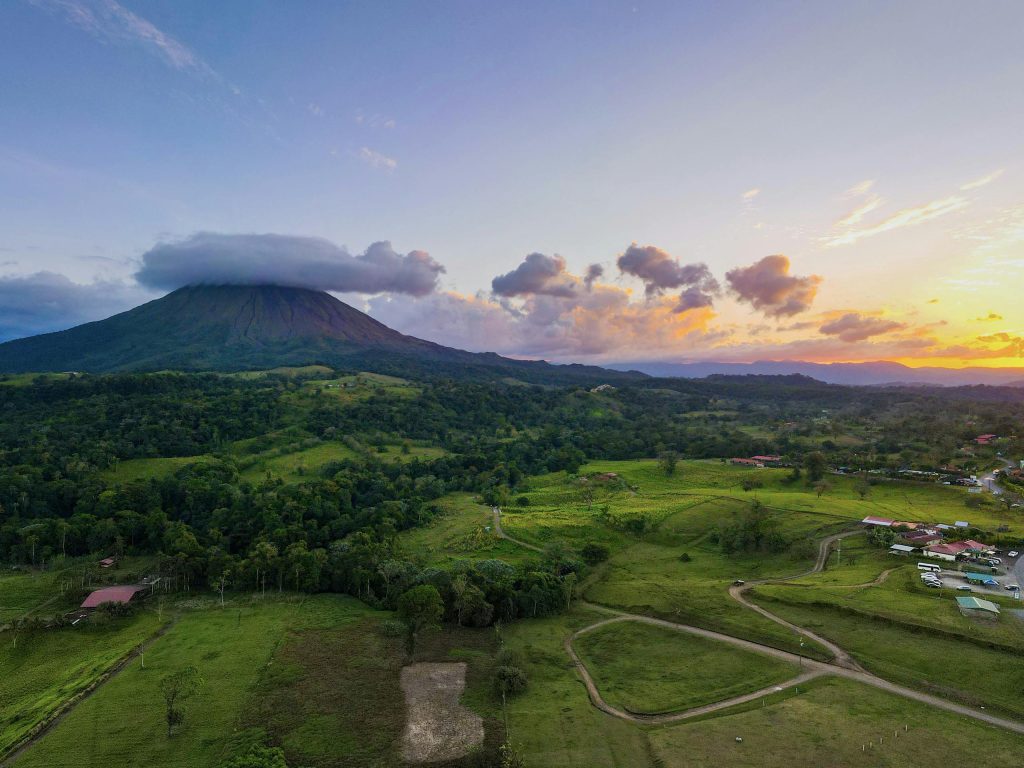
Demographers and longevity researchers frequently cite Costa Rica as a premier destination due to the Nicoya Peninsula’s status as a Blue Zone where residents live measurably longer and healthier lives. Public health officials attribute this to a diet rich in fresh, locally grown foods and a cultural emphasis on “pura vida” or the pure life which prioritizes stress reduction and social bonding. Relocation consultants note that the country’s long-standing political stability and lack of a standing army create a peaceful environment that resonates deeply with Americans seeking a sanctuary from domestic polarization.
Environmental scientists and eco-tourism experts emphasize the government’s commitment to sustainability which permeates daily life. Residents find themselves immersed in a society that values conservation with over a quarter of the land protected as national parks or reserves. Real estate agents in the Central Valley and Guanacaste region report that buyers are increasingly looking for properties that integrate with the natural landscape allowing for a lifestyle centered around hiking, surfing, and wildlife observation rather than consumption.
Panama
International tax attorneys and retirement planners consistently recommend Panama for its aggressive incentives to attract foreign residents most notably the Pensionado Program. This government initiative offers substantial discounts on everything from utility bills to entertainment effectively lowering the barrier to entry for a comfortable lifestyle. Economic analysts observe that the use of the U.S. dollar as the official currency removes the anxiety of exchange rate fluctuations providing a financial safety net that appeals to cautious movers.
Urban planners highlight Panama City as a unique hub that offers First World infrastructure, including a modern metro system and Johns Hopkins-affiliated hospitals, within the tropics. However, lifestyle coaches note that the true slow living appeal lies outside the capital in towns like Coronado and Boquete. Here expatriates report a community-focused existence where the low cost of labor allows for household help freeing up time for hobbies, volunteering, and socializing that would be impossible to maintain in the United States.
Mexico
Cross-border relocation specialists acknowledge that Mexico remains the top destination for American expatriates due to its proximity and diverse tropical coastal regions. Real estate data from the Riviera Maya and the Pacific Coast shows a booming market for Americans seeking a soft landing in a foreign culture. Cultural anthropologists explain that the Mexican concept of “mañana” is often misunderstood as laziness but actually represents a prioritization of the present moment and human connection over rigid schedules.
Healthcare consultants emphasize the high quality of medical care available in major expat hubs like Puerto Vallarta and Merida often at a fraction of U.S. costs. This accessibility allows older residents to age in place with dignity. Furthermore, the established network of English-speaking communities provides an immediate social circle reducing the isolation that often accompanies international moves. The vibrancy of the local markets and the emphasis on fresh, non-processed food contribute to a lifestyle that wellness experts describe as naturally therapeutic.
Belize
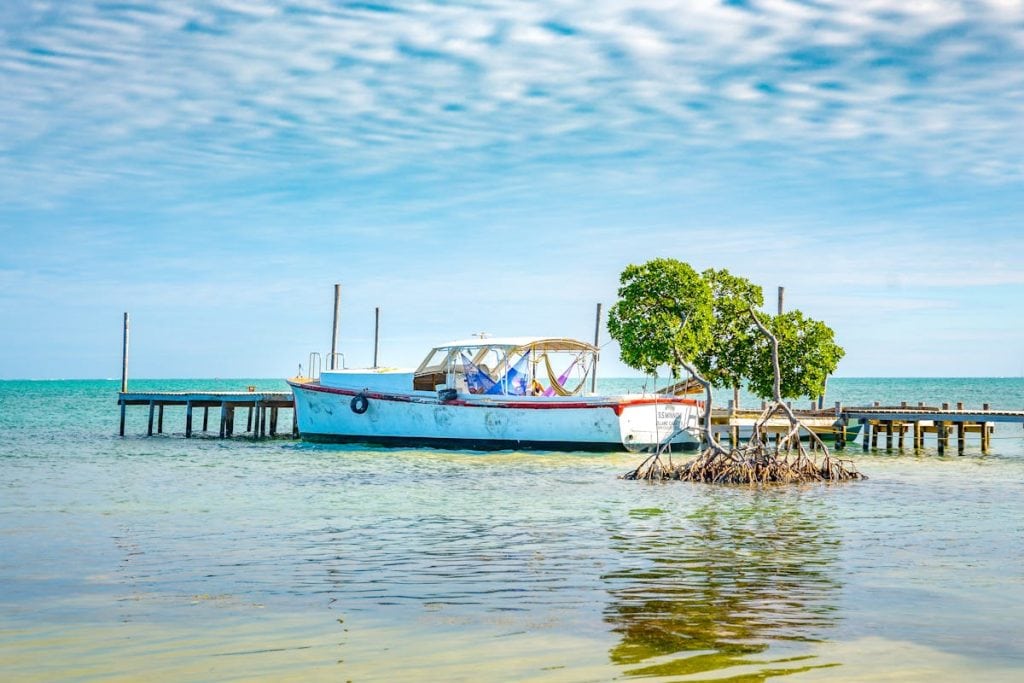
Immigration lawyers point to Belize as a distinct option because it is the only country in Central America where English is the official language. This linguistic familiarity removes one of the biggest hurdles to integration allowing Americans to navigate legal processes, medical appointments, and social interactions with ease. Cultural historians note that the country’s diverse heritage blending Maya, Garifuna, and Mestizo influences creates a rich community tapestry that welcomes newcomers who are willing to respect local traditions.
Marine biologists and conservationists value Belize for the Mesoamerican Barrier Reef which dictates a lifestyle oriented toward the ocean. Residents on Ambergris Caye and Placencia often trade cars for golf carts or bicycles embracing a slower mode of transport that matches the island pace. The Qualified Retired Persons program offers compelling residency options which financial advisors say makes it financially viable for Americans to retire earlier and enjoy a life centered on fishing, diving, and community engagement.
Ecuador
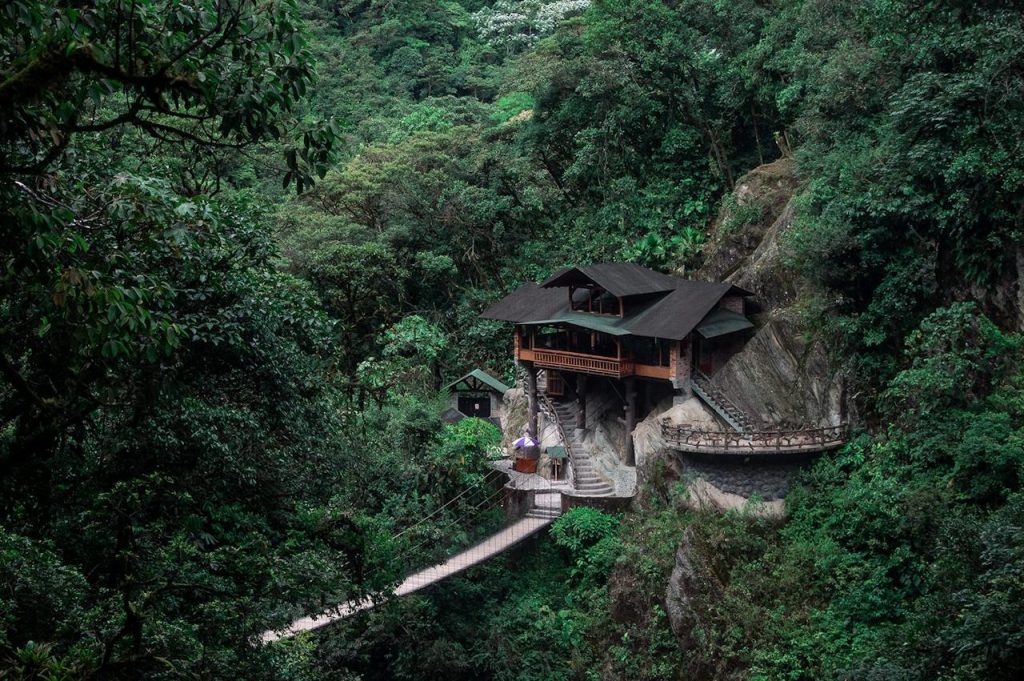
Expatriate living indices frequently rank Ecuador among the most affordable places to live in the Western Hemisphere. Economists note that the cost of housing and fresh produce is exceptionally low allowing Americans to live comfortably on a modest Social Security check. While the Andes attract many, the coastal regions offer a true tropical lifestyle where the warm climate persists year-round. Lifestyle consultants highlight the town of Salinas and the quieter villages of the coast as havens for those seeking a perpetual summer without the humidity extremes found elsewhere.
Geography experts emphasize the country’s biodiversity as a major lifestyle factor. The ability to travel from Amazonian rainforests to Pacific beaches in a single day allows for a life of constant exploration. Healthcare advocates praise the constitutional guarantee of healthcare for residents which includes foreign retirees. This systemic support combined with a culture that reveres the elderly creates an environment where aging is viewed as a natural phase of life rather than a medical condition to be managed.
Thailand
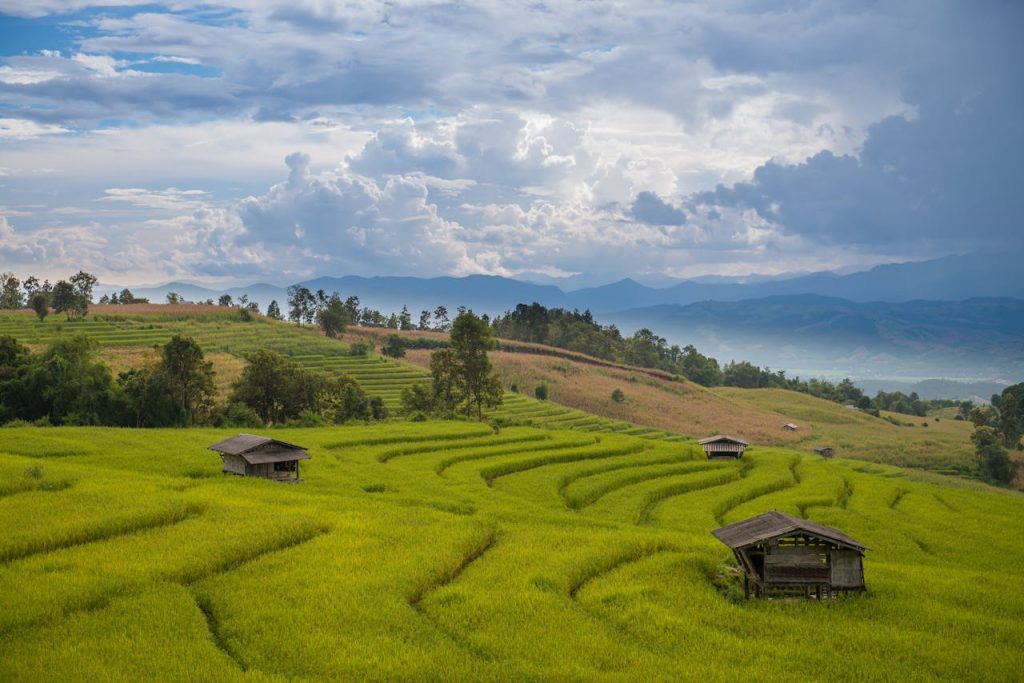
Medical tourism analysts and Southeast Asia specialists identify Thailand as a global leader in providing high-quality, affordable healthcare to foreign residents. The country’s network of JCI-accredited hospitals attracts retirees who require ongoing medical attention but wish to maintain an active, independent lifestyle. Cultural experts explain that the Thai philosophy of “sanuk” or striving to find pleasure in daily activities fundamentally alters the expatriate experience encouraging a lighthearted approach to challenges.
Real estate agents in Phuket and Chiang Mai report that the luxury market is accessible to middle-class Americans who can afford full-service condominiums with pools and gyms. Culinary historians note that the street food culture changes the domestic dynamic as cheap, nutritious meals are readily available reducing the need for cooking and grocery shopping. This liberation from household chores is frequently cited by lifestyle coaches as a key component of the slower life Americans find in the Kingdom.
Vietnam
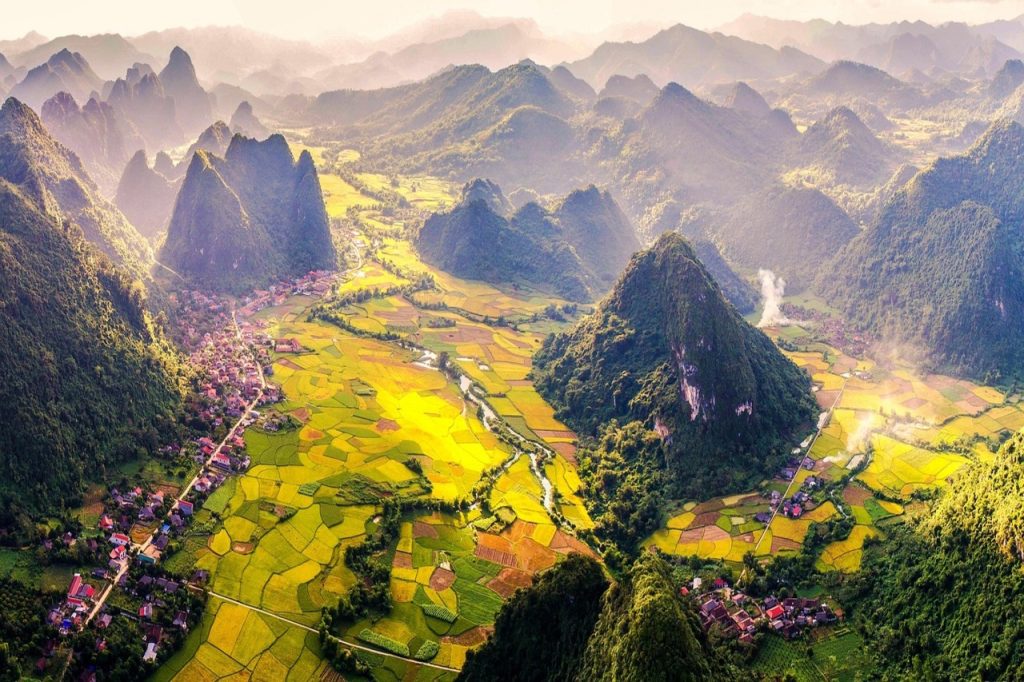
Economic development researchers track Vietnam as one of the fastest-growing expat hubs due to its incredibly low cost of living and rapid modernization. Financial planners observe that a budget that would barely cover rent in a U.S. city provides a lavish lifestyle in Da Nang or Ho Chi Minh City. This financial freedom allows younger Americans and digital nomads to work fewer hours and spend more time exploring the country’s dramatic landscapes and complex history.
Urban sociologists highlight the safety of Vietnamese cities as a major draw for families and solo travelers. The culture places a high value on social order and community harmony resulting in low rates of violent crime. Coffee culture is a serious daily ritual here with locals and expats alike spending hours in cafes, a practice that encourages conversation and observation over screen time. The distinct tropical climate and the integration of green spaces in urban planning support an outdoor lifestyle that persists despite the bustle of development.
Colombia
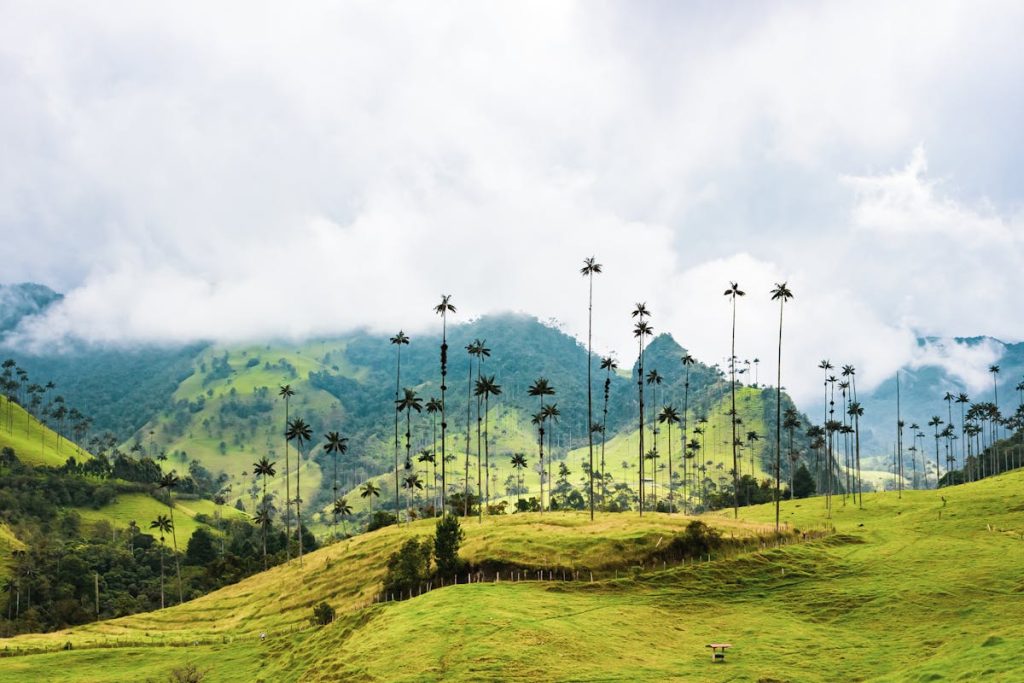
Travel industry analysts and digital nomad advocates view Colombia as a rising star particularly for its specialized visas that cater to remote workers and retirees. The city of Medellin, known as the City of Eternal Spring, offers a subtropical highland climate that avoids the sweltering heat of the coast while maintaining lush, year-round greenery. Urban planners praise the city’s investment in public transport and public libraries which serve as community anchors and foster a sense of civic pride and inclusion.
Biodiversity experts note that Colombia is the second most biodiverse country in the world offering nature lovers unparalleled access to varying ecosystems. For those seeking a purely tropical experience, the Caribbean coast cities like Santa Marta provide a laid-back rhythm centered on the sea and the Sierra Nevada mountains. Security consultants emphasize that the country has transformed significantly over the last two decades with major cities now offering safe, cosmopolitan environments that rival European capitals in culture and dining.
Dominican Republic

Caribbean real estate developers and tourism officials report that the Dominican Republic is the most visited destination in the Caribbean a trend that is converting tourists into residents. The country offers some of the most affordable beachfront real estate in the region making the dream of living by the ocean attainable. Infrastructure specialists highlight the connectivity of the country with multiple international airports offering direct flights to the U.S. which provides peace of mind for those maintaining ties with family back home.
Lifestyle writers observe that the expatriate communities in towns like Las Terrenas and Punta Cana are highly integrated often blending European, American, and local influences. This creates a cosmopolitan village atmosphere where diverse languages and cuisines mingle. The pace of life is dictated by the island time mentality which experts say serves as a necessary corrective for Americans accustomed to the instant gratification culture of the mainland.
Indonesia

Anthropologists and wellness tourism experts describe Bali and the wider Indonesian archipelago as the spiritual center of the slow living movement. The concept of “Tri Hita Karana” or the Balinese philosophy emphasizing harmony between people, nature, and the spiritual realm permeates the local lifestyle and deeply influences foreign residents. Yoga instructors and holistic health practitioners flock to Ubud and coastal villages creating a dense network of wellness resources that support a mindful, health-focused existence.
Digital economy researchers note that Indonesia has introduced second home visas to attract long-term residents who contribute to the local economy without taking local jobs. The low cost of living allows for a high degree of outsourcing from housekeeping to driving which radically reduces daily stress. Cultural guides emphasize the importance of community ceremonies and festivals which frequently stop traffic and commerce forcing everyone to pause and acknowledge the communal and spiritual dimensions of life.