10 Tropical Destinations Known for Lush Nature and Quiet Beaches
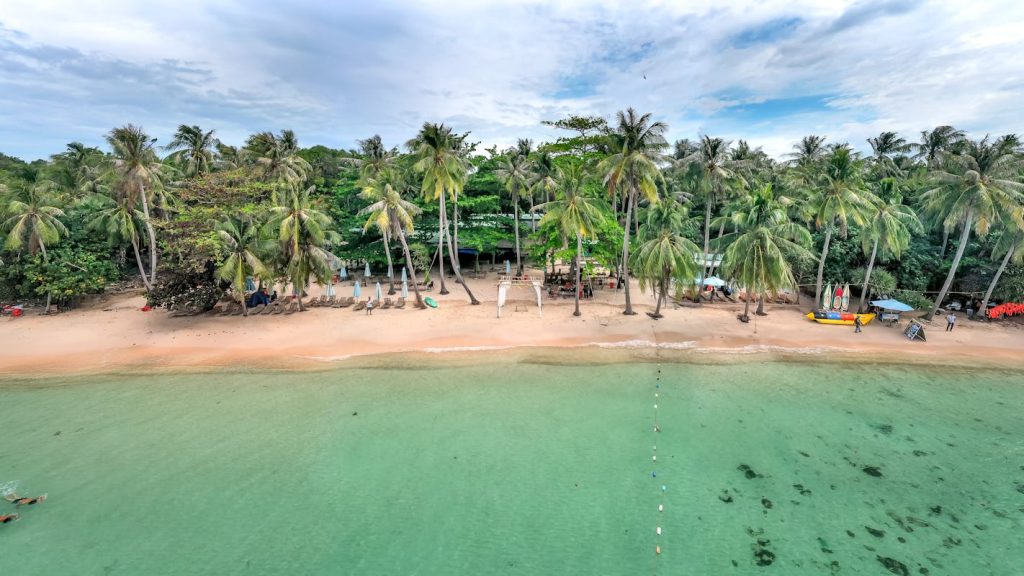
Travel industry analysts and environmental psychologists report a growing demand for destinations that offer what they term “green silence,” a combination of dense biodiversity and acoustic tranquility. While traditional beach vacations often center on sunbathing and nightlife, a distinct segment of travelers now prioritizes immersion in living ecosystems. Conservation biologists emphasize that these specific tropical locations serve as vital refuges for endemic species and offer human visitors a scientifically proven reduction in cortisol levels due to the abundance of biophilic elements.
Ecotourism consultants and sustainable development experts note that the preservation of these lush environments relies heavily on limiting visitor numbers. Unlike mass-market resorts where density is the goal, these destinations often employ strict zoning laws or geographic isolation to maintain their pristine state. Geographers highlight that the topography of these regions, often characterized by steep volcanic slopes or dense rainforest cover, naturally restricts infrastructure development, ensuring that the beaches remain quiet and the jungles remain dominant.
Dominica

Forestry officials and trail guides frequently refer to Dominica as the Nature Island because its topography actively resists mass construction. The sheer volcanic slopes and dense rainforests have prevented the development of the sprawling beach resorts found elsewhere in the Caribbean. Botanists highlight the Waitukubuli National Trail as a premier example of eco-tourism infrastructure, spanning the length of the island and offering hikers a direct connection to primary rainforests that remain largely untouched by modern machinery.
Geologists point to the boiling lakes and sulfur springs as evidence of the island’s raw geothermal power, which attracts a specific type of visitor interested in canyoning and hiking rather than passive lounging. The absence of white-sand mega-beaches means the island attracts travelers seeking solitude and biological richness. This self-selection process keeps the trails quiet and ensures that the natural soundscape of the jungle remains the dominant audio experience for those who venture into the interior.
Kauai In Hawaii

Conservationists and land management officials in Hawaii identify Kauai as the Garden Isle due to its extraordinary levels of rainfall and resulting vegetation. The island is home to the Waimea Canyon and the Na Pali Coast, where steep cliffs prevent road access and preserve a sense of prehistoric isolation. State park rangers emphasize that the strict permit systems for hiking the Kalalau Trail are essential for maintaining the ecological balance and preventing overcrowding in these sensitive environments.
Marine biologists value the waters surrounding the island for their coral health and the presence of protected marine life like the Hawaiian monk seal. The lack of a continuous road around the island naturally segments visitor traffic, leaving vast stretches of the North Shore and West Side quiet and undeveloped. Urban planners note that local building codes, which famously prohibit structures taller than a coconut tree, have successfully prevented the vertical sprawl that dominates Waikiki, keeping the human footprint humble amidst the towering green mountains.
Taveuni In Fiji

Fijian ecologists and marine park managers celebrate Taveuni as the Garden Island of Fiji, a title earned by its status as a massive shield volcano draped in lush rainforest. Approximately eighty percent of the island is protected within the Bouma National Heritage Park, ensuring that the diverse flora remains safe from logging or development. Ornithologists flock to this destination to spot the endemic orange dove and silktail, species that thrive in the dense, undisturbed canopy.
Dive operators and coral researchers highlight the Somosomo Strait, which separates Taveuni from Vanua Levu, as one of the soft coral capitals of the world. The strong currents here feed the reefs, creating a vibrant underwater ecosystem that matches the intensity of the jungle above. Travel logistics experts note that the absence of large resort chains and the reliance on small, family-run eco-lodges ensure that the beaches remain private and the interaction with nature remains intimate and respectful.
The Seychelles

Environmental scientists and island restoration specialists view the Seychelles not just as a luxury destination but as a global leader in conservation. Islands like Praslin and La Digue are famous for the Vallee de Mai, a UNESCO World Heritage site that houses the rare coco de mer palm. Botanists describe this prehistoric forest as a living remnant of the ancient supercontinent Gondwana, offering a glimpse into a plant world that existed before human habitation.
Marine conservationists enforce strict regulations in the surrounding waters to protect sea turtle nesting sites and coral reefs. The beaches here are often framed by massive granite boulders that create natural partitions, offering visitors a sense of total seclusion. Tourism officials have implemented policies that cap the number of beds on smaller islands, a strategy that prevents overtourism and ensures that the white sand beaches remain quiet sanctuaries for both wildlife and travelers.
Saint Lucia
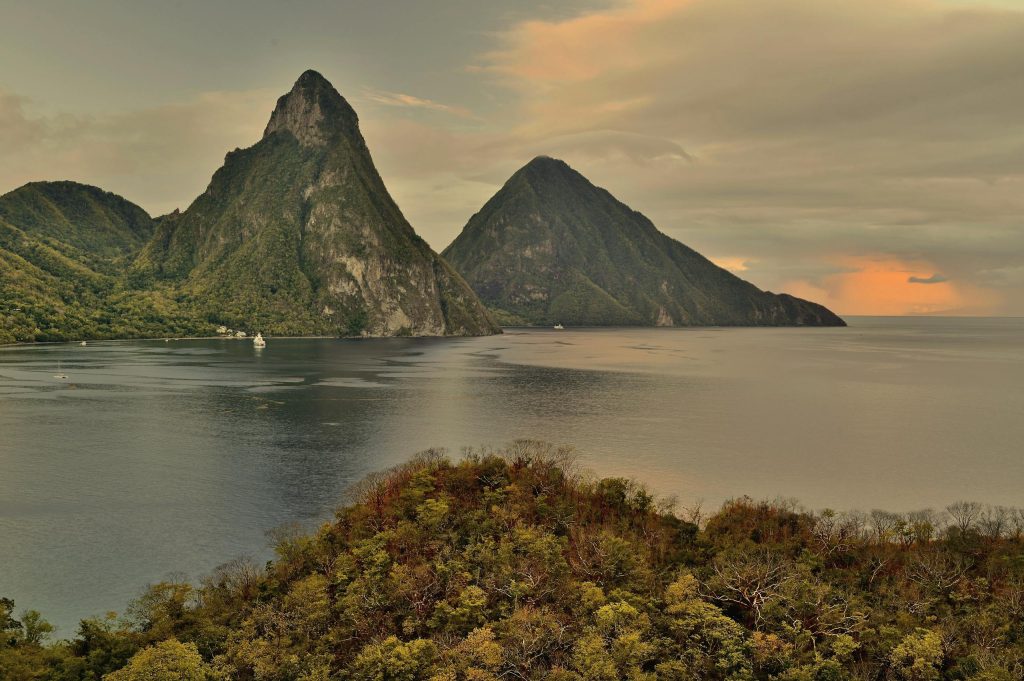
Landscape architects and heritage planners cite Saint Lucia as a prime example of how dramatic topography defines a destination’s character. The iconic Pitons, two volcanic spires rising abruptly from the sea, anchor a landscape defined by steep, lush terrain that defies standard resort development. Forestry department experts manage the extensive rainforest reserves in the island’s interior, where hiking trails lead to hidden waterfalls and rare parrot habitats.
Hoteliers on the island have adapted to this rugged environment by building open-air sanctuaries that integrate directly with the mountainside rather than clearing it. This architectural approach allows guests to feel immersed in the canopy, surrounded by the sounds of tree frogs and birds. Biologists note that the rich volcanic soil supports a thriving cocoa and banana industry, adding an agricultural layer to the lush greenery that blankets the island from the peaks to the secluded coves.
Costa Rica Osa Peninsula

Tropical biologists and National Geographic researchers consistently identify the Osa Peninsula as one of the most biologically intense places on Earth. Corcovado National Park covers a significant portion of the peninsula and serves as a sanctuary for jaguars, tapirs, and scarlet macaws. Park rangers enforce strict entry guidelines, requiring all visitors to be accompanied by certified guides to ensure safety and minimize environmental impact.
Eco-lodge owners in the region emphasize that the lack of grid electricity in many areas necessitates a lifestyle in rhythm with nature. Solar power and sustainable water management are standard, not optional, creating a tourism model that is structurally aligned with conservation. The beaches here are wild and backed by thick jungle, often devoid of humans but teeming with wildlife, offering a stark contrast to the manicured sands of the northern province.
Huahine In French Polynesia
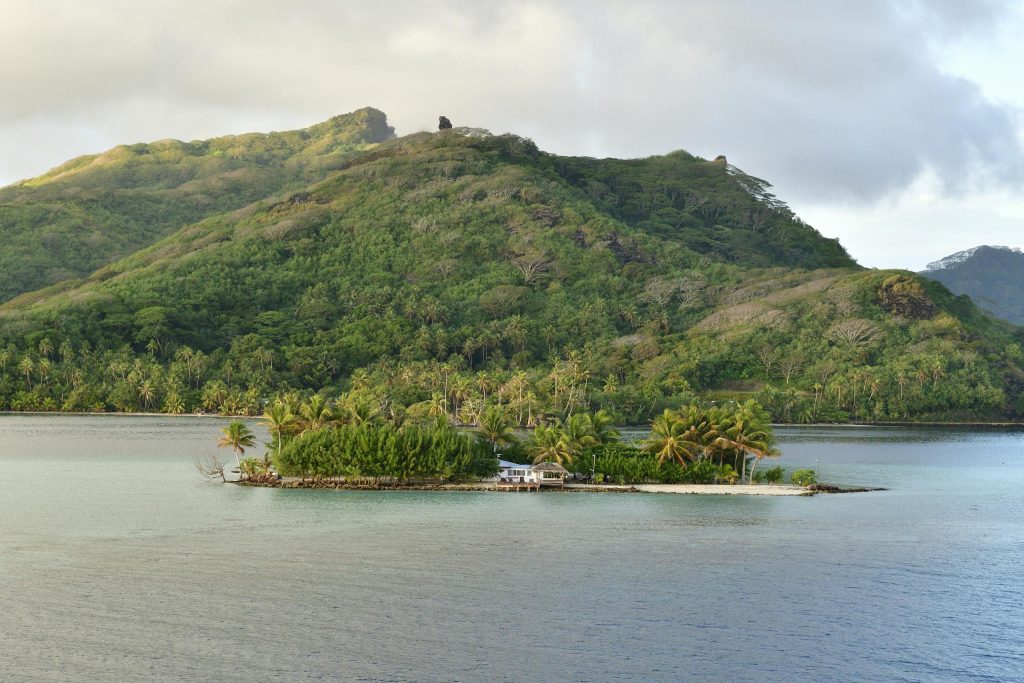
Anthropologists and Polynesian cultural experts describe Huahine as the Garden of Eden, a destination that retains the old-world charm of the South Pacific. The island is actually two landmasses joined by a bridge, surrounded by a deep, crystal-clear lagoon. Agricultural specialists note that the fertile soil supports abundant vanilla plantations, banana groves, and watermelon fields, creating a landscape that is both productive and visually stunning.
Archaeologists value the island for its high concentration of ancient marae, or stone temples, which sit quietly within the dense vegetation. The lack of international hotel chains means that tourism is small-scale and family-oriented. Marine guides highlight that the beaches are uncrowded and free from the jet ski traffic found on Bora Bora, allowing for peaceful snorkeling and swimming in waters that feel like a private aquarium.
Koh Kood In Thailand

Southeast Asian travel analysts and environmentalists point to Koh Kood as the last bastion of tranquility in the Thai islands. Located near the Cambodian border, it remains the least populated district in Thailand despite being the fourth largest island. Forestry officials have preserved the ancient dipterocarp trees in the interior, some of which are hundreds of years old, creating a cathedral-like atmosphere in the jungle.
Hospitality consultants note that the island’s development is limited to low-impact resorts that prioritize privacy and silence. There are no convenience store chains or nightlife strips here, only quiet fishing villages and rubber plantations. The beaches offer powdery white sand and calm waters, attracting travelers who are willing to endure the longer transfer time to escape the party culture of Phuket or Koh Samui.
Fernando de Noronha In Brazil
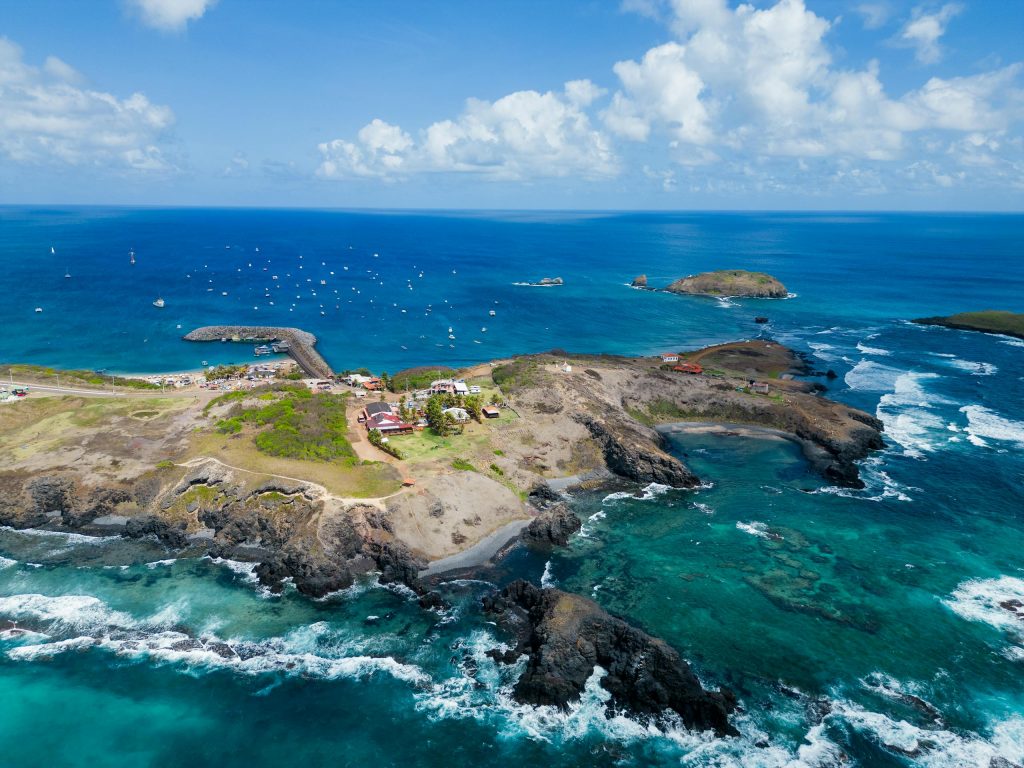
Marine park directors and Brazilian environmental agencies manage Fernando de Noronha with some of the strictest visitor caps in the world. Access to the archipelago is limited to a specific number of tourists per day, and a daily environmental tax is levied to fund conservation efforts. Marine biologists celebrate the waters here as a sanctuary for spinner dolphins and sea turtles, with visibility often exceeding forty meters.
Geologists explain that the volcanic origin of the islands has created dramatic rock formations and secluded beaches like Baia do Sancho, often ranked among the best in the world. The vegetation is a mix of Atlantic forest and shrubland, strictly protected from invasive species. Visitors must adhere to rigorous rules regarding interaction with wildlife and waste management, ensuring that this Atlantic outpost remains a pristine ecological fortress.
Grenada
Agricultural economists and spice traders know Grenada as the Spice Isle, a title reflecting its fertile volcanic soil that produces nutmeg, cinnamon, and cloves. The interior of the island is dominated by the Grand Etang National Park, a rainforest reserve centered around a crater lake. Forestry guides lead hikers through mahogany groves and fern forests, offering opportunities to spot the Mona monkey, introduced from West Africa centuries ago.
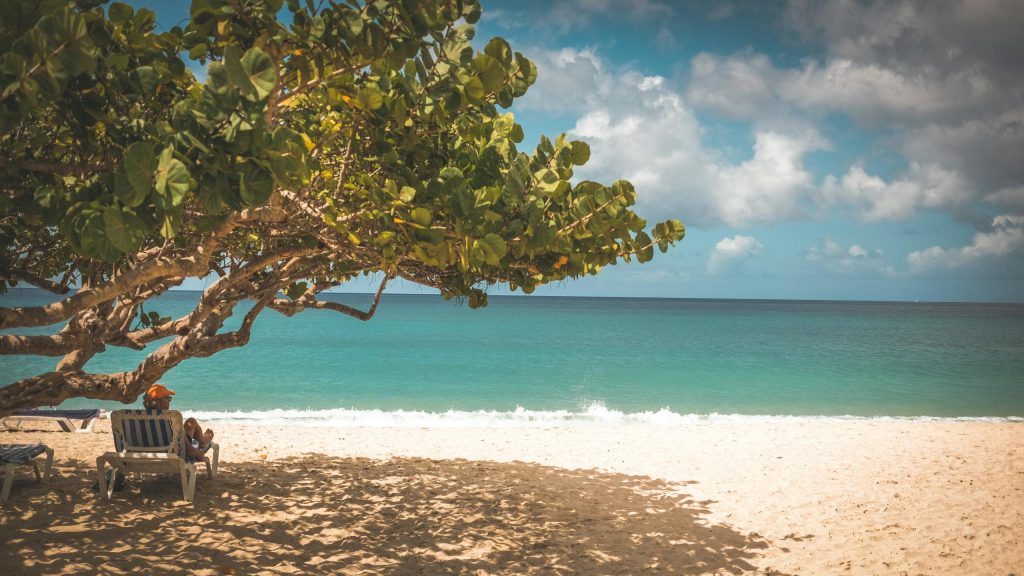
Tourism development officials have focused on boutique hotels and eco-resorts that blend into the lush hillsides rather than dominating the coastline. The beaches, such as Grand Anse, are backed by sea grapes and almond trees, providing natural shade and a lack of high-rise obstruction. This commitment to low-density development preserves the island’s visual beauty and ensures that the scent of spices and the sound of the ocean remain the primary sensory experiences.