10 Turkish Hammams Tourists Regret for Hygiene Nightmares

Public health inspectors and infection-prevention specialists tend to agree on a basic truth about communal bathing. A hammam can feel luxurious and still carry avoidable hygiene risks when laundry systems, surface disinfection, and staff training fall short. In practice, the biggest problems come less from tradition and more from operations, including overcrowding, rushed turnover, and weak sanitation routines.
Dermatologists and travel-medicine clinicians also see a predictable pattern in post-trip complaints. Skin irritation, folliculitis-like bumps, and flareups often follow environments that stay warm and wet while sharing fabrics and contact surfaces. A well-run hammam manages that reality with meticulous laundering, clear separation of clean and used items, and disciplined cleaning of high-touch areas between guests.
The hammams below reflect the types of places and setups that professionals flag as higher-risk. Each item focuses on how hygiene breakdowns happen, why the experience can turn stressful fast, and what safer operations usually look like in the same setting.
Basement Hammams With No Visible Laundry Pipeline

A basement hammam can feel atmospheric, but facility managers often treat below-grade spaces as harder to keep truly clean. Limited ventilation can trap humidity, and persistent dampness raises the burden on cleaning routines. When the space also lacks a clear, visible laundry flow, guests may struggle to trust that textiles cycle correctly between uses.
Infection-control professionals focus on linens and wraps because they sit against the skin for long periods. A legitimate operation typically separates clean storage from used collection and keeps staff movement organized so clean items do not brush against damp, used piles. When towels appear stacked near wet floors or mixed with other fabrics, hygiene confidence drops quickly.
A better-run bath still can exist below street level, but it tends to signal operational discipline in small ways. Staff keep clean textiles sealed or stored above splash zones, and staff rotate supplies without improvising from a back corner when demand spikes.
Ultra-Cheap “Quick Scrub” Hammams Marketed As Five-Minute Stops
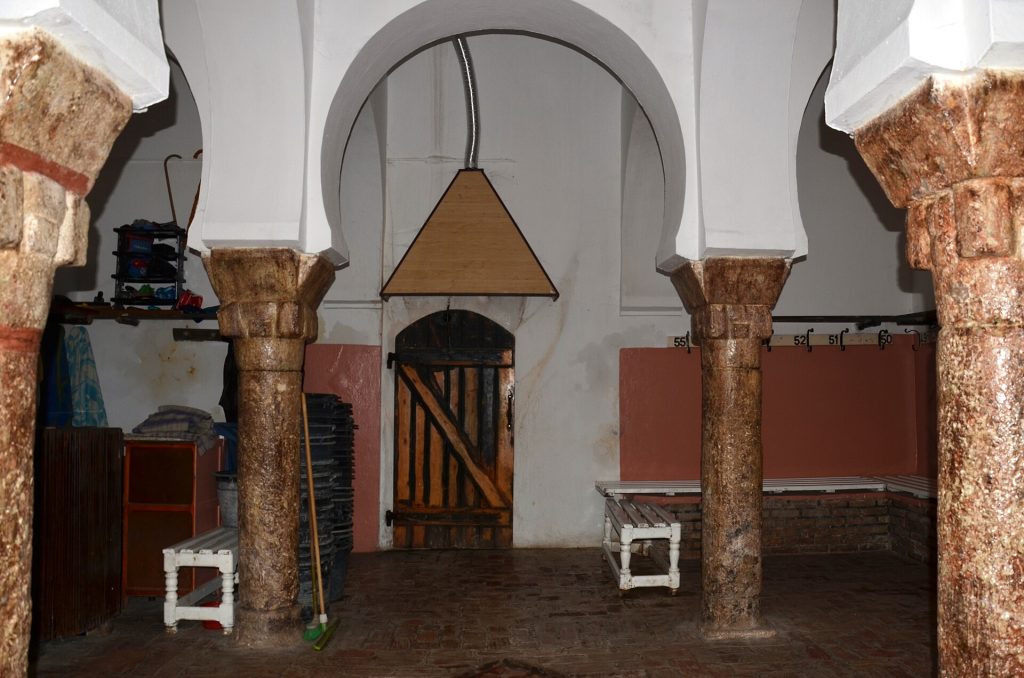
Some storefront baths sell speed and low price, and operations consultants often see the risk immediately. A rushed service compresses the time needed for surface disinfection, tool replacement, and linen turnover. The experience can feel efficient until the details show up, including lingering odors, slippery residue on marble, and unclear handling of scrubbing tools.
Hygiene specialists often point to the difference between fast service and fast turnover. A bath can run promptly while still allowing staff to rinse, sanitize, and reset stations with care. When staffing levels cannot match the volume, shortcuts appear in the form of reused bowls, hurried wipe-downs, and incomplete drying.
A safer fast service usually relies on standardization, not speed alone. Staff keep a visible routine for clean textiles and cleaned implements, and the facility avoids selling more bodies per hour than the cleaning program can support.
Overcrowded Tourist-Corridor Hammams That Run Like Assembly Lines

Operations managers often describe overcrowding as the enemy of cleanliness. When a hammam sits near major landmarks and funnels large groups through a narrow schedule, the heat room becomes a constant traffic pattern. That crowding raises humidity, spreads skin flakes and hair more widely, and increases contact with shared surfaces like basins, door handles, and benches.
Infection-prevention specialists focus on turnover cadence. A packed hammam can maintain excellent hygiene, but it requires staffing, time, and disciplined protocols that many high-volume tourist setups cannot sustain. When attendants rush guests from hot room to scrub station to rinse area without a meaningful reset, the environment starts to feel grimy even if it looks beautiful.
A calmer, cleaner experience often comes from facilities that throttle capacity and space out arrivals. When fewer bodies occupy the same marble, staff can clean between sessions instead of reacting to mess after it accumulates.
Hammams That Reuse Kese Mitts Or Scrubbing Tools Across Guests
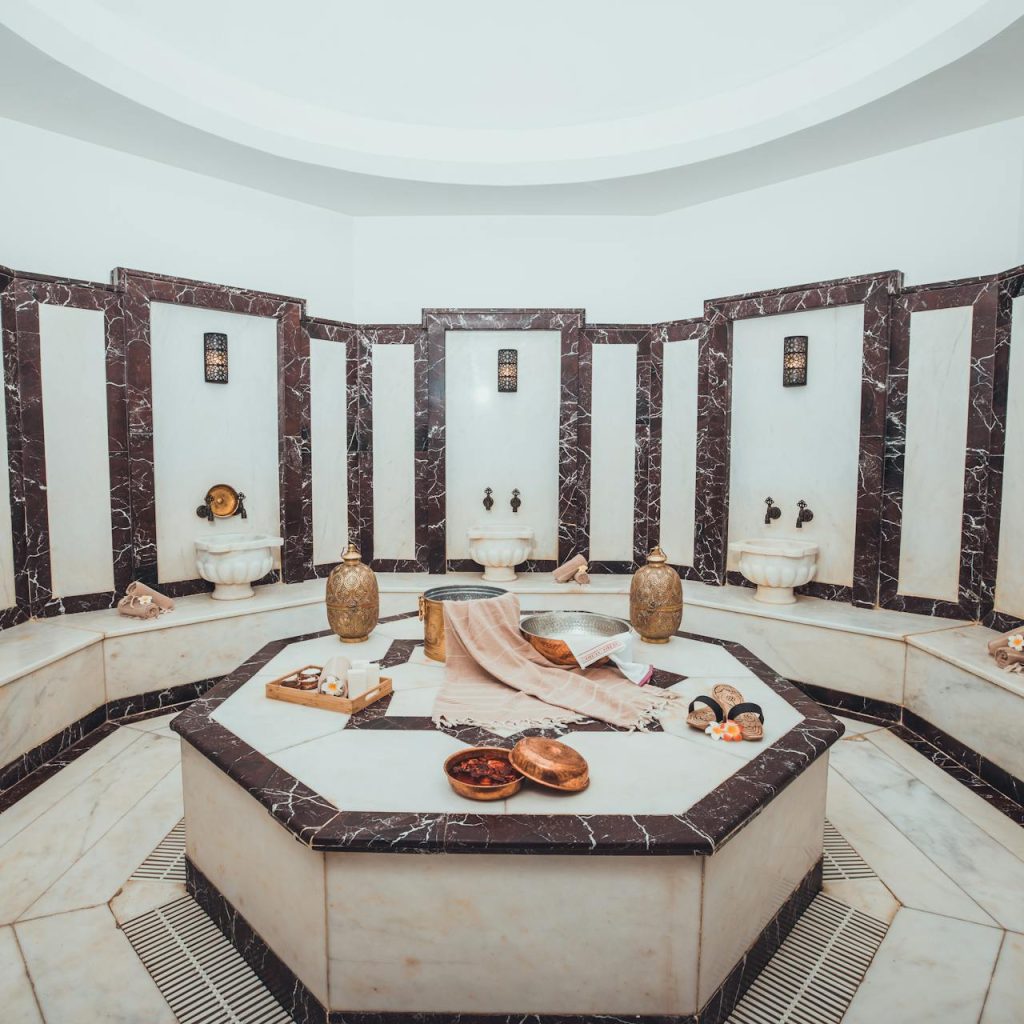
Dermatologists often flag scrubbing as a double-edged sword. Exfoliation removes dead skin, but it can also create micro-abrasions that make irritation and infection more likely if tools carry microbes between people. When a hammam reuses kese mitts, brushes, or similar implements without clear single-use handling, the risk becomes obvious.
Infection-control guidance generally treats shared personal-care tools as a high-risk category. Even when a tool looks clean, moisture and warmth can support bacterial growth, and a quick rinse does not equal sanitation. The problem worsens when tools sit damp in baskets or rest on wet surfaces between services.
Better practice looks straightforward in a well-run facility. Staff use single-use mitts or ensure strict laundering and high-heat drying, and staff store clean tools separately from anything that touched skin.
Foam Massage Stations With Wet, High-Touch Surfaces And Rapid Turnover
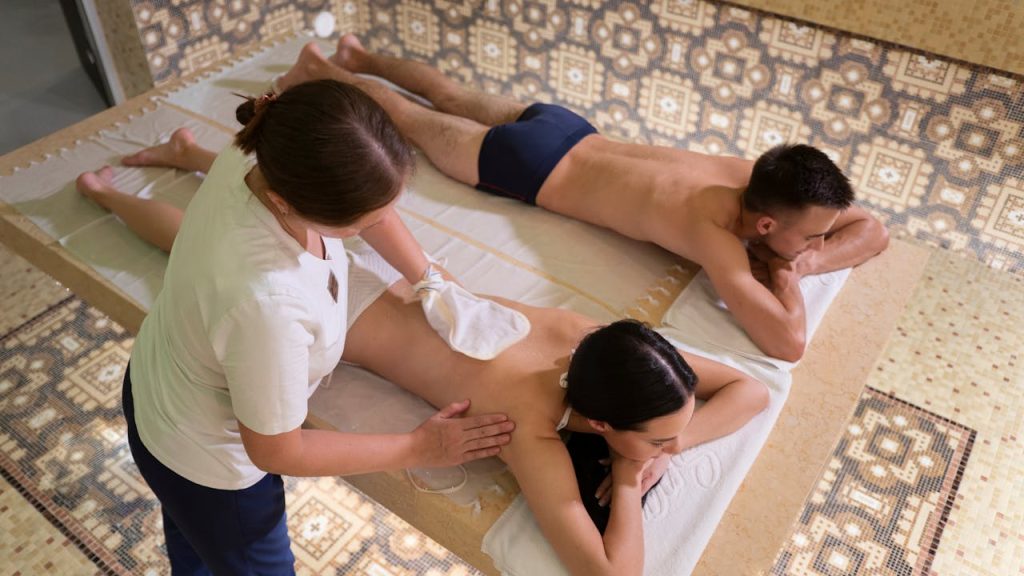
Foam massages can be memorable, but facility hygiene experts pay attention to what surrounds the massage, not just the bubbles. Wet platforms, shared basins, hoses, and handholds can become high-touch reservoirs if cleaning stays inconsistent. A packed station increases splashing and spreads residue that can trap grime.
Maintenance supervisors often treat wet areas as places that require both cleaning and drying. Disinfection works best when staff remove soap scum and body oils first, then apply appropriate cleaners, then allow contact time before rinsing. Rapid turnover frequently cuts that sequence short, leaving surfaces slick and less sanitary than they appear.
A safer setup signals control. Staff reset stations methodically, and the facility manages the flow so attendants do not bounce from guest to guest without a realistic chance to clean what the last body touched.
Shared Pestemal Wraps And Towels With Unclear Washing Standards
Textiles define the hammam experience, and they also define many hygiene failures. Public health inspectors often evaluate how a facility launders linens, where clean items wait, and how used textiles move through the building. When wraps and towels feel damp at pickup or carry a persistent odor, confidence collapses immediately.
Laundry logistics matter because hammams operate in constant moisture. If dryers cannot fully dry linens or staff stack clean items in humid air, fabrics can hold mustiness and microbes. Even without serious contamination, incomplete drying can make skin feel irritated and can turn the experience into a nagging discomfort.
A better operation communicates cleanliness through process. Clean wraps arrive crisp and fully dry, and staff handle textiles with a clear separation between clean and used zones rather than a casual pile near the bathing area.
Steam Rooms With Poor Ventilation And Persistent Standing Water
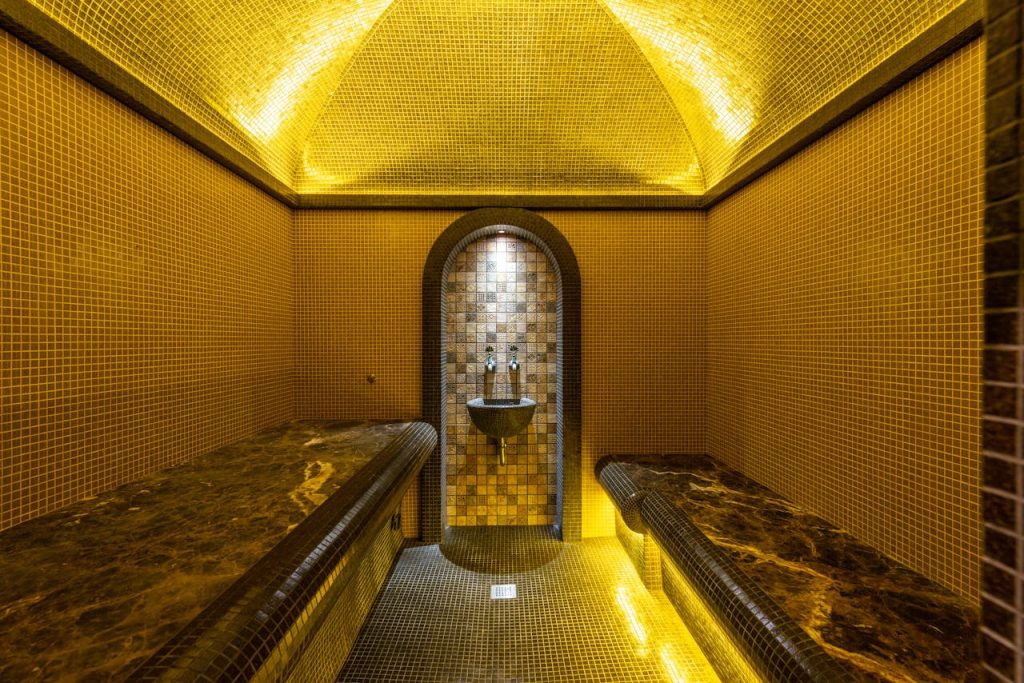
Environmental health specialists often treat ventilation as a hygiene tool. Steam rooms and hot rooms need controlled airflow to reduce condensation on walls and ceilings, and to limit the constant damp film that helps grime stick. When ventilation fails, water can bead and drip, creating slick floors and a stale atmosphere.
Standing water raises additional concerns. Slip risk increases, and pooled water can pick up hair and debris that signal poor housekeeping. Even when a facility cleans daily, continuous moisture requires frequent spot cleaning, drainage management, and drying routines throughout operating hours.
A safer, cleaner environment tends to feel fresher even in high heat. Air moves, drains work, and staff handle small messes quickly rather than allowing dampness to turn into a permanent layer.
Rinse Areas With Shared Basins And Buckets That Look “Always In Use”
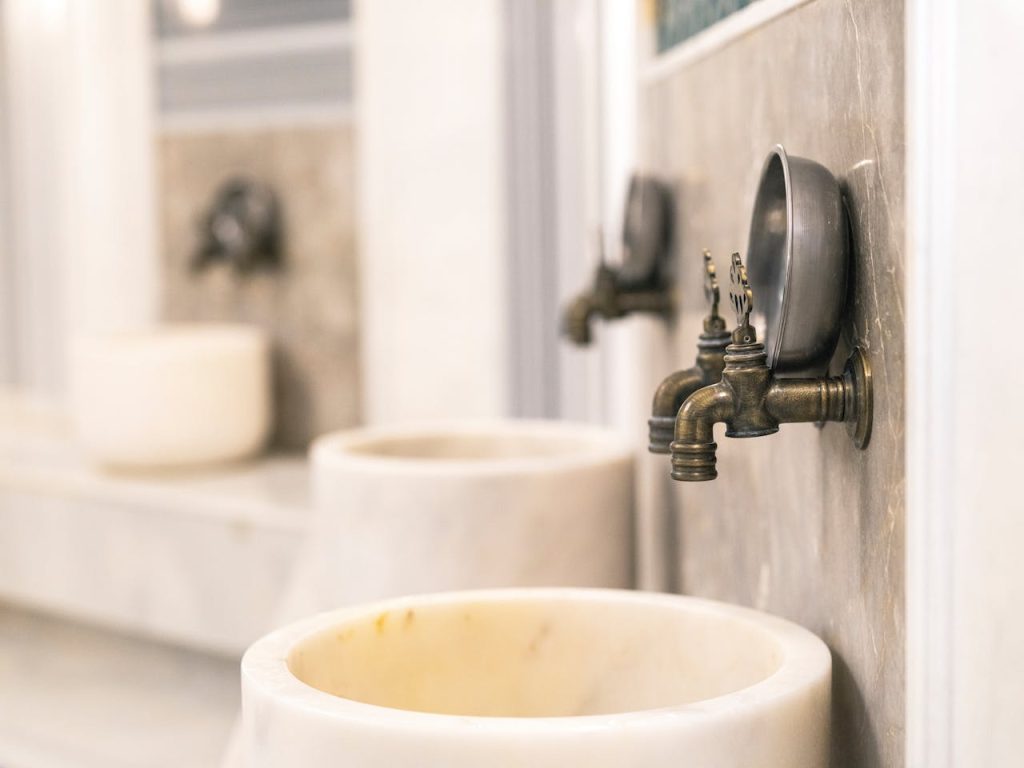
Traditional rinsing often relies on basins and bowls, and operations experts focus on how the facility keeps those items clean. Shared water containers can become the most deceptively unhygienic object in the room because they look harmless and ordinary. When multiple guests dip and pour from the same vessel, the container becomes a communal touchpoint.
Infection-prevention professionals prefer systems that limit shared contact. Fresh running water, cleanable fixtures, and routine disinfection reduce the need for shared buckets that sit wet for hours. When a bath depends on shared vessels, staff sanitation discipline has to be exceptionally consistent.
A cleaner approach often shows up in the small details. Staff swap out vessels regularly, staff sanitize between uses, and the facility avoids setups where bowls live permanently on wet ledges without an obvious cleaning cycle.
Add-On “Oil Rooms” With Reused Containers And Sticky Residue
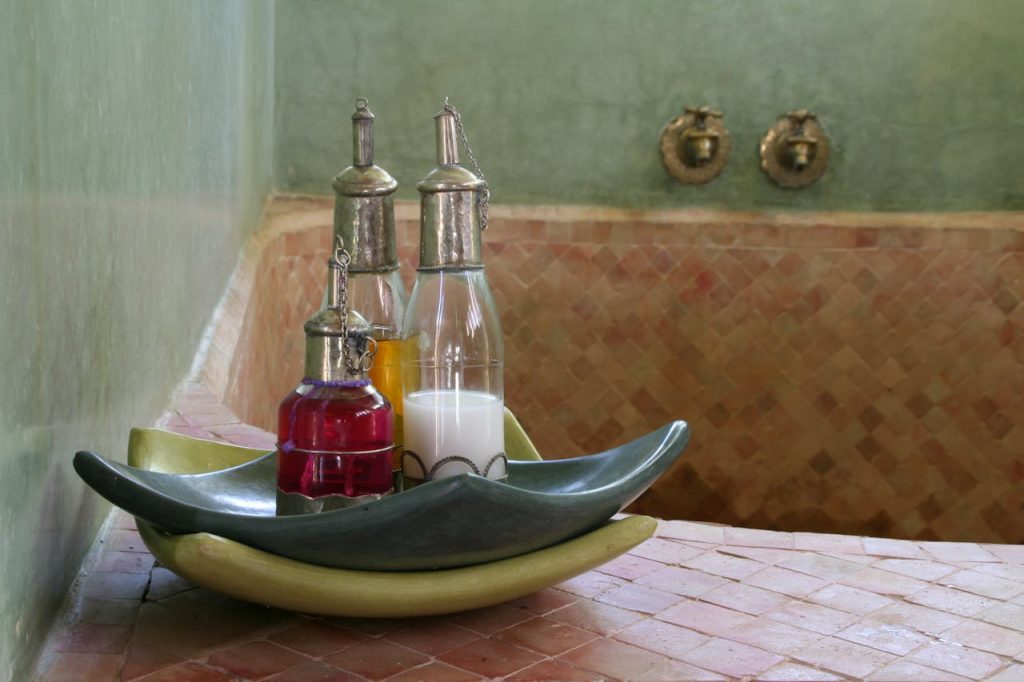
Spa consultants often warn that add-on services can create hidden hygiene problems. Oils, clays, and soaps leave residue that builds on surfaces and containers, especially when staff refill bottles and bowls repeatedly without deep cleaning. Sticky buildup can trap dirt and can make a room feel unclean even when it smells pleasant.
Cross-contamination risk rises when attendants touch products after touching skin. A well-managed spa separates dispensing from application, uses pumps or single-use portions where possible, and sanitizes containers on a strict schedule. When that discipline slips, the add-on service can feel like the least trustworthy part of the visit.
A safer operation keeps product handling controlled. Clean containers appear consistently, surfaces stay free of residue, and staff treat the add-on room with the same cleaning rigor as the wet areas, not as an afterthought.
Touted “Secret Local Hammams” With Vague Policies And No Accountability

Travel safety advisers often describe tout-driven experiences as a governance problem. A persuasive pitch can steer visitors to places that operate with unclear standards, unclear pricing, and unclear hygiene routines. When a facility cannot explain how it handles linens, tools, and cleaning, the experience can feel chaotic before the first step onto the marble.
Consumer-protection experts also note that accountability signals quality. Transparent policies, posted rules, and clear staff roles usually correlate with more reliable operations, including sanitation. A vague setup that relies on informal promises can also rely on informal cleaning, which is where hygiene nightmares tend to start.
A more reliable hammam often feels professional in structure. Staff communicate expectations clearly, the facility separates clean from used items, and the overall workflow suggests that cleanliness is a system, not a hope.