10 U.S. Beaches Women Choose When Party Crowds Ruin the Rest
Travel industry analysts and coastal geographers report a significant increase in the demand for quiet beach destinations that prioritize serenity over social scenes. While popular spring break hubs and boardwalk towns offer high energy entertainment, many female travelers are actively seeking locations with strict noise ordinances and limited commercial development. Experts at the American Shore and Beach Preservation Association note that these specific sanctuaries often feature natural barriers or logistical hurdles that effectively deter large, rowdy gatherings, preserving a tranquil environment for those who seek reflection and proximity to nature.
Marine biologists and park rangers emphasize that the absence of heavy foot traffic and loud music benefits both the local ecosystem and the visitor experience. Coastal resilience experts explain that undeveloped shorelines allow for better dune preservation and a more authentic connection to the maritime landscape. For women prioritizing safety and silence, these ten destinations represent the premier choice for a seaside escape that avoids the typical chaos of mainstream coastal tourism.
Ocracoke Island In North Carolina
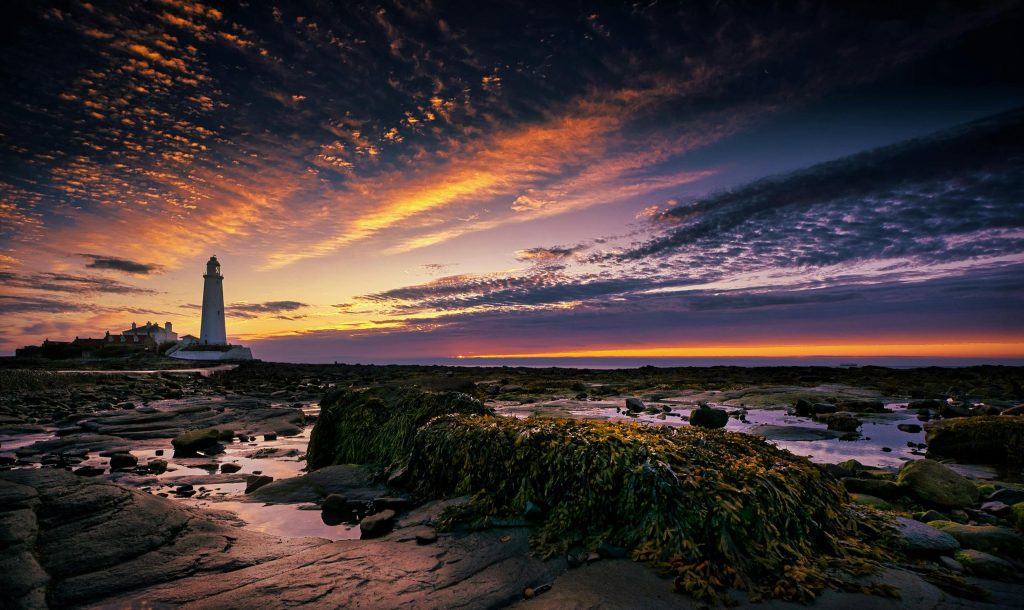
Maritime historians and Outer Banks park rangers describe Ocracoke as the most remote outpost in the region, largely because it remains accessible only by boat. This geographic isolation prevents the influx of day trippers that often congest the northern beaches of North Carolina. Coastal ecologists note that the sixteen miles of undeveloped shoreline are managed by the National Park Service, which prohibits large scale commercial events and loud public gatherings.
Local hospitality experts observe that the community maintains a slow, deliberate pace where bicycles and golf carts are the primary modes of transport. The absence of high rise hotels and neon signs ensures that the natural sounds of the Atlantic remain the dominant feature of the environment. Women frequently choose this island for its village like atmosphere and the sense of security found in a community that values its historical roots and maritime heritage.
Carova Beach In North Carolina
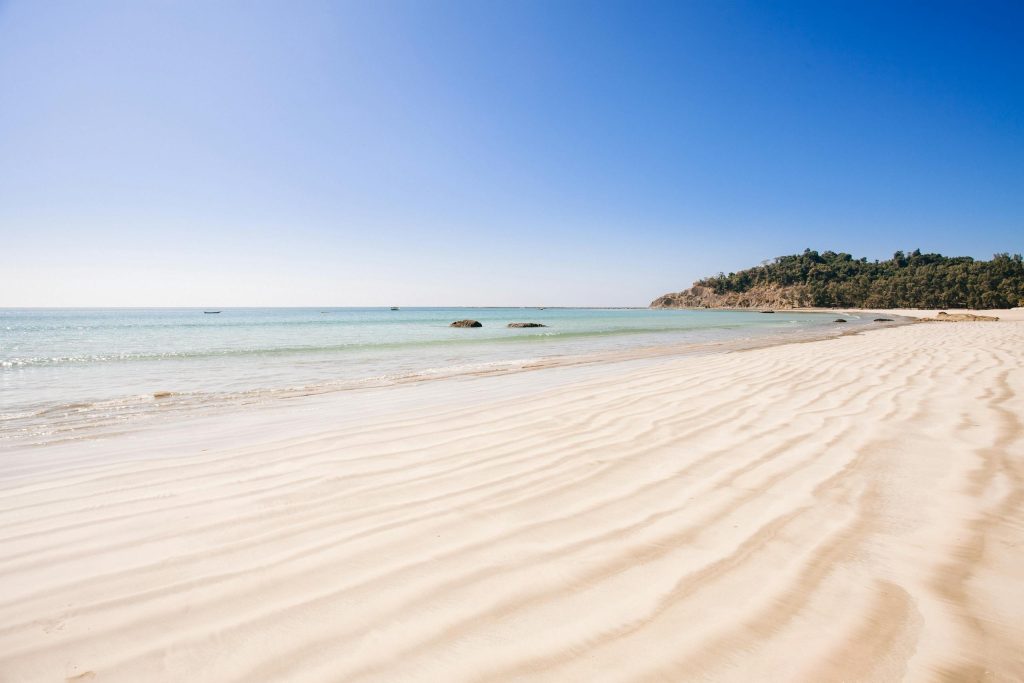
Wilderness conservationists and local state park officials highlight Carova as a unique sanctuary where the lack of paved roads serves as a natural filter for visitors. Located at the northernmost tip of the Outer Banks, this beach is only accessible via a four wheel drive vehicle on the sand. Experts explain that this logistical requirement keeps the volume of people low and effectively eliminates the possibility of traditional party crowds reaching the area.
Wildlife biologists often find the resident wild colonial Spanish mustangs roaming the dunes, a sight that defines the serene character of this coast. The community lacks commercial boardwalks and public parking lots, reinforcing a culture of private, quiet enjoyment. For travelers seeking a truly unbothered experience, the vast stretches of sand and the presence of wild horses offer a prehistoric beauty that remains untouched by modern entertainment trends.
Bandon State Natural Area In Oregon
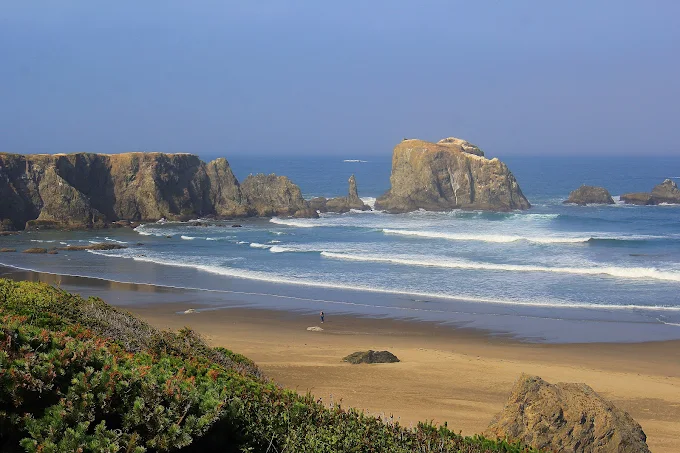
Geologists and Oregon state park rangers celebrate Bandon for its dramatic sea stacks and towering rock formations that create a naturally segmented shoreline. These massive monoliths provide acoustic barriers that dampen the sound of the wind and ensure that visitors can find private pockets of sand away from others. Coastal planners emphasize that the region lacks the amusement park atmosphere found in many Pacific coast towns, focusing instead on rugged, natural aesthetics.
Marine scientists note that the tide pools surrounding the rock bases offer a quiet opportunity for education and observation. The cool, misty climate of the southern Oregon coast naturally discourages the sunbathing party demographic in favor of beachcombers and hikers. Women who visit Bandon often speak of the profound sense of space and the artistic inspiration provided by the jagged silhouettes of the rocks against the sunset.
Sandbridge Beach In Virginia
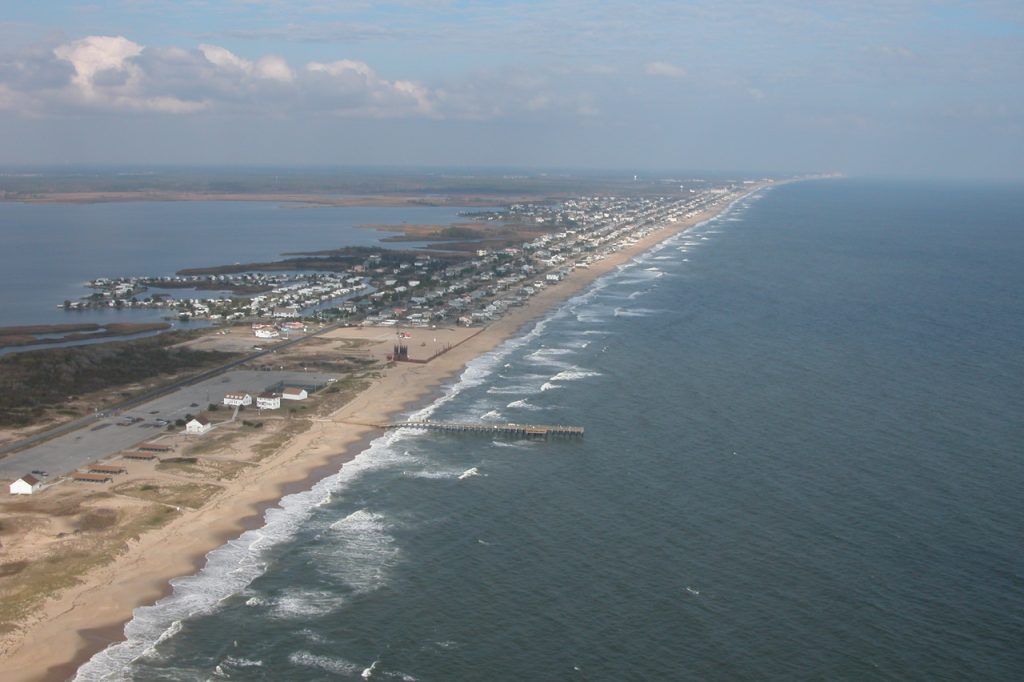
Urban planners and local real estate analysts distinguish Sandbridge as the quiet residential alternative to the bustling boardwalk of Virginia Beach. Located just twenty minutes south of the main tourist hub, this area feels like a different world because it borders the Back Bay National Wildlife Refuge. Experts note that the absence of hotels and the reliance on vacation home rentals create a stable, family oriented environment that discourages loud, transient crowds.
Environmental educators highlight the proximity to the marshes and dunes, where the silence is only broken by the calls of migratory birds. The community has resisted the development of loud piers and neon lit attractions, preserving a dark sky environment that is perfect for late night strolls. This destination is highly valued by those who want the convenience of a coastal city without the relentless noise and density of a major tourist zone.
St. George Island In Florida
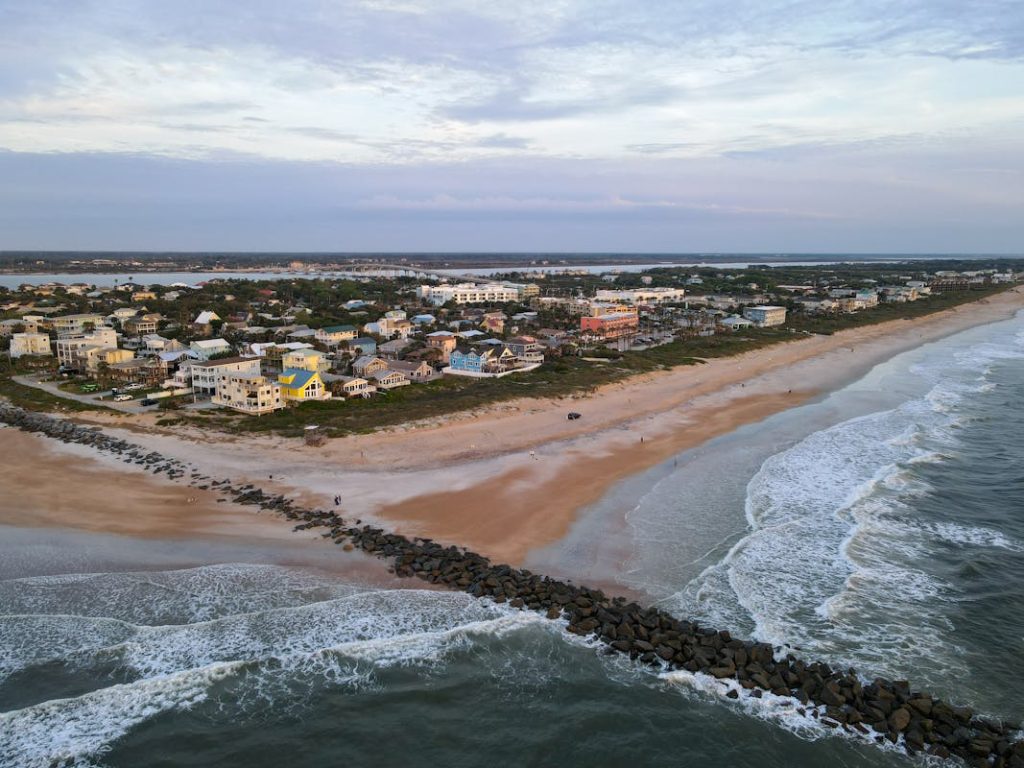
Coastal geologists and Florida state park officials identify St. George Island as a pristine example of the Forgotten Coast, a region that has largely escaped the high rise sprawl of the panhandle. The island is famous for its strict building codes and the absence of chain restaurants or loud bars. Rangers at the eastern end of the island manage a massive state park where the dunes remain tall and the beaches are wide and empty.
Marine biologists emphasize that the island is a critical nesting ground for loggerhead sea turtles, which requires a dark and quiet environment during the summer months. The local culture is built around fishing and stargazing rather than nightlife and loud music. For women seeking a genuine Gulf Coast experience without the neon flash of nearby destinations, the white quartz sand and clear water of St. George offer a peaceful and secure retreat.
Second Beach In Washington
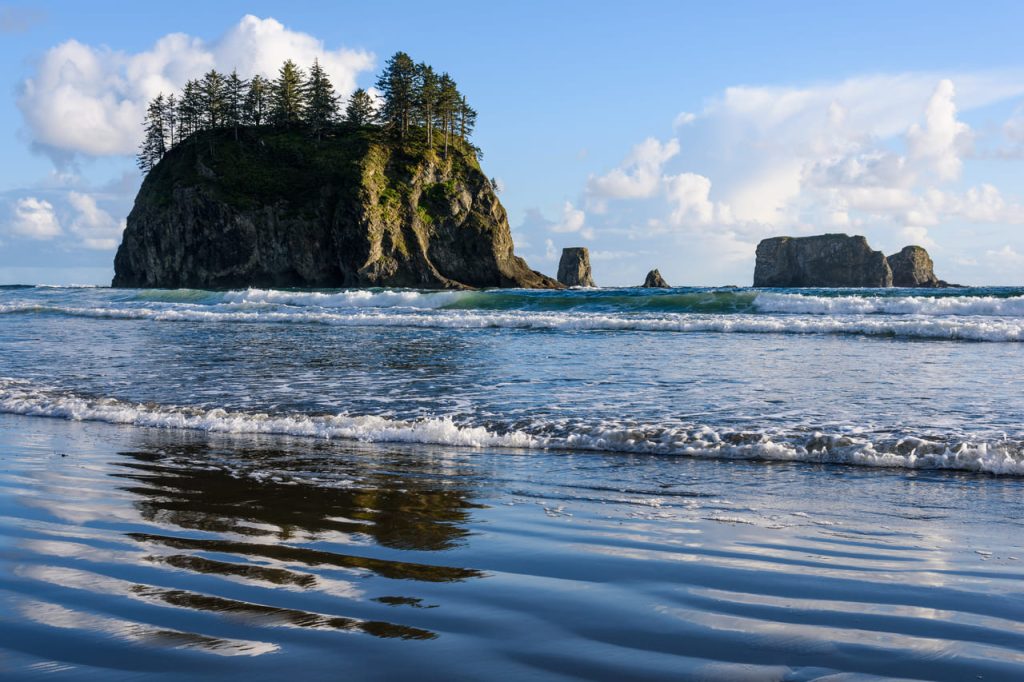
Olympic National Park rangers and wilderness guides recommend Second Beach for its dramatic Pacific Northwest beauty and the physical effort required to reach it. Accessing the shore involves a hike through a dense temperate rainforest, a trek that naturally discourages those carrying heavy party equipment or large coolers. Experts explain that the giant driftwood logs and offshore islands create a landscape that feels majestic and isolated.
Geographers note that the proximity to the Quileute Reservation and the strict federal protections ensure that the beach remains free from commercial exploitation. The sound of the crashing waves against the sea stacks provides a rhythmic, meditative backdrop for those who camp along the forest edge. This location is a favorite for women who enjoy a more adventurous approach to the ocean and value the profound stillness of an ancient wilderness coast.
Cumberland Island In Georgia
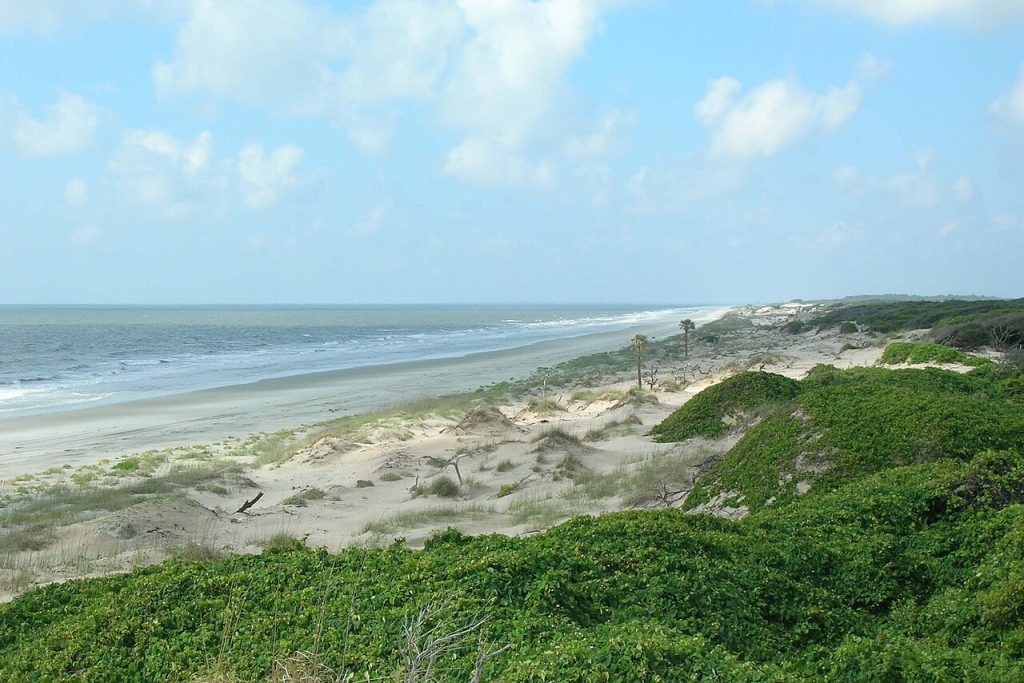
Maritime foresters and historical preservationists describe Cumberland Island as a place where the grandeur of the past meets an untamed coastal ecosystem. Accessible only by a small ferry, the island limits the number of daily visitors, ensuring that the seventeen miles of beach never feel crowded. Experts highlight the presence of feral horses and the ruins of Gilded Age mansions as key elements of the island’s unique and somber atmosphere.
Conservationists explain that the lack of any bridge to the mainland has preserved one of the largest maritime forests in the United States. The interior trails wind through tunnels of live oaks draped in Spanish moss, leading to a beach where the only other tracks in the sand belong to wildlife. Women who visit Cumberland often find that the total absence of cars and commercial noise allows for a deep psychological reset.
Kiawah Island In South Carolina
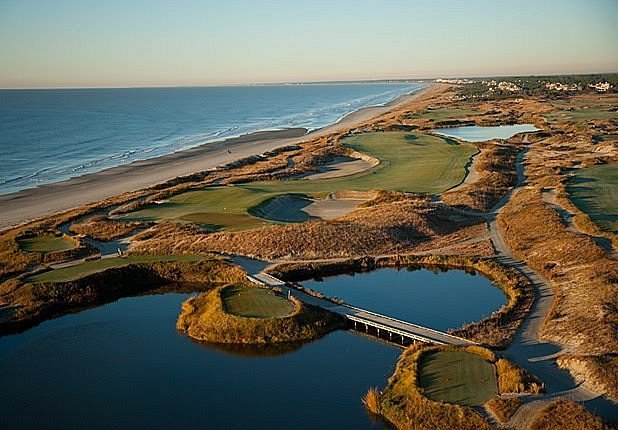
Landscape architects and upscale resort planners identify Kiawah Island as a masterpiece of master planned conservation. The development was designed to blend into the natural maritime forest, with strict rules regarding noise and lighting to protect the local bobcat and bird populations. Experts note that the private nature of much of the island ensures that the ten miles of beach remain exclusive and quiet.
Coastal ecologists emphasize that the island’s management prioritizes the health of the marsh and dune systems over high density tourism. The lack of public boardwalks and the emphasis on eco tourism activities like kayaking and cycling foster a respectful visitor culture. This destination is preferred by those who appreciate a refined, quiet environment where the beauty of the South Carolina Lowcountry is the main attraction.
Manini’owali Beach In Hawaii
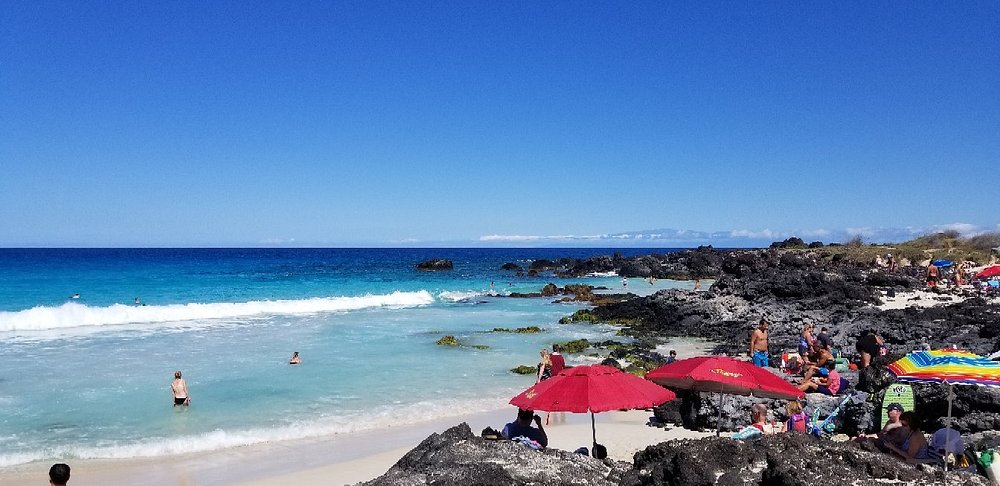
Volcanologists and Hawaiian state park rangers describe Manini’owali, also known as Kua Bay, as a geological gem on the Kona Coast. The beach is formed by white coral sand that contrasts sharply with the surrounding black lava fields, creating a visually stunning and serene environment. Experts explain that the lack of shade and the rugged trek over the lava to reach the water naturally limits the length of stay for most visitors.
Marine biologists value the bay for its exceptional water clarity and the frequent presence of pods of spinner dolphins. The park lacks the major amenities and concession stands that draw large, loud groups, maintaining a more reverent and natural atmosphere. For women seeking the quintessential Hawaiian paradise without the resort density of Waikiki or Ka’anapali, this hidden cove offers a bright and tranquil sanctuary.
Mohegan Bluffs In Rhode Island
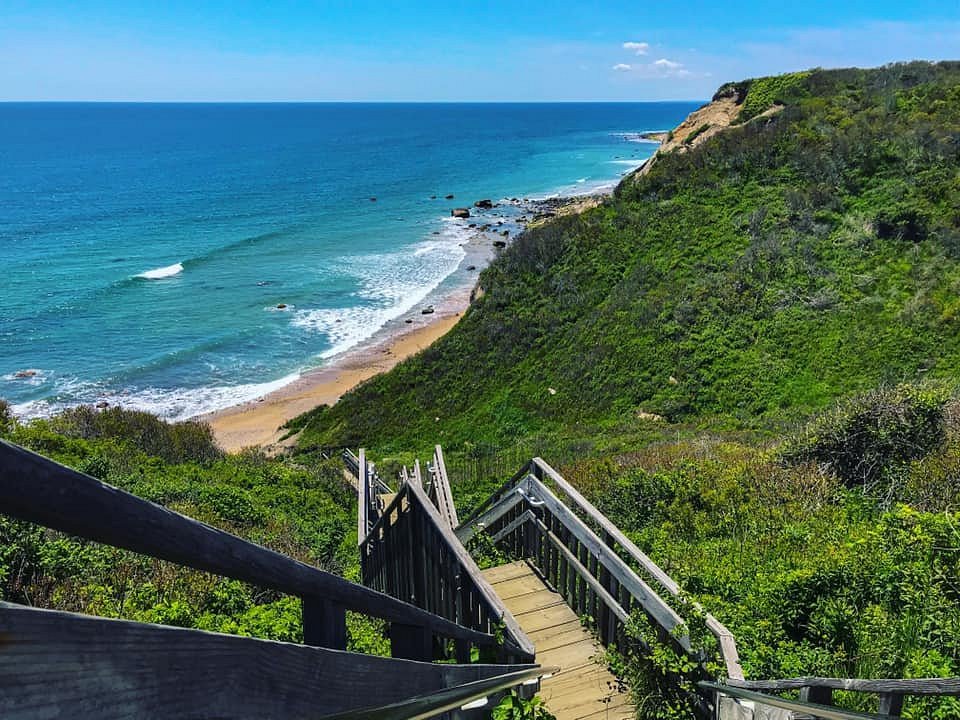
Geologists and New England tourism experts highlight the Mohegan Bluffs on Block Island as one of the most visually dramatic coastal sites in the North Atlantic. The cliffs rise two hundred feet above the ocean, and reaching the beach requires descending a long wooden staircase. Experts note that this physical barrier effectively filters out the casual tourist crowd, leaving the rocky shore to those who truly appreciate the raw power of the sea.
Coastal geographers explain that the view from the top of the bluffs offers a sense of scale and perspective that is rare on the East Coast. The beach below is often littered with smoothed stones and provides a secluded spot for watching the powerful Atlantic swells. Women frequently choose Block Island for its independent spirit and the ability to find total solitude within sight of the historic Southeast Lighthouse.