10 U.S.Canada Border Towns Where Crossing Rules Shape Daily Travel
The border between the United States and Canada can look quiet on a map, yet it choreographs ordinary life in paired towns. Coffee runs, school drop-offs, hockey practice, and last minute pharmacy stops often start with a glance at lane reports and a check that documents are in the right pocket.
Residents learn the rhythm of booth hours, NEXUS lanes, and the questions that decide whether a crossing stays quick. Weather, traffic, and a forgotten receipt can turn a five minute hop into an hour, so plans stay flexible. Over time, routines form around bridges and checkpoints, and the line becomes less a backdrop than a daily planner.
Blaine, WA, and Surrey, BC
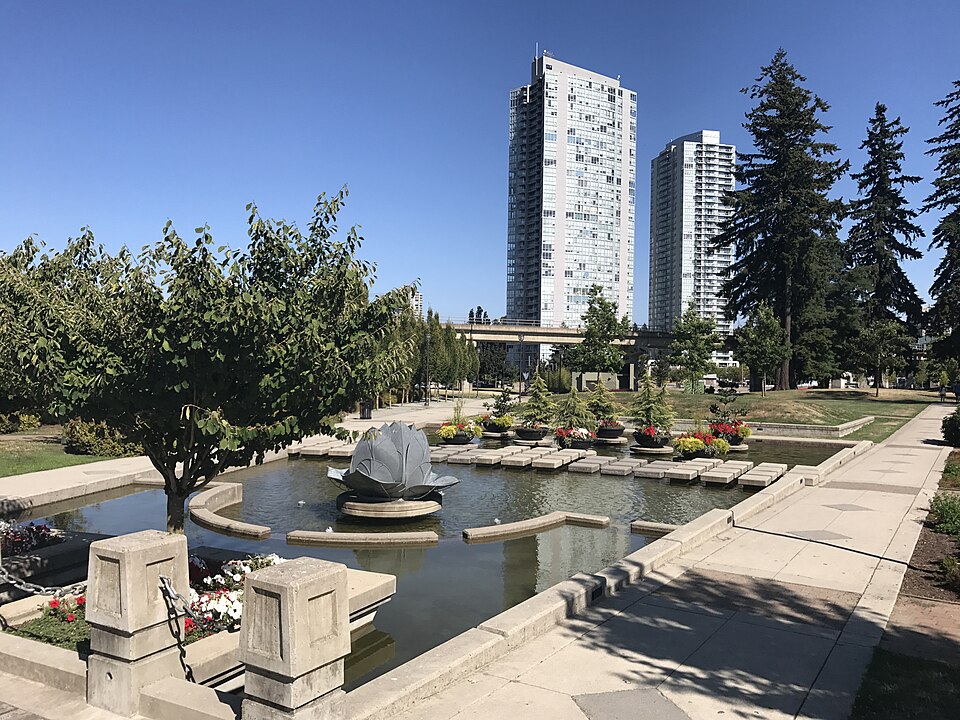
On the I-5 corridor, Blaine and Surrey share a border that feels like a commuter interchange, yet every trip is filtered by lane rules, declarations, and the luck of traffic. Locals choose between Peace Arch and Pacific Highway the way others choose side streets, trying to match the crossing to the errand.
On long weekends, a quick grocery run can turn into a slow crawl, so routines include checking posted wait times, grouping receipts, and keeping passports and NEXUS cards close. The goal is rarely adventure; it is making a shift start, a school pickup, or an evening game without the border stealing the whole afternoon, too.
Sumas, WA, and Abbotsford (Huntingdon), BC
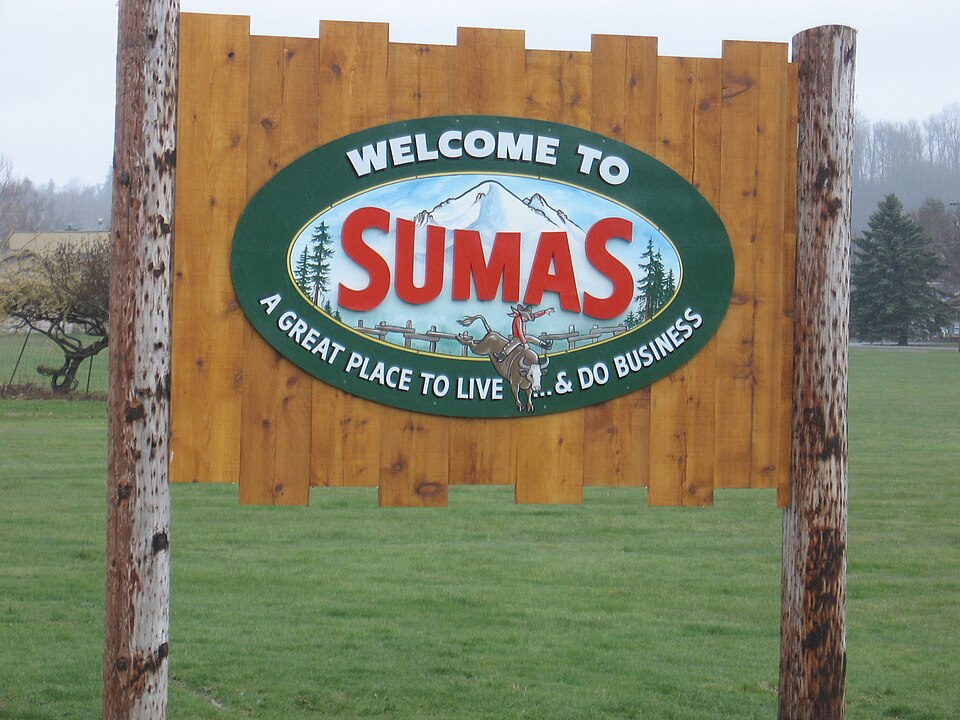
Sumas and Abbotsford meet at Huntingdon, where farm roads, outlet runs, and shift work funnel into a crossing that looks small until inspection rules turn every trunk into a checklist. Limits on certain goods, questions about destination, and the need to declare purchases make even routine errands feel planned and documented.
Crossings get timed to greenhouse shifts and school sports, with lane choices watched closely and receipts sorted in advance. One unexpected referral to secondary can turn a 10 minute hop into an afternoon that reshuffles work, childcare, and dinner plans across the household, especially during summer traffic surges.
Point Roberts, WA, and Delta, BC
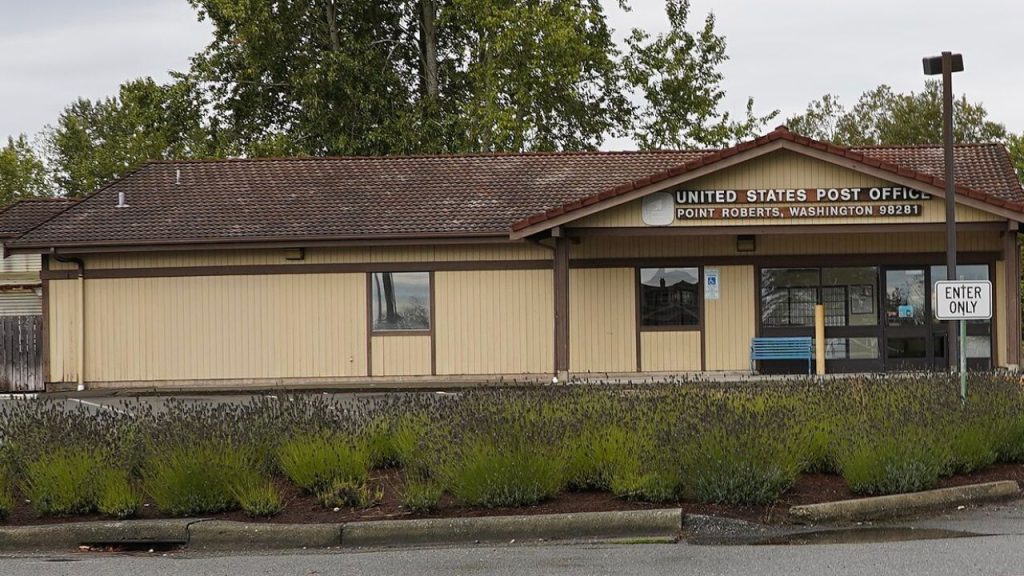
Point Roberts sits on U.S. soil that is connected by road only through Canada, so a mainland errand can require two inspections before a single chore is finished. That reality turns passports, insurance cards, and school letters into everyday items, not travel extras.
Trips through Delta toward Metro Vancouver are planned around booth lines and what can legally cross, because a small mistake with restricted items can mean delays and repacking. Neighbors swap line updates. Residents pad return time, keep receipts ready, and treat the crossing like a doorway, especially on weekday evenings when services and supplies matter most.
Derby Line, VT, and Stanstead, QC
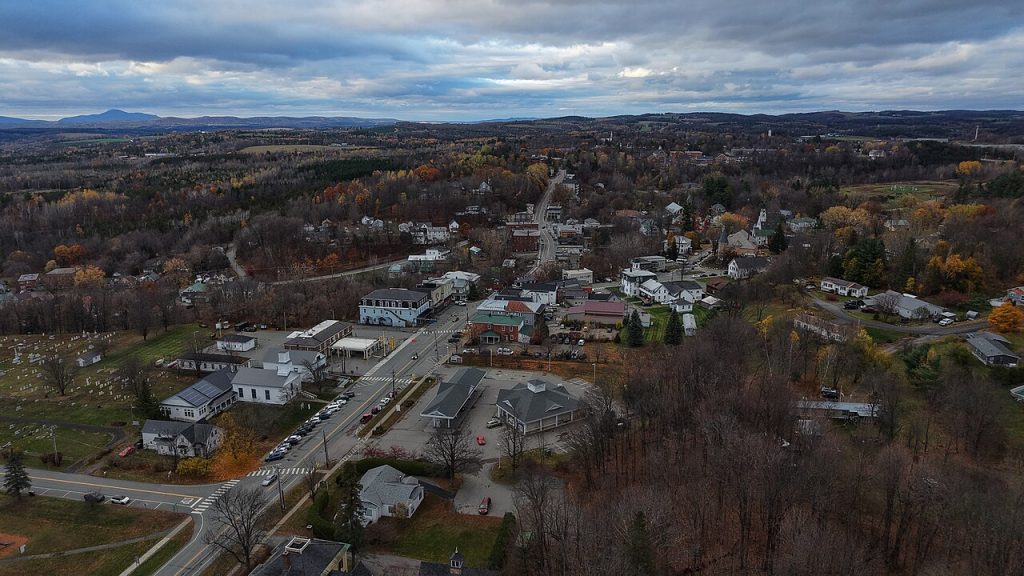
Derby Line and Stanstead live with a border that cuts through sidewalks and memory, and the most famous marker sits inside the Haskell Free Library and Opera House. The building invites closeness, but it also highlights how rules can tighten around even gentle, cultural spaces.
Visitors follow guidance to enter and exit on the same side and use official ports for crossing, so a quiet library stop comes with careful routing and IDs. That caution spills into daily life, from quick coffees to school events, because a wrong turn can trigger questions and delays, even when the town still feels like one shared neighborhood at once.
Champlain, NY, and Lacolle, QC
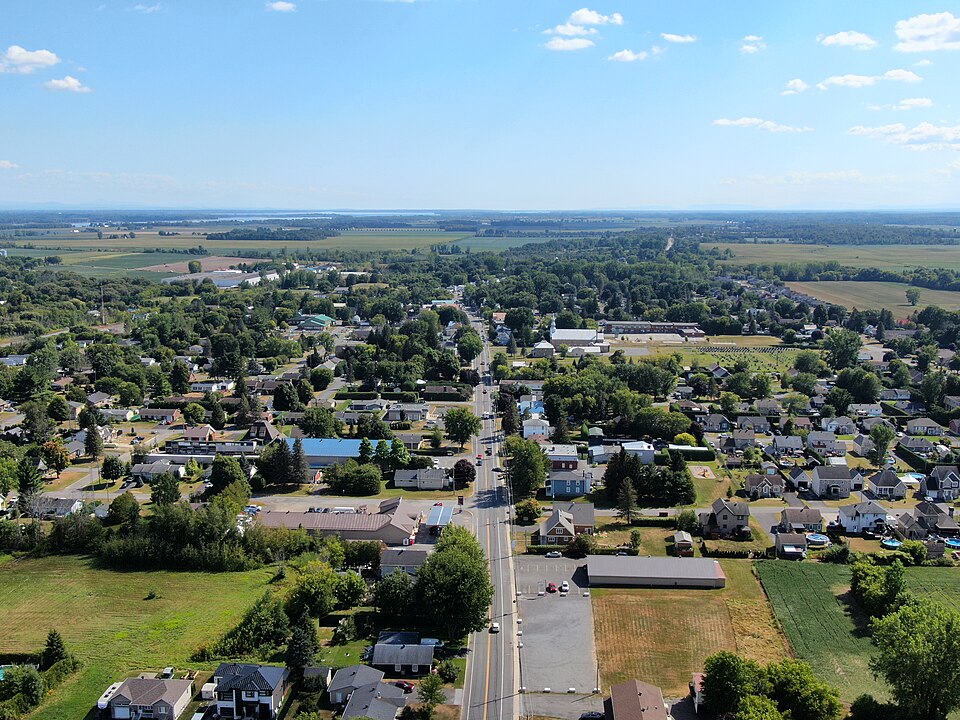
Champlain and Lacolle anchor the I-87 and Autoroute 15 gateway, where the road feels built for speed but the border decides the tempo. Routine trips for errands and family visits can hinge on a clean declaration, a calm answer, and the right lane, with receipts ready and answers steady.
Because freight and commuters share the same approach, locals plan crossings like appointments, watching peak windows tied to Montréal traffic, weekends, and holiday returns. Paperwork stays orderly, since a single referral to secondary can ripple into late arrivals, missed pickups, and rescheduled deliveries on both sides, long after the booth lights fade.
Buffalo, NY, and Fort Erie, ON
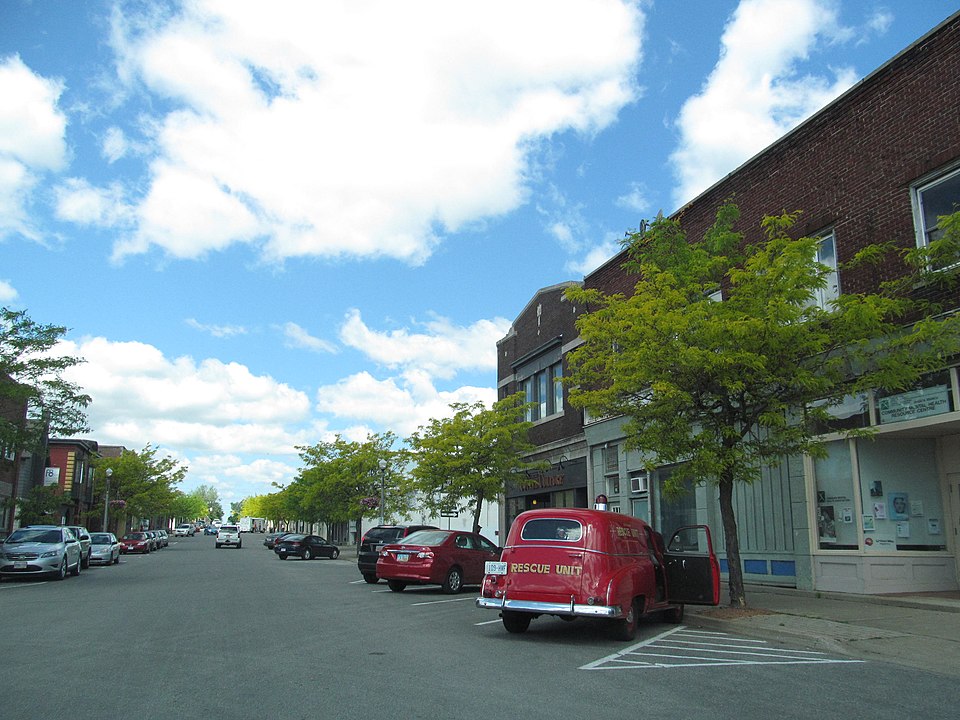
Buffalo and Fort Erie face each other across the Niagara River, and the Peace Bridge makes the distance feel tiny until a line forms. Game days, concerts, and busy Saturdays can turn a quick plan into a border timing puzzle, with Lake Erie weather adding surprises. Locals check wait-time boards and bridge approaches before leaving home.
Regular crossers keep declarations simple, choose NEXUS lanes when eligible, and separate receipts for quick duty questions. When backups hit, the lost time lands on real life: shift starts, childcare handoffs, reservations, and late night returns, all squeezed by the same slow crawl toward the booth.
Detroit, MI, and Windsor, ON
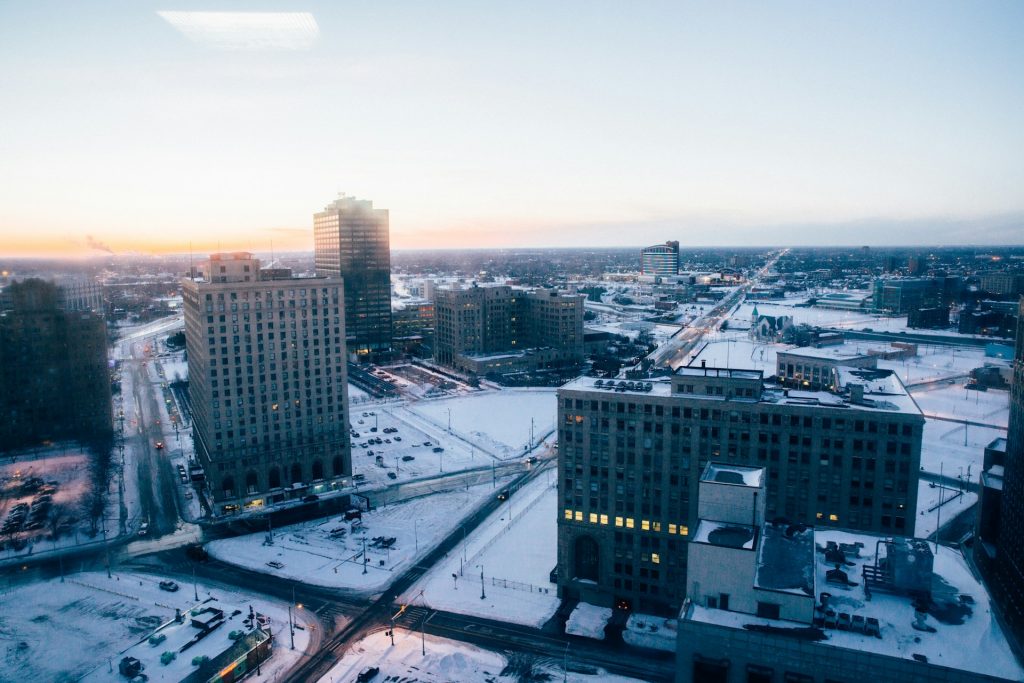
Detroit and Windsor share a skyline and a manufacturing pulse, linked by the tunnel and the Ambassador Bridge, where border rules show up as real minutes on the clock. Commuters, tourists, and trucks mix together, and inspection patterns can shift with events, weather, or staffing. Locals compare tunnel versus bridge like rival shortcuts.
Regulars learn the best windows for crossing, keep NEXUS cards and work letters ready, and choose routes based on what a vehicle carries. One slowdown can ripple into missed appointments, delayed pickups, and production schedules that depend on predictable clearance, long after the water looks calm again.
International Falls, MN, and Fort Frances, ON
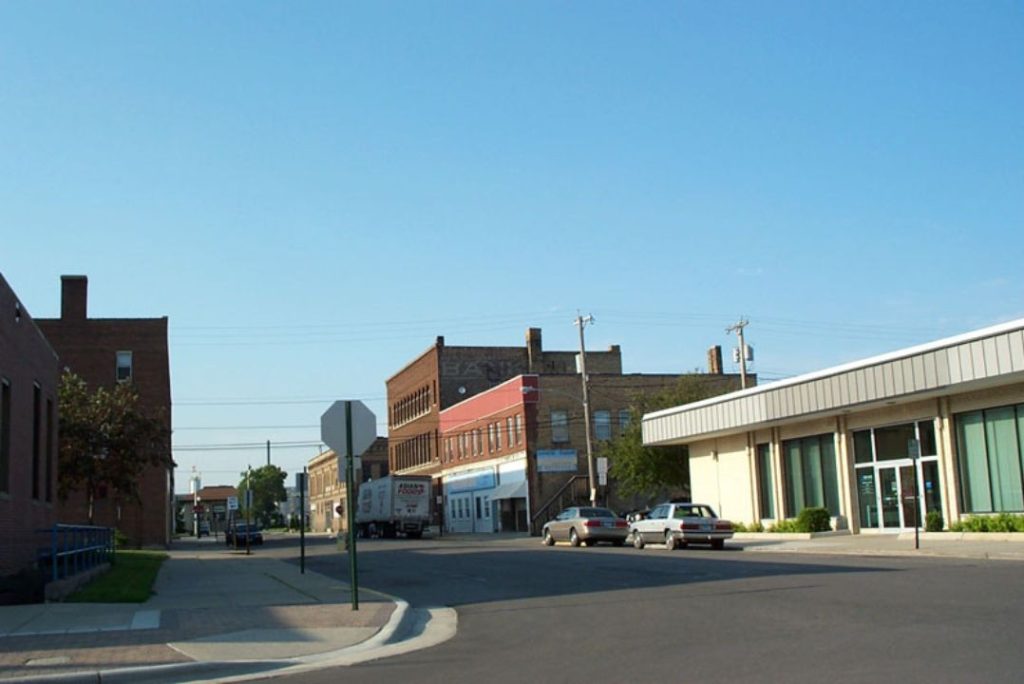
International Falls and Fort Frances meet on the Rainy River, where long winters make every crossing feel more consequential than the miles suggest. Cold, early darkness, and slick roads raise the stakes when a line forms, and a short delay can feel bigger when the thermometer drops. Cars idle with heaters running and coffee cooling in cupholders.
Residents build buffer time into medical visits, school events, and shopping runs, keep IDs ready for kids, and watch what can cross in coolers or gift bags. Summer brings anglers and cabin traffic, but the same rules still apply, so patience becomes a local skill as familiar as the river itself.
Calais, ME, and St. Stephen, NB
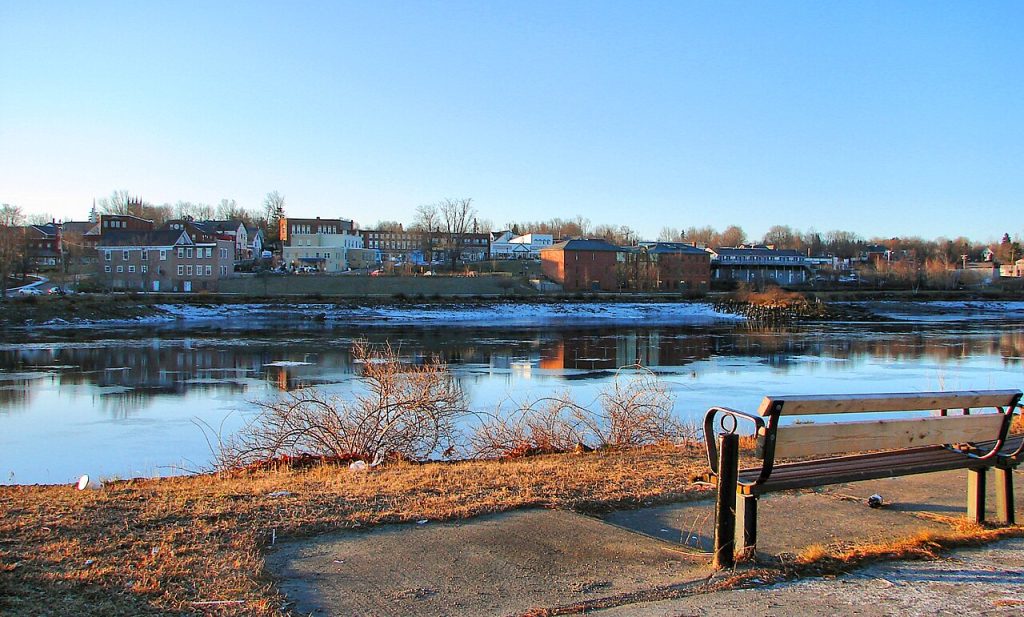
Calais and St. Stephen face each other on the St. Croix River, where nearby bridges make crossing feel like choosing between downtown streets and a faster bypass. That choice is shaped by rules that route some traffic toward lanes, especially when commercial loads are involved. The river is narrow, but the checklist is not.
Residents trade real time updates, keep pet records and receipts close, and bundle errands to avoid repeat inspections. A single lane closure can redirect the whole day onto a different span, changing wait times, shopping habits, and the rhythm of small town life on both shores, from weekday lunches to weekend visits.
Portal, ND, and North Portal, SK
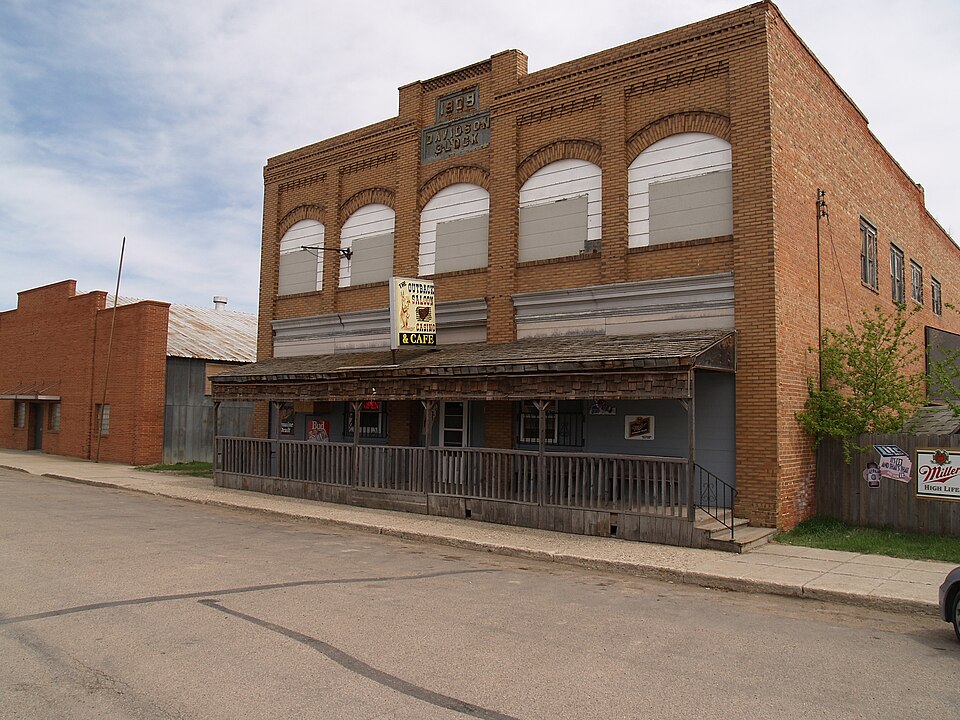
Portal and North Portal sit on open prairie where distances are long, so the border station can feel like the day’s main appointment. When weather turns, the next option is not around the corner, which makes delays heavier, especially with wind, drifting snow, and limited daylight. Planning starts early.
Residents keep paperwork organized, declare purchases carefully, and time crossings to booth patterns, because a referral to secondary in a remote place can stretch a fuel stop or clinic run into hours. Periodic surges from trucks and rail activity change the pace without warning, so patience gets scheduled like any other errand.