10 U.S. Cities Retirees Say Offer the Best Daily Life in 2026

Gerontologists and retirement planners report a significant shift in what defines a premier retirement destination for 2026. While tax incentives and sunny weather remain factors, new data suggests that daily quality of life—measured by access to top-tier healthcare, community engagement, and walkability—now drives the decision-making process for older adults. Urban policy experts note that the happiest retirees are gravitating toward mid-sized cities that offer a “Goldilocks” balance of big-city amenities and small-town accessibility, moving away from isolated golf communities in favor of integrated, intergenerational neighborhoods.
Real estate analysts and sociologists emphasize that social connectivity is the single strongest predictor of longevity and satisfaction in retirement. Consequently, the cities topping the list for 2026 are those with robust community infrastructure, such as university towns promoting lifelong learning or coastal hubs with active volunteer networks. Financial advisors also highlight that while affordability is crucial, the value proposition has changed. Retirees are willing to pay slightly more for locations where mobility is easier and medical specialists are within a fifteen-minute drive, prioritizing long-term independence over immediate cost savings.
Lancaster In Pennsylvania
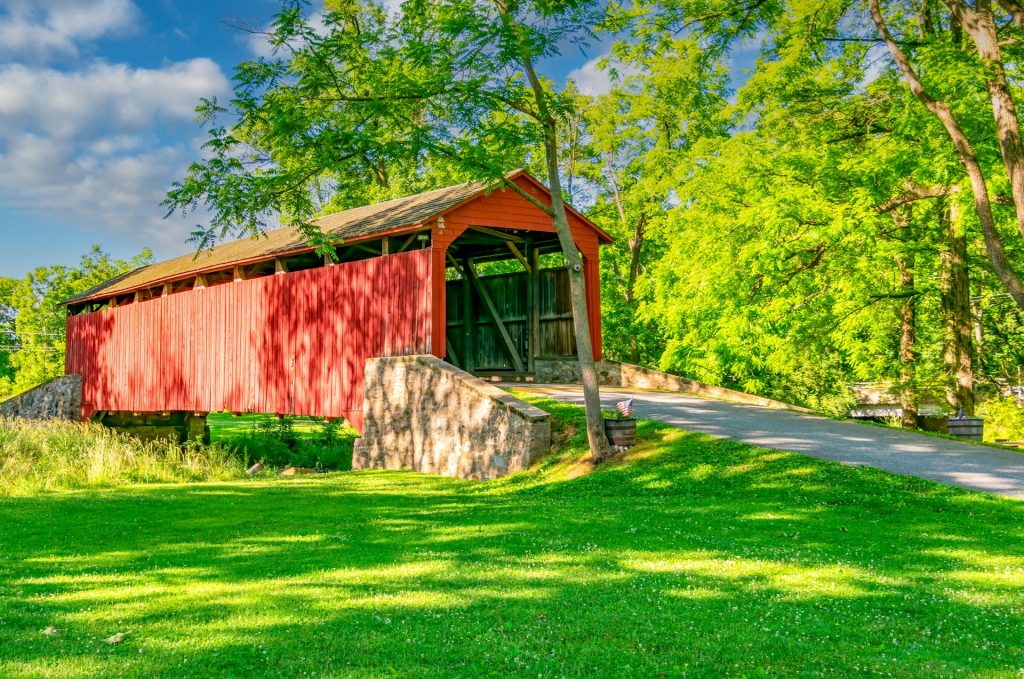
Retirement community directors and healthcare administrators consistently rank Lancaster as a top-tier destination due to its unique blend of rural tranquility and urban medical infrastructure. The presence of Penn Medicine Lancaster General Health ensures that residents have access to advanced cardiac and orthopedic care without traveling to a major metropolis. Housing market analysts note that the diverse housing stock, ranging from historic row homes to modern active-adult communities, allows retirees to find living arrangements that specifically suit their mobility needs and budget constraints.
Social psychologists point to the strong sense of community rooted in the region’s agricultural and Amish heritage as a vital component of daily well-being. The Central Market and a walkable downtown provide natural gathering spaces that combat isolation, a key health risk for seniors. Local event organizers emphasize that the city offers a calendar packed with arts and cultural festivals, fostering a vibrant social life that keeps residents cognitively engaged and physically active throughout the year.
Naples In Florida
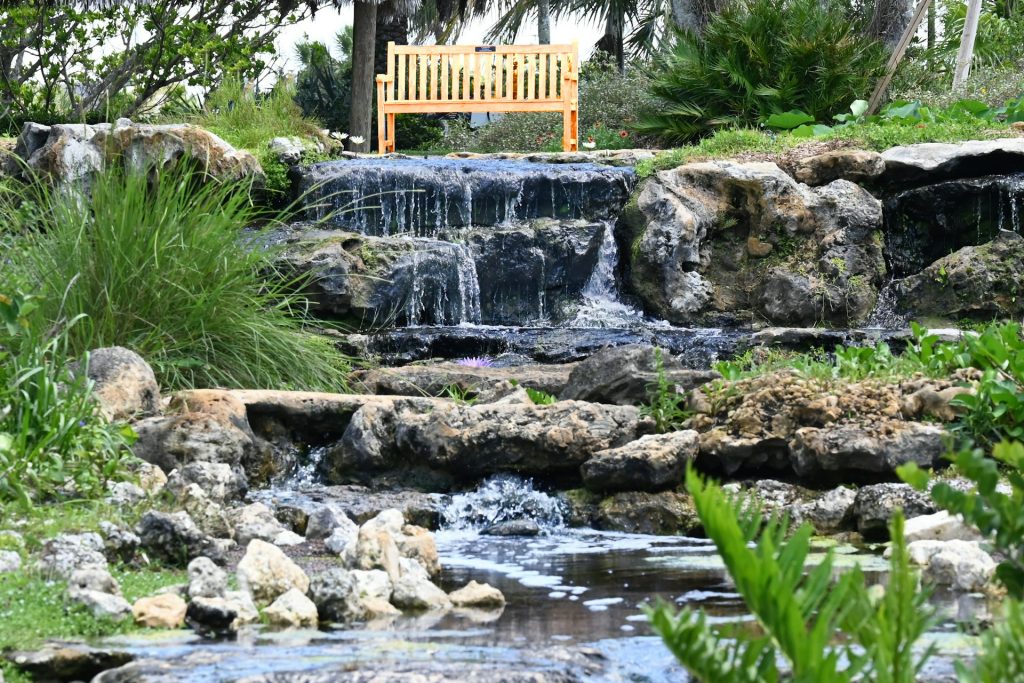
Longevity researchers and public health officials frequently cite Naples as a real-world “Blue Zone” where residents report some of the highest levels of well-being in the nation. The city prioritizes an active lifestyle, with urban planners designing an extensive network of pedestrian pathways and beach access points that encourage daily walking and swimming. Medical experts highlight the NCH Healthcare System as a critical asset, offering specialized geriatric care that aligns with the needs of an aging population focused on preventive health.
Wealth management advisors observe that while the cost of living is higher than the national average, the absence of state income tax offers a significant offset for retirees with substantial savings. The daily rhythm of life here revolves around outdoor socialization, from golf courses to community volunteer groups, which mental health professionals agree is essential for maintaining purpose. The stringent zoning laws and community maintenance standards ensure a visually serene environment that reduces stress and enhances the overall sense of safety.
Harrisburg In Pennsylvania
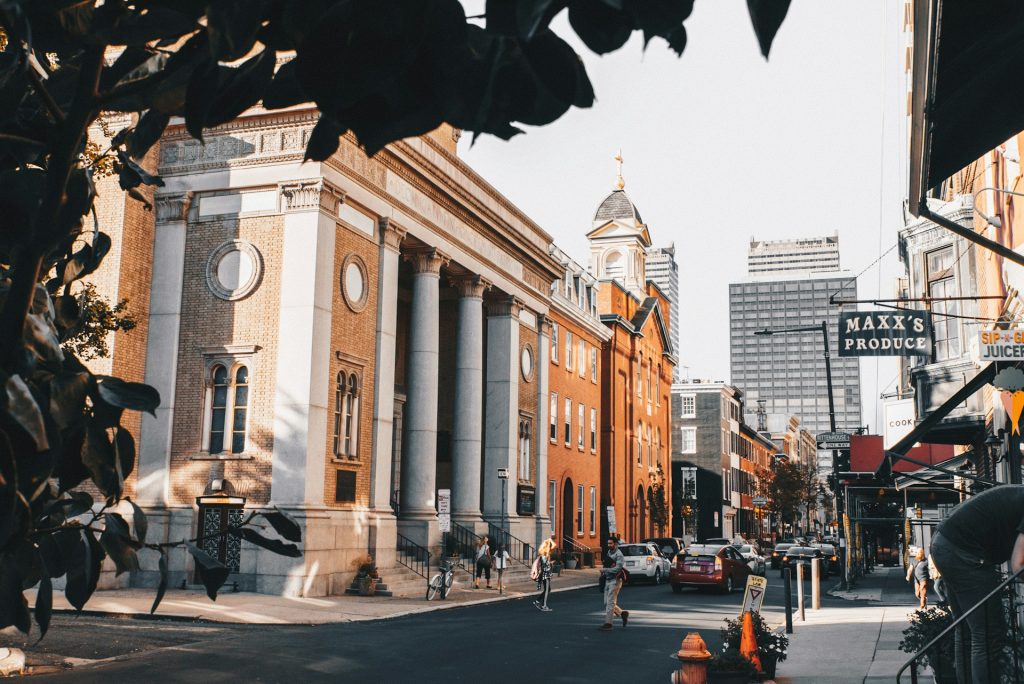
Financial planners and economic analysts identify the Pennsylvania state capital as a powerhouse for value-oriented retirement. The cost of living consistently tracks below the national average, allowing retirees to stretch fixed incomes further while enjoying the amenities of a capital city. Real estate experts note that the Susquehanna River provides a scenic backdrop for a robust park system, offering accessible recreation options like flat walking trails and riverfront gardening programs that appeal to active seniors.
Healthcare consultants emphasize the density of medical providers in the region, with major hospital systems competing to offer comprehensive care. This competition drives quality and accessibility, ensuring that appointments for specialists are readily available. Cultural historians value the proximity to major metropolitan hubs like Philadelphia and Washington D.C., allowing residents to enjoy world-class museums and theaters on day trips while returning to a quiet, affordable home base at night.
Ann Arbor In Michigan
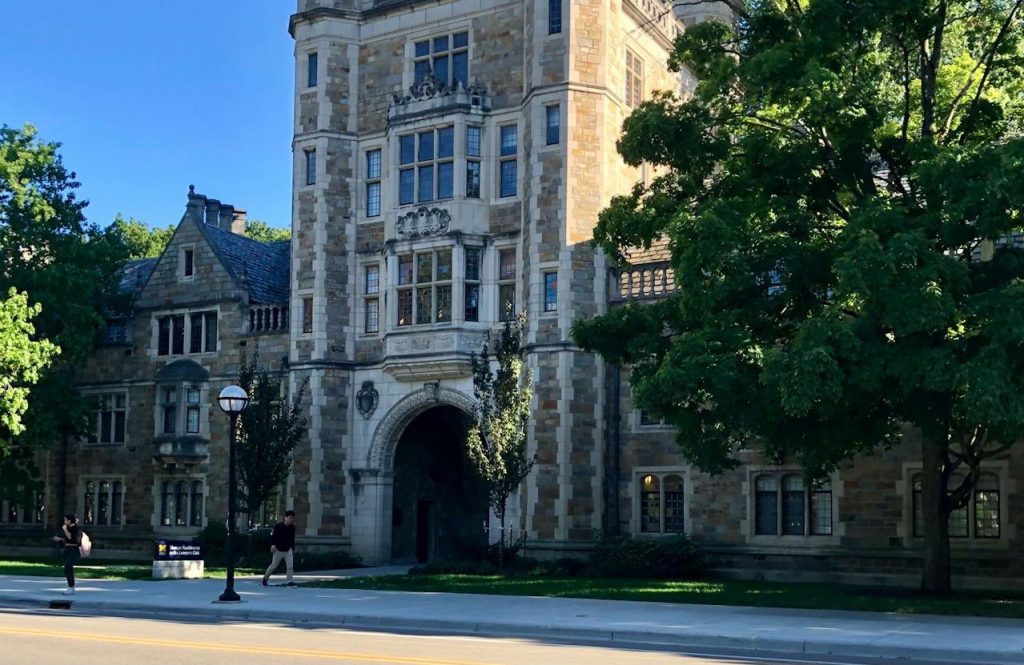
Geriatric neurologists and educational consultants champion Ann Arbor as the ideal environment for those seeking “cognitive retirement.” As home to the University of Michigan, the city offers the “Osher Lifelong Learning Institute” and endless audit opportunities for seniors, keeping minds sharp through continued education. Urban planners praise the city’s transit system and walkability, which allow older adults to navigate the vibrant downtown bookstore and café scene without relying on a personal vehicle.
Hospital administrators point to the massive University of Michigan Health system as a safety net that draws retirees from across the country. Having a world-renowned teaching hospital in the backyard provides peace of mind regarding complex medical needs. Lifestyle coaches note that the intergenerational atmosphere prevents the “ghettoization” of the elderly, integrating them into a youthful, energetic community that values civic participation and the arts.
Sarasota In Florida
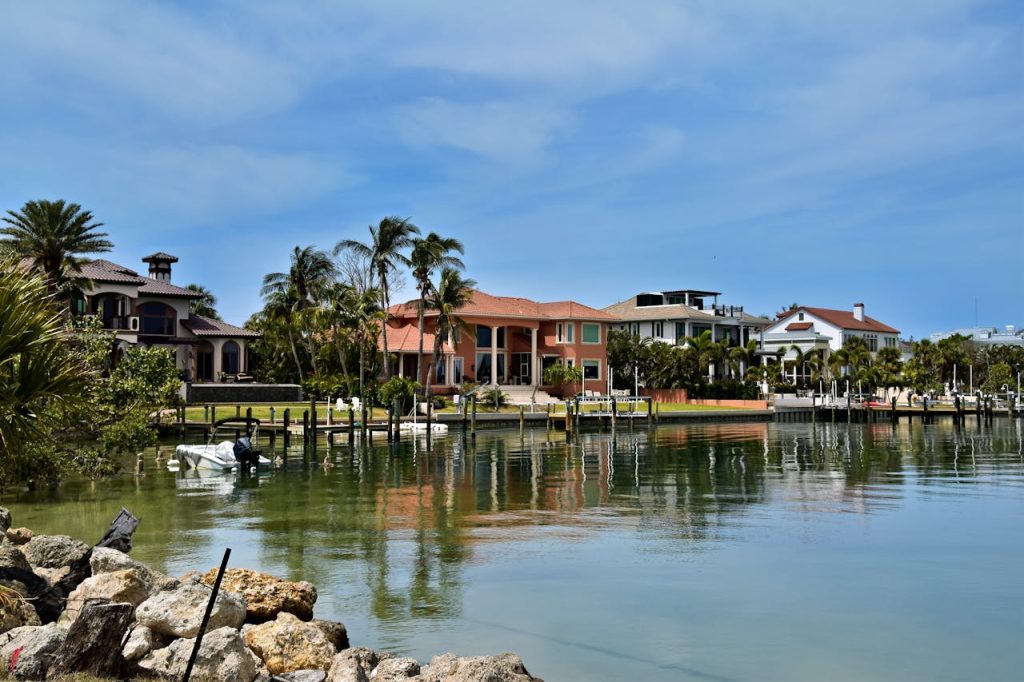
Arts administrators and cultural philanthropists distinguish Sarasota as the “Cultural Coast,” appealing to retirees who prioritize the theater, opera, and ballet over pure leisure. The city boasts a density of arts venues that rivals much larger cities, providing a daily schedule rich in intellectual and aesthetic stimulation. Real estate agents report that this cultural vibrancy attracts a demographic of retired professionals who remain active in board memberships and volunteer organizations.
Environmental scientists and park rangers highlight the accessibility of the region’s barrier islands and beaches, which offer low-impact exercise opportunities crucial for joint health. The Sarasota Memorial Health Care System is frequently rated among the best in the state, a factor that health policy experts say is non-negotiable for the current wave of retirees. The climate allows for year-round outdoor dining and socialization, reinforcing the social bonds that are critical for mental health.
Myrtle Beach In South Carolina

Tax strategists and budget-conscious financial advisors recommend Myrtle Beach for its favorable tax environment, including exemptions on Social Security benefits. This fiscal advantage allows retirees to maintain a higher standard of living, often upgrading to oceanfront properties that would be out of reach elsewhere. Tourism officials note that the “shoulder seasons” offer locals a quiet, temperate coastal lifestyle with all the amenities of a major resort town but without the crushing summer crowds.
Recreation directors emphasize the sheer volume of golf courses and leisure centers available, creating a built-in social network for newcomers. The relatively flat topography is ideal for seniors with mobility challenges, making daily exercise less strenuous. Healthcare infrastructure has expanded significantly to meet the needs of the growing retiree population, with new outpatient centers and specialist offices reducing the need to travel to Charleston for routine care.
Scottsdale In Arizona
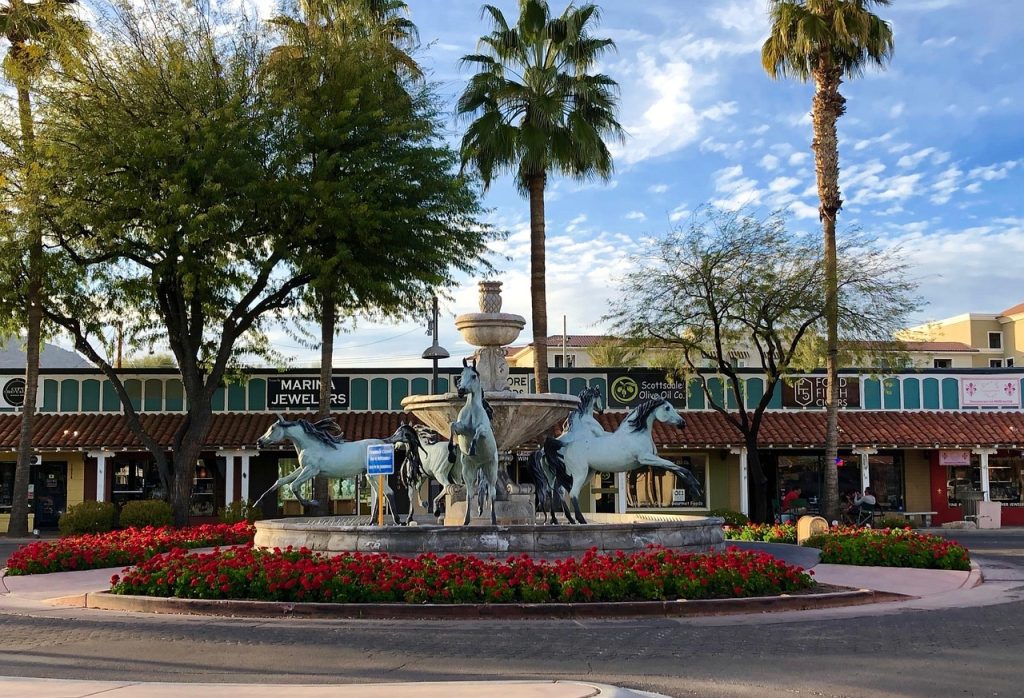
Wellness consultants and spa directors view Scottsdale as a premier destination for holistic aging. The dry desert climate is often recommended by rheumatologists for alleviating arthritis symptoms, allowing residents to maintain an active regimen of hiking and swimming. Urban designers applaud the layout of Old Town Scottsdale and the extensive greenbelt system, which provide safe, aesthetically pleasing environments for walking and cycling away from traffic.
Real estate luxury market analysts note that the housing stock is designed with “aging in place” in mind, featuring single-story layouts and low-maintenance landscaping. The proximity to the Mayo Clinic’s Arizona campus is a major draw, offering access to some of the world’s best medical diagnostics and treatment. Socially, the city offers a sophisticated dining and gallery scene that appeals to retirees accustomed to a cosmopolitan lifestyle.
Winston-Salem In North Carolina
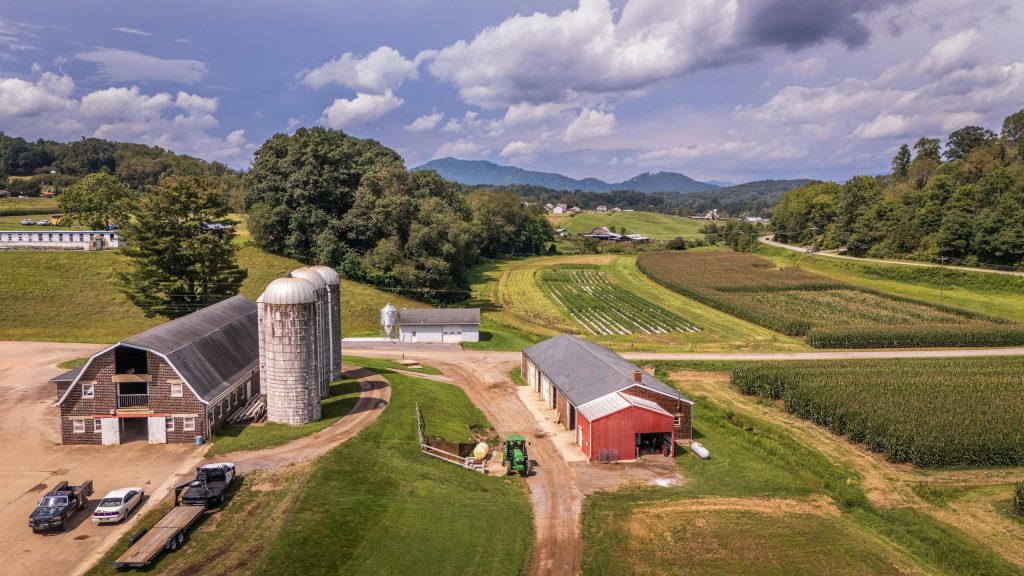
Historical preservationists and medical researchers identify Winston-Salem as a rising star for 2026, offering a temperate climate without the extreme heat of Florida or the deep freeze of the north. The city’s “Innovation Quarter” has attracted top-tier medical talent to Wake Forest Baptist Health, creating a hub of healthcare excellence. Economic development officers highlight the affordable housing market, where historic bungalows and modern condos remain attainable for middle-income retirees.
Community organizers point to the strong tradition of arts and innovation, with the oldest arts council in the country fostering a creative environment. The size of the city is described by urban planners as manageable, offering big-city amenities like a symphony and film festival without the gridlock traffic. This balance allows for a stress-free daily routine where grocery runs, doctor visits, and social outings can all be accomplished with minimal travel time.
Green Bay In Wisconsin
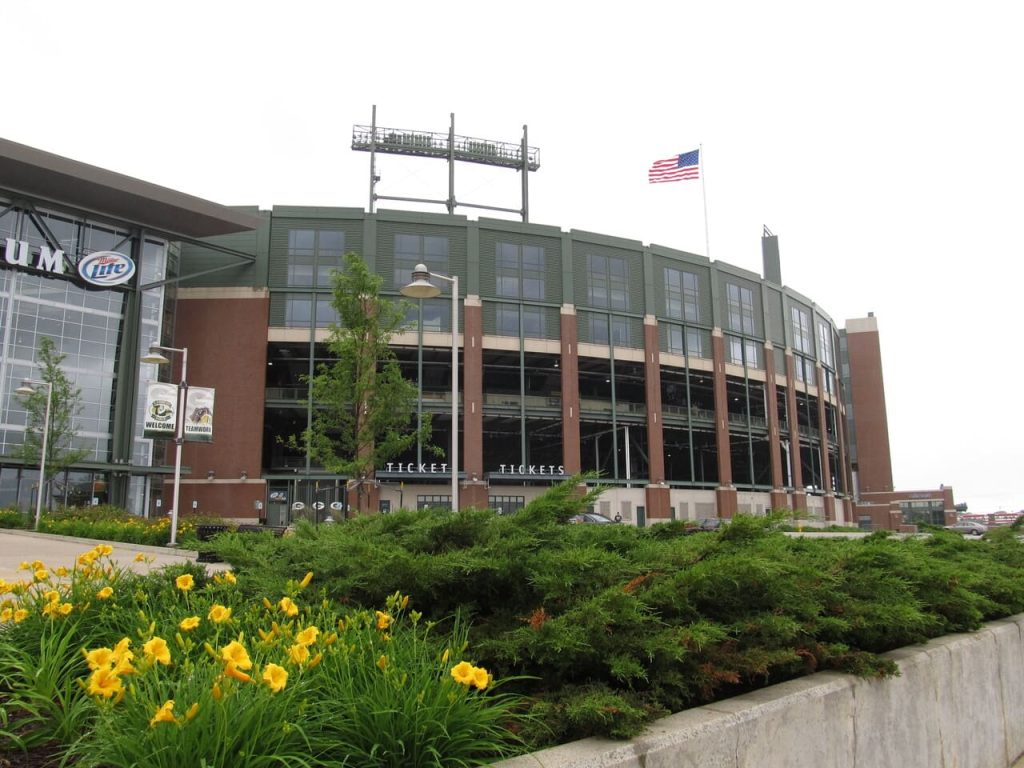
Safety analysts and sociologists consistently rank Green Bay as one of the safest and most community-oriented cities for seniors. The low crime rates and high levels of social trust create an environment where neighbors look out for one another, a crucial safety net for aging adults. Financial experts note that the cost of living is significantly lower than the national average, freeing up resources for travel and leisure.
Public health officials praise the city’s focus on active living, with a well-maintained system of trails and parks that are utilized year-round, even in winter. The robust healthcare network, anchored by Bellin Health and Prevea Health, ensures high-quality care is locally available. Cultural anthropologists observe that the intense community spirit, famously centered around the local NFL team, provides an immediate sense of belonging and shared identity that combats feelings of isolation.
Fort Wayne In Indiana
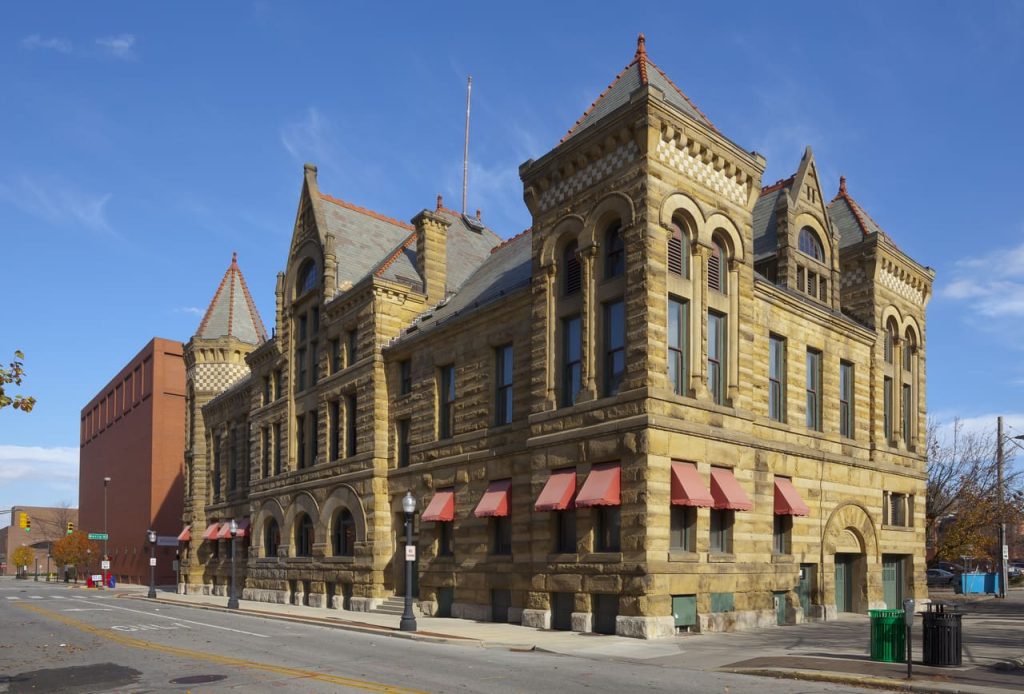
Budget analysts and AARP representatives highlight Fort Wayne as a hidden gem where the dollar goes further than almost anywhere else in the region. The low housing costs allow retirees to purchase high-quality homes with little to no mortgage, securing their financial future. City planners have invested heavily in the riverfront and downtown areas, creating accessible public spaces that host farmers markets and concerts tailored to all age groups.
Gerontologists note that the city ranks highly for “aging readiness,” with a strong network of senior services and transportation options. The Parkview Health system is a regional leader, providing specialized care that rivals larger metropolitan areas. For retirees who value family connections, the central location in the Midwest makes it an easy gathering point, while the friendly, slower-paced local culture reduces the daily friction often found in coastal cities.