10 U.S. Destinations Where Travel Rules Changed The Visitor Experience

Travel industry analysts and destination management organizations report a significant shift in American tourism toward a model of managed access and regulation. Following years of unchecked overcrowding that strained infrastructure and threatened natural resources, municipal and federal agencies have implemented strict new governance frameworks. These experts emphasize that the era of spontaneous, unrestricted travel to the most popular sites has largely ended, replaced by a landscape defined by advance reservations, lotteries, and enforcement ordinances designed to protect both the destination and the quality of the visitor experience.
Park rangers and urban planners note that these regulatory changes are not temporary crisis measures but permanent adaptations to modern tourism volumes. By controlling the flow of people through timed entry systems, short-term rental bans, and permit requirements, authorities aim to mitigate environmental degradation and community disruption. Understanding these evolving rules is now the primary logistical challenge for travelers, as failure to navigate the bureaucratic layer often results in denied access to the country’s most iconic locations.
New York City In New York
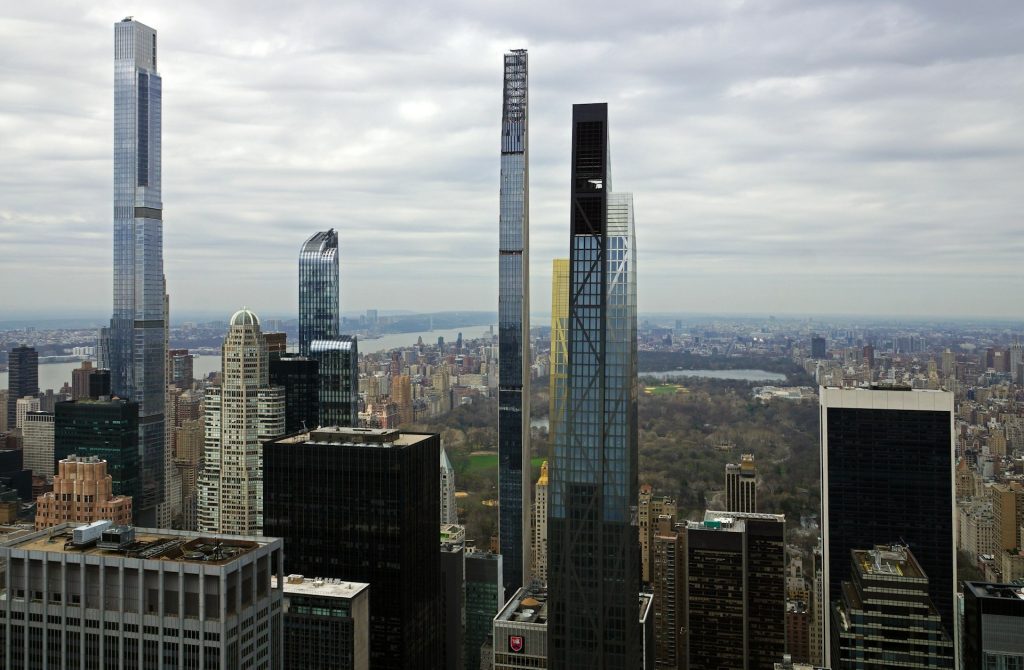
Housing market analysts and city officials point to the implementation of Local Law 18 as a watershed moment for the hospitality landscape in Manhattan and the surrounding boroughs. The strict enforcement of short-term rental regulations has effectively dismantled the Airbnb market for stays under thirty days unless the host is present. Real estate experts note that this move was designed to alleviate the housing crisis for residents but has simultaneously forced visitors back into the traditional hotel sector, fundamentally altering budget planning and accommodation availability.
Hospitality consultants observe that the reduction in rental inventory has driven up hotel occupancy rates and prices, reshaping the demographics of who can afford a visit to the city. Travelers seeking the residential feel of an apartment stay must now navigate a much smaller, legally compliant market or commit to month-long leases. The crackdown emphasizes the priority of neighborhood stability over transient tourism, changing the way visitors integrate into local communities.
Arches National Park In Utah
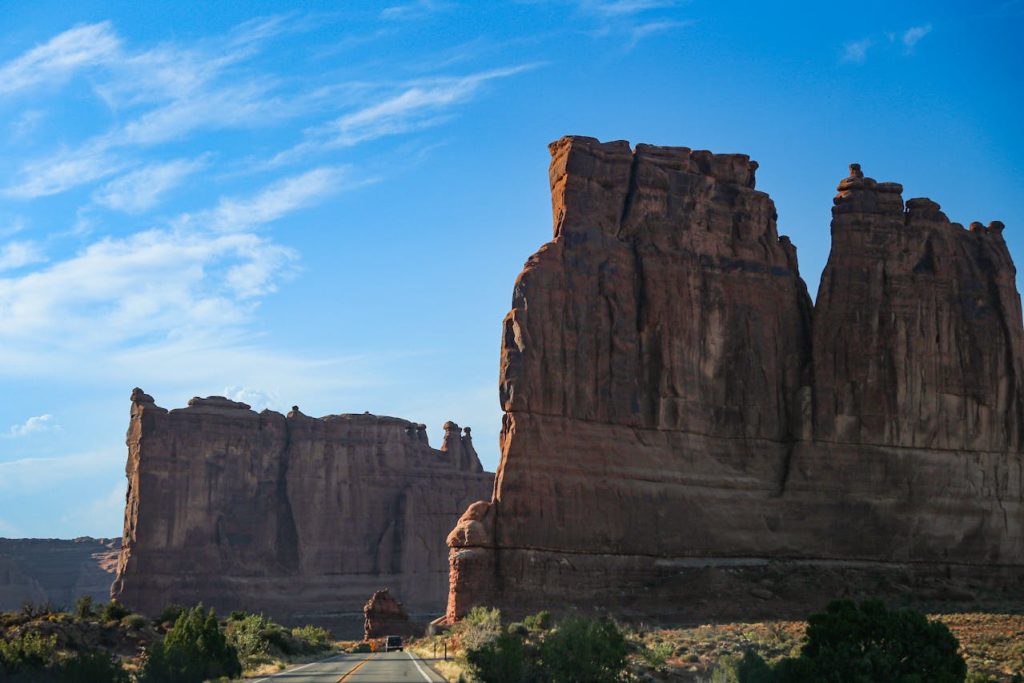
National Park Service resource managers identified Arches as a primary example of how vehicle congestion can paralyze a natural attraction. In response to lines that stretched for miles and forced highway closures, park officials instituted a timed entry pilot program that has become a defining feature of the visit. Traffic engineers explain that the reservation system spreads visitation out across the day, preventing the gridlock that previously damaged the fragile desert soil and diminished the visitor experience.
Rangers emphasize that spontaneity is no longer a viable strategy for seeing Delicate Arch or the Windows Section during peak season. Prospective visitors must secure entry slots months in advance or gamble on the limited number released the day prior. This structured approach ensures that those who do enter find parking spaces and quieter trails, trading planning flexibility for a guaranteed reduction in crowding.
Zion National Park In Utah
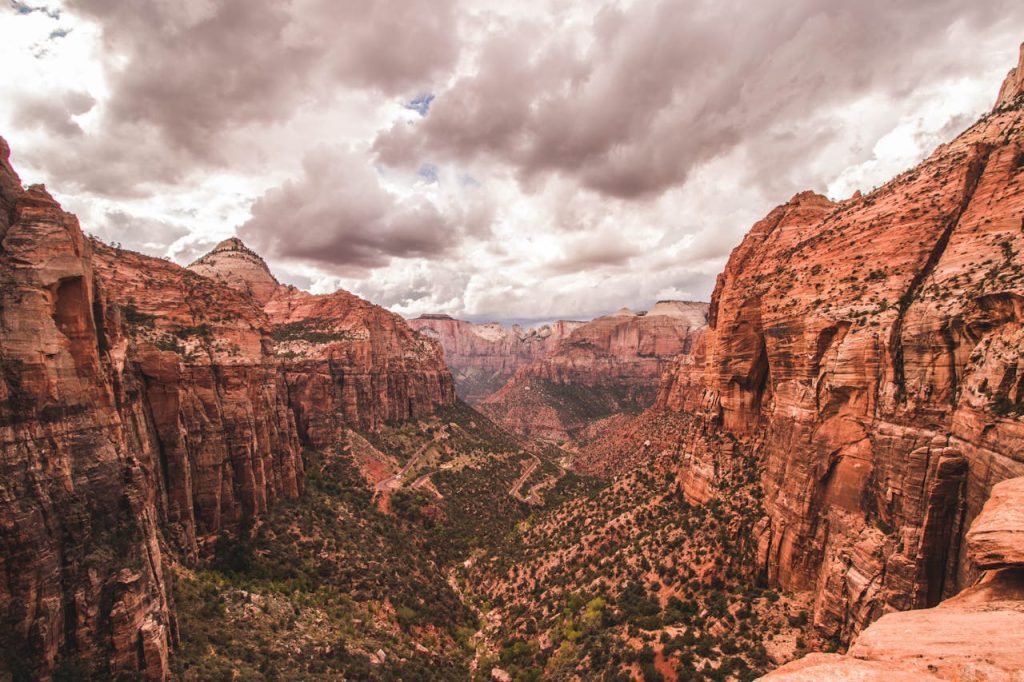
Safety experts and park superintendents introduced a lottery system for the Angels Landing hike to address critical overcrowding on the perilous chain-assisted section. Risk management assessments revealed that the sheer volume of hikers on the narrow ridge created dangerous bottlenecks where movement was impossible. By capping the number of daily hikers through a permit system, officials have reduced the physical risk and restored a sense of wilderness to one of the most famous trails in the country.
Wilderness rangers note that the permit requirement is strictly enforced at the Grotto trailhead, turning away hundreds of unprepared hikers daily. The system separates the casual sightseer from the committed planner, ensuring that those on the spine of the ridge can move safely without being jostled by crowds. This regulatory hurdle has transformed the hike from a chaotic conga line into a regulated adventure requiring foresight and luck.
Maui In Hawaii

Hawaii Tourism Authority officials and local community leaders have reshaped the visitor narrative on Maui following the devastating wildfires in Lahaina. New guidelines emphasize respectful travel and strictly enforce off-limits zones to protect recovering neighborhoods from disaster tourism. Cultural practitioners stress that the “Malama Maui” ethos is now a requirement rather than a suggestion, asking visitors to engage in volunteerism and avoid sensitive areas out of respect for local grief and reconstruction efforts.
State land management agents have also cracked down on illegal parking along the Hana Highway, issuing steep fines to travelers who block traffic for photographs. The shift focuses on reducing the impact of rental cars on local residents who rely on the road for daily commuting. Visitors encounter a travel environment where ethical considerations and strict adherence to traffic laws dictate the pace and feasibility of the island experience.
Miami Beach In Florida
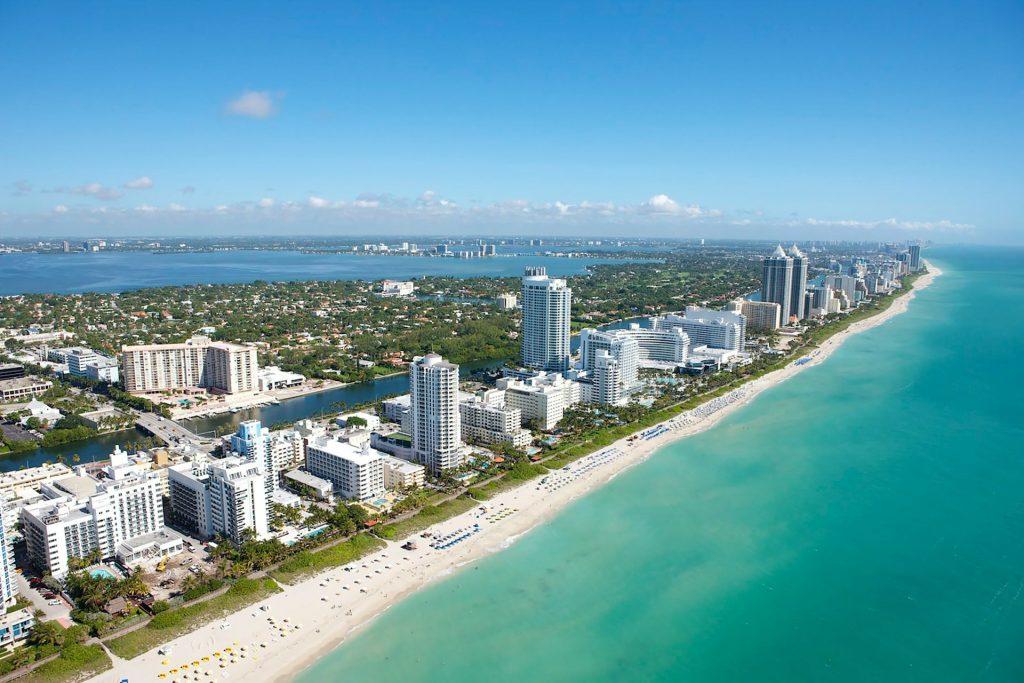
Public safety commissioners and city managers have instituted aggressive measures to dismantle the chaotic spring break culture that historically overwhelmed South Beach. Law enforcement officials now utilize license plate readers, DUI checkpoints, and curfew orders to control the influx of crowds during March. Urban policy experts explain that these heavy-handed tactics are designed to rebrand the destination and deter the rowdy behavior that previously led to violent incidents and property damage.
Business owners in the entertainment district operate under stricter guidelines regarding alcohol sales and outdoor seating during high-impact periods. The atmosphere has shifted from an unregulated party zone to a highly policed environment where visitor movement is monitored and restricted. Travelers expecting the permissive atmosphere of the past now face a regimented city center focused on maintaining order and resident safety.
Glacier National Park In Montana
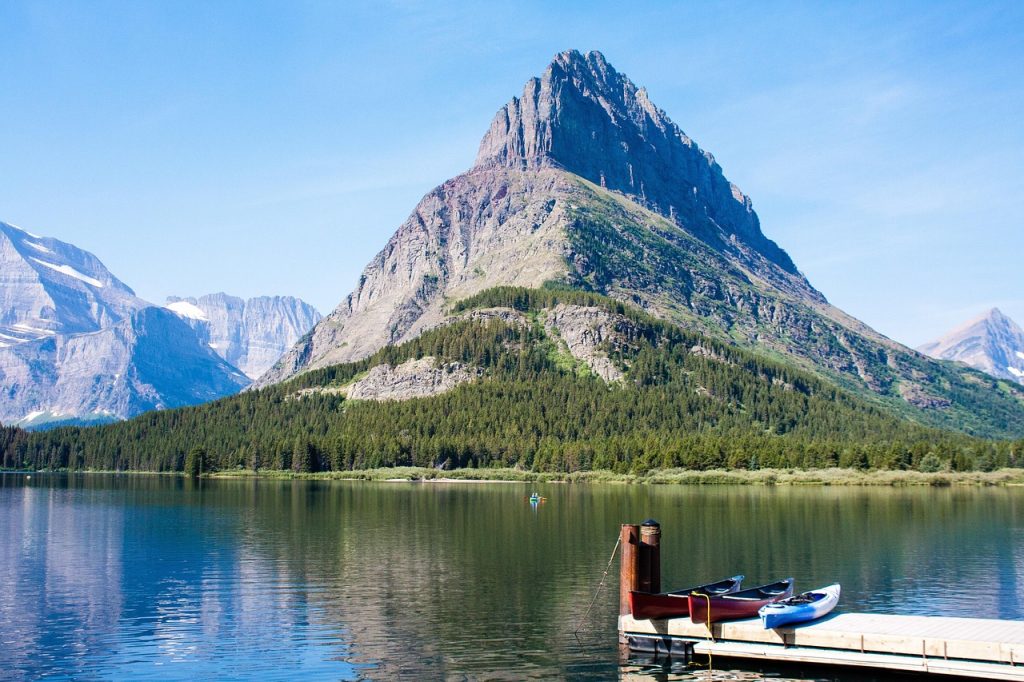
Transportation planners and park administrators implemented a vehicle reservation system for the Going-to-the-Sun Road to manage the overwhelming demand during the short alpine summer. Conservation biologists note that the volume of cars was causing severe damage to the roadside vegetation and creating wildlife conflicts. The reservation requirement limits the number of vehicles entering the corridor, forcing visitors to utilize the park shuttle system or plan their entry times with precision.
Local tourism boards advise that accessing the alpine sections of the park now requires securing a pass months in advance or arriving before dawn. The system effectively meters the flow of tourism, preventing the gridlock that once trapped visitors in their cars for hours. This logistical barrier protects the alpine ecosystem while ensuring that those with reservations can actually experience the scenic drive as intended.
Acadia National Park In Maine

Traffic safety engineers and NPS officials targeted the summit of Cadillac Mountain for a specific vehicle reservation mandate due to dangerous congestion during sunrise and sunset. The narrow road leading to the highest point on the North Atlantic seaboard previously saw gridlock that prevented emergency vehicle access. Park managers explain that the reservation system creates a predictable flow of traffic and ensures that every car has a legal parking space at the summit.
Environmental monitors observe that the reduction in illegal parking has allowed roadside vegetation to recover from years of trampling. Visitors hoping to catch the first sunrise in the United States must now compete for a limited number of vehicle slots. This rule change prioritizes safety and resource protection over the freedom to drive up the mountain at will.
Rocky Mountain National Park In Colorado
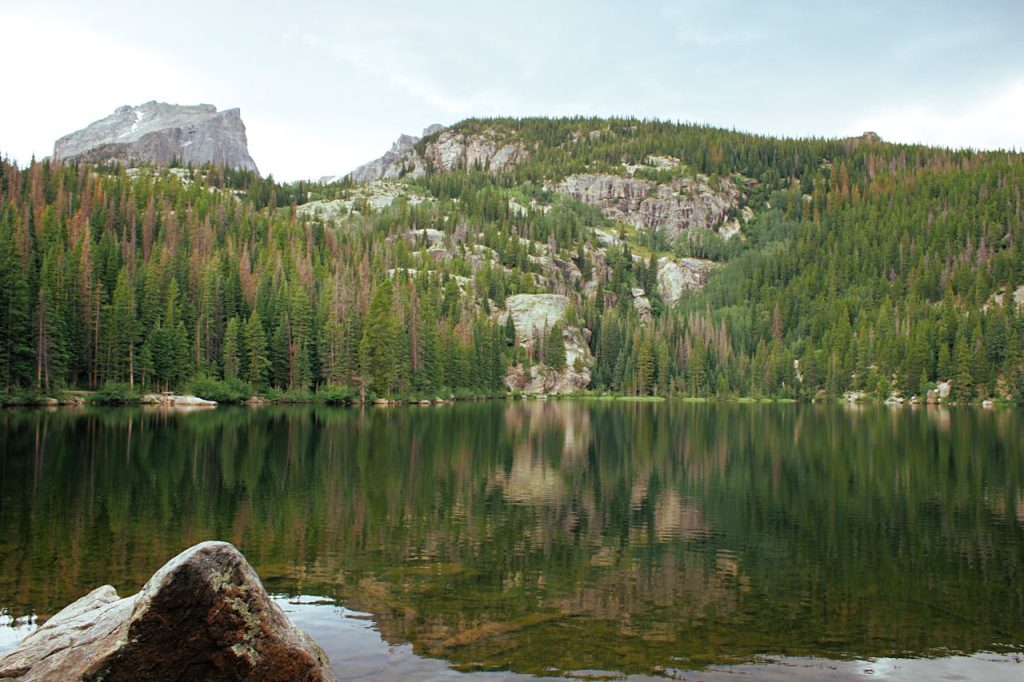
Park superintendents devised a split timed entry system to manage the distinct traffic patterns affecting the Bear Lake Corridor versus the rest of the park. Resource protection specialists highlight that the concentration of hikers in the Bear Lake area was unsustainable, leading to trail erosion and human waste issues. The permit system segments visitors, directing flow away from the most impacted areas and distributing impact more evenly across the landscape.
Rangers emphasize that this tiered access model forces visitors to decide on their itinerary well before arrival. Those without the specific Bear Lake permit are legally barred from accessing the most popular trailheads during peak hours. The regulation enforces a dispersion strategy that mitigates the ecological footprint of millions of annual visitors while maintaining a functioning transportation network.
Boundary Waters Canoe Area Wilderness In Minnesota
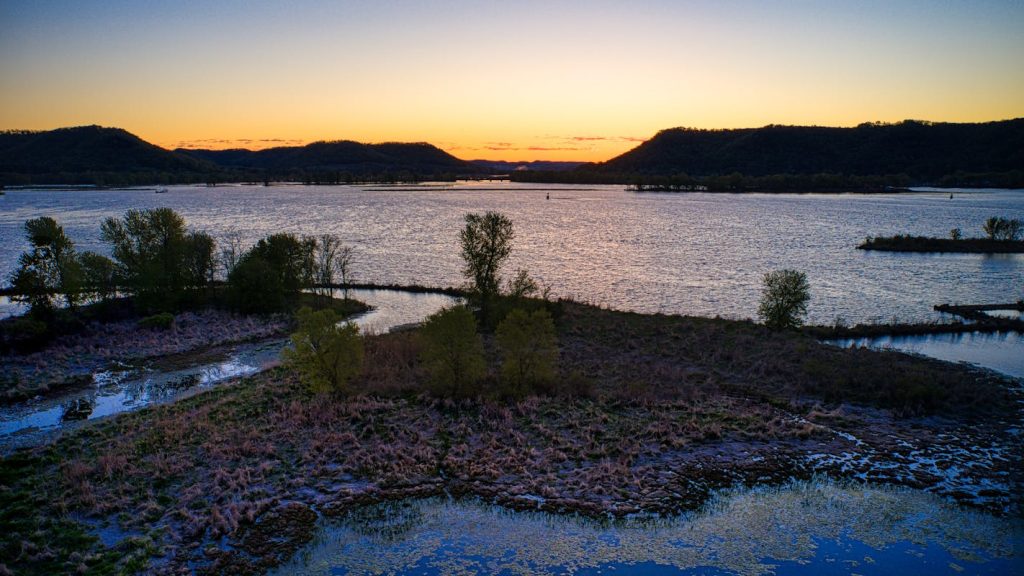
United States Forest Service officials reduced the number of entry permits for the Boundary Waters to combat physical degradation of campsites and portages. Wilderness managers cite a spike in resource damage, including tree cutting and littering, as the driving force behind the decision to limit access. By cutting the availability of quota permits, the agency aims to preserve the solitude and physical integrity of the federally designated wilderness.
Outfitters and guides report that the increased competition for permits has made trip planning a high-stakes process. Prospective paddlers must enter the lottery in January or face the likelihood of being locked out of the wilderness entirely. This contraction of access underscores the federal commitment to preserving wilderness character even at the cost of excluding a portion of the public.
Columbia River Gorge In Oregon
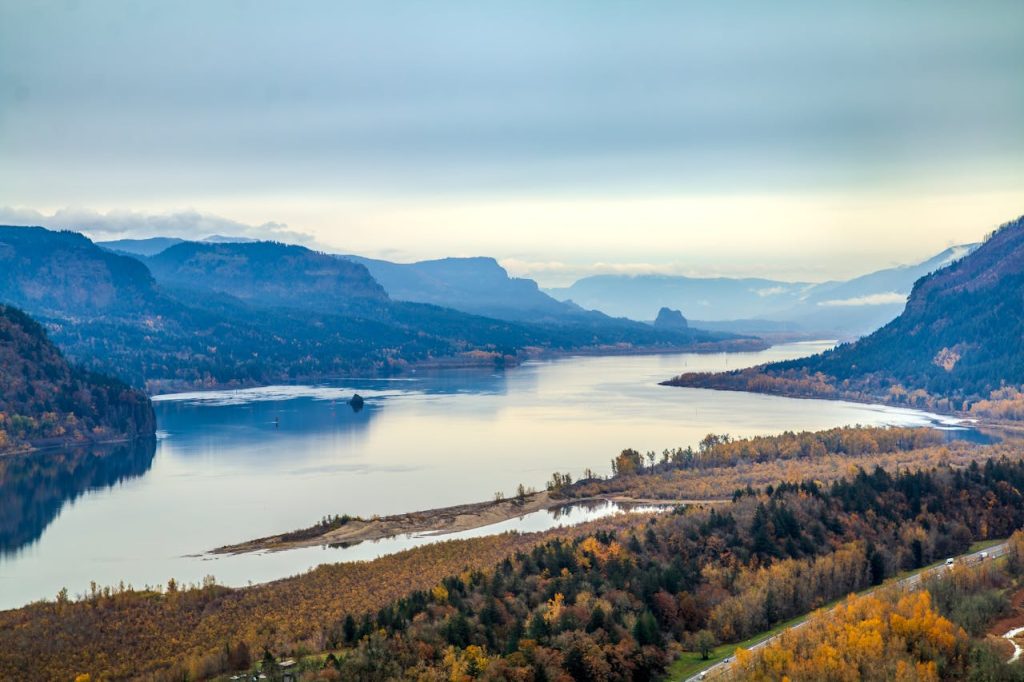
Oregon Department of Transportation analysts and Forest Service recreation managers launched a timed use permit for the Waterfall Corridor to address hazardous highway conditions. The Historic Columbia River Highway, originally designed for Model T Fords, was frequently blocked by modern traffic jams near Multnomah Falls. Safety officials note that the permit system eliminates the dangerous queuing of cars on Interstate 84 and allows for emergency response access.
Tourism partners explain that visitors wishing to see the iconic waterfalls must now book a slot or arrive via shuttle. The regulation removes the ability to simply pull over and view the sites on a whim. This management strategy prioritizes the functionality of the regional transportation network and the safety of pedestrians over the convenience of the casual road tripper.