10 U.S. Frontier Towns Where Ghost Stories Turn Real Scary
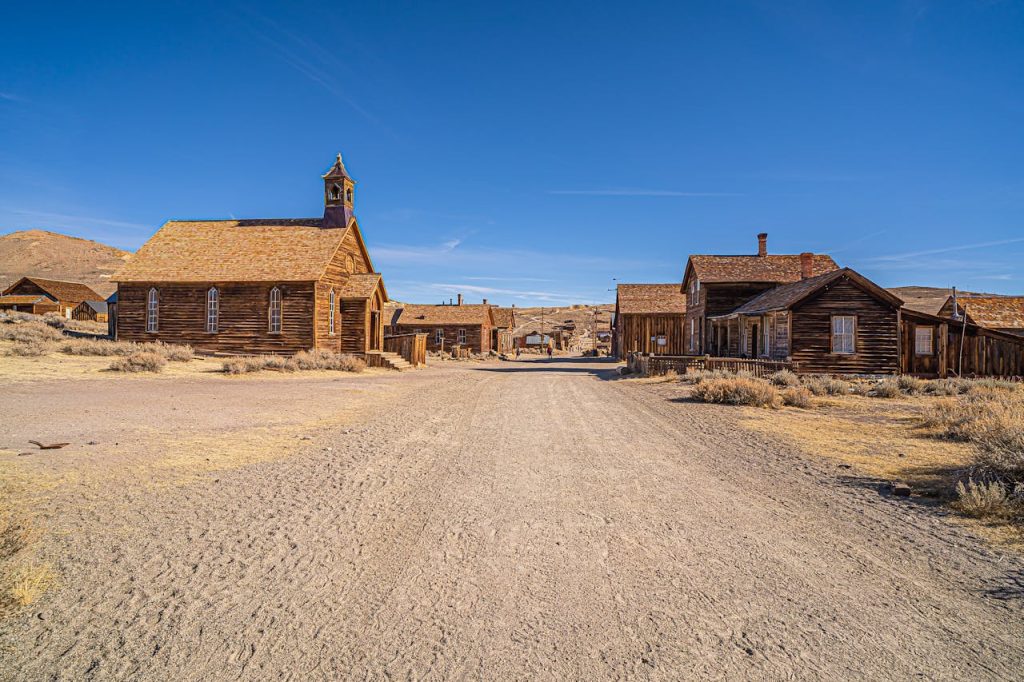
Frontier towns keep history close, not behind glass. Boardwalks still creak, hotel keys still jingle, and old stages still wait in the dark, so the mood feels earned instead of performed.
Ghost stories here rarely float free of facts. They cling to real buildings, real boom years, and the quiet gaps that arrive after sundown, when a hallway settles and the mind does the rest.
These towns are not about jump scares. They are about atmosphere that lingers, built from weathered wood, hard luck, and communities that remember names long after the crowds moved on, even when the street is empty, and the only sound is wind through signs.
Tombstone, Arizona
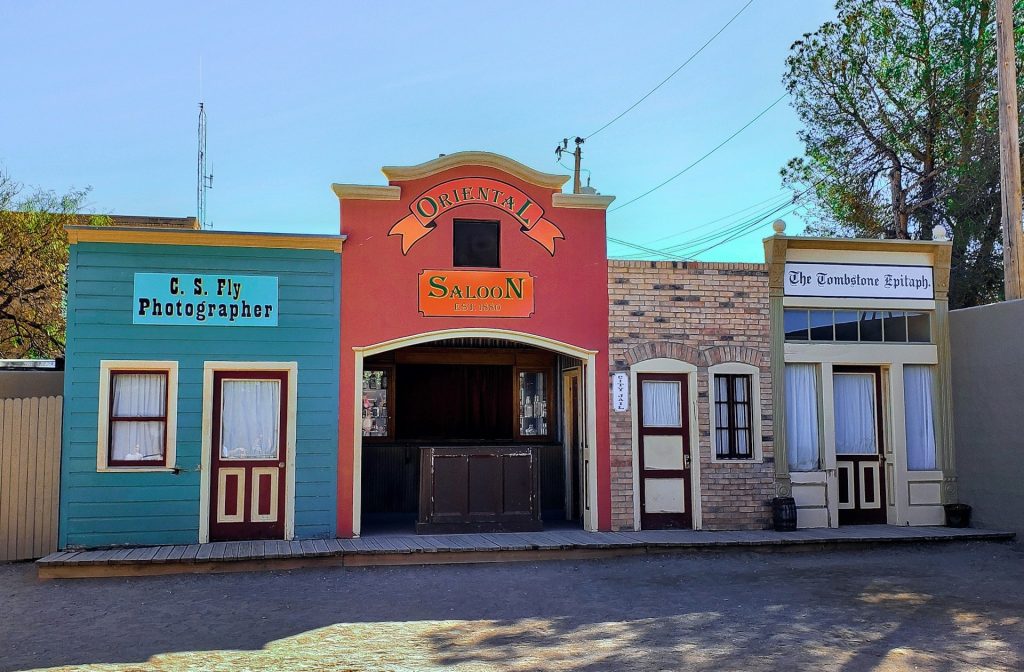
At Tombstone, the Bird Cage Theatre sits like a time capsule, famous for its 1881 opening and the way it still feels busy even when it is empty. The building’s rough edges are the point: narrow viewing boxes, dim corners, and worn boards that keep the past close, plus old signage that refuses to look modern.
Ghost stories land here because the space is tight and quiet. A latch click or a floorboard shift can sound intentional, then the mind starts connecting dots. Local tours tend to anchor everything in town history first, and that grounding makes the hush feel heavier as Allen Street settles down and the air cools late.
Deadwood, South Dakota
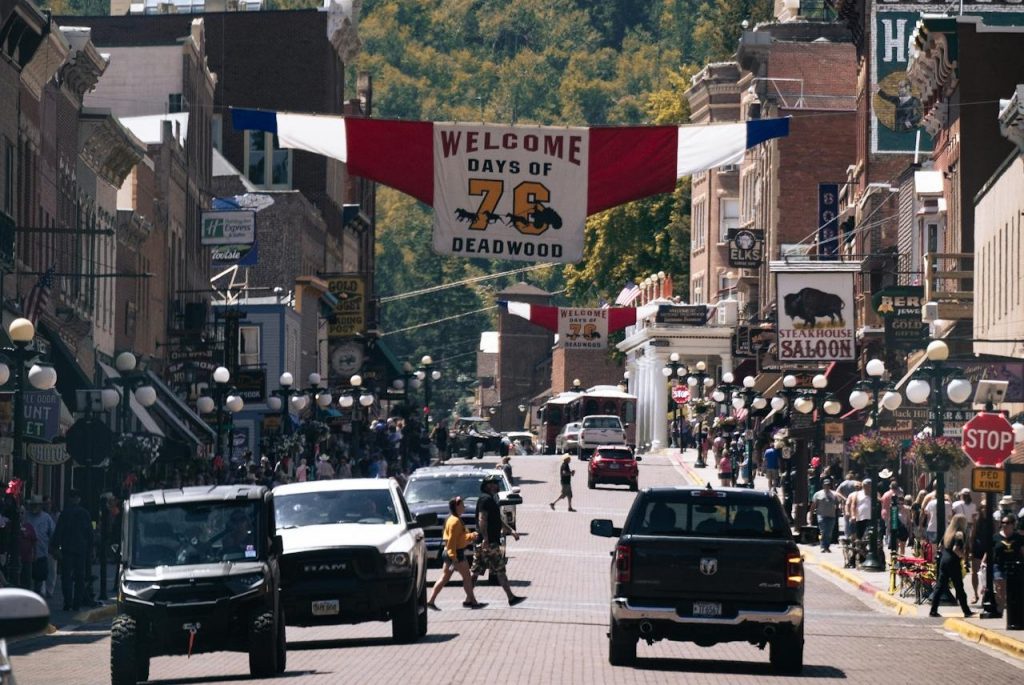
Deadwood’s ghost talk often circles the Bullock Hotel, built in the mid-1890s after a major town fire and linked to Seth Bullock and Sol Star, names locals still treat as real chapters, not mascots. Heavy woodwork, old photographs, and narrow hallways make the place feel like it remembers every bootstep that ever crossed the carpet.
The stories usually describe a presence that is watchful, not dramatic, which fits a building that never stops hosting people. That tone is why a quiet elevator ride can feel strangely personal, as if the hotel is listening. In Deadwood, history is close enough that imagination does not have to stretch far.
Virginia City, Nevada
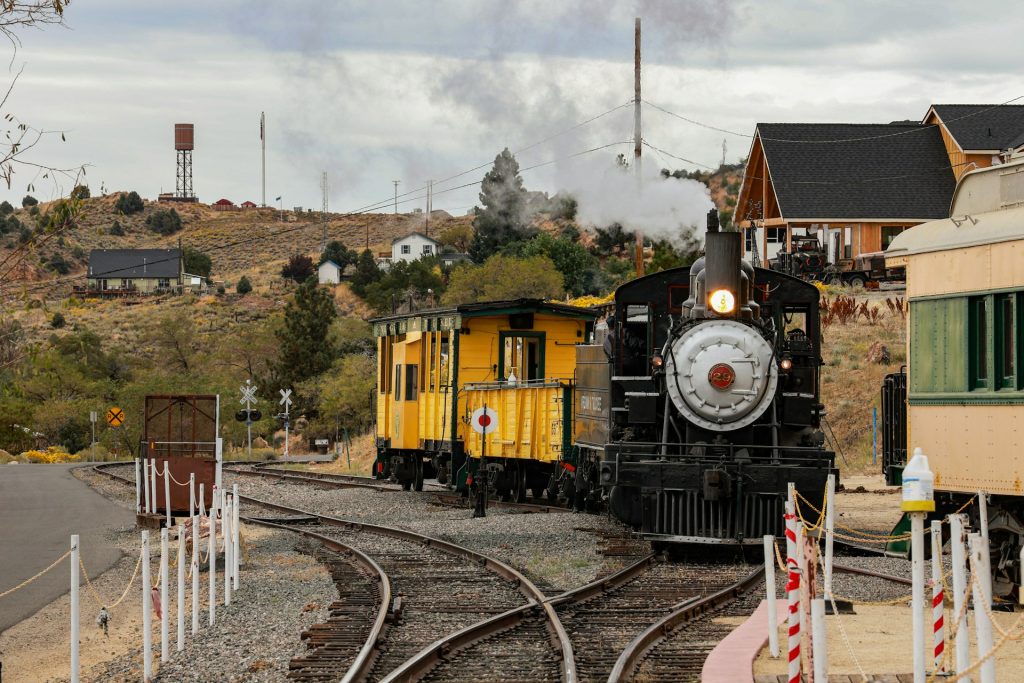
Virginia City feels like a boomtown that kept its silhouette. The boardwalks, saloons, and steep streets carry the memory of hard work and quick money from the Comstock era, plus the kind of rebuilding that followed the Great Fire of 1875. At dusk, the spacing between streetlights makes ordinary quiet feel staged.
Haunted tours here often lean on old social clubs and saloon buildings, where stairs creak and floorboards echo for no obvious reason. The appeal is how little needs to happen: a door settling, a sound behind the group, a sudden hush mid-sentence. The town’s best scares come from atmosphere, not props, and the dark does the rest.
Bisbee, Arizona
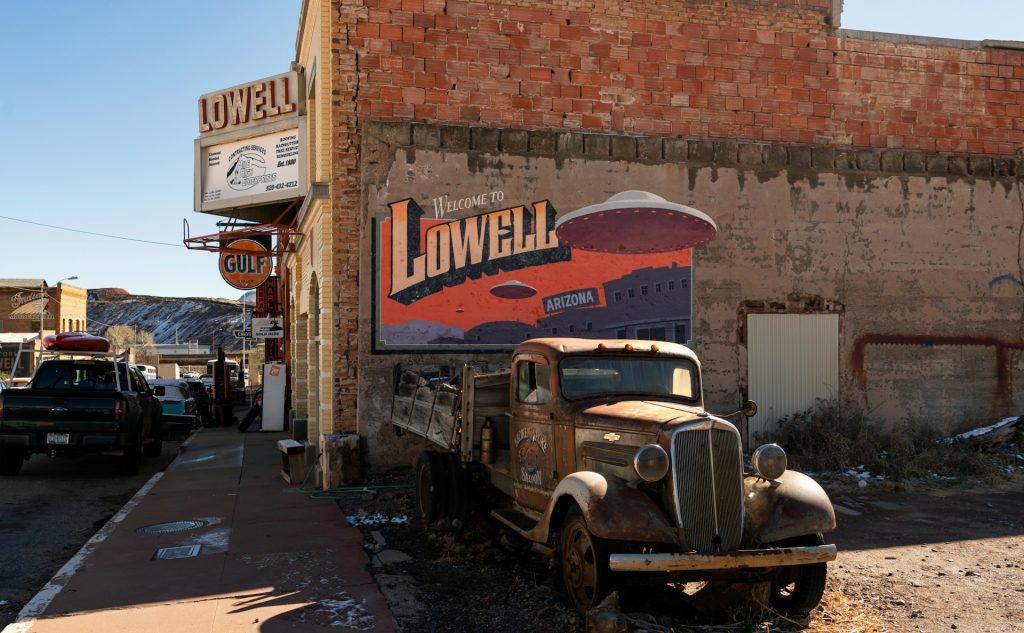
Bisbee’s steep streets and mining stairways funnel visitors toward the Copper Queen Hotel, a landmark tied to the late-nineteenth-century copper boom. The lobby feels polished by time rather than renovation, with old wood, creaky corners, and a sense that the building still runs on its own schedule.
Ghost stories here feel intimate because the hotel is still doing normal hotel things: checking people in, closing doors, and settling into quiet after dinner. When the hallway goes still or a room feels oddly occupied, it lands harder because nothing is staged. Bisbee’s chill is the way everyday life keeps brushing against old-town memory.
Jerome, Arizona
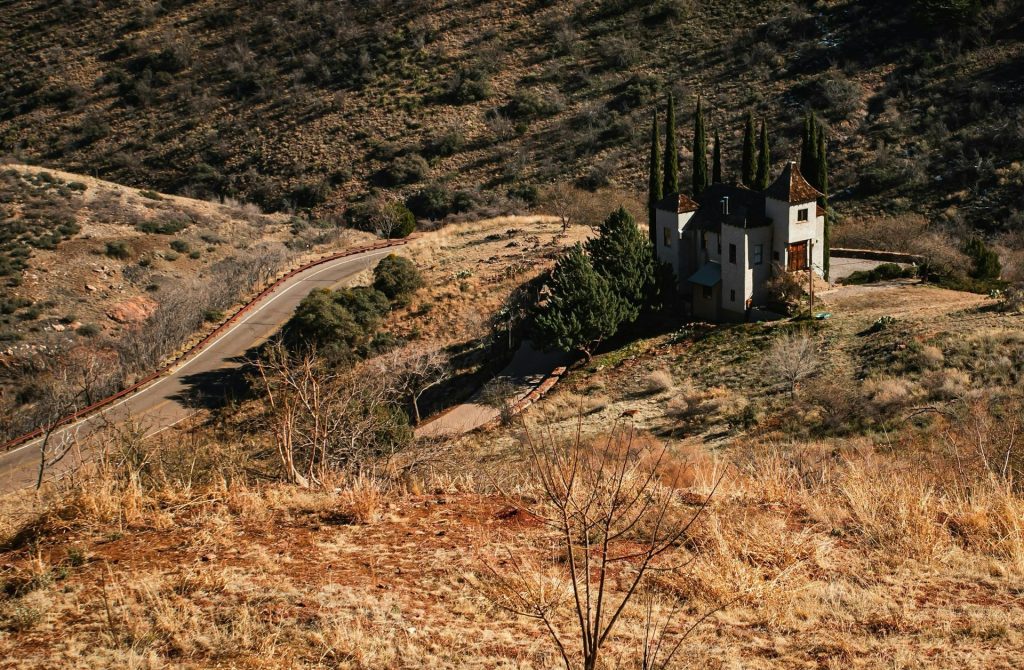
Jerome clings to a hillside, and the town’s stacked streets make nighttime feel close and quiet at the same time. Old brick, narrow stairs, and steep edges keep the senses alert. The Jerome Grand Hotel adds a grounded backstory: the building began as the United Verde Hospital in the 1920s, so its long corridors were made for function, not charm.
That origin shapes the mood after dark. Wind hits the walls, doors settle with slow patience, and the elevator ride can feel oddly long. Local ghost walks keep stories tied to landmarks instead of pure rumor, which helps the unease feel earned. Jerome’s chills come from realism, not spectacle.
Silverton, Colorado
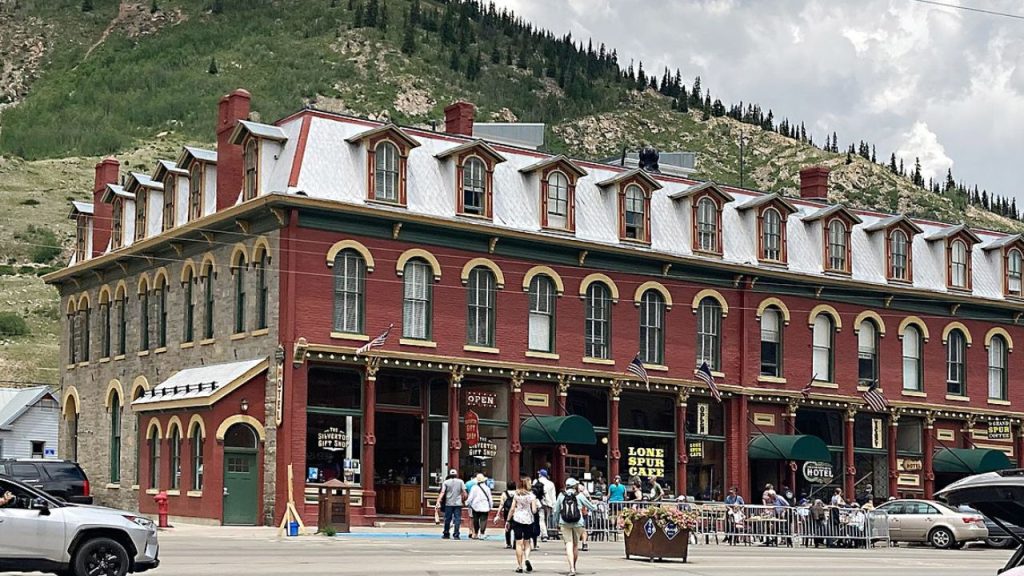
Silverton sits high in the San Juan Mountains, where thin air and early darkness make streets quiet fast. The town grew around mining and rail, so its historic core is dense, wooden, and a little echo-prone. When the temperature drops, old buildings shift and groan in ways that sound personal.
Local ghost lore tends to gather around older hotels and saloons on Greene Street, places with long hallways and steep stairs. The stories work because they are small: a door that settles at the wrong moment, a footstep in an empty corridor, a sudden feeling of company. In Silverton, the chill often starts with the mountain quiet, not a dramatic event.
Leadville, Colorado
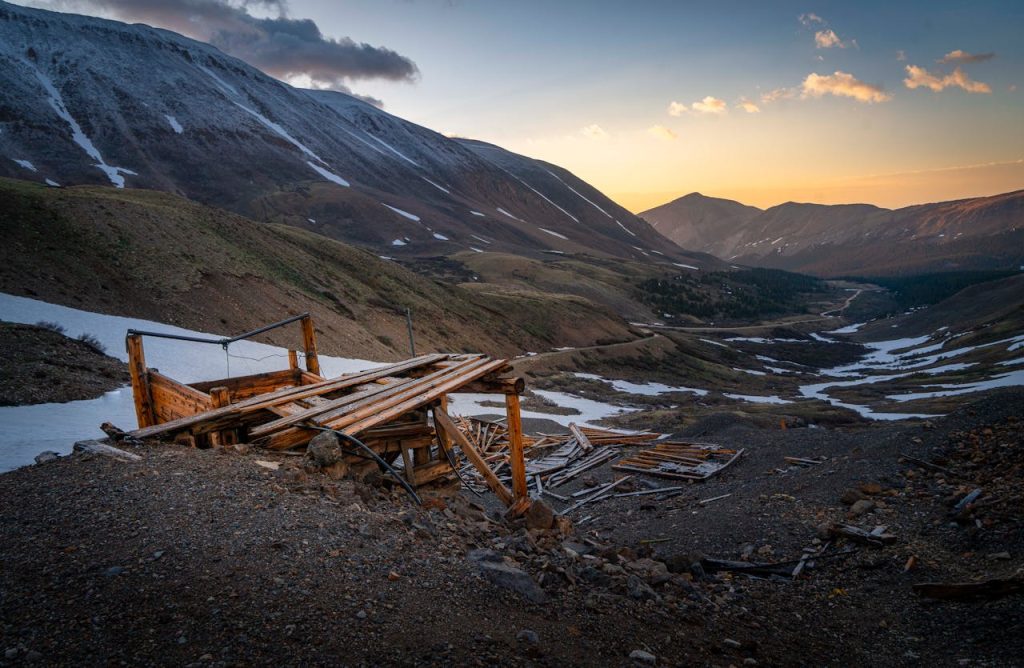
Leadville’s altitude sharpens nighttime quiet, and the town’s old rooms can feel too big for their echoes. The Tabor Opera House anchors that mood, built in 1879 during the silver boom to prove a mining town could also host art. Its balconies, paint, and backstage passages still feel like a promise made long ago.
Ghost stories here lean on subtlety, which fits a theater built for listening. A settling board, a sound behind the curtain, or a sense of company in the upper gallery becomes enough. Locals treat the tales as tradition and as respect for everyone who once filled the seats, and that restraint keeps the atmosphere believable.
Bodie, California
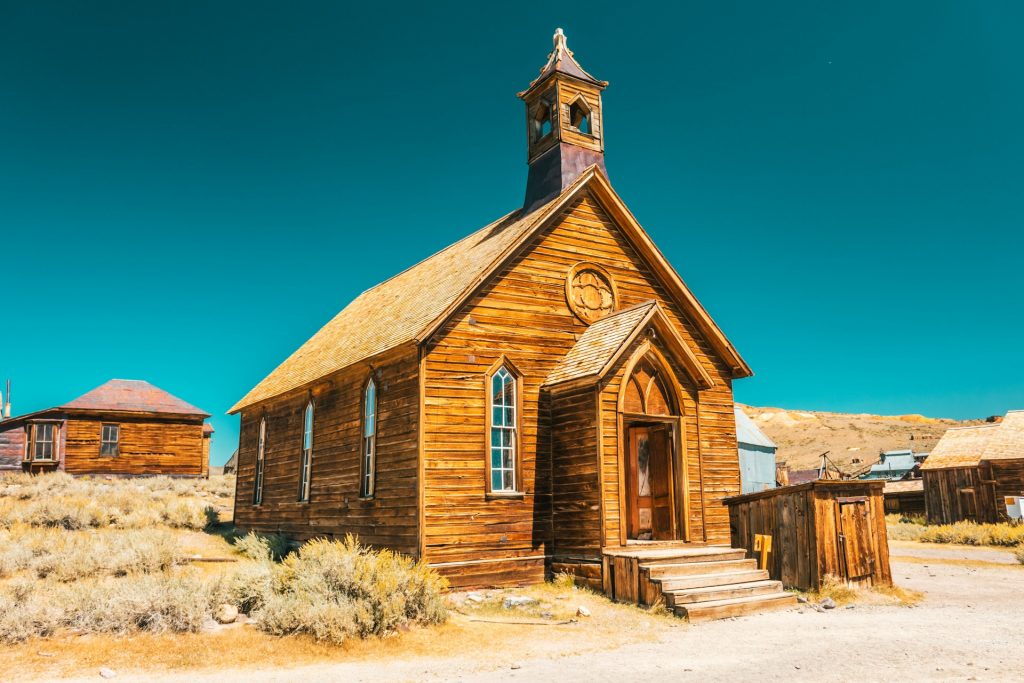
Bodie feels like a town paused mid-sentence. It is preserved in a state of arrested decay, so rooms stay cluttered with the ordinary: bottles, wallpaper, and furniture left where daily life stopped. That realism turns every doorway into a scene, and even daylight carries a hush that feels deliberate.
The town’s best-known legend is the Bodie curse, a warning that misfortune follows anyone who takes a souvenir. Rangers have long reported receiving mailed-back items and apology notes, which keeps the folklore tied to behavior, not just talk. The rule is simple and the mood is steady: nothing leaves, and the wind can sound like a reminder.
Bannack, Montana
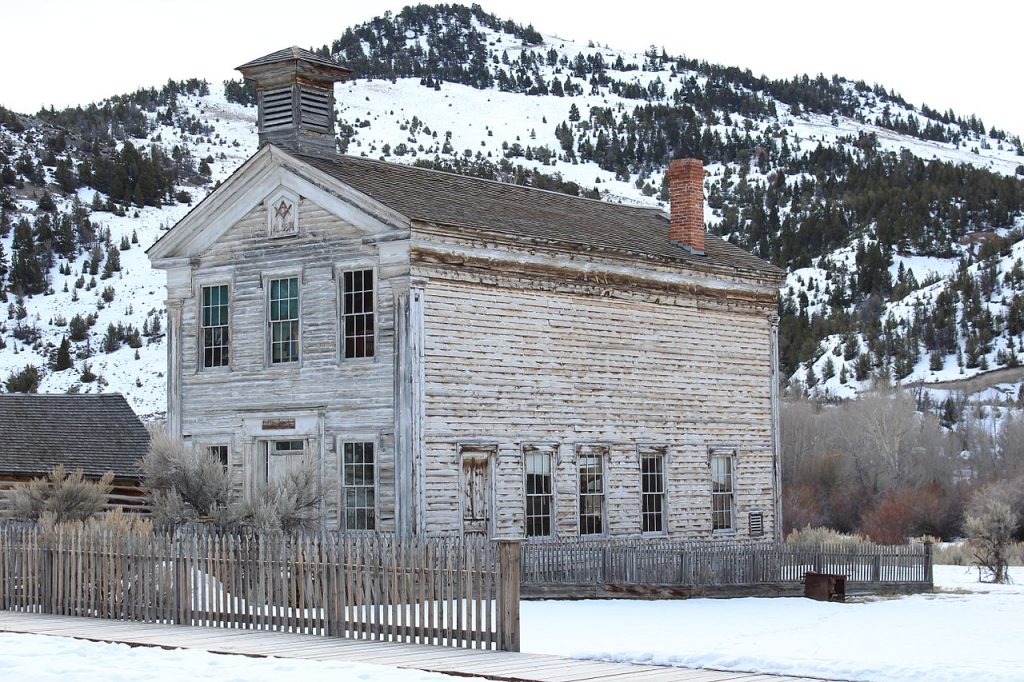
Bannack looks like a frontier town that stepped out for a moment and never came back. Founded in 1862 during a gold rush, it later served briefly as a territorial capital, then faded, leaving a main street of weathered buildings still facing each other. At dusk, the place feels like a stage that forgot to close.
Ghost stories land differently when the walls are original. Footsteps echo on real boards, doorways frame shadows, and the dark feels structured instead of empty. Ghost walks and history programs keep the tales grounded in names and roles, giving the atmosphere weight. Bannack’s unease is quiet, patient, and hard to dismiss.
Virginia City, Montana
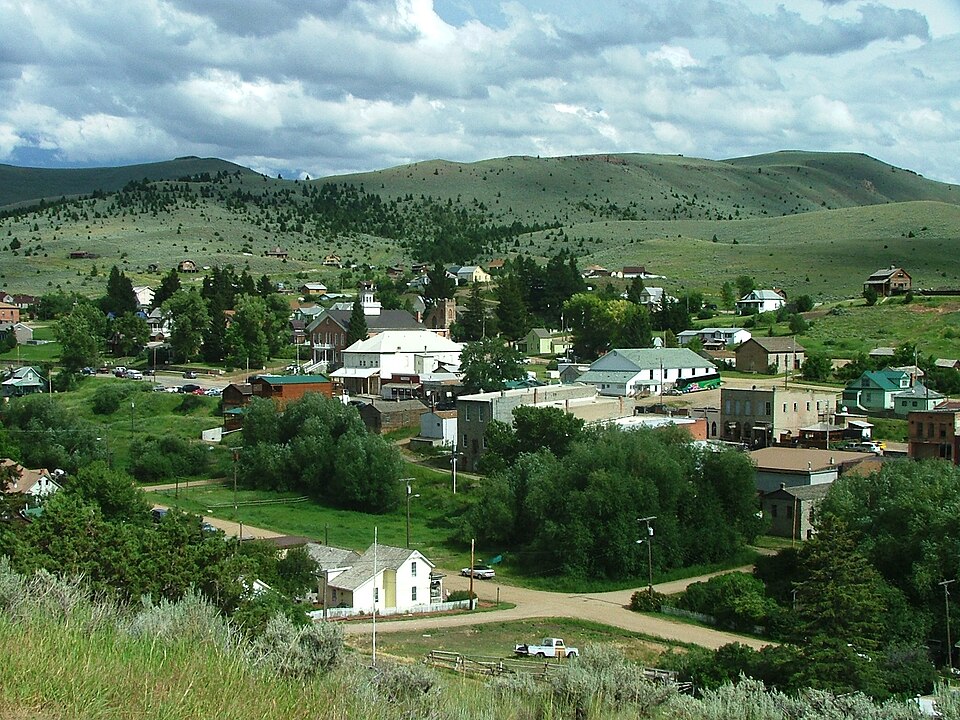
Virginia City, Montana keeps its gold-rush look with stubborn care. False-front shops, boardwalks, and small museums make daylight feel like living history, but the shift happens after closing, when the hills press in and the quiet arrives fast. Even a casual stroll can feel oddly formal.
Ghost walks here mix local history with folklore, which keeps the mood grounded in real places and real names. Cemetery stops, old hotels, and saloon corners become landmarks for memory, not just scare tactics. The best chills come from restraint: guides lower their voices, lantern light hits old glass, and the street seems to listen back.