10 U.S. Getaways Women Choose When Life Feels Too Loud

Travel psychologists and acoustic ecologists report that the modern urban environment creates a state of chronic sensory overload that many travelers only recognize once they step away. According to experts in environmental psychology, the constant hum of city life, including traffic, construction, and digital notifications, keeps the human nervous system in a state of high alert. For many women, seeking a “quietcation” is not just a luxury but a physiological necessity to recalibrate the brain and lower cortisol levels.
Wildlife biologists and park rangers observe that specific natural landscapes offer “acoustic restoration,” where the dominant sounds are wind, water, and birdsong. Experts at the National Park Service explain that these natural soundscapes are scientifically linked to improved mood and cognitive performance. By choosing destinations with strict motorized noise restrictions or extreme geographical isolation, women can reclaim their mental space. These ten U.S. getaways are the premier choices for those who need to trade the roar of the world for the whisper of the wild.
The Hoh Rainforest In Washington
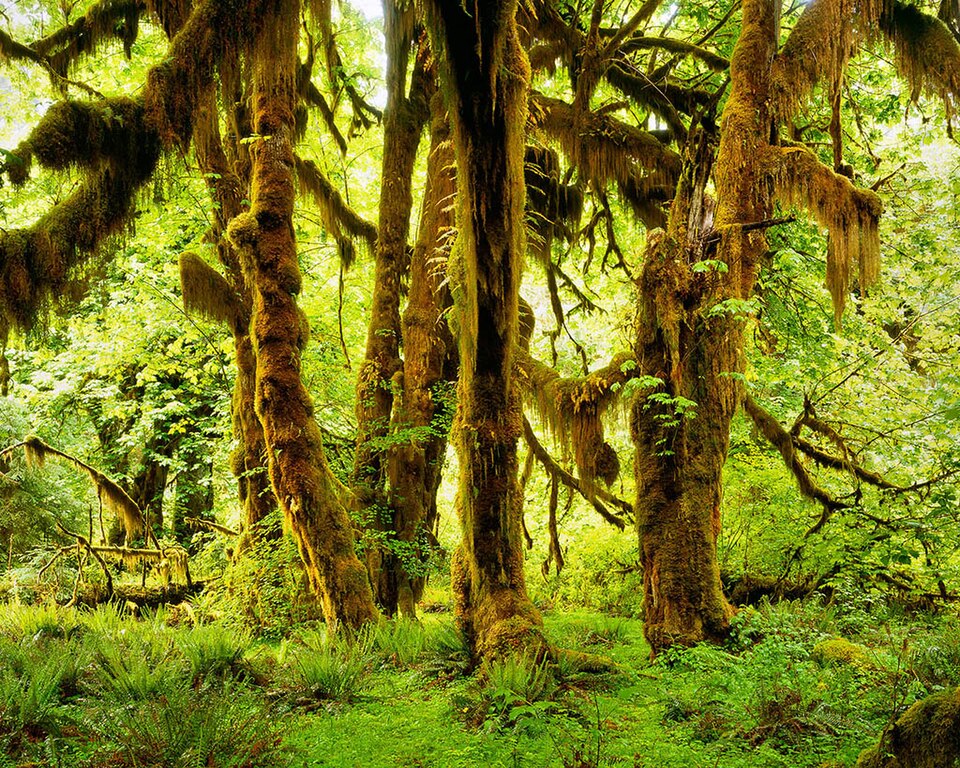
National park rangers and bioacousticians identify the Hoh Rainforest within Olympic National Park as one of the quietest places in the lower forty-eight states. The dense moss and thick canopy of ancient Sitka spruces act as a natural acoustic treatment, absorbing sound and creating a profound sense of stillness. Experts say that the “One Square Inch of Silence” project, located deep within the forest, serves as a benchmark for preserving natural quietude in a noisy world.
Forestry experts note that the high humidity and soft forest floor further dampen any intruding noise, making the sound of a single falling leaf audible. For women seeking a total sensory reset, the emerald-green light and the rhythmic dripping of rain provide a hypnotic environment. Navigating the Hall of Mosses trail allows for an immersive experience where the only interruption is the occasional bugle of a Roosevelt elk, offering a level of tranquility that is impossible to find in a city.
Sedona In Arizona
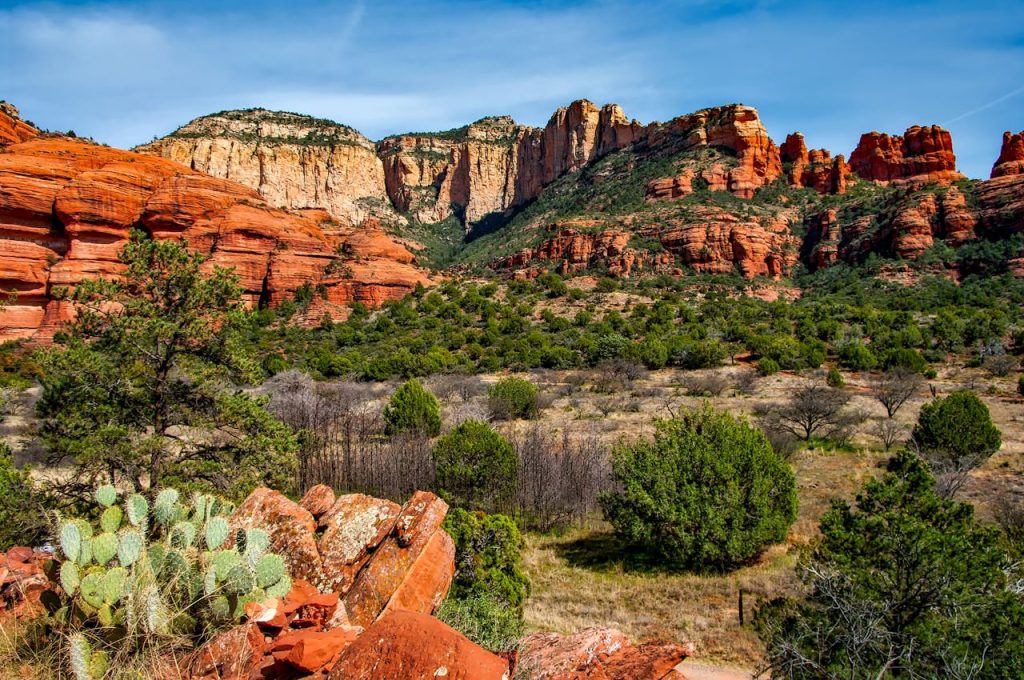
Geologists and wilderness therapists describe the red rock canyons of Sedona as a top destination for those needing a spiritual and acoustic retreat. While the town itself is popular, the surrounding Coconino National Forest offers thousands of acres of quiet desert terrain where the wind moving through the sandstone spires creates a low-frequency hum. Experts in “vortex” energy sites note that many women visit these locations specifically for the silence and the opportunity for deep, undisturbed meditation.
State park officials recommend venturing onto the lesser-known trails like Boynton Canyon to escape the midday crowds. The high desert air is exceptionally clear, which enhances the visual and auditory clarity of the landscape. Standing atop a sandstone mesa at sunset, the silence is so heavy that travelers often speak of feeling a “ringing in the ears” as their brains adjust to the lack of anthropogenic noise. This geological fortress provides a secure and majestic backdrop for personal reflection.
Marfa In Texas

Architectural curators and desert researchers recognize Marfa as a pilgrimage site for minimalist aesthetics and profound desert stillness. Located in the high plateau of the Chihuahuan Desert, the town is isolated from major highway corridors and light domes. Experts explain that the large-scale art installations of the Chinati Foundation are designed to interact with the natural light and the silent, expansive horizon, creating a gallery experience that is as much about the space as the art.
Solo travel safety consultants highlight the town’s slow pace and independent culture as ideal for women who want to disappear into their own thoughts. The lack of chain retailers and the vast, unpaved roads leading out of town ensure that the primary soundtrack is the rustle of prairie grass. Sitting on a porch at night under a sky filled with millions of stars provides a humbling encounter with scale, helping visitors put the “loud” problems of modern life into perspective.
Isle Royale In Michigan
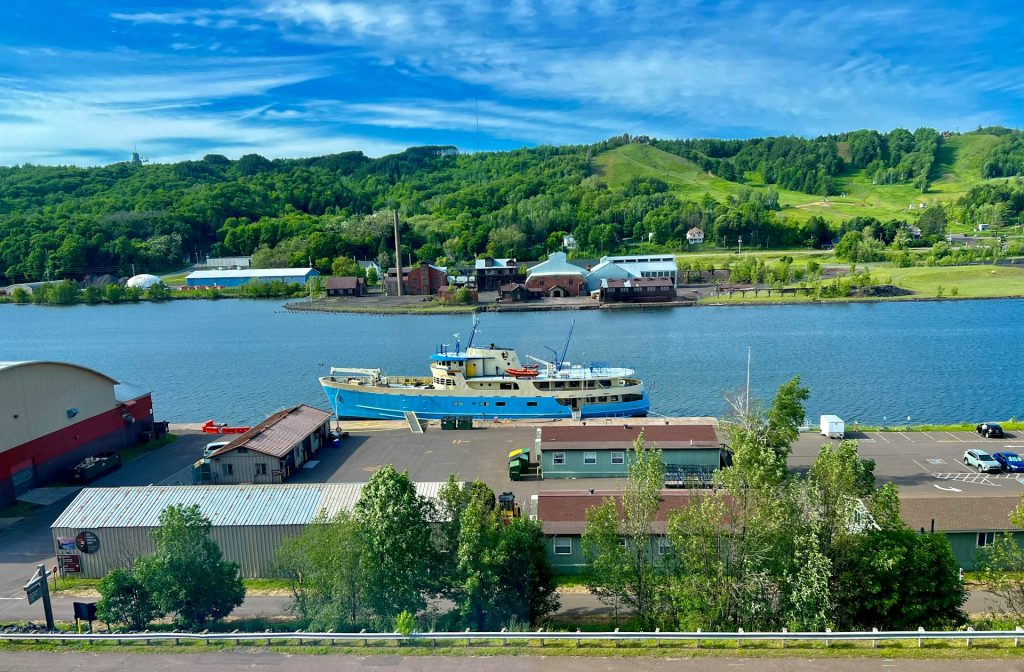
Wilderness management experts and maritime historians describe Isle Royale as the least visited and most isolated national park in the contiguous United States. Situated in the middle of Lake Superior, the island is entirely car-free and requires a multi-hour ferry or seaplane journey to reach. Park rangers emphasize that the island is a “wilderness area,” meaning motorized machinery is strictly limited, ensuring that the primary sounds are the lapping of the lake and the calls of loons.
Wildlife biologists value the island for its predator-prey research involving wolves and moose, which thrives in the absence of human disruption. Women who choose Isle Royale for a getaway often participate in “backcountry silence,” where the physical effort of hiking and the cold, pure air of Lake Superior create a mental clarity. The deep, boreal forest and the rocky, wave-swept shores provide a rugged sanctuary where the concept of time is dictated by the sun and the movement of the water.
Joshua Tree In California
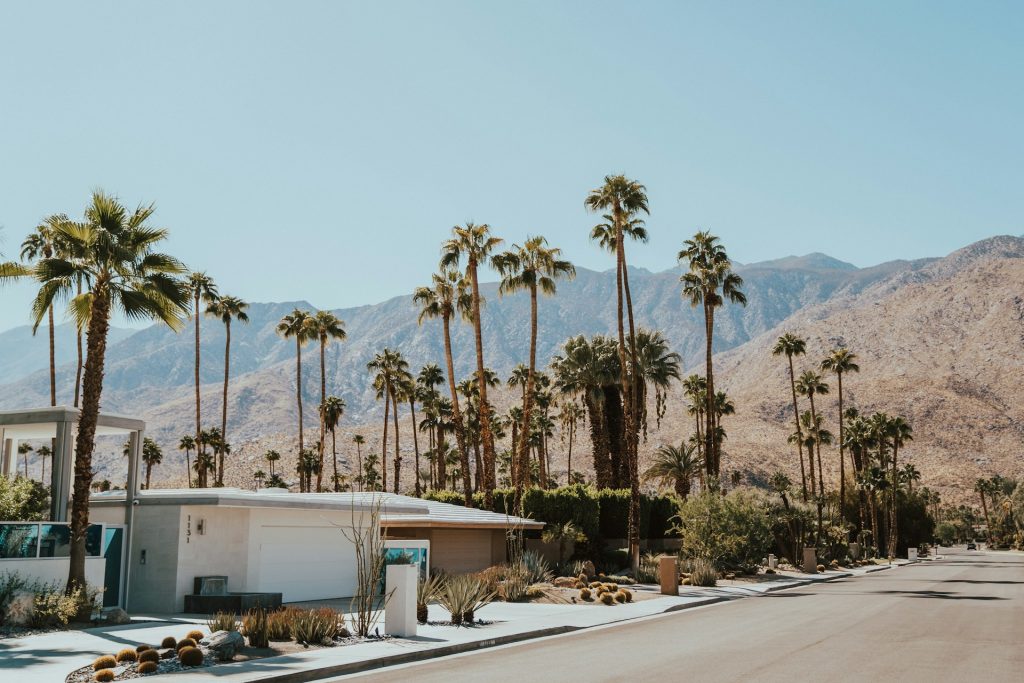
Desert ecologists and dark sky preservationists champion Joshua Tree National Park as a vital refuge for silence and celestial observation near Southern California. While the park is famous for its iconic twisted trees, geologists point out that the massive monzogranite boulder formations act as natural baffles, creating pockets of absolute quiet within the Mojave Desert. Experts say that the dry air carries sound differently, making the distant hoot of a great horned owl feel remarkably intimate.
Park officials advise visiting the more remote southern section of the park to find the most profound solitude away from the popular day-use areas. The stark, minimalist landscape provides a visual rest for the eyes, while the lack of cellular service in the backcountry facilitates a much-needed digital detox. For many women, the experience of sitting on a warm rock at midnight, surrounded by the silent, prehistoric silhouettes of the trees, offers a grounding sensation that resets the internal compass.
Boundary Waters In Minnesota
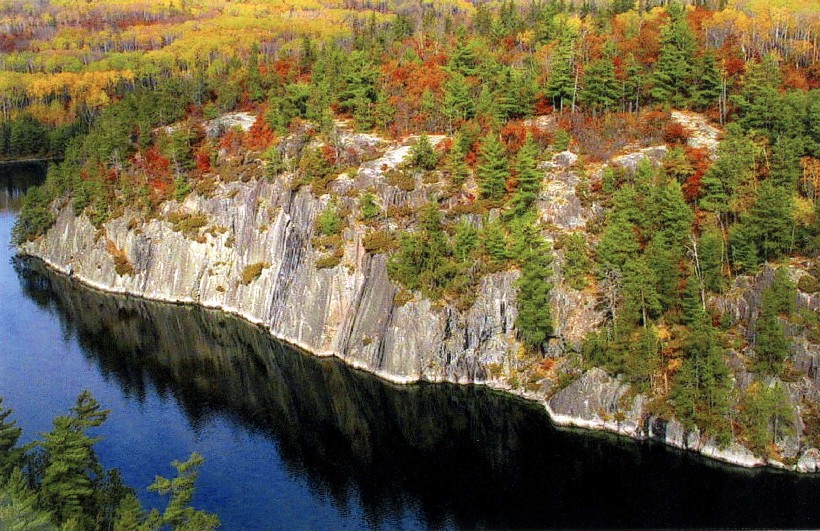
Wilderness guides and riparian ecologists identify the Boundary Waters Canoe Area Wilderness as the ultimate destination for those who want to escape motorized noise. Spanning over a million acres, the area strictly prohibits gas-powered engines, requiring all travel to be done by paddle or portage. Experts explain that this policy preserves the “blue silence” of the lakes, where the only mechanical sound is the drip of a paddle into the water.
Conservationists note that the absence of roads and permanent structures creates a sense of total immersion in the North Woods. Women undertaking solo or small-group canoe trips often report a feeling of empowerment and peace as they navigate the interconnected lakes. The nightly chorus of wolves and the brilliant display of the Aurora Borealis provide a raw, unedited encounter with nature. The silence here is not empty but filled with the subtle rhythms of a healthy, undisturbed ecosystem.
Asheville In North Carolina
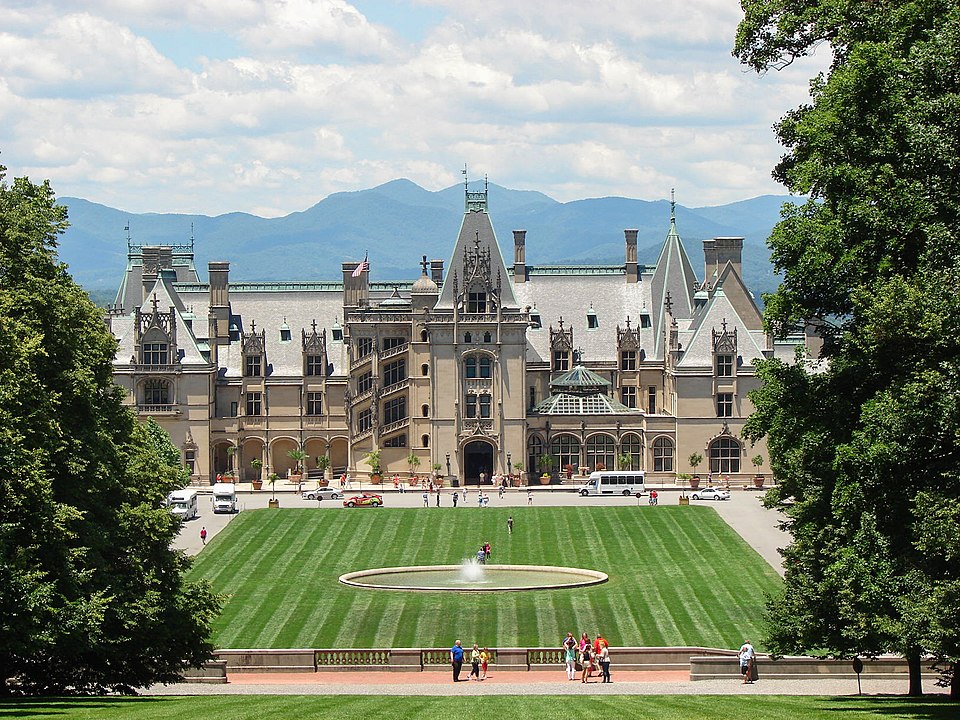
Regional planners and forest therapists recognize the Blue Ridge Mountains surrounding Asheville as a prime location for “forest bathing” and acoustic recovery. While the city itself is vibrant, the immediate access to the Blue Ridge Parkway allows for a quick escape into high-elevation hardwood forests. Experts in environmental health note that the specific moisture levels and tree density of the Appalachians create a soft, muffled soundscape that is particularly effective for anxiety reduction.
State wildlife officials highlight the Craggy Pinnacles trail for its spectacular views and its isolation from urban sound domes. The presence of numerous waterfalls in the Transylvania County area provides a constant, white-noise backdrop that drowns out internal mental chatter. Women often select this region for its blend of world-class spa facilities and the raw, misty beauty of the mountains, allowing for a transition from a structured wellness experience into the deep quiet of the forest.
Big Sur In California
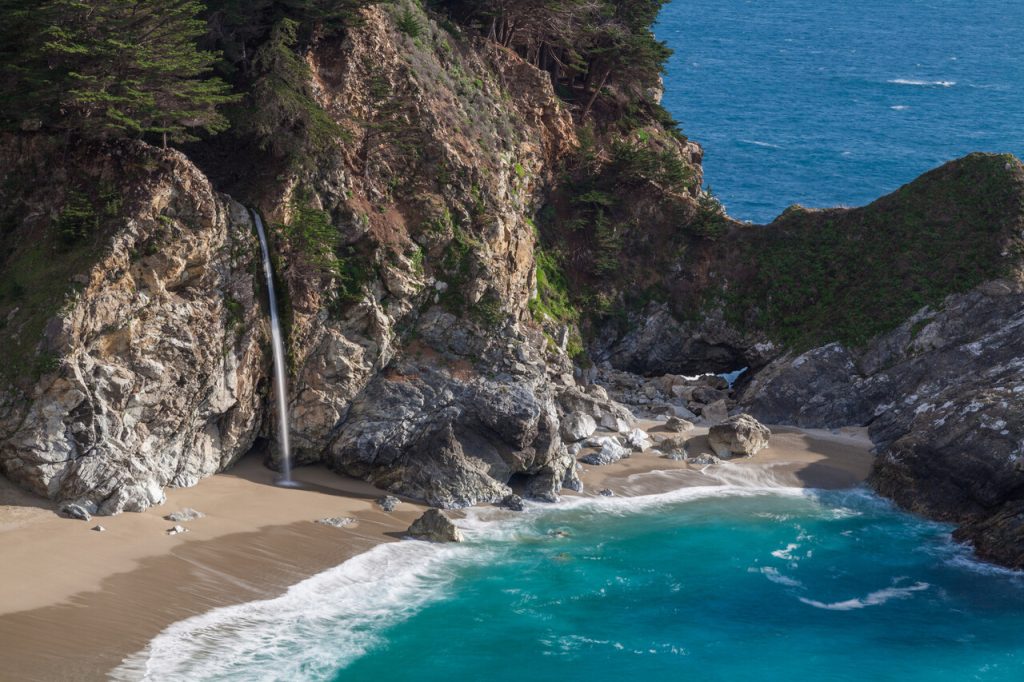
Coastal geologists and marine biologists describe Big Sur as a vertical wilderness where the roar of the Pacific Ocean is the only constant sound. The sheer cliffs of the Santa Lucia Range drop directly into the sea, creating a geographic barrier that has prevented large-scale development. Experts explain that the lack of cell towers and the winding, narrow Highway 1 naturally slow the pace of life, forcing travelers to engage with the immediate environment of redwood groves and salt-crusted headlands.
Park naturalists suggest visiting the Andrew Molera or Pfeiffer Big Sur state parks to find the most secluded groves. The mist-filled canyons trap sound, creating a hushed atmosphere where the cry of a California condor is the only interruption. For many women, the visual drama of the rugged coast combined with the rhythmic thumping of the swells against the rocks provides a grounding sensory experience. This destination represents the absolute edge of the continent, offering a place to stand at the rim of the world and find peace.
Ocracoke Island In North Carolina
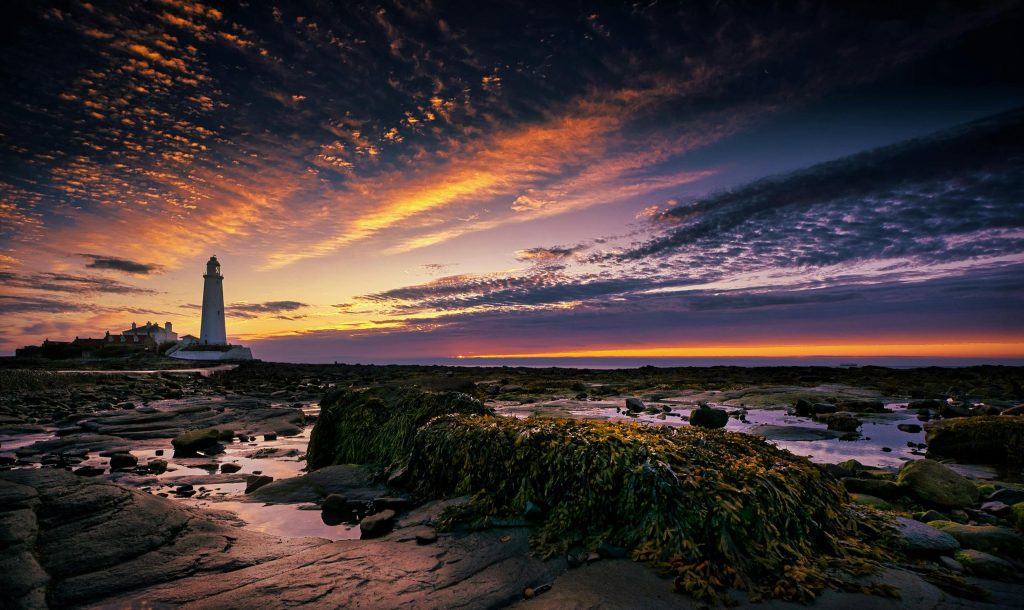
Maritime historians and coastal preservationists identify Ocracoke Island as a remote sanctuary at the southern tip of the Outer Banks. Accessible only by a forty-minute ferry ride, the island maintains a distinct identity separate from the mainland. Experts at the National Park Service observe that the sixteen miles of undeveloped shoreline are some of the quietest beaches in the Atlantic system, free from high-rise hotels and commercial boardwalks.
Ecologists note that the village itself is walkable and bicycle-friendly, reducing the sound of motorized traffic to a minimum. The surrounding salt marshes and the presence of the historic Ocracoke Lighthouse create a picturesque and still environment. Women seeking a quiet reset often find that the unhurried rhythm of the island, where the day is measured by the tides and the arrival of the ferry, provides a psychological reprieve from the frantic energy of urban work life.
Molokai In Hawaii
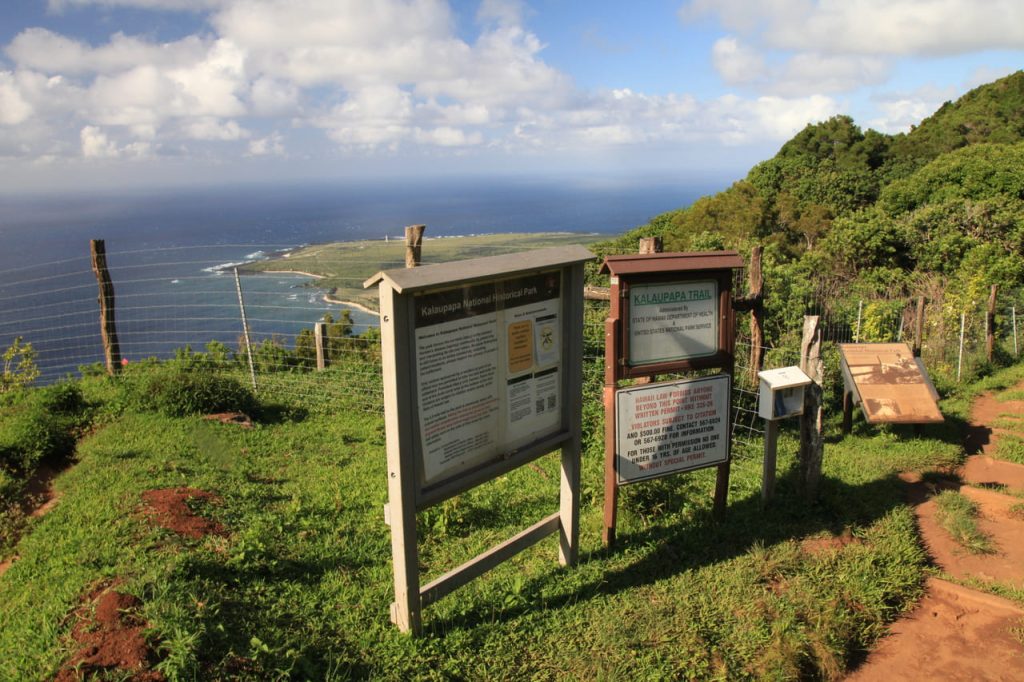
Cultural anthropologists and island historians recognize Molokai as the “most Hawaiian” island due to its resistance to large-scale resort development. Unlike the busy tourist hubs of Maui or Oahu, Molokai has no traffic lights and a population that prioritizes the preservation of the land over economic expansion. Experts explain that the island offers a glimpse into a Hawaii of a previous era, where the silence of the valleys and the empty beaches provide a profound sense of isolation.
Naturalists highlight the Kalaupapa Cliffs, the highest sea cliffs in the world, as a place of immense scale and quietude. The only way to access many parts of the island is by mule or foot, ensuring that the environment remains pristine. Women who visit Molokai often speak of the “friendly” but deep silence of the island, where the locals respect the privacy of travelers. The experience of walking along the three-mile stretch of Papohaku Beach with no other footprints in sight is a singular and unforgettable quietcation.