10 U.S. Towns That Make Visitors Question Why They Ever Rushed Life

Urban planners and environmental psychologists report that the modern pace of life in major metropolitan hubs creates a state of chronic sensory overload that many travelers only recognize once they step away. According to experts in human geography, certain small towns in the United States function as “slow zones” where the local infrastructure and social fabric prioritize community and natural rhythms over industrial efficiency. These locations are not merely vacation spots but are structural alternatives to the frantic energy of the twenty-first century, offering a tangible look at a more deliberate way of existing.
Sociologists and hospitality consultants observe that the architectural layout and historical preservation of these specific towns encourage a psychological shift in visitors. When the primary mode of transportation is a bicycle or a stroll along a brick-paved street, the brain naturally recalibrates to a slower frequency. Experts say that the absence of chain retailers and high-speed corridors allows for a deeper engagement with the immediate environment. These ten American towns represent the pinnacle of this restorative movement, providing a peaceful sanctuary for those who have forgotten how to linger.
Mackinac Island In Michigan
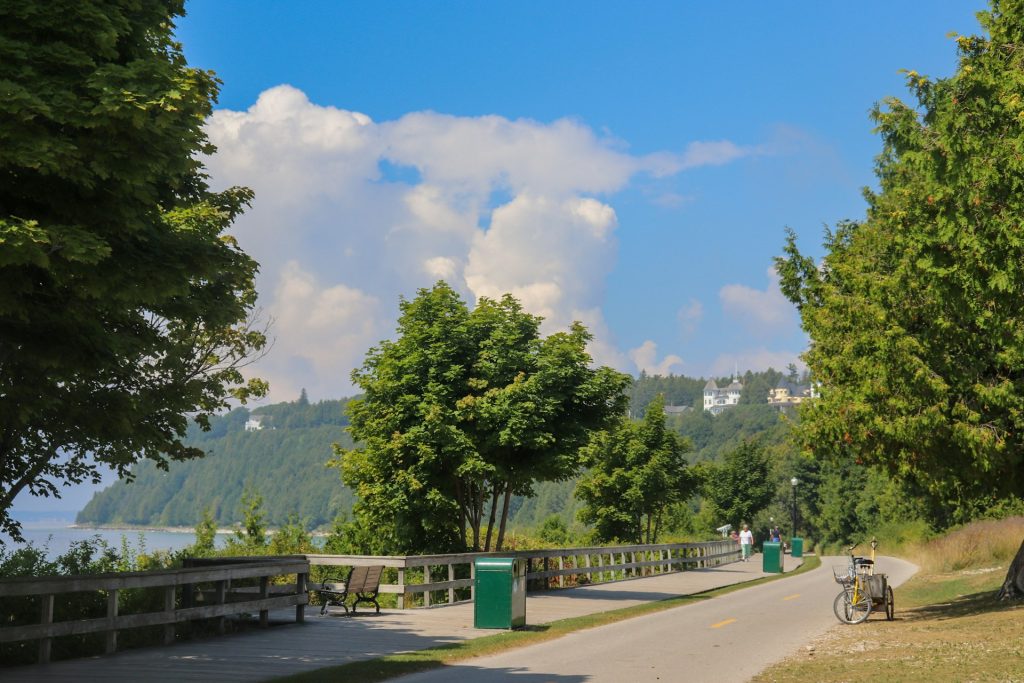
Transportation historians and state park rangers identify Mackinac Island as the premier example of a non-motorized community in North America. Since the late nineteenth century, the island has maintained a strict ban on automobiles, requiring all residents and visitors to move via horse-drawn carriage, bicycle, or on foot. This policy creates an acoustic environment that is entirely unique, where the sounds of the modern world are replaced by the rhythmic clicking of hooves and the rustle of wind through the cedar forests.
Urban designers note that the lack of cars has preserved the Victorian-era streetscape with a level of integrity that is impossible to achieve in mainland cities. The absence of traffic signals and parking lots allows for a seamless flow of pedestrians and an emphasis on public green spaces. Experts suggest that the enforced pace of the island compels visitors to notice the intricate architectural details of the historic cottages and the crystal-clear waters of Lake Huron, fostering a sense of presence that is often lost in the rush of urban life.
Marfa In Texas

Architectural curators and minimalist art experts recognize Marfa as a pilgrimage site that blends high-concept creative thinking with the raw, unhurried beauty of the high desert. Built around the large-scale installations of the Chinati Foundation, the town offers a visual clarity that many find mentally restorative. Experts explain that the vast horizons and the deliberate simplicity of the local lifestyle create a sensory environment that heightens awareness and encourages deep introspection away from the clutter of digital notifications.
Atmospheric scientists and solo travel consultants highlight the famous Marfa Lights and the dark sky ordinances as critical factors in the town’s appeal. The community has actively resisted commercial sprawl, maintaining a collection of independent galleries and eateries that operate on their own relaxed schedules. Standing in the middle of a vast prairie under a sky filled with millions of stars provides a humbling encounter with scale that serves as a permanent mental anchor for those seeking a more meaningful pace.
Ocracoke In North Carolina

Maritime historians and coastal preservationists describe Ocracoke as a remote sanctuary with a distinct cultural identity that remains accessible only by ferry. This geographical isolation has allowed the village to maintain a slower rhythm of life that reflects its seafaring heritage and pirate lore. Experts at the National Park Service observe that the sixteen miles of undeveloped shoreline offer a rare opportunity to experience the Atlantic coast in its natural state, free from high-rise development and heavy commercial noise.
Ecologists and wildlife biologists highlight the importance of the salt marshes and dunes as critical habitats for wild ponies and migratory birds. Walking the sandy lanes of the village, where the salt air is thick and the sound of the surf is a constant companion, provides a grounding experience that travelers find deeply restorative. The simple, unhurried culture of the island, where the day is dictated by the tides and the wind, offers a psychological reprieve from the frantic energy of the mainland.
Port Townsend In Washington
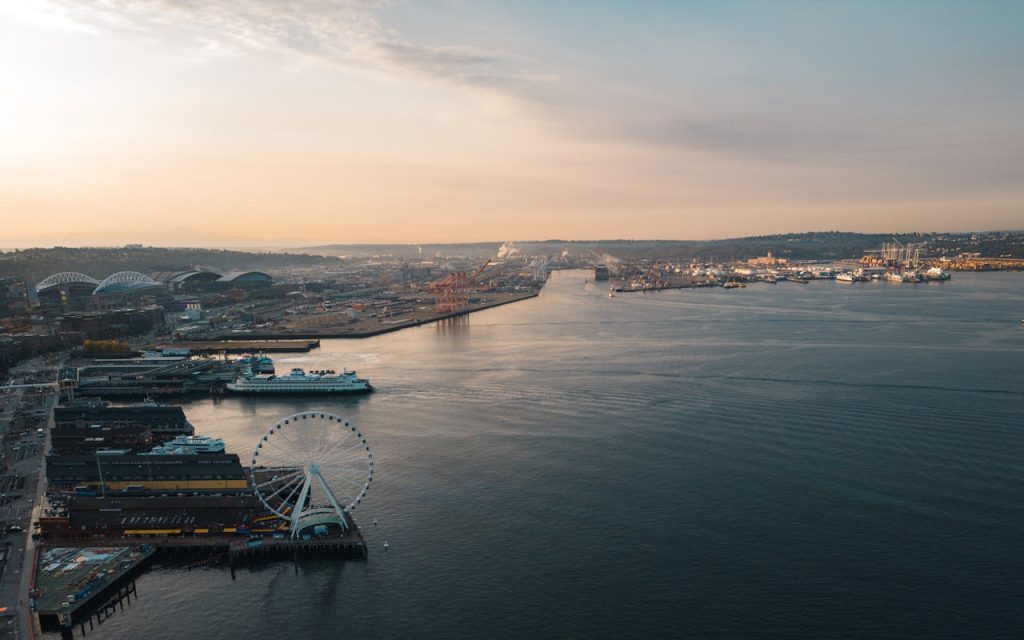
Historic preservationists and maritime experts identify Port Townsend as one of the best-preserved Victorian seaports in the United States. Located on the tip of the Olympic Peninsula, the town features an extraordinary collection of late-nineteenth-century masonry buildings that reflect its early ambitions as a major hub of commerce. Experts note that the town’s transition into an arts and wooden boat center has fostered a community that values craftsmanship and slow, deliberate work over mass production.
Urban planners suggest that the town’s walkable geography and its proximity to the rugged Olympic National Park create a balanced environment for wellness and exploration. The presence of the Northwest Maritime Center highlights the local commitment to traditional sailing and boat building, skills that require patience and precision. For many visitors, the sight of traditional wooden vessels bobbing in the harbor against the backdrop of the snow-capped Olympic Mountains serves as a powerful reminder of a time when the world moved at the speed of the wind.
Bisbee In Arizona

Cultural anthropologists and mining historians describe Bisbee as a vertical town of stairways and narrow alleys that has successfully transitioned from a copper mining powerhouse into a vibrant artist colony. Built into the steep slopes of the Mule Mountains, the town’s geography precludes the use of traditional car-centric planning, forcing a lifestyle centered on walking. Experts explain that the hundreds of historic stairs that crisscross the hills provide a physical connection to the landscape that encourages a slower, more deliberate pace of life.
Heritage specialists note that the preservation of the town’s colorful, eclectic architecture has created a visual environment that is both playful and historically significant. The local culture is famously independent, with a high density of small-scale galleries and eccentric boutiques that resist the standard retail model. For travelers, the experience of navigating the winding, hillside streets and the cool, subterranean depths of the Copper Queen Mine provides a sensory diversity that resets the mind and body.
Mendocino In California
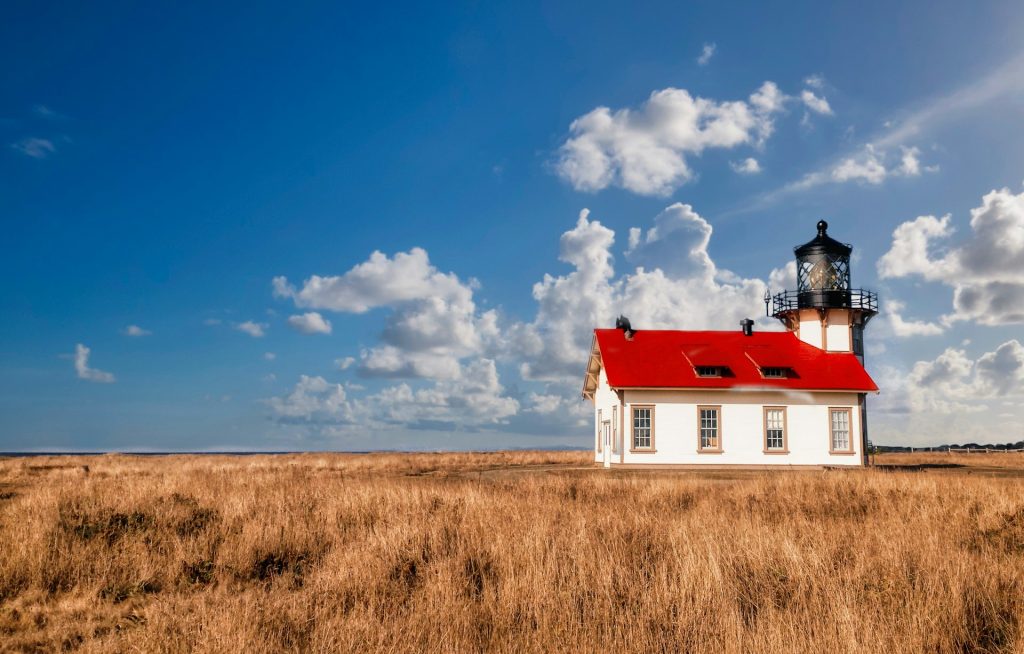
Coastal geographers and regional planners recognize Mendocino as a uniquely preserved New England-style village perched on the rugged cliffs of the Pacific coast. Architectural historians explain that the town was founded by lumber magnates from Maine who brought their distinctive saltbox and Victorian building styles to the West. Experts observe that the town’s location on a peninsula surrounded by state parks has effectively frozen its footprint in time, preventing the suburban sprawl seen in other California coastal regions.
Marine biologists and botanists highlight the dramatic sea caves and redwood forests that frame the town, offering a diverse array of quiet natural escapes. The absence of streetlights and sidewalks in the residential areas creates a rustic, intimate atmosphere that encourages stargazing and night walks. Many women find that the blend of high-end galleries and raw coastal wilderness provides a sophisticated but secluded escape where the sound of the ocean is the dominant feature of the landscape.
Eureka Springs In Arkansas
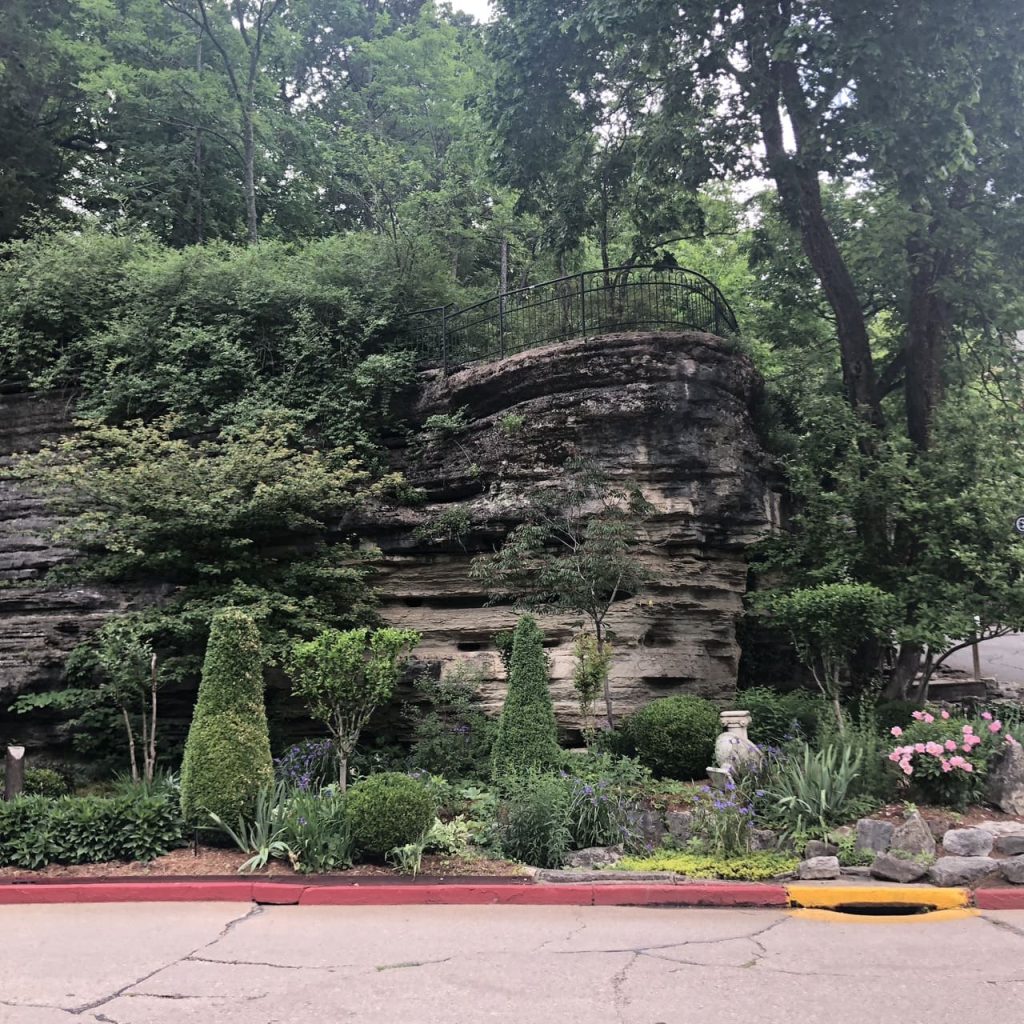
Urban designers and geological experts describe Eureka Springs as the “City That Stair-Stepped to the Sky,” featuring a winding and intricate layout that follows the natural flow of the local mineral springs. The town’s Victorian downtown is listed on the National Register of Historic Places and is notable for having no ninety-degree intersections. Experts explain that this organic, non-linear geography forces a slower driving and walking speed, encouraging visitors to take in the elaborate limestone walls and historic hotels.
Hydrologists and park naturalists highlight the numerous springs and limestone bluffs that are integrated into the city’s parks, providing cool, shaded retreats for meditation and quiet. The town has long been a destination for wellness and healing, a reputation that continues today through its diverse collection of independent spas and artisanal workshops. The combination of its steep, wooded hills and its commitment to historical preservation creates a hushed, magical atmosphere that feels entirely removed from the modern Arkansas plains.
Woodstock In Vermont
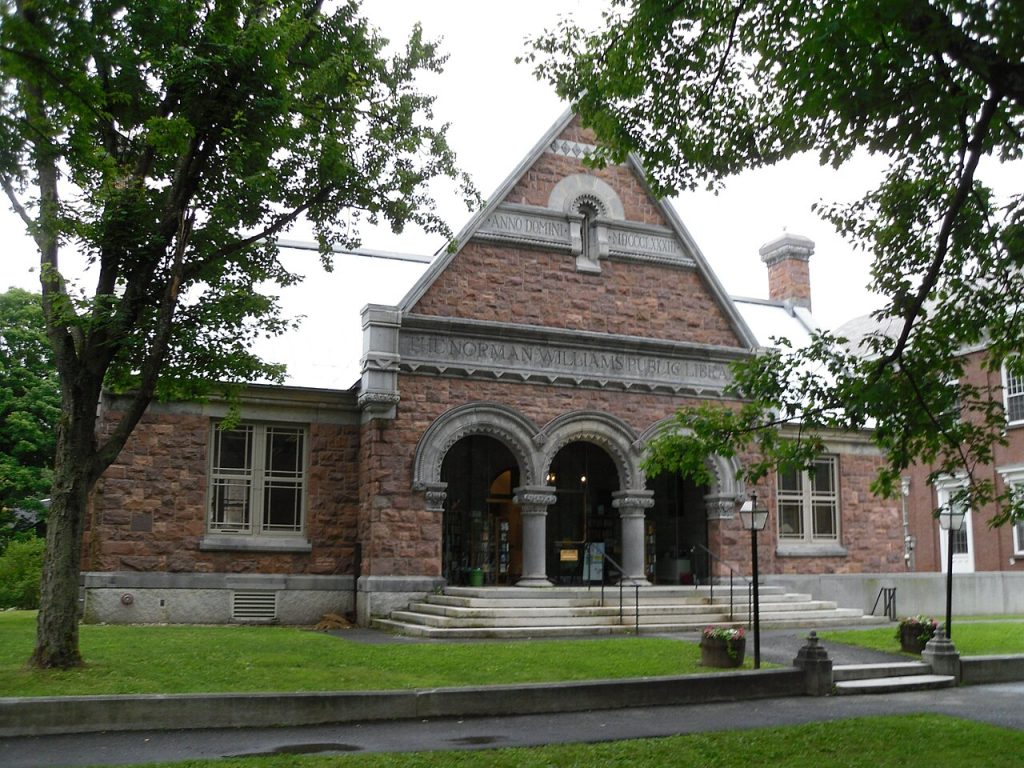
Regional historians and agricultural experts celebrate Woodstock as the quintessential New England village, centered around a traditional green and a covered bridge. Experts note that the town’s commitment to land conservation, led by the Marsh-Billings-Rockefeller National Historical Park, has preserved a working agricultural landscape that remains remarkably untouched by modern development. The presence of historic farmsteads and managed woodlands provides a structural link to the nineteenth-century ideal of the sustainable rural life.
Interior designers and hospitality consultants point out that the town’s architecture reflects a refined, understated elegance that prioritizes comfort and heritage. The local food culture is heavily focused on farm-to-table practices, requiring a patience and appreciation for seasonal cycles that is often missing from urban dining. For many, the sight of the white-steepled churches and the rolling, forested hills of the Green Mountains provides a visual anchor that fosters a sense of profound peace and continuity.
Galena In Illinois
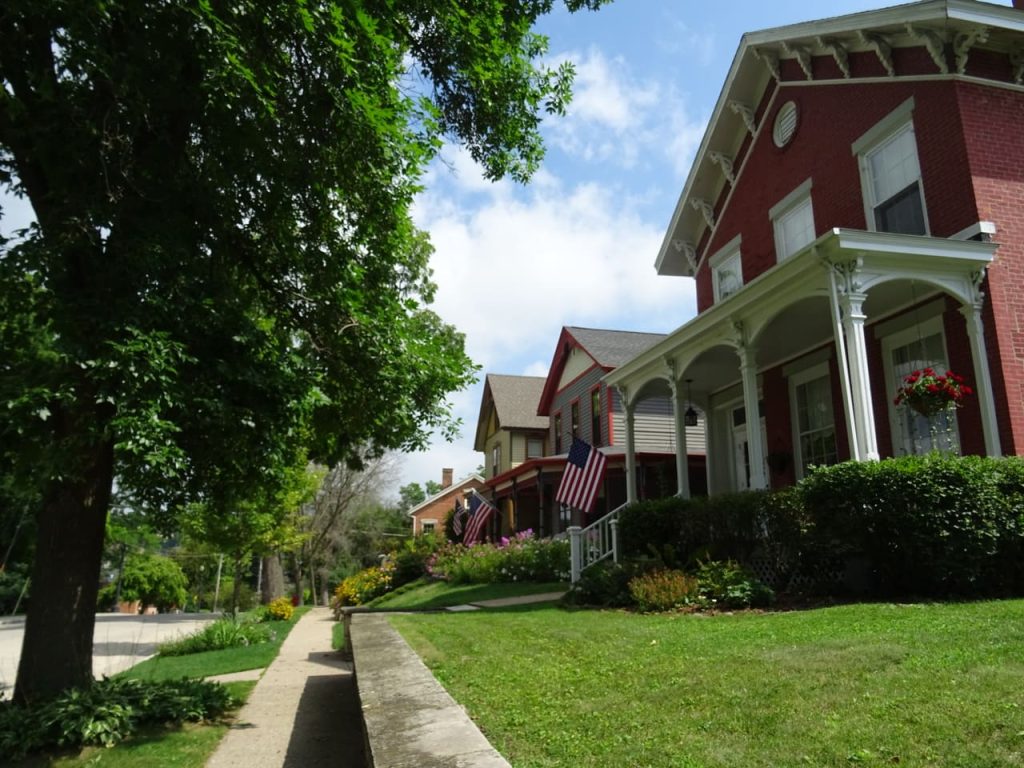
Historic district managers and Illinois tourism boards describe Galena as a town that time forgot, with over eighty-five percent of its buildings located within a National Register Historic District. Perched on the bluffs of the Galena River, the town once served as a major lead mining and steamboat hub before its growth was halted in the late nineteenth century. Experts explain that this economic pause preserved a stunning collection of Greek Revival and Italianate architecture that now serves as the foundation for its thriving tourism industry.
Urban planners note that the steep, terraced streets and the narrow main street encourage a pedestrian-focused experience where visitors can explore dozens of independent boutiques and galleries. The surrounding Jo Daviess County offers a rare “driftless” landscape of rolling hills and sheer bluffs that were missed by the last glaciers. This rugged topography provides a scenic backdrop for long, contemplative drives and quiet hikes, offering a sense of scale and history that makes the rush of the city feel like a distant memory.
Sitka In Alaska
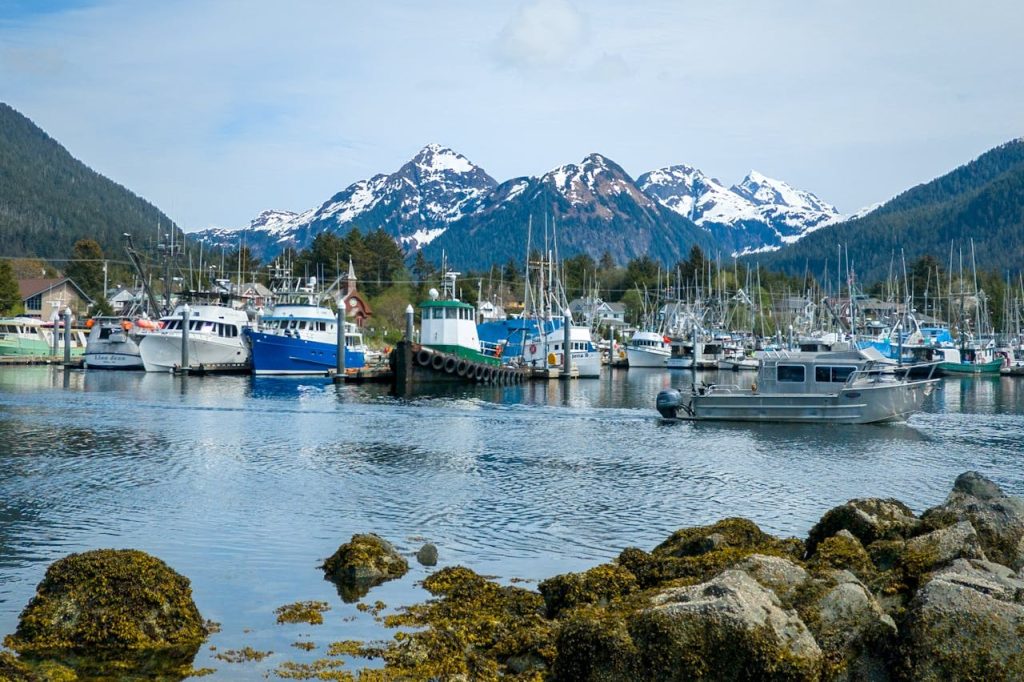
Subarctic biologists and maritime historians identify Sitka as a unique biological and cultural crossroads where the mountains of the Tongass National Forest meet the waters of the Pacific. Unlike many Alaskan towns, Sitka maintains a strong connection to its Tlingit and Russian heritage, which is visible in the architecture and the local customs. Experts note that the town’s isolation on Baranof Island ensures that all travel is done by boat or plane, creating a community that is deeply attuned to the rhythms of the sea.
Park rangers and wildlife specialists highlight the Totem Park and the numerous coastal trails where visitors can observe bald eagles and humpback whales in a setting of profound quiet. The damp, moss-covered environment of the temperate rainforest acts as a natural sound muffler, creating a peaceful and introspective atmosphere. For those seeking a total reset, the combination of its ancient spruce forests, historic landmarks, and the vast, unedited beauty of the Alaskan coast provides an unforgettable experience of life lived at a more human and natural scale.