10 Vacation Habits That Make You Look Out of Touch

Travel trends change quickly, and vacation behavior often signals whether someone feels current or dated. Modern travel emphasizes awareness, flexibility, and cultural sensitivity rather than rigid routines or outdated assumptions. Small choices during trips can quietly suggest disconnect from how destinations actually function today. These habits rarely involve bad intentions, yet they stand out in airports, hotels, and city streets worldwide. Understanding what feels outdated helps travelers blend in more comfortably and enjoy smoother experiences. Awareness also encourages respect for local norms and evolving travel realities. Staying current does not require luxury, only attention, curiosity, and adaptability.
Overpacking For Short Trips

Overpacking for brief vacations often signals unfamiliarity with modern travel convenience. Carrying multiple suitcases for a weekend suggests discomfort with laundry access, capsule wardrobes, or airline baggage realities. Many destinations offer affordable services that reduce the need for excessive clothing. Heavy bags slow movement through airports, complicate public transportation, and increase stress. Experienced travelers prioritize versatility, comfort, and ease rather than outfit quantity. Packing lighter reflects awareness of mobility trends and sustainability concerns. It also allows flexibility for unexpected purchases or changes. Streamlined packing now reads as practical, current, and travel smart rather than careless.
Relying Solely On Printed Maps

Depending entirely on printed maps can appear disconnected from how travelers navigate today. Smartphones provide real time directions, transit updates, and accessibility information that paper cannot. Printed maps still hold nostalgic charm, yet exclusive reliance suggests unfamiliarity with digital tools. Modern navigation apps adjust routes instantly and highlight closures or delays. Locals often assume visitors use phones for directions and recommendations. Carrying only paper may cause unnecessary confusion in fast changing urban environments. Digital literacy now defines travel ease. Blending technology with situational awareness signals adaptability and current habits rather than stubborn resistance to change.
Ignoring Local Payment Preferences
Ignoring local payment norms often marks travelers as out of touch. Many destinations now rely heavily on contactless cards or mobile payments, while others still prefer cash. Assuming one method works everywhere creates awkward moments at shops and transit points. Modern travelers research accepted payment types before arrival. Awareness prevents delays and respects local systems. Refusing to adapt can inconvenience staff and fellow travelers. Payment habits reflect preparedness and cultural awareness. Flexibility signals respect for evolving financial practices. Staying informed about regional payment trends ensures smoother interactions and avoids unnecessary frustration during everyday transactions abroad.
Expecting Constant WiFi Everywhere

Expecting flawless WiFi in every location reflects outdated travel expectations. Many destinations prioritize experiences over connectivity, especially in rural areas. Modern travelers plan offline options, download maps, and manage expectations realistically. Assuming constant access can lead to frustration and missed moments. Connectivity varies widely depending on infrastructure and geography. Locals often adapt easily without relying on continuous signals. Understanding these limits shows awareness of real world conditions. Balanced use of technology enhances travel without dominating it. Accepting occasional disconnection aligns with contemporary travel culture focused on presence, adaptability, and thoughtful planning.
Dressing Without Cultural Awareness

Wearing clothing that ignores local norms can quickly mark a traveler as disconnected. Many cultures value modesty, practicality, or climate appropriate attire. Dressing without awareness may unintentionally offend or draw unwanted attention. Modern travelers research expectations before packing. Observing how locals dress provides valuable guidance. Respectful clothing choices demonstrate cultural sensitivity and awareness. This habit affects comfort, safety, and social interactions. Clothing communicates attitude as much as style. Adapting wardrobe choices shows engagement rather than indifference. Current travel culture values blending in thoughtfully instead of standing out through disregard or assumption.
Assuming Everyone Speaks English

Assuming English is universally spoken signals limited cultural awareness. While English is common in many tourist areas, it is not guaranteed everywhere. Modern travelers learn basic phrases or use translation tools respectfully. Making effort communicates appreciation for local language and culture. Expecting others to adapt creates unnecessary tension. Locals often respond more warmly to even small attempts at communication. Language awareness improves navigation, dining, and social exchanges. Technology now makes translation accessible. Ignoring these tools appears outdated. Engaging with language differences reflects curiosity, humility, and alignment with contemporary global travel practices.
Avoiding Public Transportation Completely
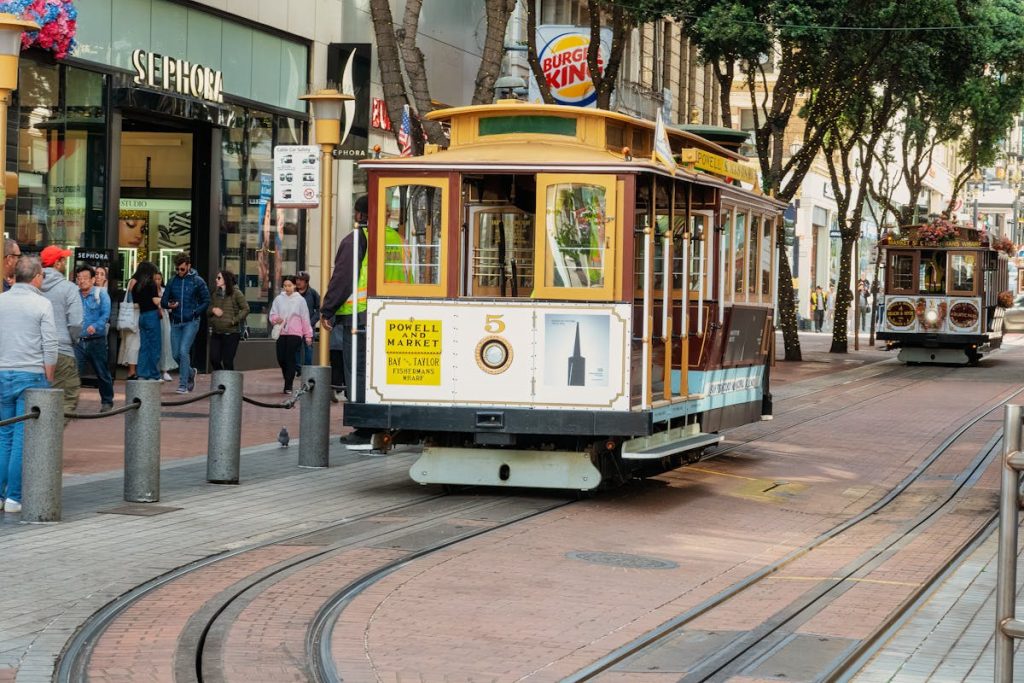
Refusing public transportation often suggests unfamiliarity with modern urban travel. Many cities invest heavily in clean, efficient transit systems. Avoidance limits understanding of daily local life. Public transportation offers affordability, convenience, and environmental benefits. Modern travelers view transit as part of the experience rather than an inconvenience. Fear often stems from outdated perceptions. Using buses or trains demonstrates confidence and adaptability. It also reduces reliance on expensive taxis. Navigating transit successfully reflects preparation and awareness. Embracing public options aligns with current travel values centered on sustainability, practicality, and cultural immersion.
Over Scheduling Every Moment

Packing itineraries too tightly reflects an outdated approach to travel. Modern experiences value flexibility, spontaneity, and rest. Over scheduling leaves little room for discovery or local recommendations. Delays or weather changes quickly derail rigid plans. Experienced travelers balance structure with openness. Allowing free time encourages deeper engagement with surroundings. Constant rushing can reduce enjoyment and increase stress. Travel today emphasizes quality over quantity. Slower pacing aligns with wellness focused travel trends. Letting destinations unfold naturally demonstrates confidence and understanding of how meaningful experiences often happen unexpectedly rather than on strict timetables.
Treating Destinations Like Theme Parks

Approaching destinations as attractions rather than communities signals disconnection. Viewing places solely as backdrops for photos ignores local life and context. Modern travel encourages respect for residents and daily rhythms. Over crowding popular spots without awareness contributes to tension. Thoughtful travelers explore responsibly and diversify activities. Treating destinations as living environments fosters meaningful experiences. This mindset shift reflects current conversations around sustainable tourism. Awareness reduces harm and enhances connection. Seeing places as communities rather than stages demonstrates cultural maturity and contemporary travel consciousness.
Refusing To Adapt Plans
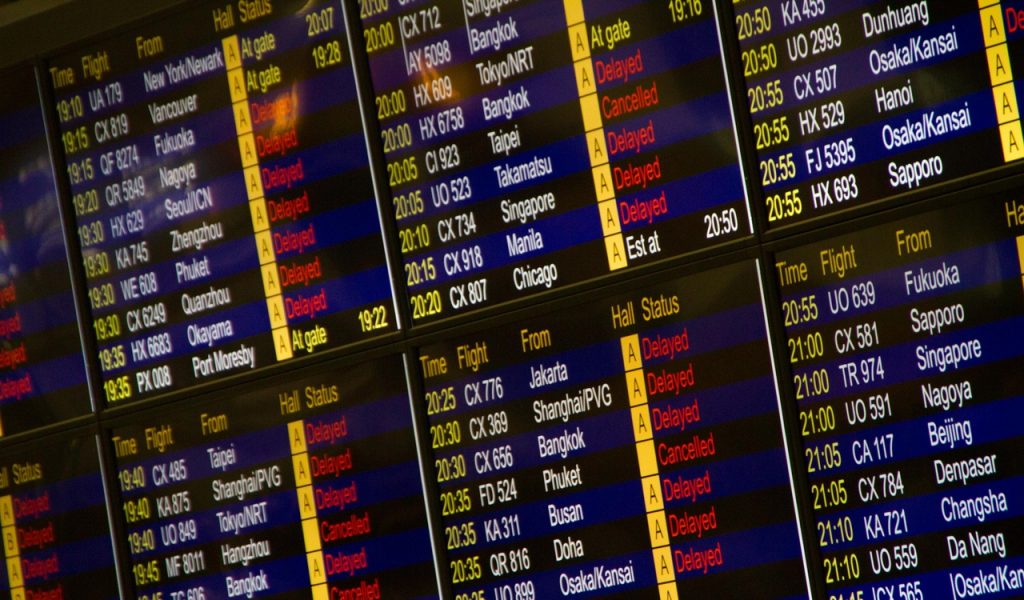
Refusing to adjust plans when circumstances change reflects rigid thinking. Travel often involves delays, closures, or unexpected opportunities. Modern travelers adapt calmly and creatively. Flexibility improves outcomes and reduces stress. Sticking stubbornly to original plans can limit experiences. Locals and seasoned travelers expect adjustments. Adapting shows confidence and situational awareness. Travel culture now values resilience and openness. Embracing change allows discovery beyond itineraries. Refusal suggests discomfort with uncertainty. Adapting plans aligns with current travel realities where conditions shift quickly and rewarding moments often emerge from unplanned changes.