10 Waterfalls U.S. Women Hike To Even When It’s Not Easy
She chooses these hikes for the same reason some travelers take the longest road home after a hard stretch. The destination matters, but the approach matters more: deliberate pacing, thinning conversation, and the first distant roar of water echoing through stone or timber. A demanding trail gives the day structure, and that structure often steadies the mind.
Across the United States, standout waterfall routes come with permits, tide windows, heat exposure, or pure distance. Women who seek them usually understand the trade. By the time the falls appear, solitude no longer feels random. It feels earned, physical, and unmistakably real.
Yosemite Falls Trail, California
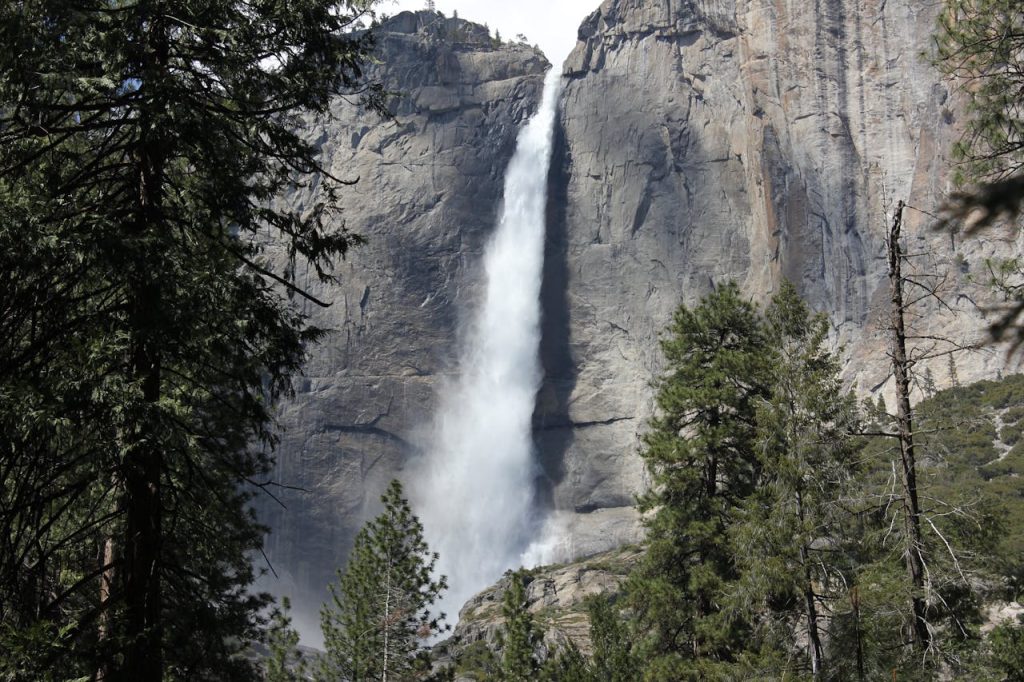
Yosemite Falls Trail strips a day down to effort and timing. The National Park Service lists the route to the top at 7.2 miles round trip with 2,700 feet of elevation gain, and marks it strenuous. The switchbacks begin almost immediately, and the upper trail is exposed enough that water, pace, and an early start matter as much as grit.
The payoff is scale. NPS notes the trail reaches the top of a waterfall that rises 2,425 feet above Yosemite Valley, and the views keep widening as the climb unfolds. Spring usually brings stronger flow and spray, while late summer can run hotter and drier, but the hike still feels demanding.
Vernal And Nevada Fall Via Mist Trail, California
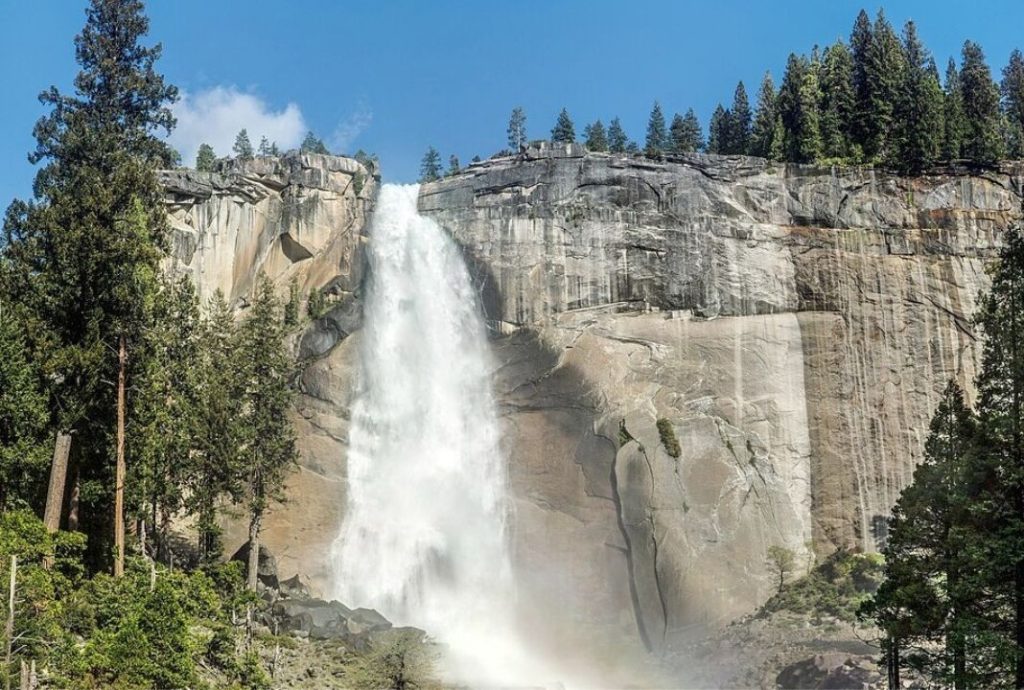
In Yosemite Valley, the route to Vernal and Nevada Fall feels beautiful and demanding in the same breath. NPS lists the Mist Trail option at 5.4 miles round trip with about 2,000 feet of elevation gain, and rates it strenuous. The climb builds steadily, and the descent can feel just as tiring once the legs are already cooked.
What keeps this hike in regular rotation is the constant reward. NPS highlights close views of both Vernal Fall and Nevada Fall, and the granite scenery shifts from river corridor to big valley perspective as the route rises. Even on busier days, the rhythm of water and stone can make the effort feel private.
Alamere Falls, California
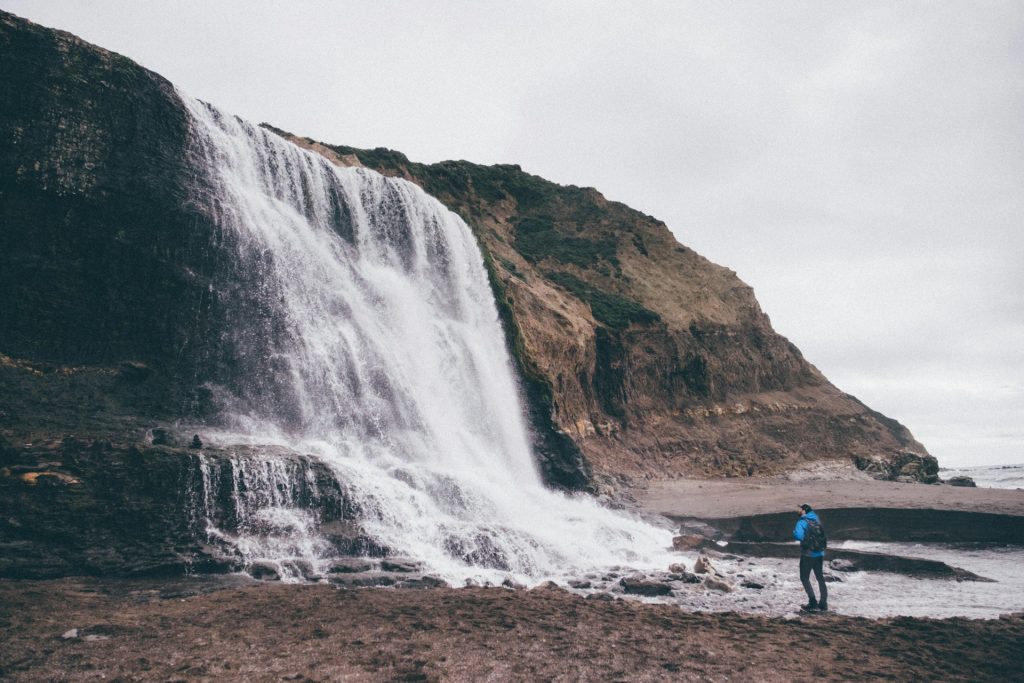
Alamere Falls in Point Reyes asks for judgment as much as stamina. The park recommends reaching Wildcat Campground first, then walking south on Wildcat Beach to the falls, and it stresses timing that beach stretch around low tide and surf. That extra planning changes the tone before the hike even starts, which is part of the appeal.
Point Reyes also warns visitors to stay on official trails and avoid unsafe cliff edge routes. On the beach approach, waves can reach the bluffs and block safe passage, so hikers pause, watch, and make the call carefully. When the route opens, the waterfall spilling onto sand feels earned in a different way.
Waimoku Falls, Hawai?i
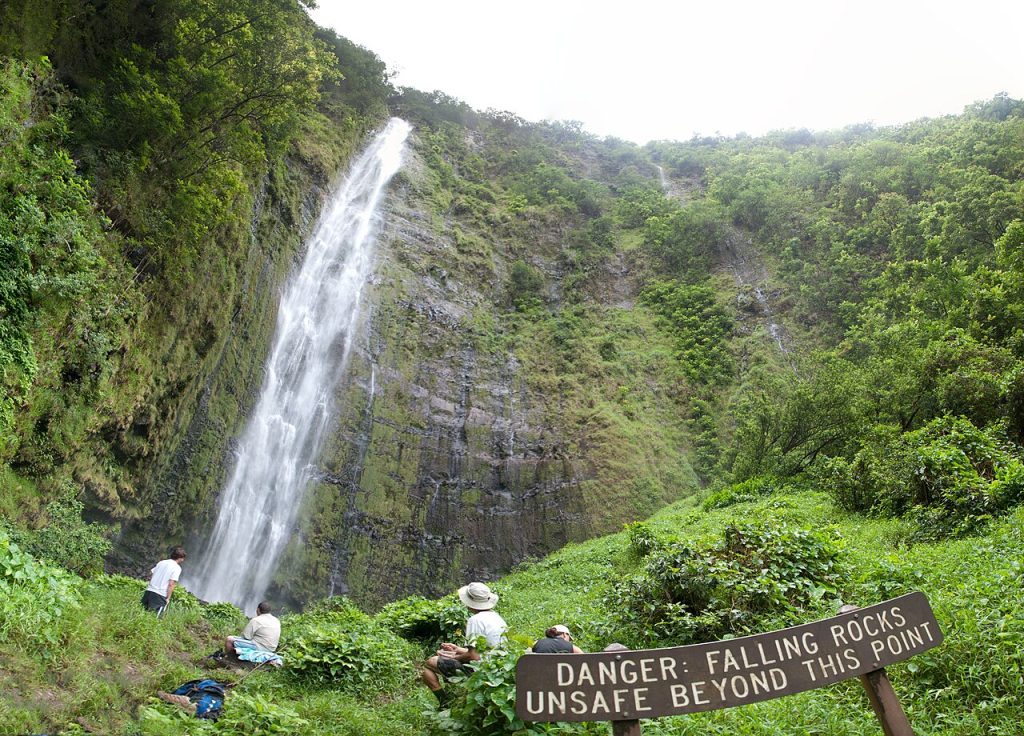
Waimoku Falls in Haleakal? National Park gives hikers a demanding finish without the crowds of a quick overlook. NPS places the Waimoku viewing area at the end of the P?p?wai Trail, 2 miles one way with about 800 feet of elevation gain, and the park calls the route moderately strenuous in the remote K?pahulu District.
The trail earns its reputation slowly, with Makahiku Falls around the first half mile, a bamboo forest near mile one, and humid footing that keeps the pace honest. NPS also warns hikers to follow posted closures and stay on trail, which fits the mood here: beautiful, remote, and best handled with patience.
Havasu Falls, Arizona
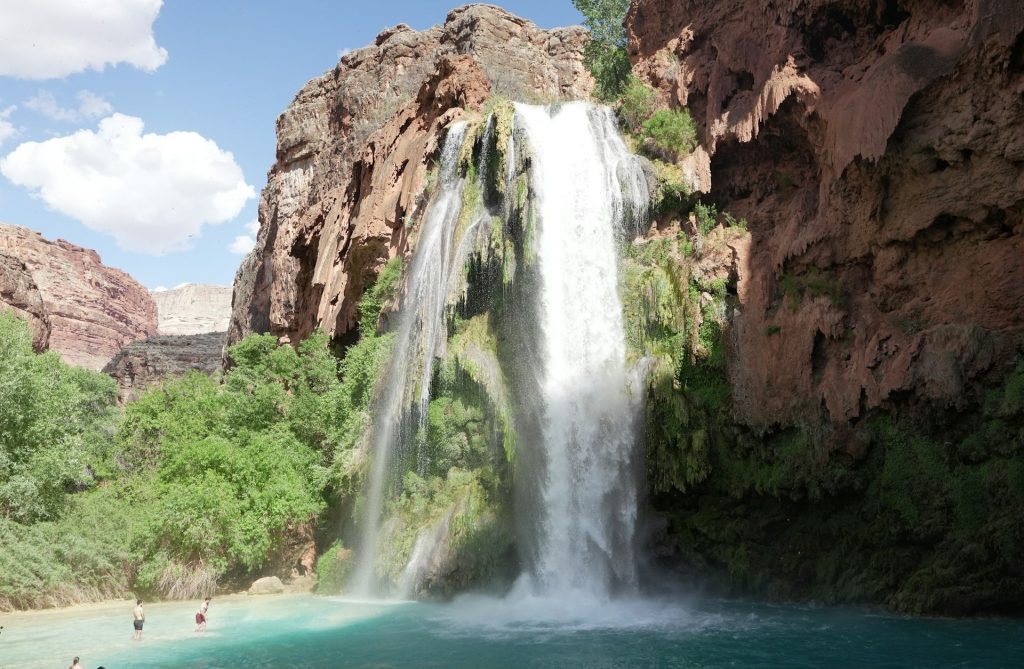
Havasu Falls is not a quick canyon add-on. Grand Canyon National Park notes Havasupai is a very remote tribal reservation, says no day hiking is allowed, and states that all visits require advance reservations through Havasupai Reservations. That alone changes the mood, because the trip begins with commitment, not impulse.
The park also warns that summer temperatures can reach 115 degrees in the canyon, which makes pacing and timing essential. Havasupai Reservations lists bookings as a four-day, three-night package, so hikers arrive ready to stay with the landscape instead of rushing through it. That pace becomes part of the reward.
Cummins Falls, Tennessee
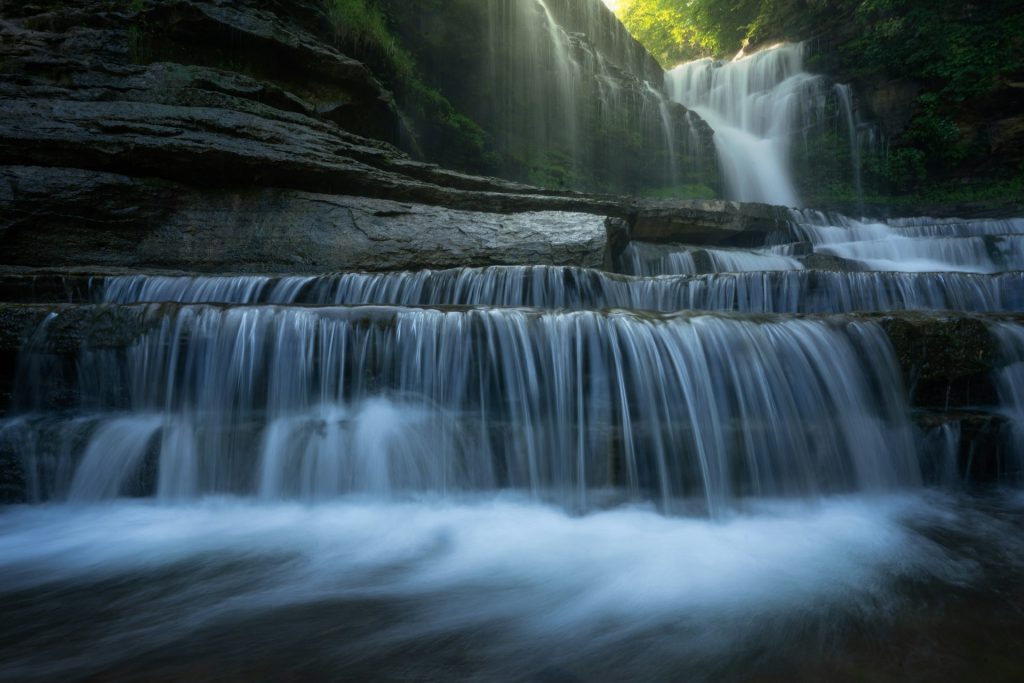
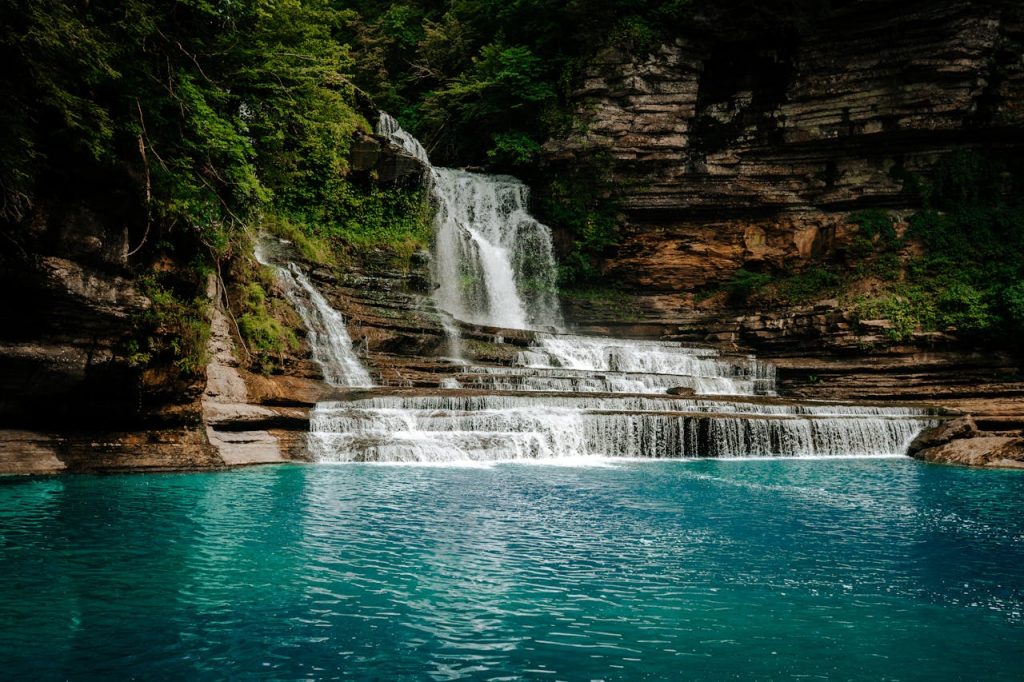
Cummins Falls sounds easy in conversation, but the gorge route usually proves otherwise. Tennessee State Parks requires a Gorge Access Permit to reach the waterfall, and park guidance notes permits are issued only when conditions are favorable. That detail says a lot about how quickly footing and water levels can change in the gorge.
The permit system gives the hike a deliberate rhythm. Hikers prepare for a real gorge outing instead of a casual park walk, and that mindset helps. At the bottom, the waterfall and pool feel inviting, but the route back still asks for balance and patience where slick rock and uneven steps slow every move.
Lower Calf Creek Falls, Utah
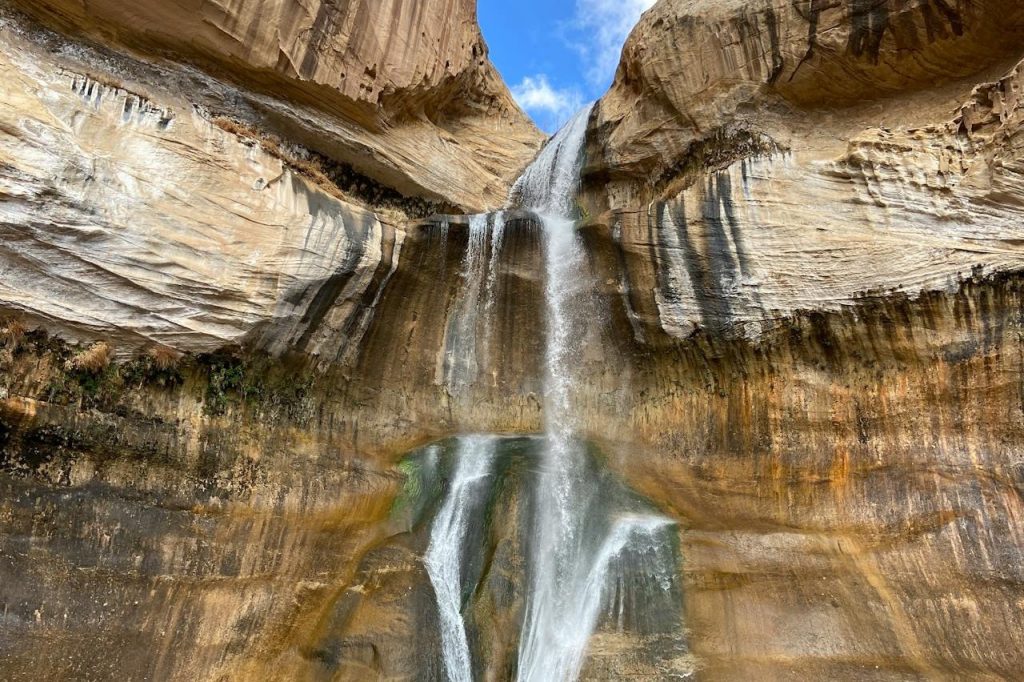
Lower Calf Creek Falls in Grand Staircase Escalante can look gentle in photos, but the Bureau of Land Management frames it as a six-mile round-trip desert hike with little shade and no drinking water. The route is clear and popular, yet the heat and exposure make it a trail where preparation matters more than pace.
BLM also notes a stream crossing and slippery rocks near the base, which becomes important when hikers relax too early. The final approach is often the moment tired legs get sloppy. Then the canyon cools, the sound rises, and the waterfall appears like a green pocket in red rock, which makes the long walk feel well spent.
Comet Falls, Washington
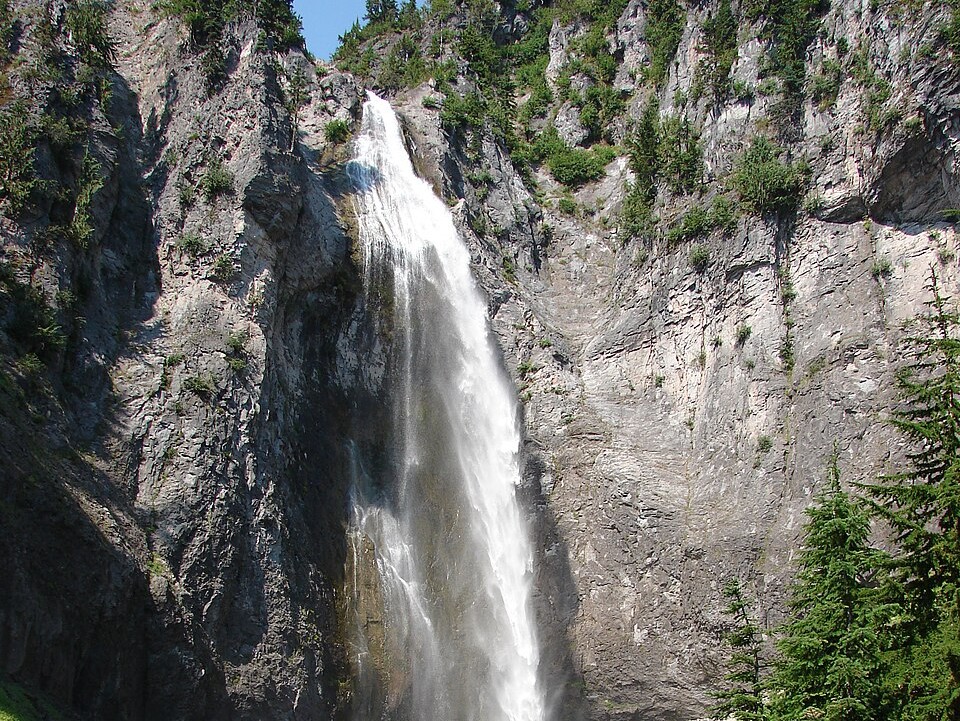
Comet Falls in Mount Rainier National Park is a short hike on paper, but it climbs hard. NPS says the trail to the base is a strenuous 1.9 miles with 1,200 feet of elevation gain, starting from the Comet Falls Trail parking area on the road to Paradise, so the effort arrives early and stays steady.
NPS also notes the falls are one of the park’s most spectacular, with the highest drop topping 300 feet, and it warns the trail can stay treacherous until summer snow melts. Women who choose this route usually respect the timing, pace the climb, and enjoy how quickly the forest quiets once the switchbacks begin. Even dry days feel steep.
Tunnel Falls Via Eagle Creek Trail, Oregon
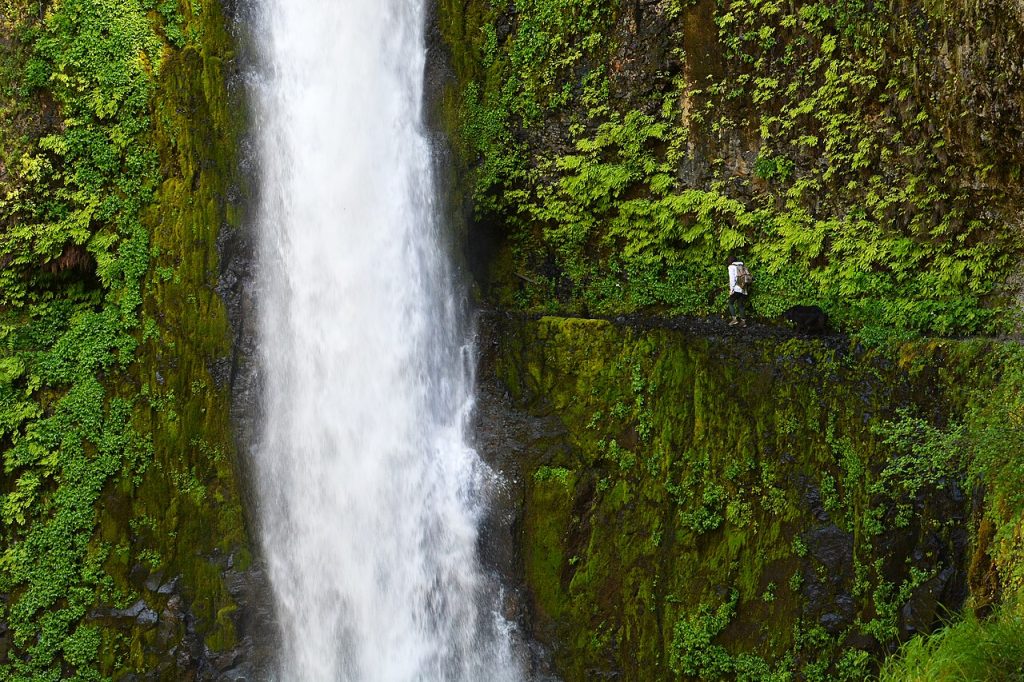
Tunnel Falls is one of the Northwest’s great waterfall goals because the route itself feels wild and long. The Forest Service says Eagle Creek Trail enters the Mark O. Hatfield Wilderness, and its trail page places Tunnel Falls about six miles from the trailhead. Even in good conditions, it carries the weight of a full day outing.
For now, patience matters more than ambition. The Columbia River Gorge National Scenic Area reports major storm damage from Dec. 2025 and lists Eagle Creek Trail #440 as closed for safety while repairs continue. It remains a worthy objective, but the smart move is waiting for official reopening notices.
Ramona Falls, Oregon
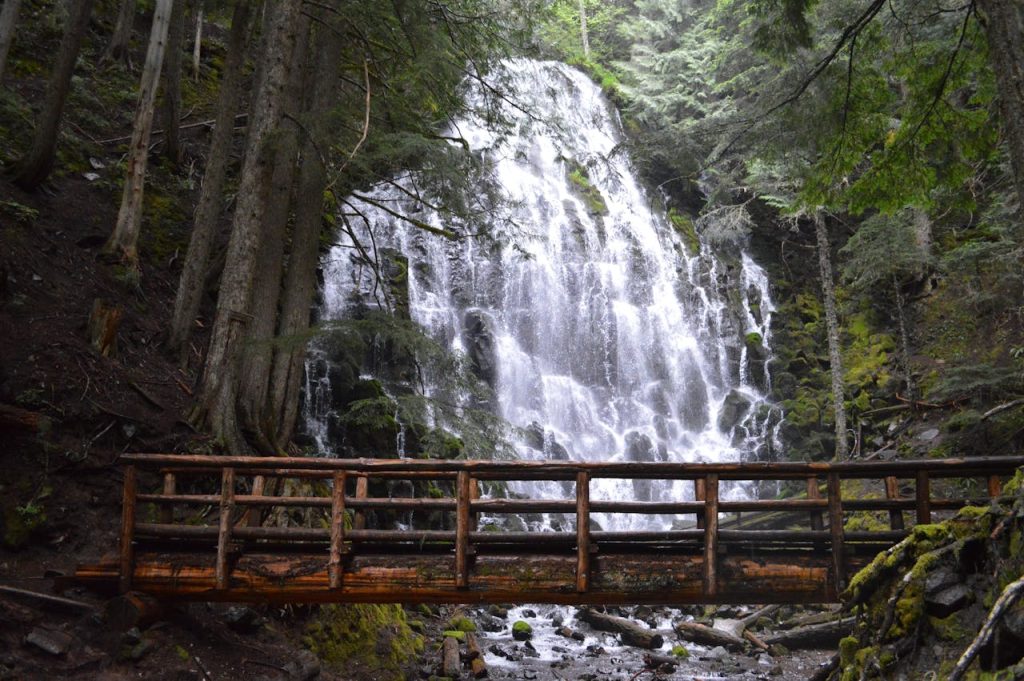
Ramona Falls has a softer mood than many hard-earned waterfall hikes, but it still asks for a real effort. A Forest Service listing describes it as a roughly seven-mile round-trip trail in the Mount Hood Wilderness, which usually means longer forest mileage, uneven footing, and a pace that stays honest from start to finish.
What makes the hike linger in memory is the atmosphere. The approach moves through dense woods and river sound before the falls spread across dark basalt in a broad, layered curtain. It is not the loudest stop here, but the combination of effort, forest quiet, and graceful water gives it unusual staying power.