10 Ways Recent U.S. Visa and Entry Changes Are Affecting Travel Plans
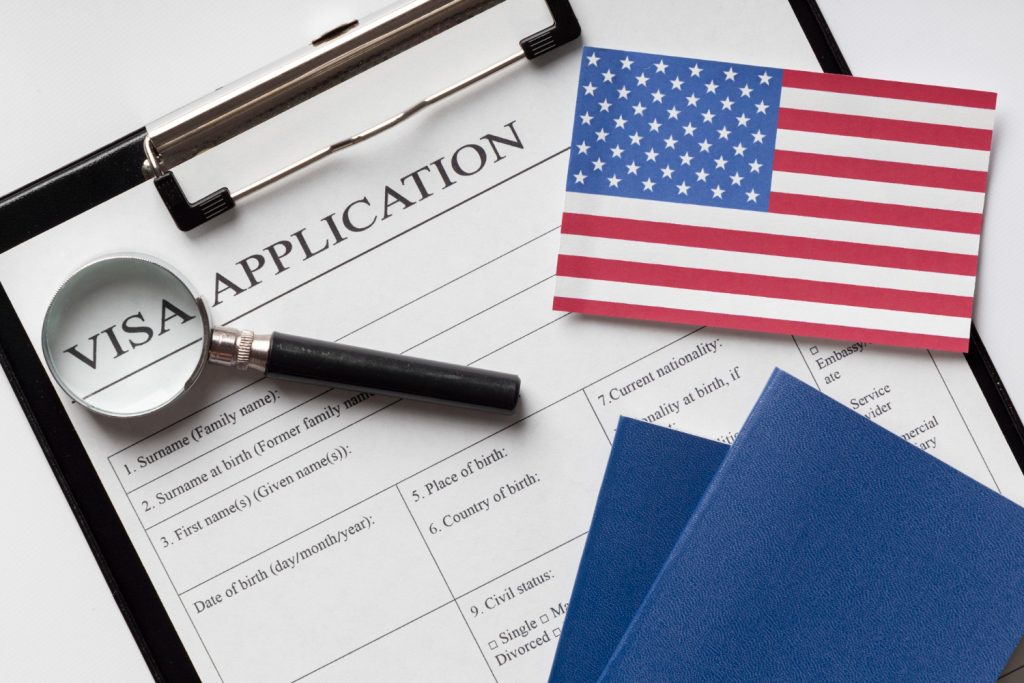
U.S. visa planning once felt linear: gather documents, book an interview, and fly after approval. Over the last year, that rhythm changed. New rules now affect where applications are filed, who must appear in person, and how long screening takes, even for travelers who previously moved through routine channels.
Families, students, workers, and employers now build larger buffers before buying tickets or fixing move dates. Costs rise a bit too. The challenge is no longer paperwork alone. Timing, visa category details, and fast policy shifts now decide whether reunions, semester starts, and job transitions run smoothly or slip into costly delays
Interview Rooms Are Back for Most Applicants

A big shift arrived on Oct. 1, 2025: most nonimmigrant visa applicants now need an in-person interview, including applicants under age 14 and over 79. That reset changed planning assumptions for families who once expected age-based convenience, especially during school calendars and peak holiday periods.
The narrow waiver lanes that remain are now specific and technical, so many travelers are building longer lead times before buying tickets. It has become less about quick paperwork and more about securing a real appointment slot at the right post. In practice, this has made appointment strategy almost as important as visa eligibility itself.
Country-of-Residence Rules Now Shape NIV Routing
A Dec. 12, 2025 update tightened where nonimmigrant cases are handled. In most situations, applicants are now expected to apply in their country of nationality or usual residence, rather than treating third-country posts as an easy backup when local queues run long.
That change has ripple effects for people living abroad, digital workers between countries, and students trying to align visa timing with term dates. Route planning now includes legal residency documents, local appointment availability, and the risk of having to refile in a different location. Many now check residence rules first, then compare wait times and route choices abroad.
Immigrant Visa Cases Are Also Tied to Residence
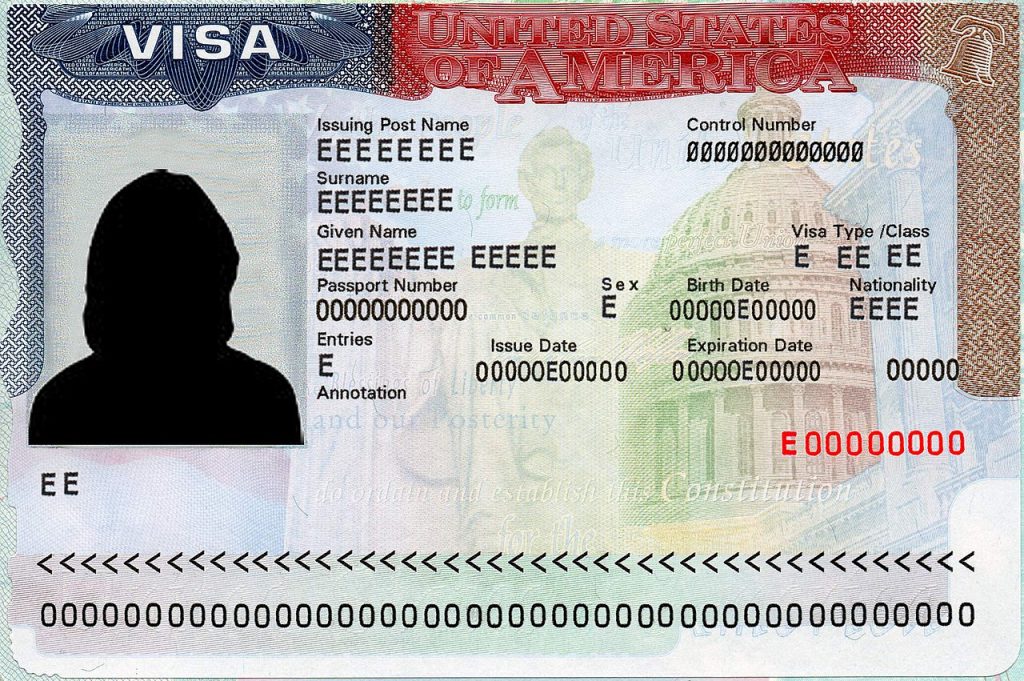
Immigrant visa processing also moved toward country-of-residence adjudication, with a State Department notice dated Dec. 2, 2025 and implementation beginning Nov. 1, 2025. National Visa Center scheduling now follows this rule, which reduces forum shopping and forces cleaner case routing.
For many families, the practical impact is logistical, not just legal. Petitioners are coordinating medical exams, civil records, and interview travel around the post tied to residence, even when another embassy once seemed faster on paper or closer by flight time. Residence proof now carries equal weight with petition approval when families map trips early.
Social Media Vetting Has Become Practical Prep Work

As of Dec. 15, 2025, expanded online-presence vetting applies to H-1B applicants and H-4 dependents, adding to existing screening for F, M, and J categories. The State Department says applicants should set social media privacy to public to support this review during adjudication.
That instruction changes pre-interview prep in concrete ways. Applicants now audit old profiles, stale bios, and inconsistent identity details before interviews, because digital footprints can slow decisions when timelines are tight and employer start dates are already fixed. That shift makes online consistency checks routine work before interview windows even open.
H-1B Entry Limits Added a Major Cost Variable
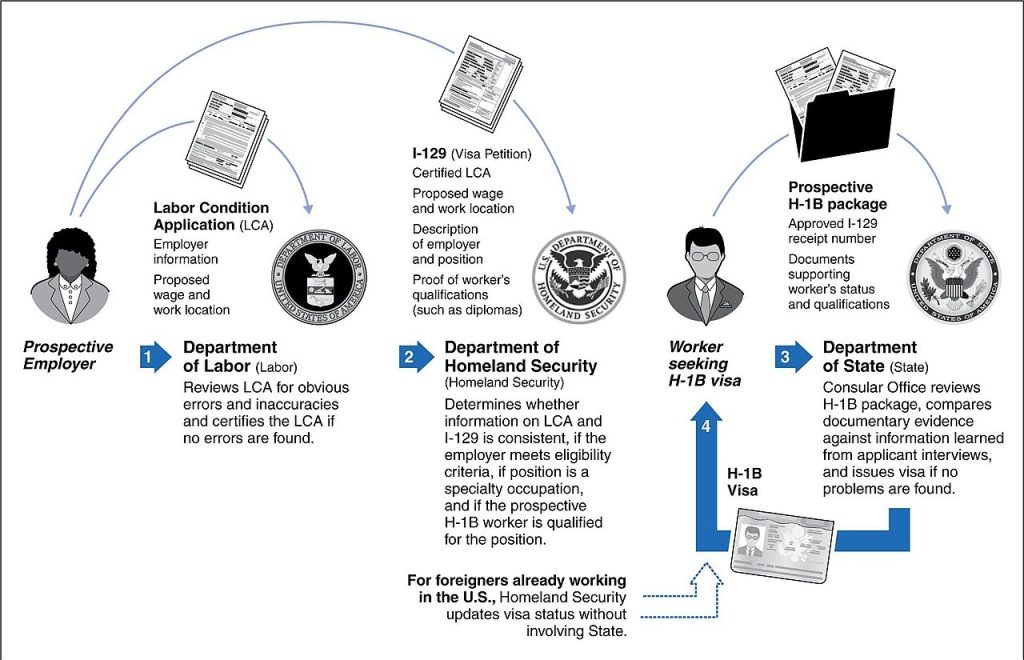
A Sept. 19, 2025 presidential proclamation created a high-cost path for certain H-1B filings: petitions filed after Sept. 21, 2025 generally face visa issuance and entry restrictions unless accompanied or supplemented by a $100,000 payment with USCIS paperwork.
For employers and sponsored workers, that financial threshold changes hiring calendars, budget approvals, and mobility planning. Some candidates are now sequencing travel around amended petition strategies, while others postpone moves until compliance and cost decisions are fully settled. It has turned mobility planning into a legal and financial exercise before travel dates are made.
Visa Bonds Now Affect Certain Visitor Budgets and Timelines
The visa bond pilot took effect Aug. 20, 2025 and runs through Aug. 5, 2026, requiring some B-1/B-2 applicants from designated countries to post bonds of $5,000, $10,000, or $15,000 as a condition tied to visa issuance when otherwise eligible.
For affected travelers, that requirement can reshape both budget and timing. Consular officers set bond amounts case by case, with $10,000 as the expected baseline in most cases, while lower or higher amounts apply by circumstance. It turns a standard visitor plan into a layered compliance decision before departure dates are finalized. This makes pretrip budgeting as important as interview preparation.
Country-Based Suspensions Changed Risk Calculations
Under Presidential Proclamation 10998, effective Jan. 1, 2026, the United States fully or partially suspended visa issuance and entry for nationals of multiple countries. State says the measure covers 39 countries in total, with category-specific limits and listed exceptions.
One detail matters for current travelers: the proclamation applies to people outside the U.S. on the effective date who did not hold a valid visa at that moment. State also states that visas issued before that cutoff were not revoked under this proclamation, which shapes risk assessments. That timing rule anchors many go or delay decisions: before tickets are purchased.
Immigrant Issuance Pauses Split Family Planning Tracks
Effective Jan. 21, 2026, State paused immigrant visa issuance for nationals of a long list of countries under a public-benefits screening policy update. The department says affected applicants may still submit applications and attend interviews while the issuance pause remains in place.
The policy text also says tourist visas are not covered by this specific pause, and it lists exceptions for certain dual nationals and some adoption-related cases. For mixed-status families, travel planning now splits into two tracks: immigrant intent timing and temporary-visit timing. That distinction now shapes how families stage moves and preserve options.
Diversity Visa Interviews and Issuance Have Diverged
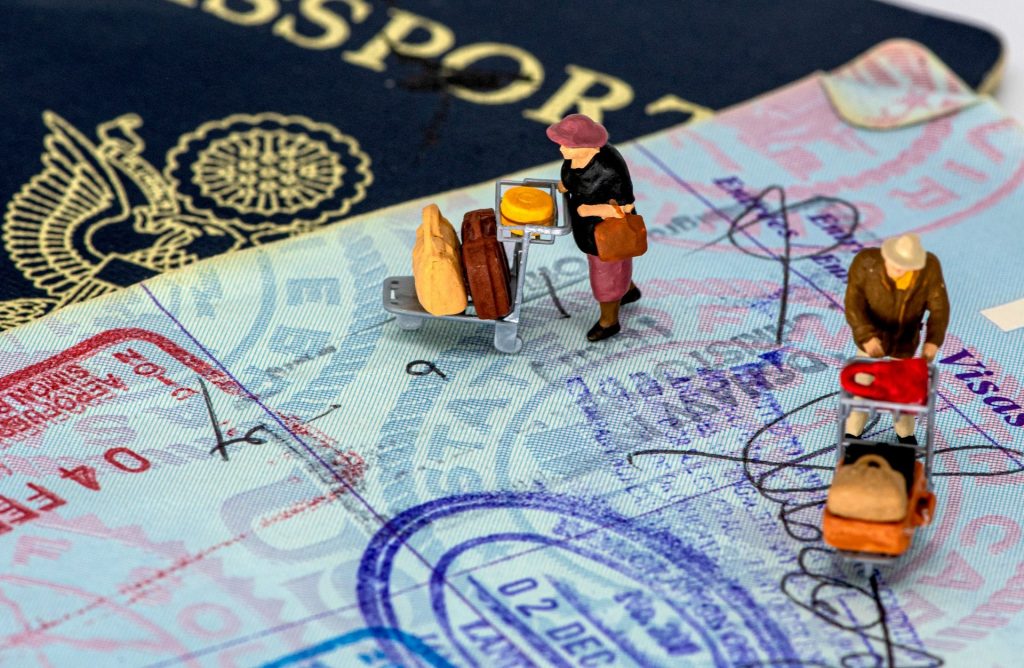
A Dec. 23, 2025 guidance update halted diversity visa issuance, even as appointments could still be scheduled and interviews could still occur. State also says there are no exceptions to that issuance rule, creating unusual uncertainty for applicants already deep in the process.
That gap between interviewing and issuing has practical consequences. Applicants still prepare medicals, documents, and travel logistics without a guaranteed visa outcome at the final stage. The result is higher planning friction, especially for households balancing school terms and lease deadlines. Interviews no longer signal travel until issuance policy clears now.
DV-2027 Registration Timing Is No Longer Assumed
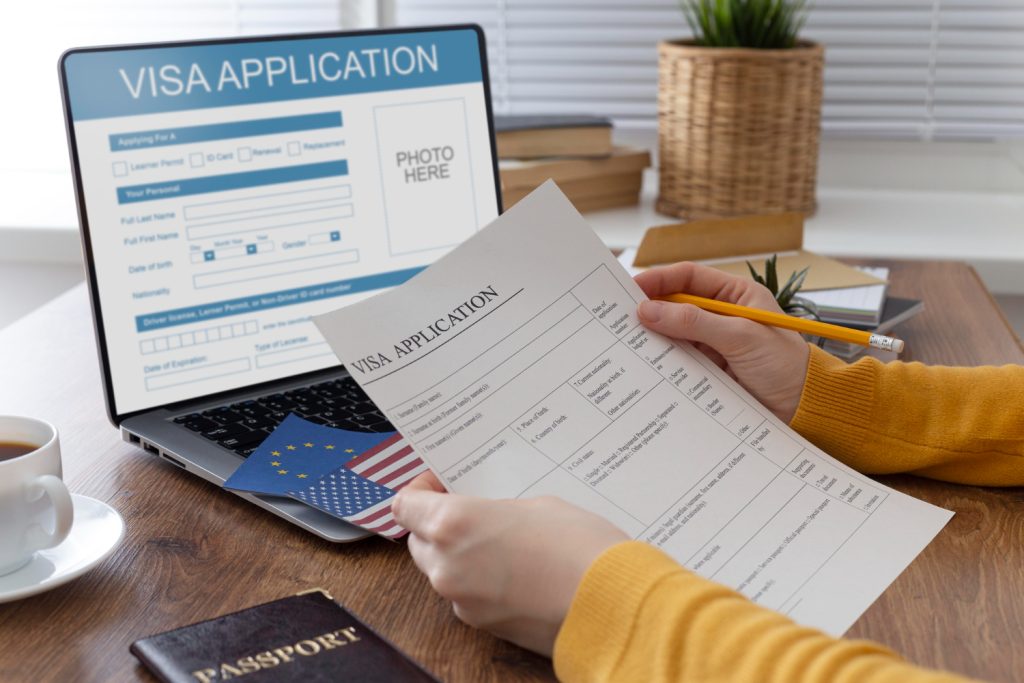
A Nov. 5, 2025 State Department notice changed the timeline expectations for the DV-2027 registration cycle. Instead of a fixed opening pattern, the department said it would announce the registration start date and the selection-results date as soon as practicable.
That update means entrants can no longer assume a familiar launch window for planning around forms, passports, and supporting records. State also clarified that the visa-application period for selected DV-2027 applicants remains Oct. 1, 2026 through Sept. 30, 2027. That reality rewards early filing, backups, and strict calendars. It keeps plans flexible while official dates shift.