10 Ways Rising Costs Are Quietly Changing How Americans Travel

For years, my default approach to travel was defined by a certain careless optimism. I would book a peak-season flight to a major European capital or a popular tropical resort, confident that I could absorb the costs of last-minute dinners, spontaneous tours, and whatever hotel felt right in the moment. That era of financial flexibility, however, has collided with a new economic reality of persistent inflation, higher airfares, and surging lodging rates. The “book it and figure it out later” mentality is being replaced by a disciplined, tactical approach where every decision is weighed against its value, reshaping not just where Americans go, but how they exist once they get there.
This shift is not simply about spending less; it is about maximizing yield in a high-cost environment. Economic researchers and travel industry analysts note that while travel demand remains robust, the mechanics of the trip have fundamentally changed. The American traveler in 2025 and 2026 is becoming a master of arbitrage, trading dates, destinations, and comfort levels to keep the world within reach. What was once a simple vacation has evolved into a strategic exercise in cost management.
The Shift to Shoulder Season
The traditional summer vacation window of June through August is rapidly losing its dominance as travelers flee peak pricing. Tourism boards and airline data aggregators report a massive surge in bookings for April, May, September, and October—the so-called “shoulder season.” By shifting dates by just a few weeks, travelers can bypass the premium pricing that hotels and airlines apply to the school-holiday rush, effectively getting the same trip for significantly less.
Economic drivers here are supply-and-demand mechanics and climate adaptation. Pricing analysts explain that the “summer premium” has become mathematically difficult for many families to justify, especially as heatwaves in popular regions make mid-summer travel physically uncomfortable. Moving the trip to the shoulder season offers a double dividend: lower daily rates and a more temperate climate.
This trend is defined by a preference for mild weather, lower density, and a more relaxed, adult-centric pacing.
The tradeoff is a conflict with rigid institutional schedules. Families with school-aged children often cannot take advantage of these lower rates without pulling kids out of class, creating a sharp divide between those who can travel off-peak and those tethered to the academic calendar.
The Rise of Destination Dupes

The “destination dupe” has moved from a social media fad to a core budgeting strategy. Instead of booking the most famous (and expensive) version of a landscape, travelers are actively seeking out the “duplicate”—a location that offers a similar vibe for a fraction of the cost. Travel search engines show spiking interest in places like Albania instead of Greece, or Taipei instead of Tokyo, as Americans realize that the “brand name” destination often carries a 30% to 50% markup.
The drivers are currency arbitrage and overtourism avoidance. Value-focused travel experts note that second-tier destinations often have weaker currencies and lower cost-of-living baselines, meaning the US dollar stretches much further. This allows travelers to maintain a high standard of dining and lodging that would be unaffordable in the “primary” destination.
This approach honors the spirit of discovery, prioritizing the feeling of a place over its famous name.
The tradeoff is often a lack of direct infrastructure. “Dupe” destinations typically require more complex travel logistics, such as connecting flights or longer transfers, and may lack the polished English-speaking service industry found in major tourist hubs.
The Return to All-Inclusive Resorts
The all-inclusive resort is shedding its reputation for mediocrity and attracting a new wave of budget-conscious travelers seeking price certainty. Hospitality market analysts report that the predictability of a single upfront price is highly attractive in an era where dining inflation has made a simple lunch bill shocking. By locking in food, drink, and activities, travelers insulate themselves from the daily “sticker shock” of $25 cocktails and resort fees.
Financial anxiety and inflation hedging are the key drivers. Economic psychologists suggest that the mental burden of constantly calculating costs on vacation ruins the experience. The all-inclusive model removes this friction, allowing travelers to relax without mentally tallying a ledger every time they order a coffee.
This style of travel is characterized by total convenience, gated relaxation, and a friction-free relationship with consumption.
The tradeoff is a “walled garden” experience that disconnects the traveler from the local culture. By prepaying for everything on-site, there is a strong financial disincentive to leave the resort and spend money at local businesses, leading to a bubble-like vacation.
The Micro-Cation Trend

The two-week international odyssey is being sliced into shorter, more frequent “micro-cations.” Data from travel booking platforms indicates a decline in long-duration trips in favor of three-to-four-day blasts. This strategy allows travelers to satisfy their wanderlust without the massive total expenditure of a long-haul journey, effectively spreading their travel budget across multiple smaller experiences throughout the year.
The drivers are reduced PTO availability and total trip cost management. Labor trend analysts point out that while Americans have money, they often feel “time poor” and financially cautious. A shorter trip reduces the total bill for dog sitters, missed work, and hotel nights, keeping the “lifestyle” of travel alive without the heavy capital commitment.
This trend privileges frequency and intensity, favoring quick hits of culture or relaxation over deep immersion.
The tradeoff is a higher ratio of transit time to leisure time. On a four-day trip, losing half a day to travel feels significant, and the environmental footprint of taking multiple short flights is considerably higher than taking one long trip.
The Pivot to Domestic Regional Travel
Americans are increasingly swapping the transatlantic flight for the regional road trip or short-haul domestic flight. Tourism statistics show robust growth in “drive-to” destinations within 300 miles of major metro areas. By eliminating the volatile cost of international airfare and the strength of foreign currencies, travelers can control a larger portion of their budget, investing it in better accommodation or food rather than a plane seat.
Fuel stability and risk aversion are the drivers here. Risk analysts note that domestic travel eliminates the variables of passport delays, flight cancellations in foreign jurisdictions, and exchange rate fluctuations. It is a “safe harbor” strategy that keeps the travel supply chain within a known, manageable radius.
This movement celebrates the American backyard, focusing on national parks, small towns, and regional distinctiveness.
The tradeoff is a limit on cultural novelty. While the US is diverse, a domestic trip rarely offers the total psychological break of stepping into a foreign language and culture, potentially making the “escape” feel less complete.
The Downgrade in Accommodation Tiers

The era of the “revenge splurge” on five-star hotels is ending, replaced by a pragmatic downgrade to mid-scale properties. Hotel industry reports show softening demand in the luxury sector as middle-class travelers trade down to limited-service hotels that offer free breakfast and reliable Wi-Fi without the white-glove markup. The hotel room is increasingly viewed as a “base camp” for sleeping rather than a destination in itself.
The drivers are value scrutiny and service reductions. Consumer advocates point out that many luxury hotels have cut housekeeping and amenities while raising prices, degrading the value proposition. Travelers are realizing that a clean, modern three-star hotel often provides 90% of the utility for 50% of the price.
This habit reflects a utilitarian view of lodging, prioritizing function, location, and cleanliness over prestige.
The tradeoff is the loss of the “pampered” feeling. Limited-service hotels rarely offer concierges, room service, or luxurious pool decks, stripping the vacation of the feeling of being taken care of.
The Strict Budgeting of Activities
The “do it all” itinerary is being replaced by a highly curated selection of paid activities. Visitor numbers at major, high-cost theme parks and ticketed attractions are showing signs of sensitivity as families recoil from triple-digit entry fees. Instead, travelers are prioritizing free activities—hiking, public beaches, walking tours—and splurging on just one or two “anchor” experiences per trip.
Discretionary income pressure and “junk fee” fatigue are the drivers. Family budget analysts note that the cumulative cost of tickets, Genie+ passes, and skip-the-line fees has outpaced inflation. Travelers are responding by voting with their feet, choosing low-cost days and refusing to pay for every upsell.
This approach favors organic exploration, pushing travelers toward public spaces and natural assets rather than gate-kept entertainment.
The tradeoff is a higher planning burden. Finding high-quality free things to do requires more research and local knowledge than simply buying a ticket to a famous attraction, demanding more cognitive load from the traveler.
The Strategic Use of Loyalty Points
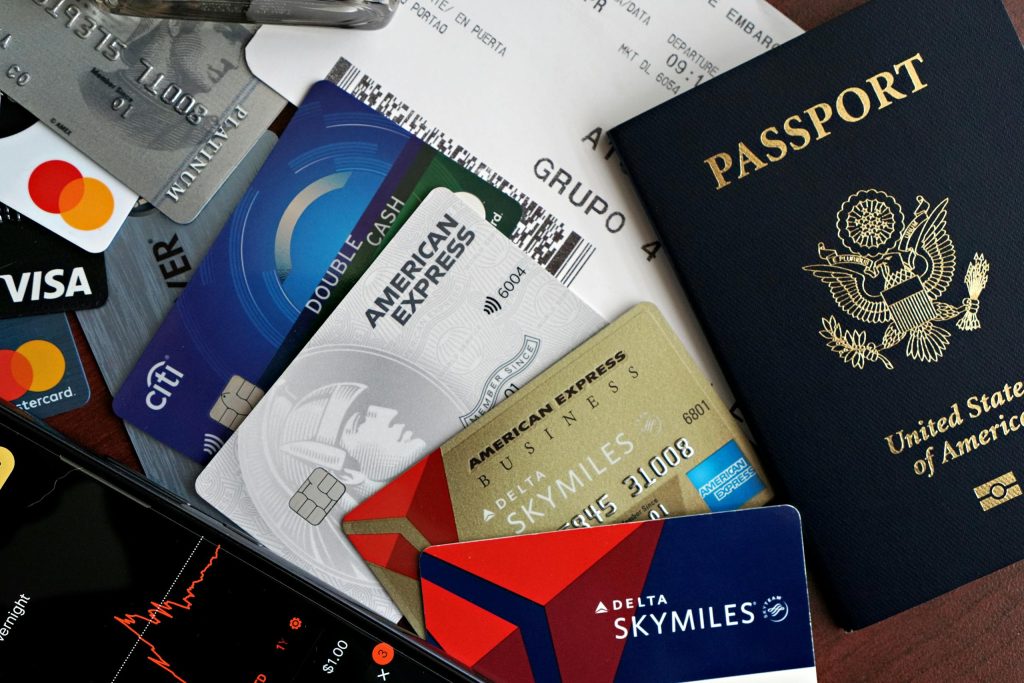
Passive accumulation of miles is shifting to aggressive “earn and burn” strategies. With airlines and hotels frequently devaluing their points tables, travelers are treating miles like a wasting asset that must be spent quickly. Loyalty experts observe a trend of travelers booking flights almost entirely on points to offset the cash cost of the vacation, using their loyalty balances as a hard currency hedge against inflation.
Program devaluation and inflation are the urgent drivers. Financial planners emphasize that holding onto points is a losing strategy as their purchasing power erodes faster than cash. Travelers are cashing out now to fund trips that would otherwise be unaffordable.
This behavior turns the traveler into a savvy accountant, constantly monitoring award availability and redemption charts.
The tradeoff is a loss of flexibility. Booking with points often restricts travelers to specific “saver” dates or less desirable routes, forcing the itinerary to bend to the availability of the award seat.
The “Cool-cation” Movement
Temperature is becoming a proxy for cost and comfort. As southern Europe and tropical zones become dangerously hot (and expensive) in peak summer, travelers are pivoting to cooler, northern latitudes like Scandinavia, Canada, or the Pacific Northwest. “Cool-cationing” allows travelers to avoid the peak-season pricing of the Mediterranean while enjoying a climate that allows for active, outdoor exploration without heat exhaustion.
Climate change and peak-pricing avoidance are the drivers. Meteorological data and tourism pricing models show that “heat” and “cost” often peak together. By heading north, travelers escape the thermal and financial pressure of the traditional summer hotspots.
This trend is defined by fresh air, green landscapes, and a lifestyle that embraces the outdoors without the need for air conditioning.
The tradeoff is often a higher baseline cost of living. Northern destinations like Scandinavia or Switzerland are notoriously expensive for food and drink, potentially offsetting the savings gained by avoiding the Mediterranean peak.
The Strict Booking Window
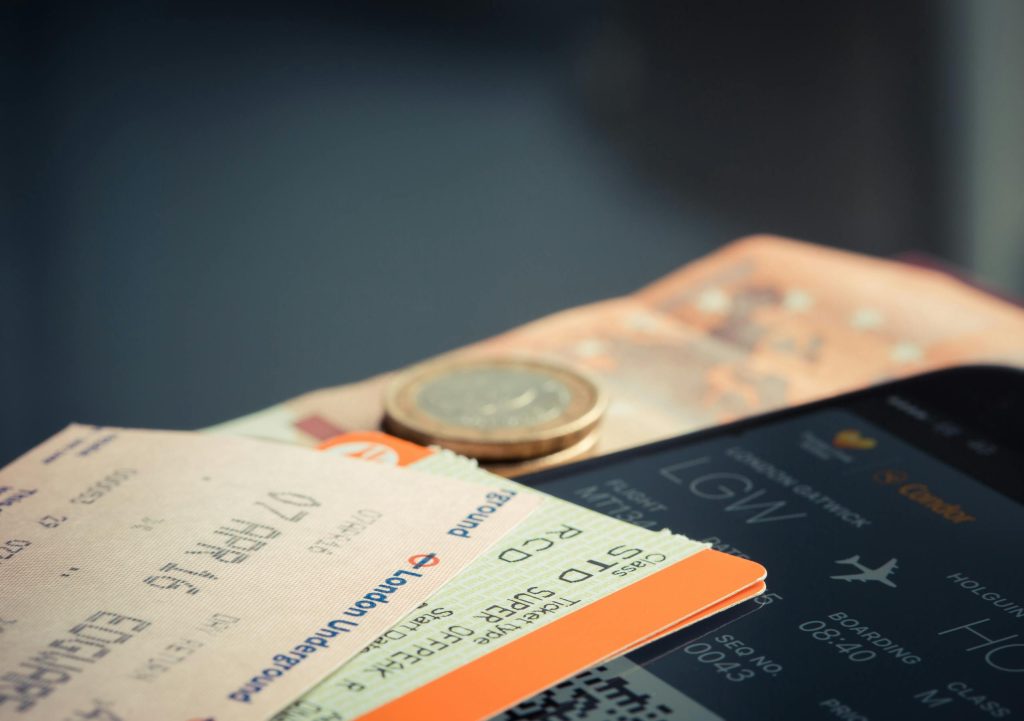
The spontaneous last-minute deal is largely a myth in the current algorithm-driven pricing environment. Travelers are booking further in advance than ever before—often 6 to 9 months out—to lock in airfare and lodging before dynamic pricing algorithms push rates up. The “booking window” has lengthened as Americans realize that waiting rarely pays off.
Dynamic pricing algorithms and limited inventory are the drivers. Revenue management systems used by airlines and hotels are designed to punish procrastination. Travelers have learned that the “early bird” rate is the only way to secure a viable price for popular routes.
This habit creates a rigid, committed travel calendar where trips are cemented half a year before departure.
The tradeoff is a total lack of spontaneity. Committing to a trip months in advance requires firm dates and often non-refundable deposits, leaving zero room for life changes, work conflicts, or sudden shifts in mood.