11 Asian Tourist Zones With Strict Crowd-Control Policies

I used to plan trips around the same default logic, book the most famous district, show up early, and assume the crowd would thin out by lunchtime. I also leaned on the usual high-demand coastal hotspot or the best-known heritage icon, even when the experience started to feel like a long line attached to a short moment.
I started reworking that approach in 2025, and the rethink carries into 2026. Cost pressure keeps rising in the most saturated markets, disruption risk has become harder to ignore, and quality-of-life friction shows up as heat stress, long waits, and closed-off access points. That is the shift. Tourism studies, park managers, and heritage institutions often recommend the same practical pivot, choose destinations that openly manage demand with reservations, caps, timed entry, or visitor fees, then build the itinerary around the rules instead of fighting them.
Bhutan’s Paro Thimphu Circuit, Bhutan
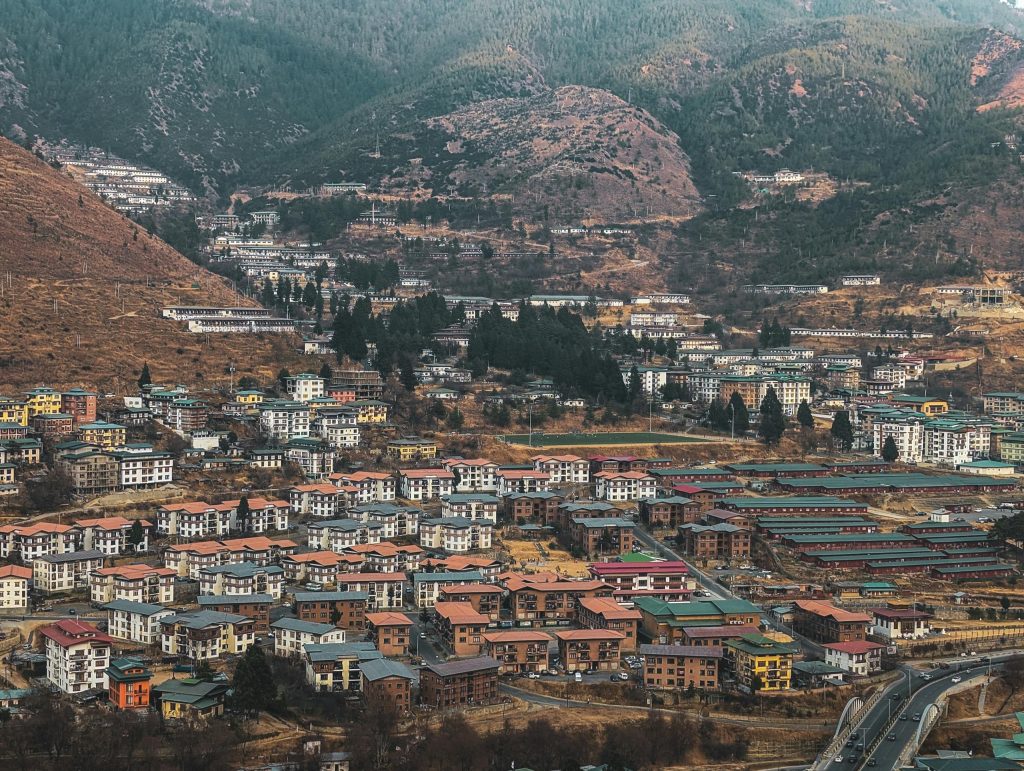
Bhutan’s main visitor circuit centered on Paro and Thimphu fits this list because the country’s tourism model is designed to limit volume and fund public priorities. According to Bhutan’s tourism authorities, the Sustainable Development Fee supports a “high value, low impact” approach that intentionally shapes how many visitors arrive and how long they stay.
Economic researchers often describe this kind of policy as a form of demand management that can reduce pressure on housing, roads, and cultural sites when compared with the old default of an overcrowded, low-friction hub. That tradeoff matters in 2025 and 2026 because predictable access can protect trip value when headline destinations feel more expensive and less comfortable. Place identity stays tangible through compact valleys, monastery-centered day trips, and a small-city pace that naturally supports slower scheduling.
A downside shows up in budgeting and logistics. Cost structure can feel higher than neighboring countries, planning tends to be more structured, and policy details can change over time, so travel planners usually treat official guidance as the planning baseline.
Boracay Island, Philippines
Boracay belongs here because officials have used carrying-capacity thinking and visitor limits as a core tool after environmental strain. Philippine government coverage and major local reporting describe a formal carrying-capacity cap and continuing debate about how to keep crowd levels sustainable, which signals an ongoing crowd-control posture rather than a one-time reset.
Tourism analysts often frame this kind of policy as a response to a familiar problem in high-demand beach markets. The old default beach hub can look affordable on paper, then become expensive once peak-season surcharges, transport bottlenecks, and packed public space reduce the experience. That is why the math changes. Boracay’s identity still centers on a compact shoreline and walkable stretches, but the management approach pushes planning toward timing, compliance, and expectations around entry flow.
A tradeoff remains. Crowd levels can still spike during holidays, enforcement can vary, and accommodation pricing can move quickly, so the policy does not remove volatility, it only tries to contain it.
Maya Bay in the Phi Phi Islands, Thailand
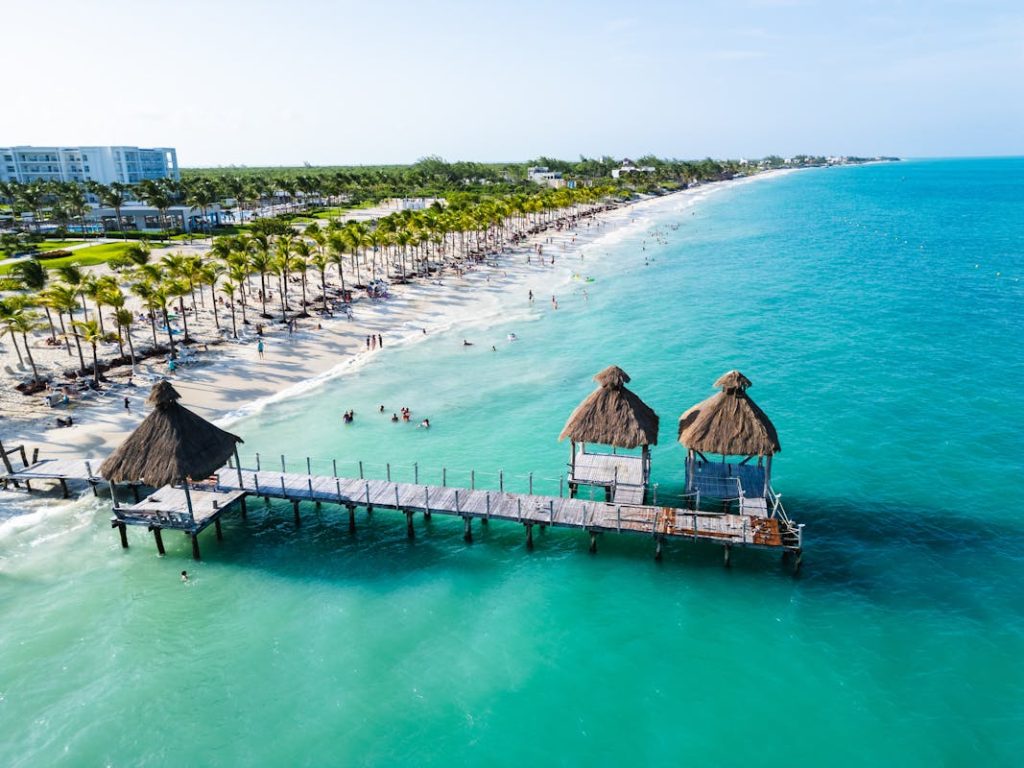
Maya Bay makes the case for strict crowd control because park authorities have repeatedly used closures, timed access, and visitor limits tied to environmental recovery. Reporting on the site’s management highlights structured shifts and limits designed to protect a fragile marine ecosystem rather than maximize throughput.
Risk analysts often treat this as a modern template for overtourism hotspots. The old default once meant arriving whenever the boat schedule allowed, then competing for a few minutes of space. Current access rules flip the experience into a controlled window, which can improve comfort and reduce chaotic congestion. Place identity still feels specific through limestone cliffs and managed boat approaches, but the trip becomes more about the rules and less about spontaneity. That tradeoff matters when cost pressure makes wasted hours feel more expensive.
A downside is rigidity. Seasonal closures, shift schedules, and enforcement around activities can limit flexibility, and access can change based on conservation needs, so planners often keep backup options within the same island region.
Mount Fuji’s Yoshida Trail, Japan
Mount Fuji’s Yoshida Trail belongs here because Japan introduced a clear cap-and-fee framework to manage overtourism and safety on the country’s most famous climb. Major reporting describes a daily cap and reservation-linked entry controls designed to regulate flow on the most popular route.
Travel logistics matter more in 2025 and 2026 because the cost of a failed plan is higher, especially when transport and lodging prices rise near peak periods. A reservation-and-cap system turns the climb into a timed experience that rewards preparation over improvisation, which often improves safety and reduces crowd crush on narrow segments. Place identity stays distinct through high-altitude huts, late-night summit timing culture, and a short seasonal window that concentrates demand.
A tradeoff appears in planning friction. Gate hours, booking requirements, and weather variability can block access even with strong preparation, so contingency days often protect the itinerary.
Kyoto’s Gion District, Japan
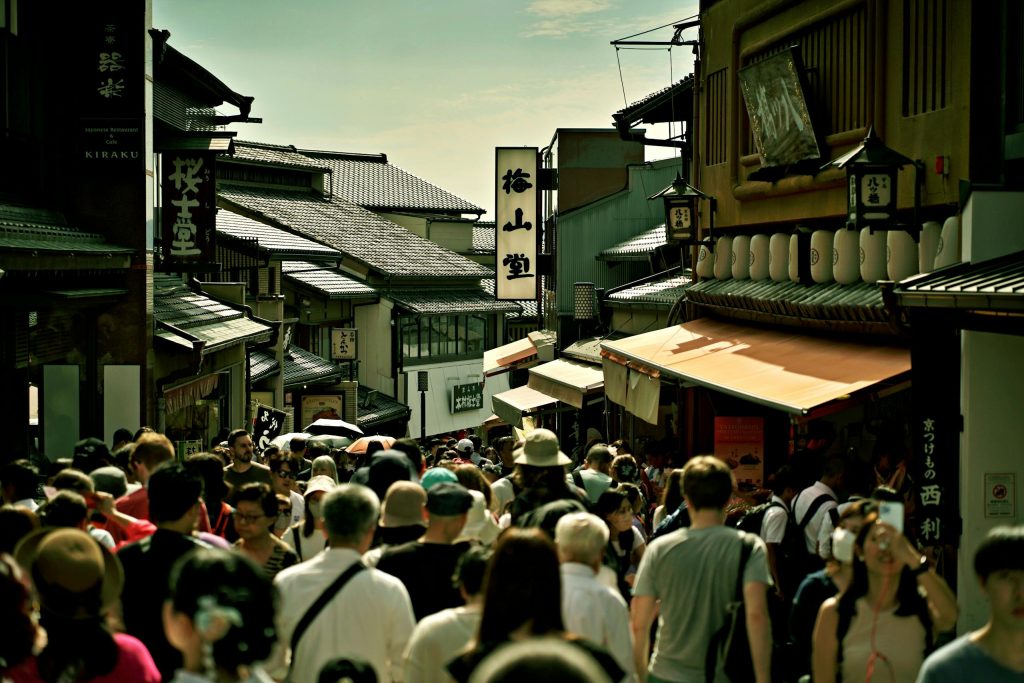
Kyoto’s Gion district fits because local authorities and community councils have used access restrictions to protect private alleys from crowd pressure and misconduct. Major news coverage describes limits on entry to certain private lanes, signaling a direct crowd-control response to overtourism in a dense heritage neighborhood.
Museum professionals and tourism studies often emphasize that cultural districts are not only attractions, they are living communities with narrow streets and limited capacity. That is why the old default of “show up at the most famous street at prime time” keeps losing appeal. The place identity remains rooted in compact lanes, traditional teahouse culture, and pedestrian-scale streets, but the experience now depends on respecting boundaries and using designated public areas rather than chasing the tightest alleyway.
A downside is interpretive complexity. Rules can feel confusing without context, signage may shift, and crowd behavior can change fast during peak seasons, so planners often lean on cultural institutions and reputable guides for a calmer itinerary.
Hallasan Mountain Trails on Jeju Island, South Korea
Hallasan appears on this list because the island uses a formal trail reservation system to manage hiking demand and environmental impact. The official Hallasan visit reservation platform signals a controlled entry approach rather than open-access hiking on peak days.
According to park management logic used across high-traffic nature sites, reservations can reduce congestion at choke points and improve safety response by smoothing arrivals. That tradeoff matters in 2025 and 2026 because outdoor travel has grown more popular, while crowd stress and rescue risk remain real. Jeju’s place identity shows through volcanic landscapes, a strong day-hike culture, and a clear trail system that encourages earlier starts and predictable exit timing.
A downside is availability pressure. Reservation windows can fill quickly during peak foliage or snow periods, and weather closures can override plans, so alternate coastal walks and museum days often protect the schedule.
Badaling Great Wall, China
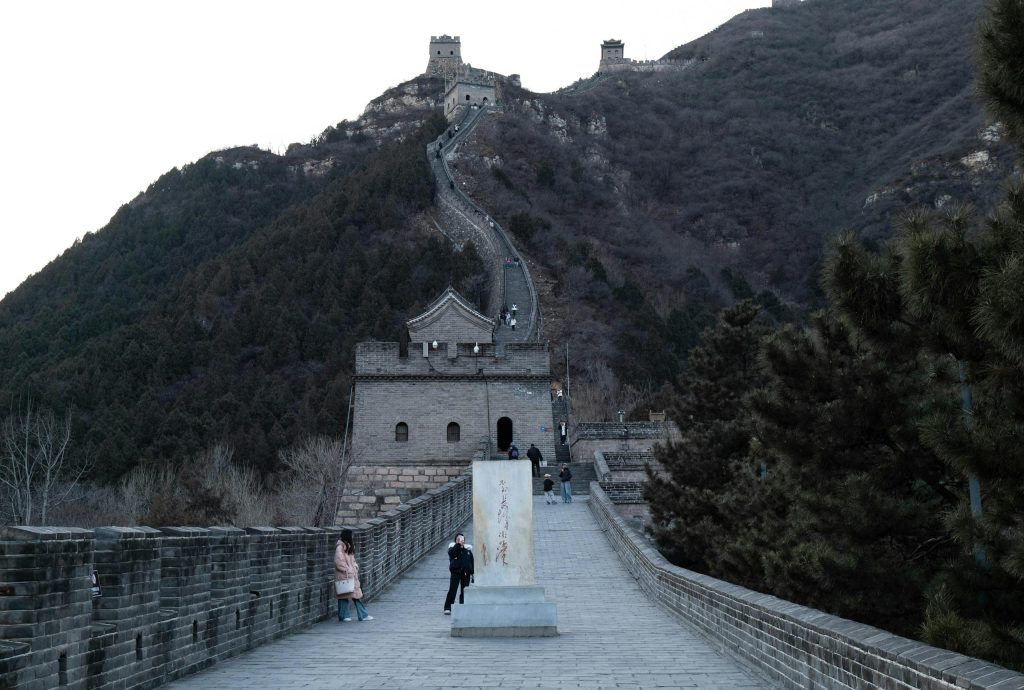
Badaling qualifies as a strict crowd-control zone because authorities have used a daily cap and real-name booking to manage demand at one of the most visited Great Wall sections. Beijing’s official tourism information describes a visitor cap and a reservation requirement, which signals formal capacity management.
Tourism analysts often point to landmark bottlenecks as the reason caps matter. The old default approach, arrive mid-morning and push through, tends to produce the worst crowd density and the least satisfying views, especially when group tours converge. Badaling’s place identity still carries the classic wall experience with restored ramparts and broad overlooks, but the trip increasingly rewards planned timing and controlled entry windows. That is the shift.
A downside is peak-season competition and constrained spontaneity. Reservation systems can limit last-minute changes, and the most popular time slots can disappear early, so planners often build flexibility into the Beijing itinerary.
Jiuzhaigou Scenic Area, China
Jiuzhaigou belongs on this list because park management has operated with capacity limits and reservation-style controls during high-demand periods. Coverage referencing official data describes the site reaching “maximum capacity” at around 41,000 visitors per day during peak stretches, which indicates an enforced ceiling rather than unlimited entry.
Environmental management experts often frame this as a necessity for fragile ecosystems where boardwalks and shuttle systems create natural choke points. The old default, arrive without a plan and expect open entry, can fail in capacity-managed parks, especially during school holidays. Place identity remains strong through high-altitude lakes, shuttle-based routing, and a structured internal transport system that shapes how the day unfolds.
A tradeoff is operational variability. Seasonal closures and route changes can restrict certain areas, and reservation details can evolve, so itinerary designers often keep adjacent scenic areas as backups rather than relying on a single entry day.
Taj Mahal Complex in Agra, India

The Taj Mahal qualifies as a crowd-managed zone because site operations rely on formal ticketing rules and scheduled access norms common to high-volume monuments. The official Taj Mahal site provides ticketing guidance and confirms oversight by the Archaeological Survey of India, signaling structured entry governance rather than informal access.
Heritage institutions often emphasize that iconic sites require predictable entry systems to protect conservation needs and manage visitor safety. That matters more in 2025 and 2026 as cost pressure makes wasted time more painful, especially when hotel rates and transport add up quickly in peak seasons. Agra’s place identity in this context feels defined by a single monumental complex supported by a broader heritage circuit, which often shifts the trip toward early entry planning and time-budgeting discipline.
A downside is friction and crowd intensity. Closure days, security protocols, and scam risk around unofficial ticketing channels can complicate the experience, so planners often treat official ticket sources and clear timing as the safest baseline.
Angkor Archaeological Park, Cambodia
Angkor fits because official ticketing rules and visitor conduct policies shape access and behavior across a huge, high-traffic heritage landscape. Angkor Enterprise states it is the only valid source for park entrance tickets, and official guidance outlines conduct expectations that function as crowd and site-protection controls.
Museum professionals and heritage managers often describe large archaeological zones as places where visitor behavior can damage fragile surfaces, which pushes authorities toward structured entry points, enforceable rules, and guided interpretation norms. That is why the old default of treating a heritage complex like a free-roam attraction often breaks down. Angkor’s place identity remains vivid through sunrise viewing culture, dispersed temple clusters, and a landscape scale that relies on planned routing to avoid congestion at the most famous nodes.
A downside is heat, distance, and rule enforcement. Dress code policies, ticket checks, and long transfers between temples can strain comfort, so travel planners often build shorter site blocks and midday recovery time into the schedule.
Komodo National Park, Indonesia
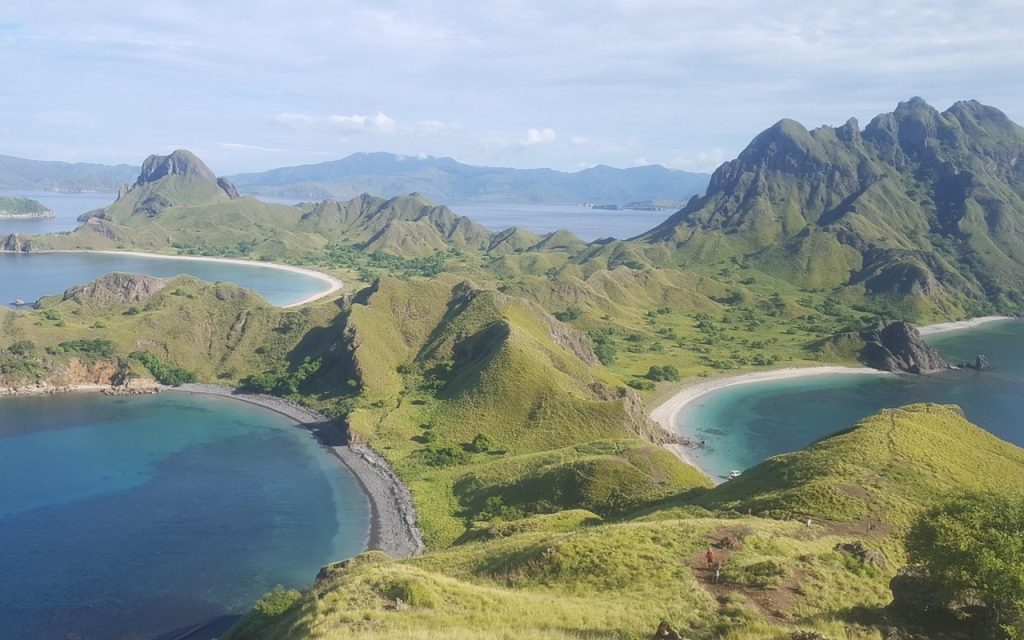
Komodo National Park belongs here because reporting in late 2025 and early 2026 describes a planned daily visitor cap starting in April 2026, tied to overtourism concerns and ecosystem protection. Coverage attributes the cap to park and government management plans, signaling a shift toward strict quota-style control.
Risk analysts often describe quota systems as a way to stabilize safety and conservation outcomes in destinations where wildlife protection and limited landing points create hard capacity limits. That tradeoff matters in 2026 planning because the old default of arriving and improvising can fail under daily caps, especially when boat schedules, weather, and permits intersect. The place identity stays specific through island-hopping logistics, guided movement rules, and a conservation-first framing that shapes the entire day.
A downside is uncertainty during rollout. Policy details can evolve during implementation, availability can tighten around peak months, and booking processes can become more complex, so itinerary designers often treat official updates as essential and keep alternate islands on the route plan.
Sources
Bhutan Travel Policy & Entry Guide 2026
Boracay Tourist Arrival Data and 2026 Targets
Maya Bay Seasonal Closure Schedule 2026
Official Mt. Fuji Climbing Regulations and Caps
Hallasan National Park Reservation System
Komodo National Park 1,000 Visitor Daily Cap Announcement