11 Beach Towns Losing Popularity with Gen Z Travelers

Many classic beach towns that once drew steady crowds are now seeing a noticeable drop in interest from Gen Z travelers. This generation tends to look for affordability, cultural depth, unique local experiences, and eco friendly environments, which means overly commercialized or crowded coastal spots are starting to lose their appeal. As travel habits shift toward quieter beaches, nature centered activities, and destinations with strong community character, some longtime favorites are slipping from Gen Z priority lists. The following towns illustrate how changing preferences are reshaping coastal tourism across the country.
1. Myrtle Beach, South Carolina

Gen Z travelers are drifting away from Myrtle Beach as the town grows more commercial and crowded, making it feel less personal to visitors seeking character driven experiences. Rising prices, packed boardwalks, and chain dominated entertainment areas reduce the sense of discovery younger travelers prefer. The focus on large resorts and tourist heavy zones also limits the local culture that Gen Z wants to connect with. While families still enjoy the area, many younger visitors now look for quieter Carolina beaches that offer nature trails, indie food spots, and a more relaxed shoreline atmosphere.
2. Virginia Beach, Virginia

Virginia Beach is seeing fewer Gen Z visitors as the destination struggles to stand out in a competitive coastal market. The long developed waterfront and dense tourist districts feel predictable to younger travelers seeking originality. Many prefer smaller beach towns with creative scenes, eco focused activities, and walkable neighborhoods filled with independent businesses. Traffic congestion and high season lodging costs also push Gen Z toward lesser known coastal gems nearby. While the city remains popular with families and convention groups, younger travelers increasingly choose beaches that feel more authentic and less commercial.
3. Ocean City, Maryland
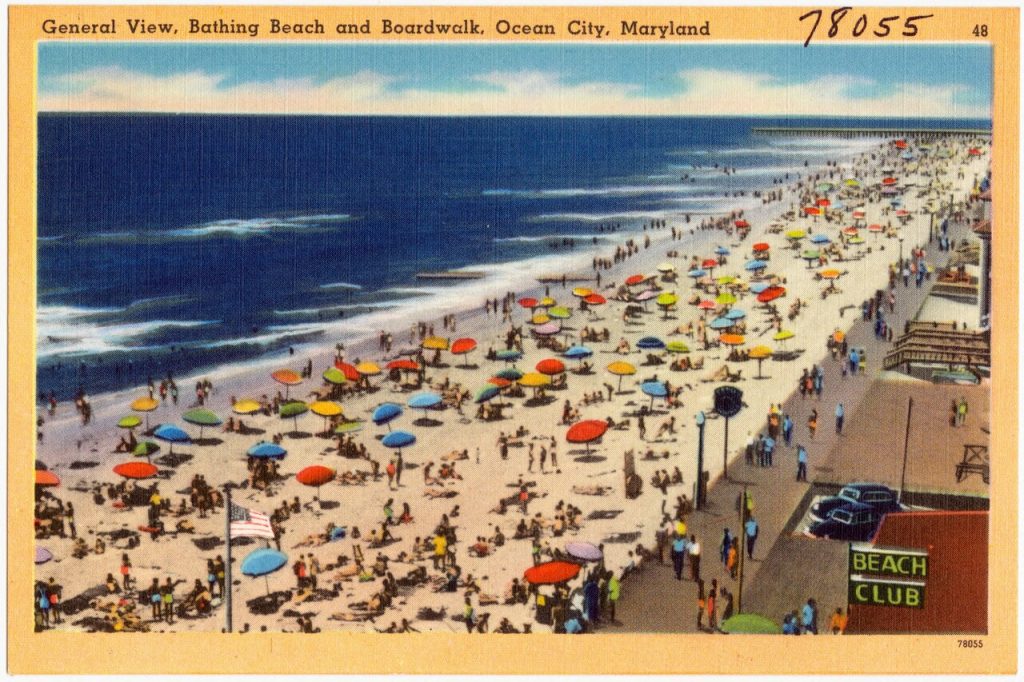
Ocean City is declining in popularity among Gen Z due to its heavy emphasis on classic amusement attractions and a party centric image that feels outdated to many young travelers. They tend to look for destinations that mix nature access with local creativity, something Ocean City struggles to highlight. Crowded boardwalks and rising rental prices make the trip feel less rewarding, while nearby quieter coastal towns offer easier access to wildlife areas and scenic beaches. As preferences shift toward unique cultural experiences, Ocean City is finding it harder to keep younger visitors engaged.
4. Daytona Beach, Florida

Daytona Beach is losing traction with Gen Z as its long held reputation for spring break crowds and loud nightlife no longer aligns with current travel values. Younger travelers prefer relaxed settings with local flavor, nature viewing, and affordable dining that supports small businesses. Daytona’s reliance on large events and motor sports tourism can overshadow cultural or outdoor activities that might appeal to this group. With more serene Florida beaches offering cleaner aesthetics and a calmer vibe, many Gen Z travelers choose to skip Daytona for destinations that feel more grounded and authentic.
5. South Padre Island, Texas

South Padre Island is seeing fewer Gen Z travelers as the destination remains largely associated with peak season parties that many younger visitors now avoid. They tend to seek meaningful outdoor experiences like wildlife encounters and tranquil shorelines, but those can be harder to enjoy when large crowds dominate. Increasing lodging prices and limited public transit options also reduce its accessibility. Nearby Gulf Coast towns with quieter beaches and stronger nature focused tourism appeal more to Gen Z, who place higher value on sustainability and low key coastal exploration during their trips.
6. Laguna Beach, California

Laguna Beach is losing appeal with Gen Z due to high costs, limited parking, and a luxury centered atmosphere that can feel out of reach. Many younger travelers prefer destinations that offer creative culture without steep price tags. While Laguna remains beautiful, its boutique hotels and upscale dining make budget friendly trips difficult. The crowded coves also limit the peaceful coastal experience Gen Z seeks. As nearby California towns highlight local art, surf culture, and accessible beaches, many younger visitors choose places that feel more welcoming and affordable for spontaneous travel.
7. Key West, Florida

Key West is slipping from Gen Z interest because of rising travel expenses, cruise ship crowds, and a nightlife reputation that can overshadow its quieter attractions. Getting to the island requires time and money, which pushes younger travelers toward easier and cheaper coastal trips. Gen Z tends to favor eco friendly adventures and cultural immersion, but Key West’s heavy tourism traffic reduces that sense of authenticity. With more affordable Florida towns offering clearer waters, peaceful beaches, and nature reserves, many younger travelers bypass Key West for simpler and more meaningful coastal experiences.
8. Rehoboth Beach, Delaware

Rehoboth Beach is seeing fewer Gen Z visitors as its summer crowds, premium lodging rates, and increasingly commercial boardwalk make the destination feel less distinctive. Younger travelers seek creative local scenes and environmentally focused activities, but Rehoboth’s most visible attractions lean toward traditional beach tourism. Parking challenges and peak season congestion further discourage spontaneous trips. As coastal travelers shift to nearby quieter Delaware towns with scenic trails and calmer beaches, Rehoboth struggles to maintain its appeal among younger groups who prioritize affordability and a more personal sense of discovery.
9. Hilton Head Island, South Carolina

Hilton Head Island is becoming less popular with Gen Z due to its upscale resort focus and quieter atmosphere that leans more toward retirees and families. While the beaches are clean and the bike trails are beautiful, the island lacks the youthful cultural energy many Gen Z travelers look for. Costs for lodging and dining also tend to be higher than in nearby coastal towns. As younger visitors search for destinations with vibrant arts scenes and budget friendly recreation, Hilton Head faces challenges staying competitive with trendier, more youth oriented beach locations.
10. Newport Beach, California
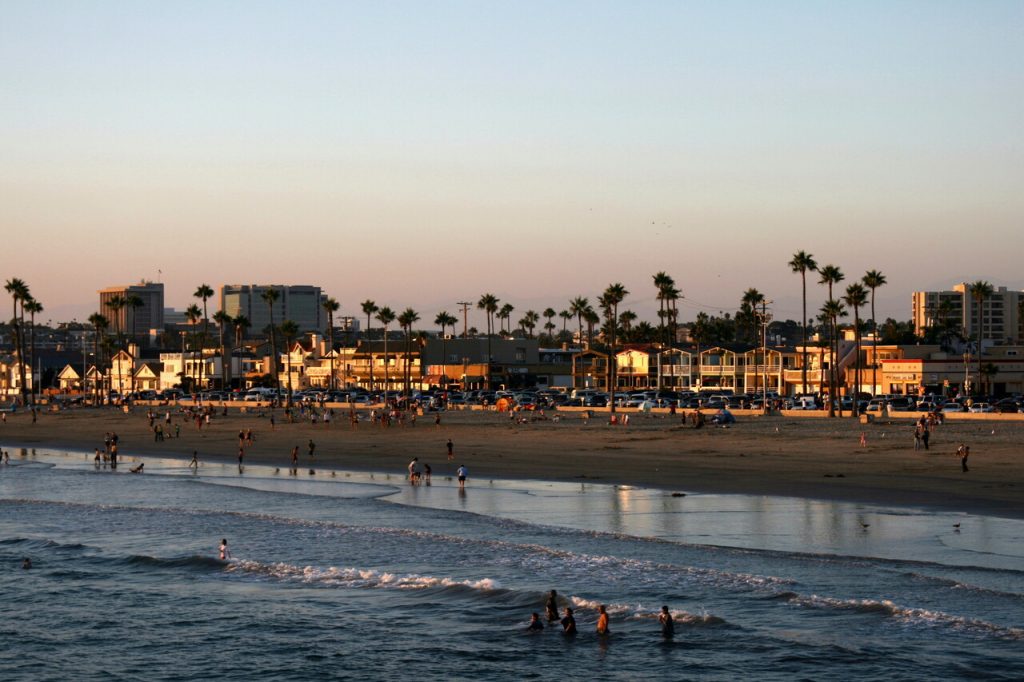
Newport Beach is losing favor with Gen Z as the town’s luxury identity and yacht centric lifestyle feel less relatable to younger travelers. High prices for accommodations and activities make it difficult for budget conscious visitors to enjoy extended stays. The beach experience can also feel crowded and overly polished, reducing the sense of exploration that Gen Z values. Neighboring coastal cities with stronger creative communities and more affordable surf culture are drawing more attention. As travel preferences evolve, Newport struggles to offer the spontaneous and low cost adventures younger travelers seek.
11. Galveston, Texas
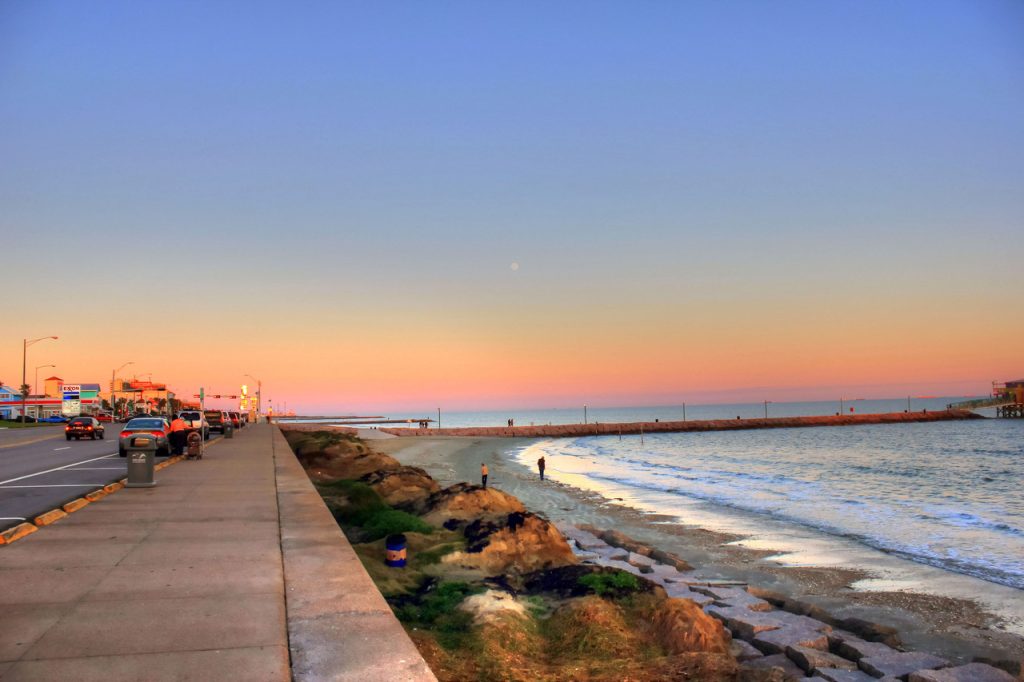
Galveston is seeing reduced interest from Gen Z as concerns about water quality, inconsistent beach cleanliness, and overcrowded tourist zones make it less appealing. Younger travelers prefer destinations that offer clear waters, nature friendly activities, and a strong local identity. While Galveston has history and charm, its most visited areas feel commercial and repetitive compared to emerging Gulf Coast towns. Rising seasonal prices and limited unique cultural offerings further push Gen Z toward quieter Texas beaches that feel fresher, more scenic, and better suited for relaxed, experience driven travel.