11 Best Times to Visit the U.S. as Travel Seasons Start to Shift
Climate scientists and travel industry analysts report a significant transformation in traditional American travel calendars as shifting weather patterns and overtourism alter the optimal windows for visitation. While guidebooks have long prescribed standard peak seasons, data from meteorological organizations indicates that rising global temperatures are pushing comfortable travel windows into what were once considered shoulder months. Experts emphasize that the best experiences now often lie on the edges of traditional seasons where travelers can avoid extreme heat events while capitalizing on extended warm spells or delayed frosts.
Destination management organizations and park rangers note that this shift is not merely about comfort but about access and safety. In many national parks and coastal regions, the summer peak has become synonymous with unmanageable congestion and environmental strain. By adjusting itineraries to align with these emerging climatological sweet spots, visitors can secure permits more easily, view wildlife during active periods, and experience landscapes in their prime conditions. Understanding these eleven specific timing shifts allows for a safer and more rewarding exploration of the United States.
Late October In New England
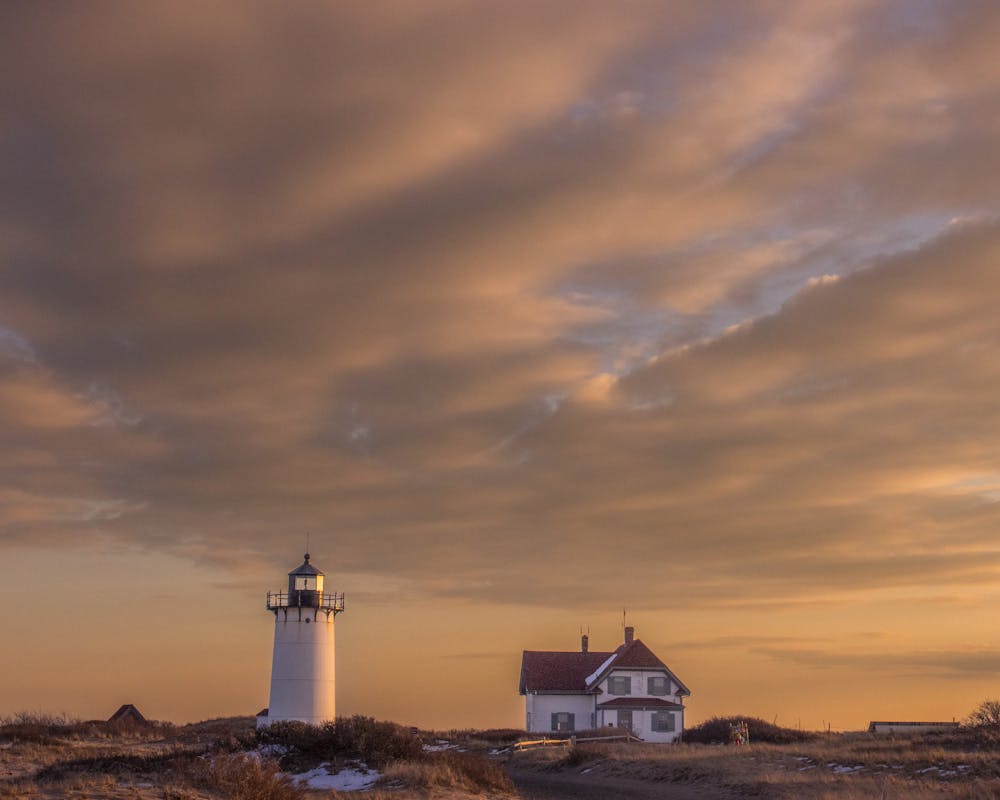
Foliage forecasters and forest ecologists have observed a distinct trend where the peak vibrancy of autumn leaves is arriving later in the year due to warmer September temperatures. While Columbus Day weekend was historically the gold standard for leaf-peeping in Vermont and New Hampshire, meteorological data suggests that the most brilliant displays now frequently extend well into the second half of October. Plant physiologists explain that the delay in hard frosts allows trees to retain their leaves longer, creating a new prime window for travelers who wish to see the canopy without the density of early-month bus tours.
Regional tourism officials note that visiting later in October also offers a significant economic advantage as accommodation prices typically drop after the holiday weekend. Travelers arriving during this micro-season encounter a landscape that is fully saturated with color but far quieter on the roads. Experts advise monitoring short-term weather reports, but the historical data points toward a shift where late October offers the ideal balance of crisp air and lingering autumnal warmth.
Early March In Washington D.C.
National Park Service horticulturalists and climate researchers warn that the famed cherry blossoms of the Tidal Basin are blooming earlier than historical averages due to milder winters. While the festival has traditionally centered on April, phenological records indicate that peak bloom is increasingly occurring in mid-to-late March. Botanists emphasize that planning a trip for early spring ensures that visitors catch the delicate flowers at their most robust before wind or rain storms strip the petals.
Urban planners in the capital highlight that visiting during this early window allows travelers to navigate the National Mall before the massive crowds of school groups descend in April. The shifting timeline transforms the city into a spring destination much sooner than in decades past. Museum curators note that this timing aligns with quieter exhibition halls, providing a more contemplative experience of the Smithsonian institutions alongside the natural spectacle outside.
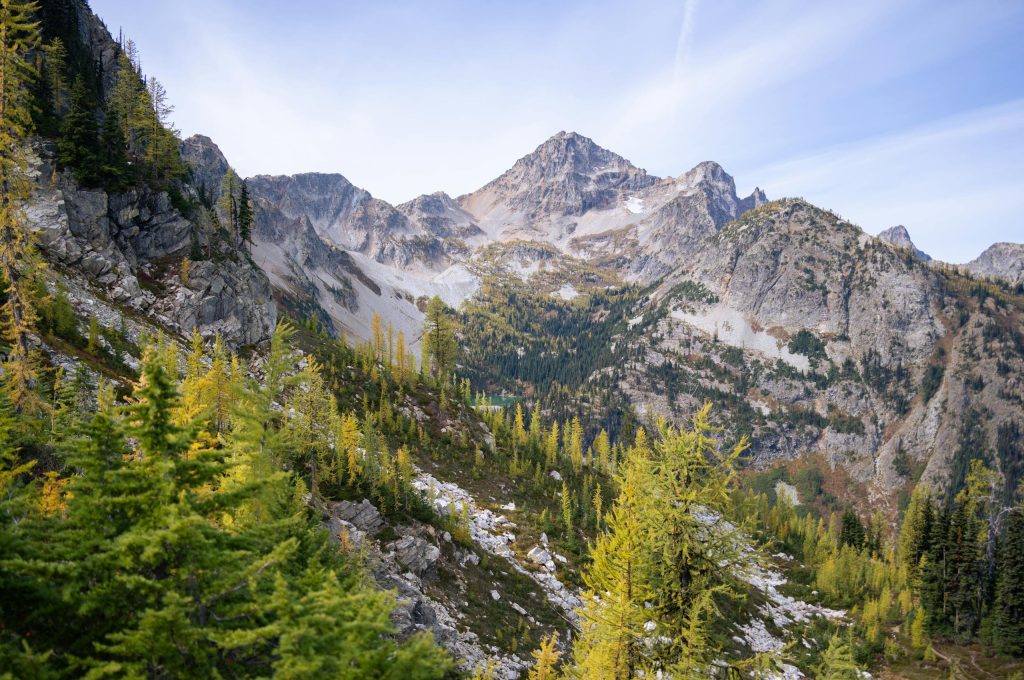
September In The Pacific Northwest
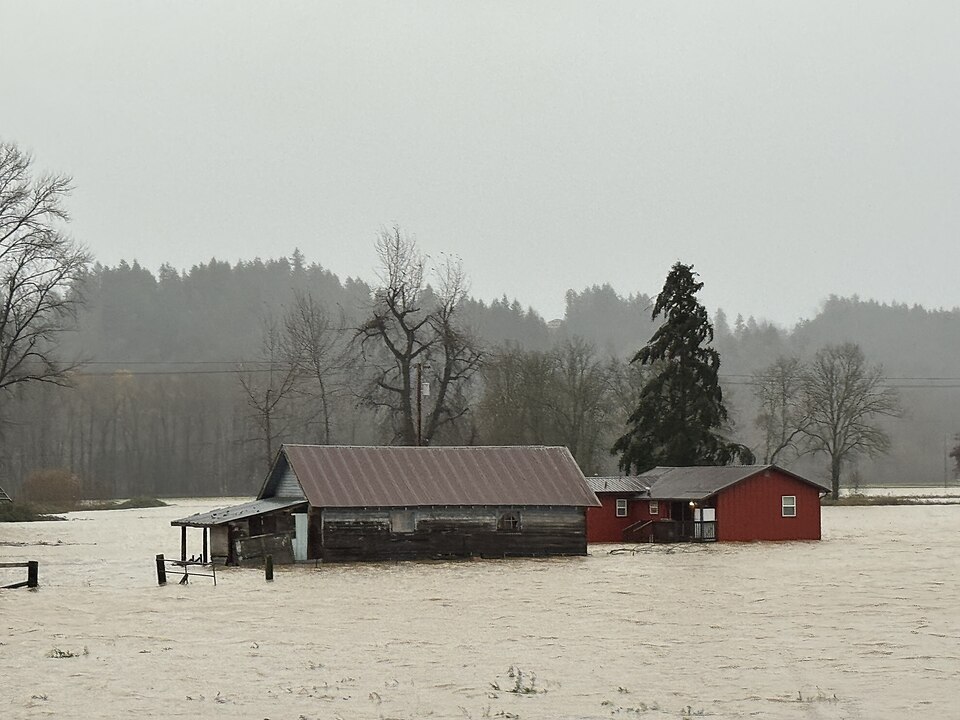
Meteorologists and regional climate experts identify September as the new golden month for exploring Washington and Oregon. While summers were once reliably wet or foggy, recent trends show an extension of the dry season deep into early autumn. Hiking guides and park rangers in the Olympic Peninsula report that trails remain accessible and snow-free without the intense heat waves that have begun to plague July and August.
Wildfire safety consultants caution that while smoke is a variable, September often provides a sweet spot after the peak fire danger of August but before the heavy rains of October return. This extended summer allows for high-alpine trekking and coastal driving under clear skies. Local viticulturists also point to this month as the prime time for harvest activities, offering a culinary dimension to the trip that is unavailable earlier in the season.
Late May In Alaska

Travel logistics experts and Alaska-based guides champion late May as the premier time to visit the Last Frontier to beat the cruise ship congestion. Climatologists note that this period is often the driest month of the year in the interior, offering clear views of Denali that are frequently obscured by clouds in mid-summer. Wildlife biologists explain that bears and moose are particularly active during this time as they emerge to feed on new vegetation, making roadside viewing highly reliable.
Tourism analysts observe that the shoulder season pricing in May can be significantly lower than in July, yet the daylight hours are already long enough to support full days of exploration. The shift in thawing patterns means that roads and hiking trails are opening earlier, granting access to remote areas that were previously inaccessible until June. Travelers visiting in this window experience the awakening of the landscape without the mosquito density that characterizes the later summer months.
December In The Utah National Parks
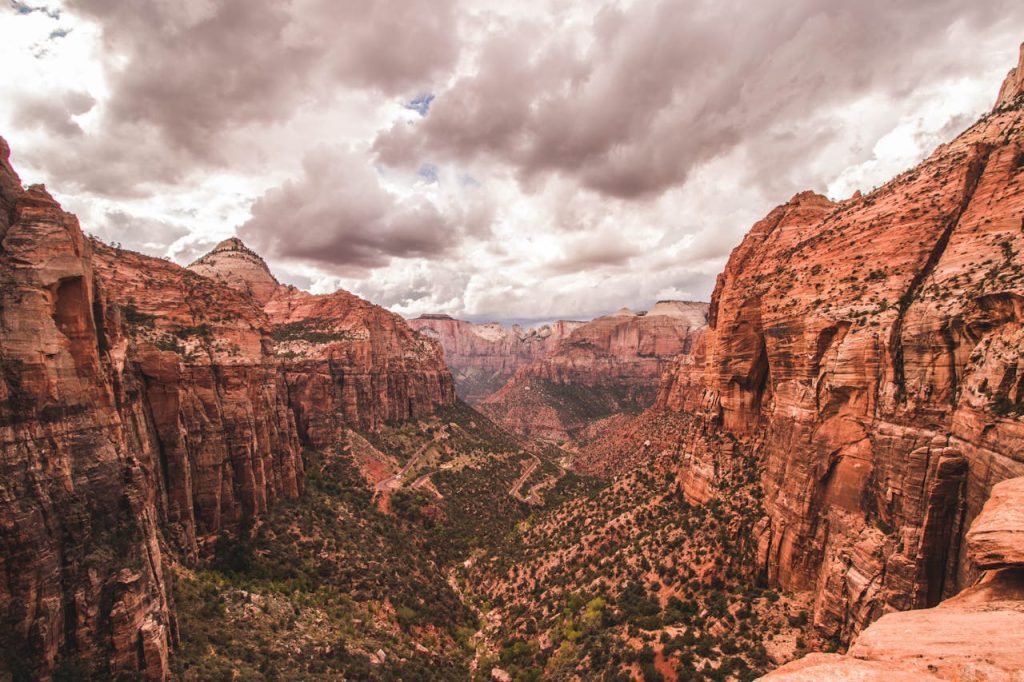
Park rangers and desert ecologists increasingly recommend the winter months for visiting the “Mighty 5” parks like Arches and Zion. As summer temperatures in the high desert regularly exceed dangerous thresholds, the cooler days of December offer a safe and solitary alternative. Atmospheric scientists note that the stark contrast of red rock against occasional dustings of snow creates a visual complexity that is absent during the bleaching heat of summer.
Hiking safety experts emphasize that trails which are dangerously crowded in July are often empty in December, allowing for a profound connection with the geology. The sun angle is lower, providing photographers with softer light throughout the day. While services may be reduced, the trade-off is an experience of the canyons that feels wild and remote rather than managed and industrial.
April In The Texas Hill Country
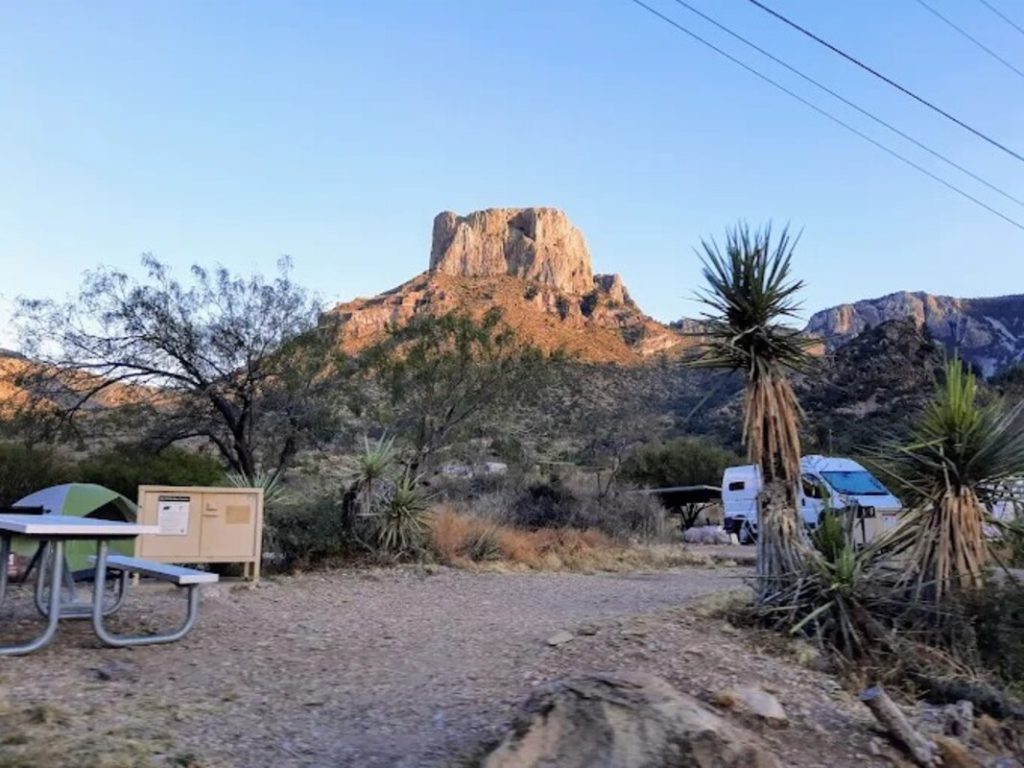
Botanists and regional agronomists highlight April as the critical window for witnessing the wildflower super-blooms that define central Texas. Climate shifts have made summer heatwaves in the region more intense and longer-lasting, rendering outdoor activities difficult by late May. Experts note that April provides the reliable warmth needed for bluebonnets and Indian paintbrush to peak while keeping humidity levels manageable for hiking and cycling.
Local festival organizers point out that the culinary and wine scene is most active during this temperate month. Travelers can explore the vineyards of Fredericksburg and the swimming holes near Austin before the water levels drop or the temperatures become oppressive. This timing secures access to the best of the biological and cultural landscape before the harsh reality of the Texan summer sets in.
Late September In Yellowstone
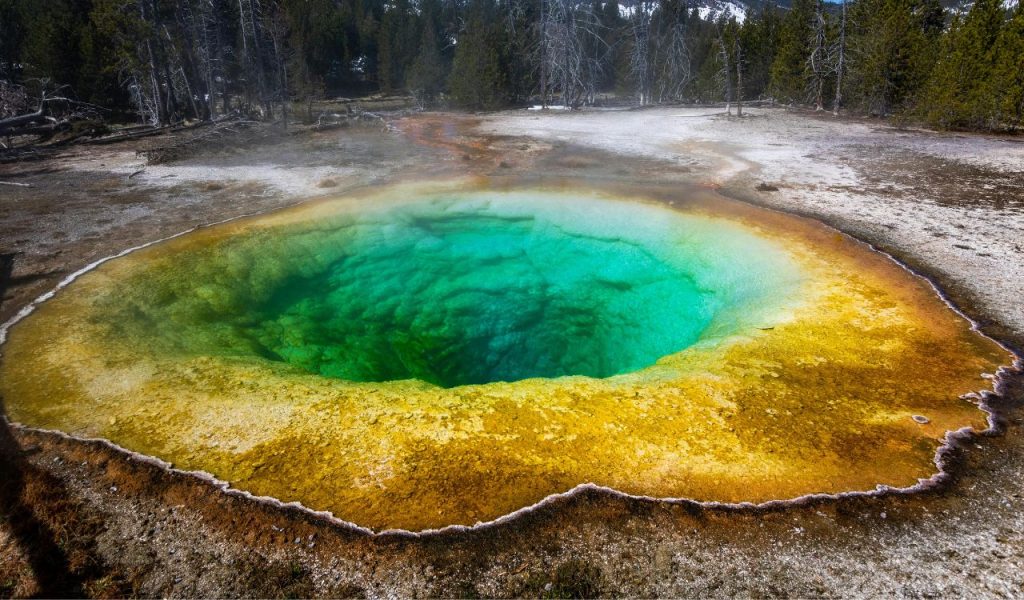
Wildlife biologists and park management officials identify late September as the optimal time to observe the elk rut and bear activity in the world’s first national park. As the summer crowds dissipate, the animals descend from higher elevations, bringing the drama of the ecosystem closer to the roadways. Ecologists explain that the cooler temperatures trigger hormonal changes in the wildlife, leading to bugling elk and active foraging that is rarely seen during the heat of July.
Hospitality data shows that the drop-off in visitor numbers after Labor Day creates a more manageable logistical experience. Geologists note that the thermal features like Old Faithful are even more dramatic in the cooler air as the steam clouds rise higher and linger longer. Visiting in this window allows for a safari-like experience where the natural rhythms of the park take precedence over traffic management.
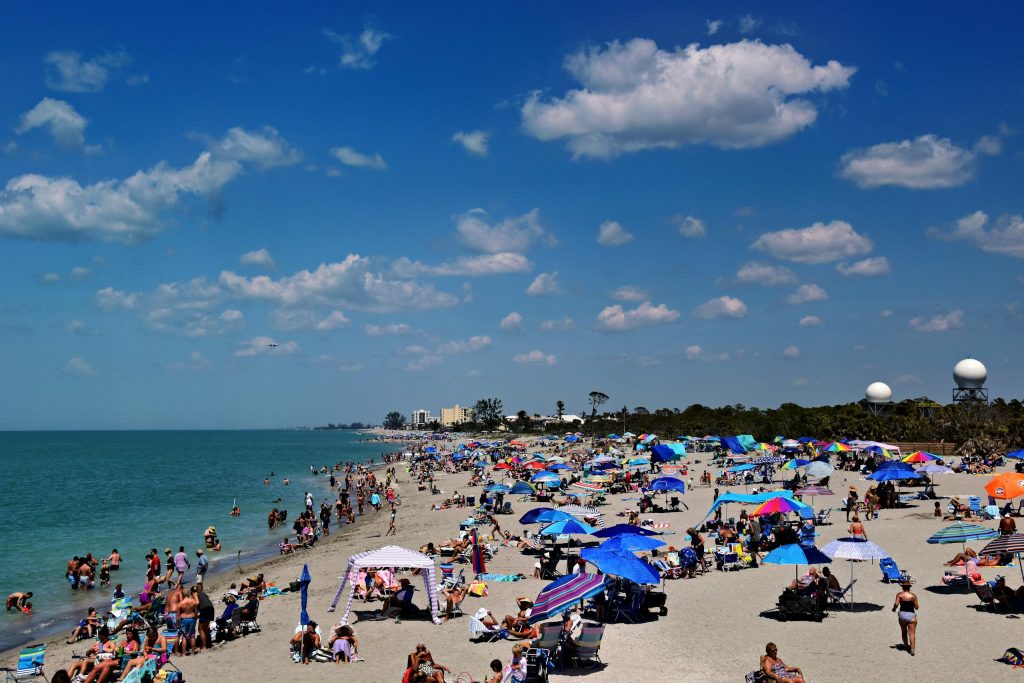
November In The Florida Panhandle
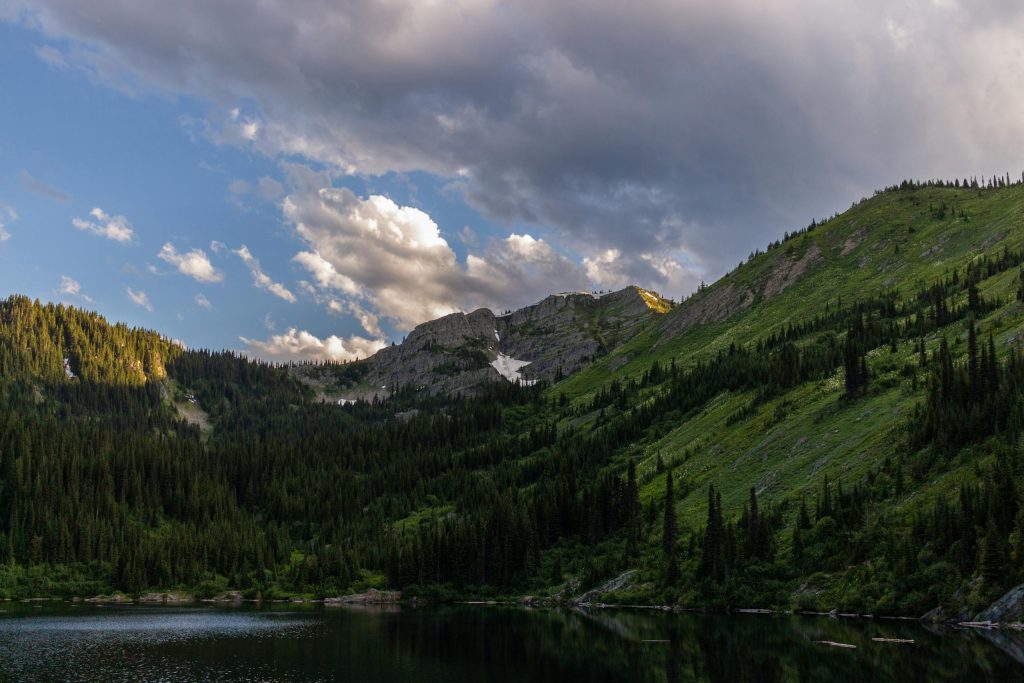
Meteorologists and coastal safety experts suggest November as a strategic alternative to the traditional spring break or summer vacation on the Emerald Coast. As the hurricane season officially wanes, the humidity drops significantly, leaving behind clear skies and mild temperatures perfect for beachcombing. Marine biologists note that the water remains warm enough for swimming well into the month, yet the risk of tropical storms is statistically lower than in early autumn.
Travel economists highlight that rental inventory is abundant during this pre-holiday lull, offering access to beachfront properties at a fraction of peak prices. Environmentalists emphasize that the monarch butterfly migration often passes through the region during this time, adding a biological spectacle to the coastal scenery. This period offers the classic Florida beach experience without the sweltering heat or the density of summer tourists.
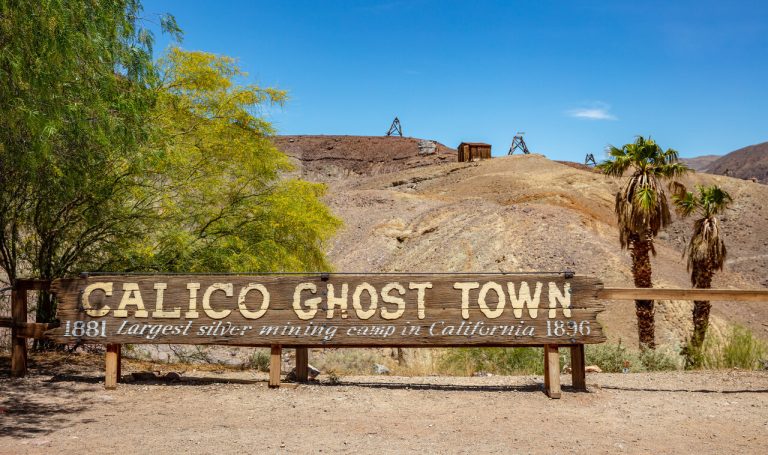
February In Death Valley
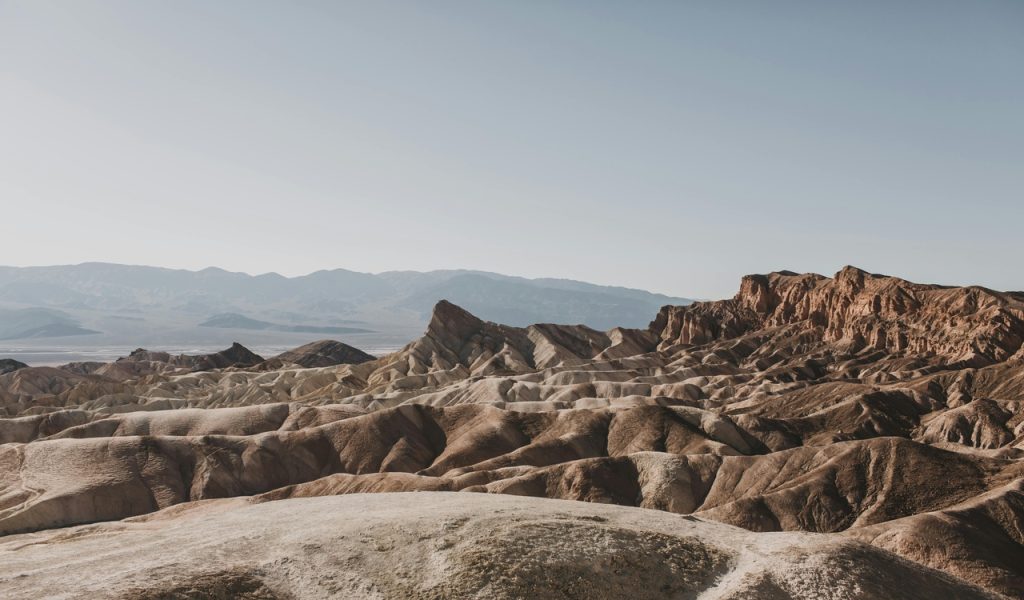
Park rangers and extreme weather experts advise that the window for safely exploring Death Valley is narrowing to the deepest winter months. With spring and fall temperatures now frequently spiking into dangerous territory, February offers the most reliable conditions for hiking the salt flats and dunes. Climatologists note that this is also the month with the highest potential for rare desert wildflower blooms if the winter rains have been sufficient.
Search and rescue personnel emphasize that visiting during the coolest month minimizes the risk of dehydration and heat exhaustion, which are constant threats in the basin. The low angle of the winter sun casts long shadows across the dunes at Mesquite Flat, revealing textures invisible at noon in summer. This timing transforms a hostile environment into an inviting landscape where extensive exploration is physically possible.
Mid-October In The Great Smoky Mountains
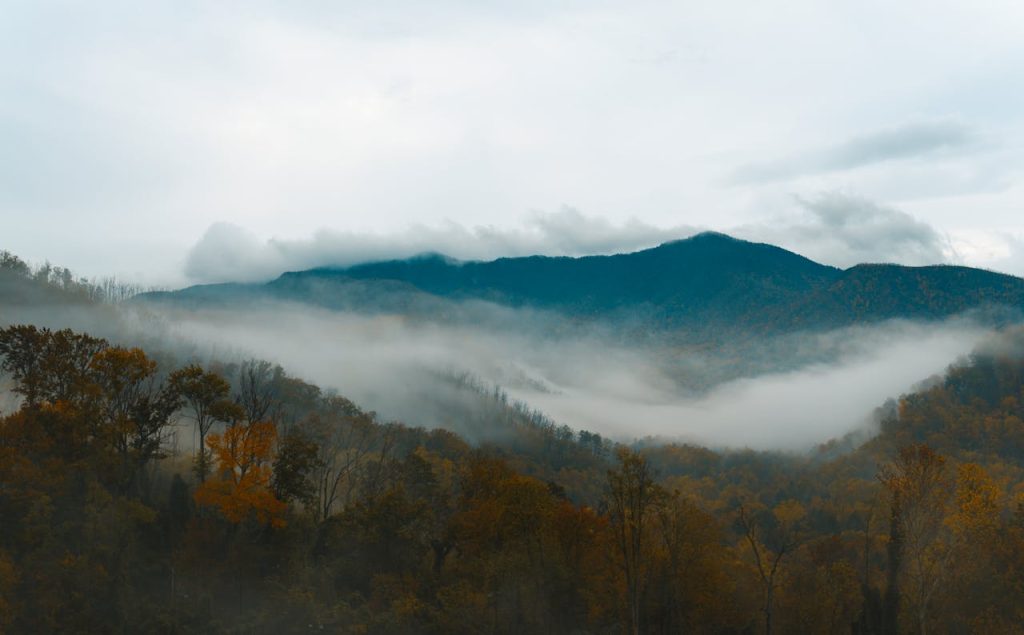
Forestry officials and Appalachian trail guides report that the biological clock of the Smoky Mountains is shifting, making mid-October the new sweet spot for visitation. Historically, early October was the target, but warming trends have pushed the most vibrant color displays later into the month. Experts note that this delay often aligns with drier weather patterns, reducing the fog and rain that can obscure the famous sweeping views from Clingmans Dome.
Wildlife management teams observe that black bears enter a period of hyperphagia in the autumn, actively feeding on acorns and nuts to prepare for winter. This increased activity makes sighting bears in Cades Cove more likely for patient observers. By targeting the middle of the month, travelers can navigate the park roads after the initial October rush while the canopy remains fully intact and the air turns crisp.
Early June In The High Sierra
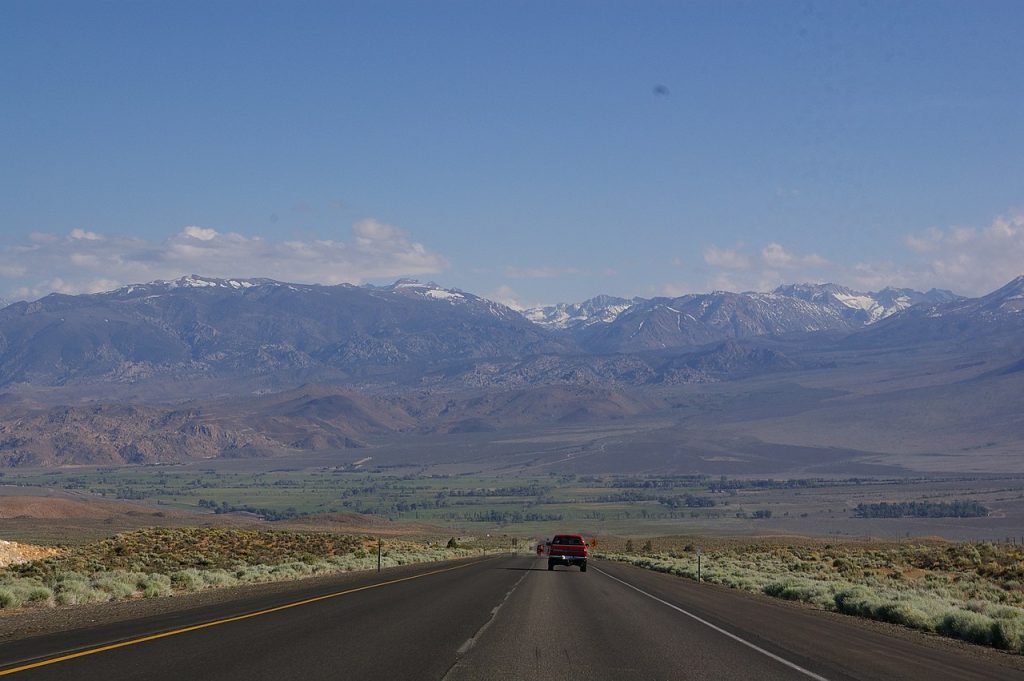
Hydrologists and mountain guides in California indicate that early June is becoming a prime window for the Sierra Nevada as snowpacks become more variable. In years with average or lower precipitation, the high passes of Yosemite and Sequoia are accessible earlier than in the past. Wilderness rangers note that the waterfalls are at their absolute peak volume during this melt season, creating a thundering spectacle that diminishes by late summer.
Backcountry experts highlight that the mosquito populations, which can be ferocious in July, are often still dormant or developing in early June. Visiting during this early access period allows hikers to experience the granite icons of the range with snow-capped contrast and rushing rivers. The landscape feels freshly washed and vibrant, offering a dynamism that fades as the long, dry summer progresses.