11 Bus Tours Bumpy With Breakdown Breakdowns
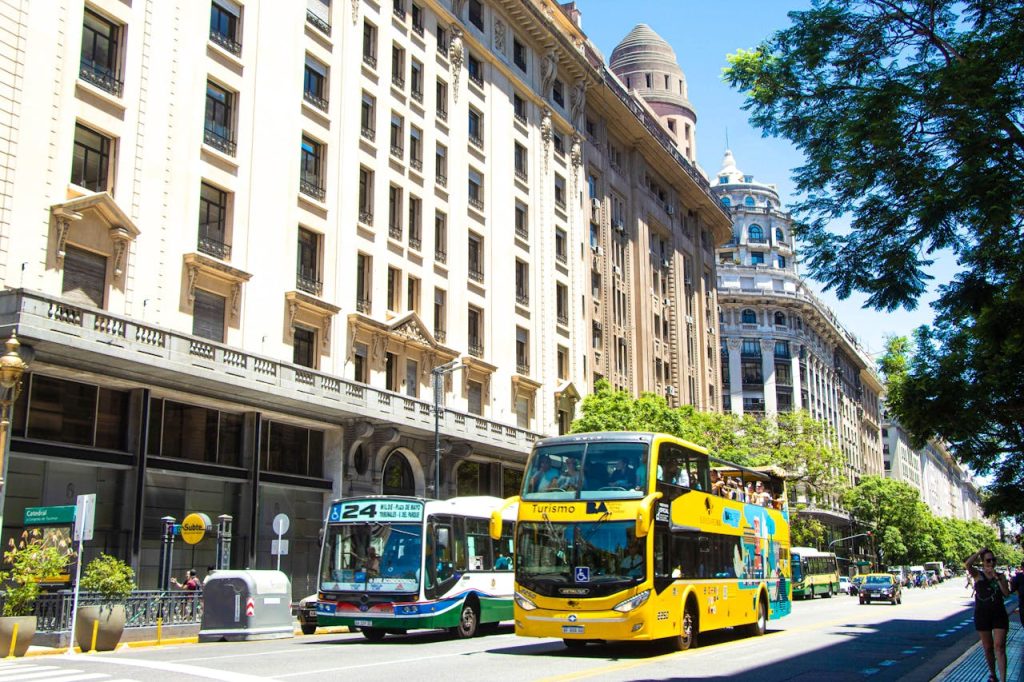
Bus tours promise a smooth seat and a moving view, but the road still pushes back. A worn belt, a loose clamp, or a timetable packed too tight can turn a scenic stretch into a slow, awkward pause.
Heat, hills, stop-and-go blocks, and long idle lines magnify small faults. When a coach stops, the trip becomes logistics: water, restrooms, shade, and clear updates that keep rumors from filling the silence.
Most delays are fixable with the right call and the right tow. What separates an ordinary hiccup from a miserable one is the steady voice that explains what is known, what is next, and what everyone can do while time passes.
High Pass Switchbacks And Hot Brakes
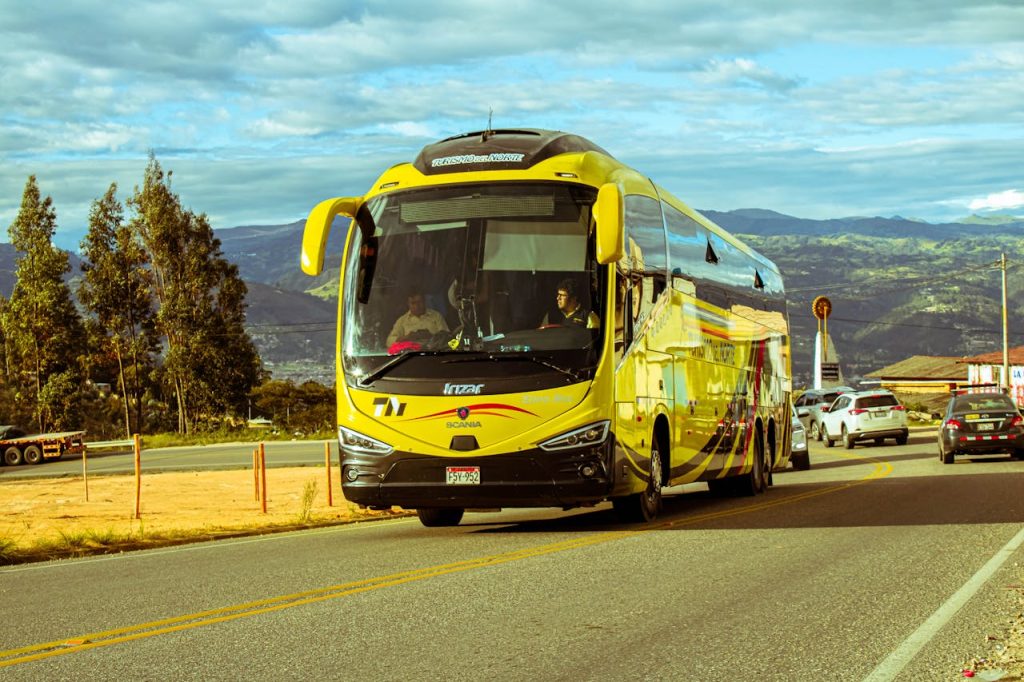
High passes ask a lot from a loaded coach. Long climbs thin the air around the radiator, and repeated curves keep speed low, so heat builds even on mild days.
On the descent, brakes can warm fast if traffic forces constant tapping. The first clue is often a sharp, dusty smell near the wheels. A cautious driver will pull into a turnout early, let the system cool, and do a quick walk-around of lights and lines.
Guides turn the pause into structure: a headcount, water, and a clear time for the next update. Dispatch checks the nearest bay that can lift a coach, and may send a support vehicle so the descent stays safe and unhurried.
Desert Miles And Air-Conditioning Trouble
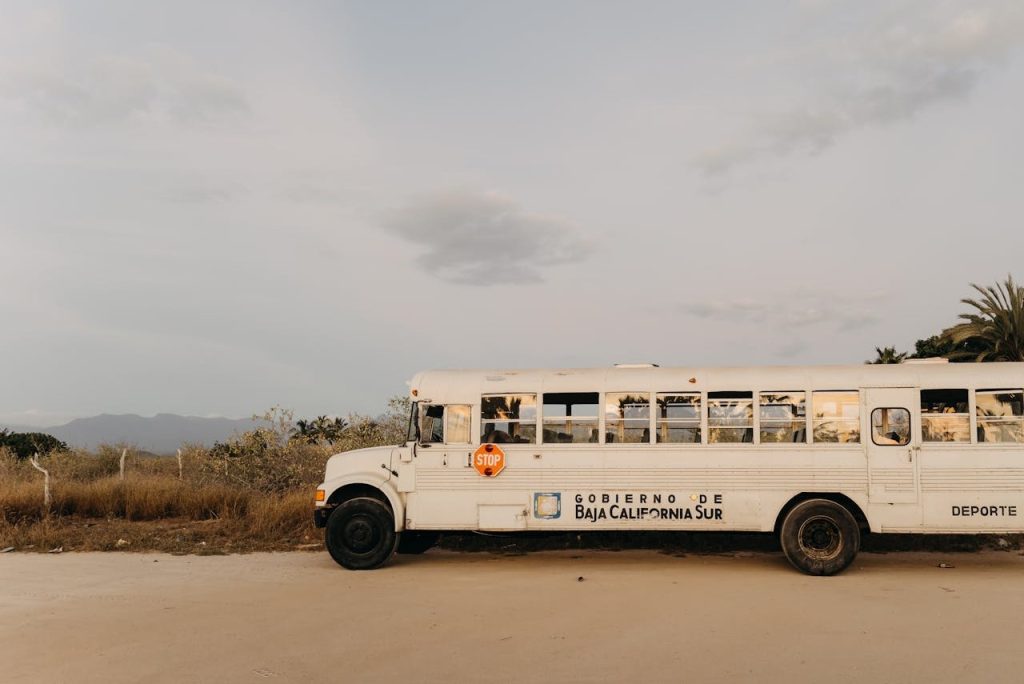
Desert routes are punishing because the sun heats metal long before noon. When an air-conditioning belt slips or a compressor cuts out, the cabin warms quickly, and patience thins with it.
Drivers look for shade and a safe pull-off, because idling in full sun can strain an already hot engine. Guides prioritize cold water, quick restroom access, and steady check-ins for anyone feeling lightheaded.
Dispatch may send a mobile tech, but remote stretches often mean a coach swap. The best crews explain the plan in simple steps, repeat it, and keep bags accessible so the group can move smoothly, without confusion, when help arrives.
Coastal Air And Flickering Electronics
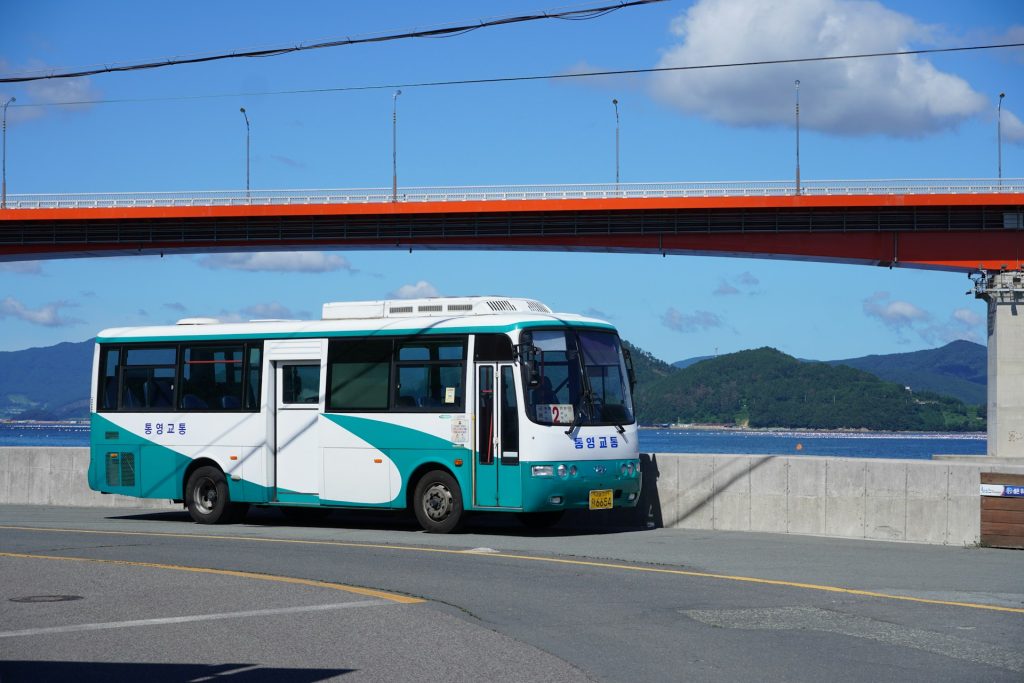
Coastal air carries salt that creeps into connectors, especially after overnight parking near marinas. A tour may start with small hints: flickering cabin lights, a dashboard alert that clears, then returns.
Drivers avoid gambling with electrical quirks, so they stop early in a wide lot. Guides gather the group near restrooms, keep luggage within reach, and share what is known without guessing at repair times.
Dispatch often sends a mobile tech and a backup coach, because tracing a short can take longer than swapping vehicles. When outlets or the PA fail, face-to-face updates matter, and a calm rhythm keeps irritation from spreading.
Mountain Rain And A Wiper Malfunction
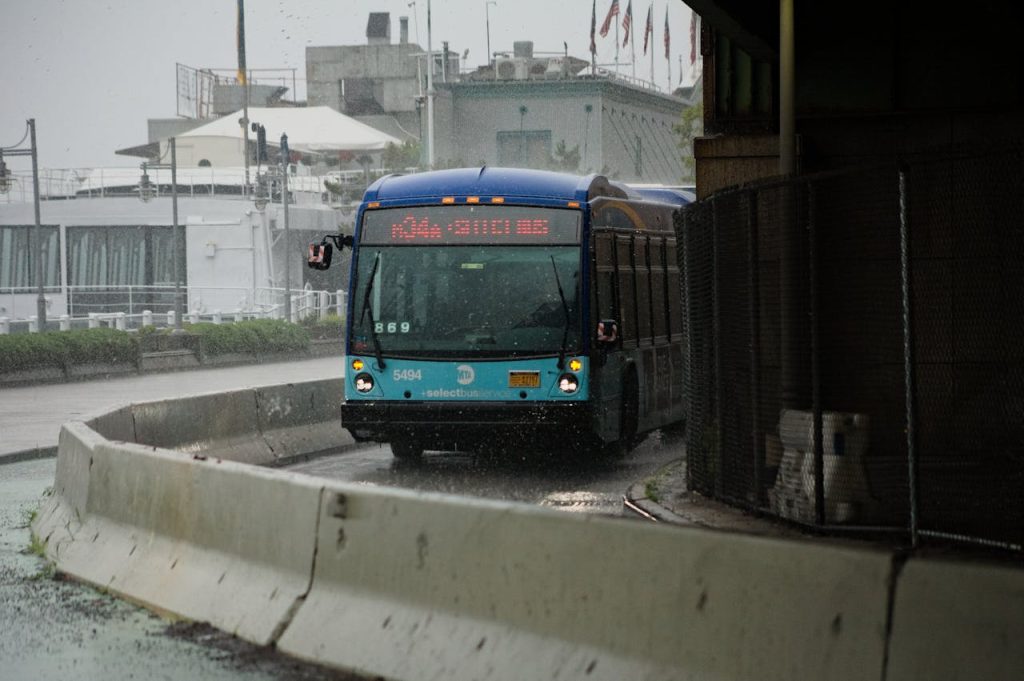
In mountain rain, visibility becomes the whole trip. If a wiper arm loosens or the motor quits, the windshield turns into glare, and the driver slows to the first wide shoulder.
Because pullouts are scarce, the stop can feel tense even when it is handled well. Guides do a headcount, keep people seated until cones are set, and remind everyone that slick curves deserve patience, not speed.
Sometimes it is a quick linkage fix. Other times, a replacement coach is faster than waiting on parts in cold spray. Either way, steady updates, warm air, and a clear regroup plan, repeated twice if needed, keep the cabin from fraying into complaints.
Cold Passes And Thickened Fuel
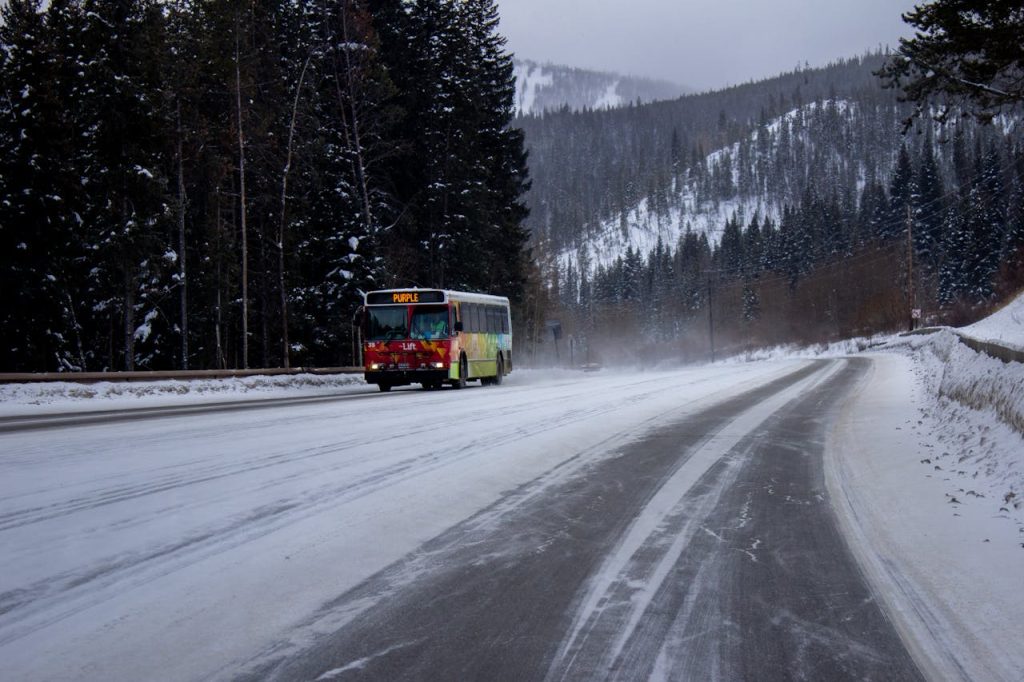
Cold snaps can thicken fuel and stress filters, and a strong engine can start to sputter after a long idle. On climbs, the coach may hesitate, then lose power right as wind picks up.
Inside, the temperature drops once the engine stops working hard, so guides keep doors closed, check on older travelers, and explain next steps before questions pile up. Drivers run restart checks and watch battery strain.
Dispatch looks for a service truck with the right additives and filters, or sends a replacement from lower elevation. Winter delays feel longer because every task takes gloves and time, yet clear pacing and warm drinks keep the group steady.
Old City Turns And Transmission Overheat
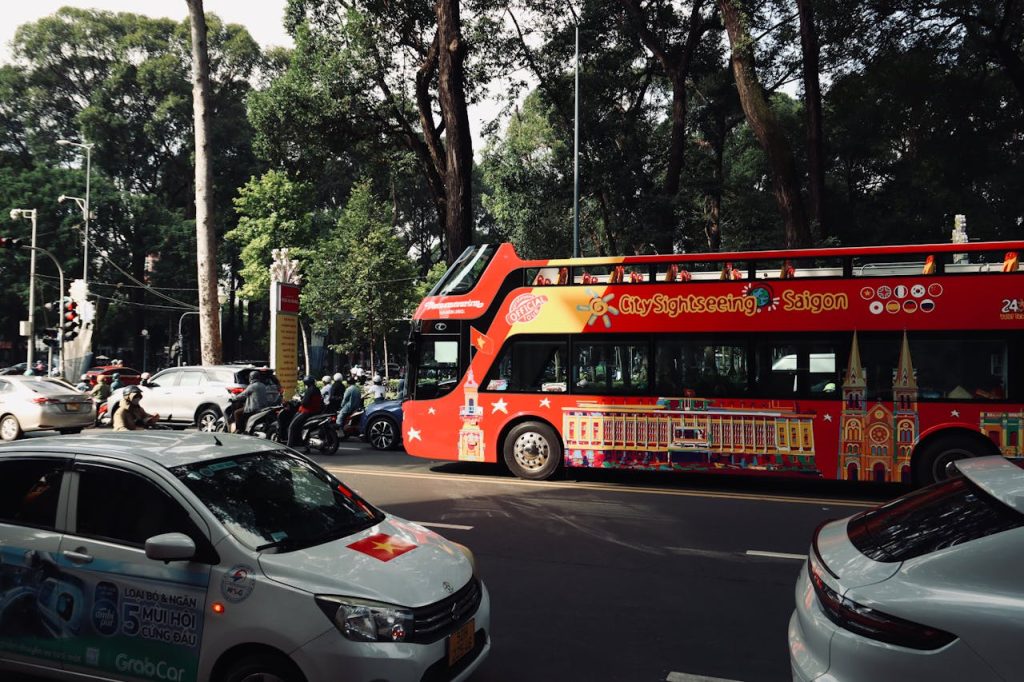
Historic city centers squeeze coaches into tight turns, short blocks, and constant stops that build transmission heat. When temperatures climb, the vehicle may limit power to protect itself, turning progress into a crawl.
The landmark can be visible yet unreachable, which makes frustration spike. Guides pivot to a walking plan, set a regroup point, and keep the group away from mirrors and traffic while the driver finds a legal curb.
Dispatch maps a tow route around low clearances, or sends a smaller shuttle for the final miles. Timed tickets shift, lunch moves, and the day becomes about smart rerouting rather than stubborn pushing.
Backroads And A Tire Sidewall Tear
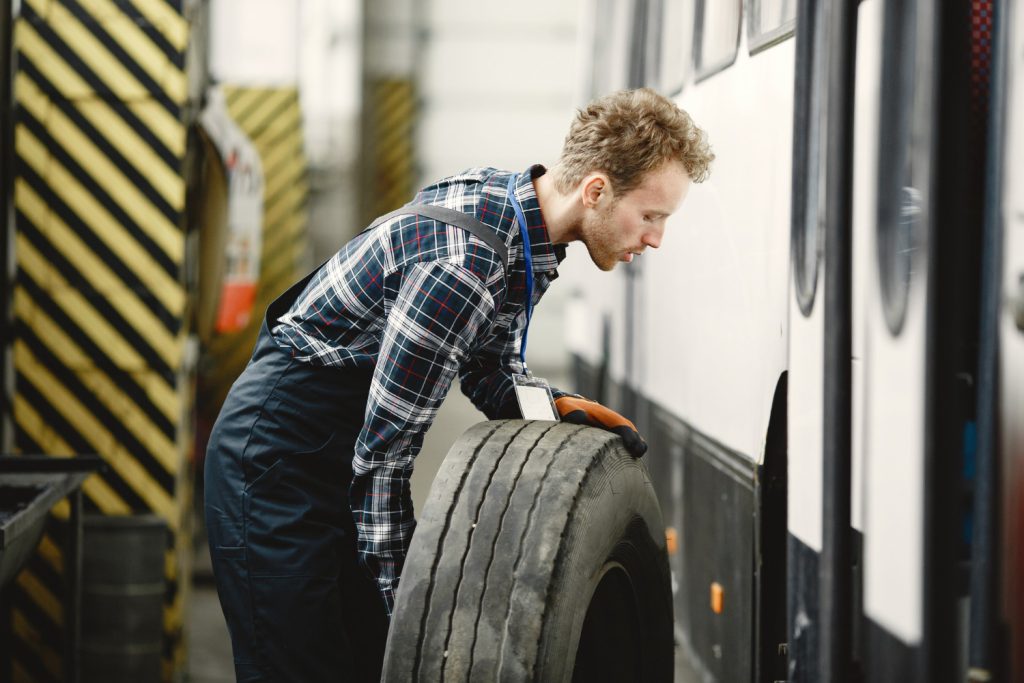
Rural backroads hide pothole edges and sharp gravel that can slice a tire sidewall in a moment. The sound is startling, then the coach steadies as the driver eases to a pull-off and sets triangles.
A coach tire is specialized work, so waiting is common. Guides keep everyone together, confirm restroom options, and turn the pause into a snack break instead of a crowd near traffic. Dust and wind make people want their bags, so access is handled calmly.
Dispatch tracks a tire service truck that may be away, then needs time to jack the bus safely. When the new tire seats and pressure holds, the cabin relaxes, and the road feels friendly again.
Border Lines And A Battery Fade
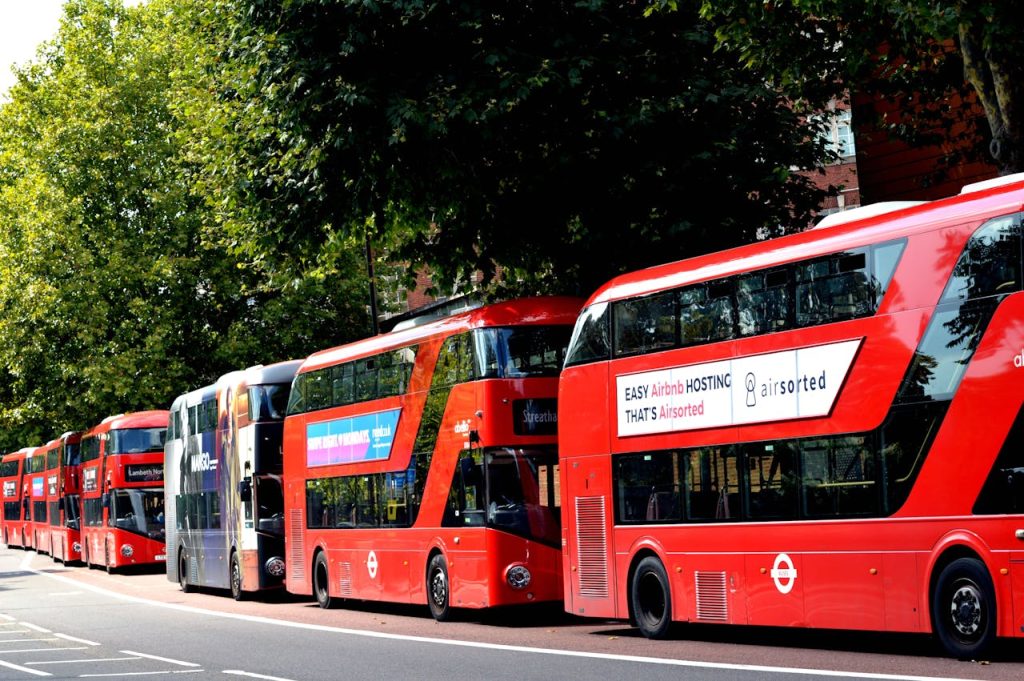
Border queues involve long idles, lights running, and short starts that drain older batteries. A coach can seem fine for an hour, then refuse to crank right when the line begins moving.
Rules and limited space complicate the fix. Guides gather passports, keep the group close, and explain what is happening without blaming staff or officials. Restroom needs, phone charging, and weak signal become part of the plan.
Dispatch may send roadside support or reroute a replacement coach, because a weak battery can fail again after a jump. Once the engine holds steady and papers clear, tension fades fast, and the group resets with quieter voices.
Festival Detours And Cooling Fan Trouble
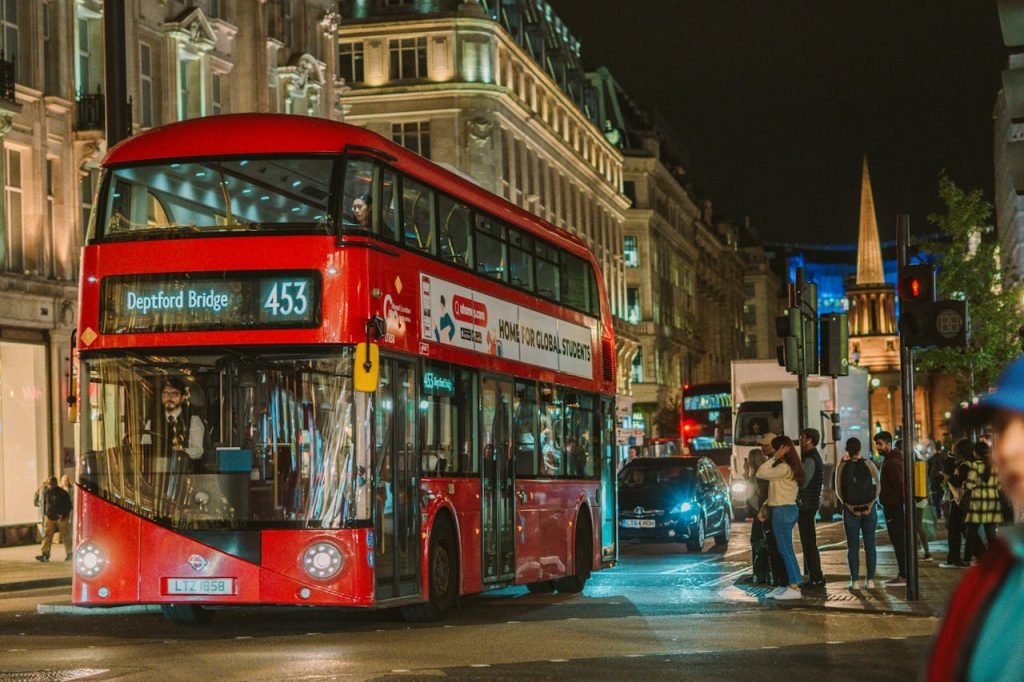
Festival detours trap buses in slow traffic where airflow disappears and engines soak in heat. If a cooling fan relay fails, the temperature gauge climbs, and the driver chooses a safe stop before it climbs further.
The frustration is proximity: music is audible, crowds are visible, yet progress is slow. Guides confirm meeting points, message late arrivals, and keep people away from curbs while the driver finds a spot that does not block emergency lanes.
Dispatch may send a tech on foot, and a fuse swap can solve it quickly. If the fan motor is gone, a tow to a nearby lot becomes the cleanest option. Clarity beats false optimism every time.
Overnight Legs And A Driver Handoff Delay
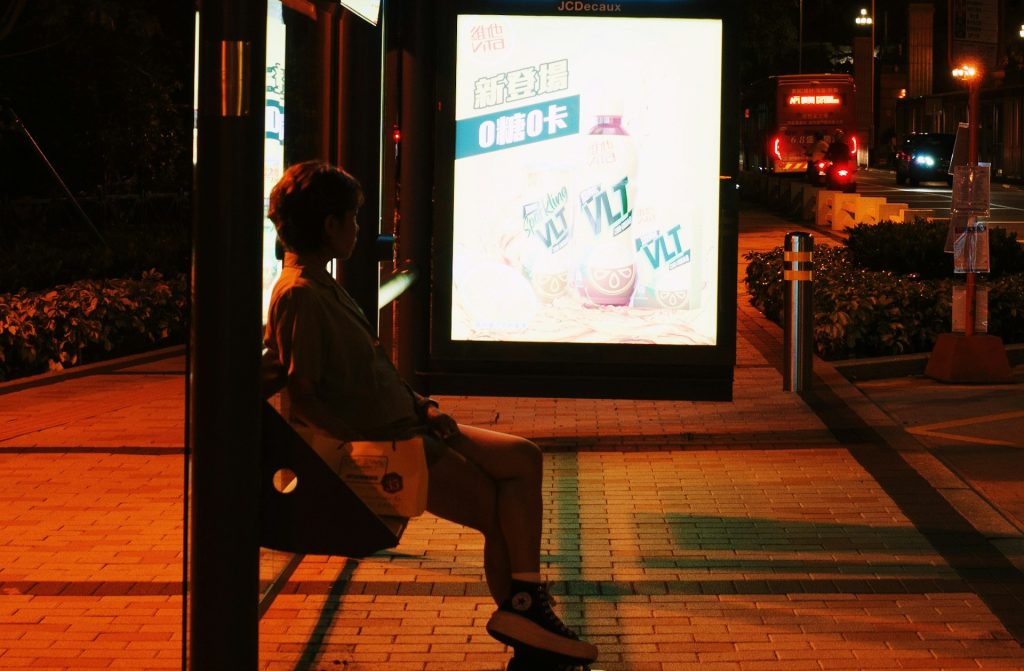
Overnight touring depends on precise handoffs, and small errors can stall the plan. If the next driver is delayed or paperwork is missing, the coach may be required to wait at a rest stop.
Fatigue sharpens everything, from lights to warm coffee. Guides keep voices low, count bags, and give updates on a timer so rumors do not spread, especially near 2 a.m. They let people stretch legs, but keep everyone in sight.
Dispatch finds a replacement driver, rooms, or vouchers while confirming legal restart times. When the doors finally close again, the cabin settles, even if the morning schedule shifts and breakfast turns into a quick grab-and-go.
Ferry Connections And A Missed Boarding Slot
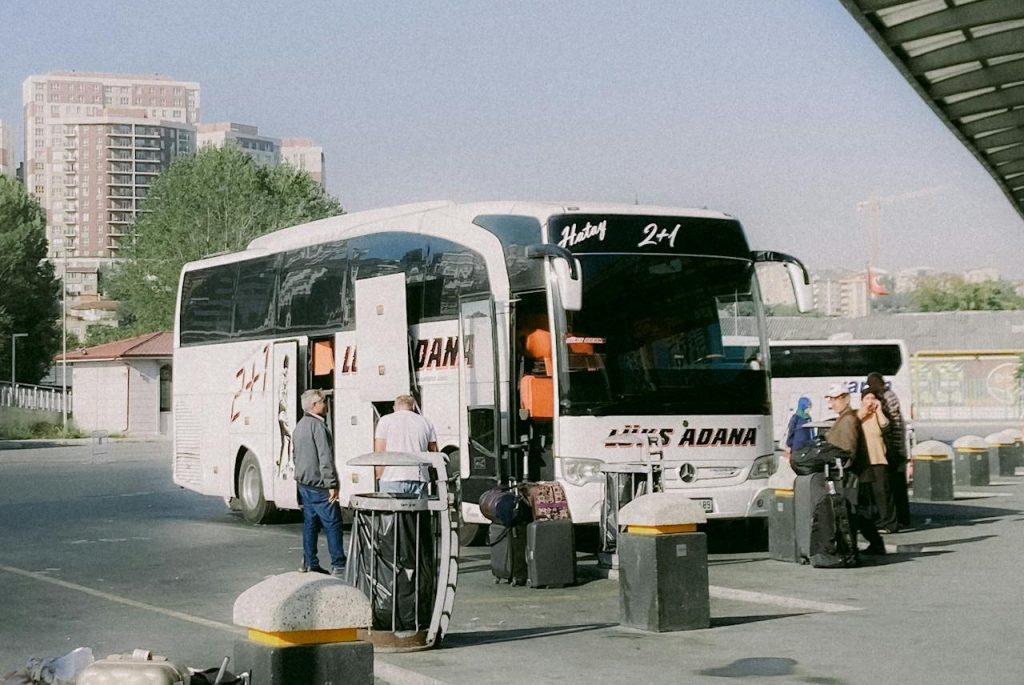
Some itineraries hinge on a ferry slot, and timing trouble can feel like a breakdown even when the bus runs fine. A detour, a slow fuel stop, or port traffic can mean the ramp closes just as the coach reaches the dock.
Once the sailing is missed, the day becomes a rebuild. Guides keep the group close, direct everyone to restrooms and food, and explain the next departure with calm precision. Luggage access is managed so no one feels stuck.
Dispatch renegotiates hotels and timed entries while securing parking. Waiting by water is pretty, yet it tests patience in a special way. When boarding finally happens, the whole cabin relaxes at once.