11 Cities Where Advance Booking Is No Longer Optional

Travel logistics analysts and urban tourism officials report that the era of the spontaneous city break has effectively ended for the world’s most popular metropolises. Following years of “revenge travel” that overwhelmed infrastructure and degraded the quality of life for residents, municipal governments have instituted strict capacity controls. These experts emphasize that gaining access to iconic museums, historical sites, and even city centers now requires a level of administrative foresight previously reserved for complex expeditions.
Destination management organizations note that these regulatory frameworks are designed to mitigate the physical damage caused by overcrowding. By mandating timed entry slots and capping daily visitor numbers, authorities aim to spread the economic benefits of tourism while protecting heritage assets. Prospective travelers now face a landscape defined by competitive online queues and sold-out calendars. Understanding that availability is no longer guaranteed is the primary challenge for modern urban exploration, as showing up without a digital confirmation often results in being turned away at the door.
Venice In Italy
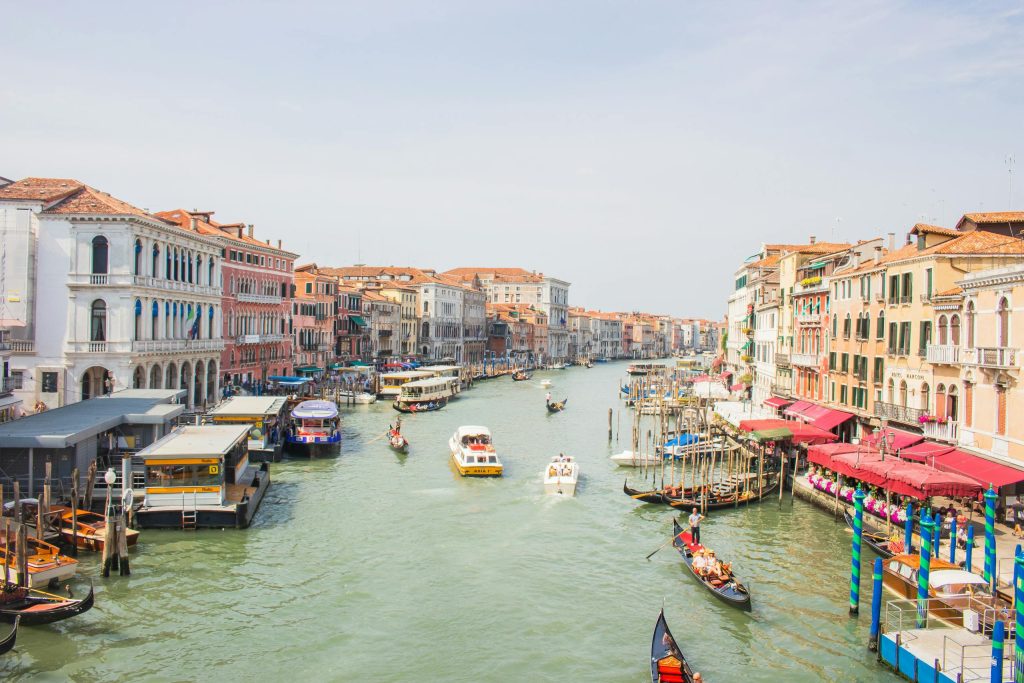
Municipal authorities and sustainable tourism directors have transformed Venice into the world’s first city to charge an entry fee for day-trippers on peak dates. This “Access Fee” system utilizes a network of smart cameras and control rooms to monitor crowd density in real-time. Urban planners explain that the goal is to discourage the massive influx of short-term visitors who clog the narrow calli and ponti without contributing significantly to the local economy.
Heritage preservationists note that the regulation extends beyond the city gates to the major cultural sites. The Doge’s Palace and St. Mark’s Basilica now operate with strict capacity limits that require reservations weeks in advance. Travelers hoping to simply wander into these landmarks are frequently met with signage indicating that all slots for the day are fully booked. This management strategy prioritizes the preservation of the fragile lagoon city over the convenience of the casual tourist.
Athens In Greece
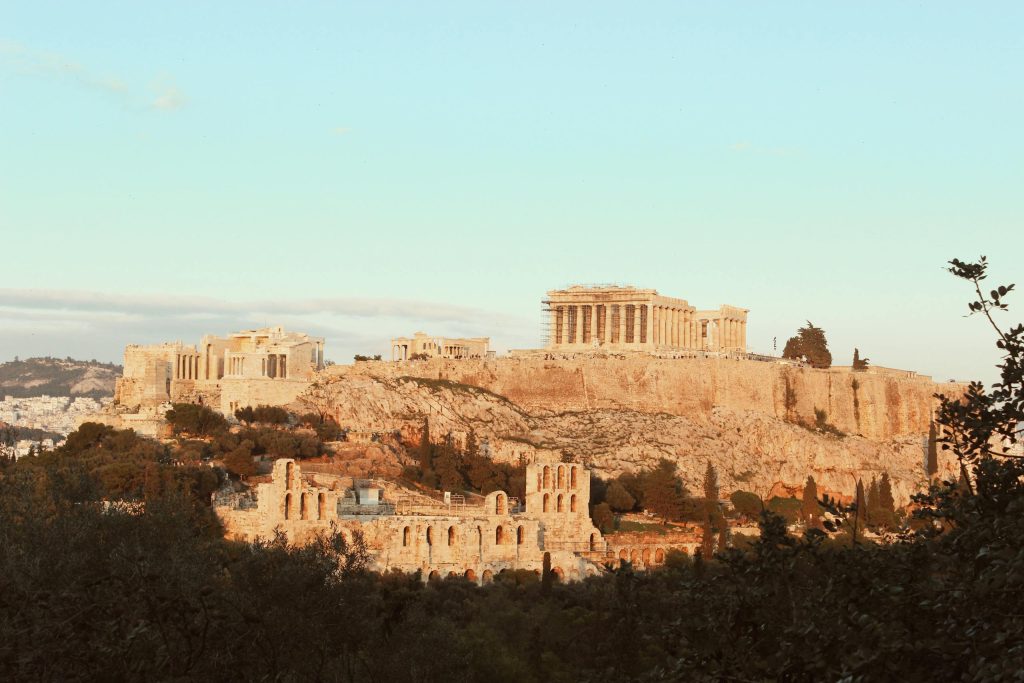
Ministry of Culture officials and archaeological site managers implemented a strict daily cap of twenty thousand visitors for the Acropolis to combat dangerous overcrowding. Conservationists warned that the sheer weight of foot traffic was damaging the ancient rock and creating safety hazards on the steep ascent to the Parthenon. The new system mandates that visitors select a specific hourly slot for their ascent, with electronic scanners enforcing the entry time to the minute.
Tourism consultants advise that the days of hiking up the Sacred Rock at sunset on a whim are gone. The most popular time slots, particularly in the early morning and late afternoon, are often claimed by tour groups and cruise excursions months ahead of the season. Visitors who arrive at the ticket office without a pre-purchased QR code are routinely denied entry. This tiered access ensures that the monument remains accessible but protected from the crush of mass tourism.
Amsterdam In The Netherlands
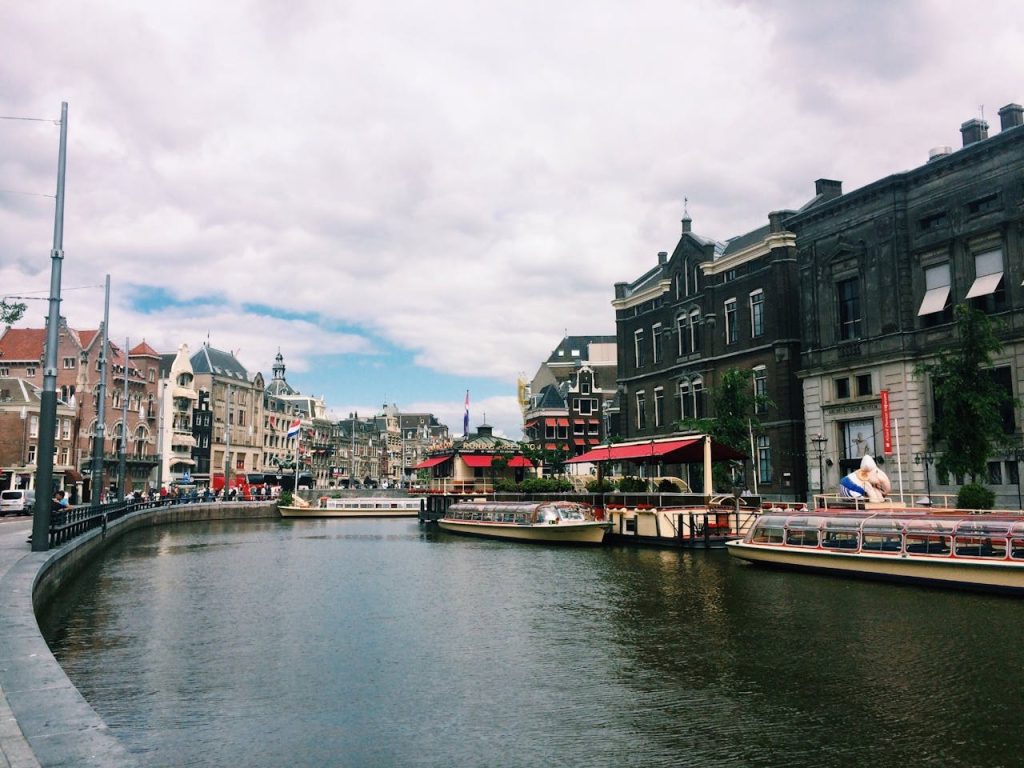
City council members and museum directors in Amsterdam have aggressively pursued a policy of “demarketing” to reduce the pressure on the historic canal ring. The Van Gogh Museum and the Anne Frank House release tickets on a specific schedule that demands immediate action from prospective visitors. Cultural analysts observe that these institutions frequently sell out their entire inventory weeks before the actual date of visit.
Hospitality experts note that the city has also capped the number of river cruises and hotel beds to limit the total volume of tourists. This supply-side restriction means that finding accommodation or a table at a popular restaurant requires significant lead time. The local government emphasizes that these measures are vital for maintaining the livability of the city for residents. Travelers must now align their itineraries with the rigid availability of the cultural sector.
Paris In France
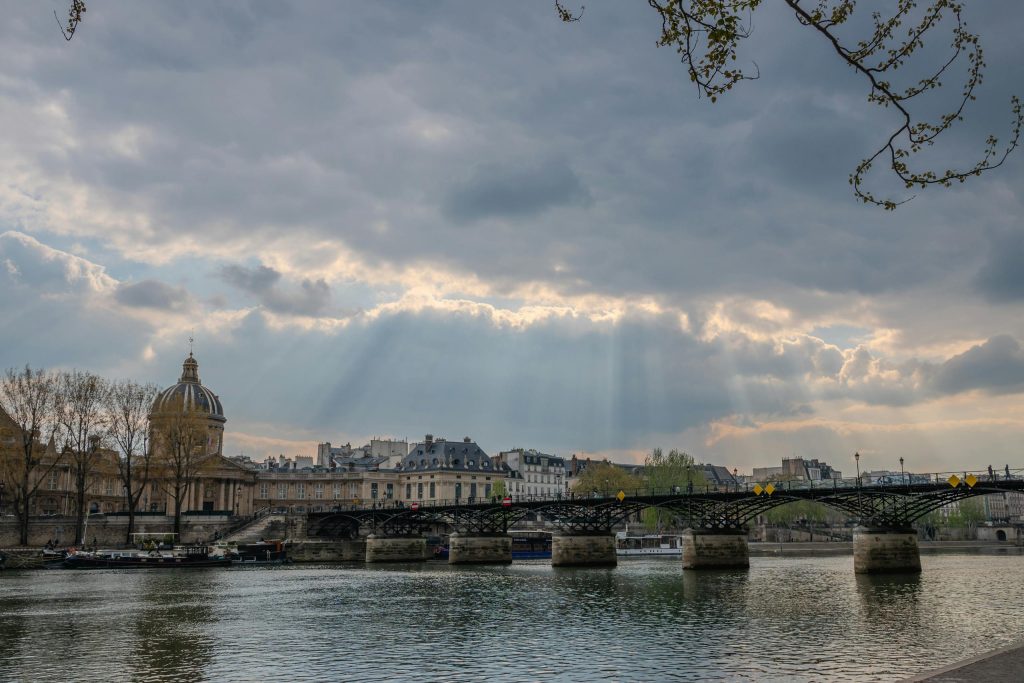
Museum curators and infrastructure planners in the French capital have maintained the reservation-only policies that became standard during the pandemic recovery. The Louvre Museum officially discourages visitors from arriving without a ticket, as the limited number of walk-up slots are rarely sufficient to meet demand. Art historians explain that the museum’s strategy focuses on improving the visitor experience by reducing the crushing lines that once defined the Pyramid entrance.
Travel industry insiders point out that the popularity of the Eiffel Tower requires booking summit access up to two months in advance. The sheer volume of global visitors means that spontaneity is structurally impossible for the major attractions. Even holders of the city-wide museum passes are often required to reserve a specific time slot to guarantee entry. This administrative layer ensures that the flow of people through the City of Light remains manageable.
Kyoto In Japan

Tourism board officials and local hospitality associations in Kyoto have struggled to manage the post-pandemic surge of visitors to the ancient capital. In response to “tourism pollution,” many temples and shrines have instituted reservation systems for special viewings or autumn foliage seasons. Cultural preservationists note that these measures are intended to maintain the serene atmosphere that is central to the spiritual experience of the sites.
Restaurant industry analysts highlight that high-end kaiseki dining establishments and even popular casual spots often refuse walk-ins, particularly from non-Japanese speakers. The concierge culture has become essential, with reservations often required months in advance to secure a seat at the counter. Local authorities also encourage visitors to utilize the “empty-handed sightseeing” luggage delivery services and to book taxis ahead of time, as the public transit system is frequently overwhelmed.
Barcelona In Spain
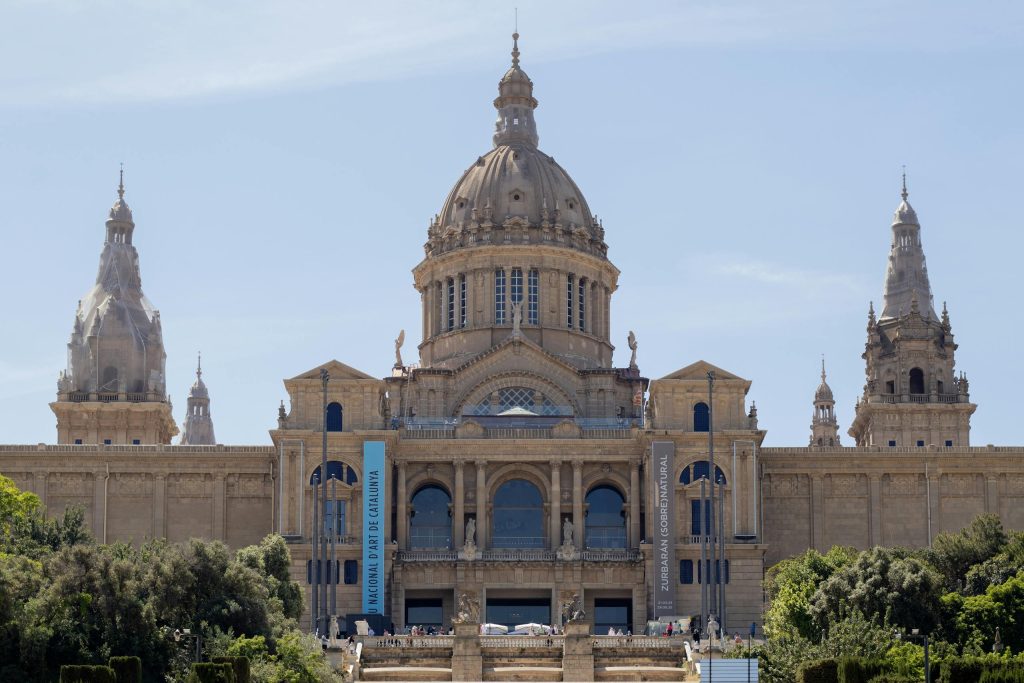
Urban designers and park trust managers in Barcelona have privatized and regulated access to Park Güell to save the architectural marvel from degradation. The free-for-all access of the past resulted in unsustainable wear on the mosaic structures. Now, the park operates with a strict hourly capacity, and tickets during the summer season vanish rapidly.
Heritage experts emphasize that the Sagrada Família operates with similar rigor, financing its ongoing construction through a highly organized ticketing system. The basilica is frequently sold out for days at a time, leaving unprepared visitors to stare at the facade from the sidewalk. Tourism officials argue that these controls are the only way to balance the massive interest in Gaudí’s work with the need to keep the sites standing for future generations.
Rome In Italy
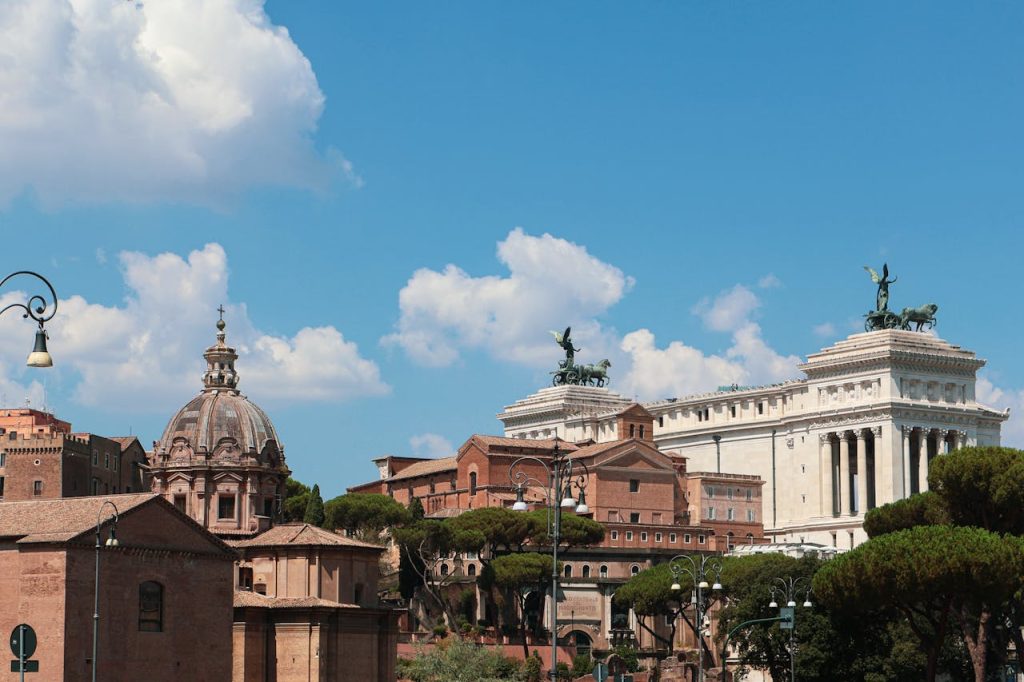
Vatican administrators and heritage conservators face an unprecedented demand that has turned ticket acquisition into a competitive sport. The Vatican Museums, home to the Sistine Chapel, release tickets that are often scooped up by tour aggregators within minutes. Security consultants note that the lines for those without reservations can stretch for hours, consuming an entire day of a vacation.
The Colosseum has similarly moved to a mandatory name-on-ticket policy to combat scalping and manage the flow of visitors through the ancient amphitheater. Travel advisors warn that the upcoming Jubilee year will only intensify the scarcity of access. Visitors wishing to see the underground hypogeum or the arena floor must plan their purchase to coincide exactly with the release window.
Edinburgh In Scotland
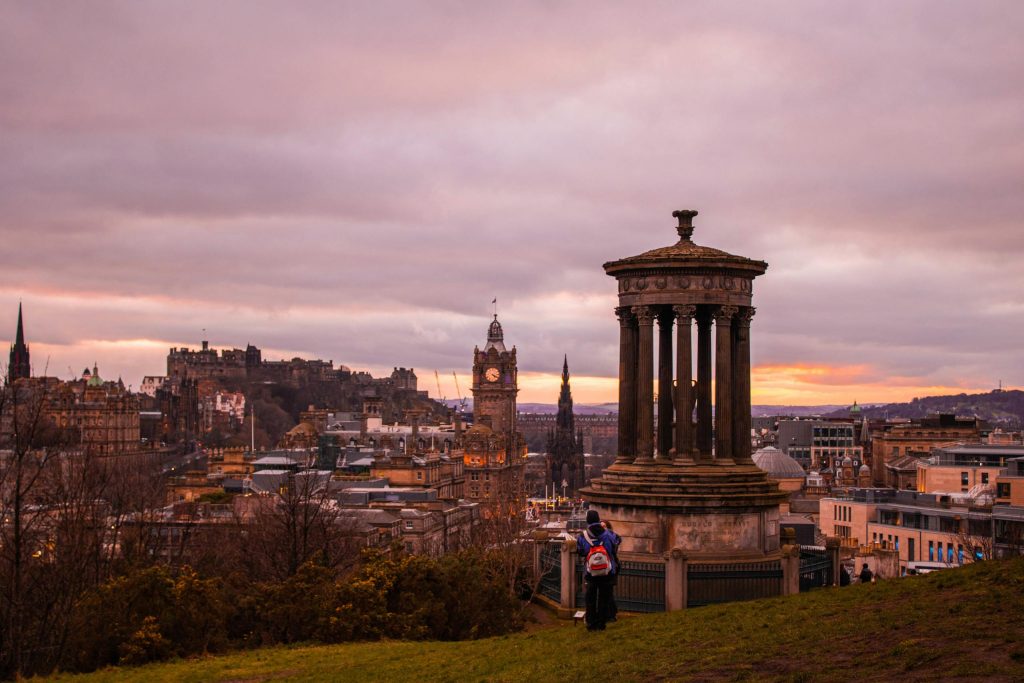
Festival directors and hospitality sector analysts characterize August in Edinburgh as a logistical bottleneck where the city’s population effectively doubles. The Fringe Festival and the Royal Edinburgh Military Tattoo create a demand for accommodation that outstrips supply by a massive margin. Real estate data shows that hotels and short-term rentals are often booked a year in advance by returning visitors and performers.
Local business owners advise that dining without a reservation during the festival season is virtually impossible in the city center. The sheer density of crowds means that every available seat is accounted for. Travelers hoping to experience the cultural vibrancy of the Scottish capital must commit to their dates and deposits long before the program guide is even printed.
Tokyo In Japan

Entertainment complex managers and travel logistics experts report that the sheer scale of domestic and international tourism in Tokyo creates a scarcity of access to pop-culture landmarks. Tickets for the Ghibli Museum are released on the tenth of each month and typically sell out within an hour. Similarly, the new Warner Bros. Studio Tour and the Shibuya Sky observation deck require purchasing tickets weeks ahead to secure a sunset slot.
Theme park analysts note that Tokyo Disney Resort has shifted entirely to a dynamic pricing and fixed-date ticket model, with no tickets sold at the gates. The operational efficiency of the city relies on this predictability. Visitors expecting to purchase tickets on the day of the visit are consistently disappointed. The meticulous nature of Japanese planning culture demands that tourists reciprocate with equal preparation.
Dubrovnik In Croatia
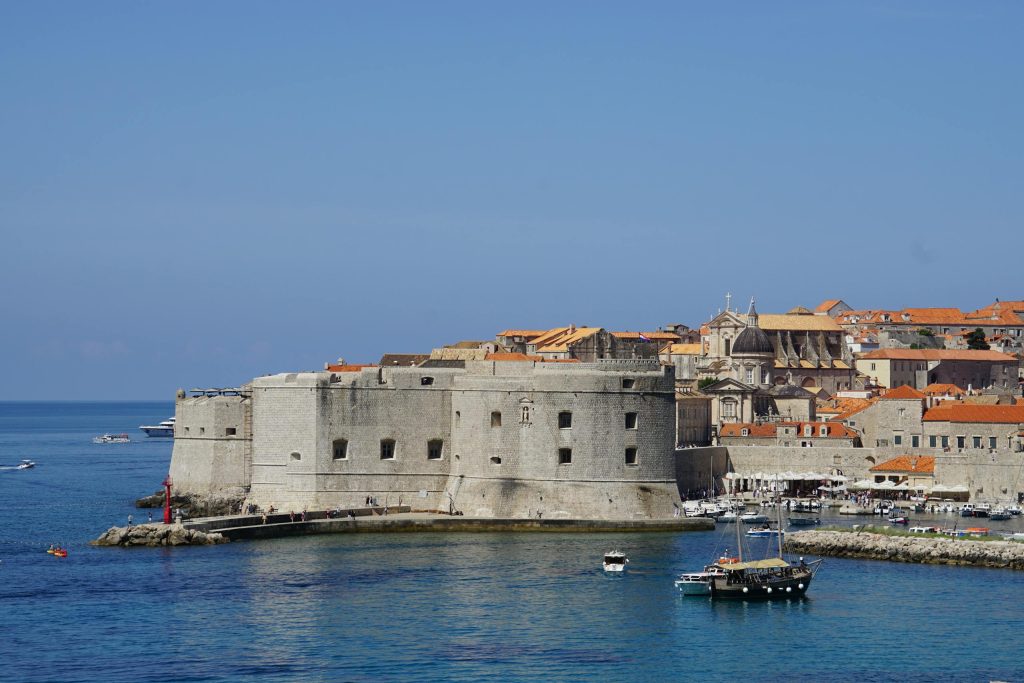
Port authority officials and heritage protection officers have championed the “Respect the City” initiative to curb the overwhelming impact of cruise tourism. The walled Old Town has a physical limit on how many pedestrians can safely navigate the limestone streets. When the counter hits a certain threshold, access is restricted, and those without a valid reason for entry are turned away.
Travel agents emphasize that walking the famous city walls now utilizes a timed ticketing system during peak hours to prevent gridlock. The experience of Game of Thrones fans seeking filming locations has been regimented to ensure the city remains functional for locals. Visitors must align their sightseeing with the cruise ship schedules and secure their entry passes to ensure they are not left outside the pile gate.
Florence In Italy

Art historians and gallery administrators in Florence manage the Uffizi Gallery as one of the most concentrated bottlenecks in the art world. The narrow corridors of the Renaissance palace cannot accommodate the volume of visitors seeking to see Botticelli’s masterpieces. Capacity controls mean that time slots are the only way to guarantee entry, and these are often fully allocated to tour operators well in advance.
The Accademia Gallery, home to David, faces identical pressures. Tourism officials have experimented with price increases for peak times to redistribute demand, but the necessity of booking remains absolute. Cultural commentators observe that the spontaneous appreciation of art in Florence has been replaced by a scheduled appointment with history.