11 Cities Where Late-Night Dining Has All but Disappeared
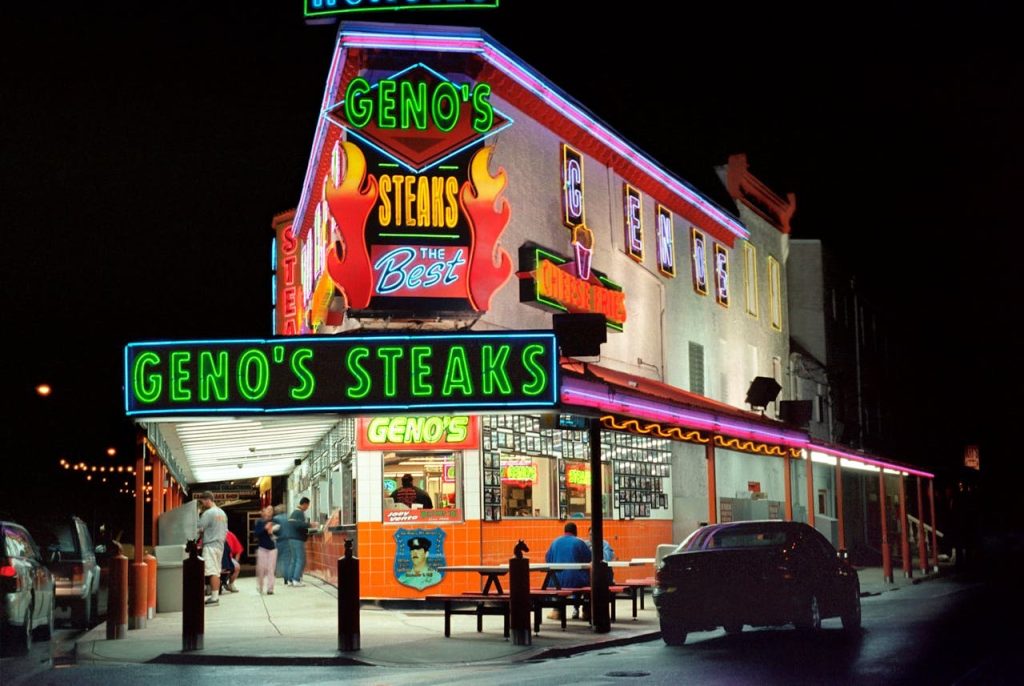
After midnight, a city feels more honest. Streets thin out, lights look sharper, and hunger turns practical. For decades, certain places promised a warm booth, a quick bowl of noodles, or eggs at any hour. Lately, that promise keeps shrinking. Rising costs, staffing gaps, and earlier habits have pushed kitchens to lock up sooner, leaving visitors surprised when nightlife has nowhere to refuel. The signs still glow, but the grills often go cold. In these cities, late-night dining has become a hunt, not a given.
San Francisco, California
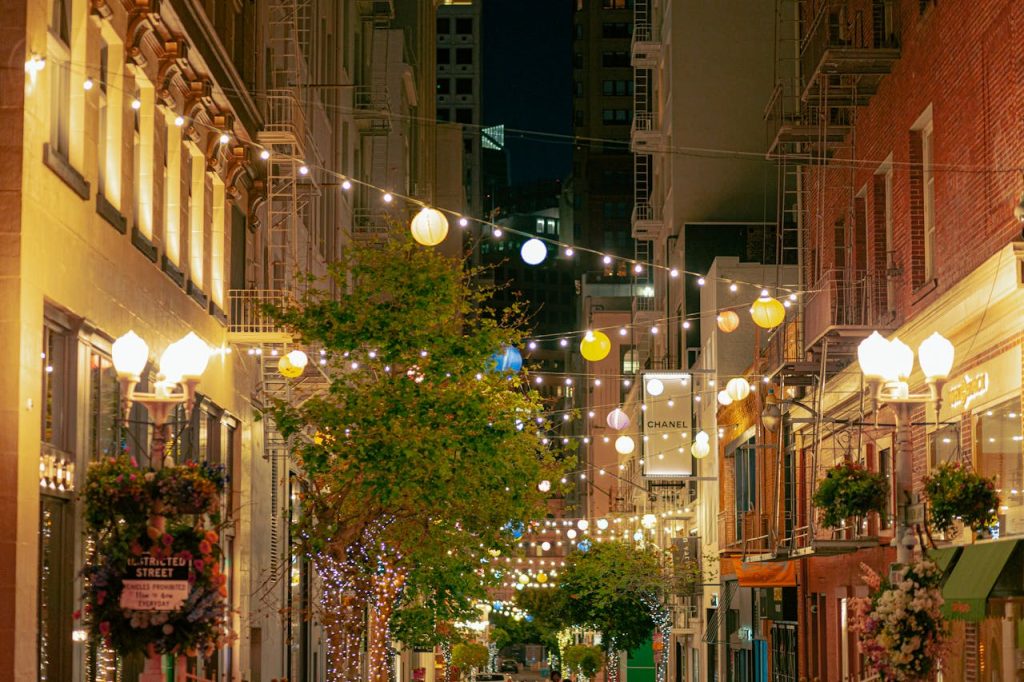
San Francisco is a serious food city that still tends to shut down early. Many kitchens run like fine-tuned dinner machines, then close before the late crowd is fully out, which can feel strange in a place with shows, bars, and long rides between neighborhoods. After 10 p.m., options narrow to a handful of reliable pockets, and even those can be inconsistent on weeknights or outside tourist corridors. The late-night problem is not quality. It is density. A visitor can be surrounded by great restaurants at 7 p.m., then end up circling for an hour later, settling for whatever is still serving.
New York City, New York
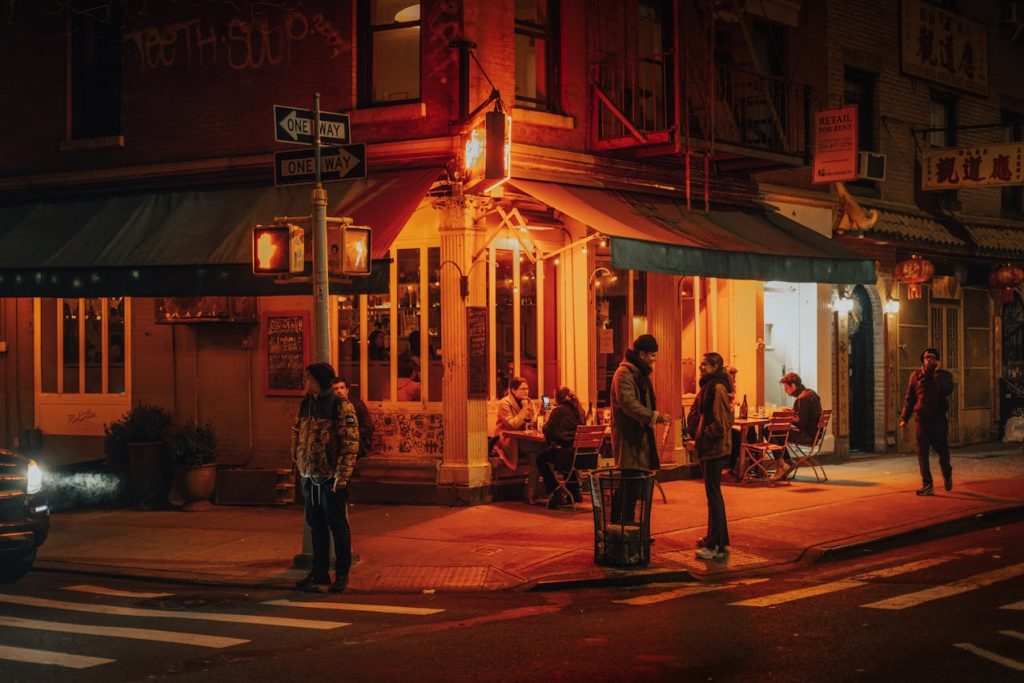
New York keeps the image of a city that never sleeps, but the late-night layer has thinned in many neighborhoods. It is still possible to eat well after midnight, yet it often requires intent, not wandering, because plenty of places that once stayed open now close earlier for staffing and cost reasons. The change shows up in small moments: a show ends, a bar closes, and the nearby kitchen is already done. Late hunger becomes a search through delivery apps, chains, and a shrinking number of diners that carry the old torch, while the subway still runs and the sidewalks stay busy, making the early lockups feel even more noticeable.
Los Angeles, California
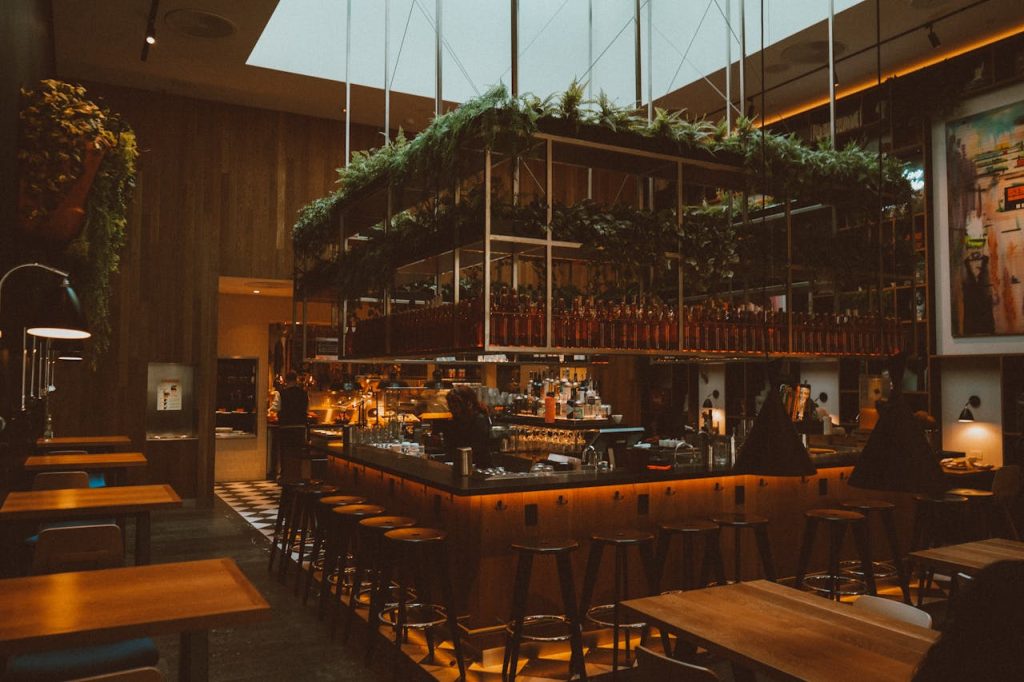
Los Angeles used to cover late hunger with sheer sprawl. If one place closed, another was open a few blocks or a few freeway exits away, and diners, taco stands, and coffee shops kept the city fed after long drives and long nights. That safety net is weaker now, and it is common to find lively streets where kitchens are already dark. The shift can catch visitors who assume a big entertainment city always has food on standby, but many spots now choose shorter hours that match labor realities. The result is a city that still stays awake, yet often eats earlier, leaving late-night dining to a small group of dependable holdouts.
Seattle, Washington
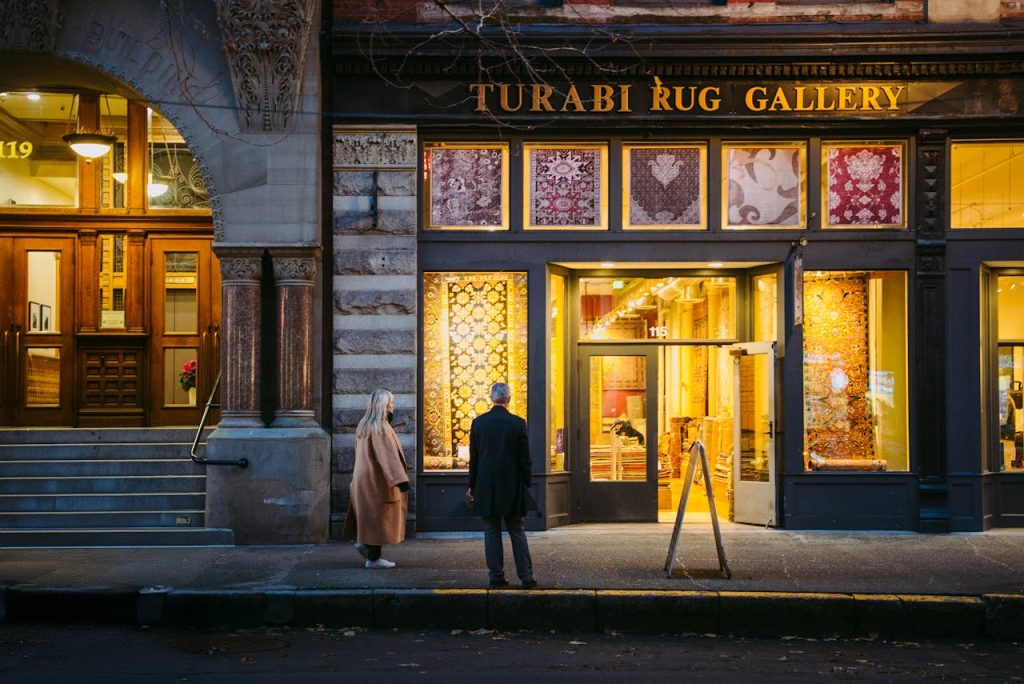
Seattle has always leaned early, and that tendency has become more pronounced in recent years. Bars can still be active, shows can still run, yet the number of kitchens willing to stay open deep into the night is limited, especially outside a few predictable neighborhoods. Visitors notice the gap when a concert ends and the choices are suddenly thin, not because the city lacks restaurants, but because the service window closes sooner than expected. The late-night scene exists, but it behaves like a niche, with shorter menus, fewer nights, and a higher chance of last-call surprises. Without a plan, hunger becomes a loop of closed doors.
Chicago, Illinois
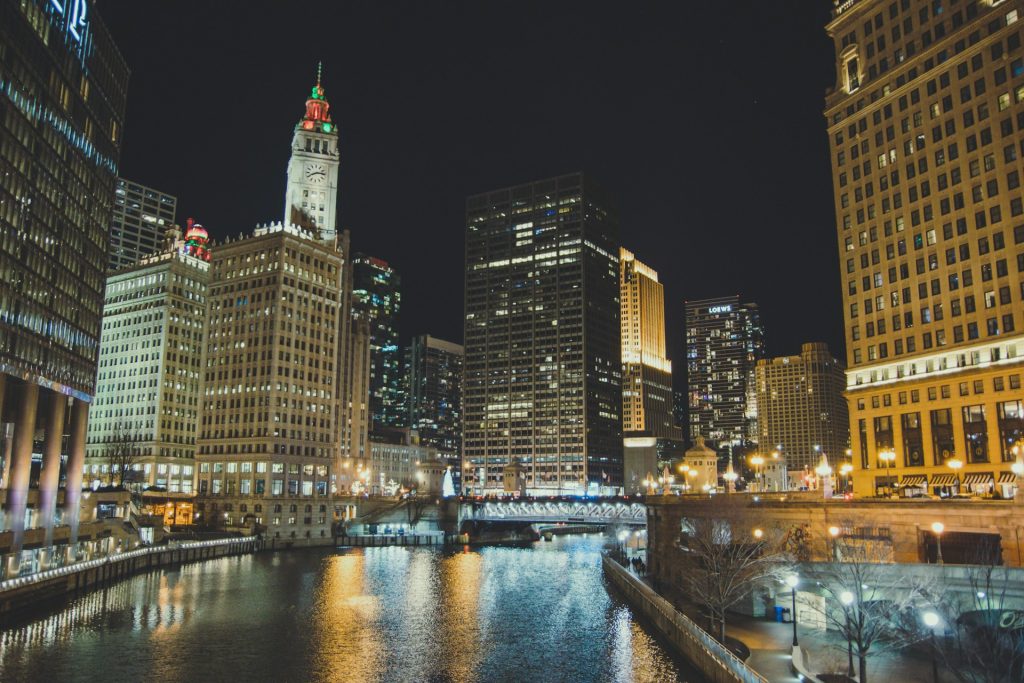
Chicago is built for strong dinners, not endless late meals. The city still has late options, but the wide net that once supported bartenders, musicians, and night-shift workers has tightened, especially on weeknights and in neighborhoods where demand is harder to predict. Many restaurants have shifted toward all-day service and earlier closes, because that is where consistent traffic lives and where staffing feels manageable. The effect is subtle until it is not: the bar is full, the train is running, and the kitchen down the block is finished. Late-night dining becomes less of a casual tradition and more of a targeted stop that locals know to name in advance.
Washington, D.C.
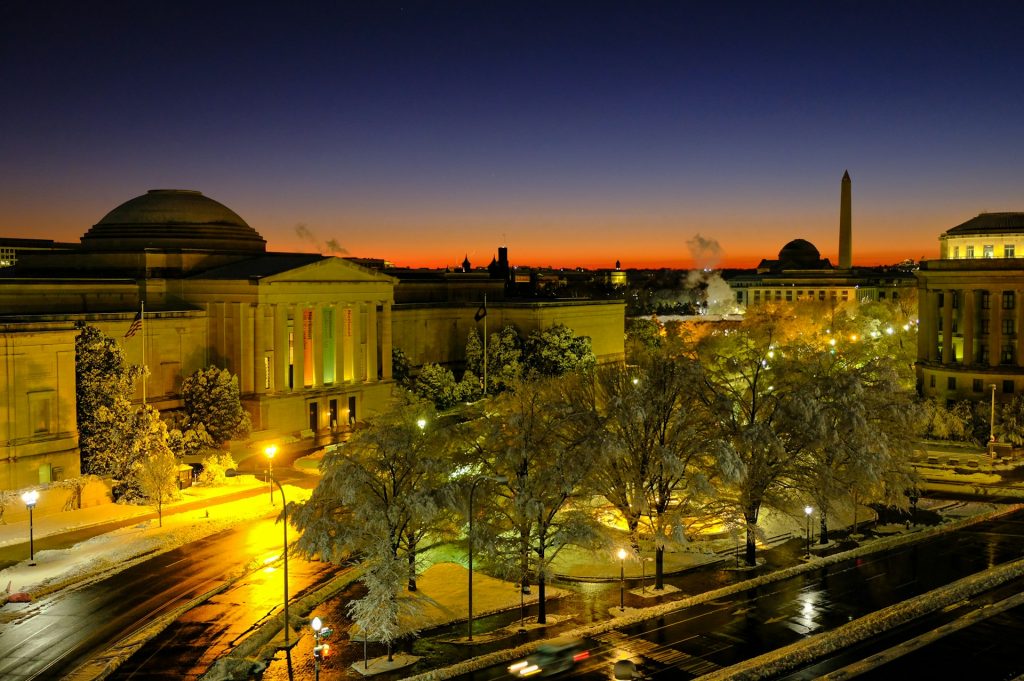
Washington’s late-night eating has never been as automatic as its reputation for nightlife might suggest. The city’s dining energy often peaks earlier, and after midnight the map shrinks to a few corridors and a few familiar names, with long gaps between them. Visitors can feel the change when a museum event, a show, or a long dinner runs late, and the next idea is food, only to find that nearby kitchens are already closed or running limited menus. The city is still active, but it is active in a way that funnels people into fewer options. Late dining becomes a logistical decision, not a spontaneous reward.
Philadelphia, Pennsylvania
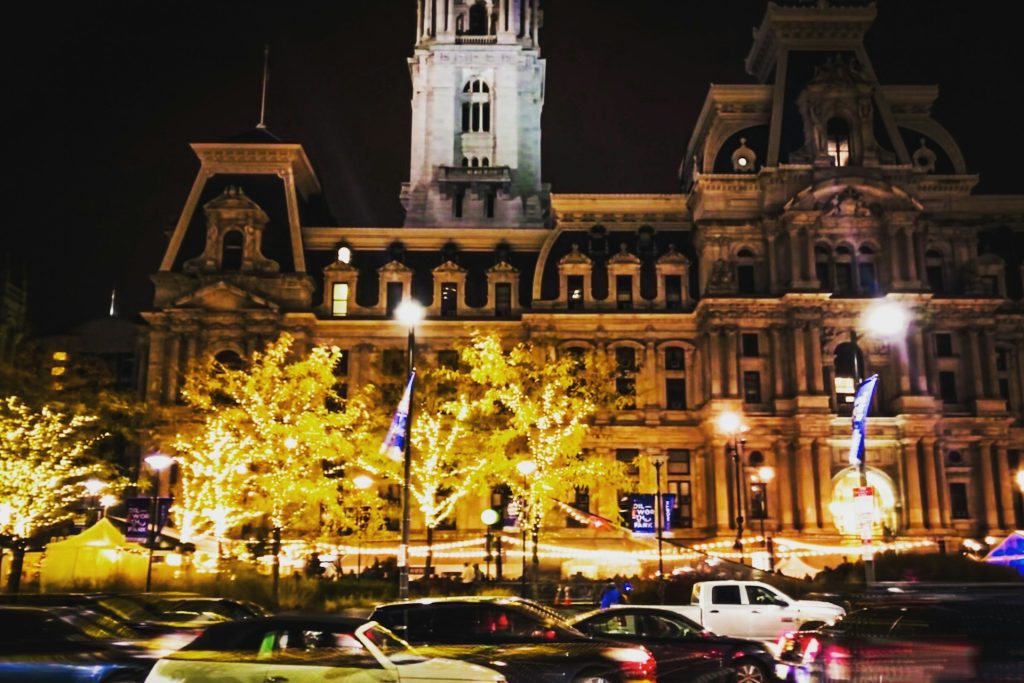
Philadelphia’s food culture is bold, but its late-night coverage is uneven, and that contrast can surprise travelers who expect a major East Coast city to offer easy after-hours comfort. Many of the dependable late bites are tied to specific bars, diners, or neighborhood institutions, which means the experience depends on where someone happens to be standing at 12:30 a.m. The city can feel lively and crowded, yet the kitchen clock keeps moving toward closed. When late options do appear, they often come with shorter menus and earlier last calls, so the best approach is knowing a few names ahead of time, rather than assuming the nearest lively street will feed everyone.
Portland, Oregon
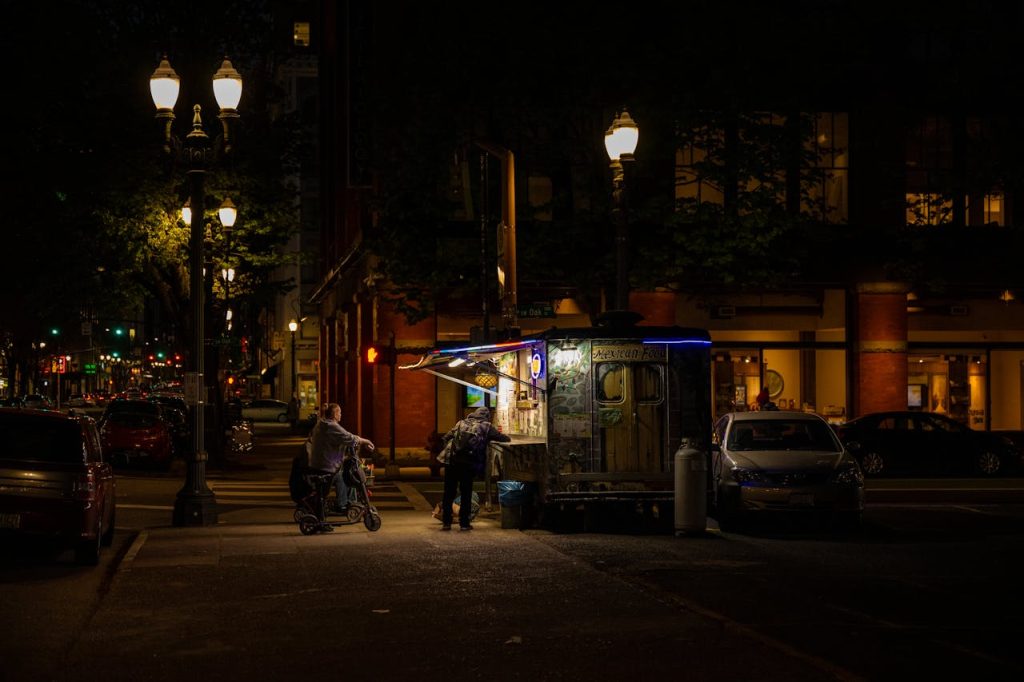
Portland still has flavor, but its late-night food culture has narrowed into pockets rather than a citywide guarantee. The nightlife can be active, yet many kitchens treat midnight like a finish line, leaving hungry visitors surprised when the streets feel busy but the menu choices feel thin. Food carts help, but late-night carts are fewer than people assume, and they can have limited days, limited hours, and long lines because they are carrying so much demand. Portland’s late eating can be great when it hits, but it is rarely accidental. It is a deliberate destination, often reached after checking hours twice and committing to a specific spot.
Denver, Colorado
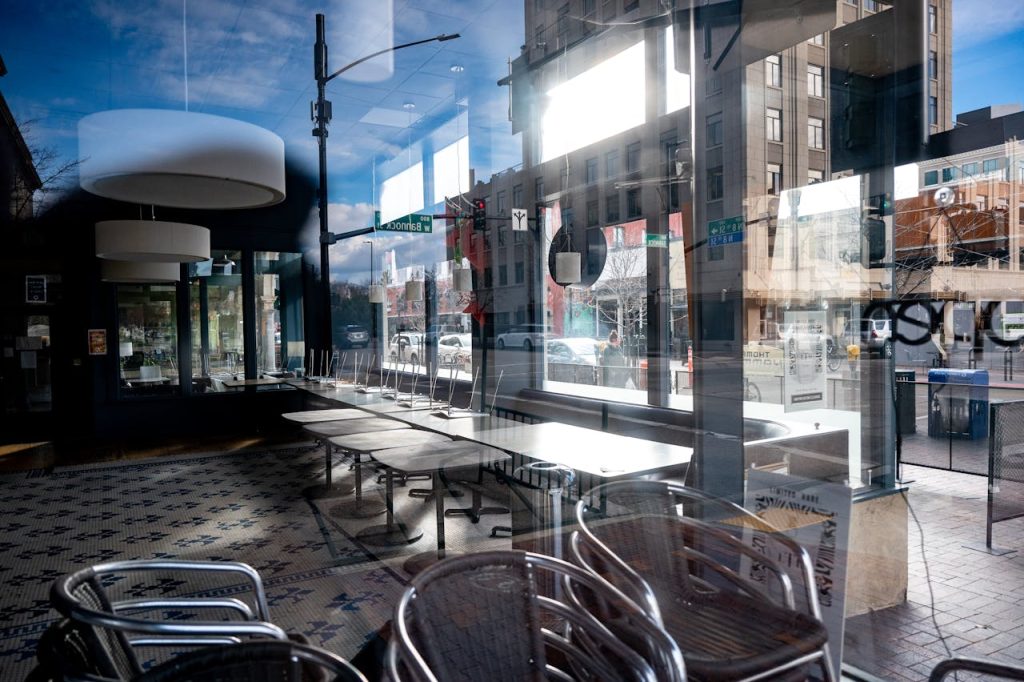
Denver’s dining scene has grown fast, but late-night eating has not kept pace with nightlife expectations. Many restaurants focus on the hours that pay the bills and protect staff energy, which often means dinner service ends earlier than visitors assume, especially in neighborhoods where crowds fluctuate by season and day of week. The city still has bars, sports nights, and venues that keep people out late, yet the after-hours food grid is patchy, forcing hungry crowds into fewer places and longer waits. When a city feels expensive to operate in, late-night service is an easy trim, and the result is a Denver that still goes out, then struggles to find a kitchen still cooking.
Boston, Massachusetts
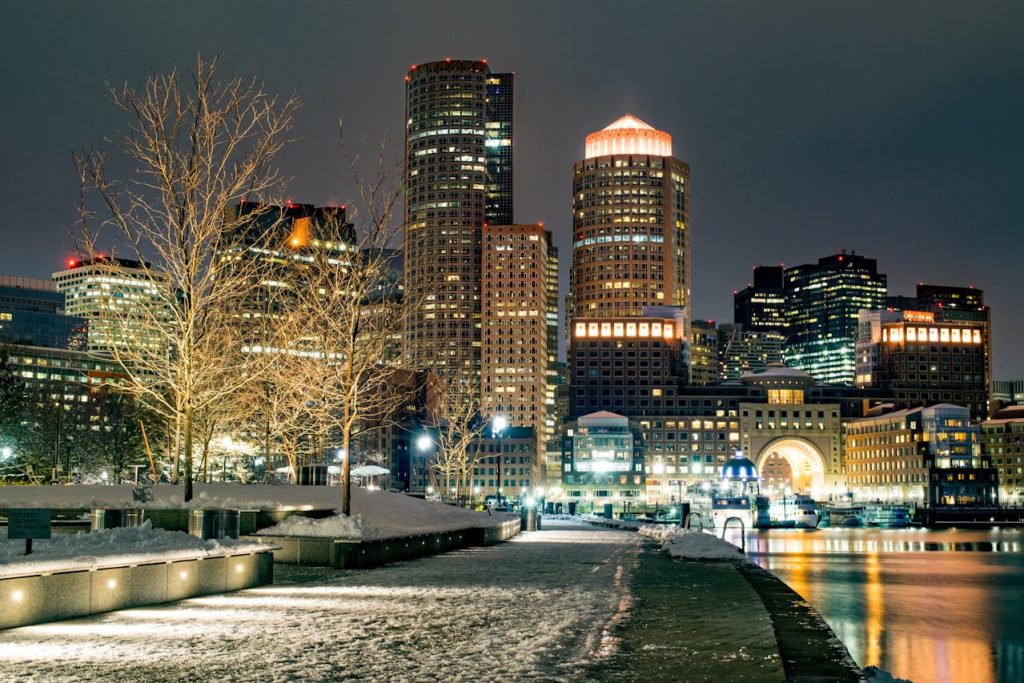
Boston has never been famous for late-night eating, and the modern version of the city makes that clearer. Neighborhood life can feel quiet once trains slow down, and restaurant hours often follow that rhythm, closing earlier than visitors expect after games, theater nights, or late arrivals. There are still pockets with late options, but they can be scattered, tied to specific days, and unpredictable when staffing changes or demand dips. The surprise is how quickly a lively evening can become a food desert, even near busy areas. Planning matters more here than in most big cities, because a strong dinner scene does not automatically translate into strong midnight coverage.
Minneapolis–St. Paul, Minnesota
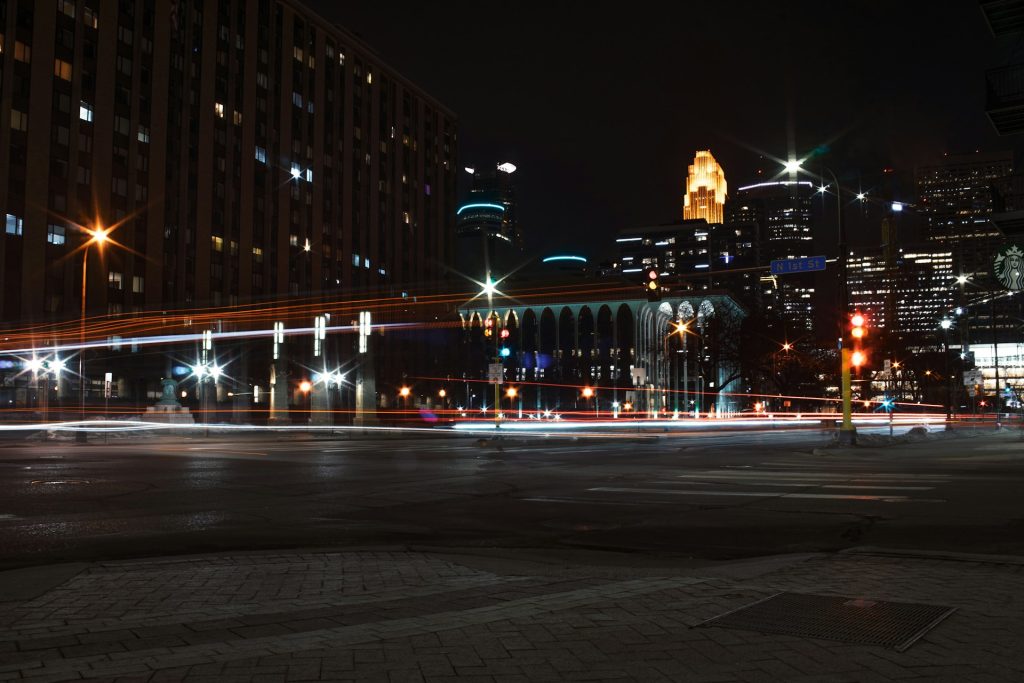
The Twin Cities have great food, but late-night dining often lives in narrow windows and specific zones. After 11 p.m., choices can drop quickly, and the remaining options tend to be familiar standbys rather than a broad range of cuisines, especially on colder nights when people retreat indoors and the city feels quieter. Visitors notice the rhythm shift when an event ends and the instinct is to keep the night going with food, only to find short menus, earlier last calls, and longer gaps between open doors. Late eating exists, but it works like a local secret, dependent on timing and neighborhood more than the size of the metro.