11 Cities Where Tourism Marketing Doesn’t Match Reality
Tourism marketing often promises effortless charm, smooth logistics, and picture perfect experiences. Reality on the ground can feel very different once crowds, costs, and infrastructure appear. Cities market highlights, not daily frustrations, seasonal strain, or lived complexity. This gap creates disappointment rather than discovery. Understanding where perception diverges from experience helps frame travel more realistically. The following cities illustrate destinations where branding oversimplifies daily conditions. Each example reflects how marketing narratives can obscure congestion, affordability issues, or environmental pressures that shape what travelers actually encounter during their stay.
New York City
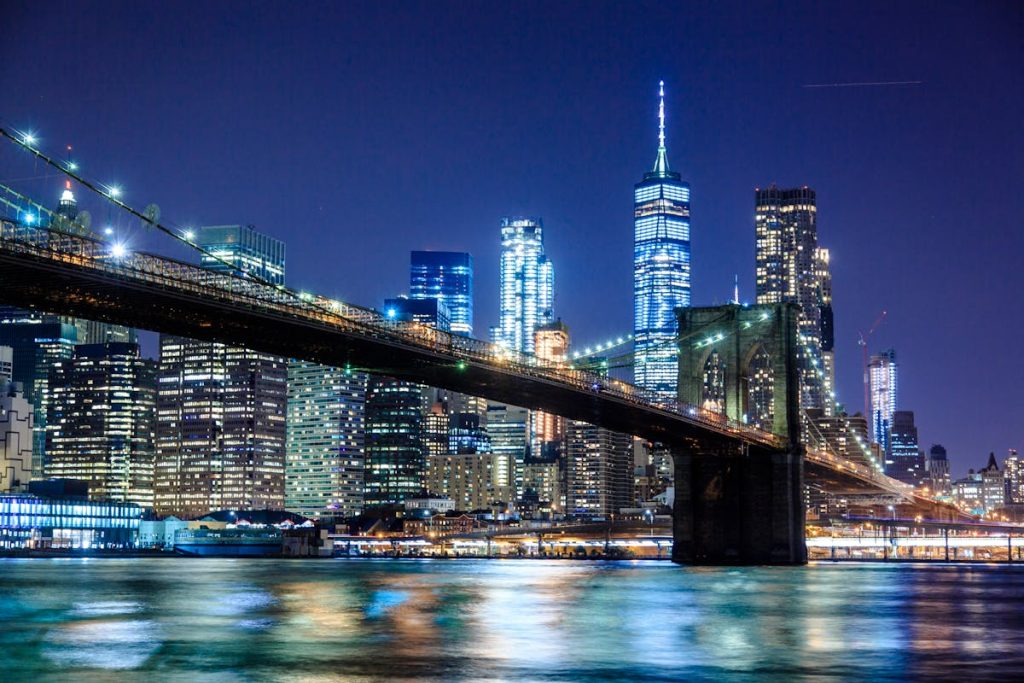
New York City marketing emphasizes excitement, culture, and endless possibility. Reality often includes congestion, high costs, and logistical stress. Dining reservations require planning far ahead. Transportation delays frustrate schedules. Hotel prices exceed expectations quickly. Neighborhood charm exists but demands effort to find. Marketing highlights glamour more than daily intensity. Travelers expecting effortless exploration may feel strained. The city rewards preparation, flexibility, and patience. Without realistic expectations, visitors encounter stress rather than spontaneity, discovering that New York’s energy also carries constant pressure and complexity rarely shown in promotional campaigns.
Las Vegas
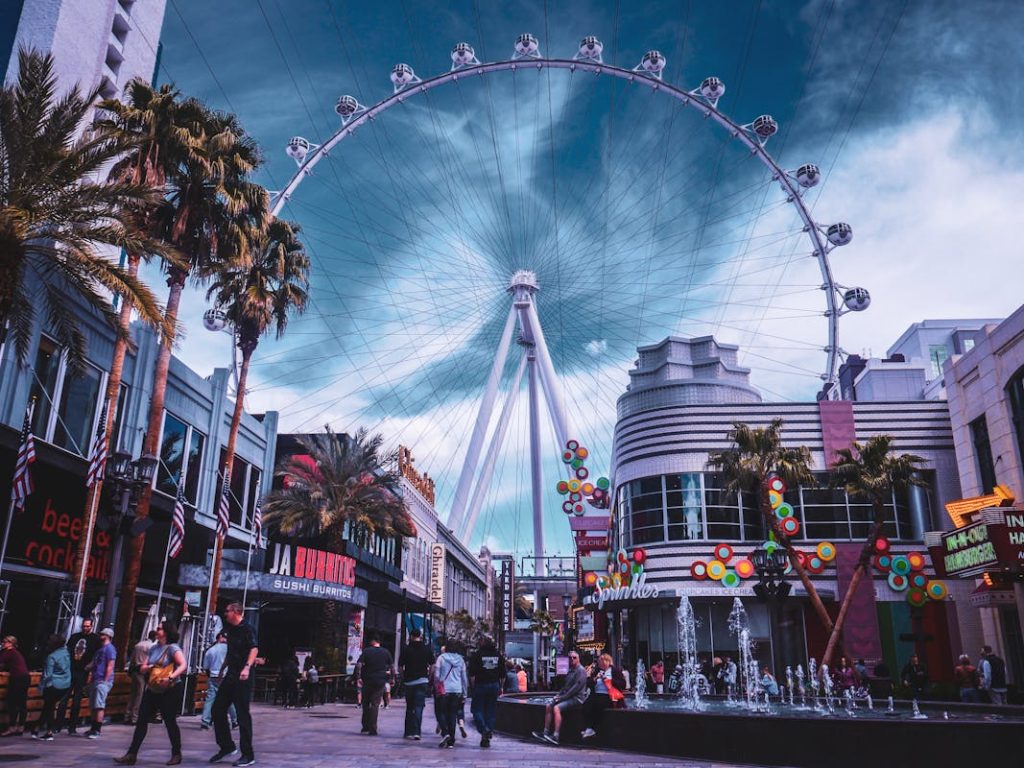
Las Vegas marketing sells nonstop luxury and indulgence. Reality includes crowds, heat, and constant upselling. Resorts feel massive and disorienting. Walking distances surprise first time visitors. Prices rise quickly beyond advertised deals. Dining and entertainment require reservations. The Strip feels overwhelming during peak periods. Marketing minimizes exhaustion factors. Visitors expecting seamless glamour encounter logistical fatigue. The experience remains entertaining but demands planning. Without awareness, travelers underestimate physical strain and cost. Las Vegas delivers spectacle, yet the marketed ease often overlooks how demanding navigating large scale resorts can feel over several days.
San Francisco
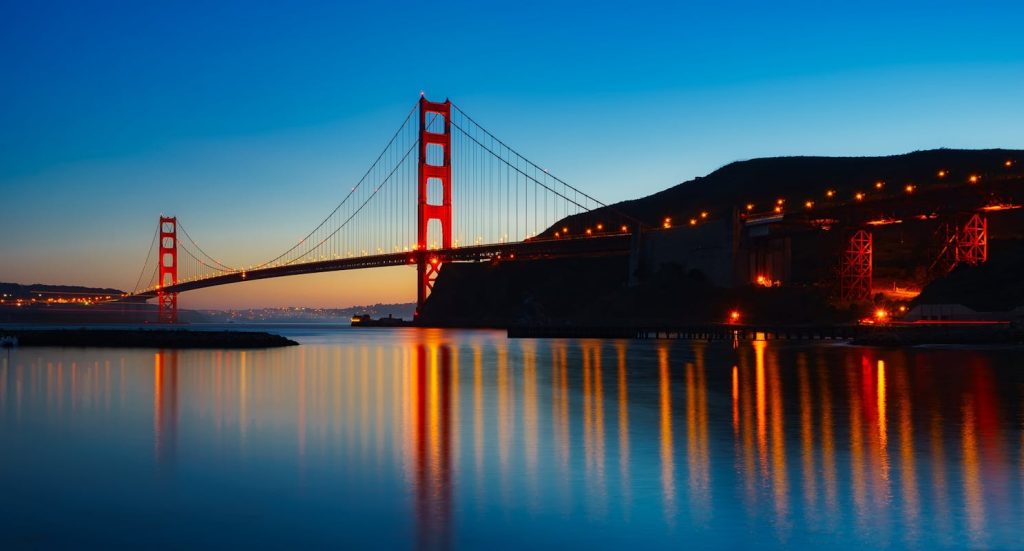
San Francisco tourism marketing highlights beauty, innovation, and walkability. Reality includes high prices, visible inequality, and transit limitations. Popular neighborhoods feel crowded. Public transportation coverage varies widely. Weather changes unexpectedly. Steep hills challenge casual walking plans. Marketing underplays urban issues and logistical friction. Visitors expecting postcard simplicity encounter complexity. Scenic views exist but require navigation. Without preparation, travelers feel disoriented. San Francisco remains compelling, yet marketing glosses over challenges tied to affordability, infrastructure strain, and uneven access that shape daily experience far more than promotional imagery suggests.
Los Angeles
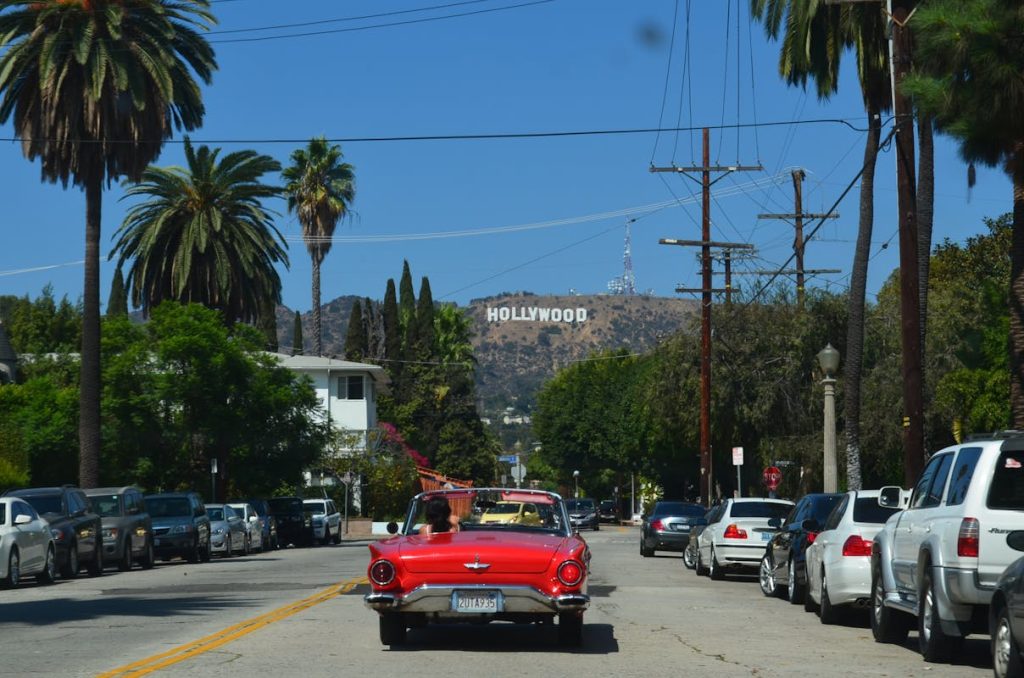
Los Angeles marketing promotes sunshine, glamour, and effortless exploration. Reality centers on traffic, distance, and fragmented neighborhoods. Attractions sit far apart. Travel time dominates schedules. Public transit options remain limited for visitors. Parking proves difficult. Costs rise quickly. Hollywood appears less polished than expected. Marketing minimizes sprawl challenges. Visitors expecting walkable excitement feel frustrated. The city rewards planning and patience. Without understanding scale, travelers misjudge time and energy. Los Angeles offers diversity and culture, but its marketing often hides how car dependency and congestion shape nearly every aspect of movement and daily experience.
Miami
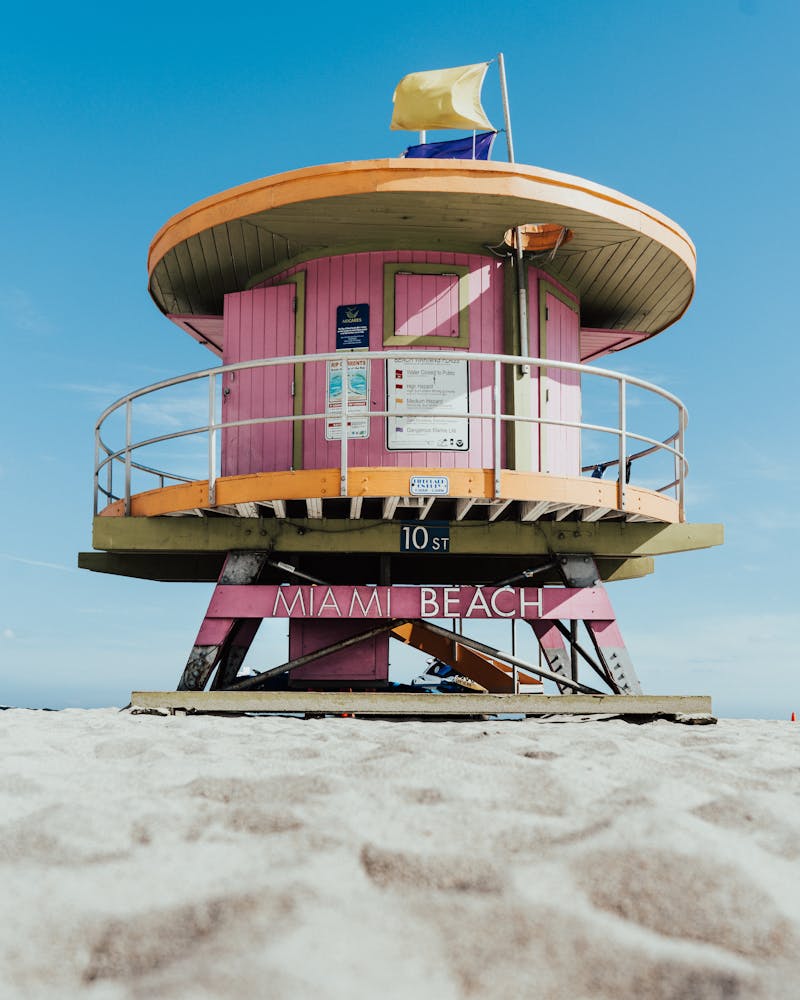
Miami tourism campaigns focus on beaches, nightlife, and luxury. Reality includes humidity, crowds, and high prices. Beach access feels limited during peak times. Parking proves difficult. Noise levels stay high. Resort fees surprise guests. Weather disrupts plans frequently. Marketing downplays logistical stress. Visitors expecting carefree relaxation encounter congestion. The city remains vibrant but intense. Without preparation, travelers feel overwhelmed. Miami’s appeal persists, yet promotional imagery often overlooks daily challenges tied to tourism density, climate extremes, and infrastructure pressure shaping real experiences beyond curated beachfront visuals and nightlife highlights.
Orlando
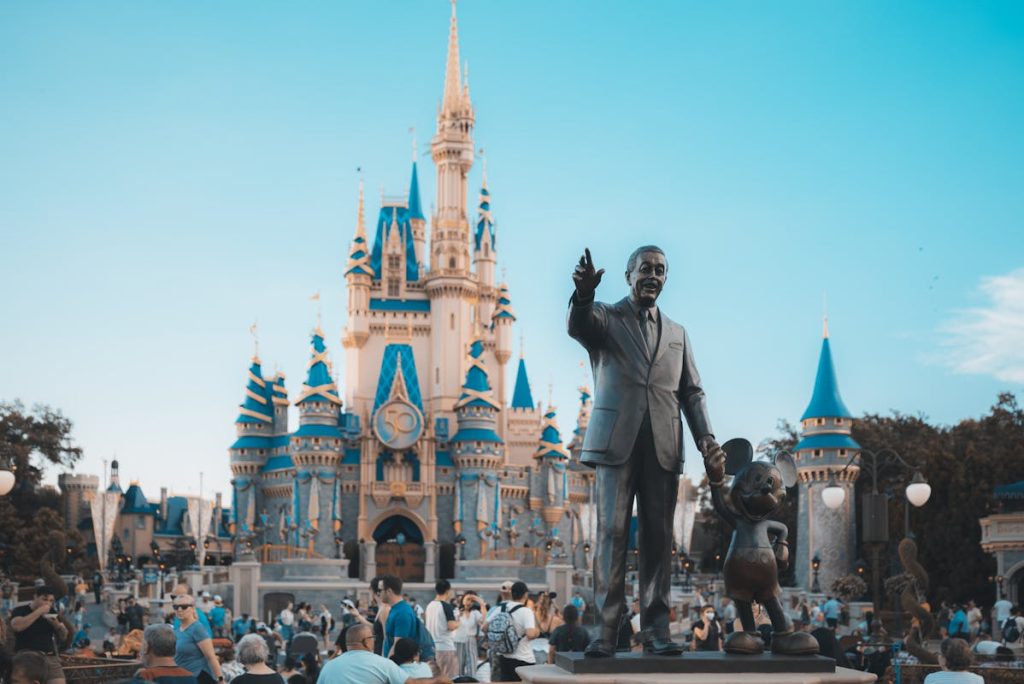
Orlando marketing centers on magical experiences and family ease. Reality includes long waits, crowds, and logistical fatigue. Theme parks require extensive planning. Transportation delays compound exhaustion. Hotel pricing fluctuates dramatically. Heat intensifies strain. Dining reservations fill quickly. Marketing minimizes operational complexity. Families expecting seamless fun encounter stress points. The experience still delights but demands preparation. Without realistic expectations, visitors feel overwhelmed. Orlando delivers memorable attractions, yet promotional narratives often ignore how planning intensity, weather, and scale influence daily energy levels and enjoyment throughout multi day stays.
New Orleans
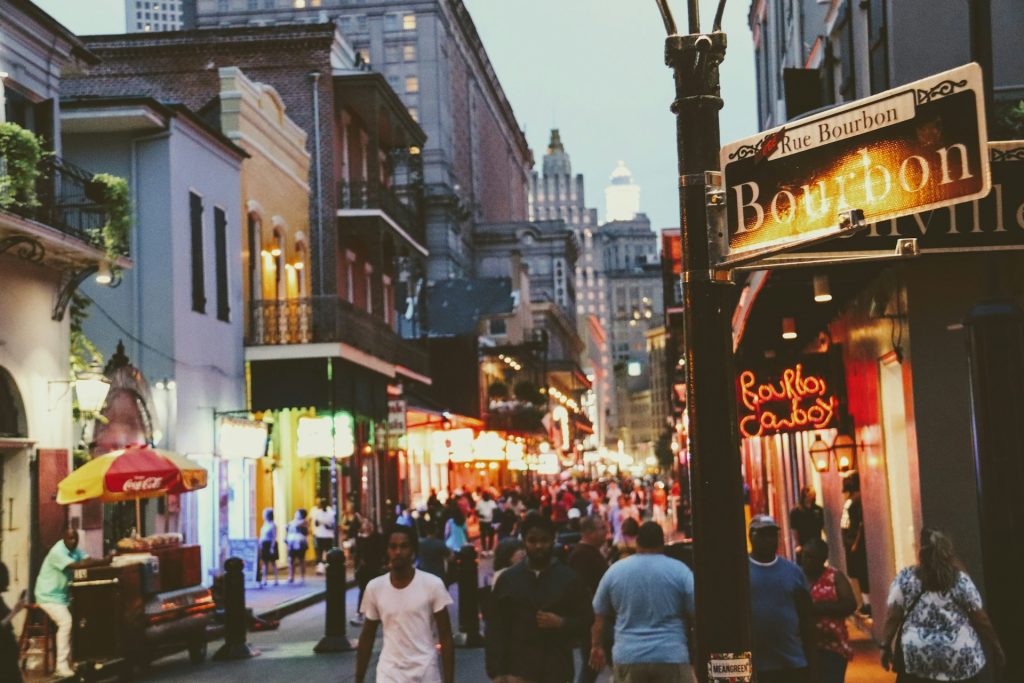
New Orleans marketing highlights music, food, and celebration. Reality includes humidity, crowds, and infrastructure challenges. The French Quarter feels congested. Noise persists overnight. Weather disrupts plans. Public transportation options remain limited. Safety concerns require awareness. Marketing romanticizes spontaneity. Visitors expecting effortless charm encounter practical hurdles. Cultural richness remains undeniable. Without context, travelers feel disoriented. New Orleans rewards curiosity but demands adaptability. Its marketing often overlooks how climate, crowd density, and aging infrastructure shape daily experiences far more than the carefree party image presented to potential visitors.
Chicago
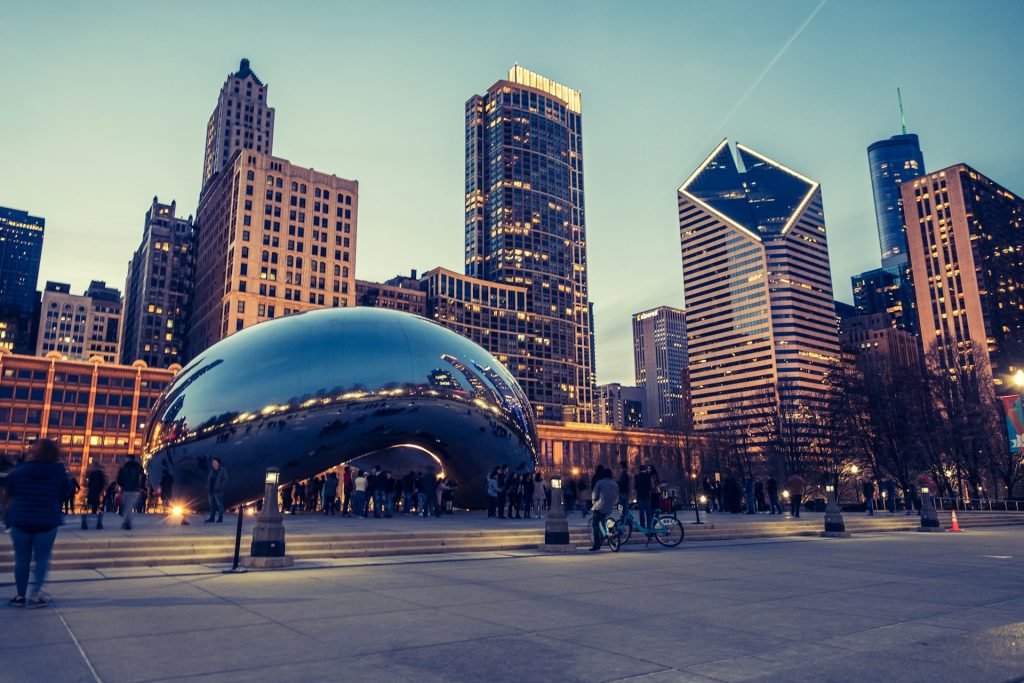
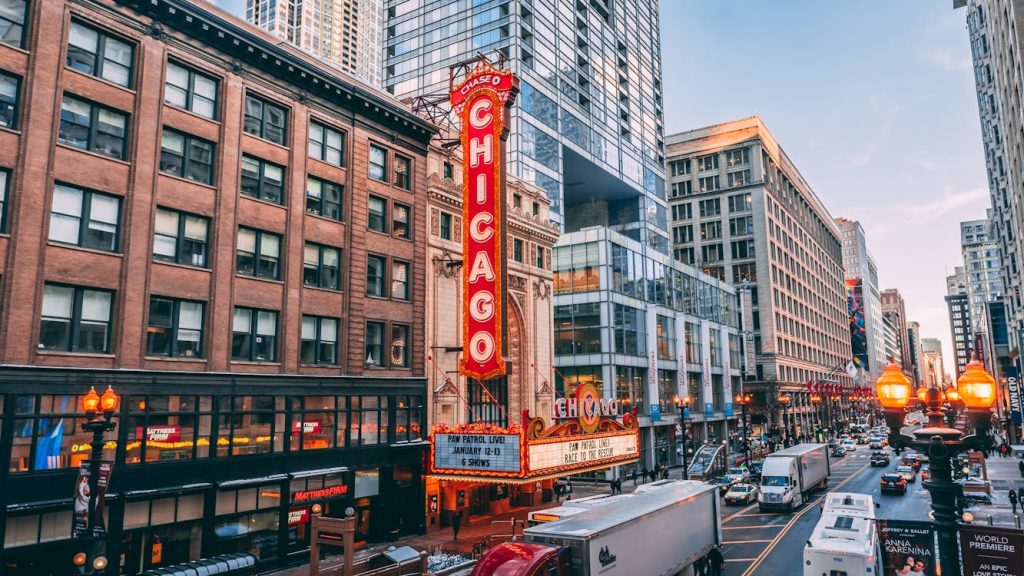
Chicago tourism marketing promotes architecture, food, and lakefront. Reality includes weather extremes and seasonal limitations. Winters restrict mobility significantly. Summer crowds surge. Hotel prices spike during events. Public transit reliability varies. Marketing emphasizes balance more than seasonality. Visitors arriving unprepared face challenges. The city remains impressive but situational. Without timing awareness, travelers misjudge comfort. Chicago offers depth, yet its marketing often downplays how weather, event schedules, and density strongly influence visitor experience throughout the year. These factors consistently shape trip planning, daily mobility, and overall satisfaction for visitors.
Nashville
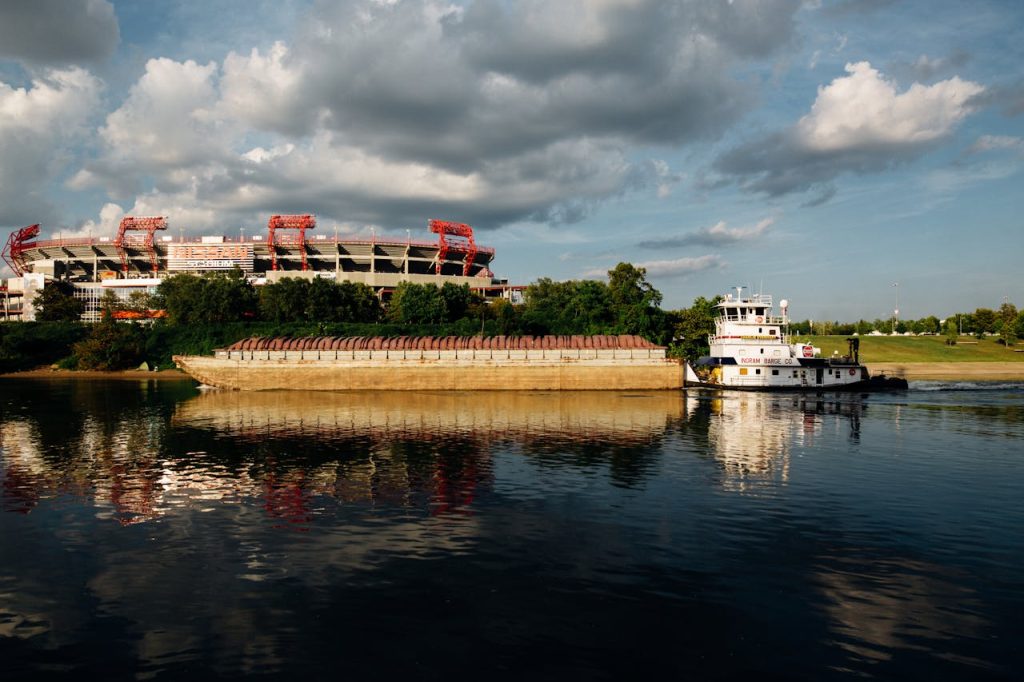
Nashville marketing celebrates music, nightlife, and easy fun. Reality includes crowds, noise, and rising costs. Downtown feels packed most weekends. Transportation options strain under demand. Local culture competes with tourism. Visitors expecting laid back charm encounter congestion. The city still entertains but overwhelms quickly. Without expectations management, frustration builds. Nashville’s appeal persists, yet promotional narratives rarely capture how tourism volume reshaped daily rhythms, accessibility, and affordability for both visitors and residents alike. These pressures increasingly influence visitor satisfaction, local experiences, and long term sustainability across the city.
Honolulu
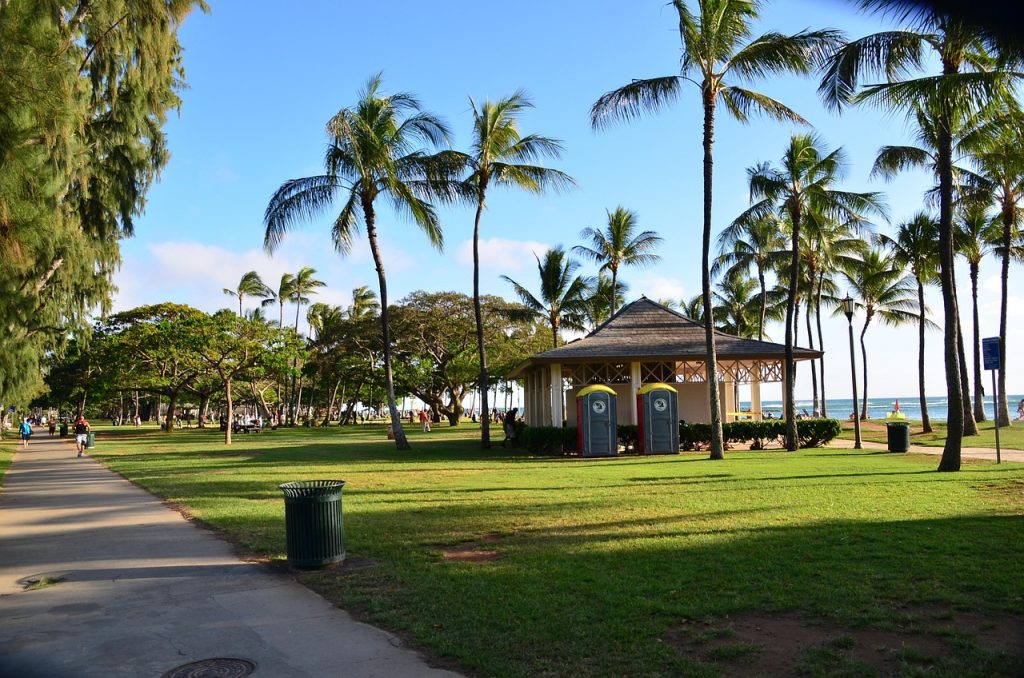
Honolulu marketing promises paradise and relaxation. Reality includes crowds, traffic, and high costs. Beach access feels competitive. Hotel fees surprise guests. Cultural protocols require awareness. Weather impacts plans. Marketing simplifies complexity. Visitors expecting effortless tranquility encounter logistical stress. The environment remains stunning but busy. Without preparation, travelers feel rushed. Honolulu offers beauty, yet marketing often overlooks how popularity, isolation, and infrastructure limitations shape real daily experiences for visitors beyond carefully framed imagery. These factors consistently affect arrival experiences, mobility, and overall comfort throughout typical vacation stays.
Seattle
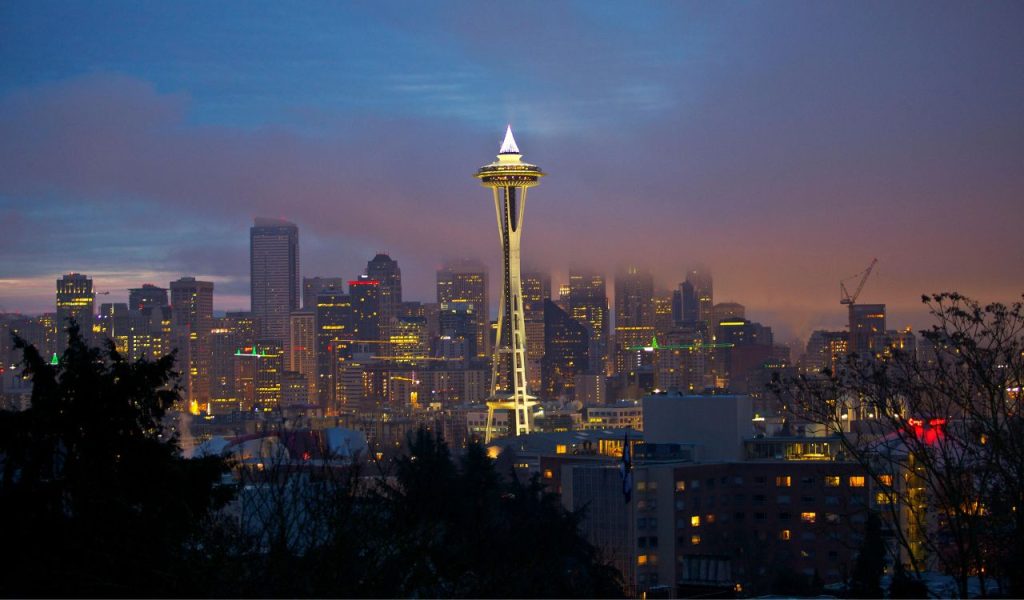
Seattle tourism campaigns highlight scenery, coffee culture, and innovation. Reality includes congestion, variable weather, and rising costs. Traffic disrupts plans. Rain affects schedules. Hotel pricing fluctuates. Popular neighborhoods feel crowded. Transit coverage varies. Marketing emphasizes charm over logistics. Visitors expecting ease encounter friction. The city remains appealing but demanding. Without flexibility, disappointment emerges. Seattle delivers character, yet promotional messaging often downplays how growth, climate variability, and infrastructure strain influence everyday travel experiences across the region.
Excerpt: When glossy travel branding collides with real world city experiences