11 City Centers That Are Becoming Car-Free Zones in 2026
City centers around the world are rethinking traffic as congestion, pollution, and safety concerns intensify. In 2026, several major cities will expand or finalize plans to restrict private vehicles from central districts. Officials argue that car free zones improve air quality, support local businesses, and create safer streets for pedestrians and cyclists. Critics worry about access, deliveries, and equity. These transitions reshape daily life for residents and visitors alike. The following city centers illustrate how urban cores are changing, what restrictions are coming, and why planners believe limiting cars will redefine movement, commerce, and space across historic districts, transit corridors, neighborhoods, tourism hubs worldwide today
Paris France
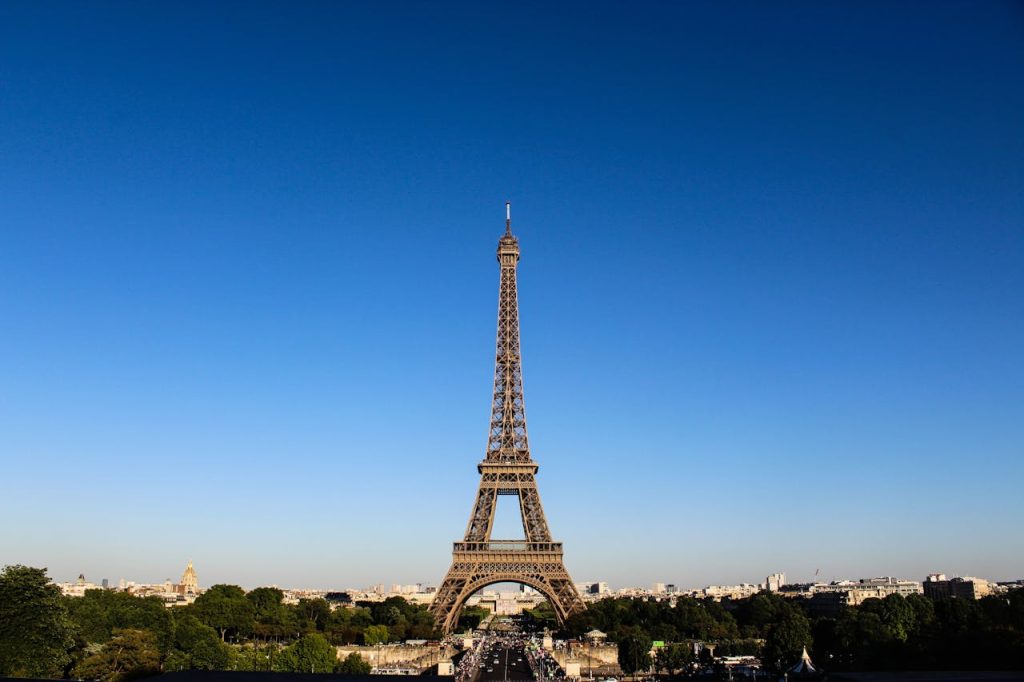
Paris France plans to expand its car free zones across central arrondissements in 2026, building on earlier pedestrianization around the Seine. Private vehicles will face tighter restrictions near landmarks like Île de la Cité and the Marais. City officials cite air quality goals and safety improvements for walkers and cyclists. Delivery windows will remain limited, and residents may require permits. Critics raise concerns about congestion displacement. Paris leaders argue expanded car free streets enhance public life, tourism, and neighborhood livability while supporting cafes, markets, and historic streetscapes citywide long term planning efforts through implementation phases and continuous public feedback processes.
Barcelona Spain

Barcelona Spain will extend its Superblock program in 2026, effectively creating car free zones throughout several central neighborhoods. Traffic will be diverted to perimeter roads, while interior streets prioritize walking, cycling, and local access. City planners link the policy to pollution reduction and public health. Businesses gain expanded outdoor space, though some drivers fear longer commutes. Emergency access and deliveries remain permitted. Barcelona officials say reclaiming street space strengthens community life, reduces noise, and reshapes mobility habits across dense urban districts long associated with heavy traffic pressure historically and ongoing congestion concerns citywide today ahead of broader climate initiatives.
New York City

New York City will advance plans in 2026 to expand car free zones across parts of Manhattan and surrounding boroughs. Areas near Times Square, Central Park, and major plazas will restrict through traffic. Officials emphasize pedestrian safety and climate goals. Bus lanes and bike corridors receive priority. Deliveries follow timed access rules. Critics question impacts on outer borough commuters. City planners argue reduced traffic improves street life, retail activity, and air quality. New York’s approach reflects broader efforts to rebalance public space away from cars toward people centered uses amid rising population density, tourism growth, climate targets, and evolving urban mobility priorities across neighborhoods.
Milan Italy
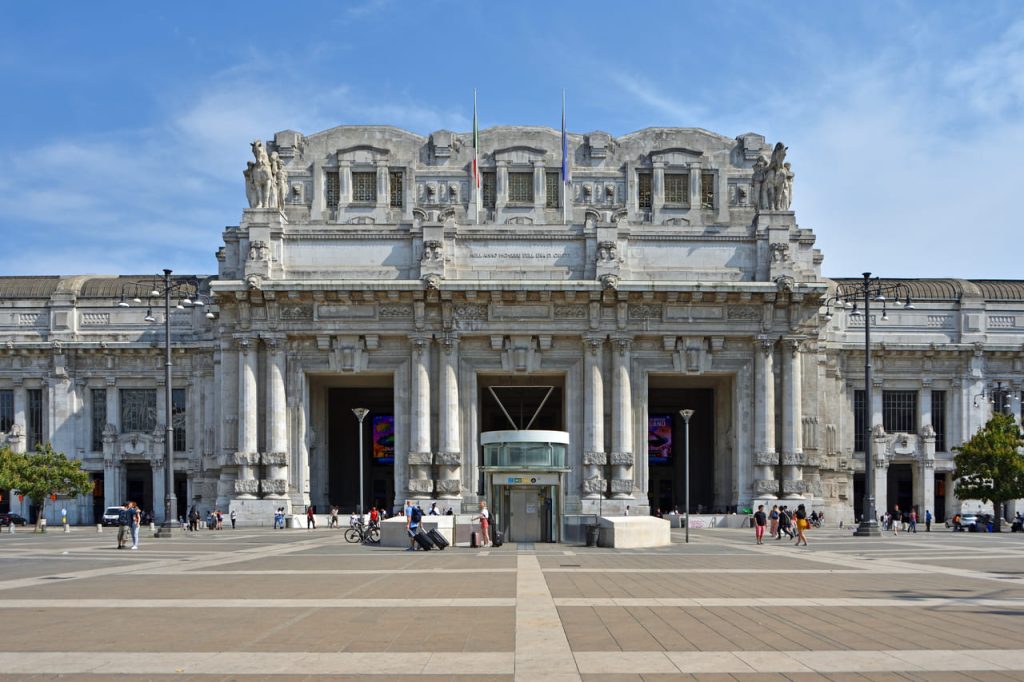
Milan Italy will enforce expanded car free zones in its historic city center beginning in 2026. The plan builds on existing congestion charges by fully restricting private vehicles near landmarks like the Duomo. Officials aim to reduce air pollution and improve pedestrian safety. Residents and delivery services will operate under permit systems and scheduled access windows. Critics express concern about accessibility for elderly residents. City leaders argue the changes will enhance tourism appeal, encourage public transit use, and support local businesses while preserving Milan’s architectural heritage and improving overall urban livability within densely traveled cultural districts and surrounding residential neighborhoods.
Amsterdam Netherlands

Amsterdam Netherlands plans to finalize expanded car free zones across its central canal districts in 2026. Private vehicle access will be heavily restricted, with priority given to bicycles, pedestrians, and public transport. City officials cite safety, emissions reduction, and quality of life improvements. Delivery vehicles will operate under timed permits. Some residents worry about inconvenience during transitions. Amsterdam leaders argue the city’s infrastructure already supports non car mobility. The expansion reinforces long standing transportation policies while protecting historic streets from congestion, noise, and wear caused by high traffic volumes and increasing visitor numbers annually throughout peak tourism seasons.
Oslo Norway

Oslo Norway will complete its transition to a largely car free city center in 2026. The initiative removes most private vehicles from downtown streets, replacing parking with bike lanes, green spaces, and pedestrian areas. Officials highlight reduced emissions and improved public health outcomes. Businesses initially raised concerns but later reported increased foot traffic. Delivery access remains regulated. Critics still question suburban access equity. Oslo’s policy demonstrates how sustained political commitment can reshape urban mobility, reclaim public space, and reduce dependence on private cars while maintaining economic activity in a growing European capital amid long term climate goals.
Brussels Belgium
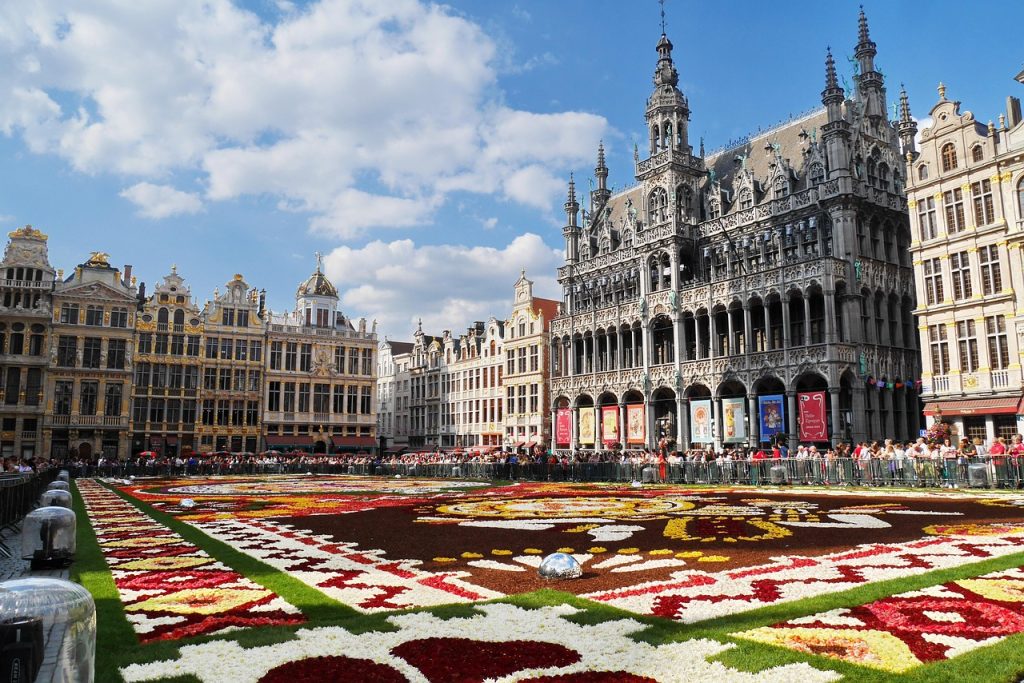
Belgium will introduce expanded car free zones across its city center in 2026, strengthening earlier pedestrianization efforts around Grand Place. Private vehicles will face strict access limits, with exemptions for residents and deliveries. City officials cite air quality improvements and safer streets. Critics worry about traffic displacement to surrounding neighborhoods. Authorities emphasize improved public transit and cycling routes. Brussels leaders argue reduced car presence enhances tourism appeal and daily livability. The plan reflects broader European Union climate commitments while reshaping how residents and visitors move through one of Europe’s political and cultural hubs during daily routines and major international events.
Ljubljana Slovenia
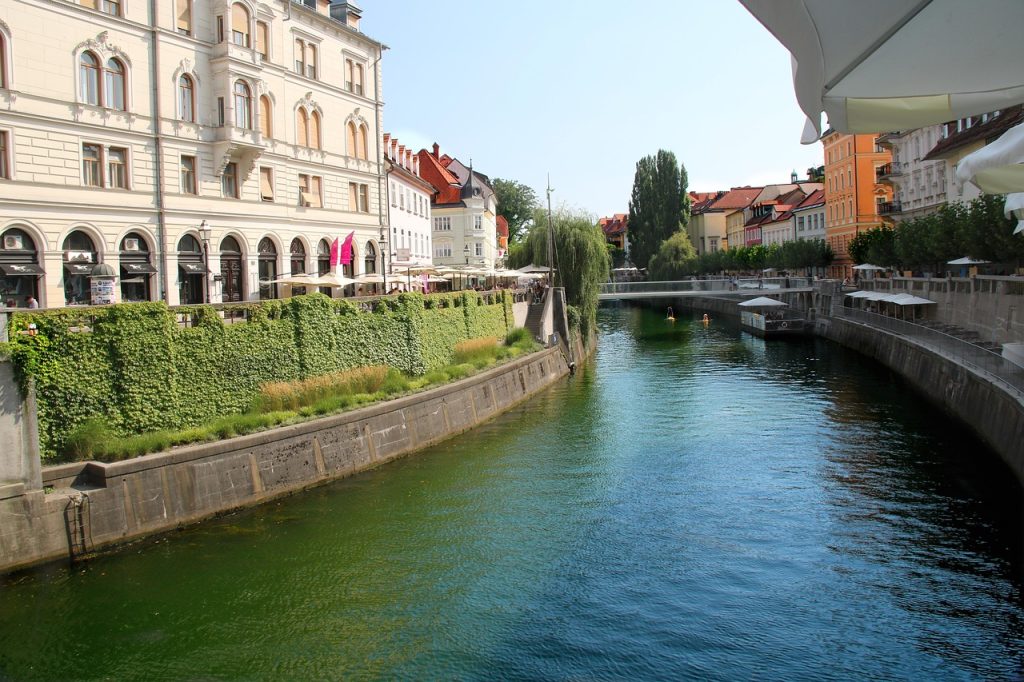
Ljubljana Slovenia plans to finalize expanded car free areas throughout its historic center by 2026. The city already restricts vehicles near major landmarks, and new measures will extend pedestrian zones further outward. Officials highlight environmental benefits and improved quality of life. Electric shuttle services support accessibility. Businesses largely support the changes after earlier successes. Critics raise concerns about delivery logistics. City leaders argue the policy preserves historic streets while encouraging walking and cycling. Ljubljana’s approach showcases how smaller capitals can implement bold mobility changes while maintaining economic vitality and cultural character within compact urban cores effectively.
London England
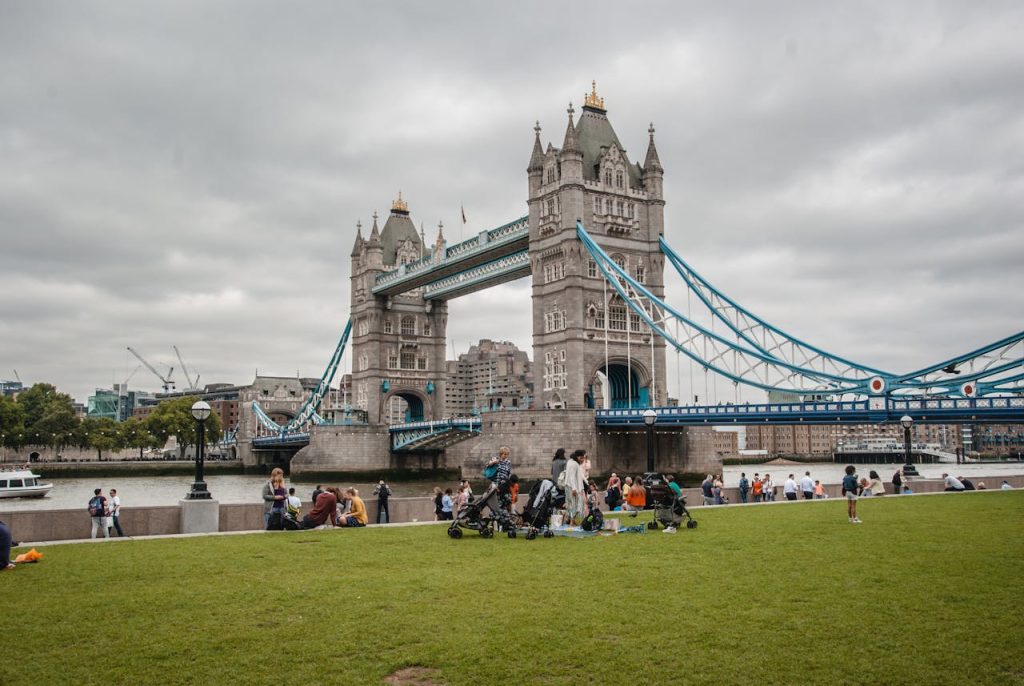
London England will expand car free zones across parts of the West End and City of London in 2026. The plan builds on earlier pedestrianization near Trafalgar Square and Oxford Street. Private vehicle access will be restricted during most daytime hours. City officials emphasize air quality, safety, and improved public transport efficiency. Deliveries will operate under timed permits. Critics raise concerns about congestion displacement. London leaders argue reducing traffic enhances economic activity, supports tourism, and creates safer streets in one of Europe’s most densely visited urban centers during peak travel seasons and major cultural events, reshaping commuting patterns, retail dynamics, public spaces, and everyday movement citywide.
Stockholm Sweden
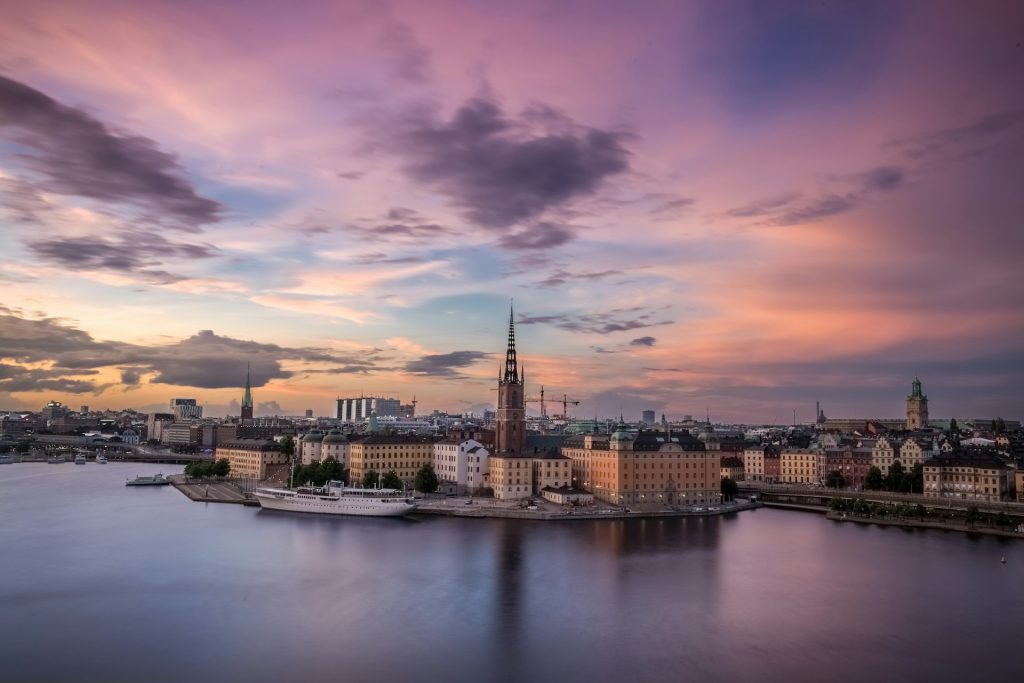
Stockholm Sweden plans to implement expanded car free zones within its central districts by 2026. The initiative targets areas with high pedestrian activity and historic streets. Officials cite climate goals and public health benefits. Private vehicles will face access limitations, while cycling and public transport receive priority. Delivery services will follow scheduled access rules. Some residents express concerns about convenience during winter months. City leaders argue Stockholm’s transit infrastructure supports the transition, helping reduce emissions, noise, and traffic while improving livability in the city’s compact historic core year round despite seasonal weather challenges.
Vienna Austria

Vienna Austria plans to extend car free policies across several inner districts by 2026. The city already limits traffic in historic areas, and new measures will further restrict private vehicles. Officials emphasize pedestrian safety, noise reduction, and environmental goals. Public transport expansion supports the transition. Businesses receive designated delivery hours. Critics question access for commuters from outer districts. Vienna’s leaders highlight strong transit infrastructure as a foundation. The policy aims to preserve architectural heritage while enhancing quality of life, reinforcing Vienna’s reputation for livability and sustainable urban planning across its historic city center.