11 Cold Destinations That Are Calm — and a Little Bleak
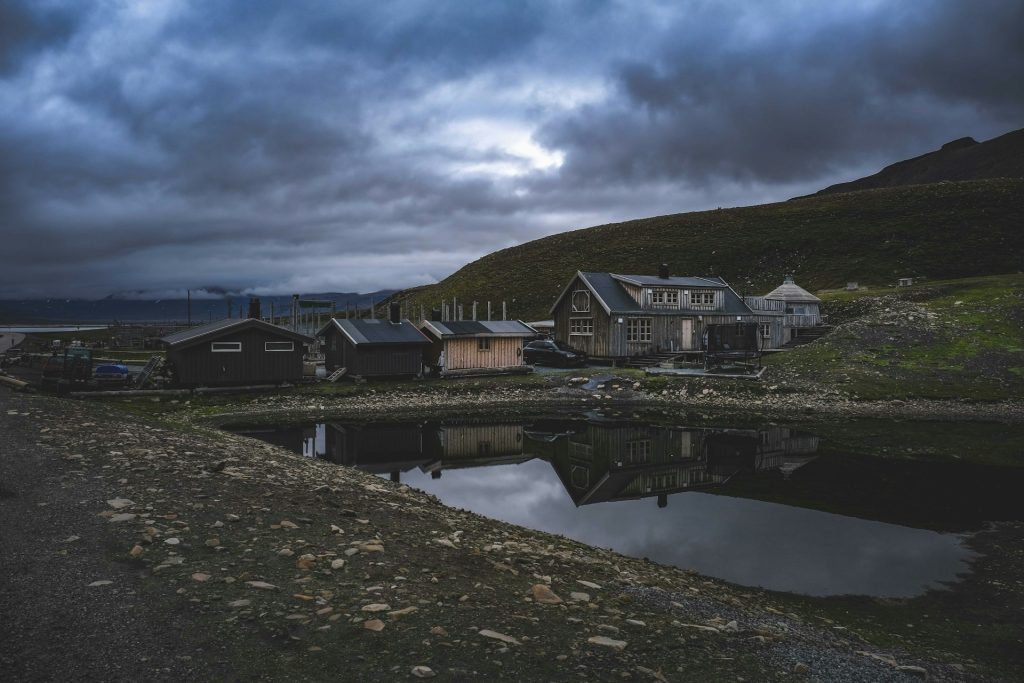
Cold destinations can feel like a reset button, but they rarely pretend to be cheerful. Short daylight, muted color, and early evenings create calm that is practical, not polished. Streets empty sooner, plans get simpler, and small comforts start to matter more than big attractions. In places like these, a warm café, a steady walk, and a quiet room can carry the day. The mood can be spare, yet the quiet is real, and it leaves space for attention, patience, and rest.
Longyearbyen, Svalbard
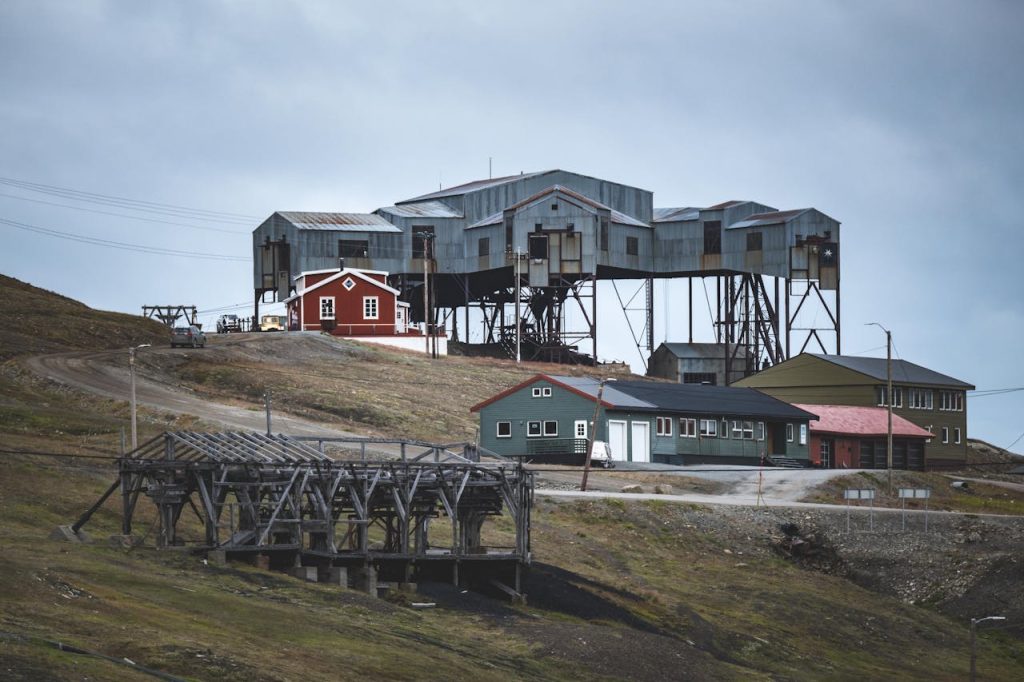
Longyearbyen feels like winter distilled: compact streets, strict respect for weather, and long stretches of quiet once daylight thins. The calm comes from small routines, coffee spots, the Svalbard Museum, and short walks when conditions line up, because plans bend to wind, visibility, and the simple need to stay comfortable. The trade-off is a spare social scene and darkness that can press in, yet clear nights can bring northern lights, and returning to warm rooms, wool layers drying by the door, simple meals, and shared stories makes the stillness feel chosen rather than accidental, and that honesty is calming.
Westfjords, Iceland
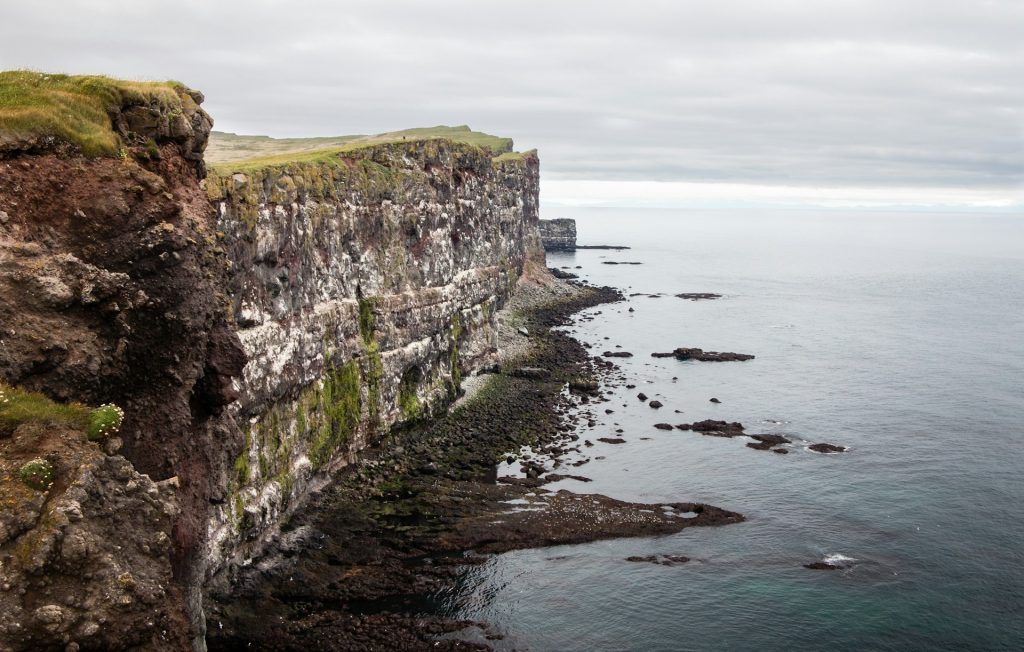
In the Westfjords, winter trims everything down to essentials: brief daylight, wide roads, and storms that can close routes without much warning. Calm shows up in empty hot pools, quiet harbors, and drives where the scenery does most of the talking, as long as safety leads every decision and detours are treated as normal, not as failures. The trade-off is limited services and shorter café hours in smaller towns, so a base like Ísafjörður, plus fish soup, heated swims, and a flexible plan for road updates, keeps the mood steady even when the sky stays gray for days, and plans stay modest, with backups ready.
Faroe Islands
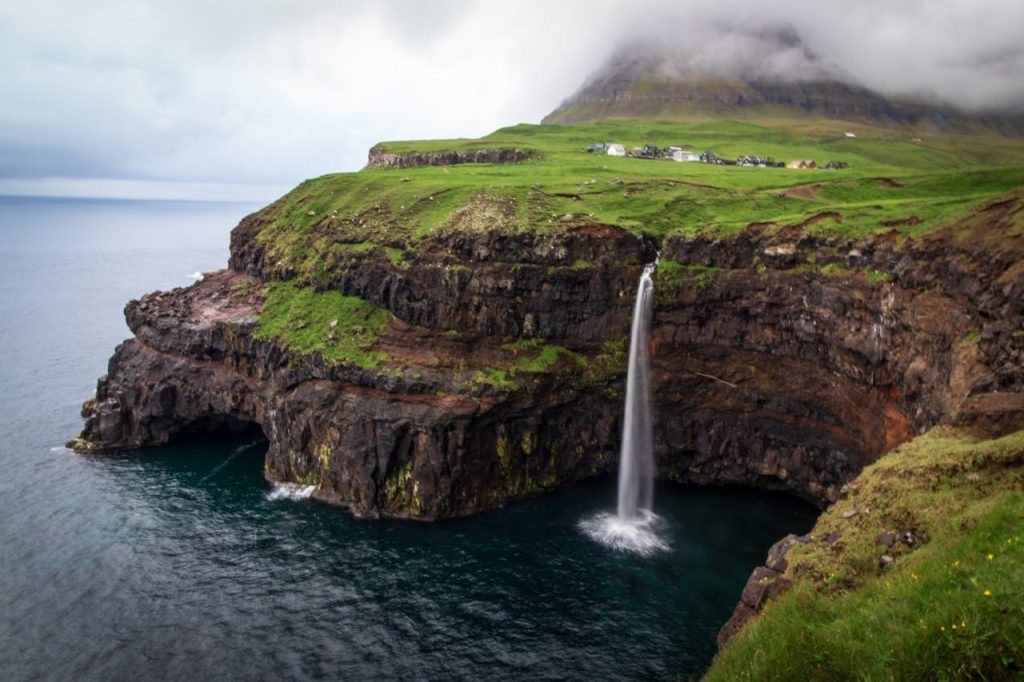
Winter in the Faroe Islands is honest and moody: low clouds drift over cliffs, rain arrives fast, and daylight slips away early. That weather clears the roads, so travel becomes a string of simple choices, like a warm lunch in Tórshavn, a short coastal walk between squalls, and long looks at the sea from safe pullouts where sheep outnumber cars. The trade-off is fewer open restaurants and ferries that run on tight rhythms, but the payoff is quiet villages, turf-roof silhouettes, wool shops, and cafés where soup and coffee can carry an afternoon without any pressure to keep moving at all, beyond a quick glance at the forecast.
Lofoten, Norway
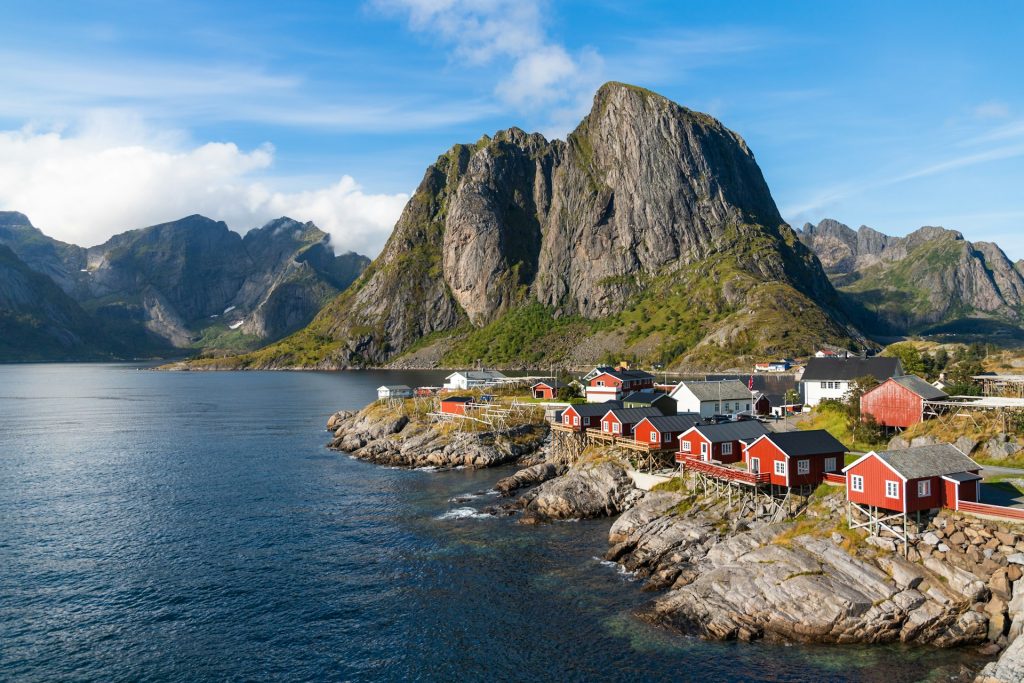
Lofoten in the cold season balances beauty with restraint: fishing villages, snow-bright peaks, and water that turns dark and still. Calm comes from short daylight windows that encourage slower drives, early dinners, and warm resets in saunas, bakeries, and small galleries when wind picks up or roads glaze over, and schedules shrink to what is realistic. The trade-off is weather that can flatten the sky into gray for days, yet that mood makes clear sunsets feel rare and sharp, and it turns each quiet harbor, drying racks, and cabin-lit shoreline into a scene worth lingering over, not collecting quickly.
Abisko, Sweden
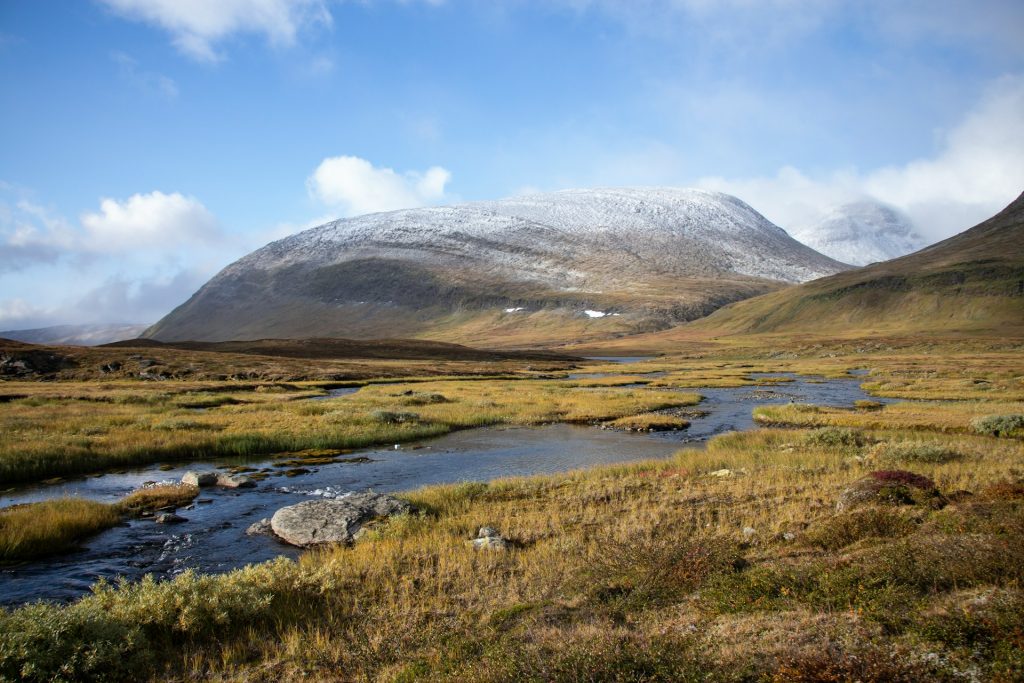
Abisko offers a kind of winter quiet that feels deliberate: open valleys, crisp air, and a small community built around snow season routines. Days stay simple with cross-country tracks, gentle hikes when conditions allow, and evenings that settle into saunas, stew, and early sleep because darkness arrives fast and the cold asks for care. The trade-off is a narrow menu of activities and a landscape that can look stark, yet that clarity is the point, especially when the sky clears and a bright aurora sweeps across the valley, making the return to a warm room feel like the day’s best reward, again and again.
Inari, Finland
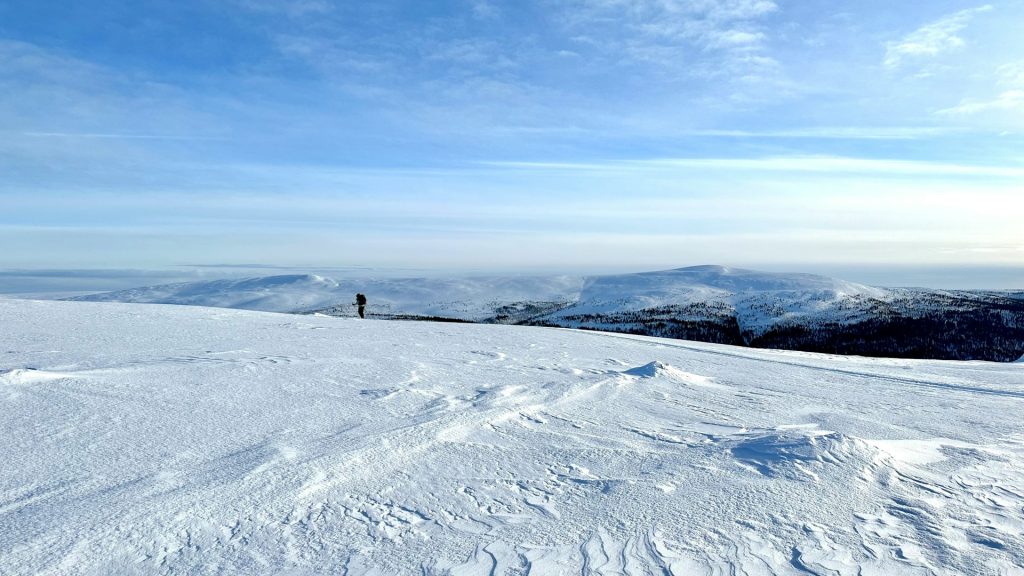
Inari moves at a steady winter pace, with frozen shoreline edges, quiet roads through pine, and a town that prefers warmth over urgency. Calm routines form quickly: the Siida museum for context, groceries for simple breakfasts, a long sauna, and slow walks that feel peaceful even as daylight fades and streetlights take over, softening the edges of the day. The trade-off is deep cold and a stillness that can feel isolating on long nights, yet cafés, bakery bread, and steady hospitality keep the mood grounded, and the surrounding landscape carries Sámi presence in a way that feels lived, not staged for visitors.
Nuuk, Greenland
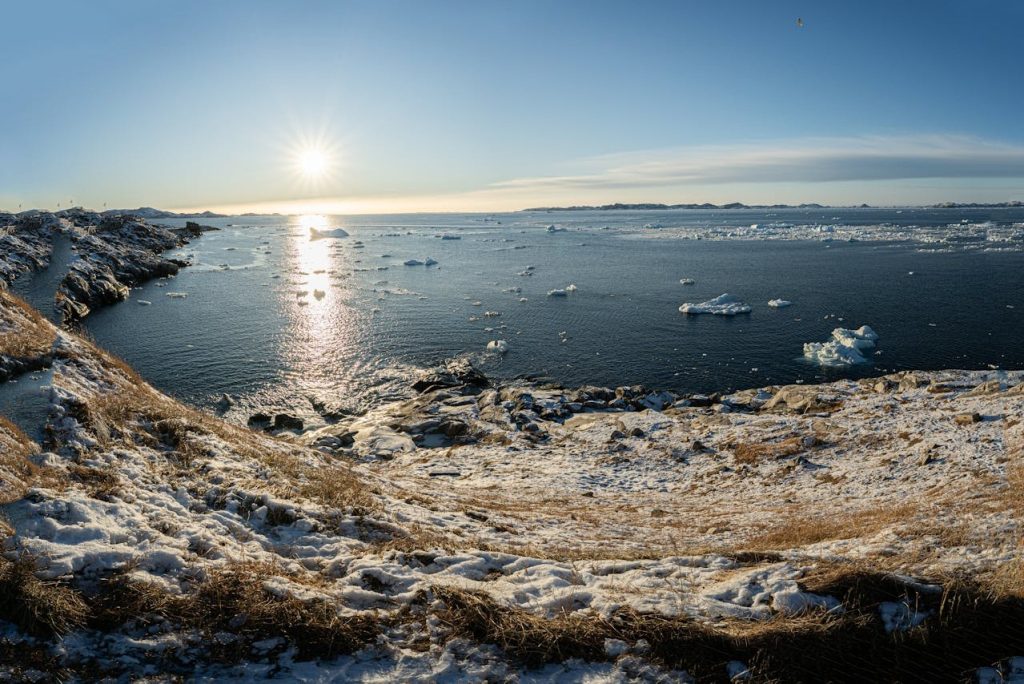
Nuuk blends small-capital life with Arctic scale, where colorful homes sit above serious water and rock that never looks casual. The calm comes from simple choices: a handful of good cafés, compact museums, and walks along the harbor when wind cooperates, with daylight setting the schedule more than any checklist, and small errands fitting in easily. The trade-off is limited nightlife and travel options compared with bigger cities, and gray horizons can feel austere, yet the payoff is intimacy, strong local food, and views that look raw and direct from nearly any hillside above town, especially after fresh snow.
Whitehorse, Yukon
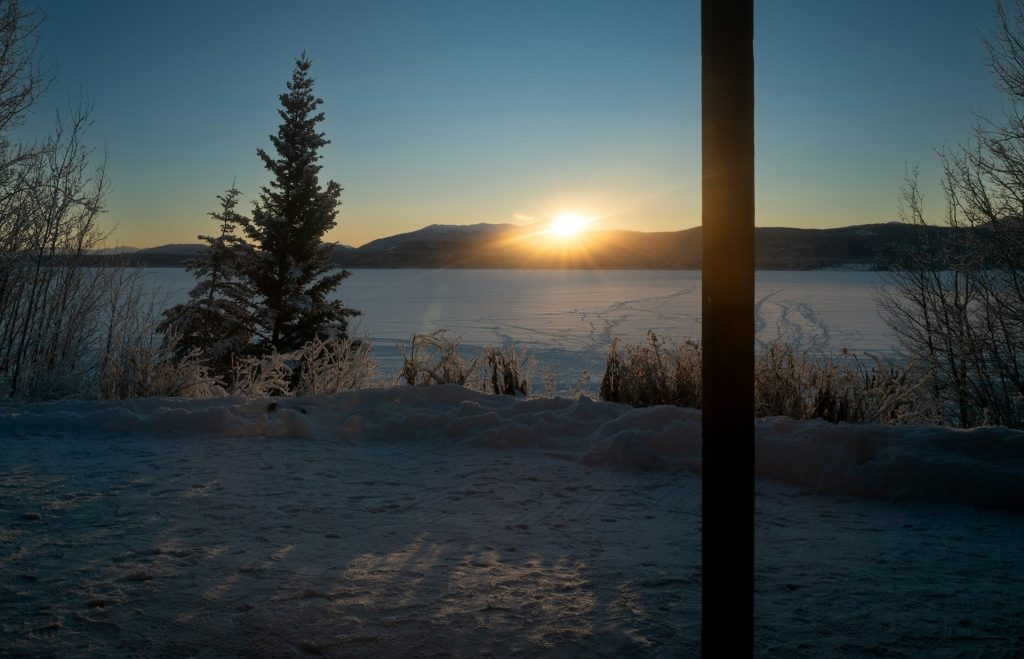
Whitehorse feels practical in winter, with locals who treat deep cold as routine and plan days around light, traction, and warm layers. Calm comes from space: wide roads, quiet neighborhoods, easy access to river trails, and indoor comfort in breweries, small museums, and community events that end early, so rest stays built in and mornings start unhurried. The trade-off is long darkness and extra steps for simple tasks, like warming a car or timing a walk, yet that structure can feel soothing, especially with nearby hot springs, hearty meals, and clear nights that sometimes open to northern lights.
Bonavista Peninsula, Newfoundland
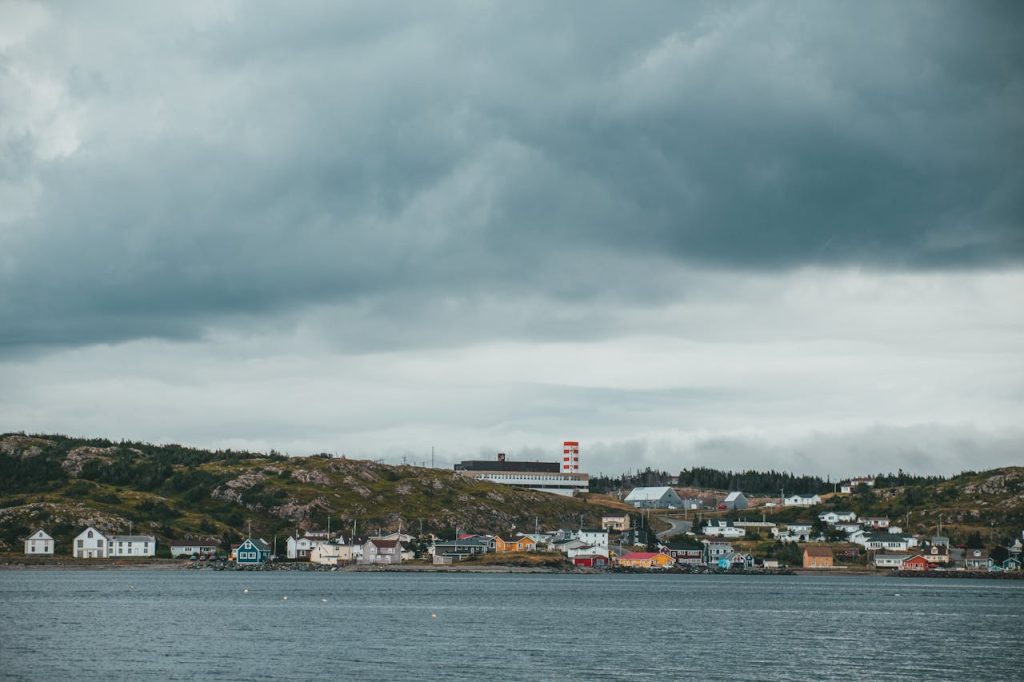
The Bonavista Peninsula in the off-season feels shaped by wind and tide, with fishing towns running quietly and the ocean setting the tone. Calm shows up in empty cliff walks, slow drives, and cozy rooms where tea, books, and weather checks become the evening plan, while seabirds cut through fog offshore. The trade-off is short hours and some restaurants closing for the season, so meals stay simple and planning matters, especially after dark. The payoff is a raw sense of place: salt air by the lighthouse, warm chowder, and small music nights where locals have time to talk and the coastline feels private.
Orkney, Scotland
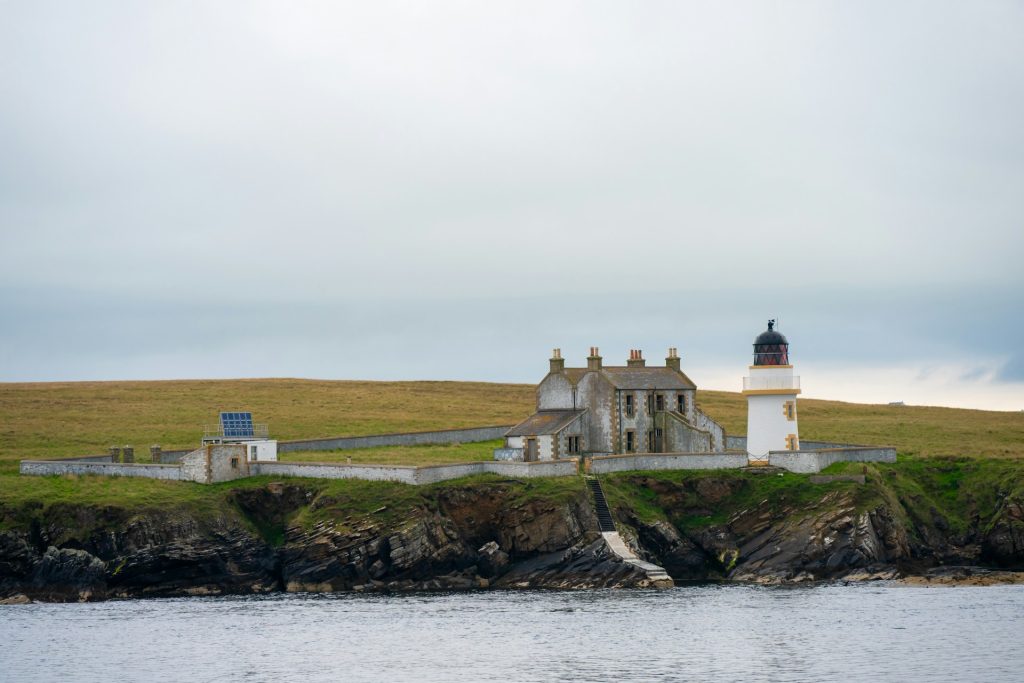
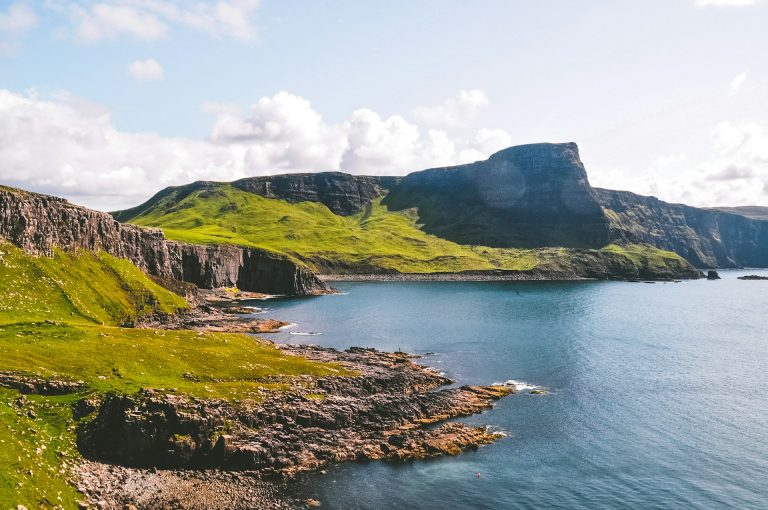
Orkney in winter feels calm in a stone-and-sea way, with short days, quiet roads, and a landscape that looks ancient under flat light. Travel works best as a steady loop: a museum hour in Kirkwall, a warm pub meal, then careful visits to places like Skara Brae or the Ring of Brodgar when wind eases, with time left for a slow harbor walk and a shop for local wool. The trade-off is drizzle, early dark, and ferries that can feel strict, yet the quiet makes history feel closer, and evenings settle into seafood suppers, knitwear shops, and rooms built for waiting out weather without frustration, with a book and a pot of tea nearby.
Ushuaia, Argentina
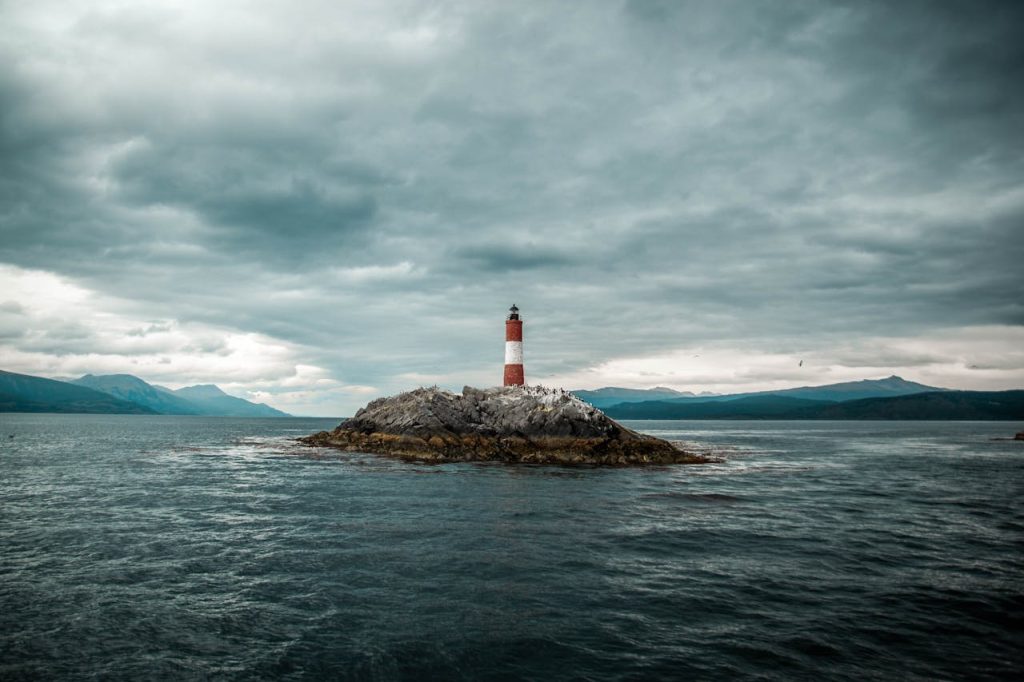
Ushuaia carries an end-of-the-map feeling, where cold wind moves fast, the Beagle Channel stays sharp, and plans are always weather-aware. Calm lives in routine: short hikes, simple seafood lunches, a museum hour, and evenings that drift toward hot drinks and early nights, because the body listens to the climate and energy gets protected. The trade-off is cancellations when wind or rain tightens the schedule, and the horizon can look severe, yet the payoff is bracing air, dramatic scenery even from town, and Tierra del Fuego trails that feel spacious when crowds stay low and the pace stays gentle.