11 Coldest U.S. Towns With Winter Activities for Thrill Seekers
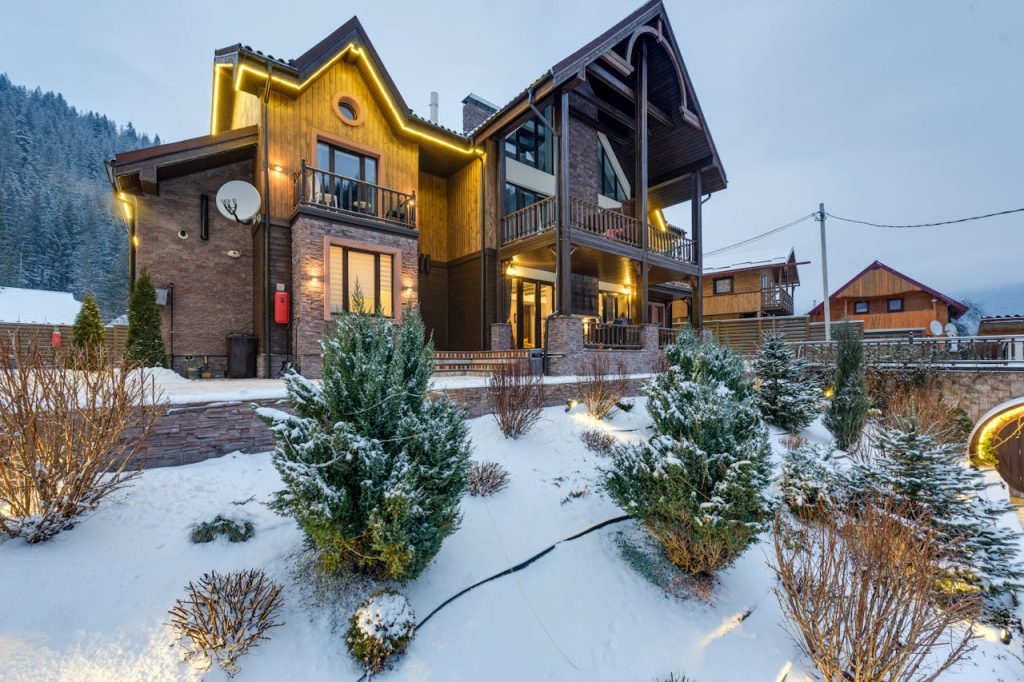
Some U.S. towns experience winters so cold that the season becomes more than a backdrop, it becomes the setting for some of the most intense and rewarding outdoor activities available. These destinations draw travelers who don’t shy away from subzero temperatures and instead embrace them through wildlife trips, frozen-lake access, steep backcountry trails, and landscapes that remain quiet even during peak tourism months. Visiting these towns requires preparation, but the reward is a kind of winter immersion only possible in communities that live with extreme cold as an annual constant. This article explores eleven such places, focusing on the unique activities that continue through the coldest months, along with the local environments that shape those experiences. These descriptions provide a detailed sense of setting so readers can appreciate what makes each destination distinct without relying on hype or superficial comparisons.
1. Fairbanks, Alaska
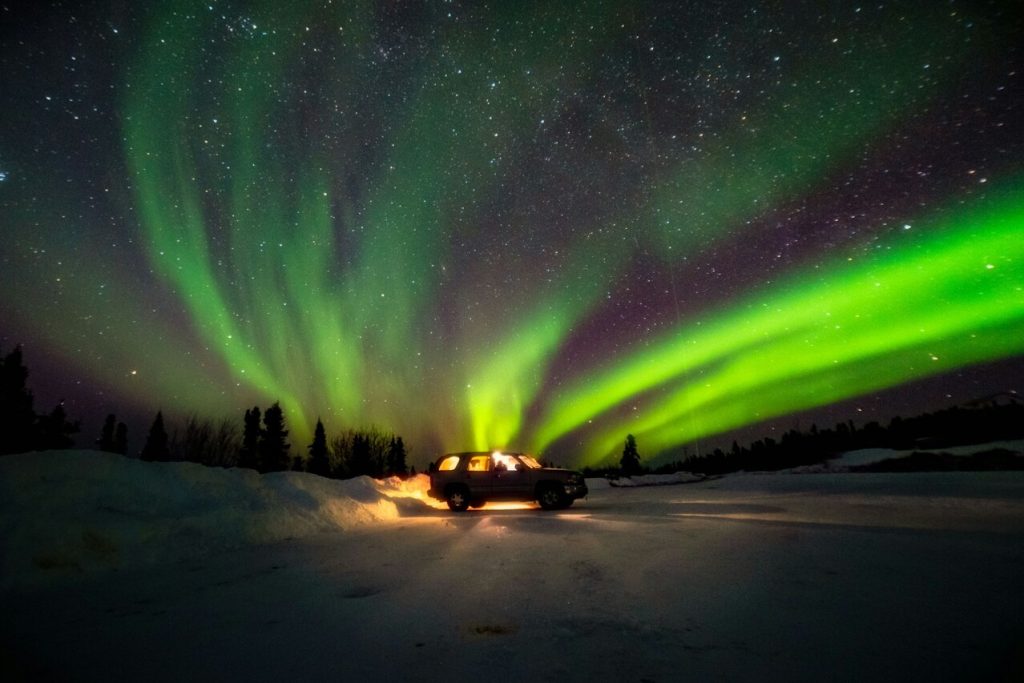
Fairbanks is known for long, bitterly cold winters, but its outdoor culture continues even when temperatures fall far below zero. Travelers can venture out on snowmachine trails that weave through boreal forest or join guided aurora excursions that head to open-sky vantage points on clear nights. The Chena River freezes so completely that sections become popular routes for fat-tire biking, an activity that locals maintain throughout the darkest weeks of the year. Dog sled tours continue deep into late winter and give visitors a close look at how transportation once worked here before modern roads reached the area. Fairbanks also benefits from relatively stable winter weather; the air remains dry, making the cold feel sharp but manageable with appropriate gear. Many residents prefer this consistency because it supports reliable trail conditions and extended recreation windows that remain open well into March, long after other northern towns begin thawing.
2. International Falls, Minnesota
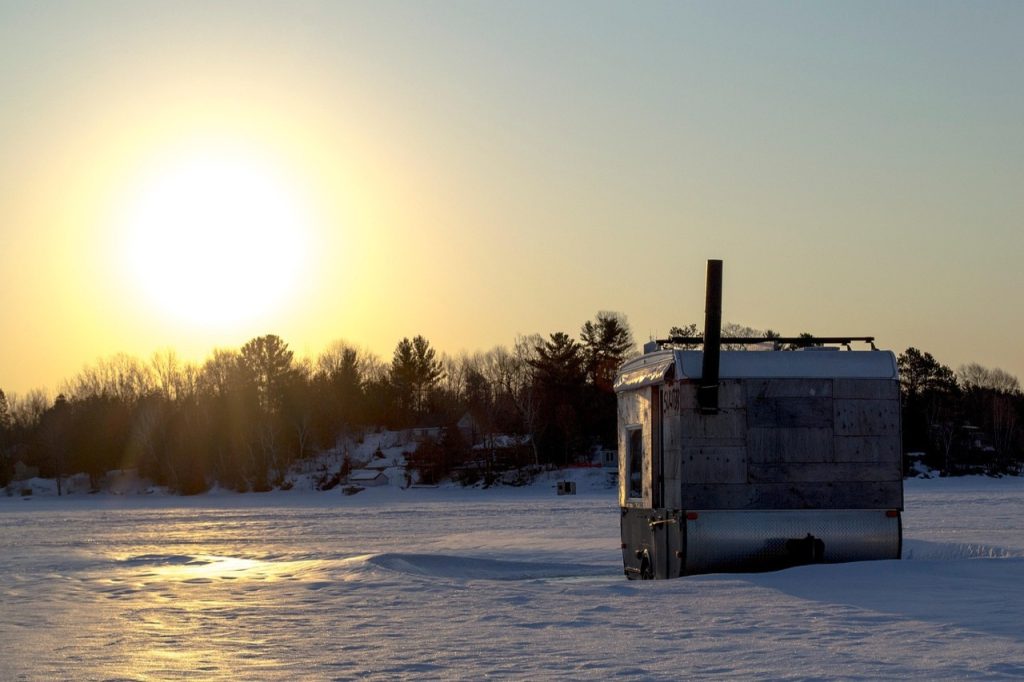
International Falls, often recognized for recording some of the coldest winter temperatures in the continental United States, becomes an active winter hub despite the chill. Snowshoes and skis are common sights along trails leading toward Voyageurs National Park, where frozen lakes allow safe passage across areas accessible only by boat in warmer months. Outdoor ice rinks remain a community staple, supported by volunteers who maintain smooth surfaces throughout the season. The proximity to dense forest creates frequent wildlife moments, especially during early morning outings when moose and fox tracks appear clearly across undisturbed snow. Anglers participate in winter fishing traditions on Rainy Lake, drilling holes through thick ice and settling into quiet shelters built to withstand sustained cold. Visitors often remark that the predictability of deep winter is part of the appeal here, allowing uninterrupted activity schedules that rarely require last-minute changes.
3. Barrow (Utqia?vik), Alaska
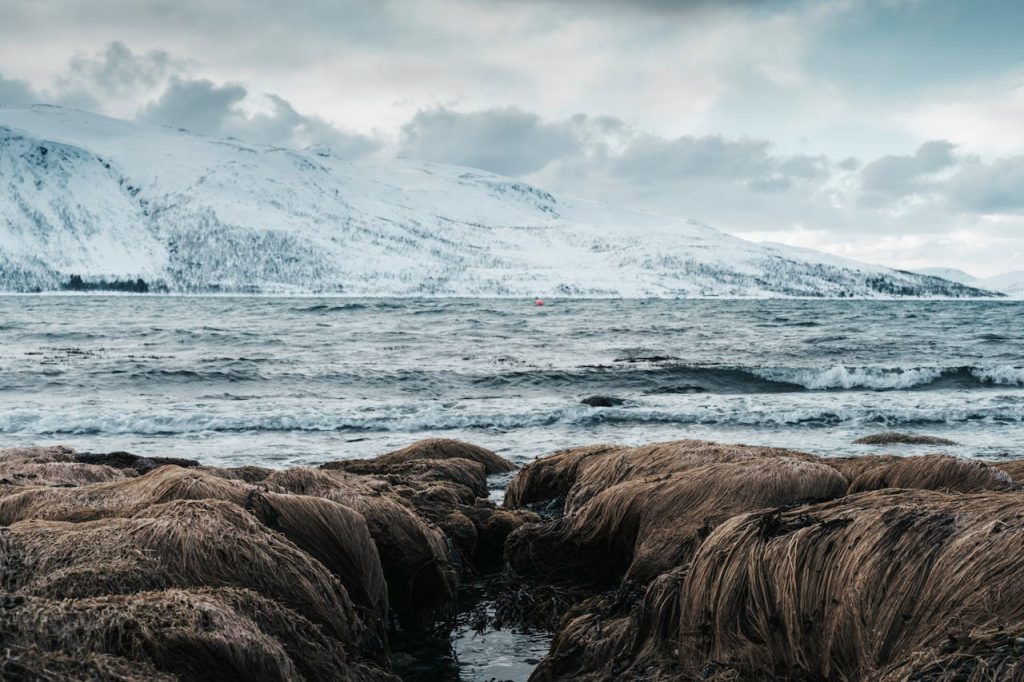
Utqia?vik stands at the northern edge of the United States, where winter stretches long and daylight can disappear for weeks. Despite this, residents maintain a consistent rhythm of outdoor activity adapted to extreme polar conditions. Traveling across frozen tundra on snowmachines or cross-country skis is common, and visitors joining guided outings often gain a strong sense of the landscape’s scale. Arctic coastal conditions create opportunities to observe sea ice formations that shift throughout the season, drawing photographers who want to capture the subtle changes in light that occur even during the polar night. Local cultural events continue indoors and outdoors, helping travelers understand how communities sustain everyday life in cold environments. Though temperatures can plunge rapidly, the calm and steady atmosphere of the region gives many people space to appreciate the quiet vastness surrounding the town.
4. Stanley, Idaho
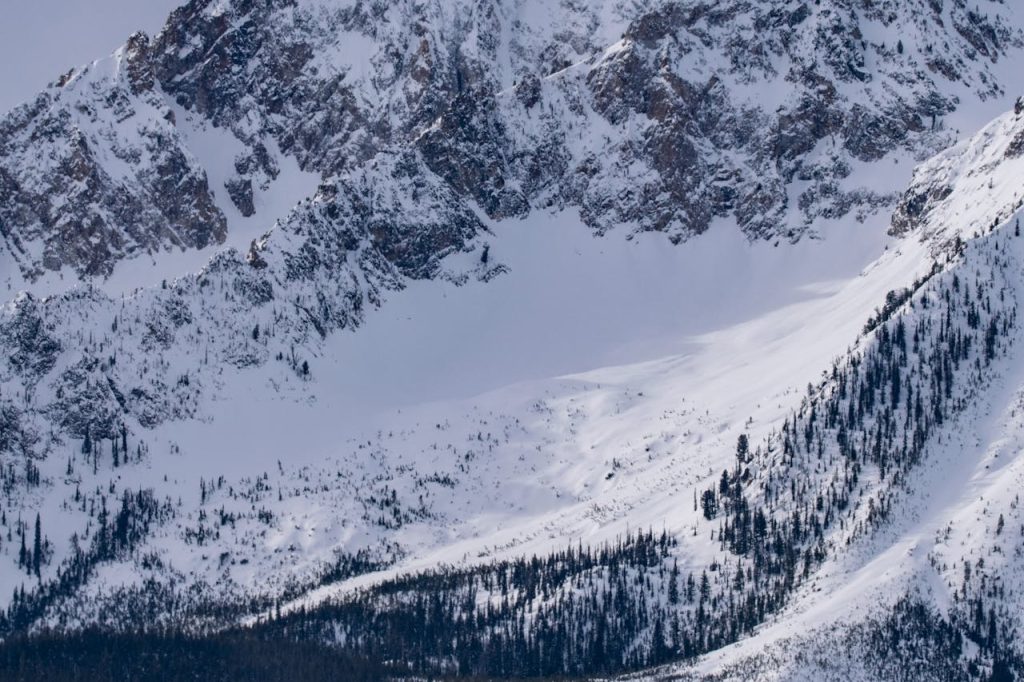
Stanley is consistently recorded as one of the coldest towns in the Lower 48, yet its open mountain basin becomes an ideal setting for winter recreation. The surrounding Sawtooth Range provides steep terrain that backcountry skiers seek throughout the season, with snow settling deeply in protected bowls. Snowmobilers spread out across wide fields and forest paths, often traveling to remote overlooks where sunrise brings clear views across frozen lakes. Nordic trails remain well maintained, giving skiers long, uninterrupted routes that stay firm during extended cold spells. The quiet of Stanley’s winter is part of its appeal; the air feels crisp and still, and large crowds rarely gather on any single trail. Visitors often appreciate how easily they can find solitude just minutes from town, which helps them experience the full effect of mountain winter without feeling rushed or crowded.
5. West Yellowstone, Montana
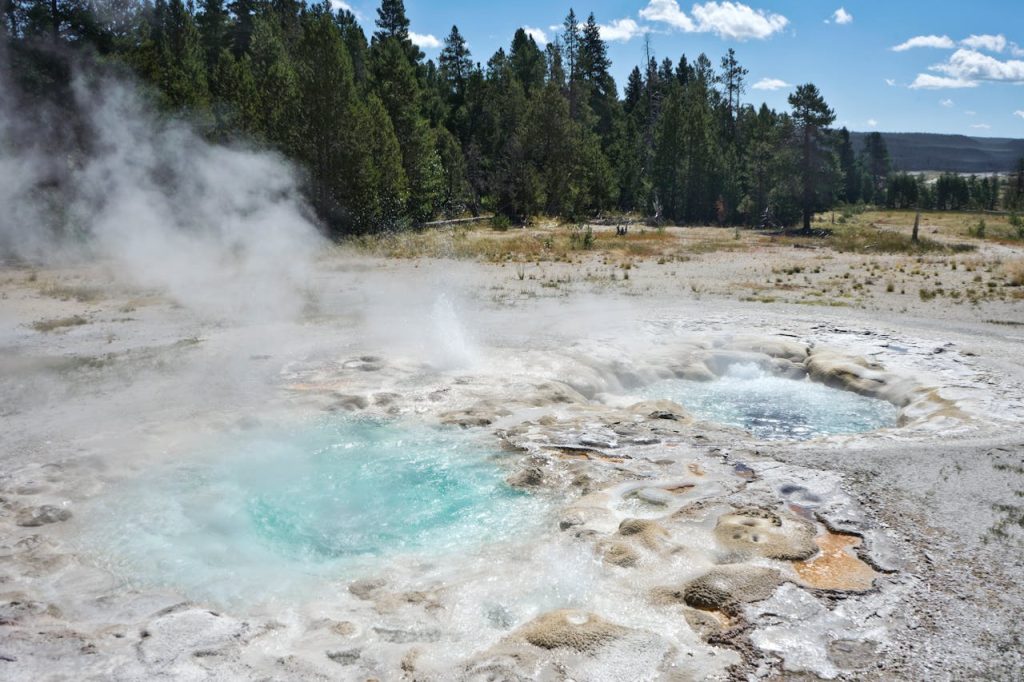
West Yellowstone borders the western entrance of Yellowstone National Park and becomes deeply snow-covered for months at a time, supporting a wide range of winter activities. Snowcoach tours are among the most popular, carrying visitors into the park to witness thermal features steaming against white surroundings. Trails around town accommodate cross-country skiers, snowshoers, and wildlife watchers who search for tracks from bison, wolves, and elk. The cold contributes to excellent snow consistency, making it one of the leading destinations for Nordic training. The surrounding forest also supports long snowmobile routes that extend into national forest land, offering travelers broad exploration opportunities. Even though conditions can be severe, the reliable winter infrastructure ensures that visitors can navigate safely while still appreciating the region’s striking scenery.
6. Gunnison, Colorado
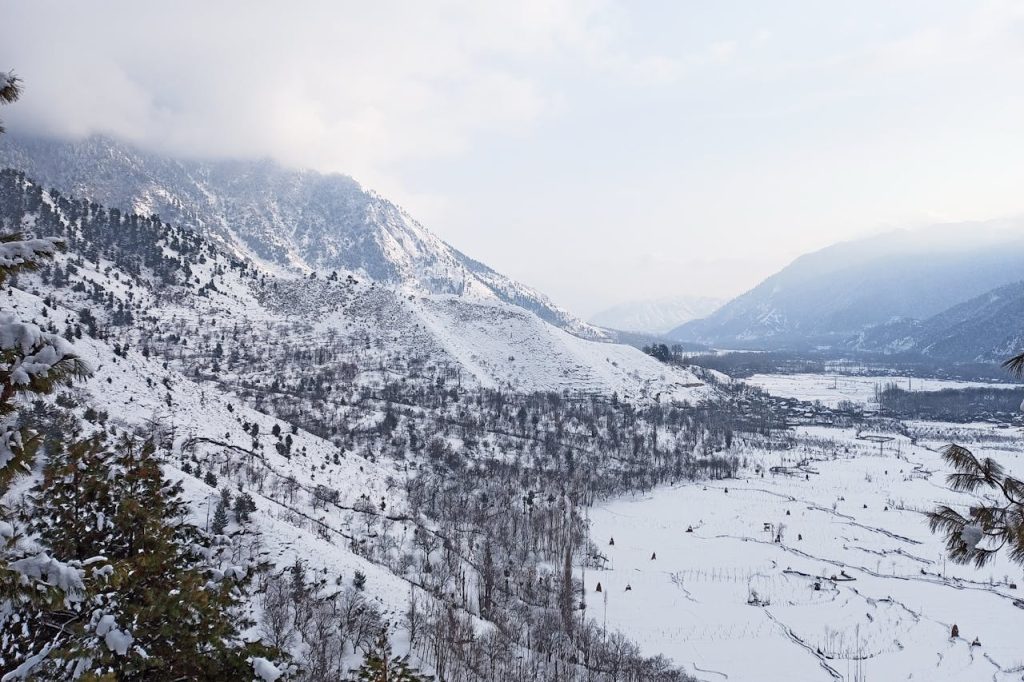
Gunnison regularly records low temperatures throughout the winter because of its high-elevation valley setting. This geography creates long-lasting snow that supports skiing, fat biking, and ice fishing on nearby reservoirs. The town is known for steady winter routines that draw students, residents, and visitors outdoors daily despite the cold. Trails linking to Crested Butte provide scenic access to mountain terrain, while the Gunnison River area attracts anglers who practice winter fly fishing in sections that remain partially open. Clear nights are common, leading to excellent stargazing conditions that many visitors incorporate into their trip. What distinguishes Gunnison is the balance between rugged mountain surroundings and a practical winter culture that has adapted over generations to maintain outdoor access even during extended subzero stretches.
7. West Burke, Vermont
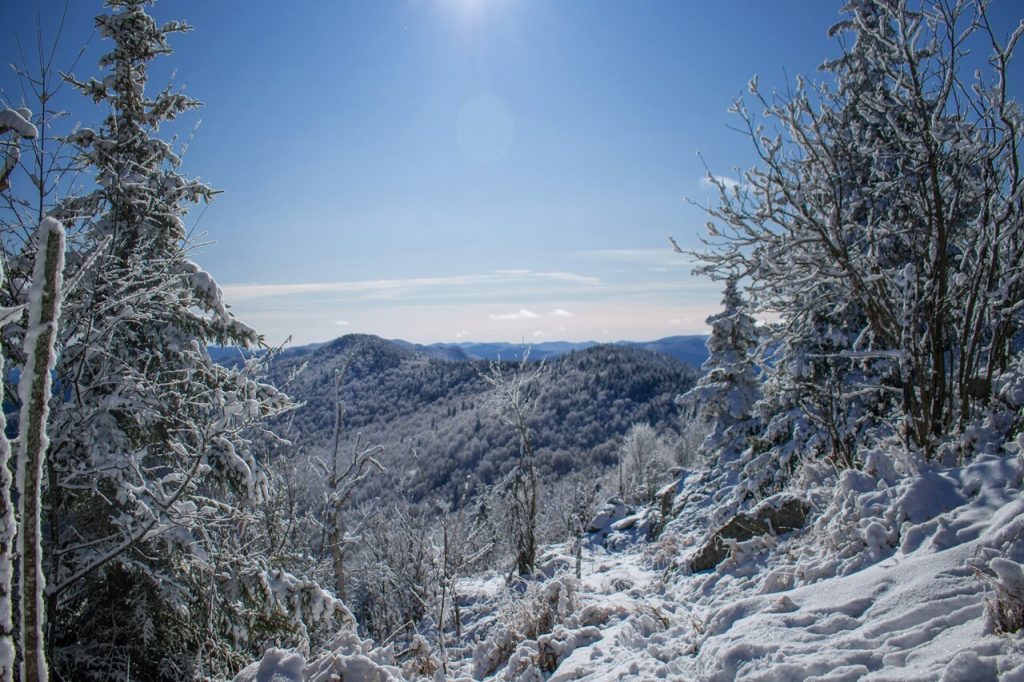
Situated in Vermont’s Northeast Kingdom, West Burke experiences long, cold winters that shape the area’s recreation patterns. Burke Mountain becomes a central attraction, offering consistent skiing conditions supported by natural snowfall. Beyond the main slopes, dozens of wooded trails accommodate snowshoers and backcountry explorers who prefer quieter routes. The crisp winter air and dense forest create a hushed atmosphere that appeals to travelers looking for low-profile but active winter days. Snowmobilers rely on a network of marked routes connecting small villages, while fat bikers take advantage of firm-packed snow on designated paths. The cold also helps preserve clear ice on smaller ponds, making them safe for skating well into late season. These varied settings give visitors many ways to experience winter without crowded conditions or interruptions.
8. Fargo, North Dakota
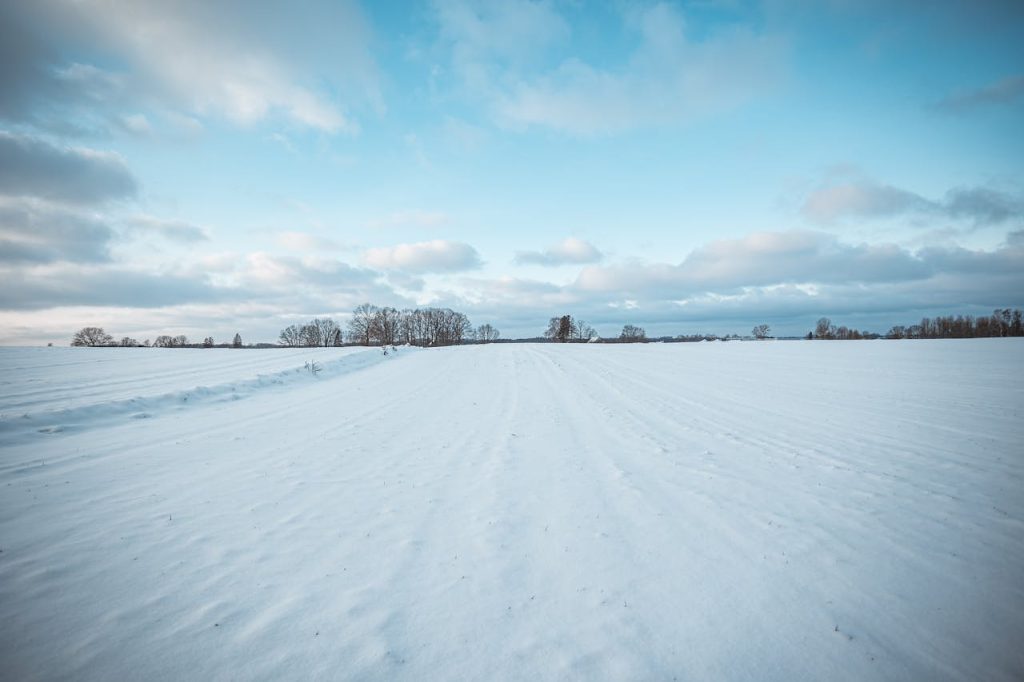
Fargo’s wide-open plains allow cold air to settle firmly, creating prolonged winters with stable snow conditions. Residents transform the landscape into an array of seasonal venues, from riverside trails to open fields where cross-country skiers carve long routes through fresh snow. The Red River area hosts winter events that bring people outdoors even on the coldest days, and the flat terrain makes activities like kicksledding accessible for newcomers. Ice fishing shacks appear on lakes outside town, forming temporary communities where anglers share updates about water clarity and fish movement. Fargo’s winter culture focuses on consistency and accessibility rather than steep or dramatic landscapes, making it a destination for travelers who enjoy structured experiences in a cold climate that rarely shifts quickly.
9. Laramie, Wyoming
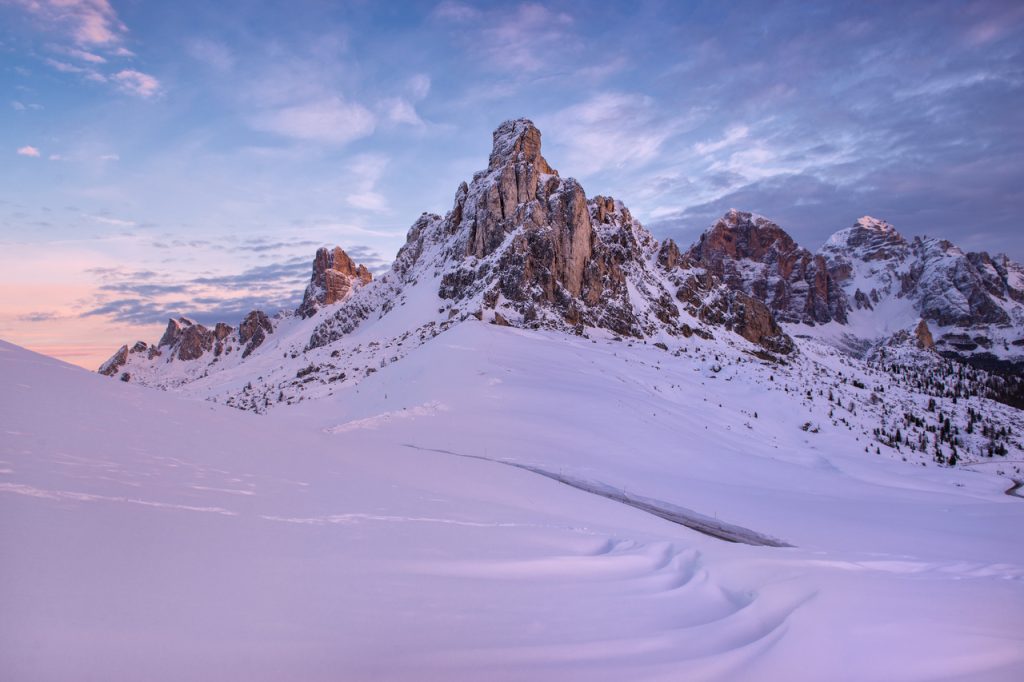
Laramie’s elevated prairie setting allows winter temperatures to drop quickly and stay low for extended periods, producing long stretches of ideal snow for skiing and snowshoeing. The nearby Snowy Range offers scenic alpine terrain where skiers find tree-lined routes and open bowls, while snowmobilers benefit from broad, lightly trafficked areas suitable for long-distance rides. The cold weather also preserves ice climbing conditions on certain mountain outcrops, drawing climbers who seek reliable winter challenges without crowded routes. Laramie’s historic downtown remains active in winter, giving visitors a warm retreat after full days outdoors. This blend of accessible town amenities and rugged natural surroundings makes the region appealing to travelers who prefer structured days followed by quiet evenings.
10. Hibbing, Minnesota
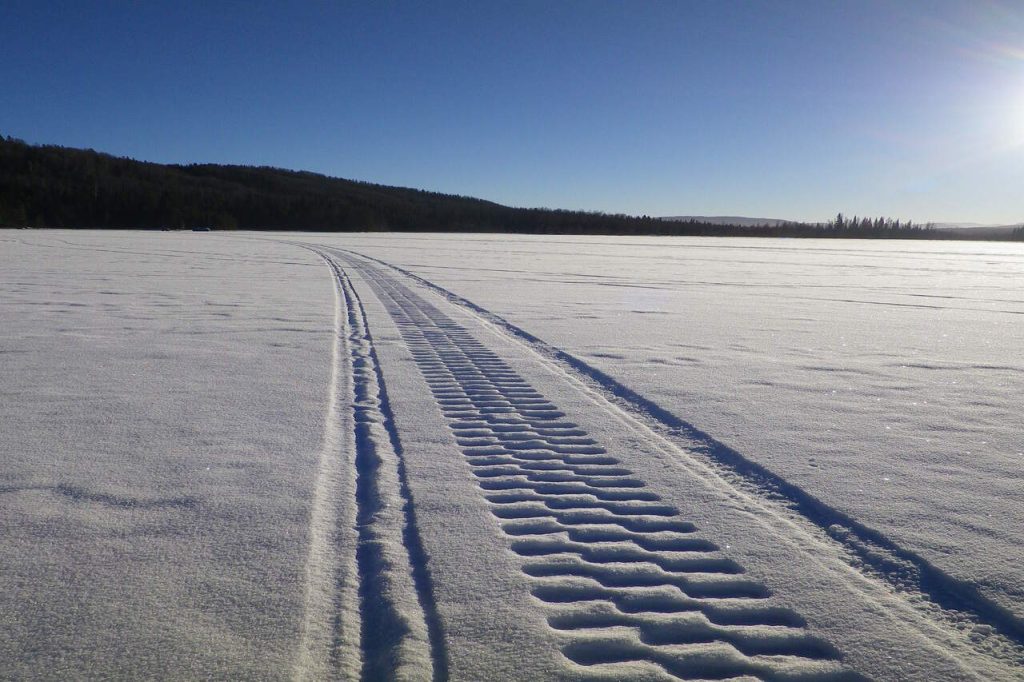
Hibbing sits within northern Minnesota’s Iron Range, an area known for snowy winters and steady cold. The community maintains numerous outdoor trails that remain usable even during severe weather, allowing cross-country skiers, snowshoers, and snowmobilers to explore miles of forest. Frozen mining lakes provide unique winter landscapes where ice fishing and photography are common. Visitors often enjoy the contrast between dense forest cover and wide-open snow fields shaped by past mining operations. Hibbing’s winter is less about dramatic scenery and more about steady, dependable conditions that support activity nearly every day, making it appealing for travelers who prefer direct and uncomplicated access to winter routines.
11. Lead, South Dakota
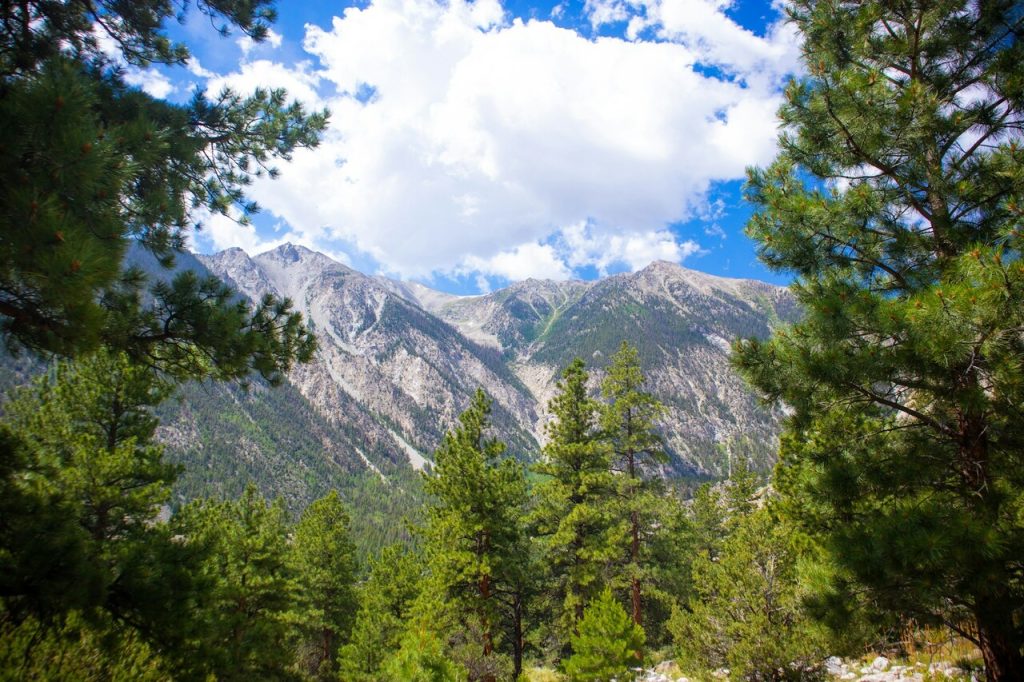
Lead sits at a high elevation in the Black Hills and receives substantial snowfall each winter. Terry Peak Ski Area offers plenty of downhill opportunities, while nearby forest trails remain open for snowmobiling, cross-country skiing, and winter hiking. The cold keeps snow crisp, making conditions more predictable across the season. Forested landscapes offer shelter from wind, creating silent routes where visitors can cover long distances with minimal disturbance. The historic character of Lead provides a distinctive backdrop to winter activity, especially along routes that pass old mining structures and buildings that illustrate the region’s heritage. The combination of reliable snow and quiet terrain supports a broad range of winter interests without overwhelming crowds or commercial intensity.