11 Countries Where Back-to-School Travel Is Common

Back-to-school season does not stop travel everywhere; it simply reshapes it. When classrooms reopen, families squeeze in a last short break, then a quieter wave follows behind them. Hotels loosen up, airports feel less tense, and popular places regain their normal pace while the weather still behaves. In these countries, school calendars create a dependable travel window, either right before term starts or right after it does, when value improves and the experience feels more human. The appeal is simple: fewer crowds, steadier service, and more time to actually settle in.
United States
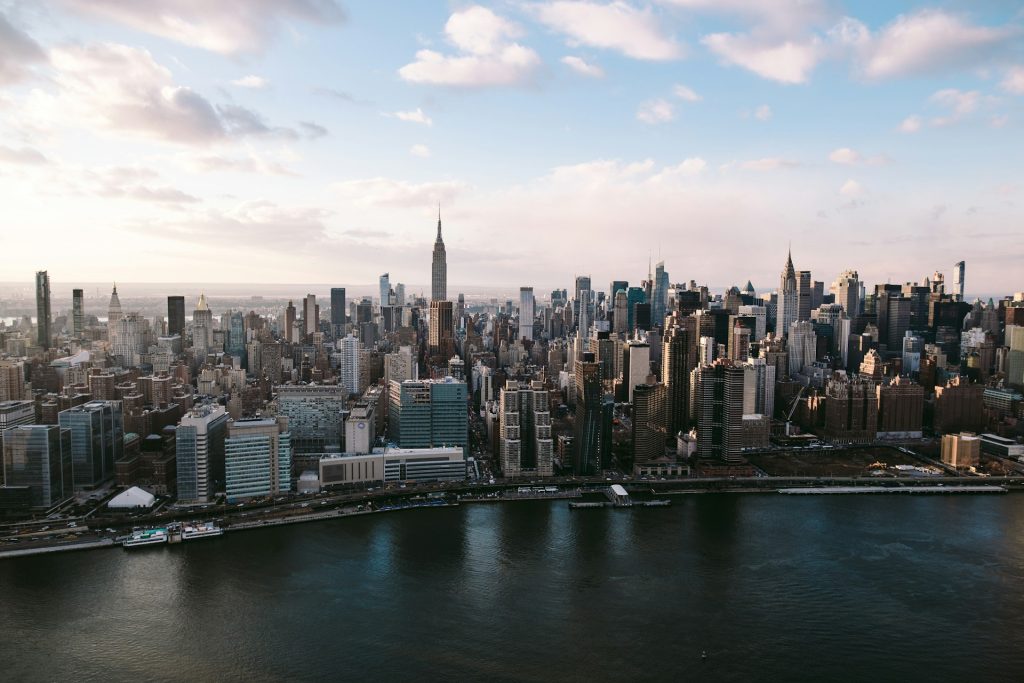
In the United States, late August and early September often carry a split rhythm: one last family getaway, then a fast drop in crowd levels once school routines restart. Beach towns, national parks, and big-city hotels can feel like they exhale after Labor Day, which is why adults without school schedules target that week for better rates and easier dining. The best trips lean into mild mornings and long afternoons, whether it is a coastal drive, a mountain cabin, or a quick city reset built around parks, galleries, and simple meals that do not require a reservation scramble. Even airports feel calmer, with shorter lines and fewer delays.
Canada

In Canada, back-to-school travel clusters around Labour Day, which often marks the clean handoff from family trips to quieter weeks. Late August still belongs to cottage country, coastal drives, and national parks, but once classes begin, hotels and trails open up fast. That calm is why couples and friend groups book early-September stays in places like Montreal, Quebec City, Banff, and Prince Edward Island, where weather stays pleasant and restaurant tables are easier to get. The country feels spacious again, with less traffic on scenic roads and more room to linger in markets, museums, and waterfront neighborhoods.
United Kingdom

In the United Kingdom, the end of summer holidays flips the travel mood almost overnight, especially once early September term begins. Families often take a final seaside break in late August, then the same towns become noticeably calmer, with shorter waits for trains, pubs, and coastal paths. That shift makes September ideal for a London theater weekend, a Cotswolds village loop, or a Lake District hike, when days are still long enough and the air feels crisp without being harsh. With fewer tour groups, museum rooms, cathedral towns, and small railway stations feel more local, and prices tend to soften outside peak weekends.
France
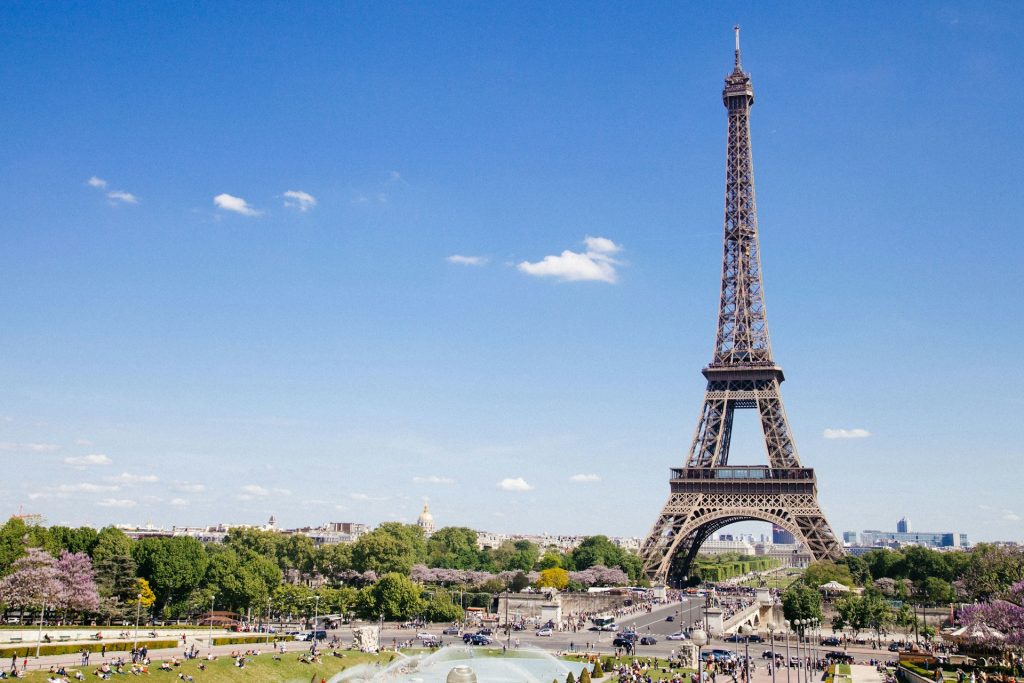
France treats la rentrée as a national reset, and travel follows that signal. August is often the big holiday month, so late August can feel like a final sprint to the Atlantic coast, the Alps, or the Riviera before routines return. Once school starts, September brings a calmer, more everyday France: Paris cafés refill with locals, museum lines shrink, and regional trains become easier to book. It is a strong time for Loire Valley châteaux, Alsace villages, and Provence markets, when temperatures ease and evenings invite long dinners without the packed summer energy. Even simple pleasures, like a bakery queue, move at a kinder pace.
Germany
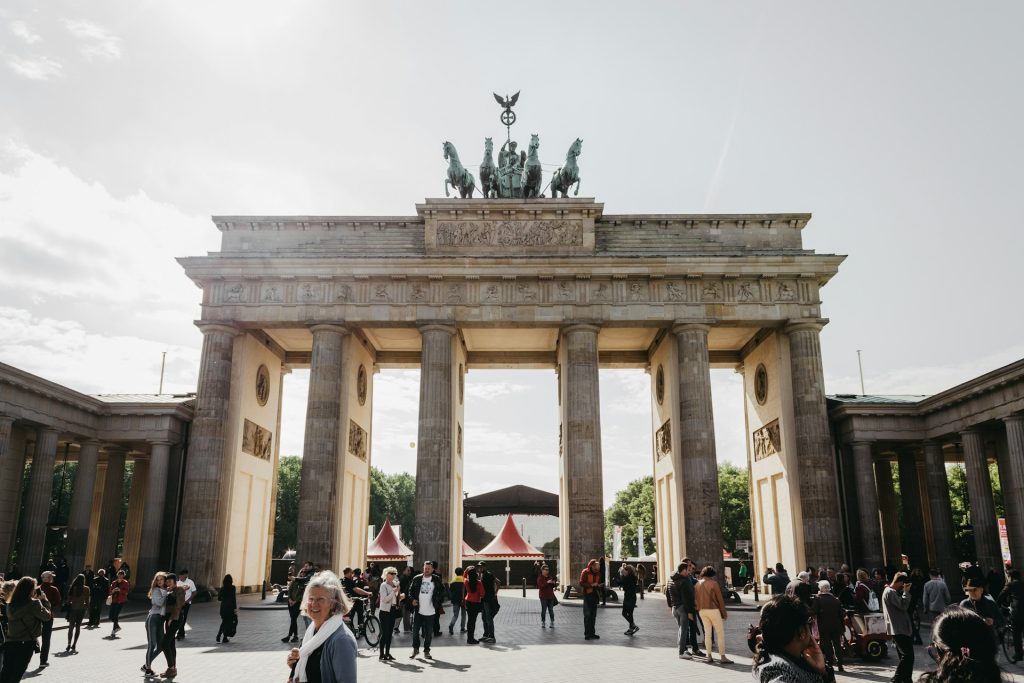
Germany’s school calendar is staggered by state, so the late-summer travel season stretches and overlaps in a way that keeps trains and coasts busy for longer. Families time trips to the Baltic Sea, Bavaria’s lakes, and the Alps based on local holiday windows, then the moment school resumes, demand drops in a noticeable, practical way. That creates a sweet spot for Berlin galleries, Munich beer gardens, Hamburg harbor walks, and Rhine valley weekends, with cooler weather and better hotel inventory. It is also prime for easy day trips, since regional rail seats and museum tickets are less competitive once the holiday wave passes.
Spain
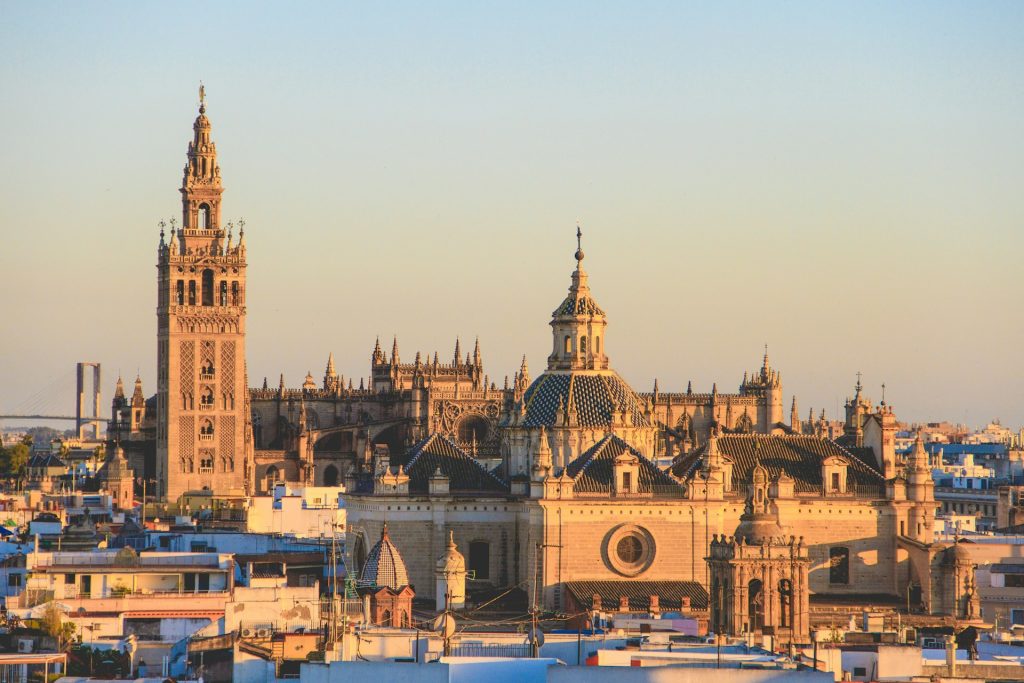
In Spain, early September often marks the return to school and the return to city life, after a long summer of beach-focused travel. Late August can be the last big family push to the Costa Brava, the Balearics, or the Andalusian coast, with packed promenades and full trains. Once classes begin, the country feels easier to move through, and the experience shifts toward cooler evenings, quieter tapas bars, and more spontaneous bookings. Barcelona, Madrid, Seville, and Valencia stay lively, but without the same squeeze, and wine regions and harvest-season town festivals add energy without turning every street into a crowd scene.
Italy
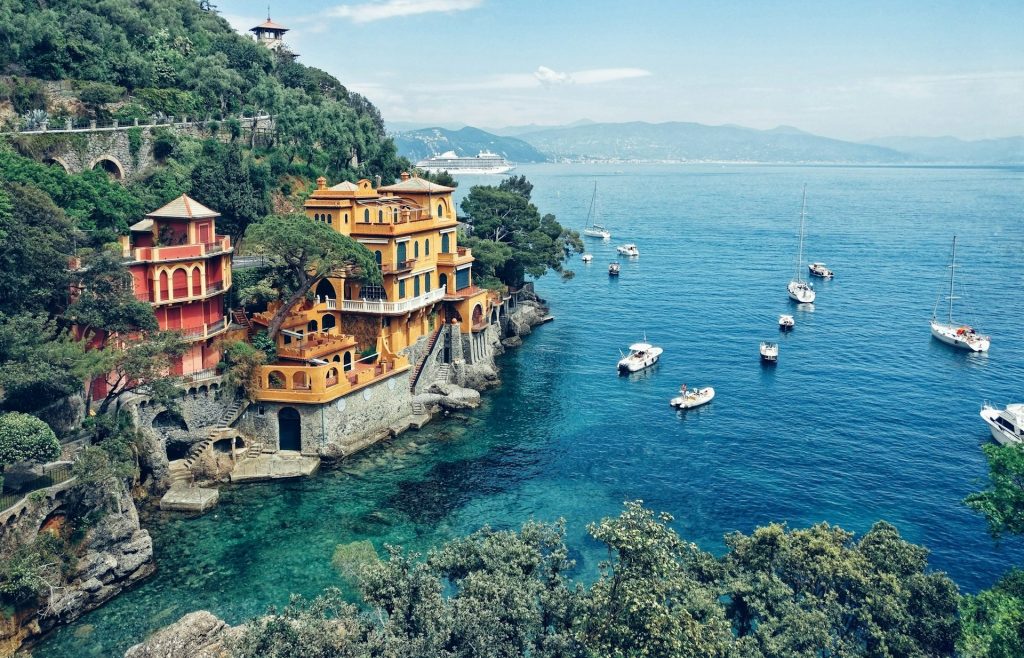
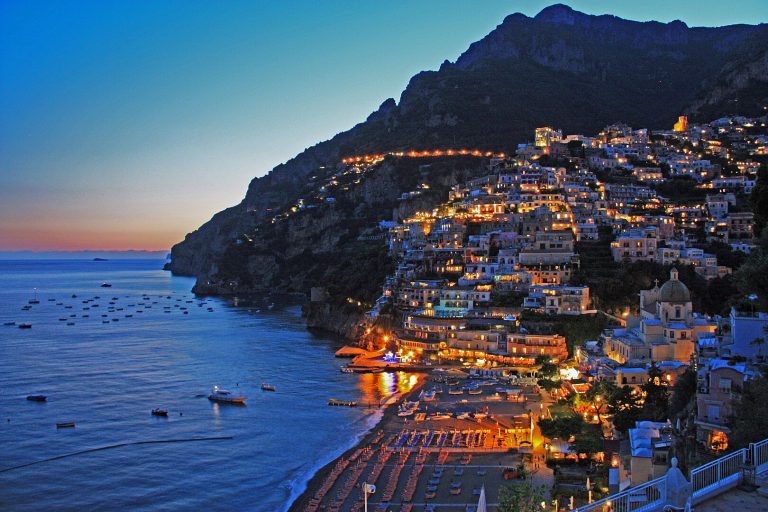
Italy’s late-summer rhythm is shaped by August ferie, then a clear reset as schools restart in early to mid-September. That timing creates two travel lanes: families grabbing one last beach week, and everyone else waiting for the calmer days right after term begins. Rome, Florence, and Venice become easier to navigate, and countryside stays feel less like a race for rooms, especially in Tuscany and Umbria. Coastal towns can still deliver warm water and open beach clubs, while the food calendar turns toward grapes, figs, and early truffle talk. The result is Italy with fewer frayed edges, and more time for long lunches and evening walks.
Japan
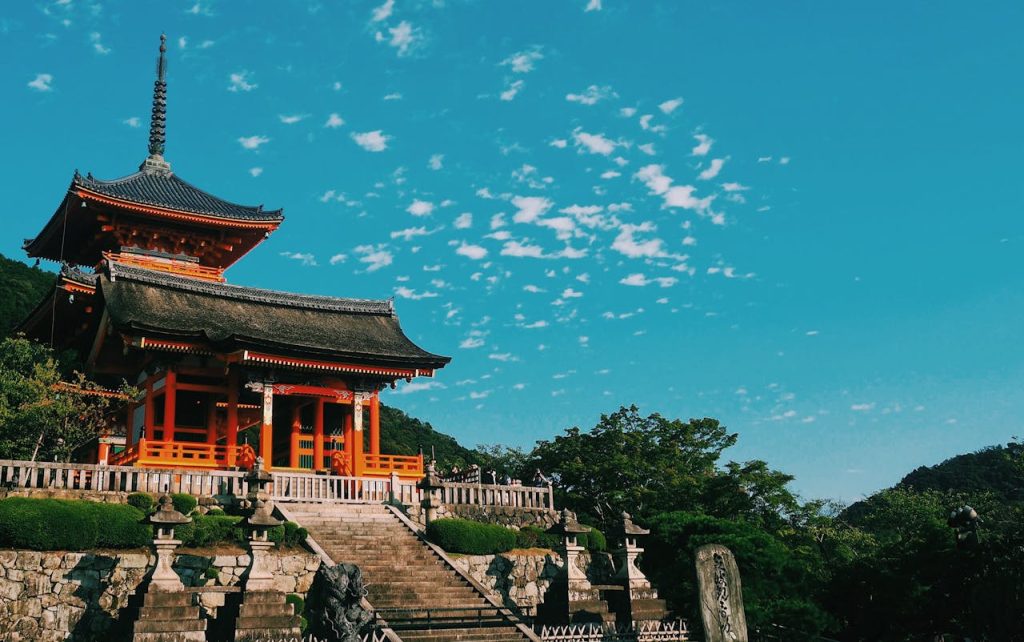
Japan’s school year begins in April, so the back-to-school travel pulse often shows up in late March and early April, when families use the last days of break for short domestic trips. A second mini-wave can appear in late August as summer vacation winds down and people squeeze in an onsen stay or a seaside weekend before early September routines. Those edges can make Kyoto, Hakone, and Tokyo feel busy in bursts, then suddenly quiet once term starts. The calmer weeks are perfect for temple mornings, neighborhood coffee, and rail travel that feels smoother, with more open seats on popular routes and less pressure on hotels.
Australia
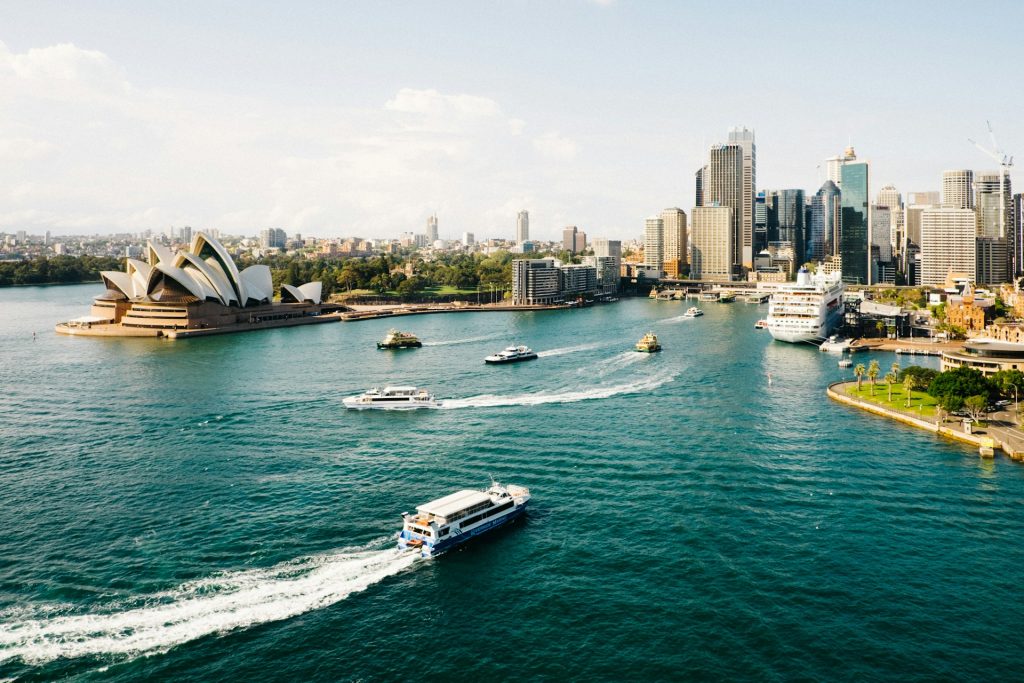
Australia’s school year starts in late January, so January becomes a clear travel ramp before Term 1 begins. Families fill beaches and holiday parks through the long summer break, then the moment classes restart, coastal towns and resorts regain breathing room. That makes late January and early February feel like a bonus shoulder season, bright and warm but far less crowded. It suits road trips, reef and wine region escapes, and city breaks in Sydney and Melbourne built around galleries, food markets, and ferry rides. With demand lower, flights and rooms are easier to secure, and the pace feels calmer without losing summer.
New Zealand
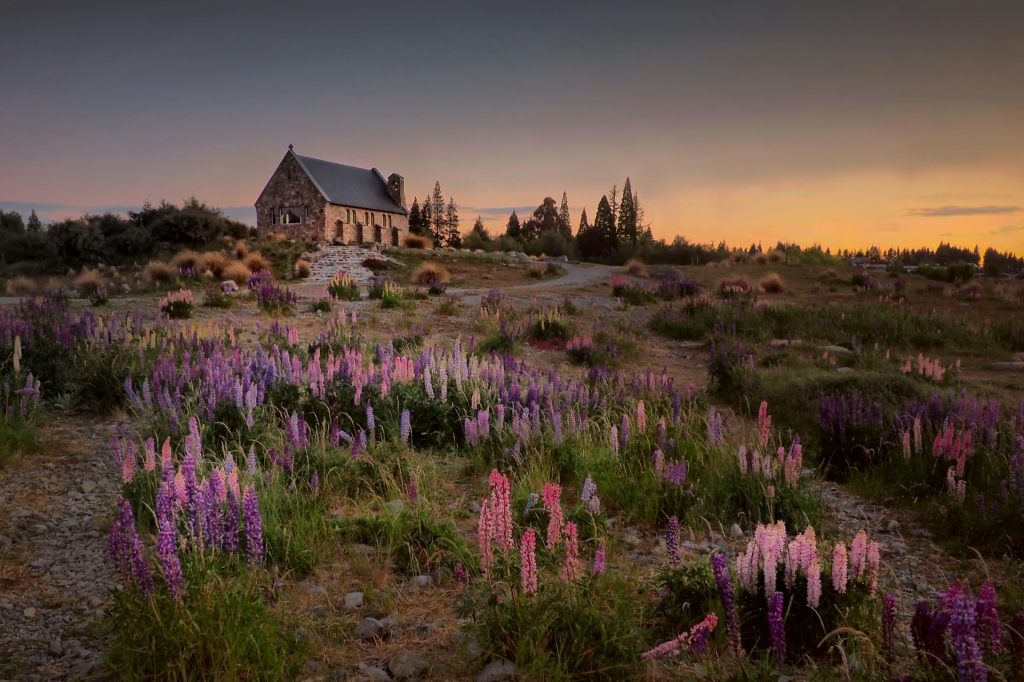
New Zealand’s school year typically starts between late January and early February, which turns January into the final stretch for family road trips. Beach towns, holiday parks, and lake cabins stay busy through the summer break, then ease quickly once classes begin. That post-start window is when the country feels more open, with less competition for ferry crossings, scenic train seats, and trailhead parking. It is a strong time for a relaxed Queenstown base, Wellington culture weekends, or quiet drives through the Coromandel and the Bay of Islands, when daylight still runs long and cafés feel unhurried.
Brazil
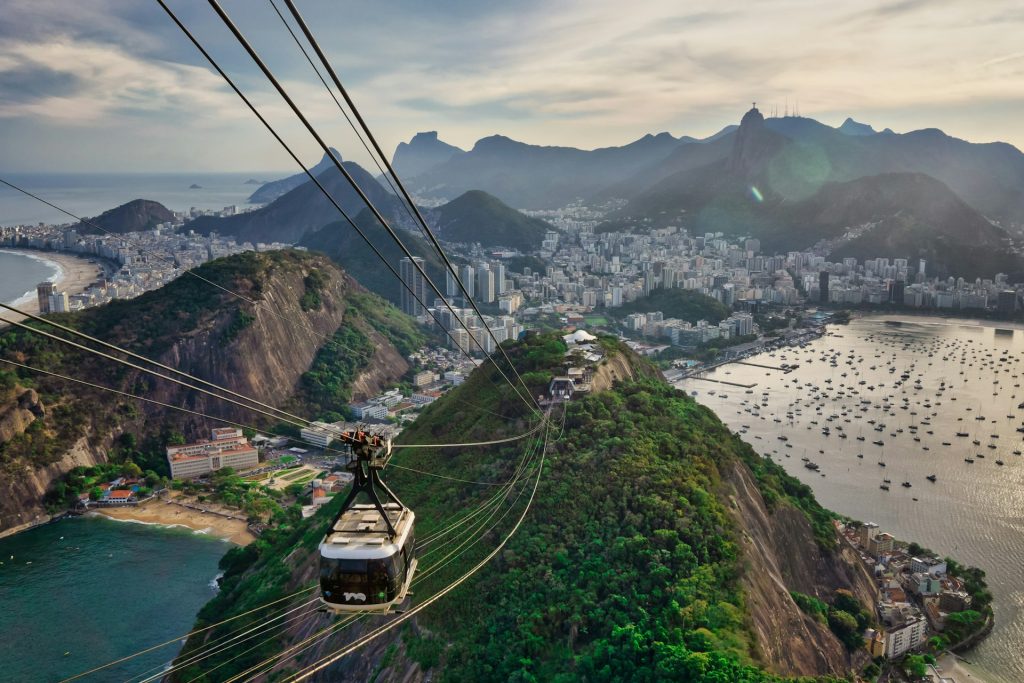
Brazil’s school year commonly begins in February, which makes January a major travel month while summer is still in full swing. Families use that time for beach breaks in Rio, Florianópolis, Salvador, and the Northeast, then routines return fast once term begins. Outside the biggest festival dates, the weeks after school starts can feel noticeably calmer, with more space on flights, quieter hotel lobbies, and easier plans for nature trips. That is when destinations like Ilha Grande, Iguaçu, and Chapada Diamantina can feel more breathable, while São Paulo and Rio offer city energy without the same seasonal crush.