11 Countries Where School Holidays Don’t Match Tourist Seasons
Tourist seasons follow weather, festivals, and flight habits. School holidays follow local calendars, exams, and government rules. In plenty of countries, those two rhythms clash, so the longest break lands during heat, rain, or short daylight, while the most comfortable travel weeks sit quietly inside the school term. That mismatch shapes crowds, prices, and even what kinds of trips families choose, from resort escapes to mountain getaways. It also creates surprising quiet windows for travelers who can move outside the usual holiday surge and still catch the best conditions.
India
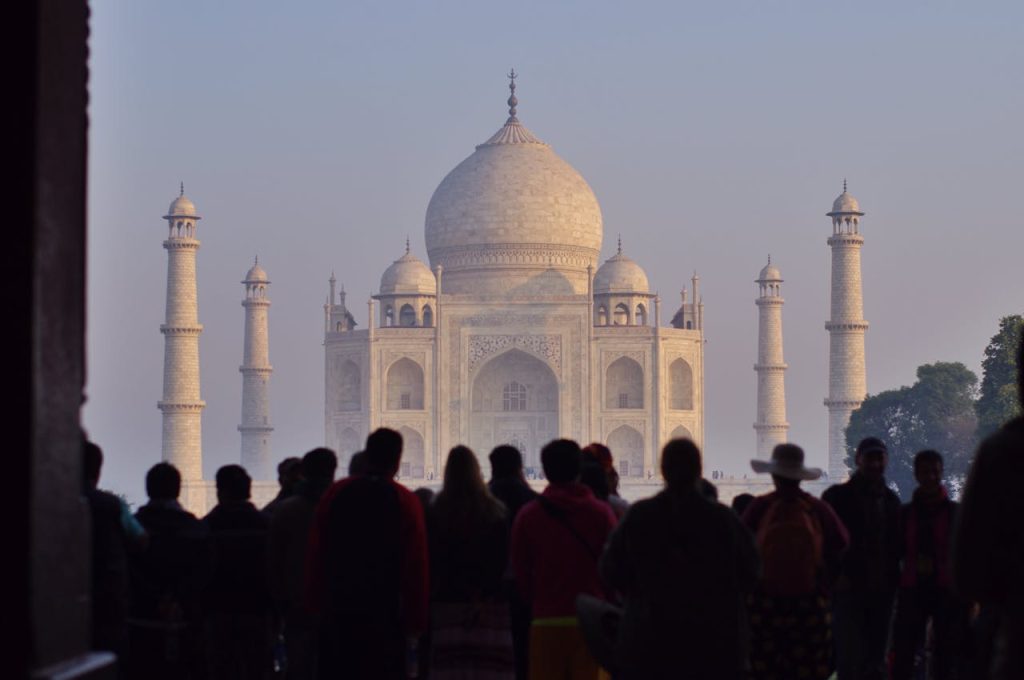
India’s longest school break often falls in late spring and early summer, when many cities turn hot and sightseeing becomes a morning-and-evening plan. Yet the most comfortable touring stretch is usually Oct. through March, when Rajasthan, Delhi, Agra, and central India can be explored with steady energy, and wildlife safaris feel less punishing at midday. Families often respond by heading to hill stations or beach resorts with pools, while winter visitors on classic routes find the mismatch works in their favor: calmer lines, better walking weather, and long days built around markets, forts, and street food, not heat management.
Philippines
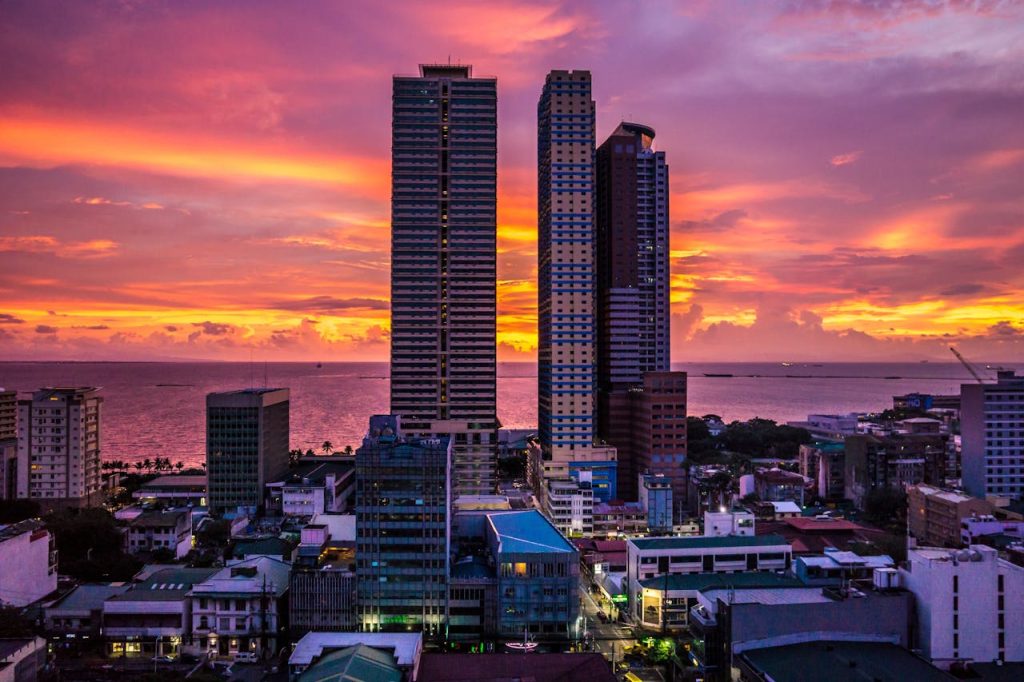
In the Philippines, school breaks often cluster around the hottest part of the year, when afternoons can feel sticky and sudden showers can reset plans quickly. Meanwhile, the visitor sweet spot is typically the drier, cooler season, when ferry crossings are steadier, beach days feel breezier, and island hopping is less of a weather negotiation. The result is a visible split: local families take their big trips during hotter months, then international crowds arrive later, filling flights and resorts in places like Palawan, Cebu, Bohol, and Siargao just as school is back in session and weekend pricing firms up.
Japan
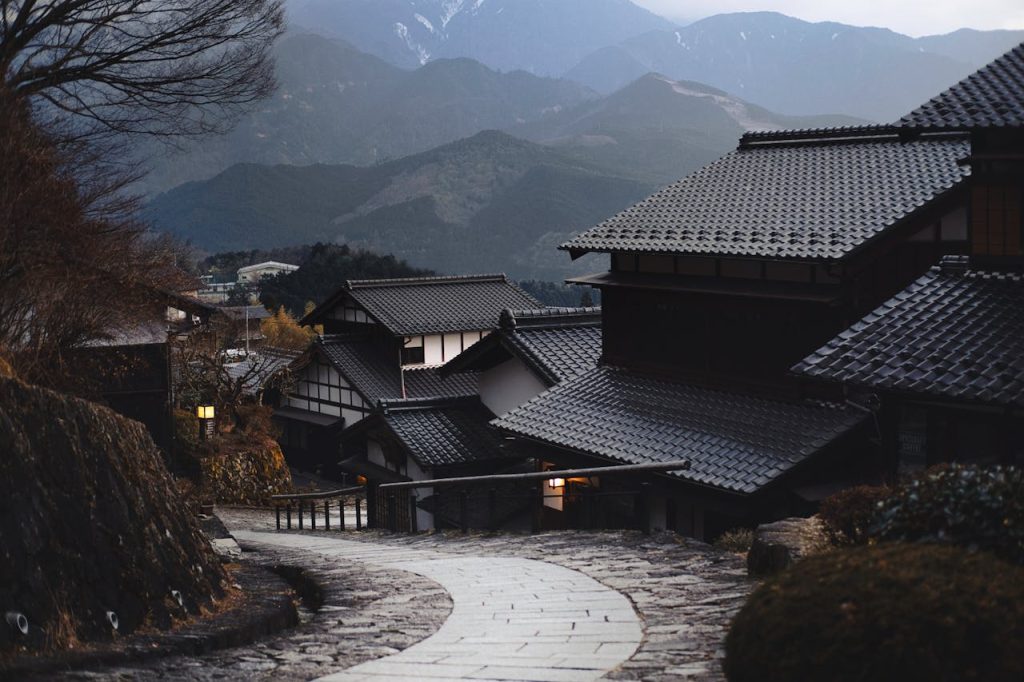
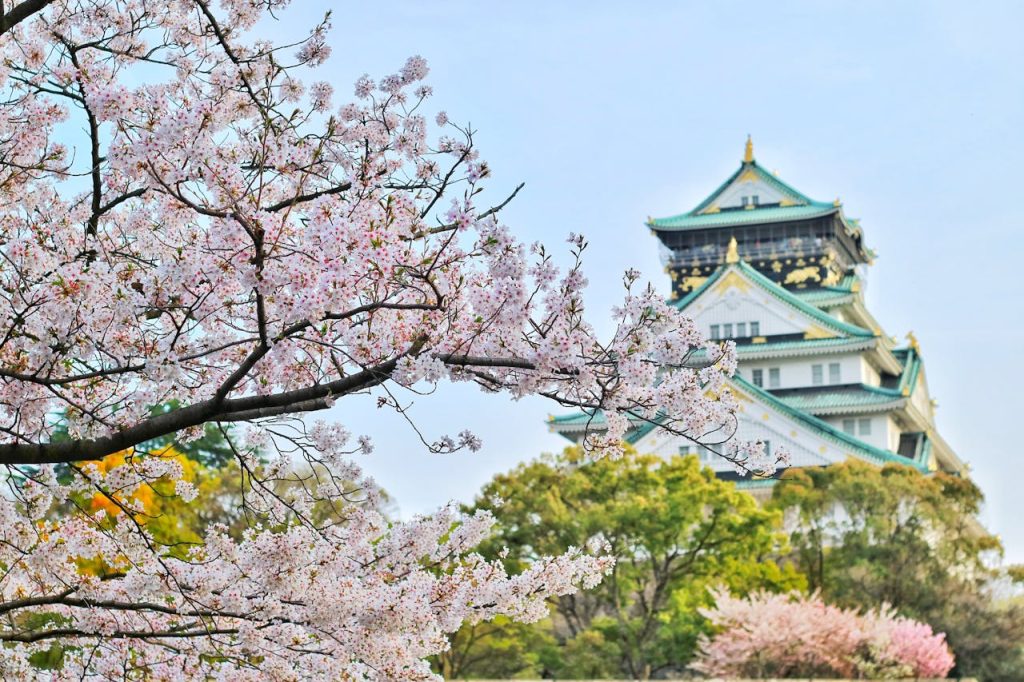
Japan gives families major breaks in summer and winter, but the most famous travel moments often peak during spring blossoms and autumn foliage, when parks and temple approaches look their best. Those weeks sit inside the school term, which limits family flexibility and pushes many domestic trips into warmer summer days or colder winter weekends. For travelers, the mismatch shows up as intense crowding in early April and mid-Nov., even as other periods feel ordinary. It rewards planning around weekday mornings, reserved museum blocks, and indoor stops that balance outdoor crowds, keeping the day pleasant when the famous views are busy.
South Korea
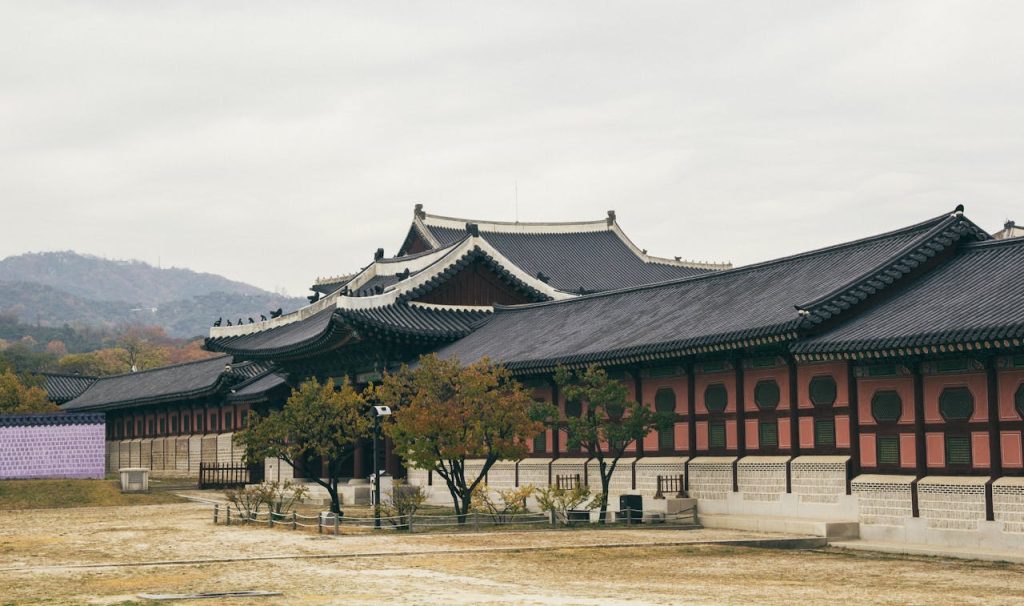
South Korea’s bigger school breaks land in midsummer and midwinter, while the most comfortable travel weeks often arrive in spring and fall. Blossoms and foliage arrive when classes are in session, so many families travel during heat, rain, or cold snaps instead, leaning on cafés, museums, and indoor markets to pace the day. The mismatch changes how Seoul feels: palaces and riverside paths can be packed on a short April weekend, then surprisingly calm on crisp October weekdays, when the weather is ideal for long walks, street snacks, and neighborhood wandering without a tight schedule or crowded transit cars.
China
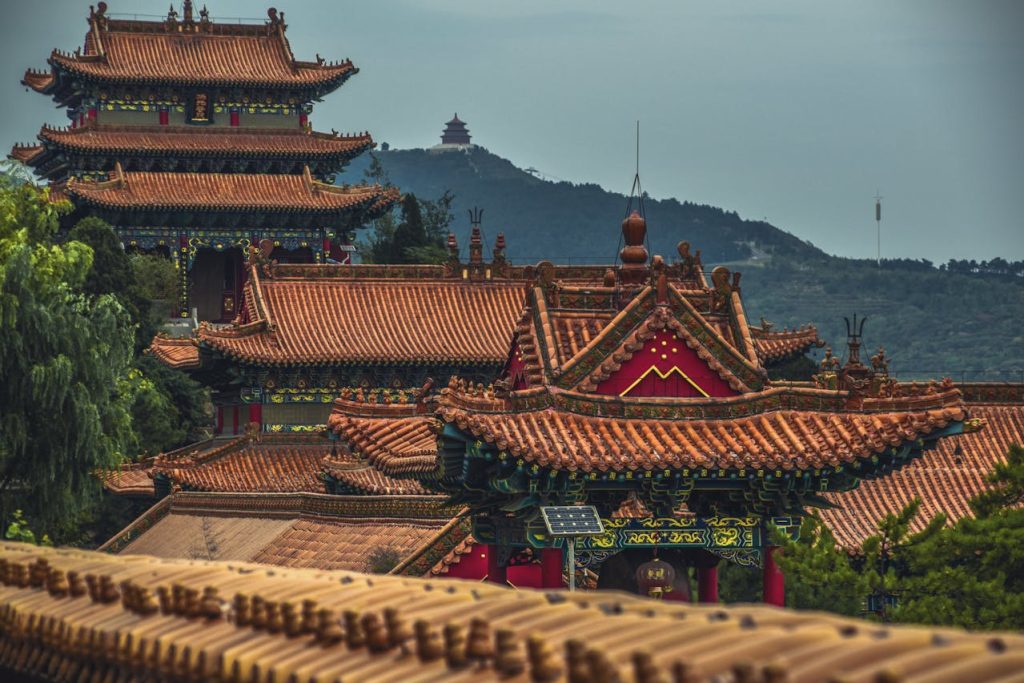
China’s largest family travel surges often come in summer and around Lunar New Year, yet many classic sightseeing windows are spring and autumn, when humidity eases and walking days feel longer. That creates a pattern where families travel when heat, rain, or winter chill complicate outdoor plans, then shoulder-season comfort arrives during school weeks, when business travel replaces family crowds. The contrast is easy to feel in Beijing, Xi’an, and Guilin: July can mean heavy traffic at headline sites, while April and late Sept. midweeks often offer smoother ticket access, calmer photo moments, and an easier pace for museums, gardens, and evening food streets.
Taiwan
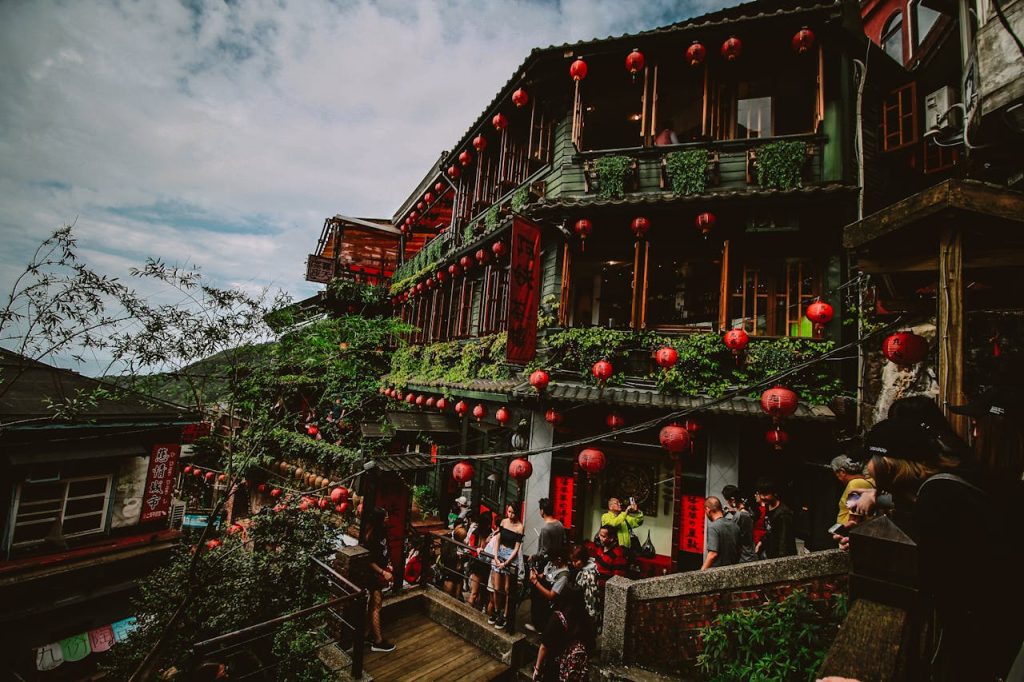
Taiwan’s most comfortable sightseeing often peaks in spring and late fall, when humidity drops, mountain views sharpen, and night markets stay lively without feeling heavy by evening. School breaks, however, concentrate in summer and around winter holidays, which can overlap with typhoon patterns or cooler, wetter spells that push plans toward indoor stops and shorter day trips. Families pack beaches, theme parks, and hot-spring towns during the break, while travelers who arrive during the school term often get the best conditions with fewer crowds, especially for Taipei museums, Jiufen’s lanes, Sun Moon Lake loops, and Alishan’s scenic rail rides.
United Arab Emirates
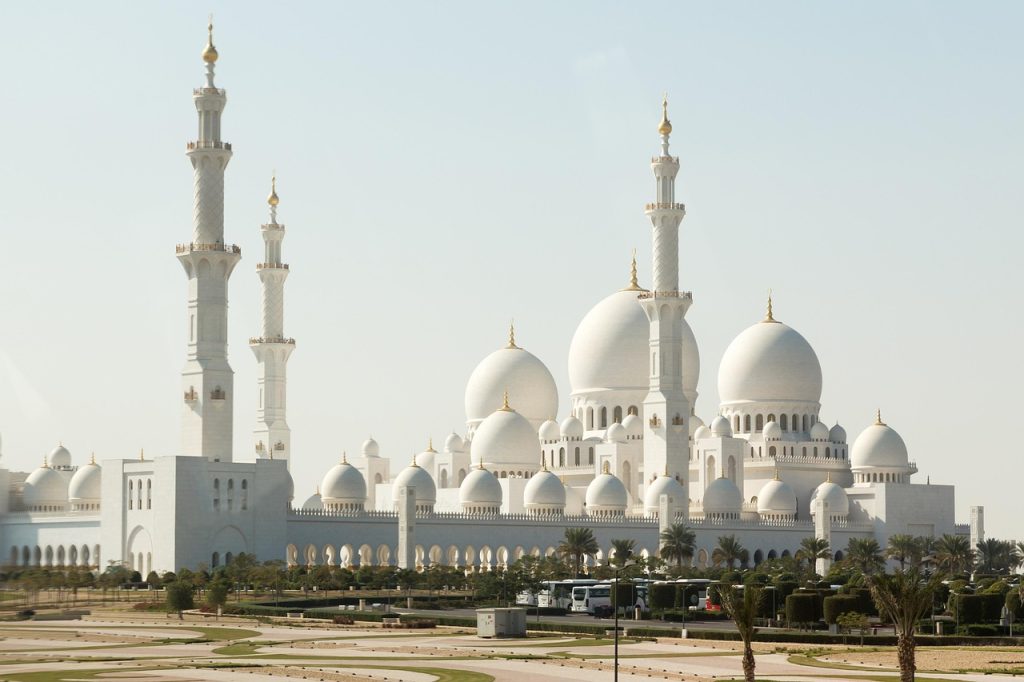
In the UAE, the long summer school break overlaps with intense heat, so outdoor sightseeing shifts to early mornings, late evenings, and indoor corridors. Peak visitor season is the opposite, roughly Nov. through March, when souks, waterfront walks, desert stops, and open-air dining feel comfortable all day. Because school runs during the best weather, weekends can spike with local staycations, yet weekdays still bring good hotel deals and quieter attractions. The best trips use the mismatch smartly: museums and old districts by day, a sunset desert plan, and shopping or creek-side walks after dark, when the air finally relaxes.
Egypt
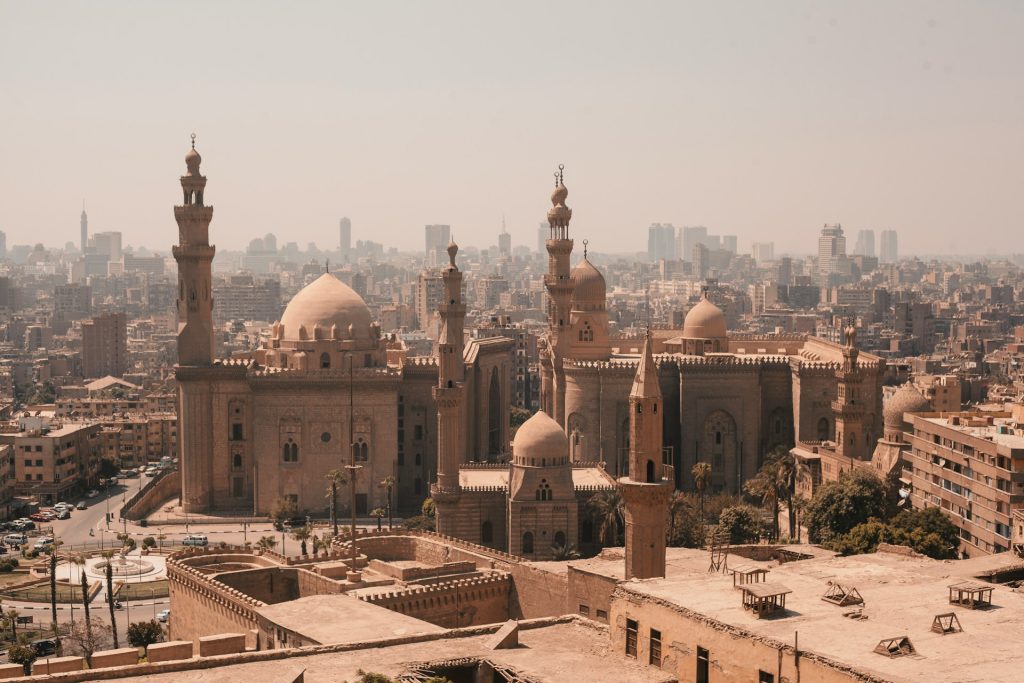
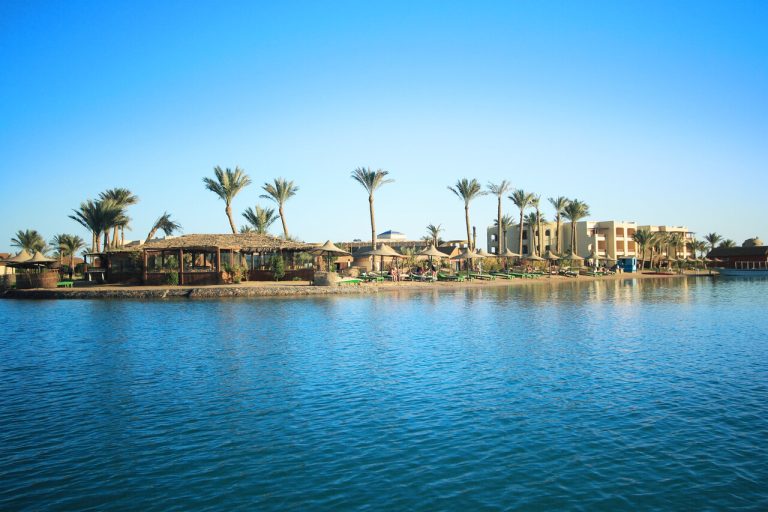
Egypt’s school vacations often land in summer, but the country’s best touring season is usually in cooler months, when long hours outdoors feel realistic and stone sites hold less heat. Temples, tombs, and Cairo street life are far easier when midday air is mild, yet many families travel during hotter weeks and compress sightseeing into dawn starts and long midday breaks. For visitors, the mismatch matters: October and February can feel more comfortable and less crowded than August, with better energy for Luxor temples, Giza viewpoints, and neighborhood walks, plus a slower, steadier Nile cruise rhythm that leaves room for unhurried stops.
Morocco
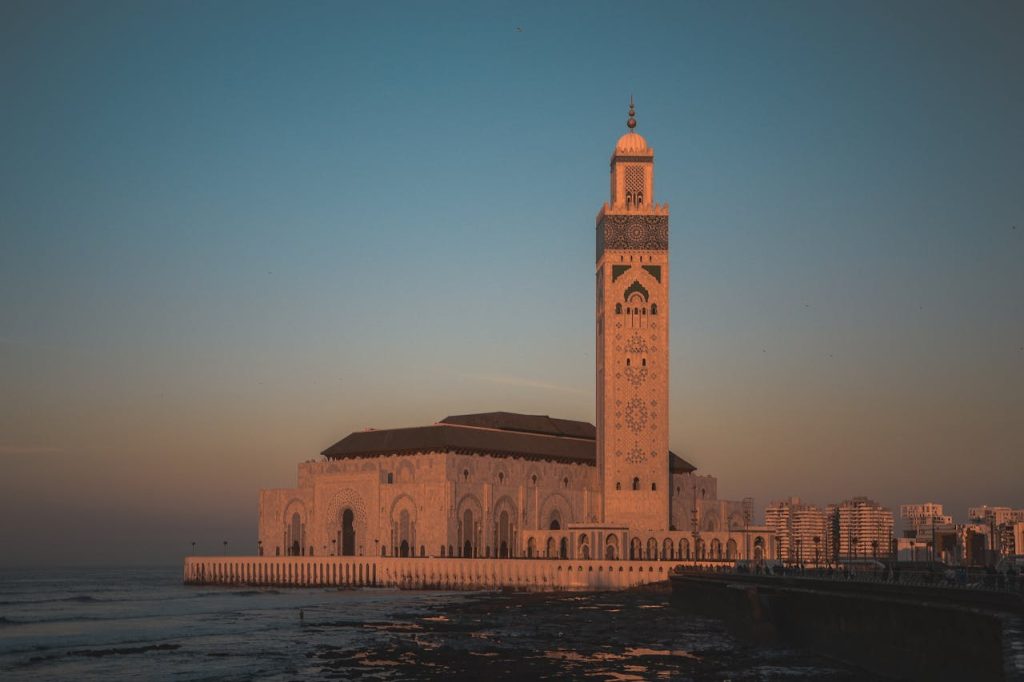
Morocco’s school breaks often overlap with warmer stretches, while many travelers prefer spring and fall, when days are bright and evenings invite long meals. Medinas and desert edges are simply easier when heat is not pushing sightseeing into short windows, yet family travel during breaks can fill popular towns fast, especially on weekends. The timing difference can make shoulder months feel like a quiet advantage: souks stay lively without feeling tight, Atlas day hikes feel comfortable, and routes from Marrakech to Essaouira offer more availability for riads, guides, and day trips, with enough breathing room to browse, linger, and still catch sunset.
Thailand
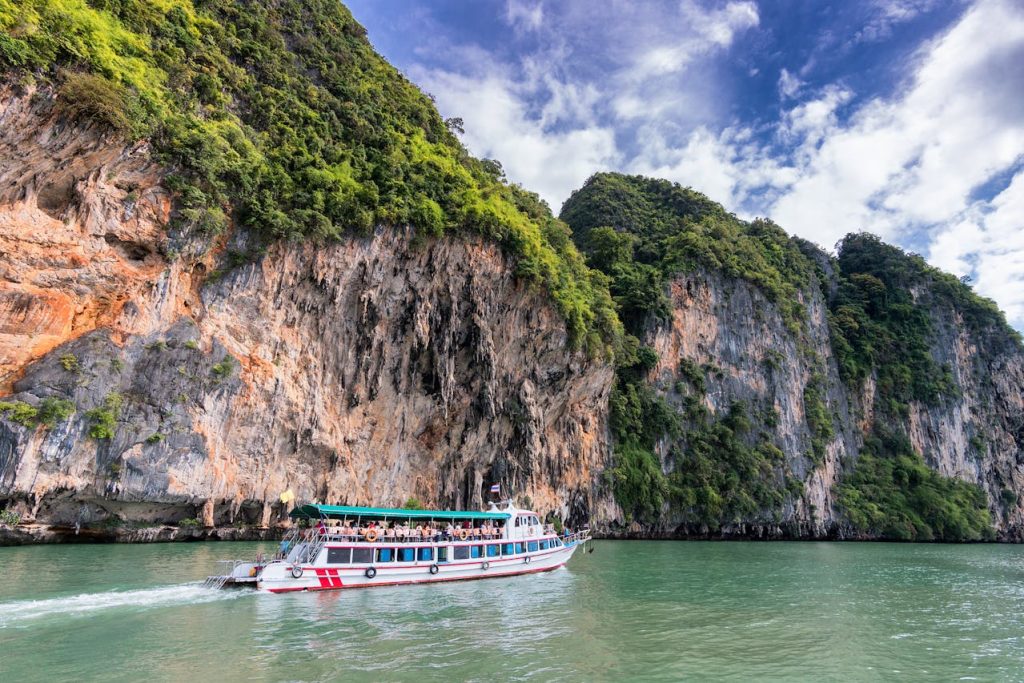
Thailand’s school calendar often places longer breaks in hotter or wetter periods, while the best-known tourist season leans into cooler, drier months later in the year. That means local families may travel during sticky afternoons or sudden showers, while international crowds arrive when beach conditions feel steadier and city walks are easier, especially in Bangkok and Chiang Mai. The mismatch shows up in the booking pattern: May, June, or Sept. can bring quieter hotels and better restaurant availability, then demand rises quickly as weather turns crisp from November onward. Smart planning treats the school break as a crowd signal, not a comfort guarantee.
Vietnam
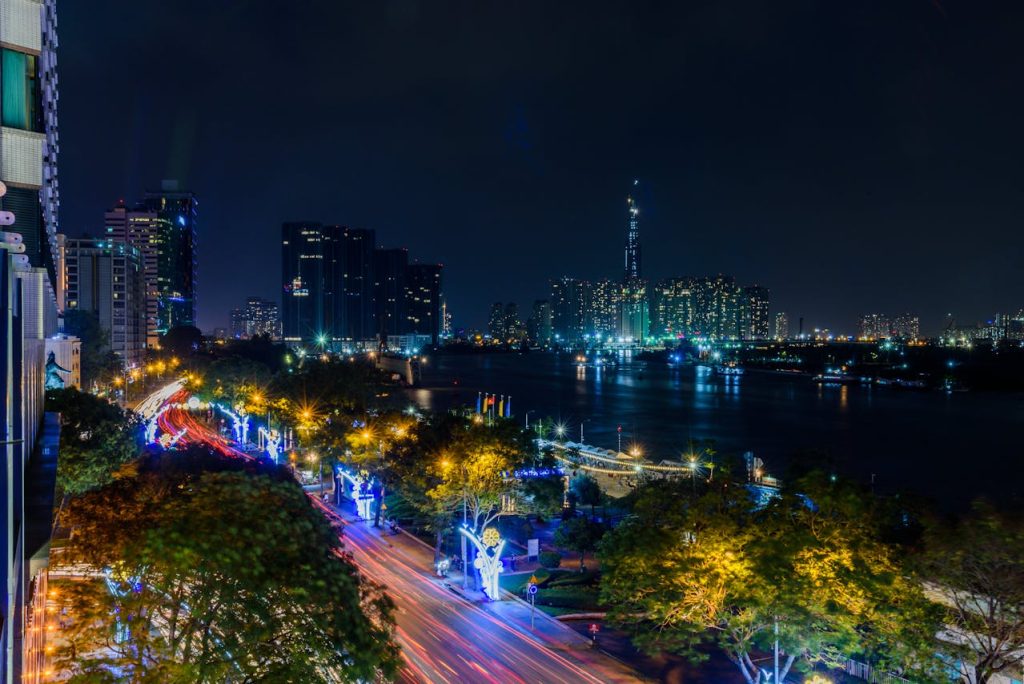
Vietnam’s main school break often lands in summer, but many travelers prefer shoulder months that feel calmer and more comfortable for walking, food tours, and long days outside. When families travel in June and July, heat and quick rain can push plans indoors, so museums, cafés, covered markets, and street food stops become the backbone of the day. Later in the year, routes through Hanoi’s old quarter, Hue’s heritage sites, and Ho Chi Minh City’s neighborhoods often feel smoother, yet those better-weather weeks can land during the school term, creating a quieter mood in hotels and day tours, and more room to explore without rushing.