11 Desert Towns Near Tucson, AZ, That Feel Manageable Once You Ditch the Checklist
Near Tucson, the desert feels kinder when the day is allowed to stay small. Instead of stacking stops, these nearby towns offer one clear pleasure at a time: a shady plaza, a short trail, a museum room that actually lands, or a patio where the light does the talking. Some sit in river corridors, others in high grassland or foothill cool, and each rewards an easy pace. Winter brings sharp horizons; monsoon evenings bring soft thunder and the smell of rain. Food is simple, streets are walkable, and the drives between places become part of the rest. With fewer checkmarks to chase, the desert starts to feel generous, not demanding.
Tubac
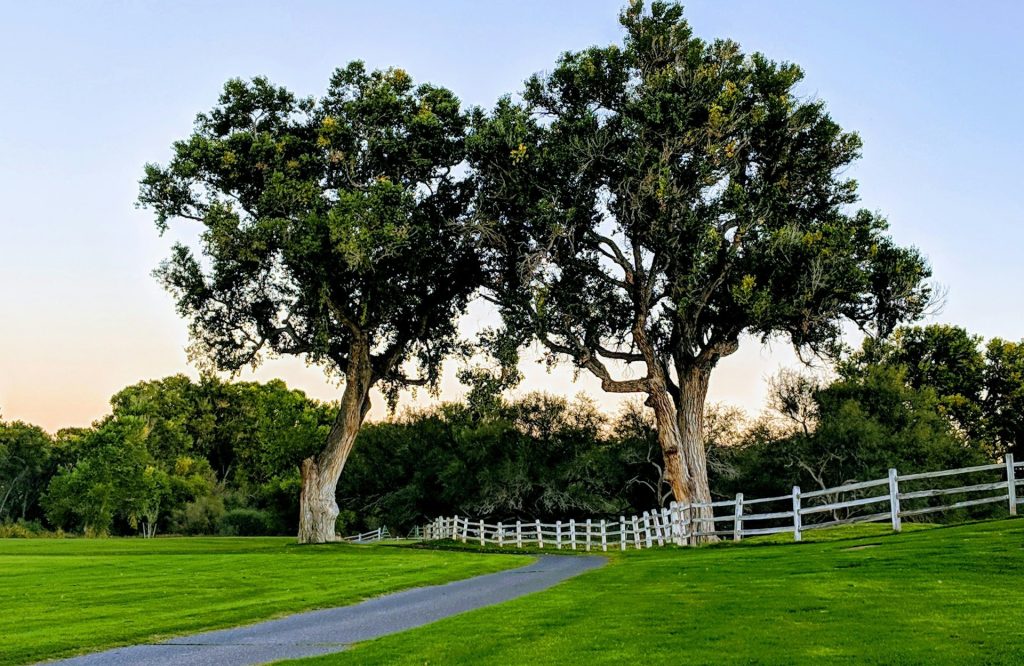
Tubac keeps history and everyday pleasure close together, so a visit stays full without getting busy. At Tubac Presidio State Historic Park, the oldest Spanish presidio site in Arizona dates to 1752, and the exhibits keep the borderlands story grounded in people, trade, and place. Afterward, the arts district is compact and shaded, with galleries, courtyards, and cafés within an easy drift. In winter the light feels clean and bright; after monsoon rain, the air turns cool and clear. A short stroll near the Santa Cruz River corridor and one slow meal usually finish the day with no extra miles too.
Patagonia
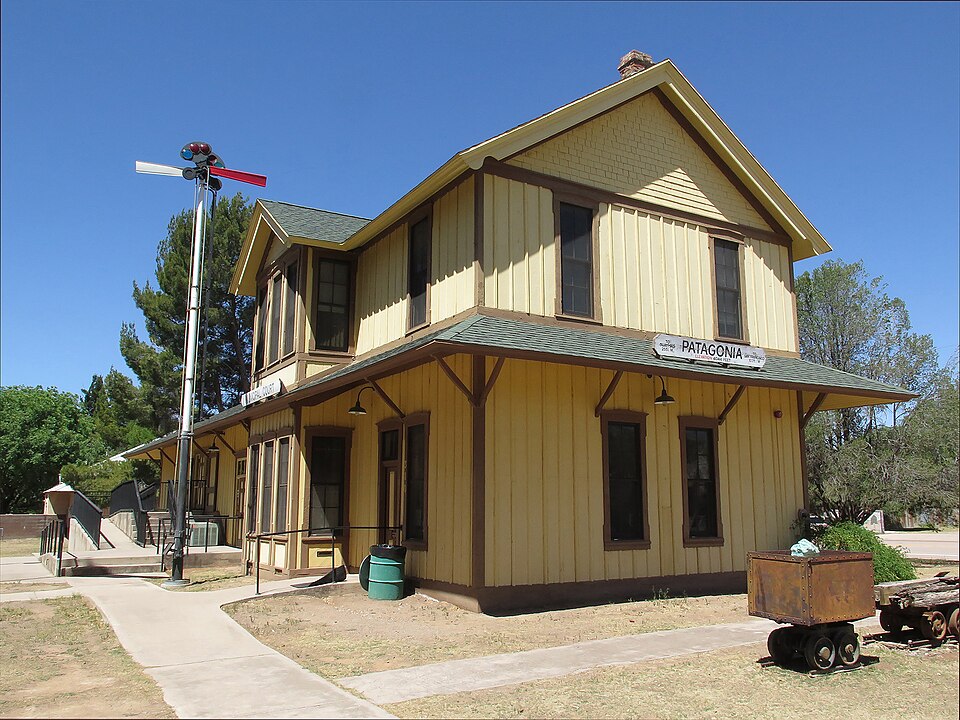
Patagonia feels like a pause tucked along Sonoita Creek, where storefronts stay low-key and time stretches. Patagonia Lake and the protected creek corridor draw birders, but the best moments are simple: cottonwood shade, a short riverside walk, and a quiet bench where hawks and hummingbirds do the entertainment. After rain, the greens around the water pop against the tan hills, and the town’s small cafés suit a long lunch. Local galleries and thrift stops stay close to the main drag, so wandering never turns into a project. It is the kind of place where one trail and one meal can feel like a complete day.
Sonoita
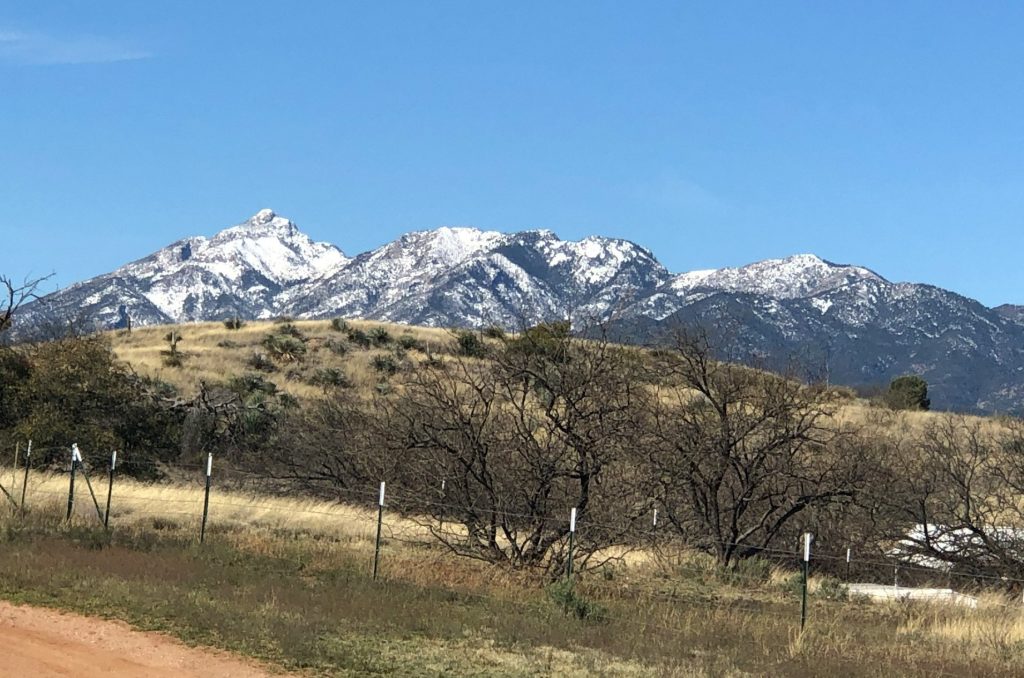
Sonoita surprises people with open grassland and cooler air, a different rhythm from the saguaro flats near Tucson. The basin sits between mountain ranges, so the horizon is all rolling hills and long, clean views. The Sonoita AVA, created in 1984 as Arizona’s first, keeps tastings tied to place rather than hype. Tasting rooms are spaced out enough that the drive becomes part of the pleasure, past ranch gates, oak pockets, and wind-ruffled fields. One winery patio, one slow loop through the valley, and a sunset stop can carry the whole outing, because the scenery does not need to be chased to feel real.
Elgin

Elgin is more a quiet crossroads than a town center, and that is exactly why it feels manageable. There is no busy strip insisting on constant stops, just vineyard roads and wide, ranch-country views. With tasting rooms spread across gentle hills, the spaces between them matter: fence lines, grass, and distant peaks that slow the pulse. A single tasting, a picnic table break, and a short scenic loop back toward Sonoita can be enough. In summer, monsoon clouds build dramatic shapes over the ranges; in winter, the air turns crisp and bright. When the light turns gold, the valley feels calm and complete, without any need to add one more stop.
Bisbee
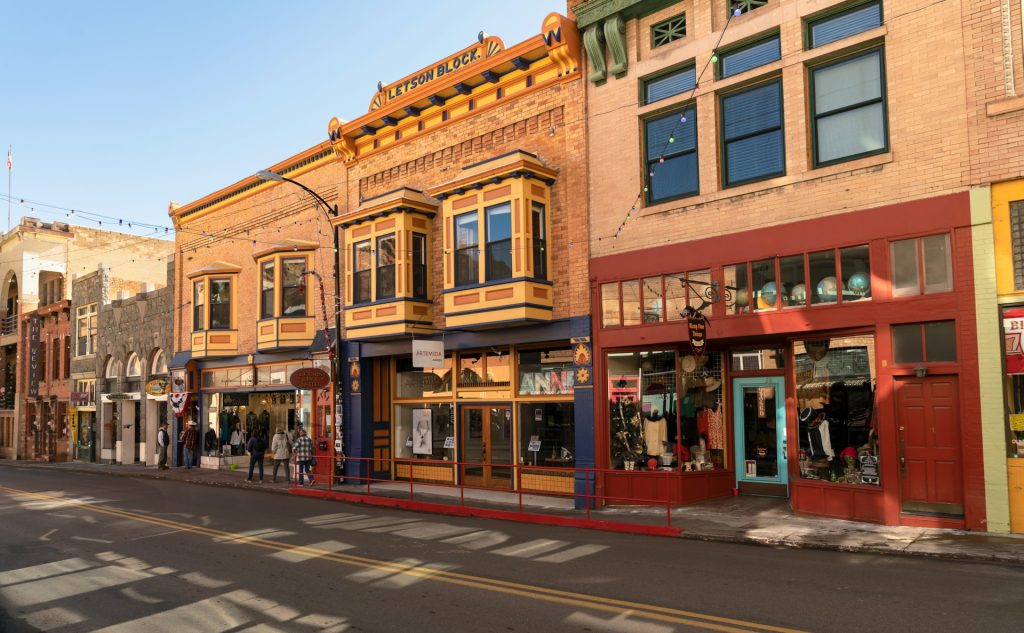
Bisbee’s hillside layout turns exploring into small, satisfying bursts instead of one long march. Staircases connect narrow streets, and every turn seems to offer a mural, a porch, or a viewpoint over stacked rooftops. The Copper Queen Mine Tour adds weight to the town’s copper-era story with a guided underground ride, then the rest is easy wandering: bookstores, cafés, and art tucked into old brick rooms. A coffee stop, a few photo breaks, and one slow climb to a lookout can fill the afternoon. The higher elevation often brings cooler air by evening, which makes lingering feel natural. Night lights come on early.
Tombstone
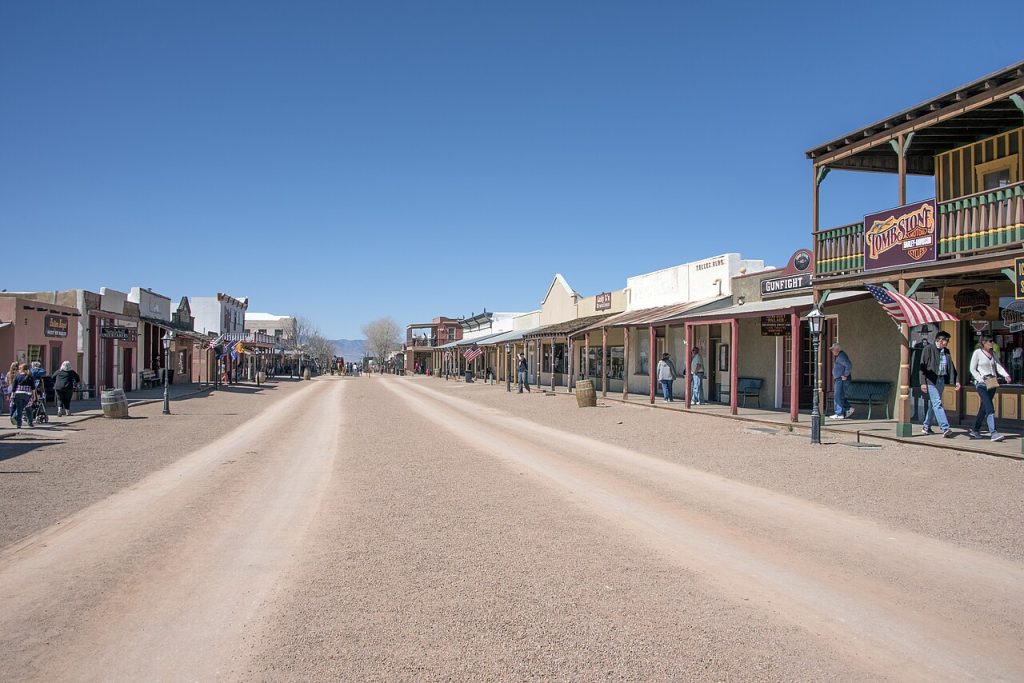
Tombstone works best when the visit stays focused, because the historic core is compact and easy to read. The O.K. Corral complex runs timed reenactments through the day, so there is a clear anchor without having to plan much else. After that, Allen Street becomes a slow loop of boardwalk storefronts, small exhibits, and shaded benches where the town’s theater can settle into texture. A short walk to the edge of town opens views across the desert, which resets the mood in minutes. One museum stop, a cold drink, and a lap past the old façades can feel like plenty. As the sun drops, the wooden buildings glow, and the pace naturally softens.
Willcox
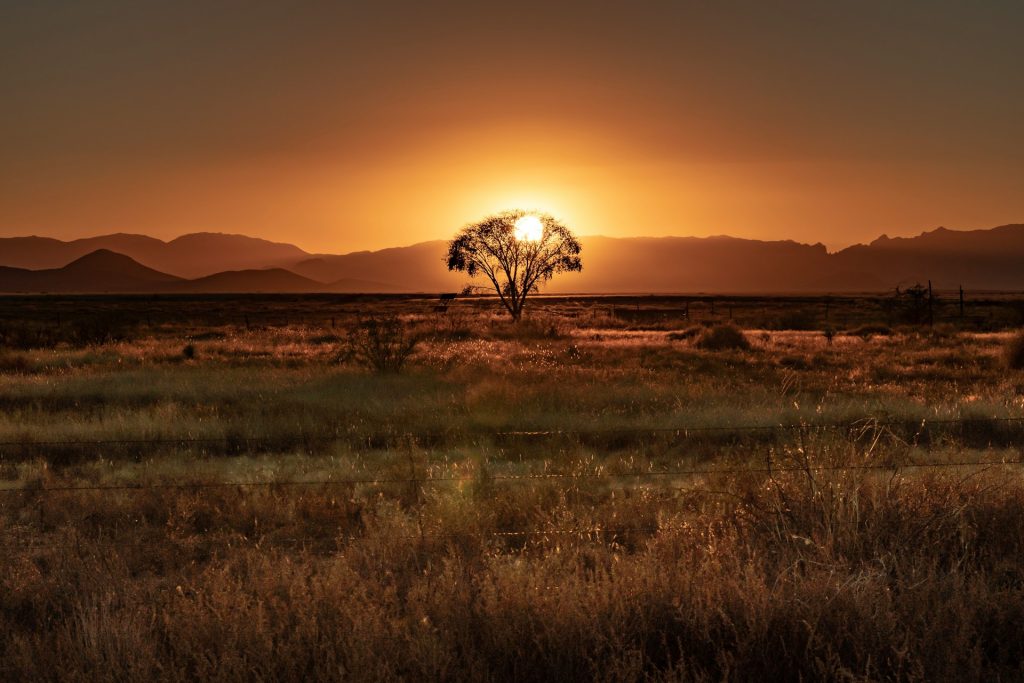
Willcox sits under wide high-desert sky with a straightforward grid, which keeps the day from feeling scattered. It pairs naturally with Chiricahua National Monument, where the scenic drive climbs to overlooks and trailheads among rock pinnacles and quiet pine shade. Back in town, the wine scene is easy to sample without fuss, with tasting rooms and local bottles that match the area’s open, ranch-country feel. A short hike, one tasting, and an early dinner can be enough, leaving time to watch the evening light spread across the flats. The town’s calm makes rest feel like part of the plan. The drive home stays quiet.
Benson
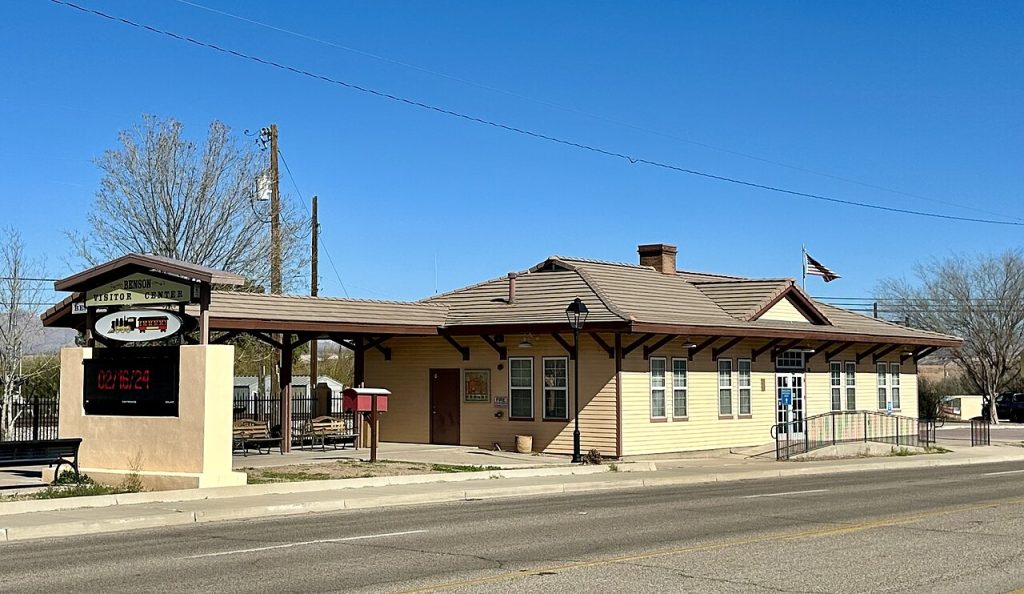
Benson has a practical rail-town energy that makes a stop feel easy, not like a full production. Founded in 1880 when the Southern Pacific Railroad arrived, it still reads as a place built for travelers passing through. Nearby Kartchner Caverns State Park adds a contained highlight with guided tours that are timed and comfortable, with cool air underground even in summer. The San Pedro Valley views on the approach set a quiet, spacious mood. Because the cave visit is structured, the rest can stay simple: a short main-street loop, a relaxed meal, and an early return. One strong outing here is usually enough, and that is the point.
Oracle
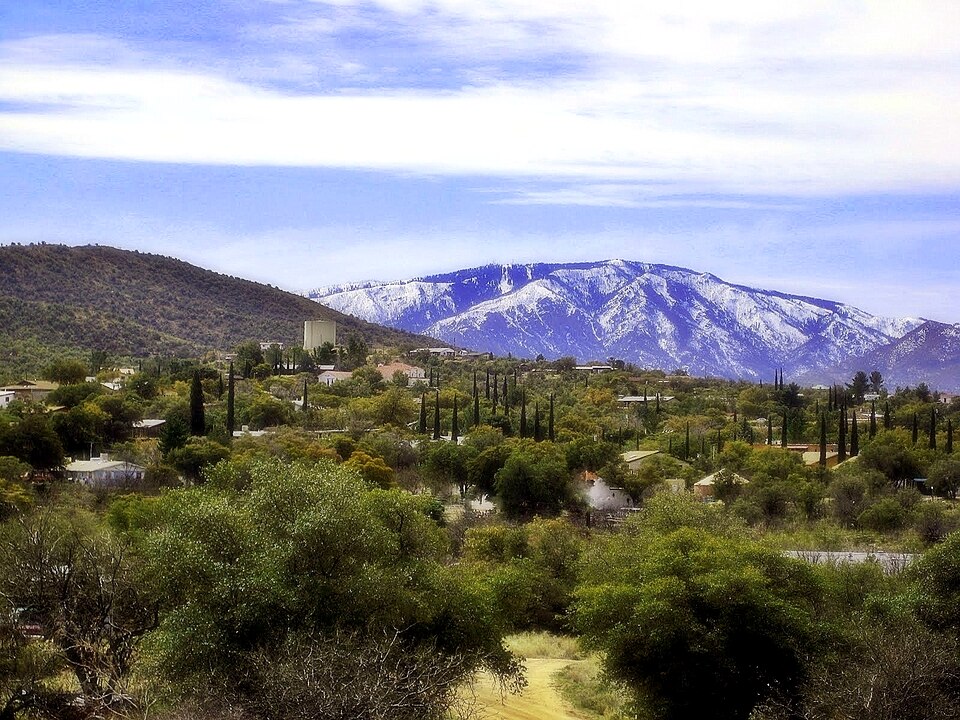
Oracle sits in the Catalina foothills where the air shifts cooler and the light feels softer, especially late in the day. Oracle State Park is a 4,000-acre wildlife refuge with more than 15 miles of trails and a section of the Arizona Trail, so a visit can be as short as one loop through grass, oak, and desert scrub. The park’s dark-sky status turns evening into the main event, when stars show up clean and bright without much effort. Back in town, a small café stop or a quiet drive past old ranch properties completes the mood. It is an easy place to stop trying to do everything and simply settle.
Ajo
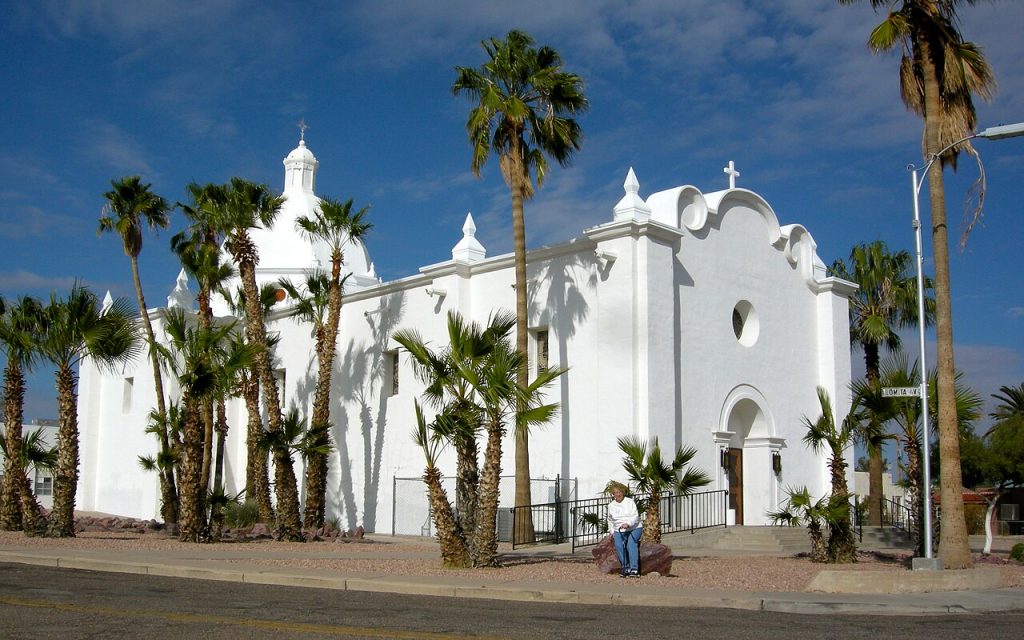
Ajo feels like a desert exhale, with long sightlines and a hush that starts on the drive in. It sits near Organ Pipe Cactus National Monument, a UNESCO biosphere reserve, where the landscape stays rugged and open. One of the few U.S. areas with wild organ pipe cactus, it offers silhouettes that look unlike the Tucson basin. In town, the plaza and small art spaces provide shade and a clear center, so wandering never turns into a project. A short scenic loop, a simple lunch, and time to watch late light shift across the flats can be the whole plan. When the air cools, the quiet becomes the attraction, and nothing needs to be added.
Florence
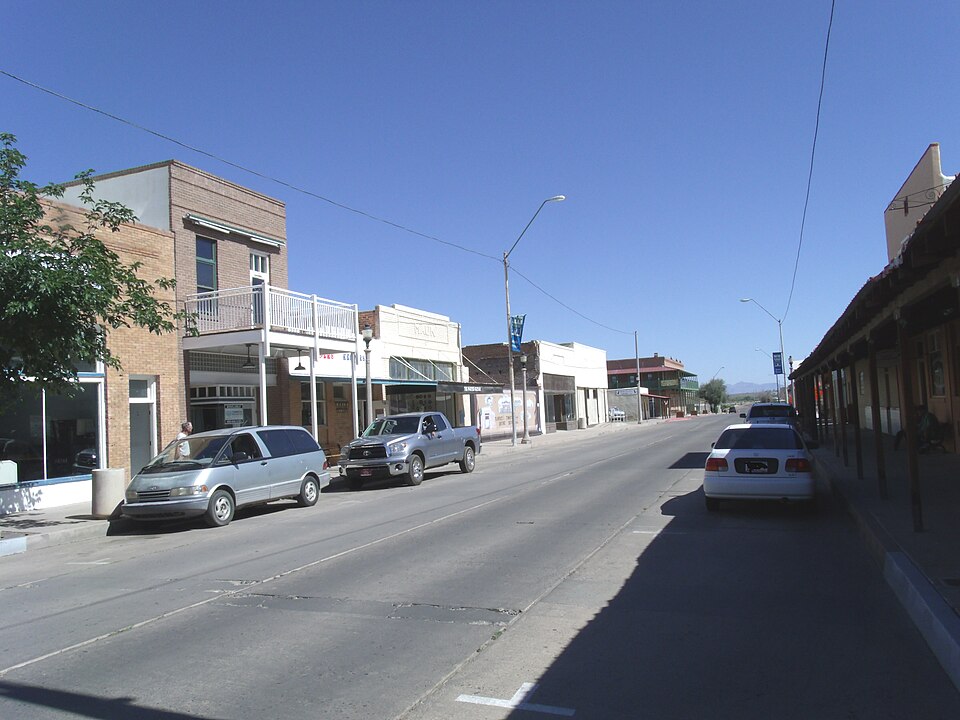
Florence holds its history in a compact downtown, so a visit can stay focused and still feel textured. As the county seat of Pinal County, it has a steady civic feel, with courthouses, storefronts, and shaded corners that invite a slow walk. The Florence Historic District includes more than 25 buildings on the National Register of Historic Places, and the details show up block by block in brick, adobe, and ironwork. A gallery stop, a mural photo, and a café break can fill the afternoon without stretching it thin. Desert light does the rest, especially near sunset. The pace stays calm even on weekends.