11 Destinations In Japan Where Tourist Behavior Is Closely Managed
Urban planners and cultural preservationists in Japan have increasingly implemented strict management strategies to combat the negative effects of overtourism. These experts emphasize that the surge in visitor numbers has threatened the structural integrity of historic sites and the daily lives of local residents. By introducing caps on entry, enforcing behavioral ordinances, and levying taxes, authorities aim to balance economic benefits with sustainable heritage conservation.
Tourism officials and municipal councils note that these measures are not intended to deter visitors but to educate them on proper etiquette. The shift toward managed tourism reflects a broader trend where the preservation of cultural atmosphere takes precedence over unrestricted access. Understanding these specific regulations helps travelers navigate the country with respect for the delicate social and environmental ecosystems that define these famous locations.
Gion District In Kyoto
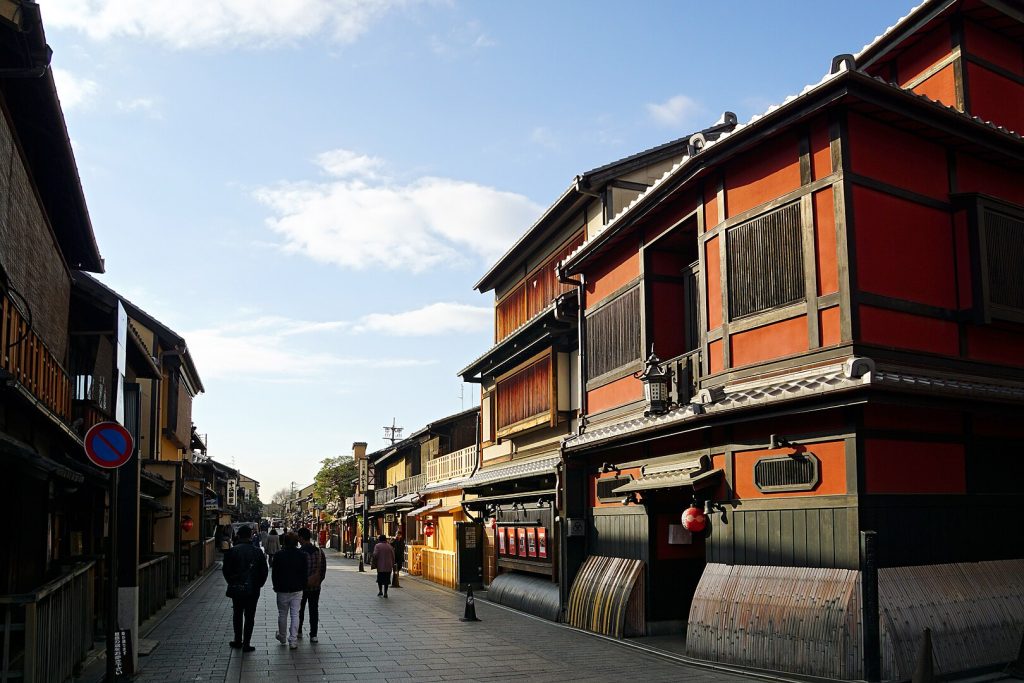
Local council members and residents of this historic geisha district have enforced a ban on tourists entering private alleys to protect the privacy of the entertainers. The Gion South Side District Council explicitly prohibits photography on private roads, citing incidents where geisha and maiko were harassed by crowds behaving like paparazzi. Violators face fines, and signage warns visitors that the charming narrow streets are residential areas and workspaces, not theme park attractions.
City officials support these measures as a necessary step to preserve the dignity of the karyukai, the flower and willow world. By restricting access to main thoroughfares like Hanamikoji Street, the community aims to reduce the noise and obstruction that disrupted the traditional atmosphere. Heritage experts argue that without these strict boundaries, the living culture of Gion would be suffocated by the very tourism it attracts.
Mount Fuji Yoshida Trail In Yamanashi
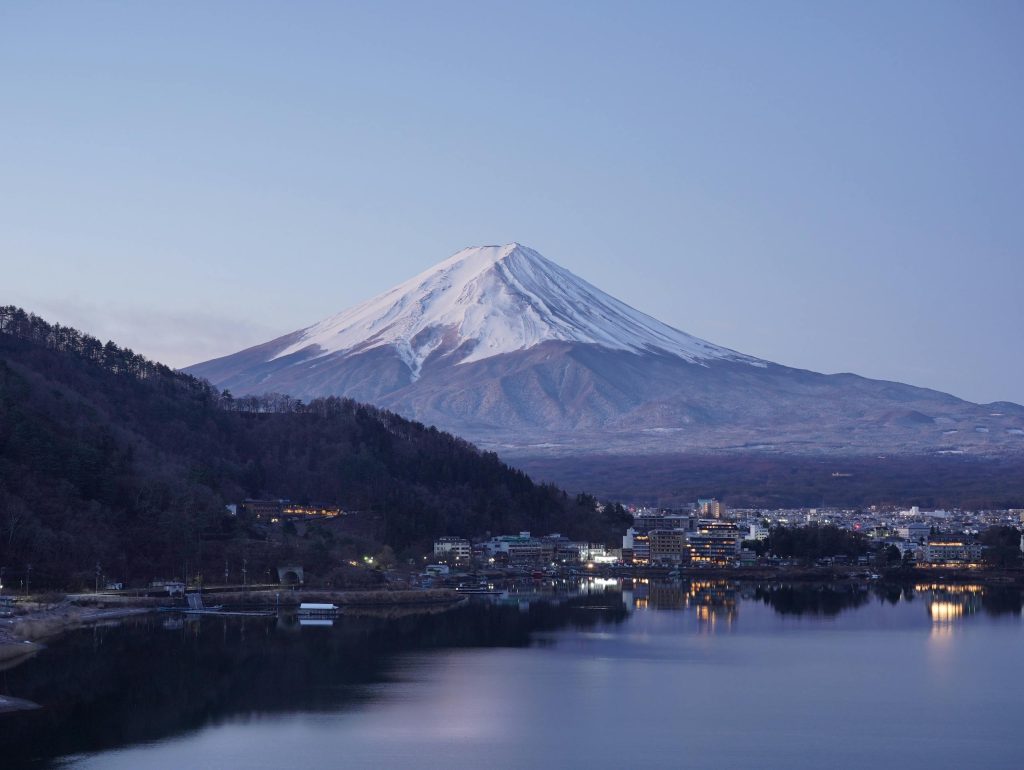
Yamanashi Prefectural government officials implemented a mandatory reservation system and a daily cap of 4,000 climbers for the Yoshida Trail to prevent dangerous overcrowding. Safety inspectors identified bullet climbing, where hikers attempt to reach the summit overnight without rest, as a major risk factor leading to altitude sickness and hypothermia. The installation of a gate at the Fifth Station allows rangers to control the flow of foot traffic and ensure that all climbers have paid the mandatory access fee.
Environmental conservationists praise the regulation for reducing the accumulation of litter and human waste on the sacred mountain. The fee revenue directly funds trail maintenance and the construction of safety shelters. Park rangers emphasize that these controls are essential for maintaining the physical condition of the trail, which had begun to erode under the pressure of unrestricted mass tourism.
Nara Park In Nara
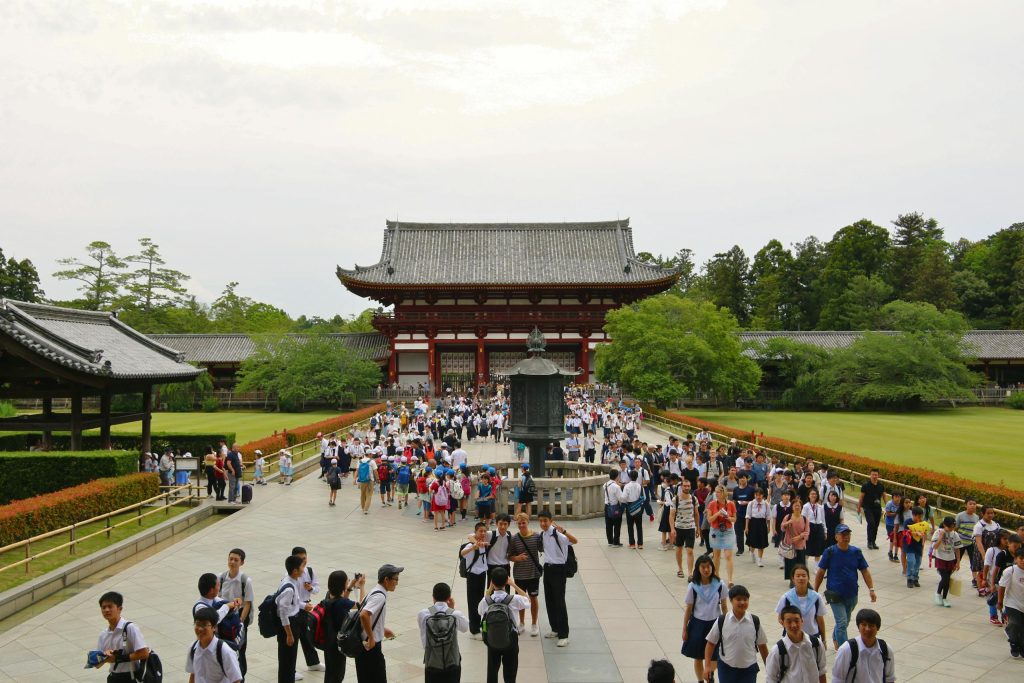
Prefectural officials and animal welfare experts manage the interactions between tourists and the famous bowing deer to prevent injuries and animal harassment. Following a rise in incidents where deer bit tourists or suffered from consuming plastic waste, authorities introduced stricter guidelines on feeding. Visitors are instructed to only feed the deer the official shika senbei crackers and to show empty hands immediately after feeding to deescalate the animals’ behavior.
Veterinarians and park staff conduct regular patrols to monitor the health of the deer and educate visitors on reading aggressive body language. The management strategy focuses on coexistence, emphasizing that the deer are wild animals protected as natural monuments, not domesticated pets. Aggressive behavior from the animals is often traced back to teasing by tourists, leading officials to issue stern warnings about proper conduct within the park boundaries.
Kamakura City In Kanagawa
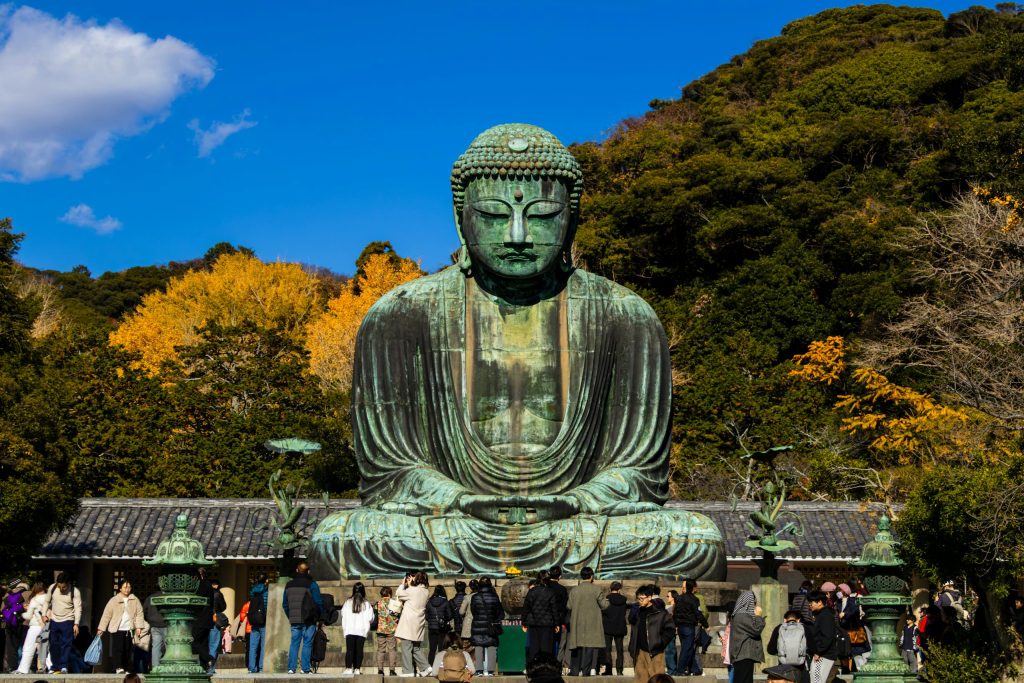
City planners in Kamakura passed a public ordinance requesting that visitors refrain from eating while walking to combat litter and nuisance. The regulation addresses complaints from local businesses and residents about discarded food packaging and spilled drinks damaging cultural properties and attracting rodents. While not a legally punishable offense with a criminal fine, the ordinance serves as a strong social directive to maintain the cleanliness of the historic streets.
Tourism association representatives promote the concept of stopping to enjoy food in designated areas rather than consuming it on the go. This approach aligns with traditional Japanese manners that value respecting the shared public space. By managing how and where food is consumed, the city preserves the serene atmosphere of its shrines and temples, preventing the commercial shopping streets from becoming chaotic and dirty.
Miyajima Island In Hiroshima
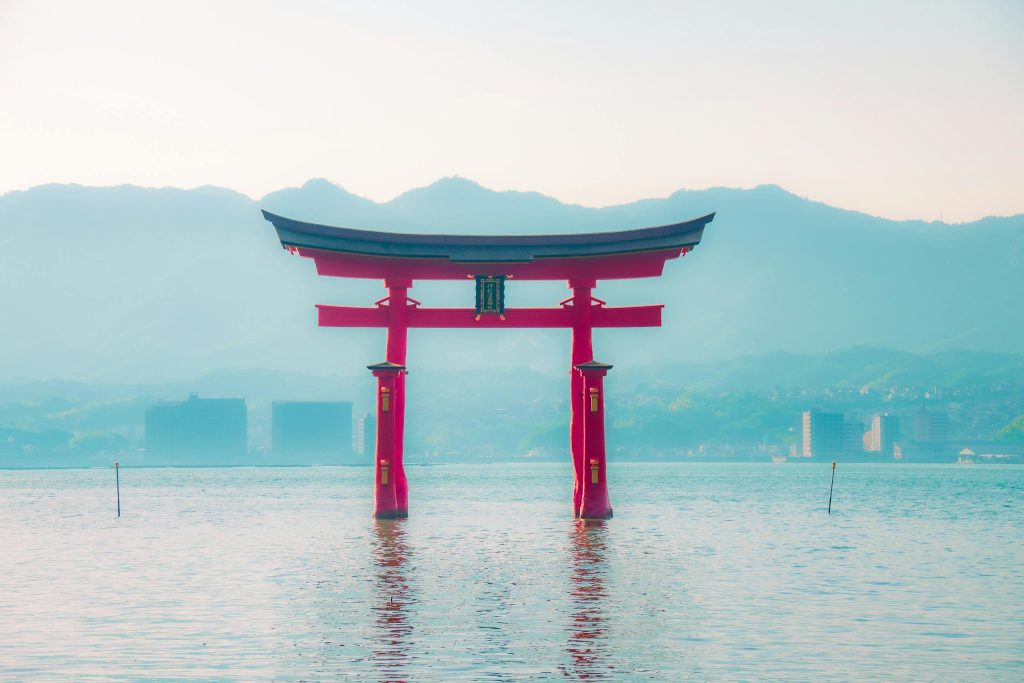
Hatsukaichi City officials introduced a visitor tax for all travelers entering Miyajima Island to fund the maintenance of its aging infrastructure and waste management systems. The tax is included in the ferry fare and addresses the financial burden placed on the small island municipality by millions of annual day-trippers. Heritage preservationists note that the revenue is vital for protecting the UNESCO World Heritage site of Itsukushima Shrine and the surrounding forests.
Sanitation experts explain that the island has no trash cans in public areas to prevent wild deer from ingesting plastic. Visitors are required to carry all their garbage back to the mainland, a rule that is strictly communicated at ferry terminals. This carry-in carry-out policy forces tourists to take personal responsibility for their environmental footprint and keeps the sacred island pristine without the need for massive industrial waste collection on site.
Shibuya District In Tokyo

The mayor of Shibuya Ward and local law enforcement have instated a year-round ban on nighttime street drinking to curb noise pollution and littering. Urban sociologists observe that the district had transformed into a center for unruly public intoxication, particularly during Halloween and New Year’s Eve. The ordinance empowers security patrols to instruct individuals to stop drinking alcohol in public spaces, prioritizing the safety and peace of the local community.
Public safety commissioners highlight that the ban targets the nuisance caused by large groups blocking streets and engaging in vandalism. The shift away from a tolerance of street partying marks a significant change in the management of Tokyo’s nightlife districts. By reclaiming the streets for general pedestrian use, the ward aims to promote a more orderly and safe environment for residents and visitors alike.
Iriomote Island In Okinawa
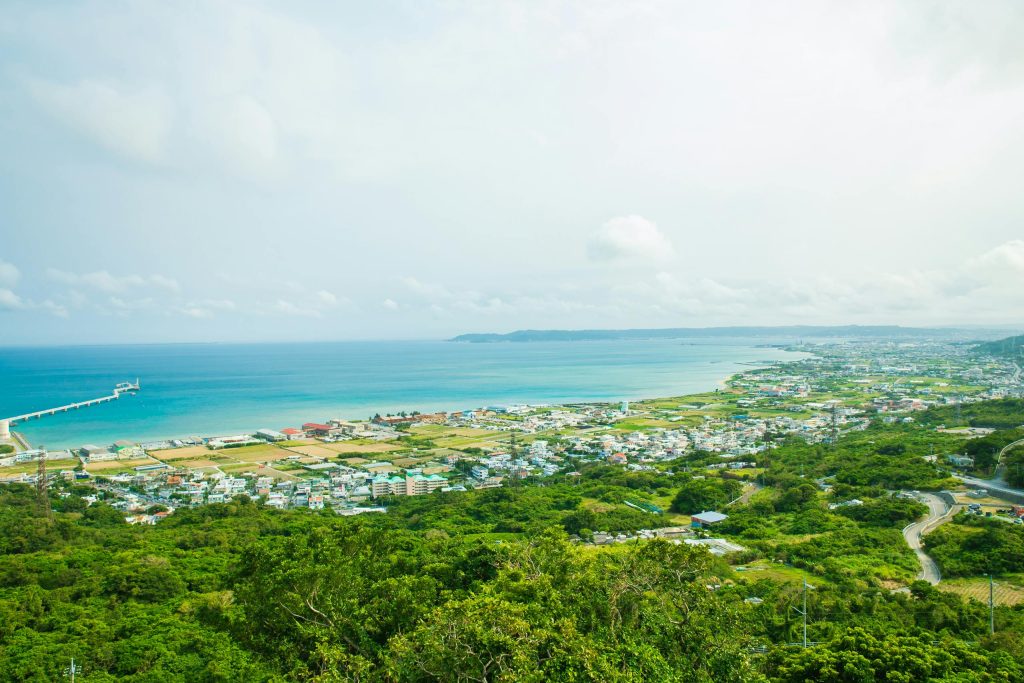
The Ministry of the Environment and local conservationists enforce a cap of 1,200 visitors per day to protect the habitat of the critically endangered Iriomote wildcat. Ecotourism guidelines dictate that visitors must be accompanied by licensed guides when entering specific preservation zones. Biologists warn that unchecked human traffic disrupts the fragile ecosystem and increases the risk of roadkill incidents involving the rare wildcats.
Island officials utilize a monitoring system to track tourist numbers and ensure compliance with the limitations. The management plan prioritizes the survival of the island’s biodiversity over the expansion of the tourism economy. Nature guides play a crucial role in enforcing rules regarding off-trail hiking and plant collection, ensuring that the human impact on the UNESCO World Natural Heritage site remains within sustainable limits.
Biei Town In Hokkaido
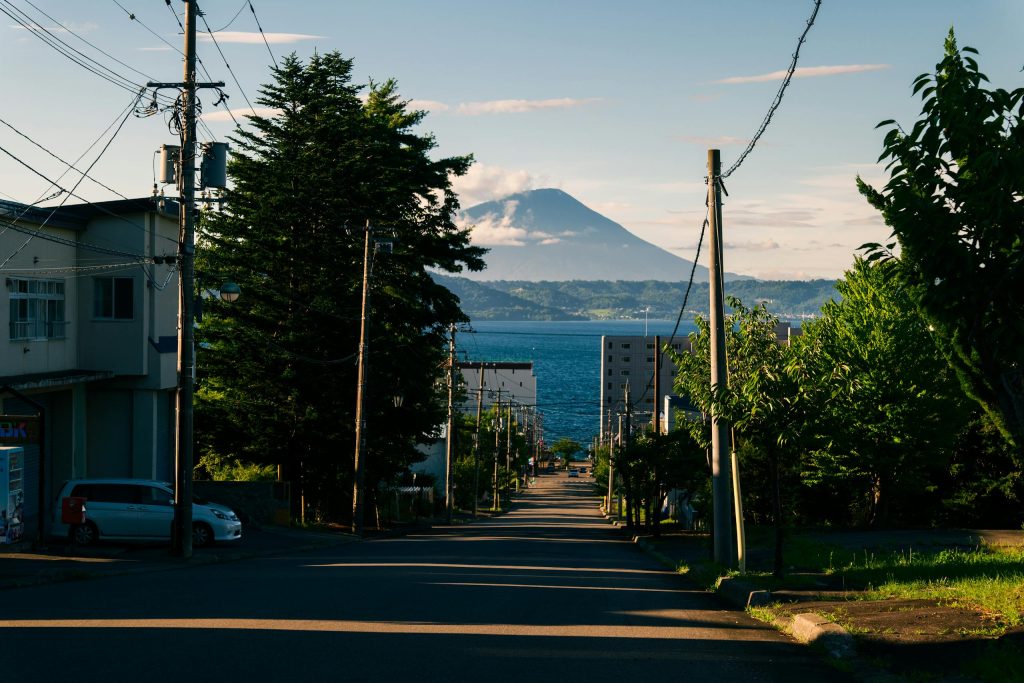
Agricultural associations and local farmers in Biei have erected signs and barriers to prevent photographers from trespassing on private farmland. The picturesque rolling hills attract thousands of visitors seeking the perfect photo, but agricultural experts warn that bacteria on shoes can devastate crops. The famous Philosophy Tree was cut down by its owner after years of tourists trampling the field and damaging the tree’s roots, serving as a stark reminder of the conflict.
Tourism boards now aggressively promote the rule that visitors must stay on paved roads and never enter the fields. The landscape is a working agricultural zone, not a public park, and the economic livelihood of the farmers takes precedence over tourism. By managing the movement of photographers, the town attempts to save the remaining scenic trees from suffering a similar fate due to soil compaction and disease.
Ghibli Park In Aichi
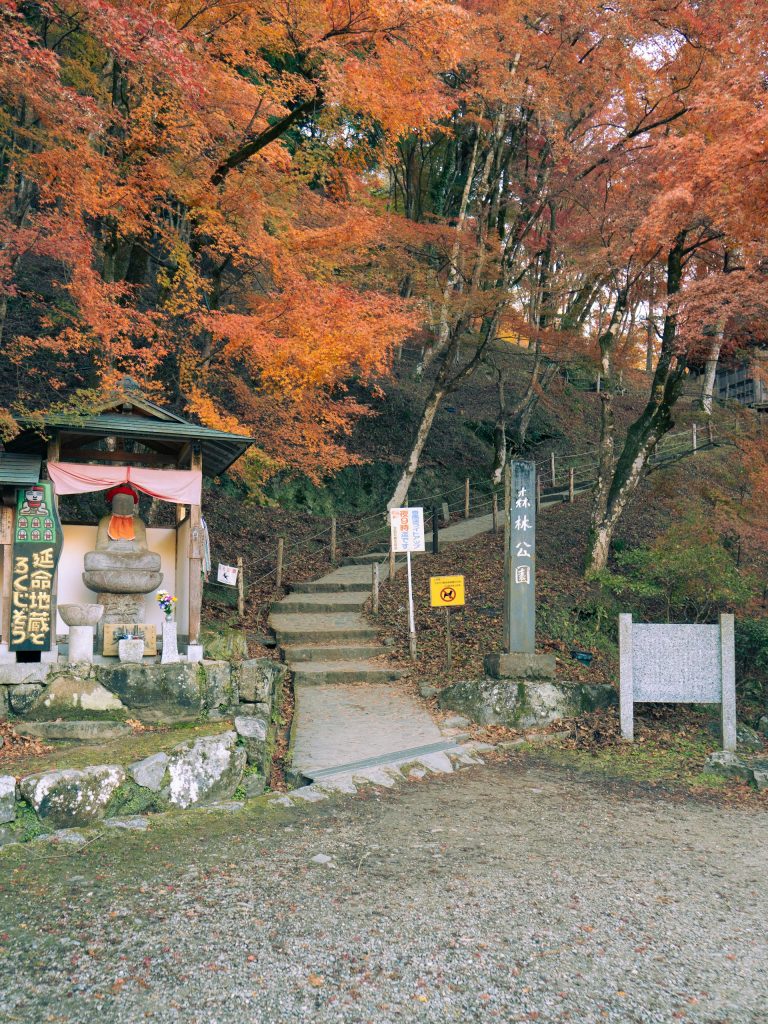
Park directors and the creative team behind Studio Ghibli enforce strict rules prohibiting photography in most indoor areas and the Grand Warehouse. The policy is designed to encourage visitors to experience the exhibits with their eyes and hearts rather than through a camera lens. Museum curators explain that this management style preserves the immersive narrative of the park and prevents the congestion caused by people stopping to take selfies.
Ticket regulations are also tightly managed, with names printed on tickets and random ID checks to prevent scalping. The park operates on a reservation-only basis with specific entry times to control crowd density. This meticulous management ensures that the atmosphere remains whimsical and unhurried, reflecting the slow and thoughtful pace found in the studio’s films.
Shirakawa-go Village In Gifu
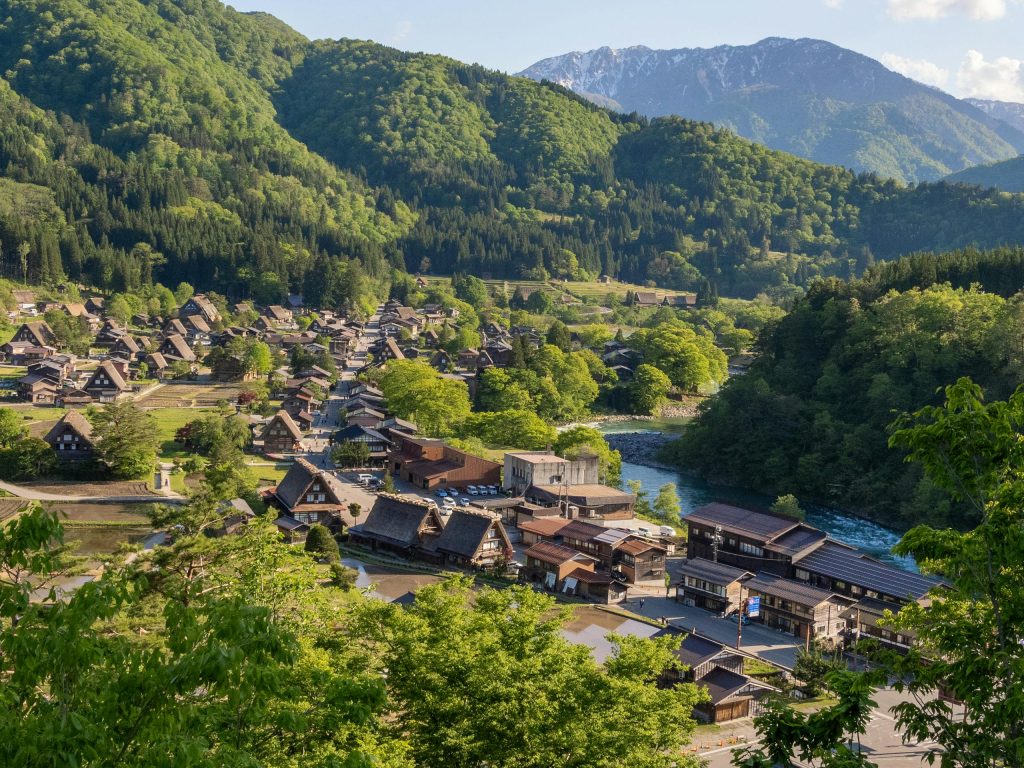
Village officials and fire safety experts strictly regulate access to the historic Gassho-style houses, particularly during the winter light-up events. Due to the high risk of fire in the thatched-roof structures, entry to the observation deck and the village during these events is by reservation only. Heritage conservationists note that the village is a living community, and the influx of tourists must be controlled to prevent the obstruction of emergency vehicle routes.
The management committee enforces rules against smoking outside designated areas and entering private property. Residents have installed surveillance cameras to monitor tourist behavior and deter vandalism. The preservation of the World Heritage site relies on a delicate balance between welcoming visitors and protecting the wooden architecture from the dangers posed by massive, unregulated crowds.
Koyasan Okunoin In Wakayama
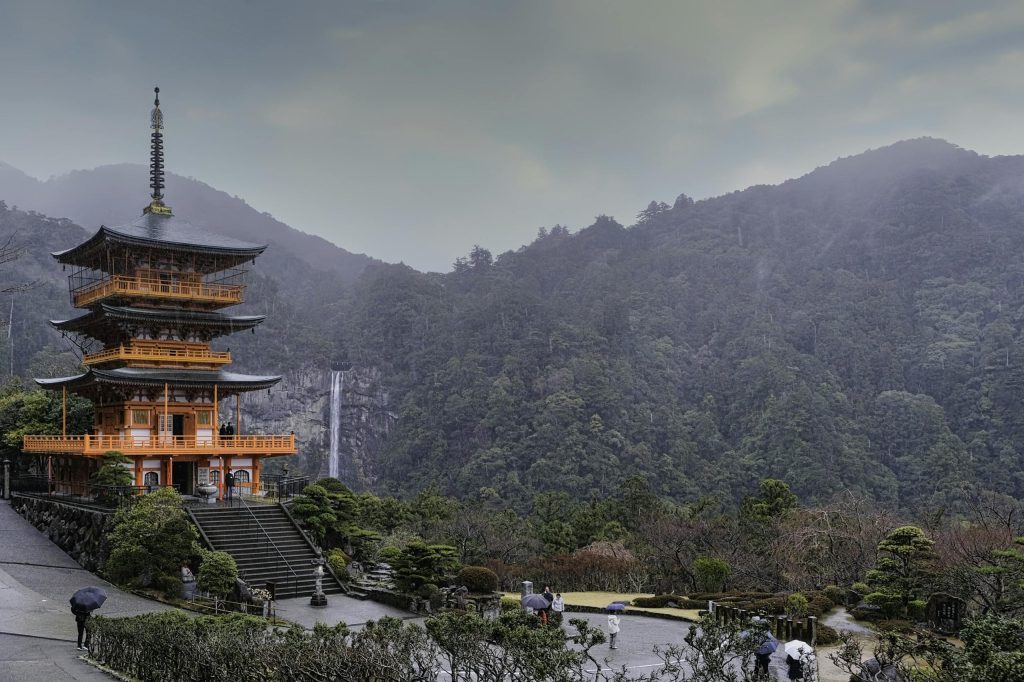
Monastic authorities at the Okunoin cemetery prohibit photography, eating, and drinking in the most sacred areas near the mausoleum of Kobo Daishi. Religious scholars explain that the site is a place of deep spiritual significance where the founder of Shingon Buddhism is believed to rest in eternal meditation. The ban on photography preserves the solemnity of the pilgrimage site and prevents the distraction of shutter noise and flashes.
Temple administrators maintain a quiet atmosphere by requesting that visitors lower their voices and dress respectfully. The management of tourist behavior is rooted in religious protocol rather than secular law. By enforcing these boundaries, the monks ensure that the site remains a functioning center of worship rather than becoming merely a visual spectacle for tourists.