11 Destinations That Are Honest About Their Trade-Offs (Whether You Like It or Not)
Some destinations feel like polite sales pitches, promising ease while hiding the hard parts until arrival. Others state the terms early: what costs more, what needs reservations, what weather interrupts, and what crowds change about daily life. That honesty can sound blunt, but it helps travelers choose the right season, route, and budget without resentment. These places still deliver beauty, food, and story. They simply ask for planning, patience, or comfort with constraints, then reward steady travelers with calmer days and fewer surprises.
Venice, Italy
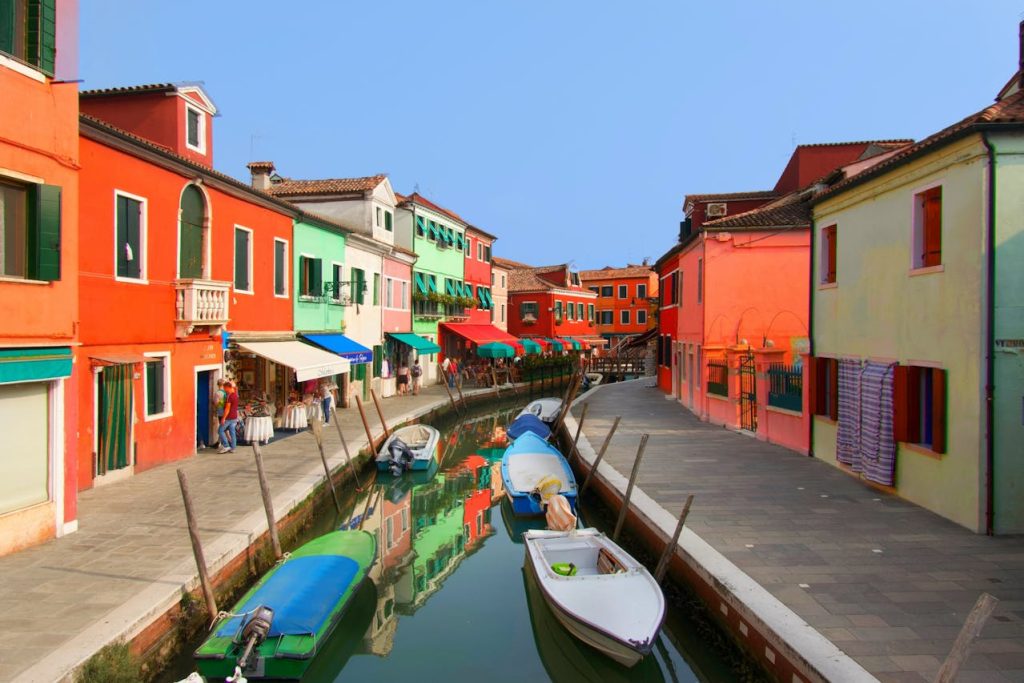
Venice is clear about the costs of fame: narrow lanes, small bridges, and vaporetto lines can bottleneck at midday, and prices in the historic center reflect constant demand. The trade-off is planning, from choosing quieter routes and booking key stops to accepting that some postcard views are shared and that small mistakes add time fast. The reward arrives at the edges of the day, when delivery boats glide by, bells echo across water, and the city feels lived-in: a passeggiata on the Zattere, mist on the canals behind Cannaregio, and a sunset ride to Giudecca that ends with cicchetti in a bacaro where tables turn slowly.
Reykjavík and the Ring Road, Iceland

Iceland is blunt about reality: weather turns fast, distances are real, and budgets need room for fuel, meals, and stays that can cost more than expected, even outside peak summer. The trade-off is flexibility, because wind, fog, or snow can close routes, slow driving, or erase a viewpoint, so plans work best with buffer hours, road-check habits, and a warm indoor backup in each region. In return, the trip delivers calm and scale, with geothermal pools, long empty roads, and small towns where soup, fresh bread, and a slow soak make the day feel complete even when the sky refuses to cooperate too.
Bhutan
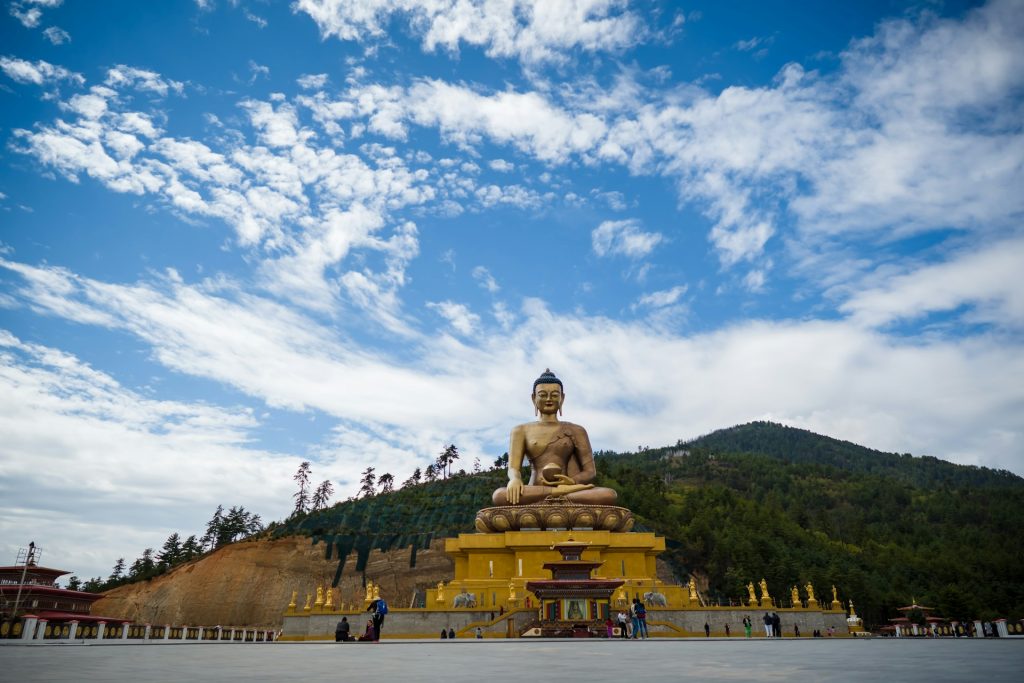
Bhutan sets expectations early and keeps the terms consistent, favoring a lower-volume travel model that protects culture and landscape and rewards patience over speed. The trade-off is cost and structure, since guides, permits, and logistics shape the rhythm, and daily routes are planned with respect for local customs, dress, and sacred spaces, including quiet conduct in temples. What comes back is a steadier pace, where etiquette is explained with care, dzongs and monasteries feel contemplative, and tea breaks, village walks, and mountain viewpoints land with quiet weight day after day, instead of hurry.
Galápagos Islands, Ecuador
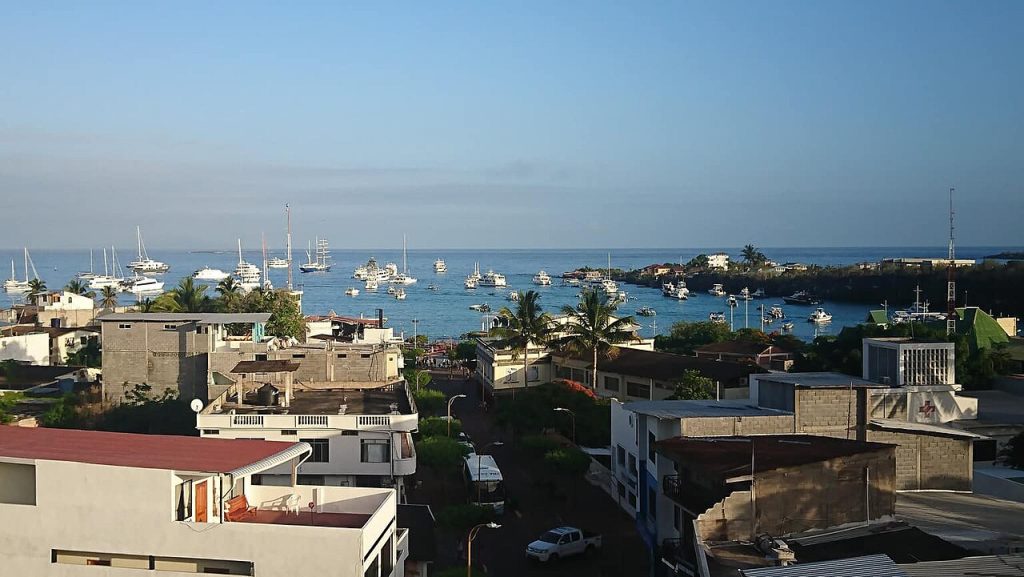
The Galápagos is honest that nature sets the terms, so visitor rules shape landings, snorkel windows, and trails, and many outings follow guided routines with briefings, fixed routes, and biosecurity checks. The trade-off is cost and less spontaneity, with days tied to boat schedules and protected zones that limit wandering, plus clear expectations about distance, footwear, and behavior around wildlife. The reward is rare authenticity: animals act naturally, beaches stay cared for, and snorkeling feels like entering a living world where the islands do not adjust to human impatience, even for a perfect photo.
Banff and Lake Louise, Canada
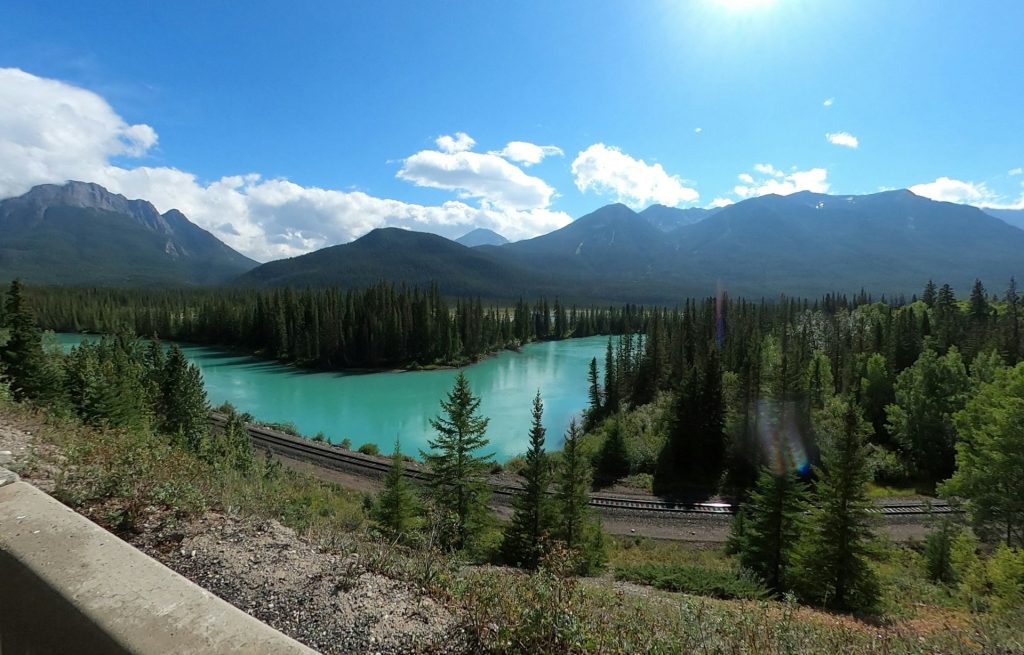
Banff is open about demand, especially around Lake Louise and Moraine Lake, where access in peak season often depends on shuttles, early starts, and timed planning. The trade-off is giving up casual parking fantasies and building the day around transit windows, weather, and trail conditions, which can feel strict when the light is perfect and the water is glassy. The upside is less gridlock and a calmer valley once the morning flow is understood, so with a packed lunch, a thermos, and an early shuttle, viewpoints feel breathable, lakeshore walks start in real quiet, and sunsets can be saved for easier trailheads.
Singapore
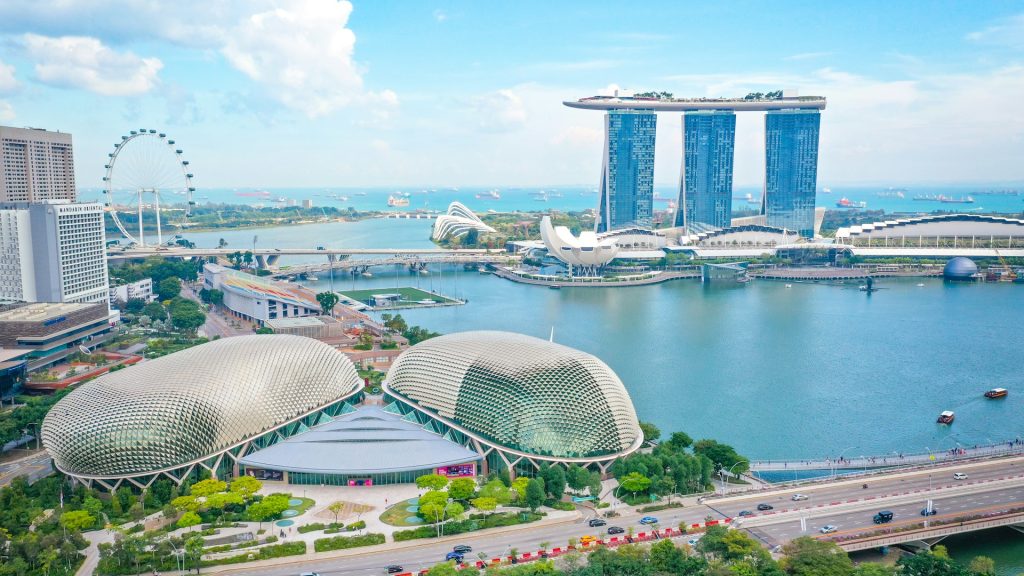
Singapore is straightforward: it runs on clear norms and efficient systems, and visitors feel that structure right away, from trains to crosswalks to orderly queues. The trade-off is humidity that can drain energy and prices that add up in popular districts, especially for hotels and nightlife, so midday breaks, water, and short walks beat heroic schedules. In exchange, the city is low-friction, with reliable transit, safe late evenings, hawker centers that handle crowds without chaos, and gardens and museums that reset a day in minutes, even when afternoon rain rolls in, and night walks stay easy.
Kyoto, Japan
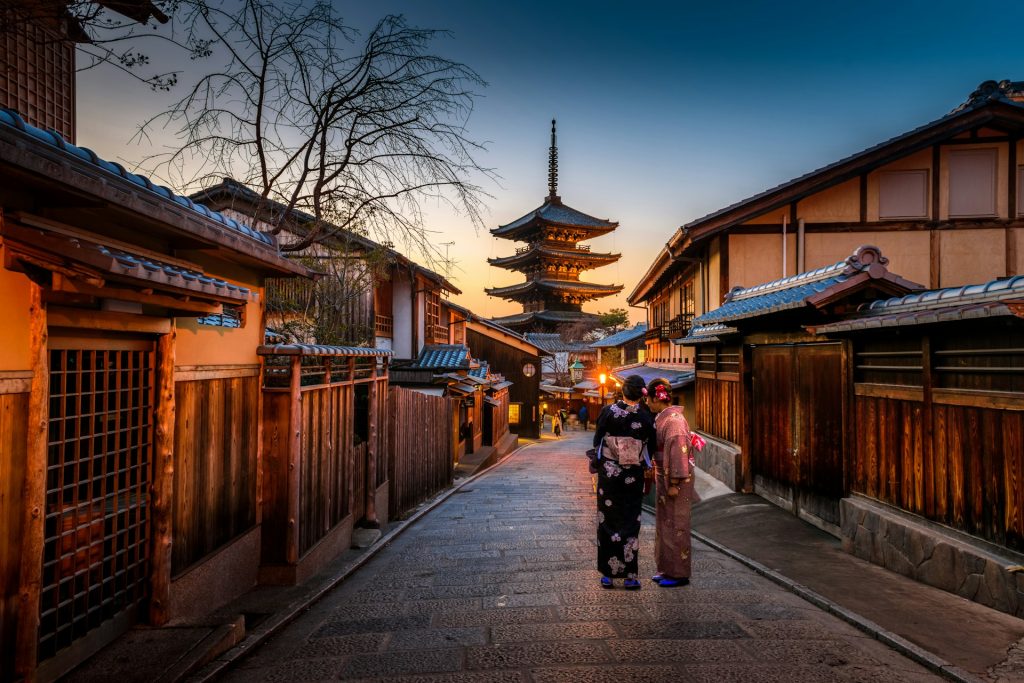
Kyoto does not pretend fame has no consequences, and during cherry blossom and autumn color peaks, the most photographed lanes and temples fill early and stay busy. The trade-off is sharing iconic scenes and practicing etiquette in close quarters, from packed buses to shrine approaches, where quiet behavior and patience are part of the visit. The reward shows up when craft leads the day: dawn shrine walks, a calm cycle along the Kamo River, small tea rooms, neighborhood baths, and workshops where ceramics, textiles, and sweets are made slowly, away from the loudest corners and quickest photo stops.
Patagonia, Chile and Argentina
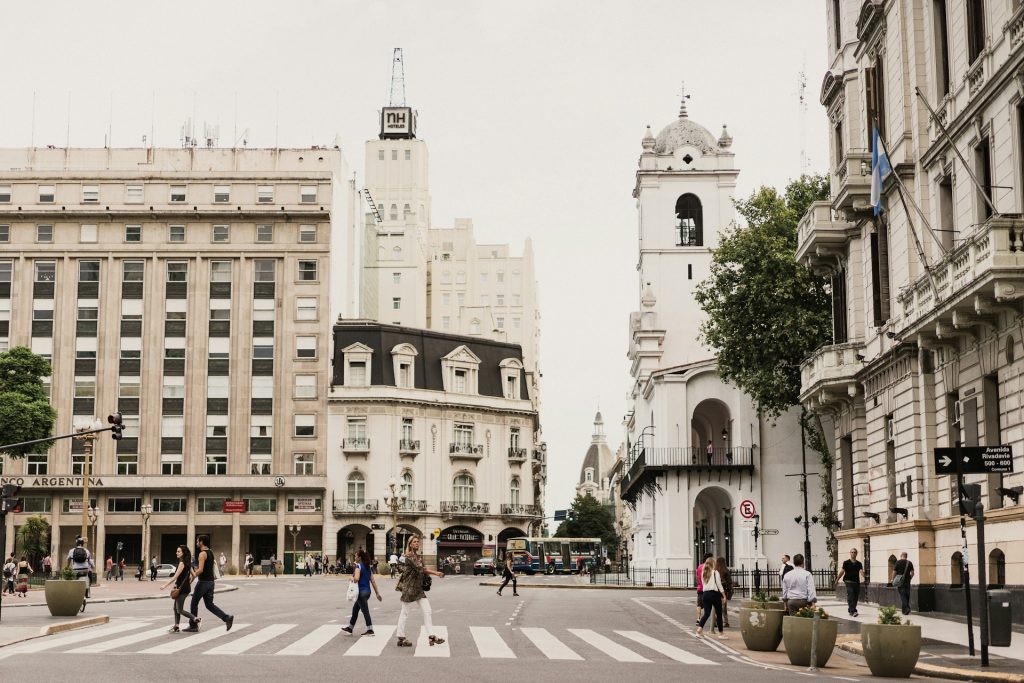
Patagonia is candid about effort: distances are long, schedules are fixed, and wind can dominate hikes and viewpoints, turning a simple day into a lesson in layers and pacing. The trade-off is logistics and buffer days, plus comfort with changes when conditions shift, from delayed ferries to rerouted buses, and it helps to book key beds and transport early. The payoff is scale and quiet, with glacial lakes, granite horizons, and trails that feel owned by the landscape, and trips feel best when rest days, packed lunches, and flexible mileage are treated as part of the plan even on long transfer days.
The Maldives
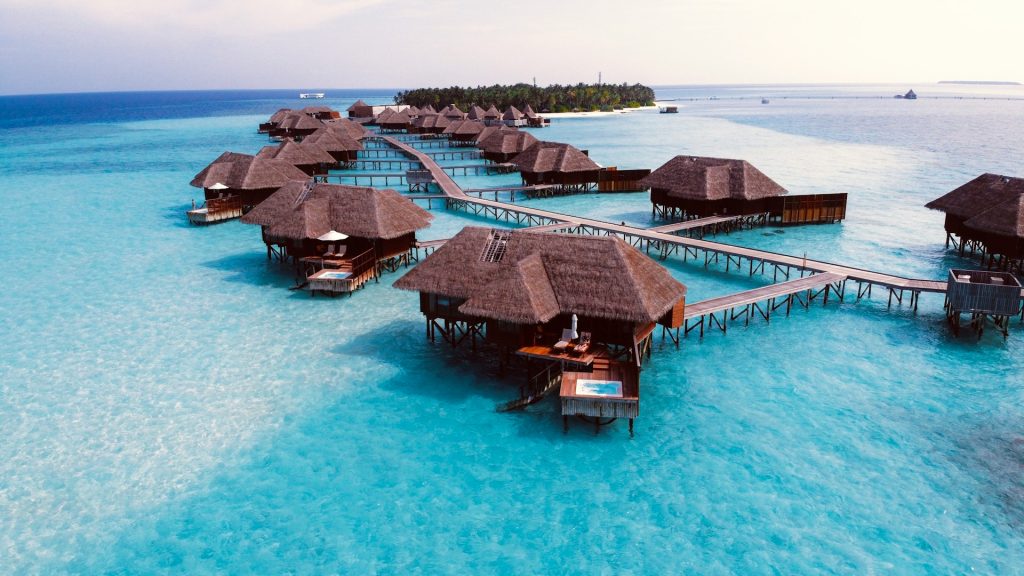
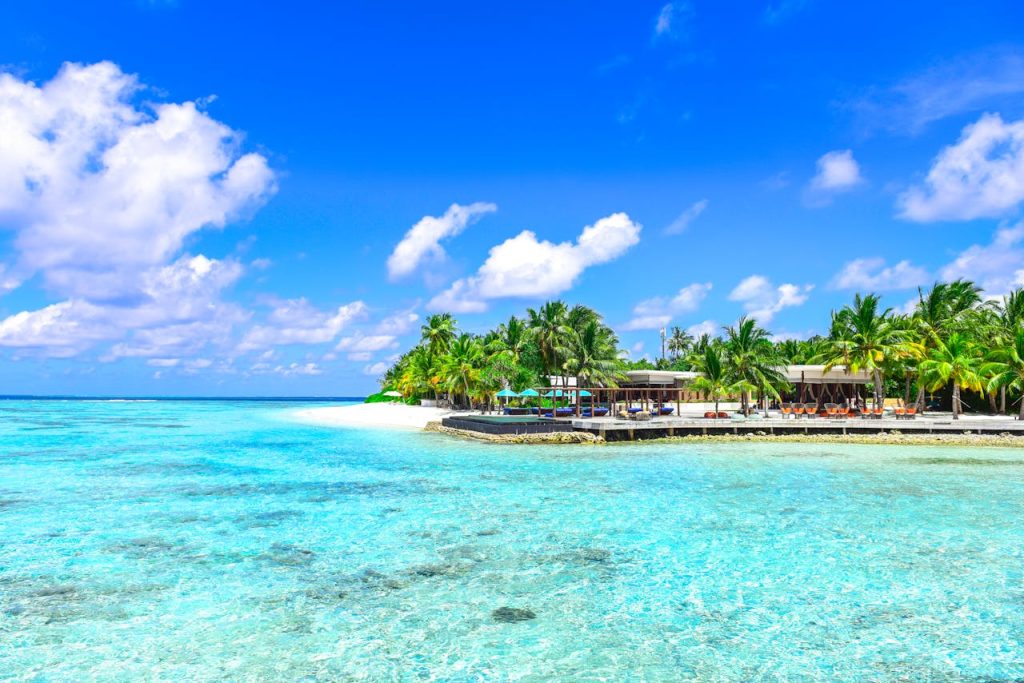
The Maldives is clear about what it offers: lagoon time, privacy, and a resort rhythm built for rest more than variety, with days shaped by tides and light. The trade-off is cost and a bubble effect, since transfers, meals, and activities can raise totals, and choices can feel limited if the island’s food and reef are not a good match for the group. In return, the experience is focused and restorative, with reef swims, quiet sandbars, and nights that do not demand constant entertainment, and a single-island stay often feels better because simplicity lets the body settle, with time left for reading.
New York City, New York
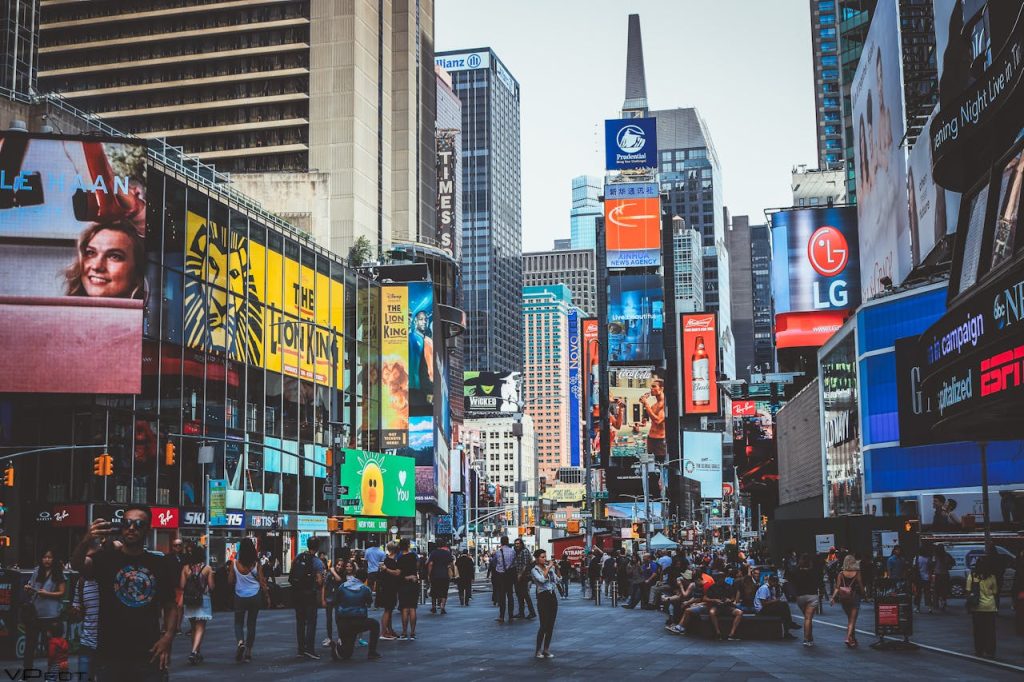
New York is upfront about intensity: space is tight, hotel rooms can be small, and the city expects stamina in exchange for museums, theater, and neighborhoods that change block by block. The trade-off is noise, expense, and decision overload, especially on short stays that try to do everything, so the smartest itineraries narrow the field on purpose and avoid rush-hour crossings. The reward comes with focus: one neighborhood a day, a weekday matinee, a long park walk, and a couple of reservations that remove friction, leaving room for quiet subway rides, bookstore stops, and unplanned street corners.
Dubai, United Arab Emirates
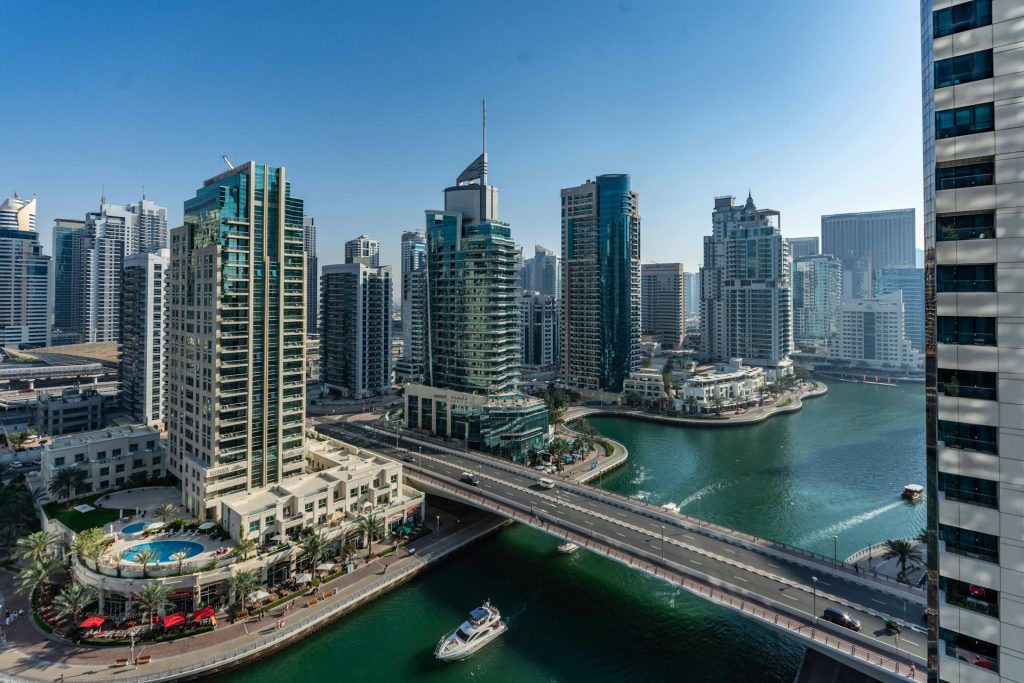
Dubai is frank about what shapes a good visit: heat sets limits for much of the year, distances favor rides, and much of the appeal is designed comfort rather than old-street wandering. The trade-off is less walkable spontaneity and costs that rise quickly around headline experiences, from observation decks to desert outings and dining with a view, so choices need a filter and a realistic pace. The upside is predictability and skyline spectacle that shines after sunset, when promenades cool down, old Dubai’s creek boats feel pleasant, and evenings stretch out without pressure or frantic timing.