11 Destinations That Feel Less Commercial in Winter
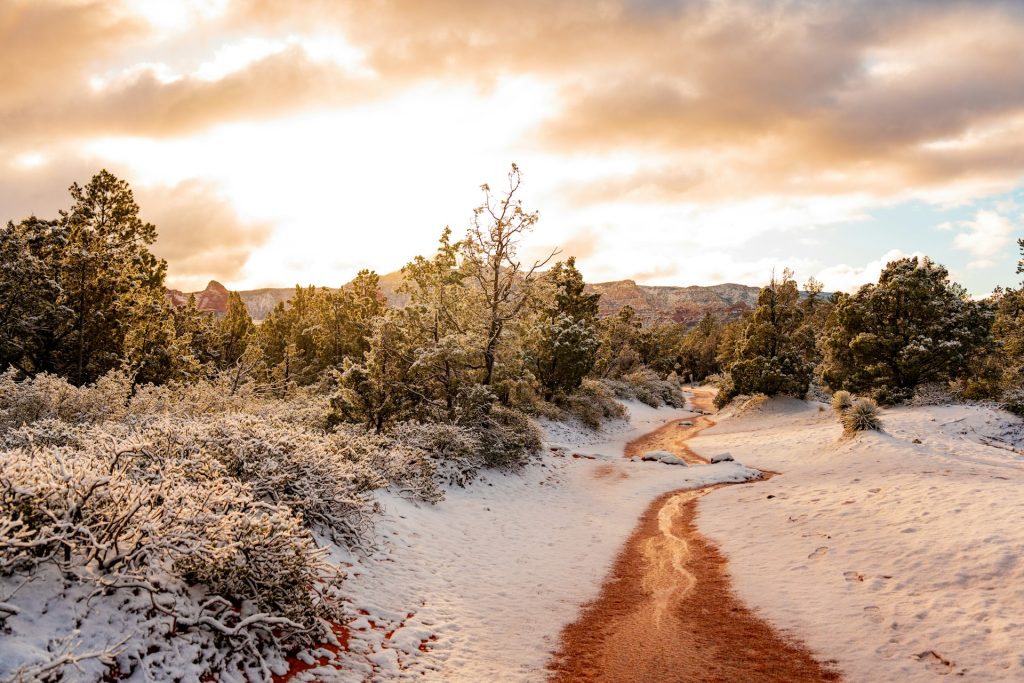
Winter can peel a destination back to its working life. When beach kiosks close and day-trip crowds thin, streets start sounding like routine again: footsteps, church bells, buses, and doors unlocking at a steady hour. Menus shrink, museum rooms feel breathable, and viewpoints stop acting like stages. The trip shifts from buying proof to noticing what stays when the selling pauses. These places still offer beauty, but winter edits the noise, leaving calmer mornings, cleaner light, and a pace that feels like it belongs to residents first. A warm café table or a quiet ferry ride can suddenly feel like the main attraction.
Venice, Italy
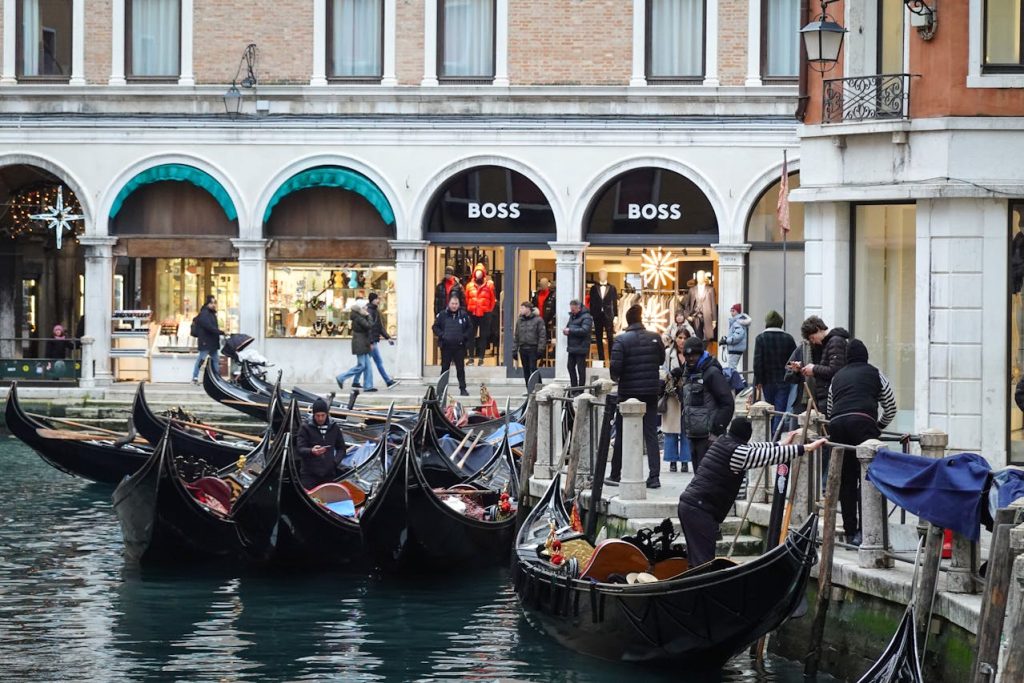
Venice in winter feels like the city exhaling. Many souvenir stalls shut, cruise-day surges ease, and fog softens the canals into a quieter palette. Routes between San Marco and Rialto become genuinely walkable, with room to stop, listen, and watch laundry sway over side lanes. A good day is one church or museum, one long coffee, and a late afternoon at a bacaro for cicchetti while vaporetti run like commuter buses. After dark, shutters click down early, and the hush becomes the real luxury. If high tide nudges the walkways, locals step around it with rubber boots and no drama. The city keeps moving.
Amalfi Coast, Italy
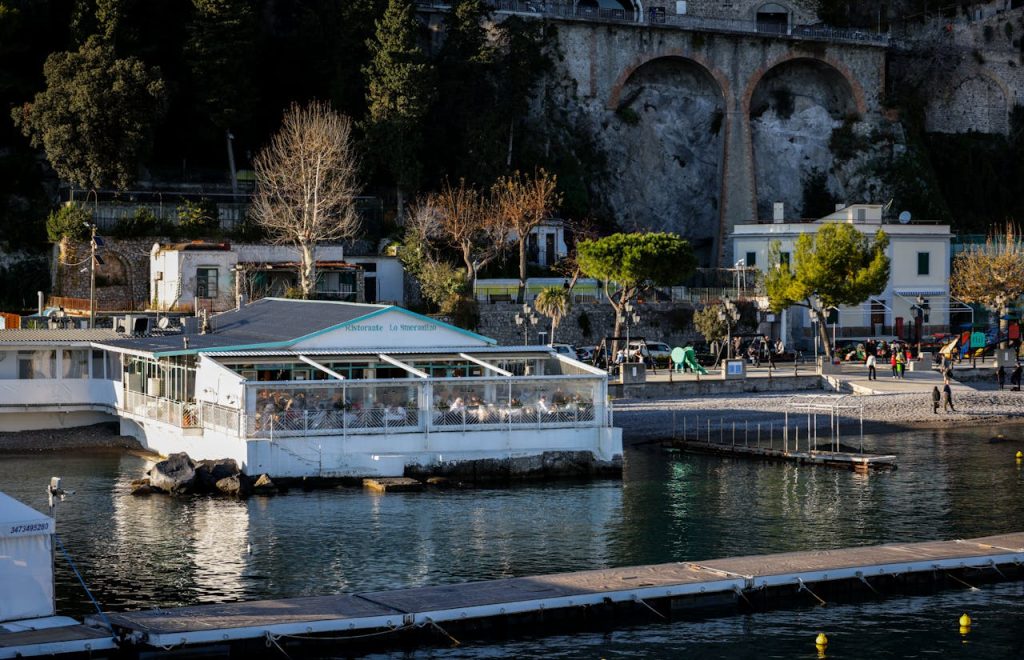
The Amalfi Coast loses its sales pitch in winter. Beach clubs close, ferry queues disappear, and the shoreline runs on resident routines instead of peak-season hype. With fewer day-trippers, viewpoints feel like viewpoints again, buses are easier to catch, and small towns such as Atrani and Minori read as neighborhoods, not backdrops. A balanced day is a short seaside walk, a villa garden or church visit, and a slow lunch with lemons on the table, followed by an early evening when shutters drop and the sea keeps talking in the dark. Cooler air also makes cliffside paths more comfortable, so steps feel easier and views feel earned.
Cinque Terre, Italy
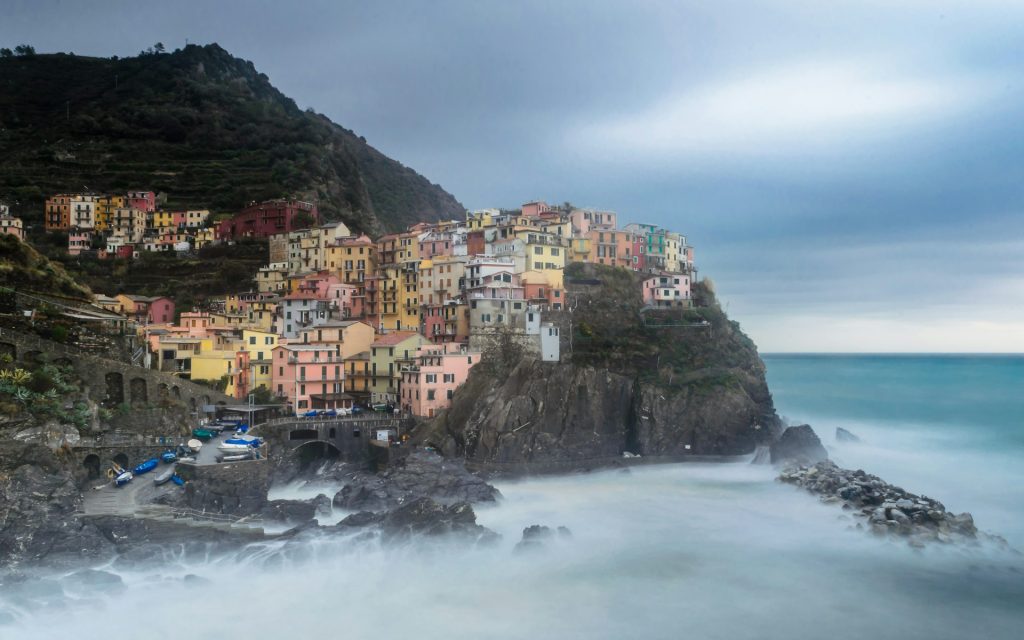
Cinque Terre in winter trades postcard bustle for ordinary life. Many day-trip shops close, the villages stop performing on demand, and the harbors belong to fishermen again. Painted houses look sharper against slate water, and espresso bars feel like community living rooms instead of quick pit stops. On clear days, a short trail segment and a few vineyard steps can be the main event, followed by anchovy pasta and warm focaccia. Dusk arrives early, trains link towns in minutes, and there is no pressure to sprint for the next photo. With fewer voices in the lanes, church bells and waves do most of the talking.
Dubrovnik, Croatia
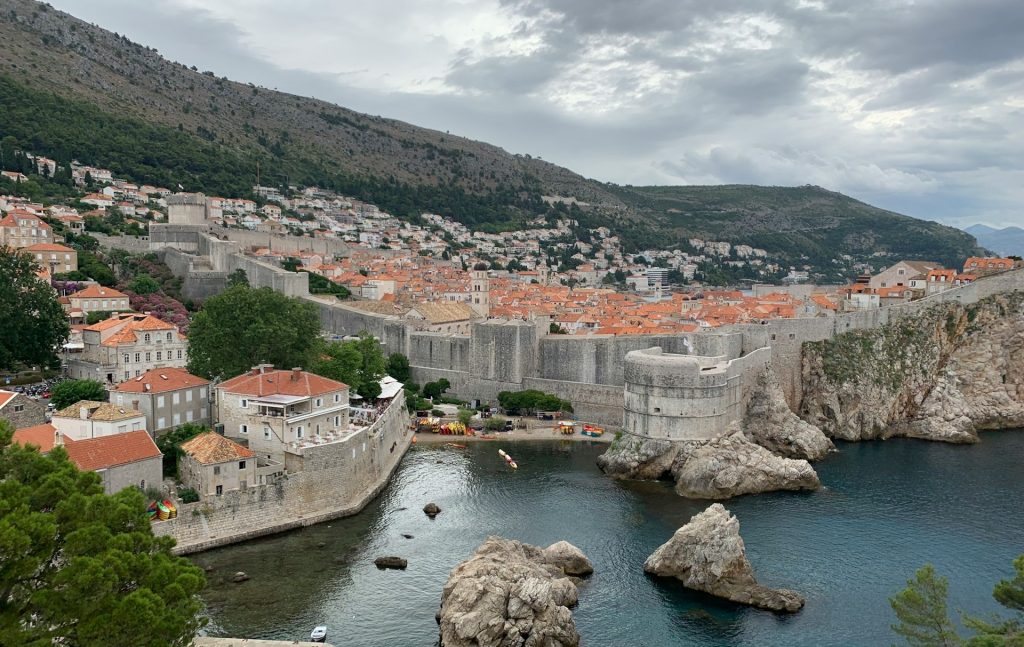
Dubrovnik feels less commercial in winter, when cruise schedules ease and the Stradun stops acting like a moving sidewalk. Souvenir racks thin out, cafés serve regulars, and the limestone streets feel roomy enough for a slower walk. Many restaurants run shorter hours and simpler menus, which nudges evenings toward local konobas and long coffee instead of constant reservations. The city walls are still dramatic, but the best part is the quiet between lookouts: a shopkeeper sweeping a doorway, kids heading to school, and sea air cutting cleanly through the old gates. Winter light makes the stone glow without the glare.
Santorini, Greece

Santorini in winter drops the glossy packaging and shows its bones: volcanic cliffs, quiet caldera paths, and villages running on errands instead of constant arrivals. Many boutiques pause, terraces empty, and buses feel manageable, so Oia and Fira read less like open-air malls and more like working neighborhoods with bakers at dawn. The reward is space for a long walk between towns, a museum hour in Akrotiri or Fira, and a late lunch as Aegean light shifts across the water. Windier evenings invite early sleep, and mornings return with clear views and calm. Even sunset feels quieter, more like a shared pause than an event.
Naxos, Greece
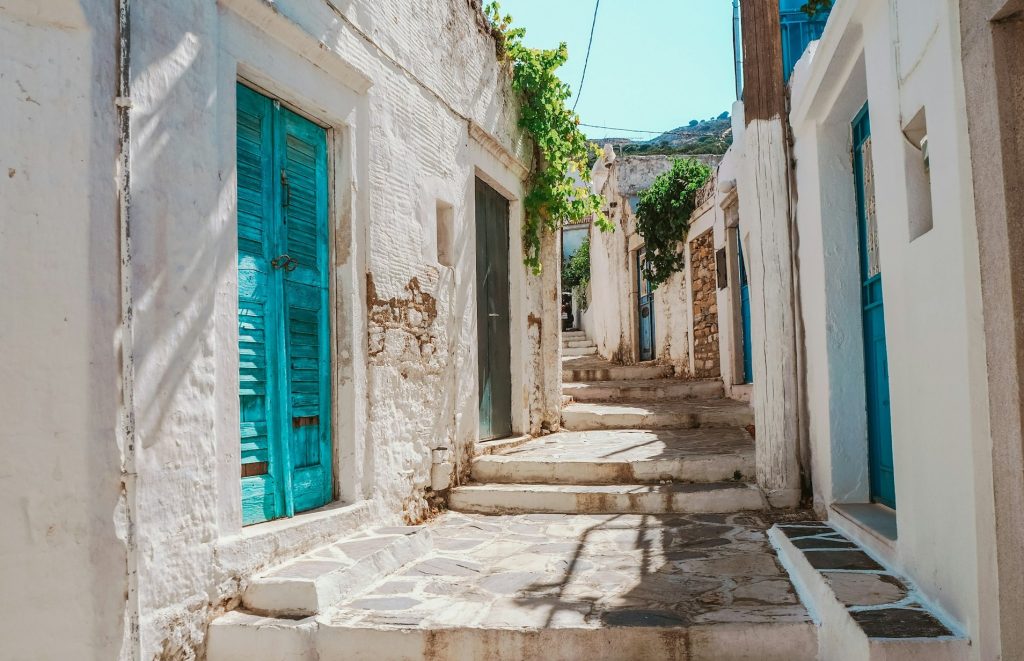
Naxos feels refreshingly noncommercial in winter because the island stops performing for peak-season crowds. Beachfront rows quiet down, ferries arrive with less fuss, and shops keep practical hours. Attention shifts inland to villages, olive groves, and stone lanes where tavernas cook what is fresh instead of what photographs well. A good day can include a short hike to an old tower, a stop for local cheese and citrus, and a long coffee in Chora while fishermen mend nets by the harbor. At night, shutters close early, woodsmoke drifts, and the island feels grounded. Empty beaches become walking paths, with wind and gulls for company.
Kyoto, Japan
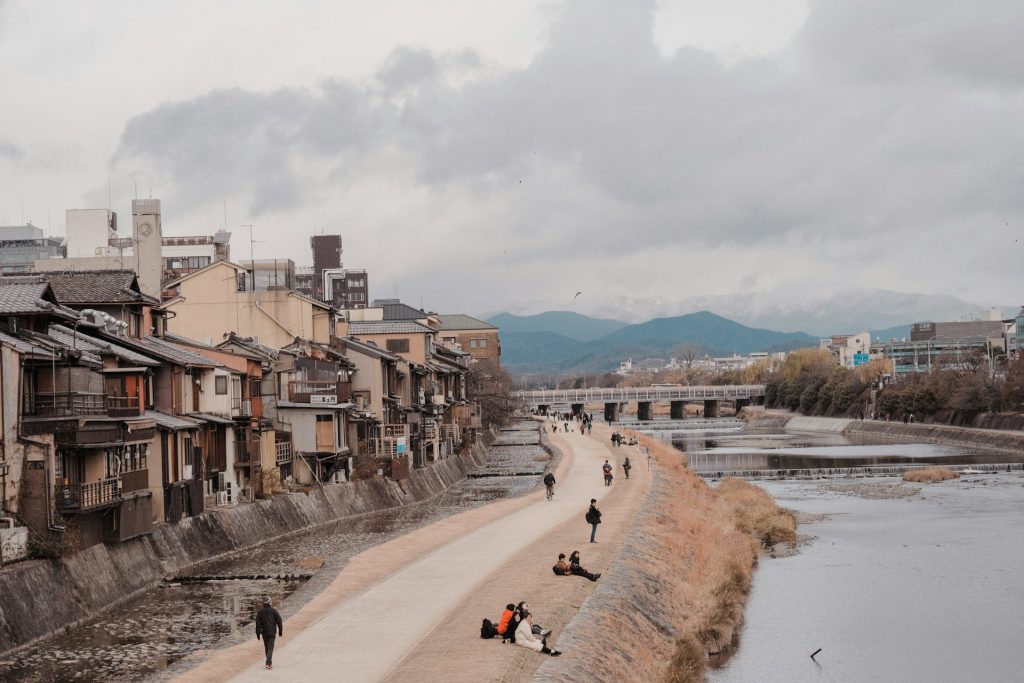
Kyoto in winter offers clarity: crisp air, fewer buses on ordinary weekdays, and temples that feel like places of practice instead of backdrops. Gardens look spare and deliberate, with raked gravel, bare branches, and steam rising from tea stands. Shopping streets still hum, but the strongest hours arrive early, when shrine gates open and courtyards are swept in near silence. A well-paced day is one temple, one neighborhood walk, and one warm bowl of noodles, followed by a slow Kamo River loop as dusk settles under lanterns. The city feels quieter without feeling closed. Seasonal sweets and hot tea replace the urge to browse.
Charleston, South Carolina
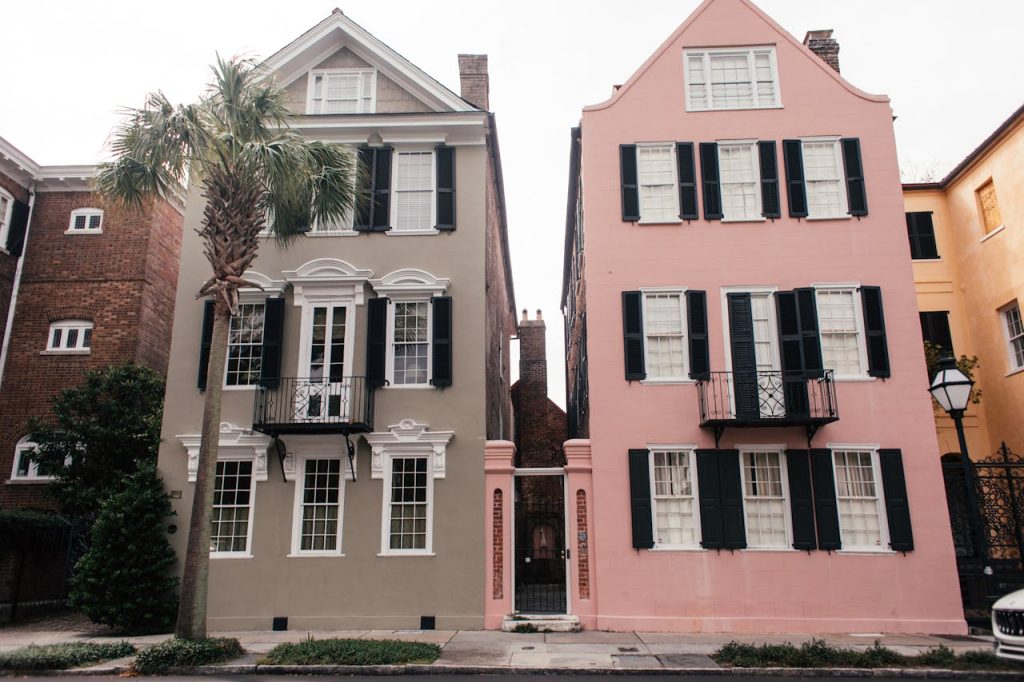
Charleston feels less commercial in winter, when humidity drops and the city is no longer trying to host a constant event. Mornings suit long walks past pastel houses, wrought-iron gates, and quiet piazzas, with time to step into a small museum without crowd pressure. Restaurants still shine, but reservations are easier, service feels more personal, and meals slow down in a good way. After lunch, the Battery and Waterfront Park offer wind off the harbor and wide sky, and evenings end early with soft porch lights and calmer streets. The charm feels lived-in, not packaged. Winter oyster season adds warmth without noise.
Big Sur, California
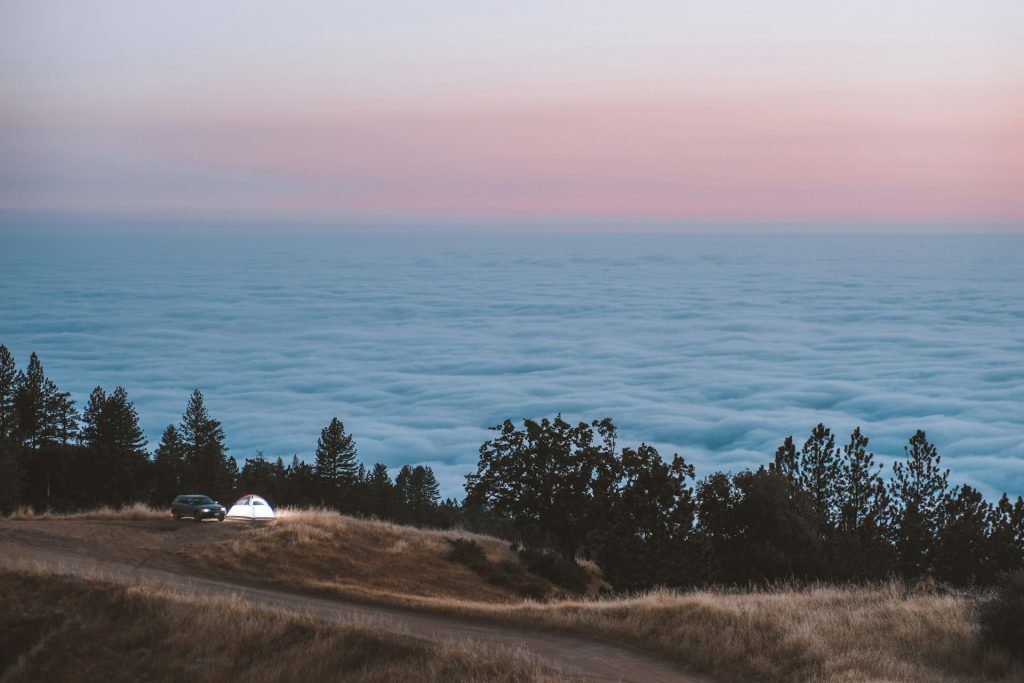
Big Sur in winter feels stripped back, because fog and storms turn the coastline into the only headline. Pullouts stay quiet, redwood trails feel cooler under the canopy, and the ocean’s sound becomes constant, with mist hanging over coves near McWay Falls and Pfeiffer Beach. With less congestion, the day can be a slow drive, one short hike, and a long pause at a cliffside bench watching pelicans ride the wind. Patchy cell service can feel like permission to stay present, then hot coffee and an early dinner carry the evening without needing anything else. Gray whales often pass offshore, making the horizon worth watching.
Sedona, Arizona
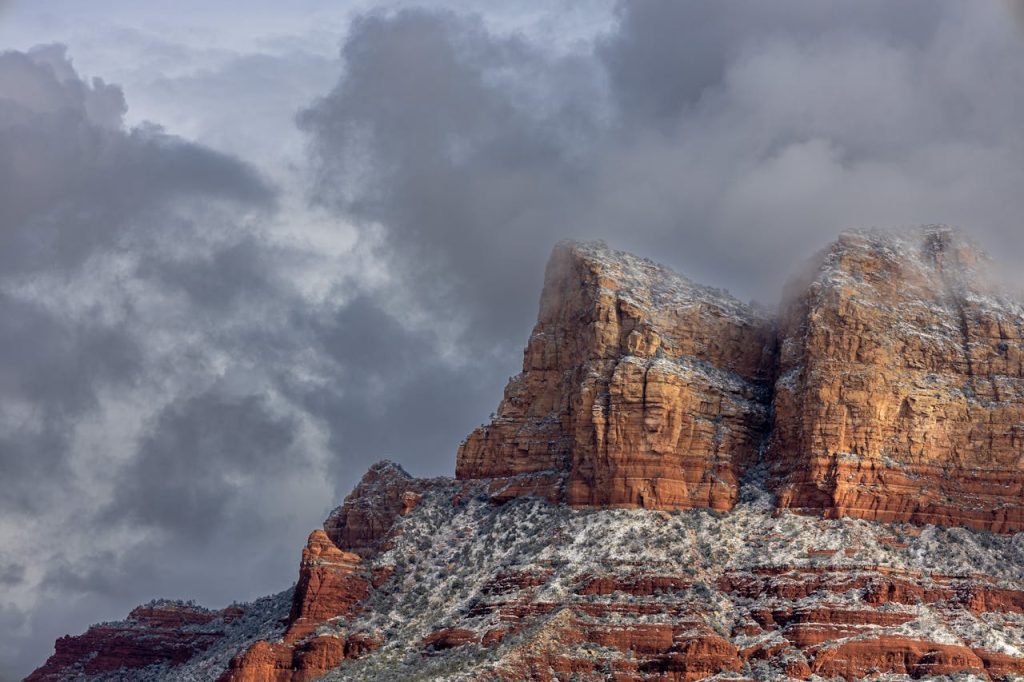
Sedona in winter leans away from retail buzz and toward what it does best: red-rock light, quiet trails, and dry air that makes mornings feel crisp. After the holiday rush, trailhead parking is easier, shuttle lines shrink, and the town reads more like a base camp than a shopping strip. A calm day can hold a sunrise walk on a mesa, a midafternoon break with soup or coffee, and a short drive as the rocks shift from rust to rose. With clear skies and early nights, stars arrive fast, and the desert quiet finishes the day. Short trails like Bell Rock or Fay Canyon fit neatly between rest and dinner.
Reykjavík and the South Coast, Iceland
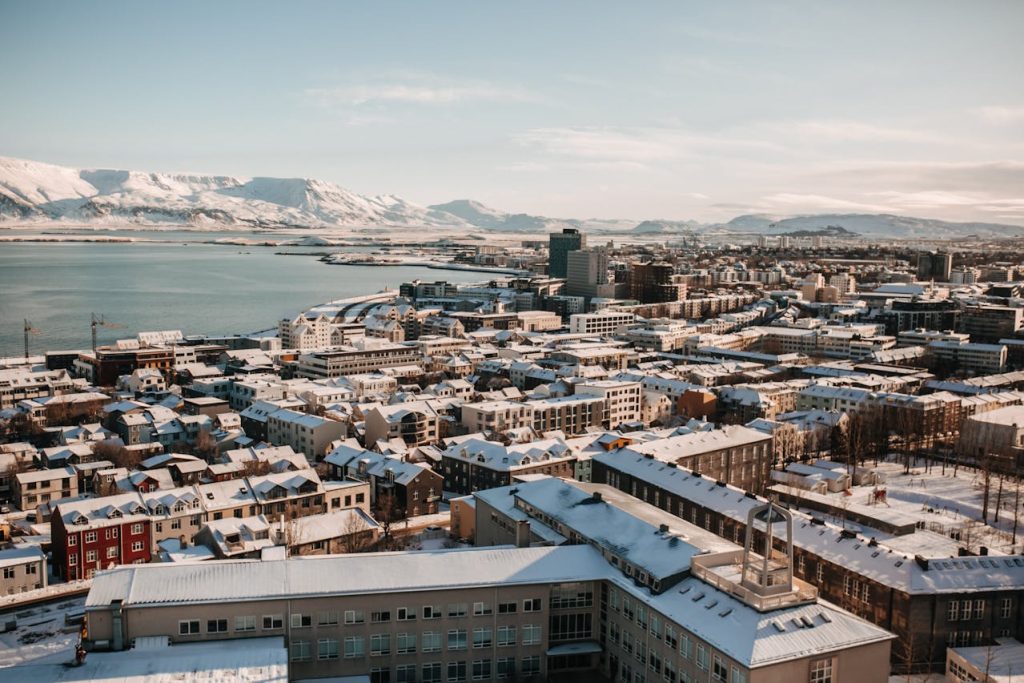
Reykjavík and the South Coast feel less commercial in winter because daylight is brief and the weather sets honest limits. The city stays cozy with pools, bakeries, and compact museums, while the coast becomes quiet stops between squalls: one waterfall, one black-sand stretch, one warm bowl of soup. Tours exist, but the best moments land in the margins, when wind clears and the landscape snaps into focus, then softens again. A geothermal soak ends the day, and early sleep feels natural. On clear nights, northern lights can appear without turning the visit into a chase. Fewer campervans and calmer roads make each stop feel personal.