11 Destinations That Feel Personal, Even on a First Visit

Travel psychologists and cultural anthropologists observe that certain global destinations possess a unique ability to bypass the standard tourist experience, creating an immediate sense of familiarity and emotional resonance. Experts suggest that this phenomenon, often termed “place attachment,” occurs when the scale of a city, the rhythm of its streets, and the openness of its residents align with deep-seated human desires for community and belonging. Unlike hyper-commercialized hubs that prioritize transactions, these locations thrive on organic interactions and a visible, lived-in history that invites outsiders to participate rather than just observe.
Urban planners and hospitality consultants emphasize that the structural layout of a destination significantly influences how quickly a newcomer feels at home. Destinations with walkable neighborhoods, central public squares, and a high density of independently owned businesses allow travelers to establish “local” routines within days of arrival. This architectural and social intimacy removes the psychological barrier of being a stranger, replacing it with the comfort of shared spaces and predictable social rituals. The following eleven locations represent the global standard for destinations that offer an instant, personal connection.
San Miguel De Allende In Mexico
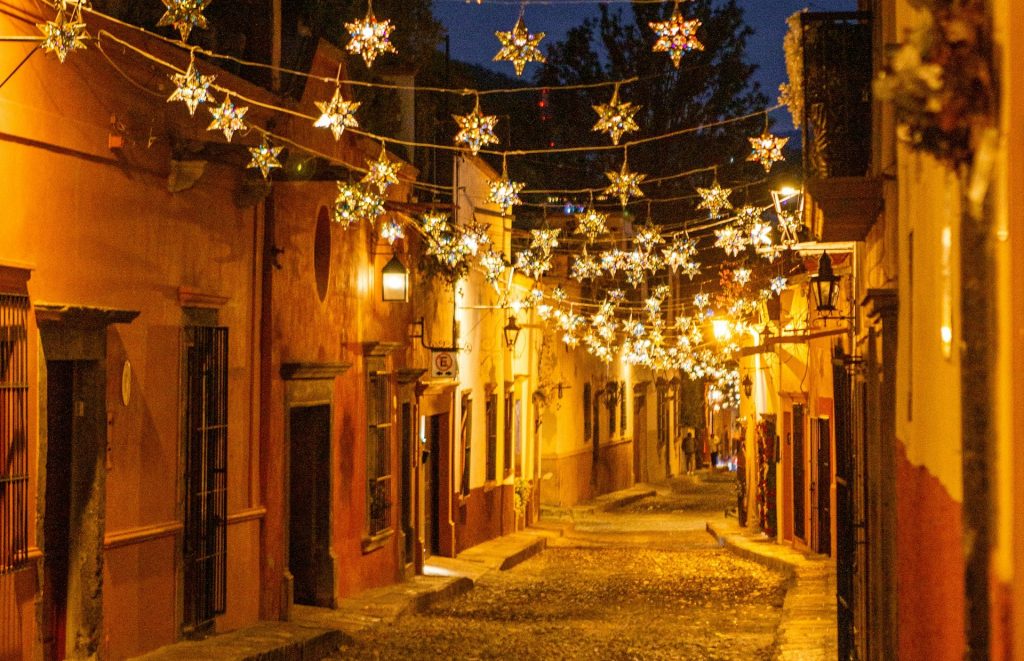
Cultural historians and real estate analysts frequently identify San Miguel de Allende as a premier example of a town that embraces its visitors as temporary citizens. The central plaza, known as El Jardin, serves as the community living room where the absence of a frantic pace allows for spontaneous conversation between locals and travelers. Architects note that the colonial-era streetscapes and vibrant colors create a warm, enveloping atmosphere that feels protective and welcoming.
Hospitality experts observe that the town’s artistic legacy encourages a culture of openness and shared creativity. With numerous workshops and galleries integrated into residential blocks, the barrier between professional and personal life is softened. This integration allows a first-time visitor to feel like a participant in the local artisanal tradition rather than a mere consumer. The rhythmic tolling of church bells and the evening social strolls further cement a sense of inclusion in the town’s daily life.
Kyoto In Japan
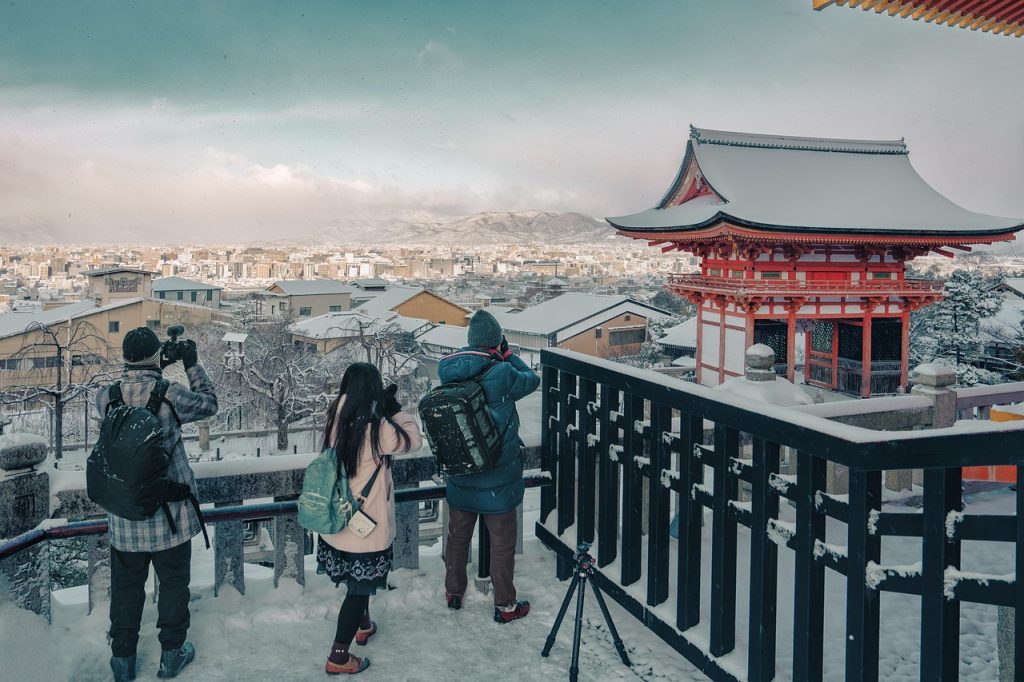
Cultural anthropologists and urban sociologists describe Kyoto as a city where the profound respect for tradition creates a serene and predictable environment that is deeply comforting to newcomers. While the city is a major metropolitan area, the preservation of the machiya townhouses and narrow stone-paved lanes in districts like Gion maintains a human scale. Experts explain that the Japanese concept of “omotenashi,” or selfless hospitality, ensures that every interaction feels personalized and sincere.
Environmental psychologists note that the city’s integration of nature, from the philosopher’s path to the hidden temple gardens, provides numerous spaces for solitary reflection that feel private and intimate. The repetitive and graceful nature of local rituals, such as the tea ceremony or the seasonal observation of blossoms, offers a structured way for outsiders to engage with the culture. This predictability combined with the gentle demeanor of the residents allows a first visit to feel like a return to a place of quiet significance.
Savannah In Georgia
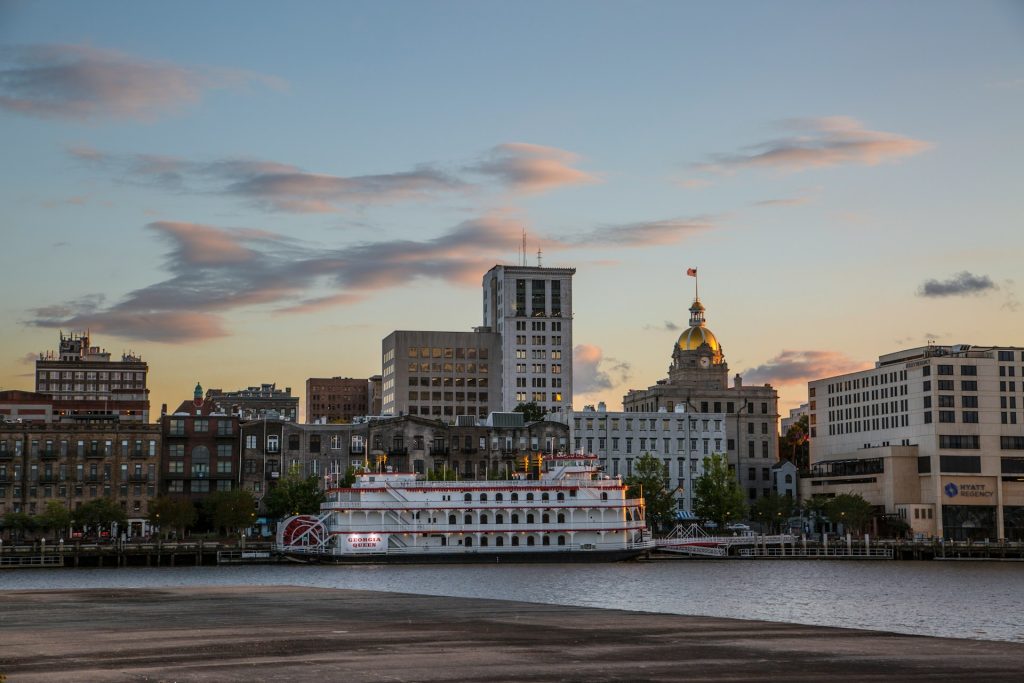
Urban planners and historic preservationists often cite Savannah as the most approachable city in the American South due to its unique grid of twenty-two public squares. These green spaces act as communal anchors, ensuring that no resident or visitor is more than a few minutes away from a park. Experts note that the towering live oaks draped in Spanish moss create a natural canopy that makes the city feel like a series of interconnected outdoor rooms.
Sociologists highlight the “front porch” culture of the city, where the architectural focus on outdoor living encourages frequent, casual interactions with neighbors. The pace of life is intentionally slower, governed by the humidity and the historic weight of the surroundings. This environment allows travelers to quickly establish favorite local haunts, from corner bookstores to neighborhood cafes, where the staff often remembers a face after a single visit. The intimacy of the landscape makes the city’s complex history feel like a shared family story.
Luang Prabang In Laos
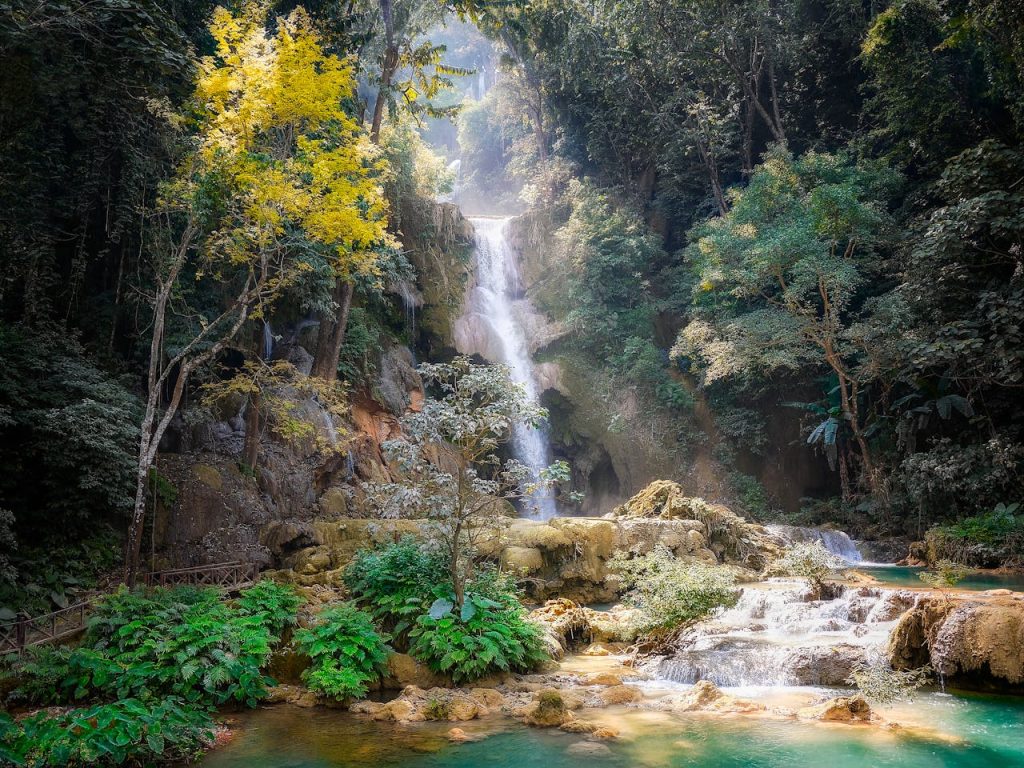
Religious historians and sustainable tourism experts describe Luang Prabang as a sanctuary where the spiritual rhythm of the resident monks dictates the flow of daily life. The morning ritual of “tak bat,” or almsgiving, creates a quiet, communal bond between the monasteries and the local population that is visible to every visitor. Experts explain that the absence of high-rise buildings and neon signage allows the natural beauty of the Mekong and Nam Khan rivers to remain the dominant sensory experience.
Hospitality consultants note that the local architectural style, a blend of traditional Lao and French colonial influences, creates a domestic and unpretentious environment. The town is small enough to be navigated entirely by bicycle, which encourages a slower mode of exploration and more frequent eye contact with residents. This lack of distance between the traveler and the local community fosters an immediate sense of peace and a feeling that one has stepped into a well-preserved, multi-generational home.
Galway In Ireland
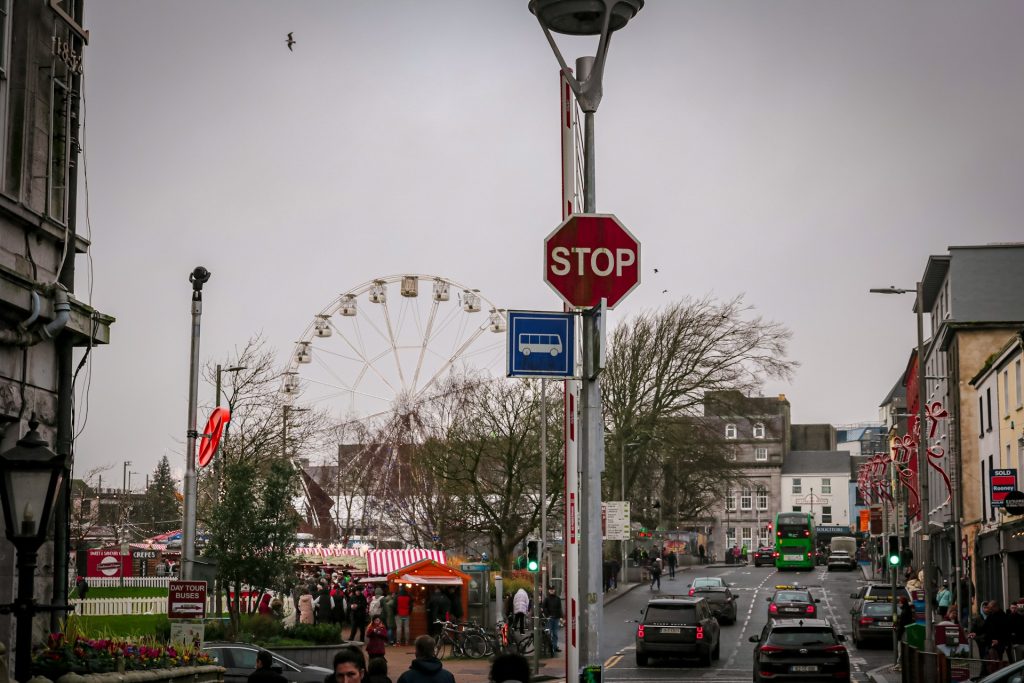
Cultural experts and musicologists identify Galway as the “most Irish” of the republic’s cities, largely due to its vibrant street life and the preservation of the Irish language. The Latin Quarter, with its brightly colored storefronts and constant presence of buskers, creates a celebratory and inclusive atmosphere. Experts note that the Irish concept of “craic”—fun, social intelligence, and conversation—is the primary currency of the city, making it nearly impossible for a stranger to remain anonymous for long.
Urban sociologists observe that the compact nature of the city center encourages people to congregate in pubs and squares, where the barrier to starting a conversation is remarkably low. The proximity to the wild landscape of Connemara and the Atlantic Ocean adds a layer of raw, natural beauty that grounds the city’s social energy. For a first-time visitor, the combination of warm hospitality and the shared love of storytelling creates an environment that feels like a reunion with long-lost friends.
Florence In Italy
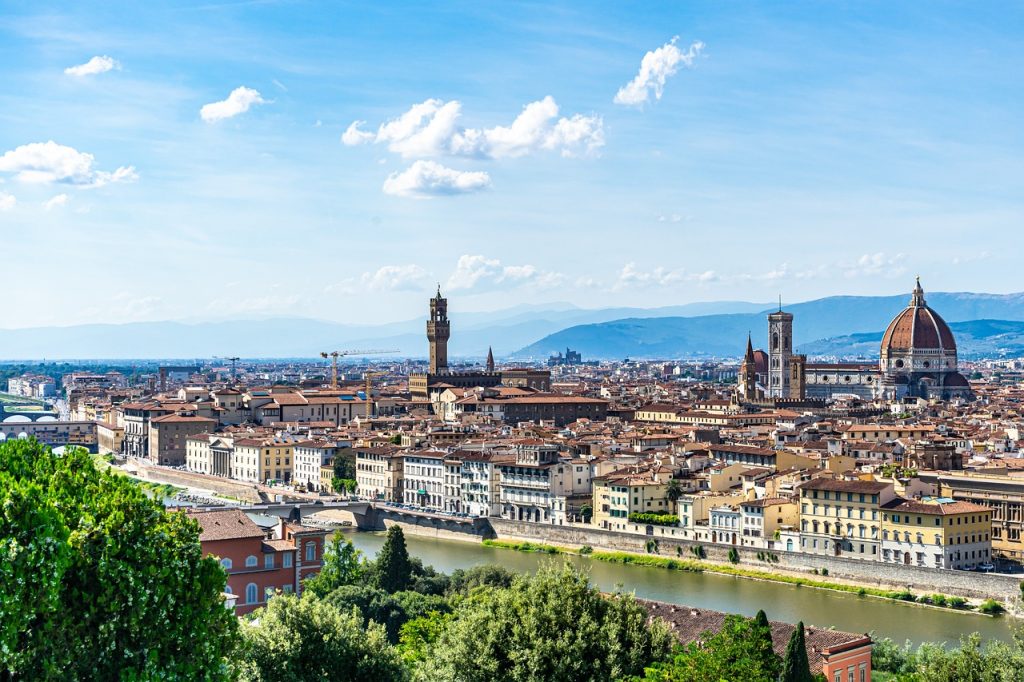
Art historians and urban designers describe Florence as a city that functions like a massive, open-air museum where the scale of the Renaissance architecture remains relatable to the individual. Unlike the sprawling grandeur of Rome, the center of Florence is intimate and walkable, allowing for a deep familiarity with its landmarks in a short period. Experts explain that the presence of multi-generational family businesses, from leather workshops to neighborhood trattorias, gives the city a grounded, domestic feel.
Hospitality analysts point to the “aperitivo” culture and the nightly “passeggiata” as social rituals that invite travelers into the local flow of life. Sitting in a piazza with a glass of wine while watching the local families interact creates a sense of belonging to the community’s social fabric. The historical continuity of the city, where modern life is lived amidst centuries-old masterpieces, makes a first visit feel like an education in the shared heritage of the Western world.
Chiang Mai In Thailand
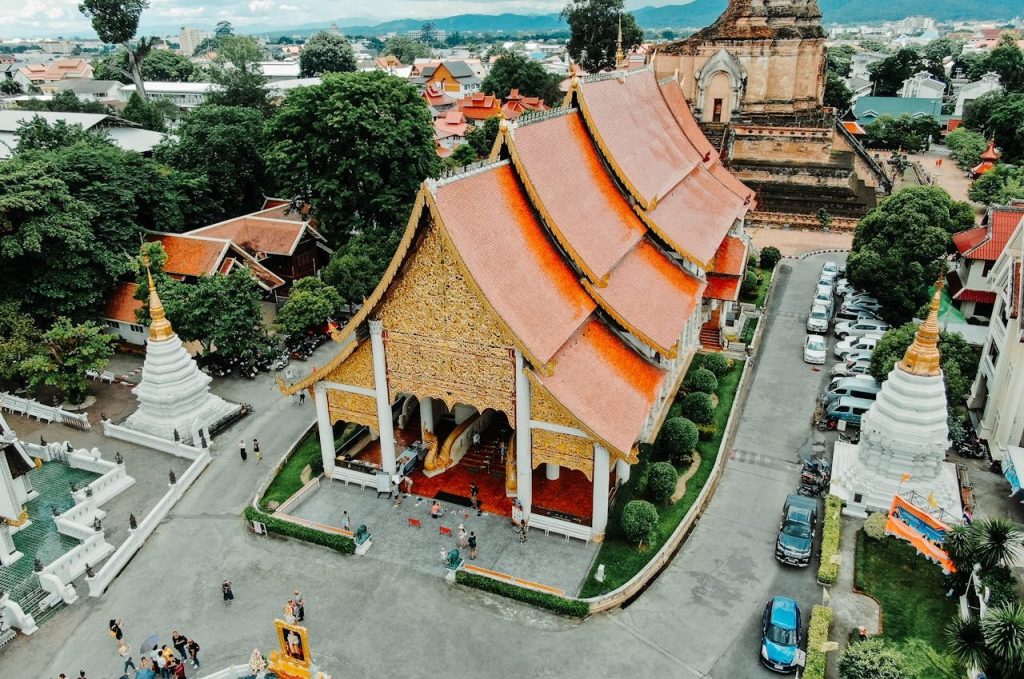
Regional experts and wellness consultants recognize Chiang Mai as a destination that offers a softer, more personal version of the Thai experience compared to the intensity of Bangkok. The historic “old city,” enclosed by crumbling brick walls and a moat, is a dense network of small temples and residential alleys. Experts note that the high concentration of Buddhist temples creates a pervasive atmosphere of calm and mindfulness that influences the social interactions of the entire community.
Economic analysts highlight the thriving market culture, particularly the Sunday Walking Street, where local artisans sell their goods directly to the public. These interactions are often personal and unhurried, allowing for a genuine exchange of stories and craft. The surrounding mountains and the abundance of vegetarian cafes and yoga studios attract a demographic focused on wellness and connection. This shared ethos creates a ready-made community for solo travelers and first-time visitors alike.
Bergen In Norway
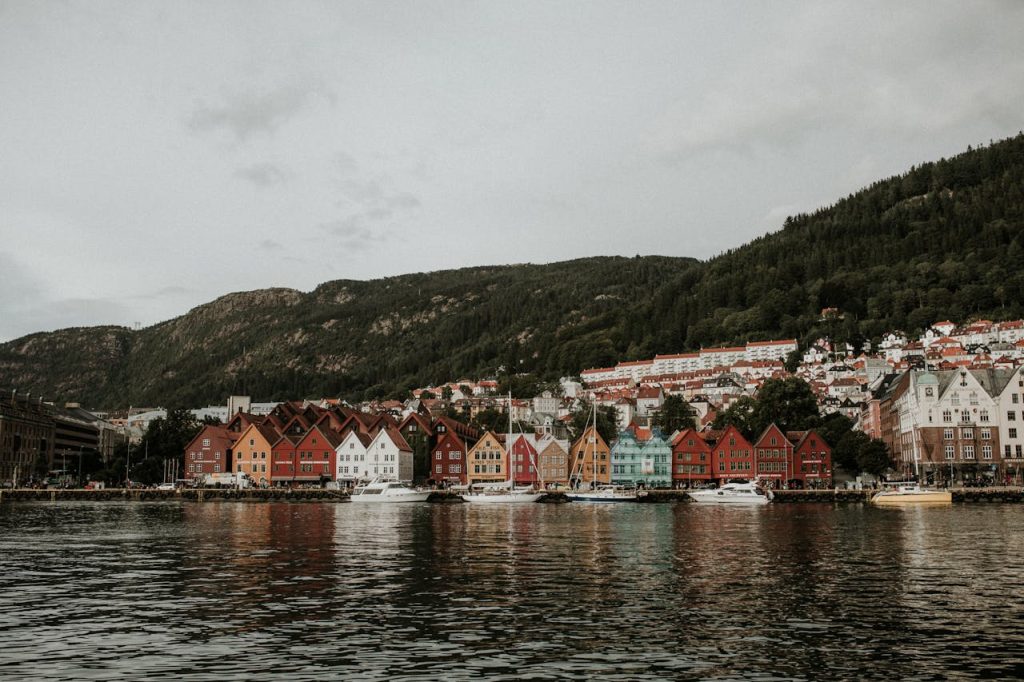
Maritime historians and urban planners describe Bergen as a city that is fundamentally defined by its relationship with the sea and the surrounding mountains. The historic Bryggen wharf, with its colorful wooden houses, serves as a tactile link to the city’s Hanseatic past. Experts explain that the Norwegian value of “friluftsliv,” or outdoor life, is central to the local identity, and the easy access to hiking trails directly from the city center encourages visitors to join residents in their daily exercise.
Sociologists note that the rainy climate of Bergen has fostered a culture of “koselig,” a Norwegian term for cozy comfort. This is reflected in the numerous warm, candle-lit cafes and the general emphasis on indoor hospitality during the frequent coastal storms. For a newcomer, the combination of a rugged, dramatic landscape and a snug, welcoming urban core creates a sense of safe harbor that is immediately personal and enduring.
Lisbon In Portugal
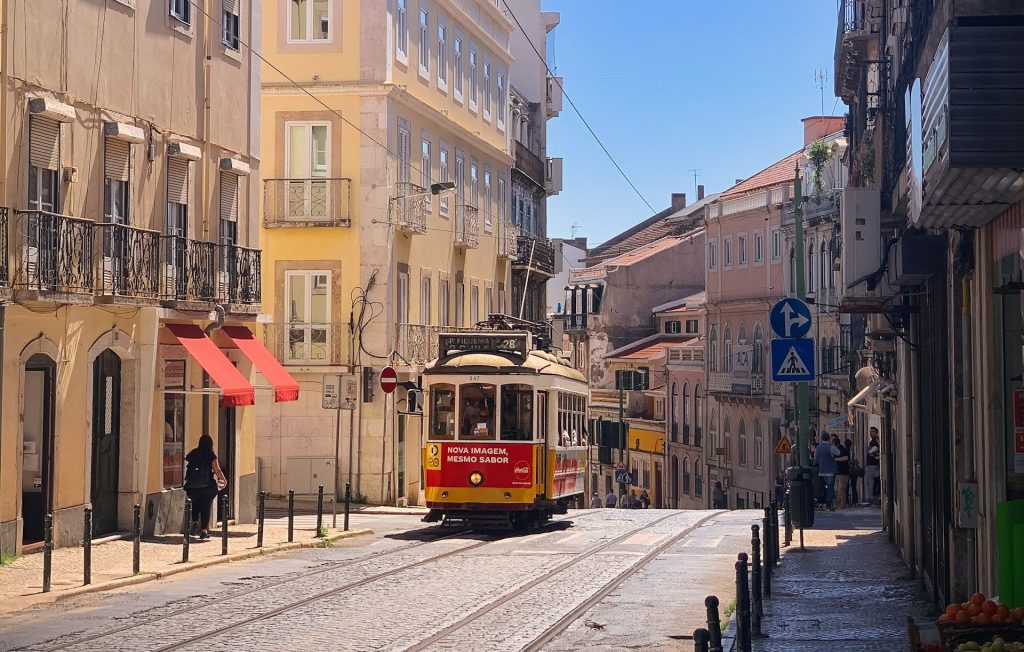
Geographers and urban historians identify Lisbon as a city of seven hills where the distinct character of each “bairro” or neighborhood creates a village-like atmosphere within a capital city. The presence of “azulejos”—hand-painted tiles—on nearly every building provides a visual texture that is both beautiful and historically significant. Experts note that the nostalgic sound of “fado” music echoing from open windows in the Alfama district adds an emotional depth to the streets that resonates with visitors on a personal level.
Hospitality consultants highlight the importance of the local “pastelerias” and kiosks, which serve as neighborhood hubs where residents gather throughout the day. The lack of pretension in these public spaces allows travelers to sit and observe the local pace of life without feeling like an intruder. The city’s bright, Atlantic light and its crumbling, romantic elegance create a sensory experience that feels like a rediscovered memory.
Quebec City In Canada
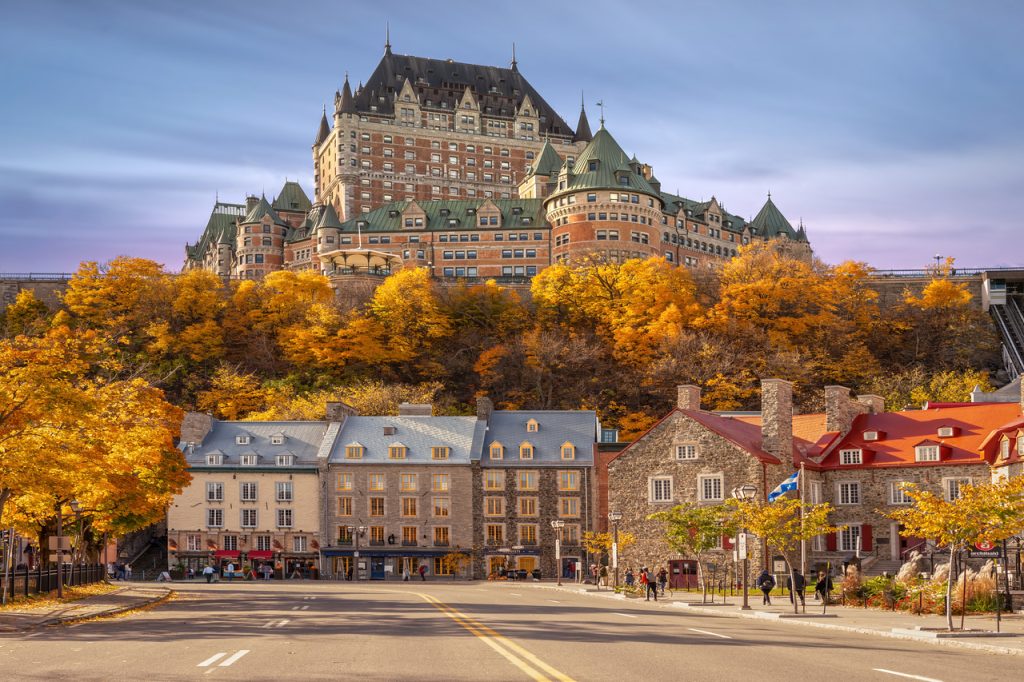
Cultural historians and North American preservationists describe Quebec City as a French-speaking enclave that maintains the architectural charm and social intimacy of an old-world European village. The fortified walls of the Old City enclose a world of cobblestone streets and stone houses that dates back to the early seventeenth century. Experts note that the preservation of the French language and traditions creates a distinct cultural identity that is both proud and welcoming.
Urban planners emphasize the walkability of the Petit Champlain district, where the narrow streets are lined with independent boutiques and artisanal bakeries. The focus on seasonal festivals, from the Winter Carnival to summer music events, ensures that there is always a communal reason to gather. For the American traveler, the city offers a “foreign” experience that is geographically close and personally accessible, providing a sense of cultural discovery within a safe and cozy framework.
Hoi An In Vietnam
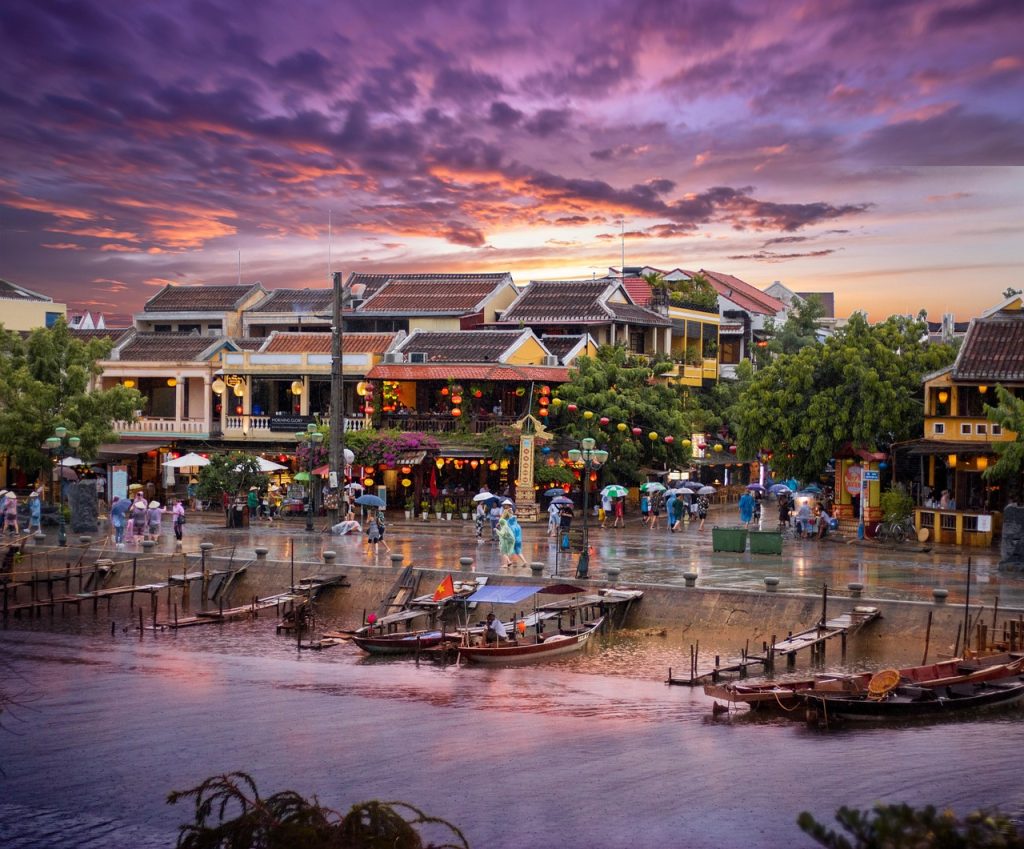
Asian heritage specialists and architectural historians celebrate Hoi An as an exceptionally well-preserved example of a Southeast Asian trading port. The pedestrian-only streets of the ancient town, illuminated by thousands of colorful silk lanterns at night, create a surreal and romantic atmosphere. Experts note that the town’s legacy as a melting pot of Japanese, Chinese, and Vietnamese influences has fostered a culture of long-standing tolerance and hospitality toward outsiders.
Economic experts point to the town’s famous tailoring industry as a primary driver of personal interaction. The process of having clothes custom-made requires multiple fittings and direct communication with local artisans, creating a unique bond between the traveler and the resident. This collaborative experience, combined with the unhurried pace of the riverside cafes, allows a first visit to feel deeply productive and personally significant in a way that few other destinations can match.