11 Destinations That Feel Real
Travel often promises escape, but some destinations stand out for feeling grounded rather than staged. These places reveal everyday rhythms alongside history, allowing daily life to unfold without heavy performance or polish. Streets feel lived in, conversations sound local, and traditions remain woven into ordinary routines. Markets operate for residents, not spectators, and architecture reflects use rather than display. Such destinations tend to reward patience and observation over checklists. Together, they offer experiences rooted in authenticity, where culture is not curated for effect but continues naturally. These destinations feel real because life happens there openly, shaped by memory, work, and community rather than spectacle.
Kyoto, Japan
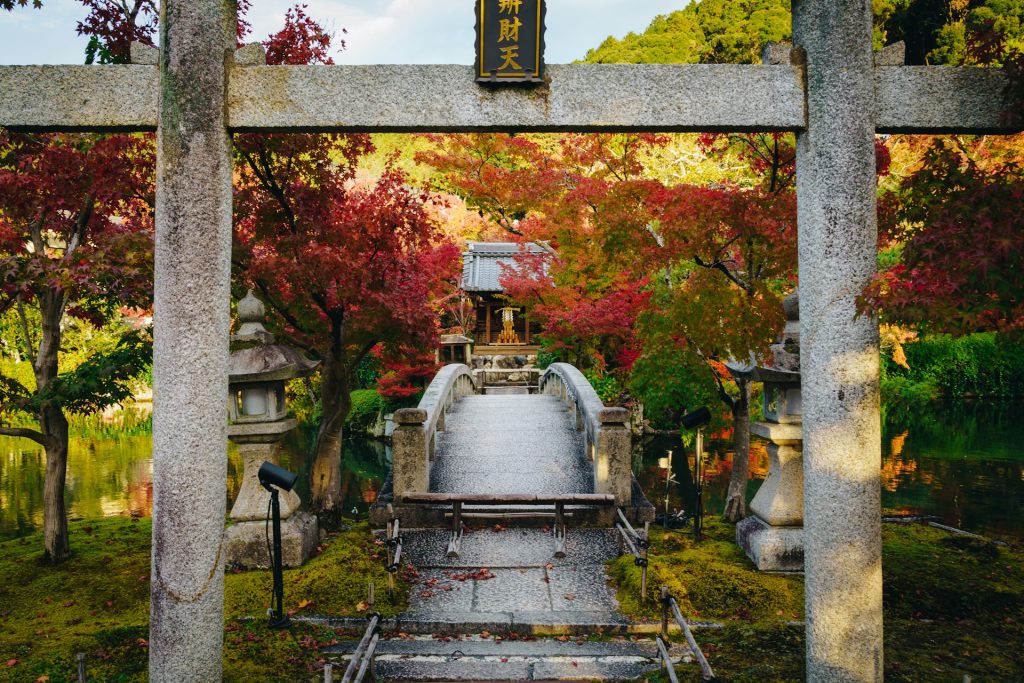
Kyoto feels real because tradition and modern life exist side by side without constant explanation. Neighborhoods function normally around ancient temples, active shrines, and quiet cemeteries. Residents commute past wooden machiya houses while seasonal rituals continue as they have for generations. Local buses fill with students and workers rather than tour groups alone. Markets sell daily ingredients, not souvenirs, and many restaurants cater to regular customers. The city’s layout reflects historical planning that still shapes movement today. Kyoto’s authenticity comes from continuity, where cultural practices remain part of everyday routines rather than preserved only for display or special occasions.
Oaxaca, Mexico
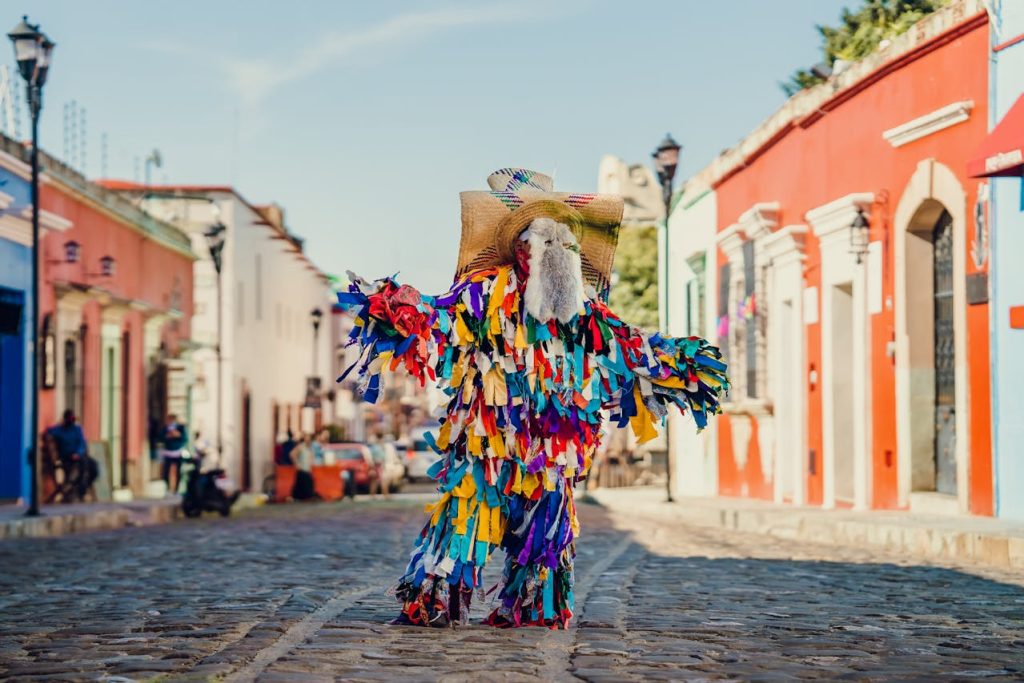
Oaxaca feels real through its strong connection to Indigenous culture, food traditions, and daily markets. Zapotec and Mixtec influences remain visible in language, textiles, and community life. Central plazas host everyday gatherings rather than constant performances. Local markets supply residents with produce, bread, and prepared foods tied to long standing regional recipes. Celebrations follow agricultural and religious calendars that guide community rhythm. Streets show layers of history through colonial architecture and lived in neighborhoods. Oaxaca’s sense of reality comes from cultural practices that serve local needs first, allowing visitors to observe rather than reshape the environment.
Lisbon, Portugal
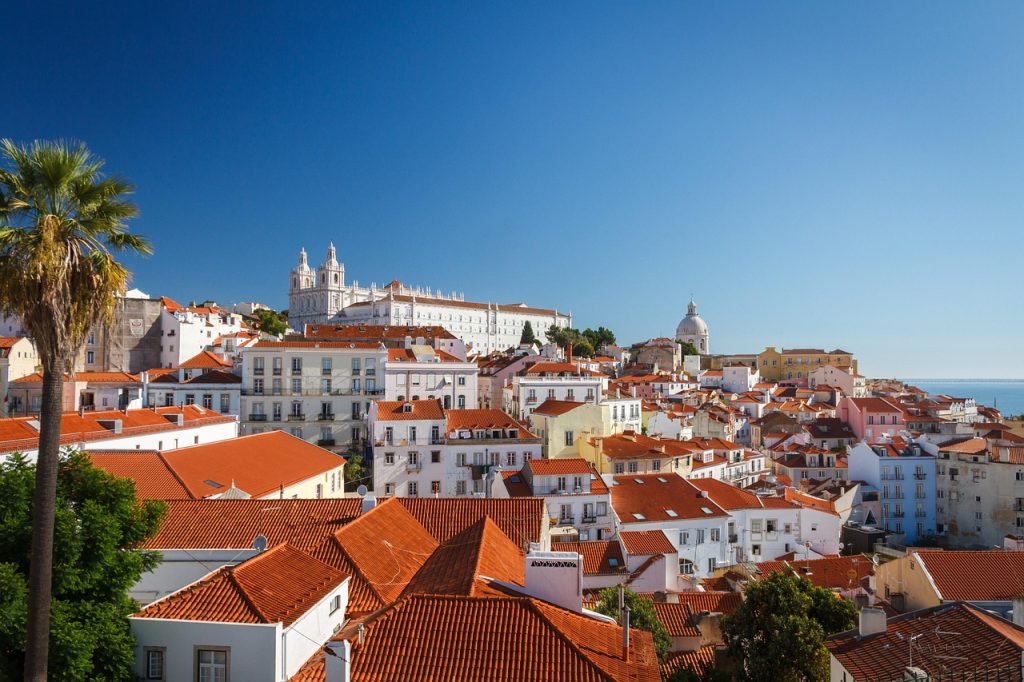
Lisbon feels real because daily life continues within its historic framework. Trams operate as public transportation, not just nostalgia, carrying residents through steep neighborhoods. In areas like Alfama, laundry hangs from balconies while neighbors converse across narrow streets. Fado music emerges from small venues rooted in community tradition. Cafes serve regular patrons reading newspapers or meeting friends. The city’s aging buildings show wear rather than restoration for appearance alone. Lisbon’s authenticity lies in its visible passage of time, where history remains functional and imperfect, shaping how people live rather than acting solely as a backdrop. Community routines quietly reinforce belonging daily.
Marrakech, Morocco
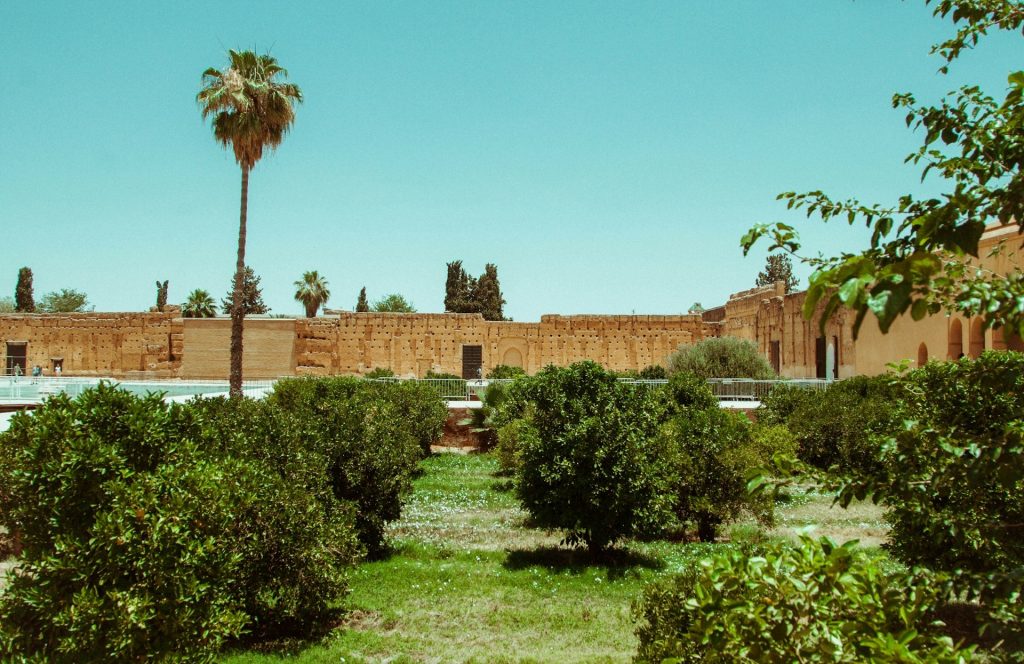
Marrakech feels real through the constant activity of its medina, where commerce and daily routines overlap. Narrow streets host workshops, food stalls, and homes within the same spaces. Residents navigate markets to buy necessities, not performances. The call to prayer structures time across neighborhoods, grounding daily rhythm. Riads hide private family life behind plain walls, reflecting cultural values of privacy. Crafts continue through apprenticeship rather than demonstration. Marrakech’s authenticity comes from density and purpose, where centuries old urban design still supports working lives, community interactions, and religious practice without adapting itself primarily for outside observers.
Naples, Italy
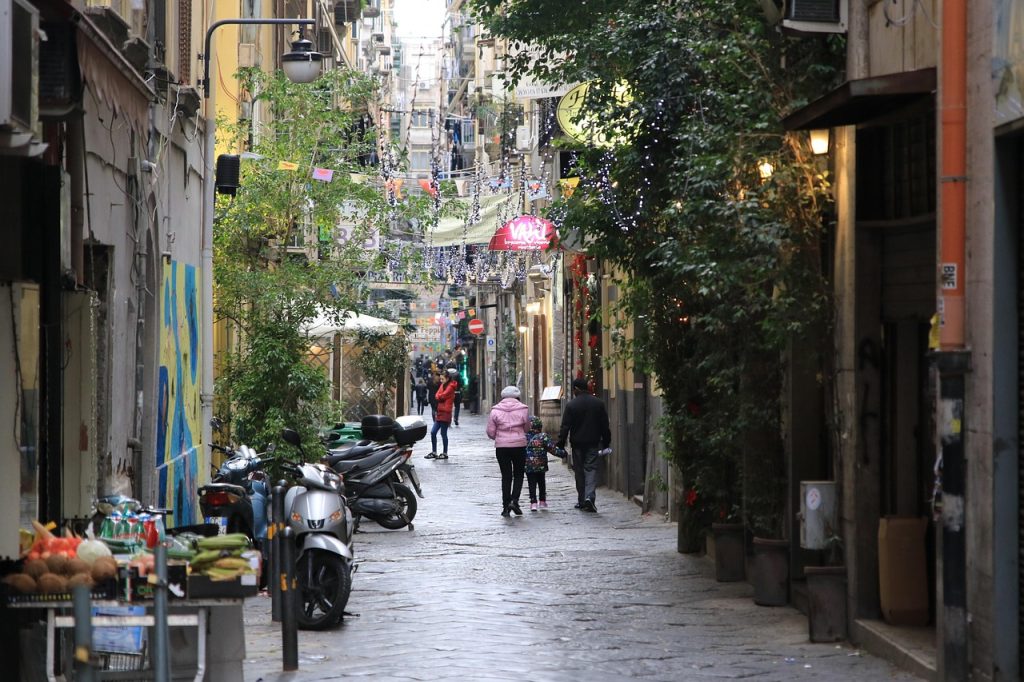
Naples feels real because it operates loudly, visibly, and without smoothing its edges. Streets overflow with conversation, traffic, and informal commerce. Family owned shops serve neighborhoods rather than curated districts. Laundry, scooters, and street food share limited space. The city’s relationship with Mount Vesuvius and the sea shapes local identity and history. Ancient ruins coexist with active apartment buildings. Daily routines show resilience shaped by economic challenges and strong social ties. Naples feels authentic through its intensity and honesty, presenting life as it is lived rather than refined for comfort or consistent presentation. This character persists through generations, reinforcing identity, and belonging.
Varanasi, India

Varanasi feels real through its uninterrupted cycle of life, death, and ritual along the Ganges River. Pilgrims, residents, and priests share the same ghats daily. Religious practices unfold openly as part of routine rather than ceremony alone. Cremations occur beside morning bathing and evening prayers. Narrow lanes support dense neighborhoods with shops, homes, and temples interwoven. The city’s age shows through constant use rather than preservation. Varanasi’s authenticity comes from continuity, where spiritual belief and everyday necessity merge, creating a place shaped by lived faith rather than curated experience. Generations continue traditions through devotion, labor, memory, and shared responsibility.
Sarajevo, Bosnia And Herzegovina
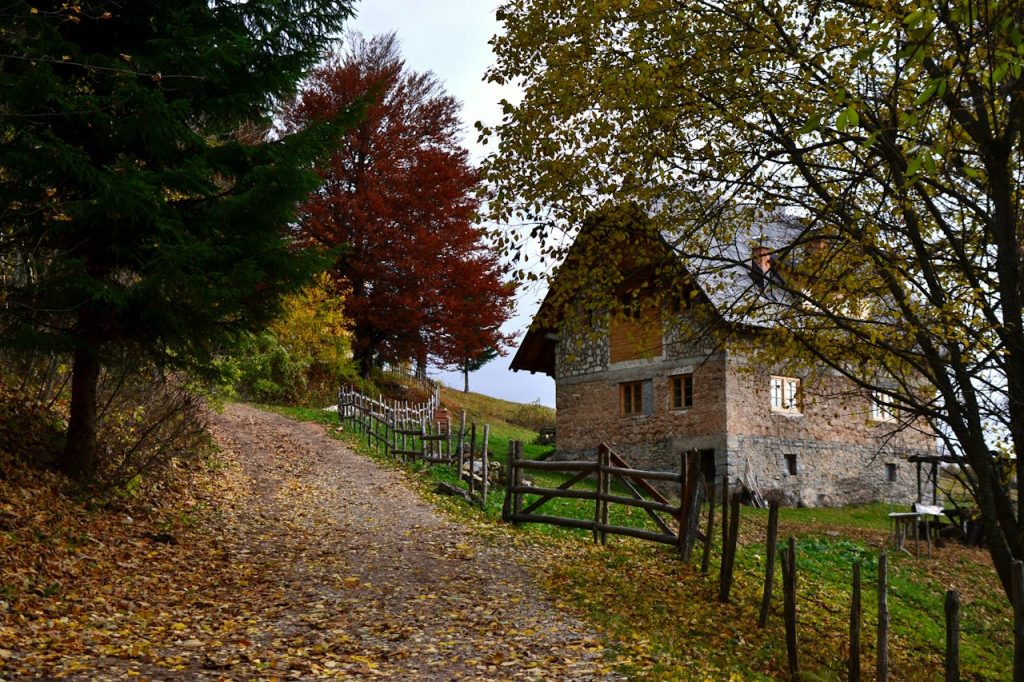
Travelling to Sarajevo feels real because its history remains visible within daily life. Ottoman, Austro Hungarian, and modern influences shape neighborhoods without separation. Cafes serve as social anchors where conversation unfolds slowly. Bullet scars still mark buildings, not as exhibits but reminders integrated into the cityscape. Religious diversity appears naturally through mosques, churches, and synagogues within walking distance. Residents move between past and present without narrative framing. Sarajevo’s authenticity comes from resilience and coexistence, where history informs identity and daily routines continue despite complex memories and layered cultural influences.
Hanoi, Vietnam
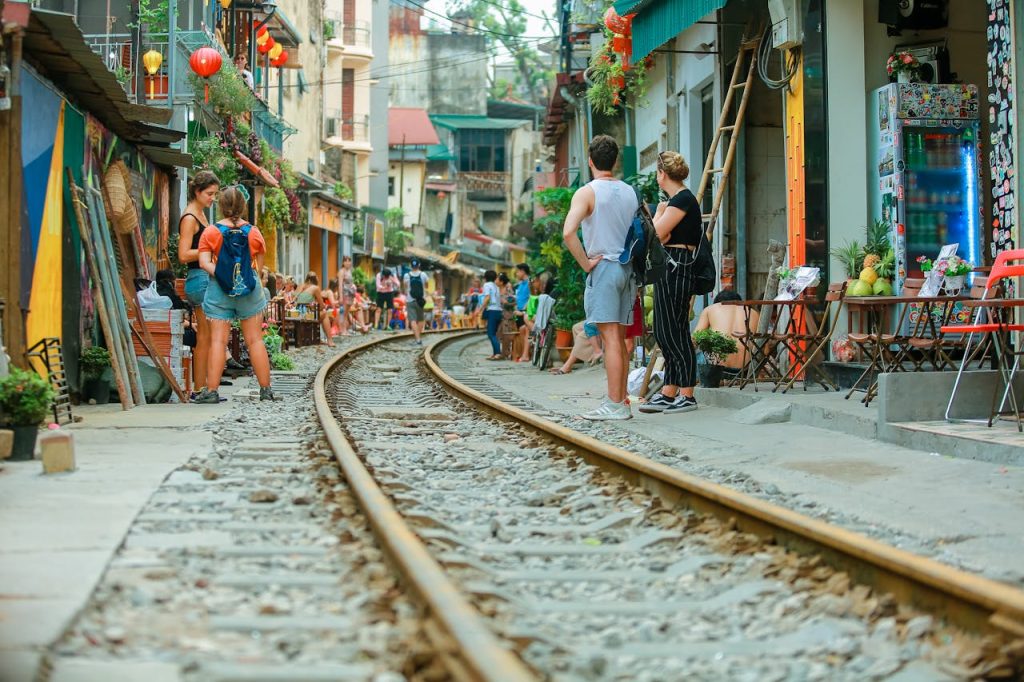
Hanoi feels real through its persistent street life and practical use of space. Sidewalks function as extensions of homes, cafes, and workshops. Food preparation happens in open view, serving locals throughout the day. Lakes and temples anchor neighborhoods rather than tourist zones. Motorbike traffic reflects daily necessity rather than spectacle. Seasonal changes influence routines and cuisine. The city balances rapid growth with long standing habits. Hanoi’s authenticity emerges from adaptability, where tradition adjusts to modern demands while remaining embedded in ordinary routines, shaping how people eat, travel, and gather each day. Residents maintain community ties through shared spaces, habits, and interactions.
La Paz, Bolivia
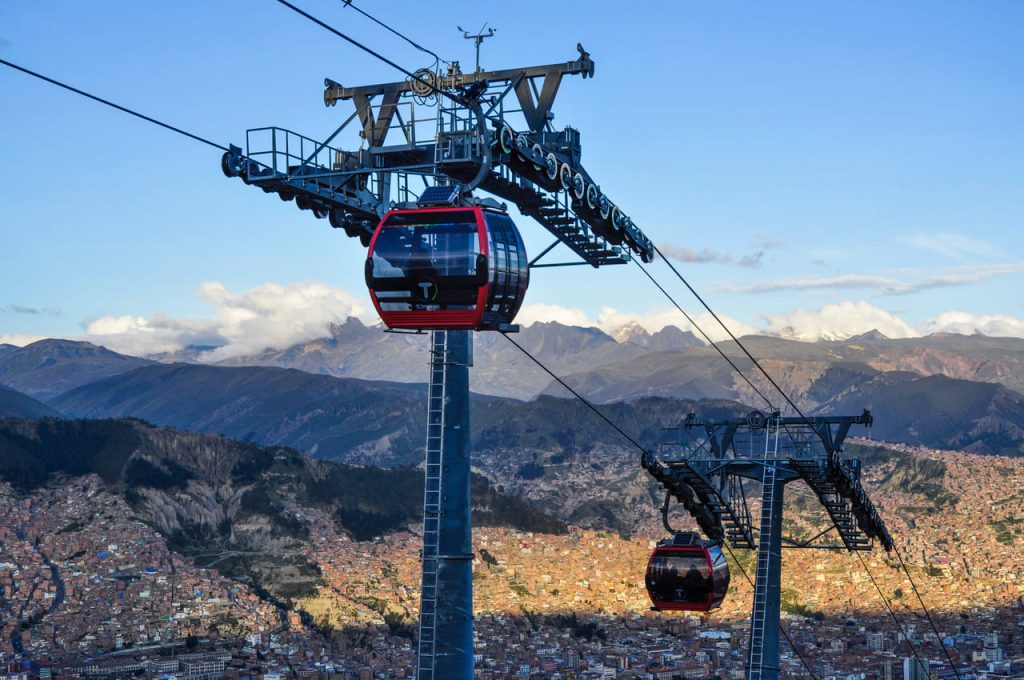
La Paz feels real because geography and culture directly shape daily life. The city’s high elevation influences movement, architecture, and pace. Indigenous Aymara traditions remain visible in clothing, markets, and public rituals. Cable cars function as public transit rather than novelty, connecting neighborhoods across steep terrain. Markets serve residents with practical goods and food staples. Political expression often appears in public spaces. La Paz’s authenticity comes from its integration of environment and culture, where modern infrastructure adapts to existing patterns instead of replacing them, reflecting lived necessity rather than presentation. Daily routines reflect resilience, and continuity across generations locally.
Istanbul, Turkey
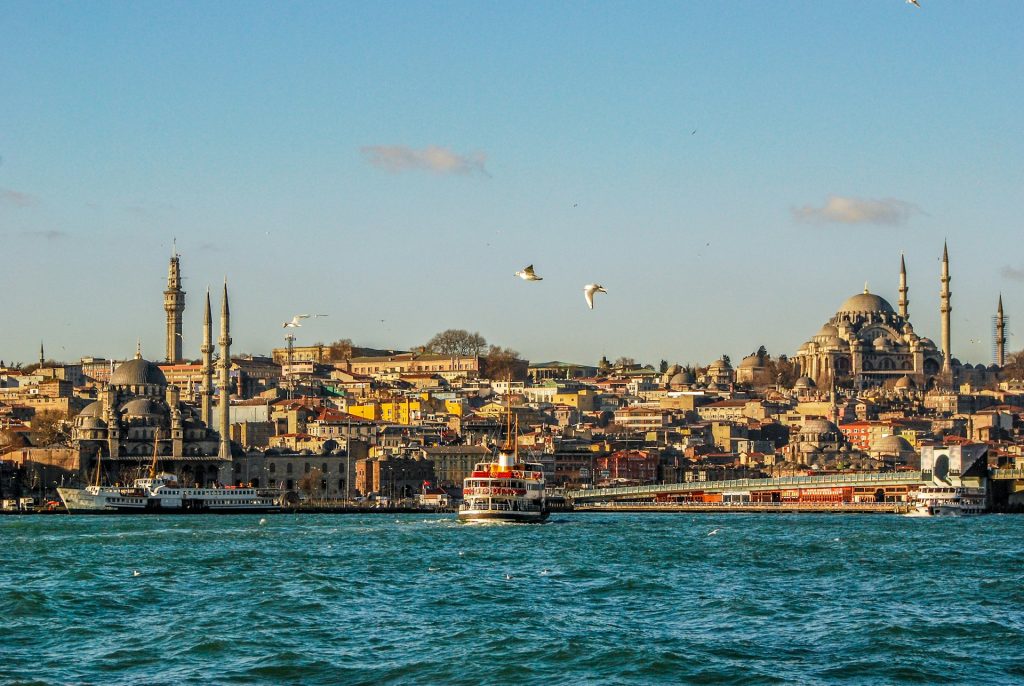
Istanbul feels real through its layered daily rhythms shaped by geography and history. Ferries carry commuters across the Bosphorus as part of routine life. Neighborhoods function independently, each with markets, mosques, and cafes serving locals. The call to prayer marks time without interruption to daily activity. Ancient walls and modern apartments coexist without separation. Food culture centers on everyday meals rather than special occasions. Istanbul’s authenticity lies in constant movement, where continents, cultures, and centuries intersect naturally within ordinary routines rather than staged narratives or controlled experiences. Daily interactions reinforce belonging, continuity, and shared urban identity collectively.
New Orleans, Louisiana
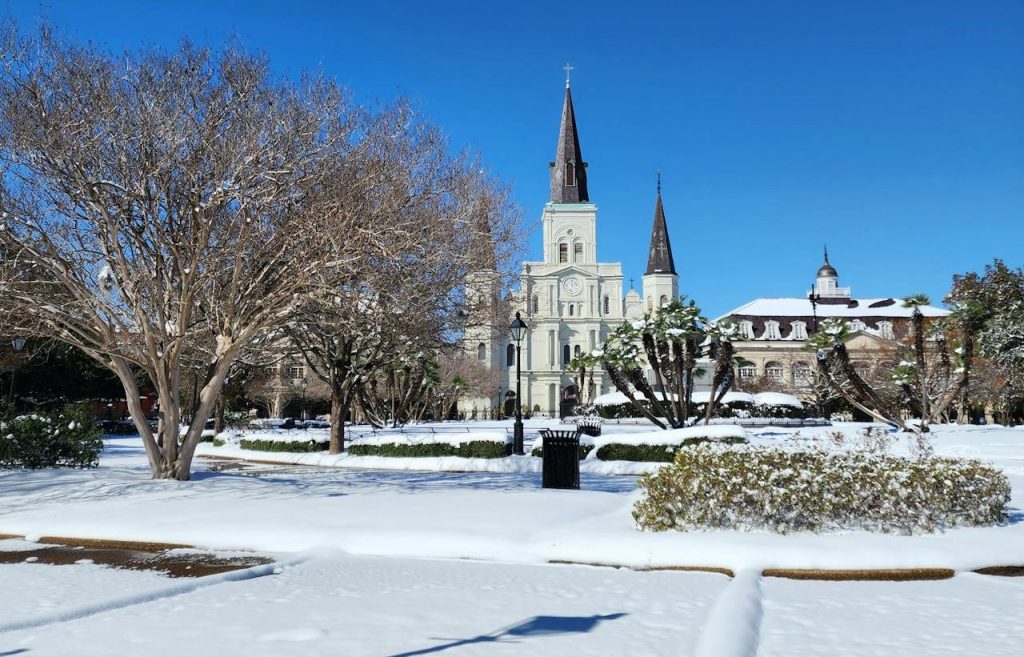
New Orleans feels real because culture remains inseparable from daily life. Music emerges from neighborhoods, not only events. Second lines follow community traditions tied to social clubs. Food reflects history shaped by migration and geography. Architecture responds to climate through raised homes and courtyards. Residents gather on stoops and porches, maintaining visible social bonds. The city’s relationship with water shapes both risk and identity. New Orleans feels authentic through continuity, where celebration, hardship, and routine coexist openly, creating a lived culture that persists beyond tourism and resists simplification. Generations sustain traditions through shared memory, resilience, and local pride.