11 Destinations That Feel Welcoming
Welcoming destinations rarely rely on grand gestures. They show it in small ease: clear signs, readable transit, and cafés that do not rush anyone out the door. In places like this, a visitor can ask a question without feeling like an interruption, then fall into a rhythm fast. Warmth comes from everyday competence, plus pride in food, craft, and neighborhood life. The trip feels lighter, with fewer awkward moments and more simple conversations that begin at a counter and end with a bus stop pointed out, a dish recommended, and a smile that feels unforced. Even on a rainy Tuesday, it holds for hours.
Dublin, Ireland
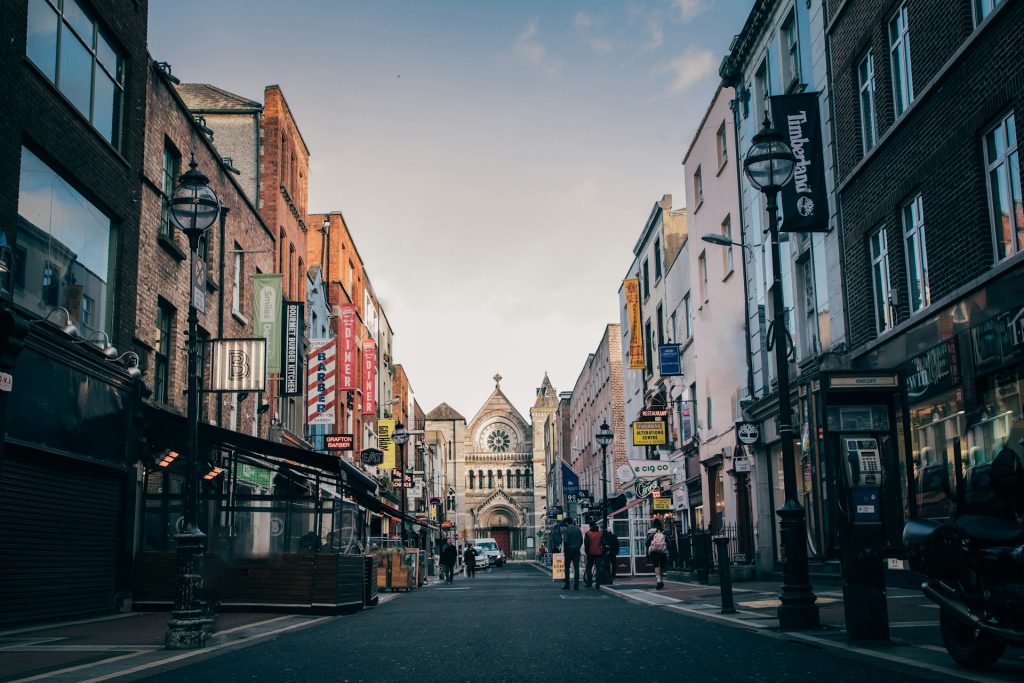
Dublin often feels welcoming because conversation is treated as normal public life, from corner pubs to coffee counters where questions get answered without ceremony or a hard sales pitch. The city’s scale helps: Georgian streets, museums, and markets sit close enough for long walks, and a warm break is always nearby, from stew and brown bread to a toasted sandwich and tea while rain taps the glass. Evenings bring small music sessions and literary corners, and a quick hop to Howth or Phoenix Park adds fresh air, so a short stay can feel social, grounded, and surprisingly restful, and it lands softly.
Lisbon, Portugal
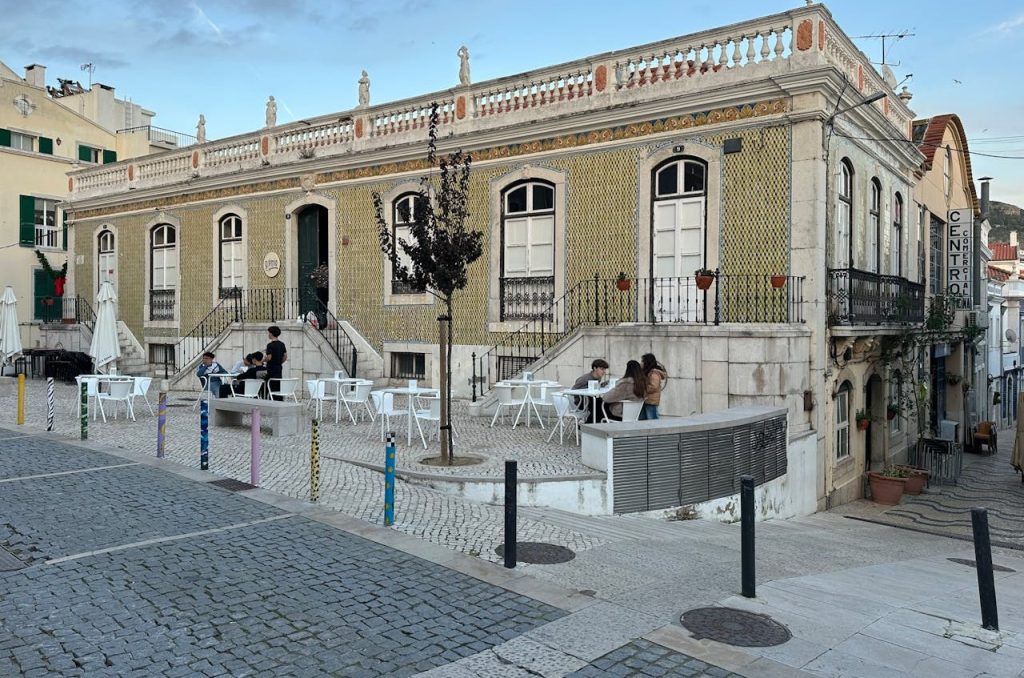
Lisbon feels welcoming because it is easy to navigate and easy to linger in, from tiled lanes in Alfama to broad river walks in Belém and the small parks of Príncipe Real. Cafés run on steady ritual, espresso, pastries, and unhurried service, and locals often meet questions with practical patience when greetings are offered and the pace stays calm. By evening, petiscos, winter-sweet light, and the hum of a tram climb make the city feel built for repeats, not quick highlights, with viewpoints that reward quiet sitting as rooftops turn rose and the Tagus darkens, and even a wrong turn tends to end at a bakery.
Singapore
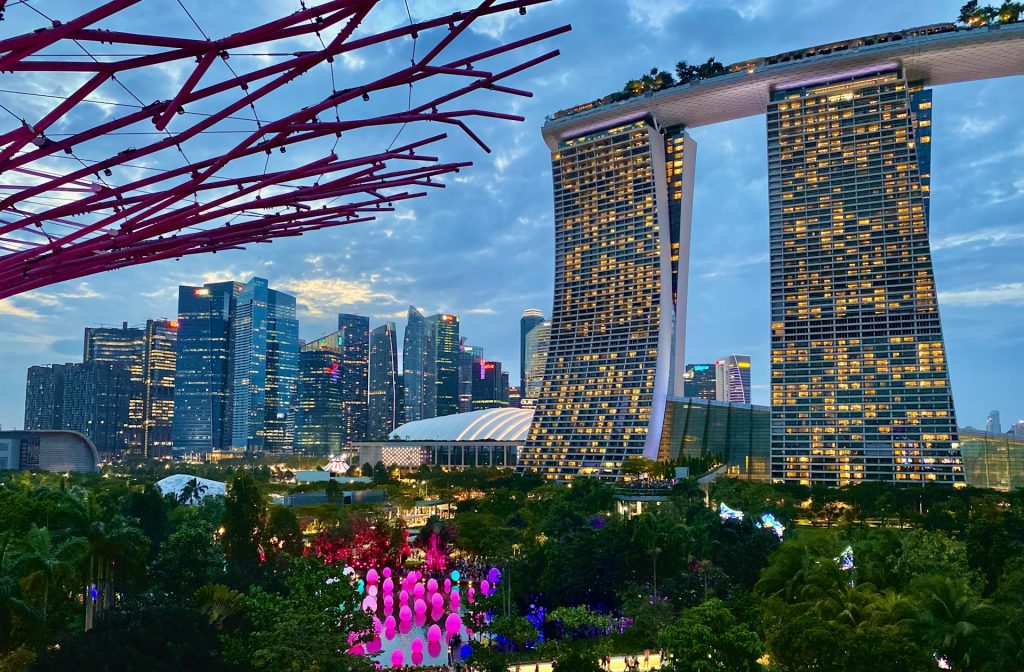
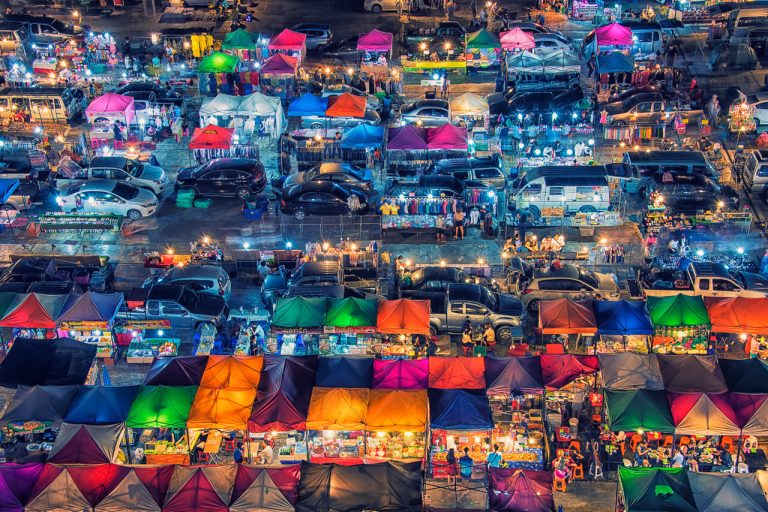
Singapore feels welcoming in a practical way, with clear signage, reliable MRT connections, and neighborhoods that stay lively without feeling chaotic, from Little India’s flower stalls to Kampong Glam’s cafés. Hawker centers make meals easy and communal, and vendors usually handle newcomers with calm efficiency, whether the order is laksa, chicken rice, or kopi at eight a.m., with trays returned and tables shared without drama. Shaded walkways, clean parks, and long waterfront stretches at Marina Bay and East Coast Park keep the pace comfortable, so the city’s order reads as care, not coldness, even in sticky afternoons.
Vancouver, Canada
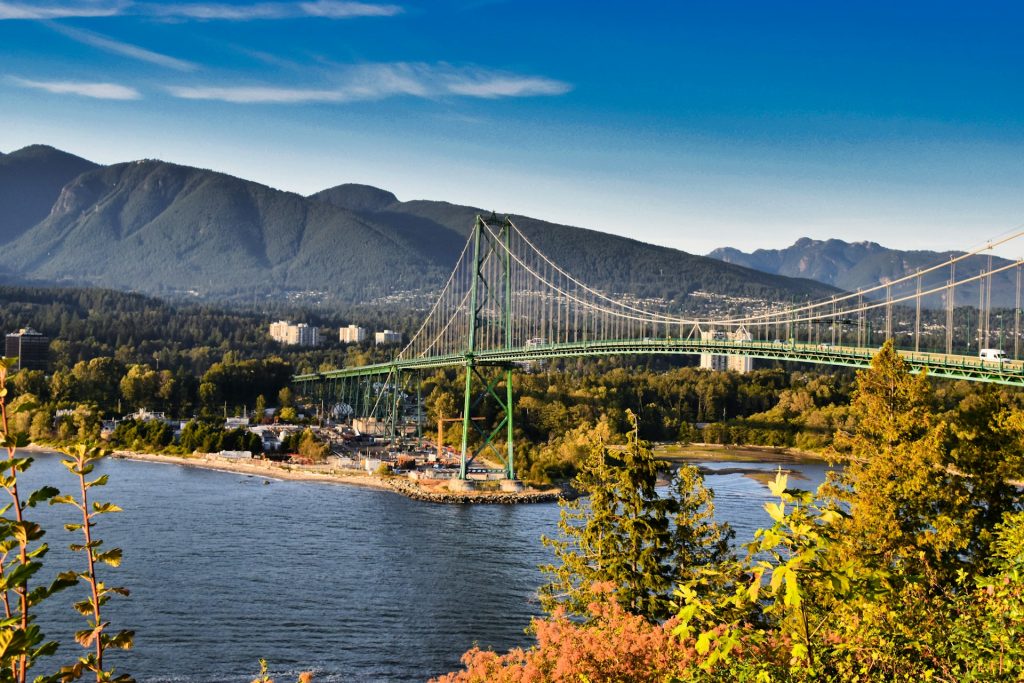
Vancouver feels welcoming because nature sits close to daily life, and the city’s routines include walking, coffee, and water views instead of constant rushing, even in winter drizzle. The Seawall, Stanley Park, and Granville Island’s stalls make it easy to spend hours outside, then warm up with ramen, seafood chowder, or a bakery stop when rain shows up and mountains hide behind low cloud. Compact neighborhoods and simple transit help visitors blend in quickly, and the mix of cultures shows up in casual meals and festivals, so the welcome feels quiet but steady, like a city that expects people to share space politely.
Chiang Mai, Thailand
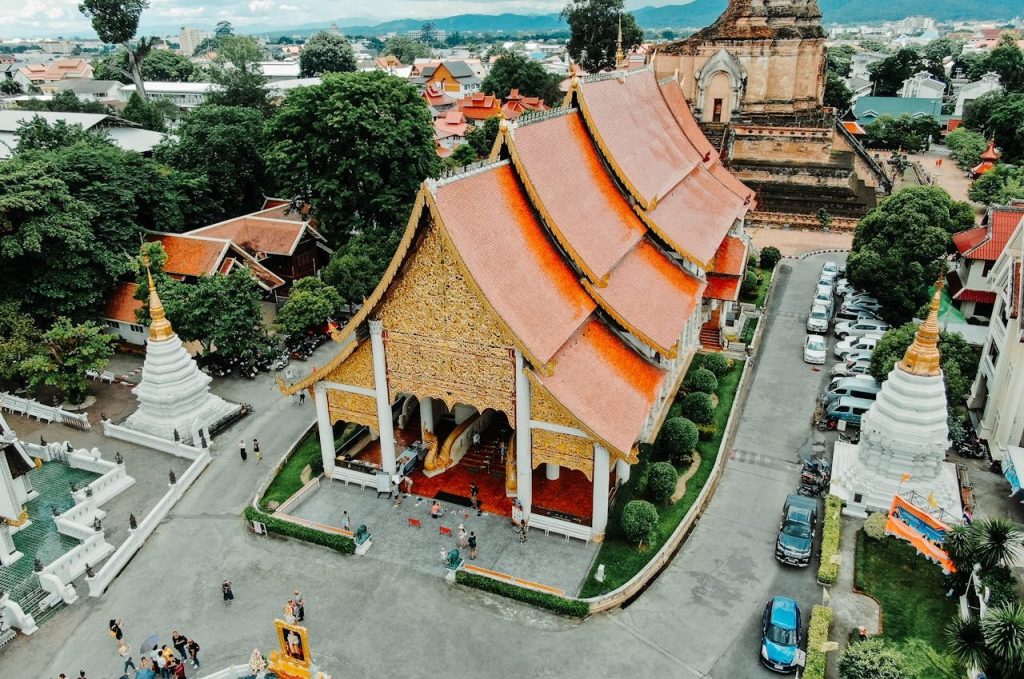
Chiang Mai often feels welcoming because the city runs on gentle daily rhythms, morning markets, temple bells, and cafés that encourage lingering without pressure, especially in the cooler season. Old-city lanes and Nimman side streets invite slow days, and meals feel personal, from khao soi and sticky rice to fruit shakes and night-market snacks that arrive with easy smiles. Respectful manners matter, yet sincere effort is usually met with warmth, and the mix of craft villages, cooking schools, and quiet courtyards helps newcomers settle in quickly, with small routines that start to feel familiar by day three.
Copenhagen, Denmark
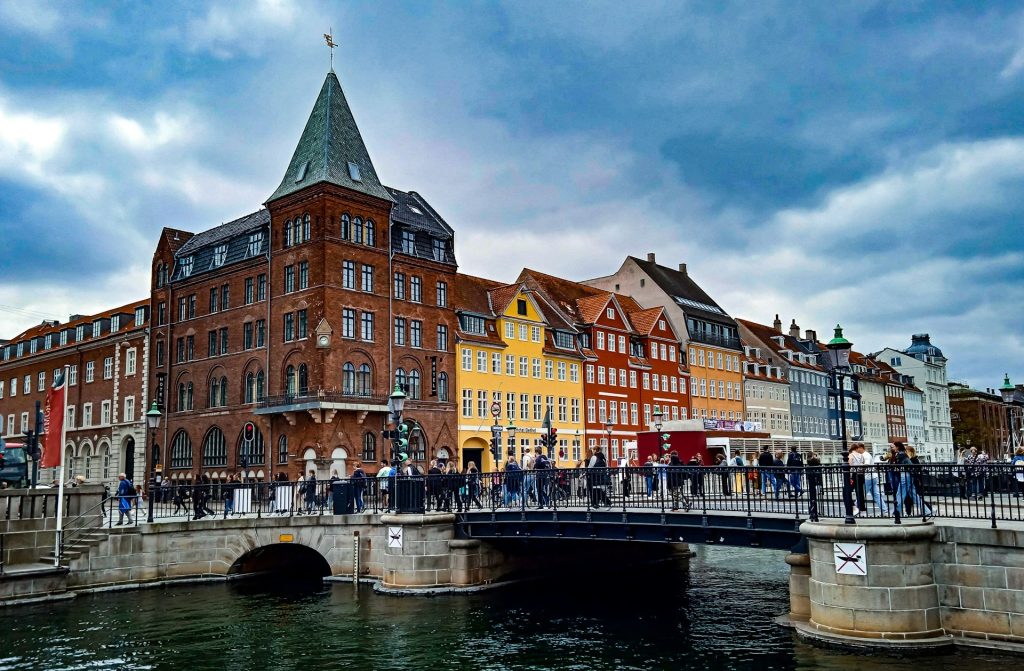
Copenhagen feels welcoming through design that favors everyday comfort: protected bike lanes, reliable transit, and public spaces that stay calm even when the city is busy, from Nyhavn to Nørrebro. In colder months, candlelit cafés and bakeries make warmth feel communal, and the pace encourages long chats over soup, open sandwiches, and coffee, with a quick hot dog stop on the way. Clear etiquette around queues and cycling helps visitors move smoothly, and harbor walks and winter swims offer small rituals that locals treat as normal, so the city’s coziness reads less like branding and more like habit.
Oaxaca City, Mexico
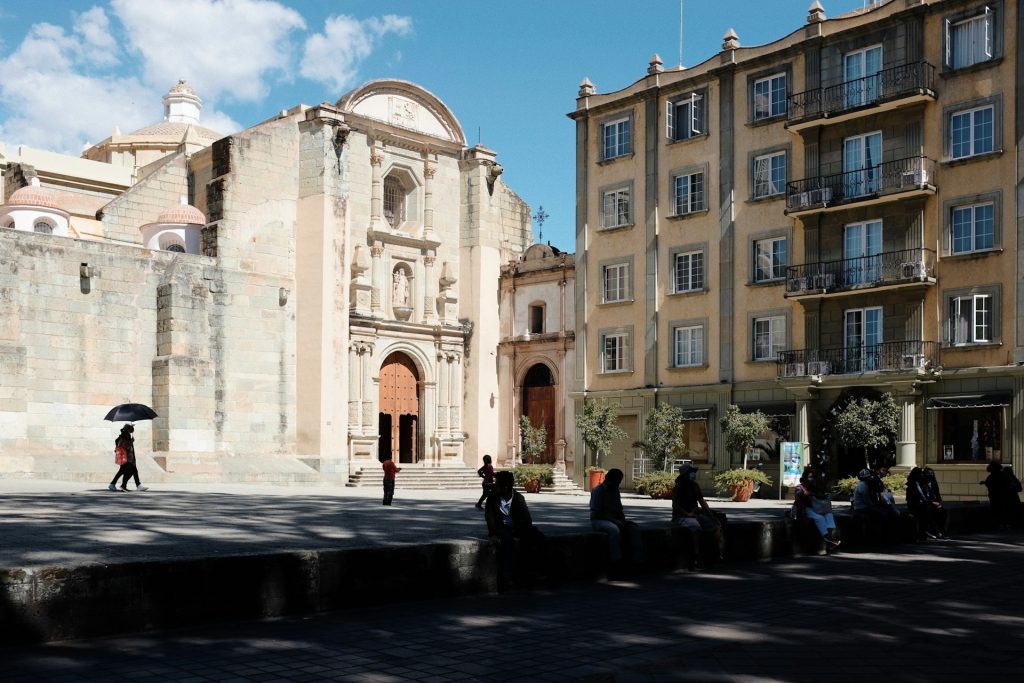
Oaxaca City feels welcoming because the center is walkable and social, with markets, plazas, and shaded courtyards that invite lingering instead of rushing from sight to sight. Food is the handshake: tlayudas, mole, and hot chocolate at Mercado 20 de Noviembre, plus mezcal poured in small sips and vendors who explain ingredients with practical warmth. Craft traditions, street music, and evening circles around the Zócalo create a sense of shared life, and a quick trip to Monte Albán adds perspective, so visitors feel included by paying fairly, asking before photos, and taking time to listen each day.
Ljubljana, Slovenia
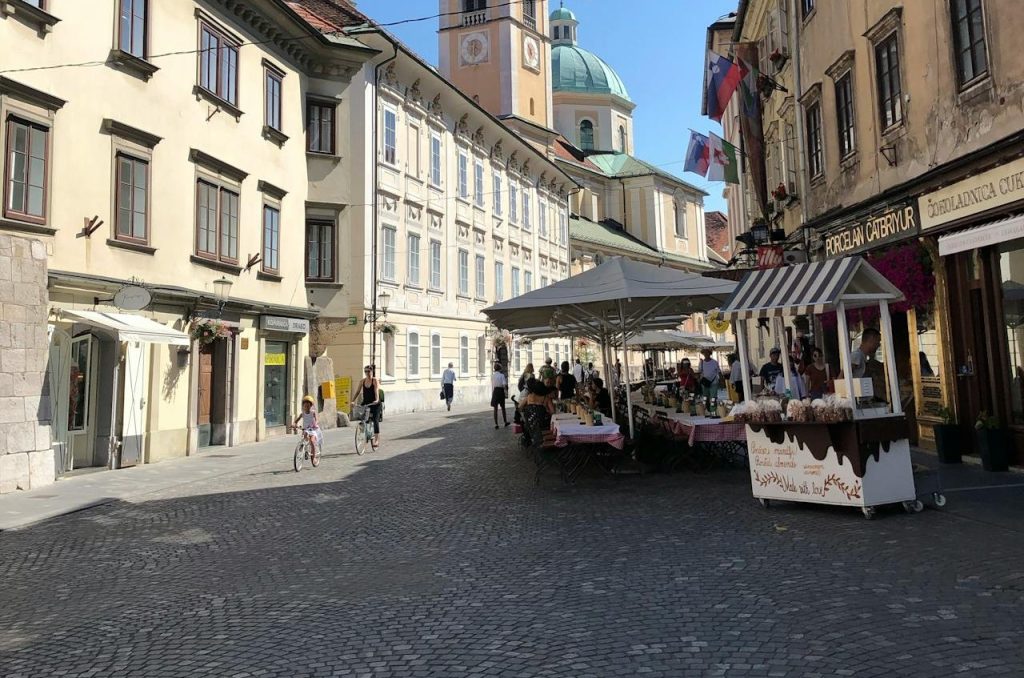
Ljubljana feels welcoming because the center is compact, calm, and built for walking, with the Ljubljanica River acting like a gentle guide past markets, bridges, and small squares. Car-light streets and café terraces make it easy to pause without feeling in the way, and locals tend to keep interactions friendly and straightforward when the pace stays polite. A ride up to Ljubljana Castle, a stroll through Tivoli Park, and a warm pastry after dusk show how the city balances culture and quiet, so visitors relax into the rhythm quickly and often stay longer than planned, rewarding slow steps and soft voices.
Edinburgh, Scotland
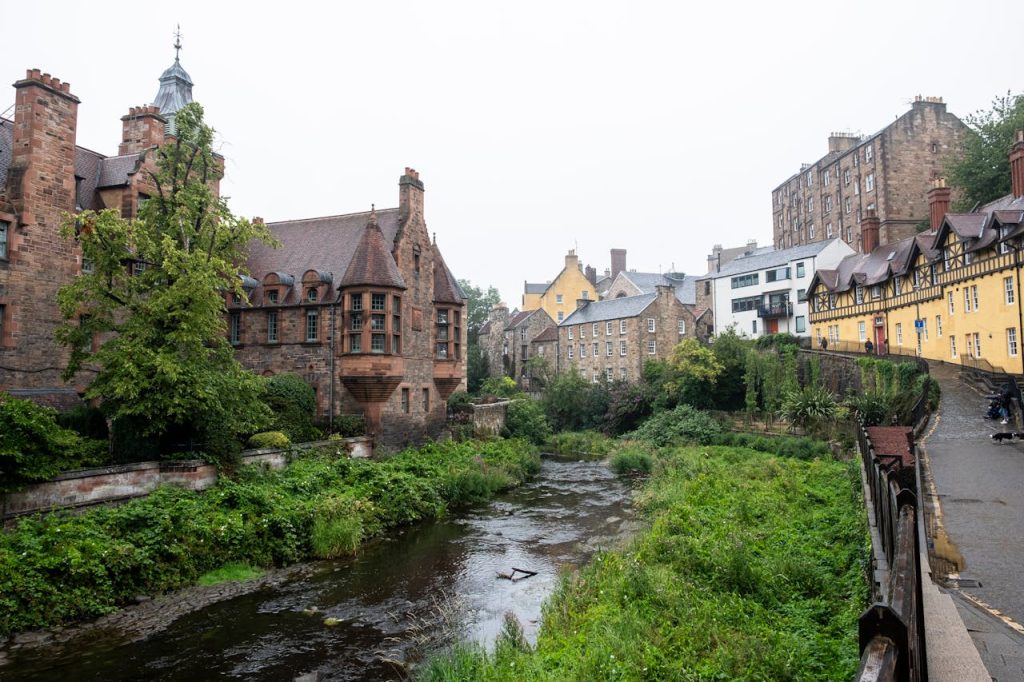
Edinburgh can feel welcoming because the city invites wandering on foot, with closes, hills, and sudden views that make even a short walk feel like a small adventure. In colder months, pubs and tearooms offer real refuge, and locals often share directions, bus tips, and favorites in Stockbridge or Leith with dry humor that eases awkward moments over soup and tea. Bookshops and museums anchor rainy hours, and when skies clear, paths up Calton Hill or along the Water of Leith deliver quiet green space close to the center, so the city feels historic yet lived-in, with warmth shown in everyday kindness.
Wellington, New Zealand
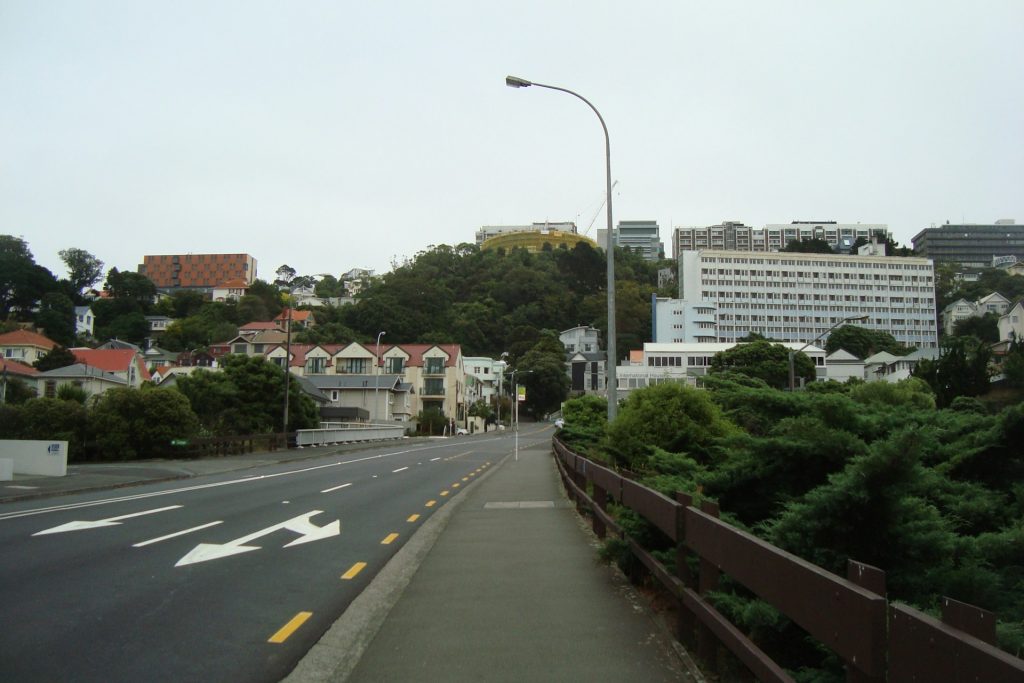
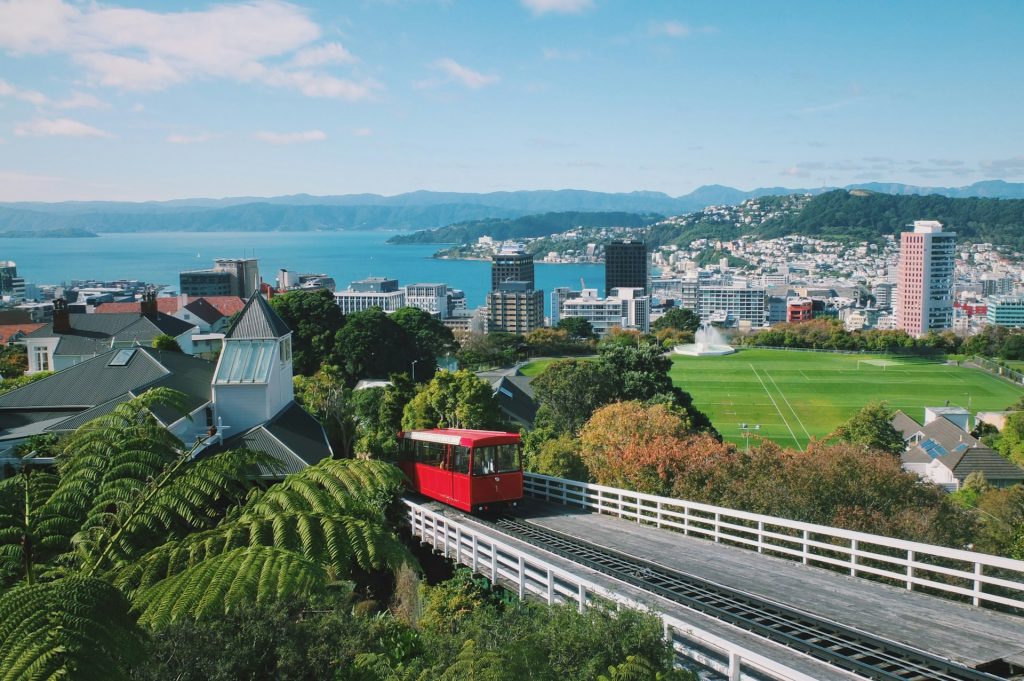
Wellington feels welcoming because the city is compact and expressive, with cafés, bookstores, and the waterfront stitched together by quick walks and salty air. Windy weather is treated like background, not a crisis, and locals tend to offer practical help, from bus advice to the best flat white and noodles on a rainy night. A cable car ride to Kelburn, an afternoon at Te Papa, and a dusk waterfront loop can fill a day without heavy planning, and Cuba Street dinners feel relaxed rather than performative, so visitors settle in fast and breathe easier, with small talk coming easily at counters.
Melbourne, Australia
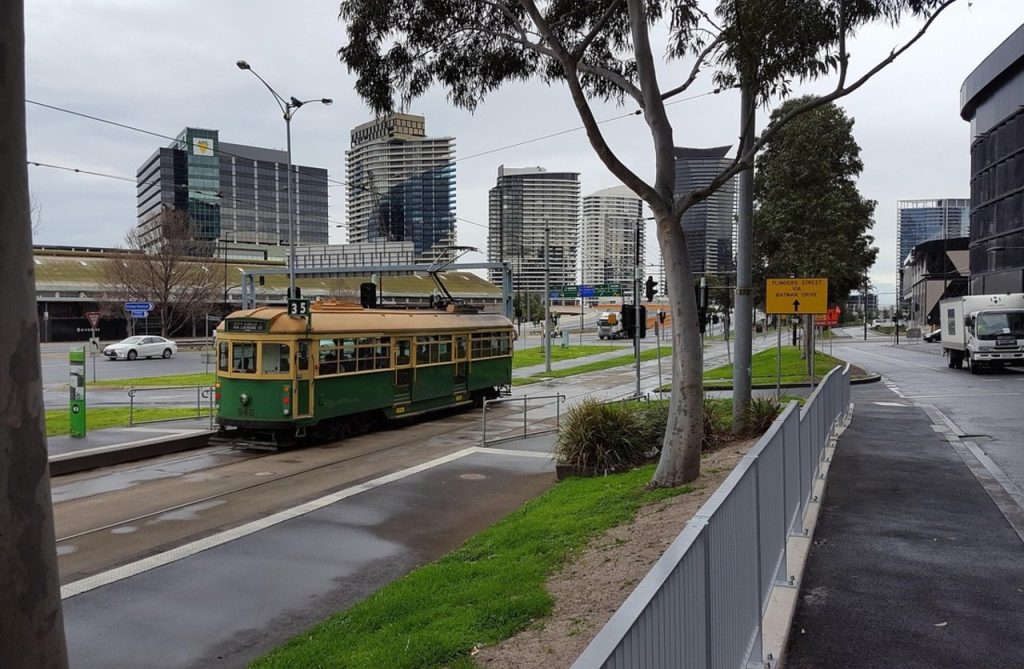
Melbourne can feel welcoming because the city’s social life is built around everyday places, laneway cafés, food halls, parks, and neighborhood pubs where visitors are not treated as a spectacle. Trams make getting around straightforward, and the mix of cultures shows up in casual choices, dumplings for lunch, espresso later, then a long dinner in Fitzroy or Carlton without fuss. Cool days still work well with the NGV, Queen Victoria Market, and a St Kilda walk, and locals tend to share practical recommendations that make a short trip feel settled, like being handed a good route instead of a sales pitch.