11 Destinations Where Christmas Lasts Until January
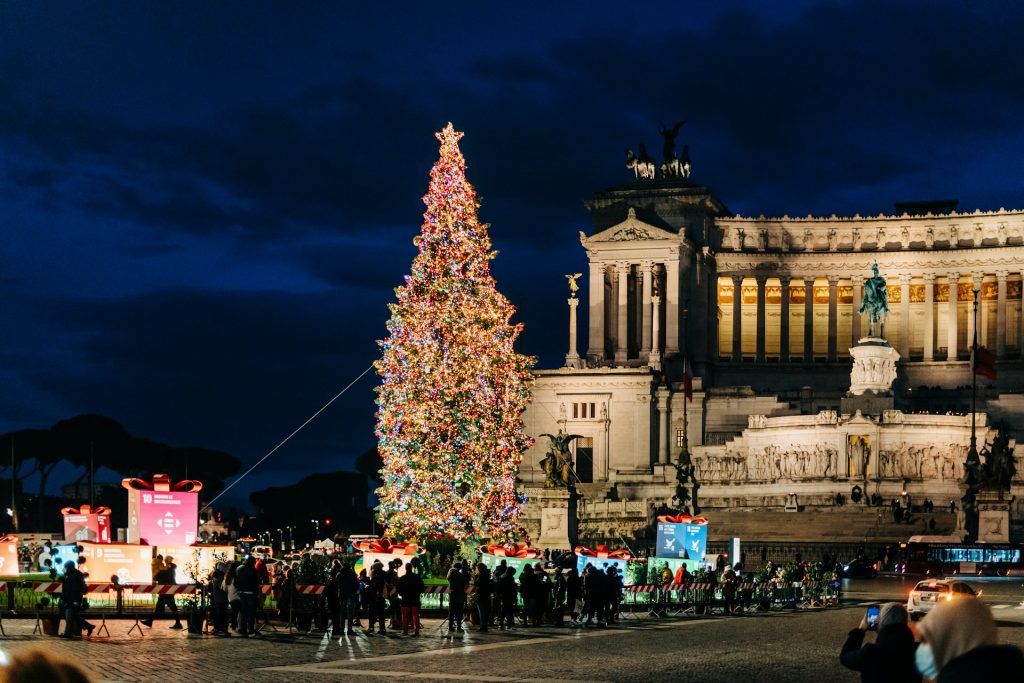
In many destinations, Christmas does not end when the calendar flips past Dec. 25. Epiphany traditions, Orthodox dates, and local finales keep lights up, sweets in bakery windows, and family gatherings on the schedule into early January. The shift changes the travel feel. Crowds thin and the pace softens, yet the season stays present in real routines, not just decorations. These places offer the rare mix of breathing room and genuine celebration, where winter evenings still carry music, candlelight, and the comfort of one more holiday meal.
Old San Juan, Puerto Rico
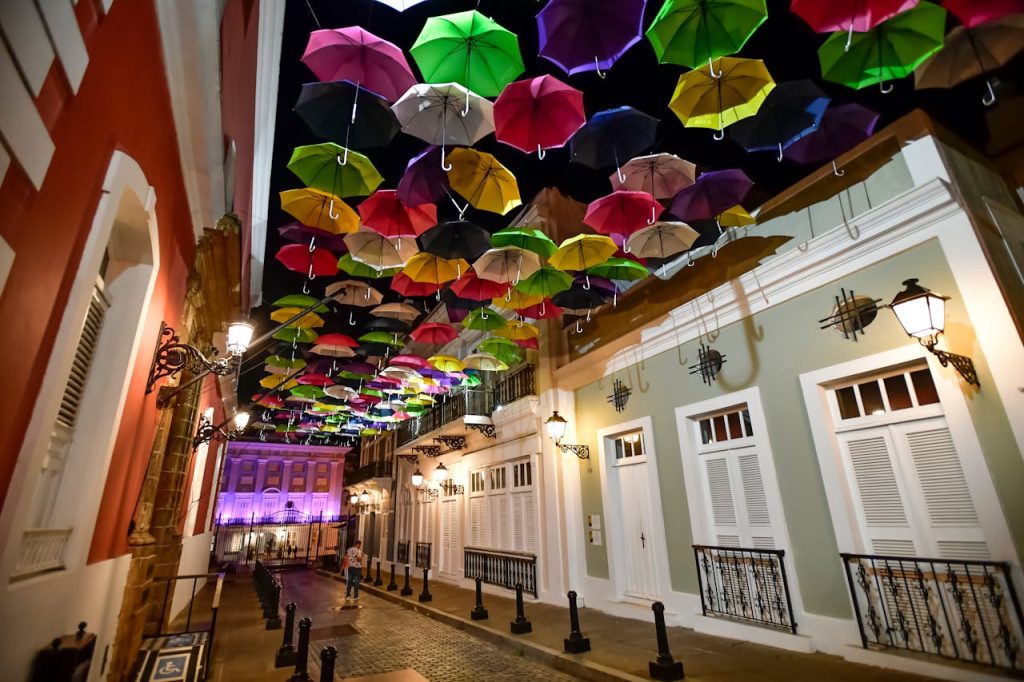
Puerto Rico treats Christmas as a season, and Old San Juan stays lit and lively well into January, with garlands still on balconies and salsa drifting from open doors after dinner. Parrandas continue after New Year’s, and families keep gathering for lechón, rice, and sweet treats, so the streets feel occupied by locals, not by one last wave of visitors chasing photos. The finale arrives in mid-Jan. with the Fiestas de la Calle San Sebastián, when the old city becomes a rolling neighborhood party of music, crafts, and street food, and the holiday ends with laughter and ease instead of a sudden switch.
Madrid, Spain
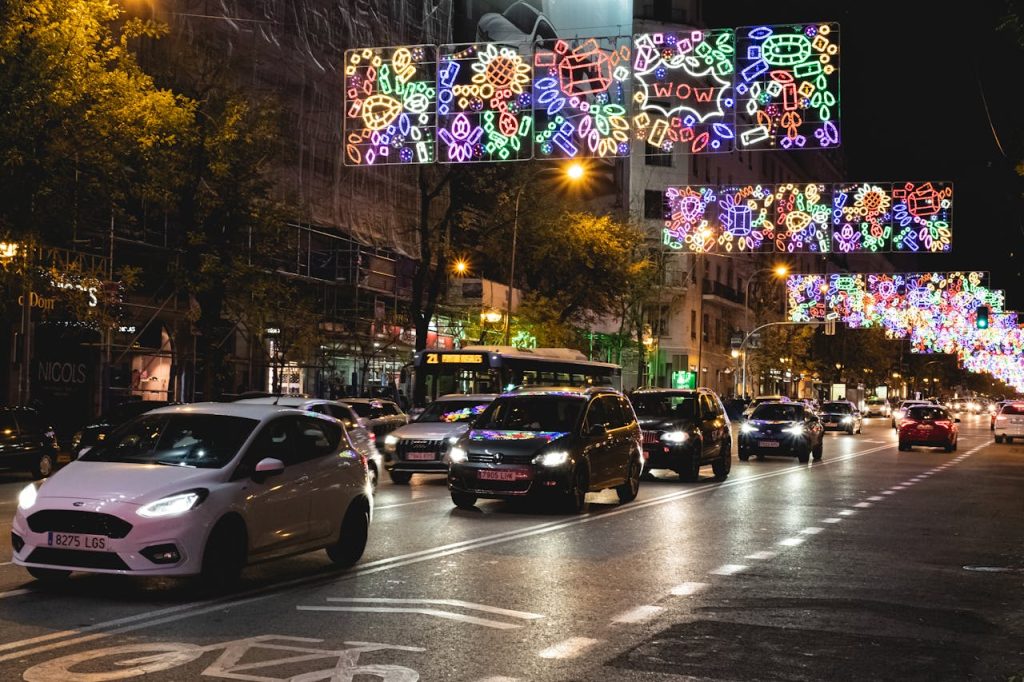
Madrid keeps Christmas running through Jan. 6, when Día de los Reyes Magos delivers gifts, pastries, and a fresh pulse of street life that many families value more than Dec. 25. On Jan. 5, the Cabalgata parade fills major avenues with floats, costumes, and candy, and children still set out shoes at night so morning surprises feel earned by tradition rather than shopping. With late-December pressure gone, early January becomes calmer but still bright, built around roscón de Reyes in bakery windows, lingering lights on Gran Vía, and long evenings where the city feels festive without feeling crowded.
Rome, Italy
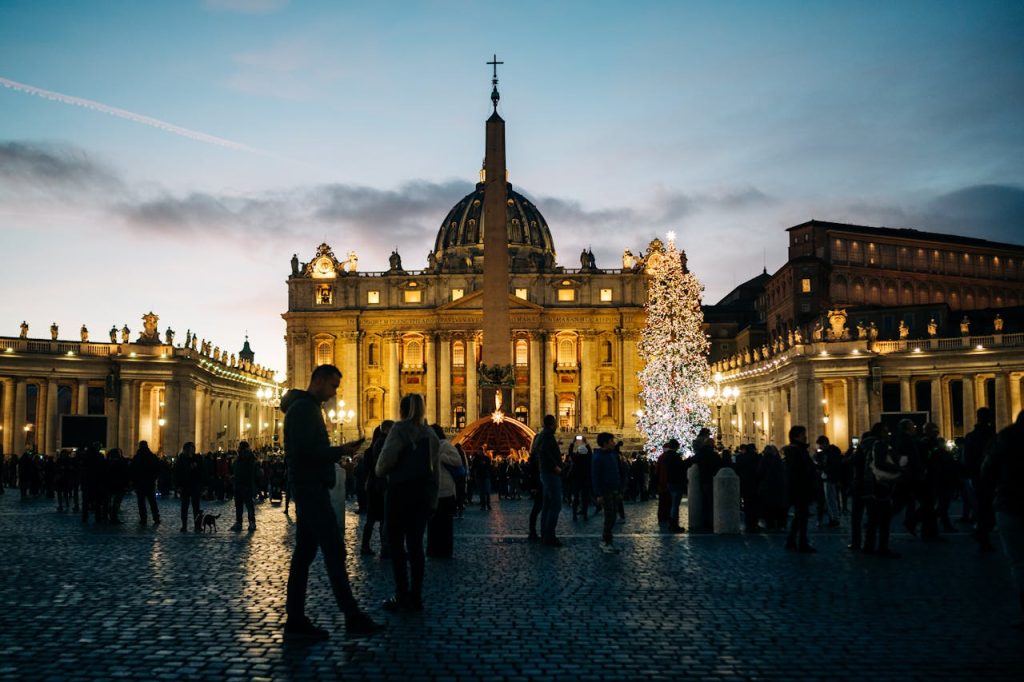
Rome often treats Jan. 6 as the real finish, so the city keeps a holiday pulse after New Year’s, with decorations still up, markets still open, and family plans still stacked. La Befana, the folk gift-giver, shows up in candies and small presents, and neighborhood events keep pastry counters busy, especially in the first week when locals want one more reason to gather. Tourist crowds thin compared with late December, yet the atmosphere stays warm, with softly lit piazzas, unhurried dinners, and a gentle sense that the season is still unfolding rather than already filed away, even as winter evenings stay busy and welcoming.
Paris, France
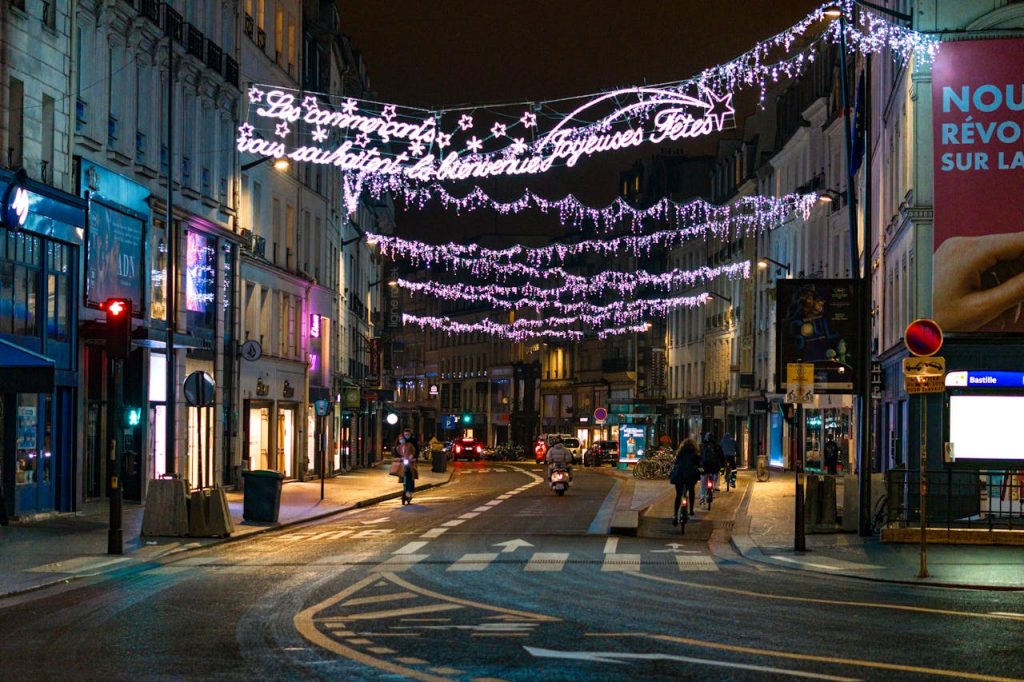
Paris carries Christmas into January through Epiphany season, when galette des rois becomes a steady excuse to meet again, talk longer, and keep the lights feeling purposeful. Friends share the pastry, hunt for the hidden fève, crown the lucky slice, and repeat the ritual across the month because it is simple, social, and easy to fit into busy winter schedules. After Dec. 25, the city feels less rushed but still glowing, with café terraces warmed by heaters, evening walks along lit boulevards, and bakery windows that keep the holiday mood alive one flaky bite at a time, often shared at the office or after a long metro ride home.
Mexico City, Mexico
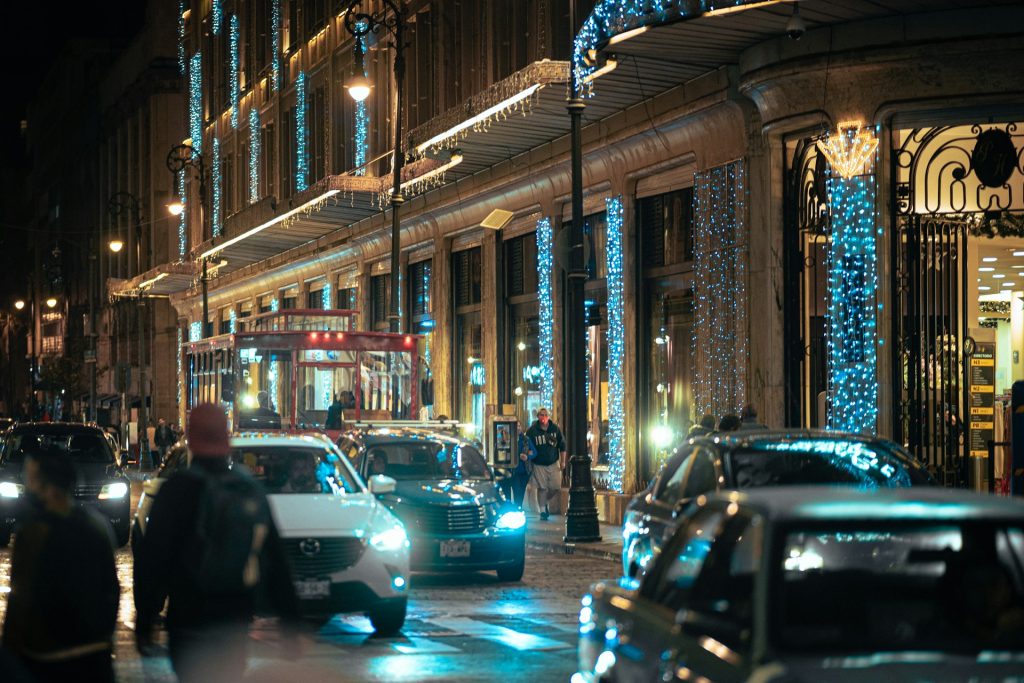
Mexico City keeps Christmas alive through Jan. 6 with Día de los Reyes, when families gather for gifts and rosca de Reyes, and the season still feels present in everyday conversation. The ring-shaped sweet bread hides a tiny figurine, and whoever finds it often hosts tamales later for Candelaria on Feb. 2, so January stays connected to the holiday story instead of closing the book. That extra chapter keeps markets busy, bakeries humming, and homes welcoming guests after New Year’s, creating a relaxed second act where food and family do the work and celebration feels communal rather than commercial.
Athens, Greece
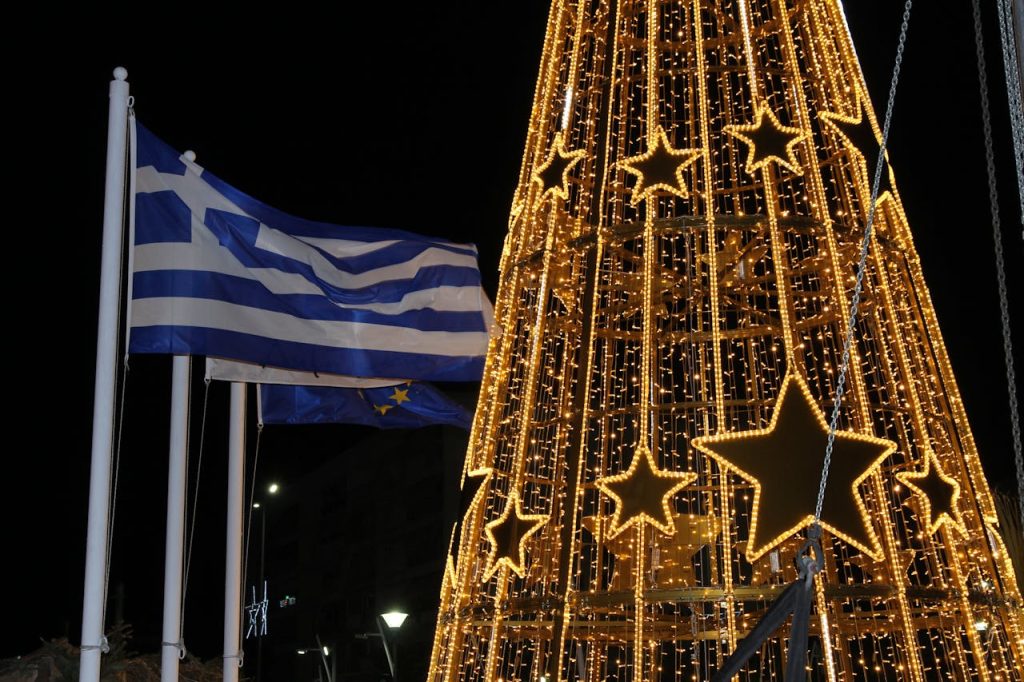
Athens stretches the season into January with Epiphany, or Theophany, on Jan. 6, centered on the blessing of the waters and the city’s long relationship with the sea. In coastal areas near Athens, clergy cast a cross into the water and swimmers dive to retrieve it, drawing bundled crowds who clap, shout names, and turn a cold morning into shared drama and joy. Because it lands after New Year’s, the city feels calmer yet still celebratory, with tavernas serving comfort food, churches holding services, and seaside promenades carrying a holiday mood through the first week, even when the air is sharp and the sea looks steel-blue.
Sofia, Bulgaria
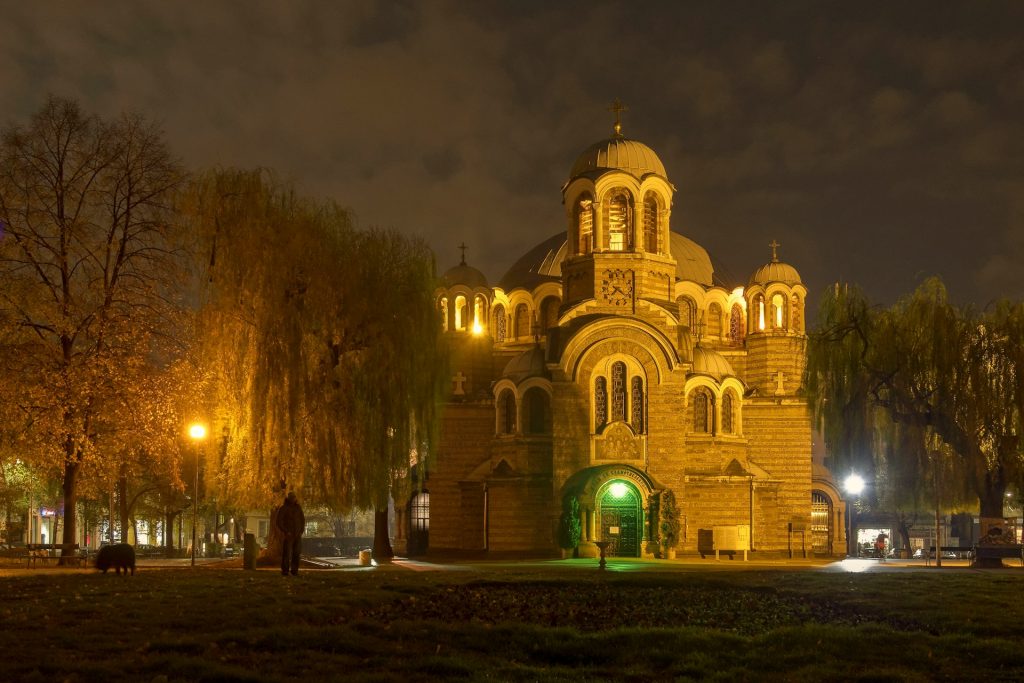
Sofia and much of Bulgaria keep Christmas spirit burning into January with Epiphany on Jan. 6 and water-blessing rituals that feel like a brave winter finale. Priests bless rivers and lakes, then throw a wooden cross into the water as swimmers dive in to retrieve it, and many people connect the moment with health, luck, and a clean start for the year. It happens after the global holiday rush, so the atmosphere feels local and sincere, with cheering crowds, folk songs, and hot tea turning crisp air into a communal celebration that closes the season slowly, with families lingering near the water and cameras fogging in the cold.
Belgrade, Serbia
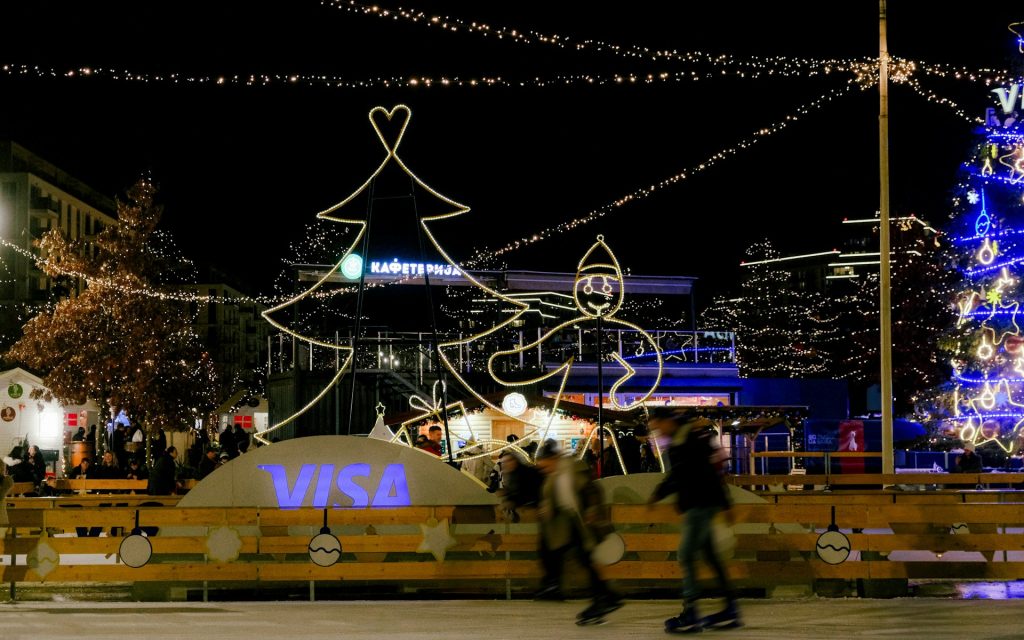
Belgrade celebrates Christmas on Jan. 7, following the Serbian Orthodox calendar, which keeps the city in holiday rhythm long after Dec. 25 and changes how January feels on the street. Christmas Eve traditions include the badnjak, an oak branch brought home and honored with fire and ceremony, anchoring gatherings around church visits, candles, and meals that run late. Early January is quieter for visitors, yet local celebration is fully alive, with bells, family toasts, and that unmistakable warmth of hospitality that makes the season feel ongoing rather than already put away, often with something warm to drink.
Tbilisi, Georgia
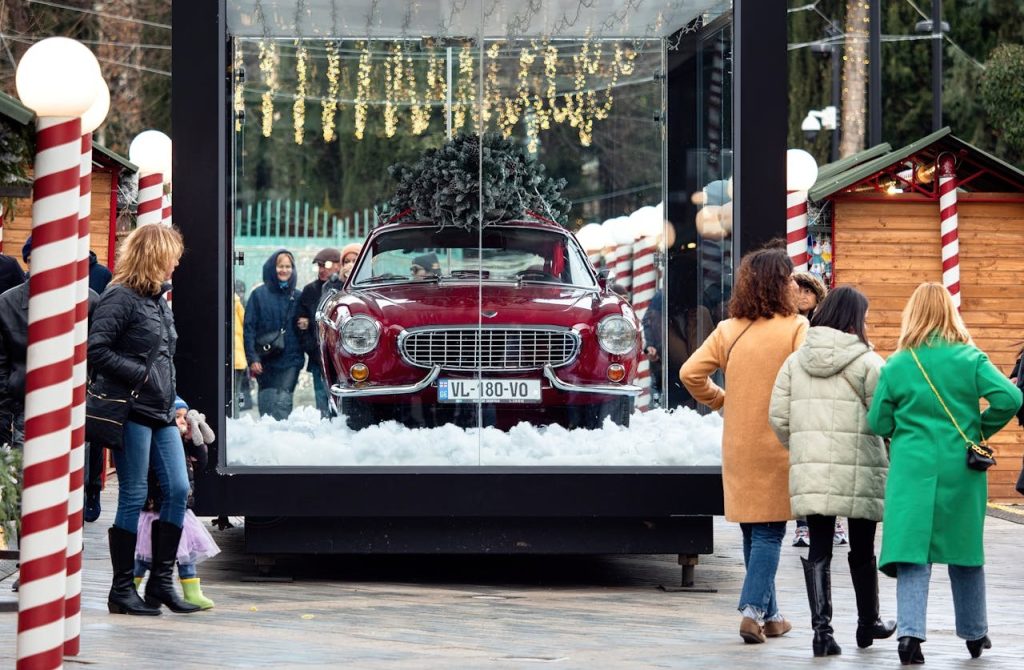
Tbilisi stays festive into January with Orthodox Christmas on Jan. 7 and the Alilo procession, which moves through the city like a shared promise to keep the season meaningful. Participants sing, carry icons and banners, and collect food and gifts for people in need, so celebration becomes practical generosity instead of decoration that disappears the next morning. Because it lands after the travel rush, streets feel breathable while churches stay full, and the holiday mood feels calm, generous, and present in a way that visitors can sense without being told, because the city’s generosity is visible in small, repeated acts.
Yerevan, Armenia
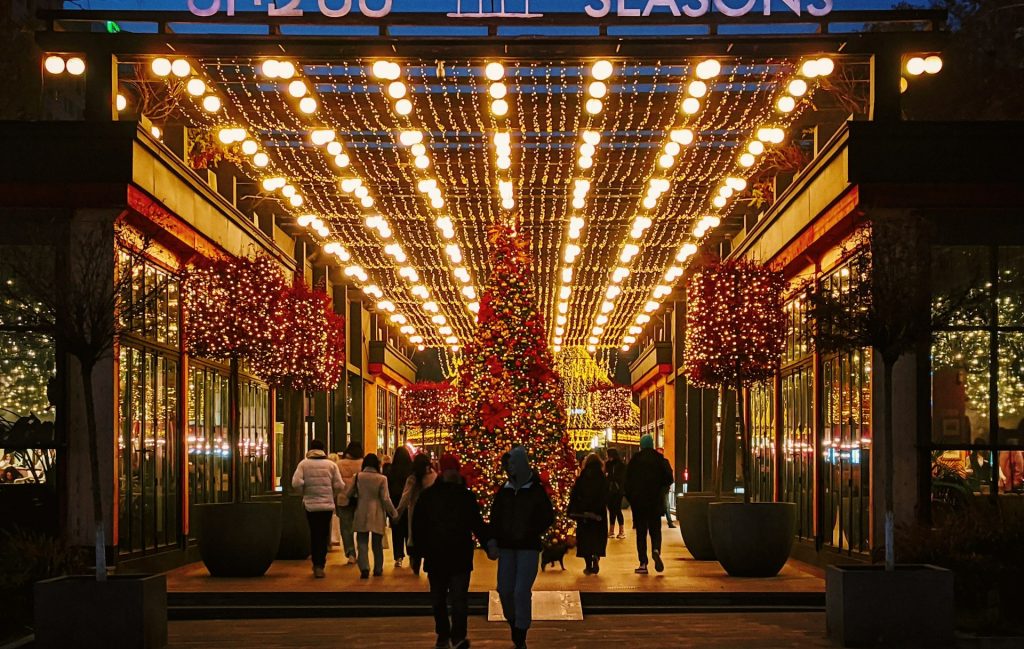
Yerevan celebrates Christmas on Jan. 6, when the Armenian Church marks the Nativity and Theophany together, giving the season a later cadence and a distinctive winter focus. Long services, candlelight, and water-blessing rites keep churches central, while family tables stay busy in early January with sweets, coffee, and conversations that stretch without anyone watching the clock. The city is quieter than December, yet the meaning feels sharper, creating a calm window where celebration is still active, but crowds have eased, prices often soften, and evenings feel unhurried and intimate. The timing lets tradition lead, not the calendar app.
Lalibela, Ethiopia
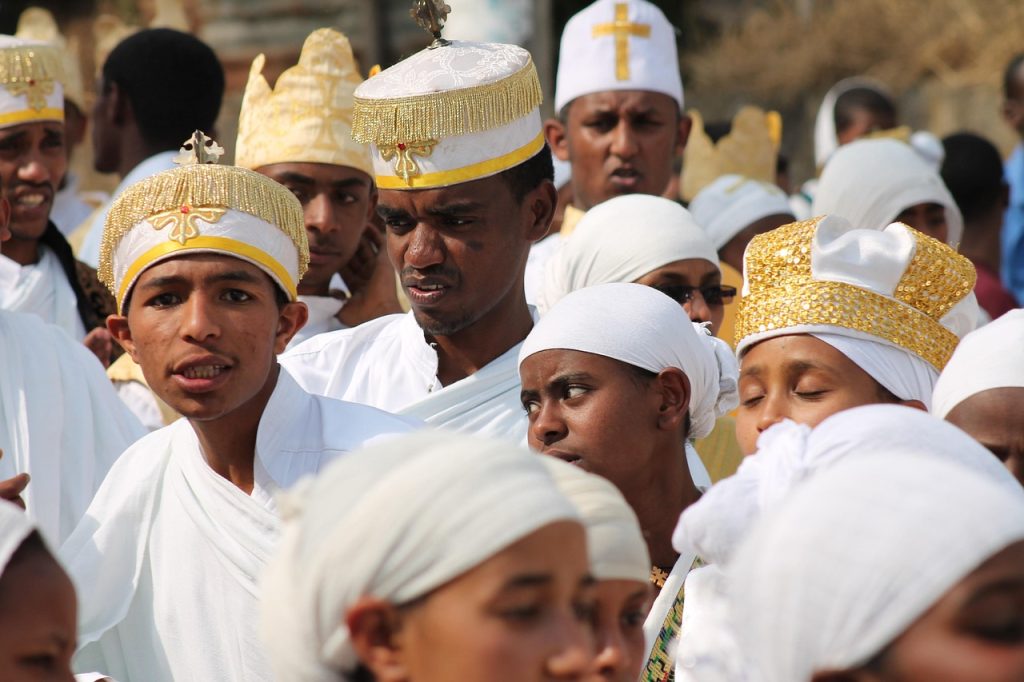
Lalibela celebrates Genna, Ethiopia’s Christmas, on Jan. 7, and the holiday feels rooted in devotion rather than display, with the town’s rhythm set by worship and community. Pilgrims gather at the rock-hewn churches for long services that stretch into night and early morning, filling courtyards with white garments, chanting, incense, and patient attention. Because the date falls after global peaks, January can deliver full Christmas intensity with less crowd pressure, leaving an atmosphere that is focused, communal, and quietly unforgettable, with dawn light over stone churches and a sense of time moving differently.