11 Destinations Where Christmas Tourism Feels Forced
In some places, Christmas arrives less like a season and more like a production. Garland goes up on cue, carols loop on speakers, and visitors funnel toward the same photogenic rituals. The charm still shows up in flashes, but it can get crowded, pricey, and oddly transactional, as if joy is sold by the hour. These destinations have real beauty and history, yet the holiday layer can feel pasted on, louder than local life, and hard to escape once the crowds lock in.
Rovaniemi, Finland
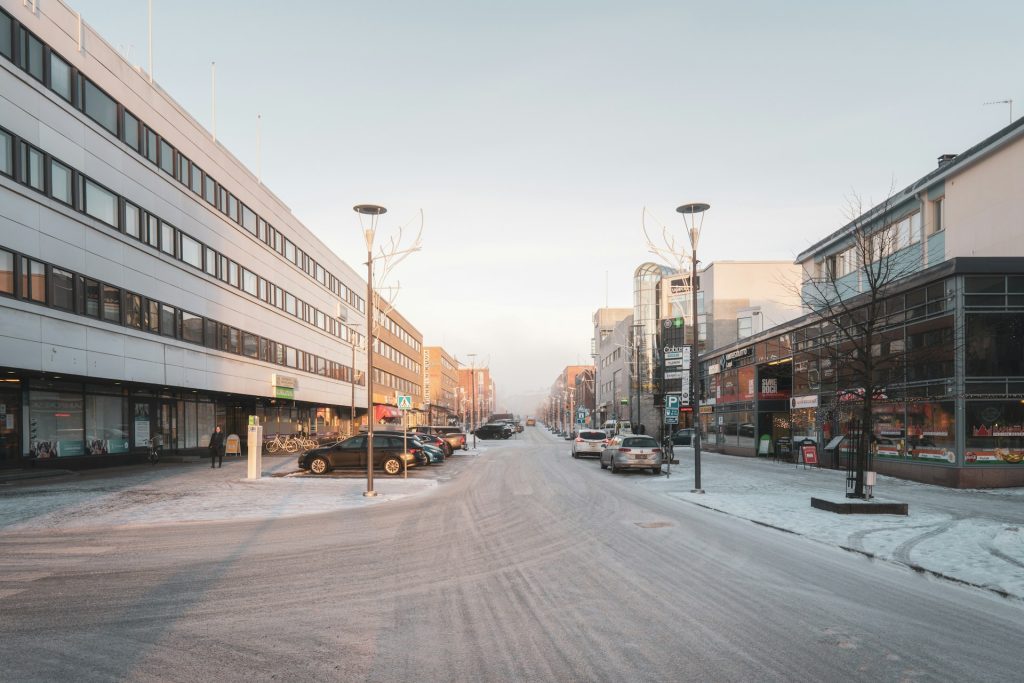
Rovaniemi sells itself as the Arctic Christmas headquarters, with timed Santa meetings, shuttle loops, and bundled excursions that turn the day into a sequence of booked slots, wristbands, and elf-themed stops. Snowy forests and blue twilight can still feel magical, yet the mood often shifts to queues, price boards, loudspeaker instructions, and the steady push for a perfect photo at every checkpoint. Even small pleasures like cocoa or a short sleigh ride can feel pre-priced and scripted, with add-ons, fixed booking windows, paid photo bundles, and gift-shop exits that leave little room for quiet wonder.
Strasbourg, France
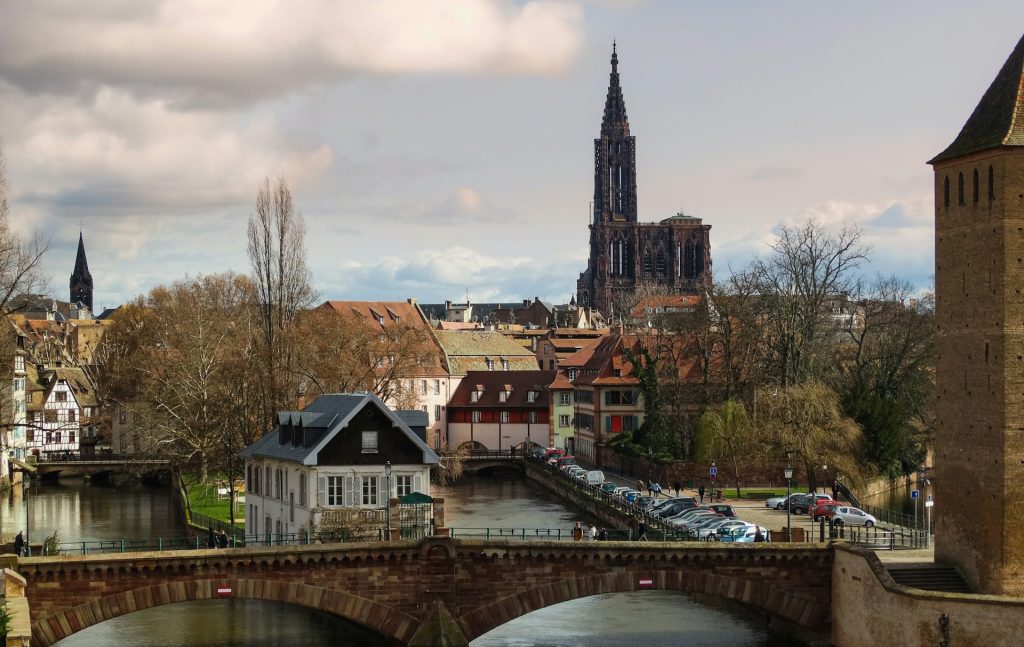
Strasbourg’s markets are genuinely pretty, but the city’s fame can make December feel like a managed event, especially near the cathedral and riverfront where foot traffic rarely eases. Security lanes, detours, and packed trams shape the day, and the stalls start to blur into the same loop of mugs, ornaments, gingerbread, and mulled wine served at near-identical counters, with photo spots forming their own lines. Local character still appears in tucked-away winstubs and calmer neighborhoods, yet the main routes often feel like a curated promenade where the pace, prices, and music are tuned for maximum turnover.
Prague, Czechia
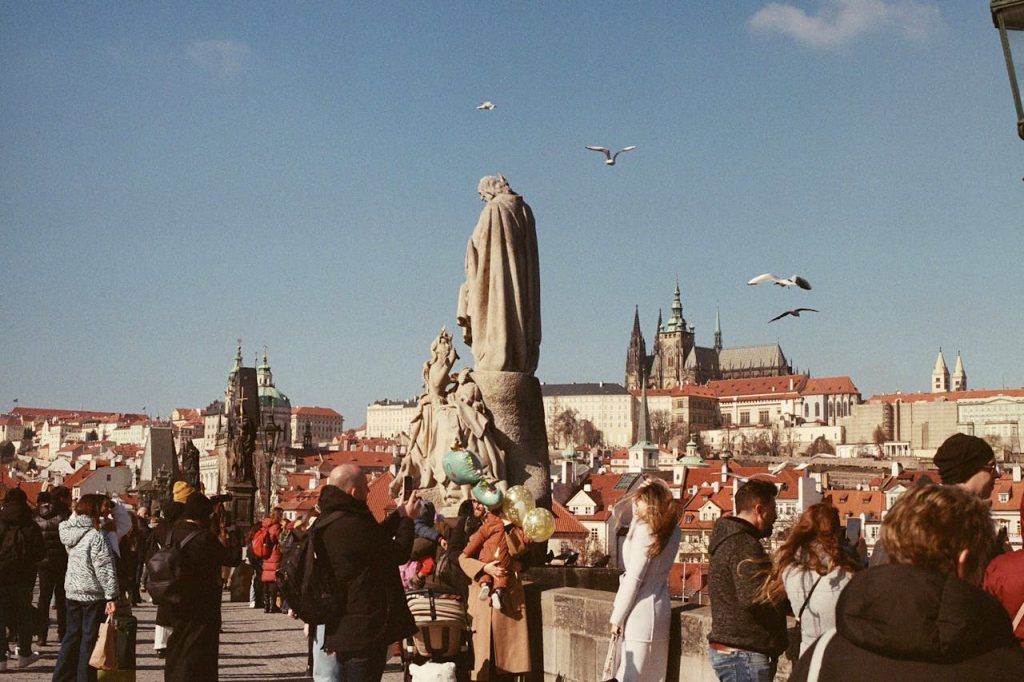
Prague’s Old Town looks built for winter postcards, which is why December compresses into a few squares until the cobblestones become a slow shuffle. The main markets fill early, food lines repeat nightly, and loudspeakers, performers, and tour guides compete for attention under the lights while nearby restaurants flip to tourist menus. With higher prices, staged folk touches, and itineraries that funnel groups from view to view, the medieval beauty remains striking, but it can feel like it is being consumed on a schedule, with little space to drift, hear the city, or simply stand still for a minute.
Vienna, Austria
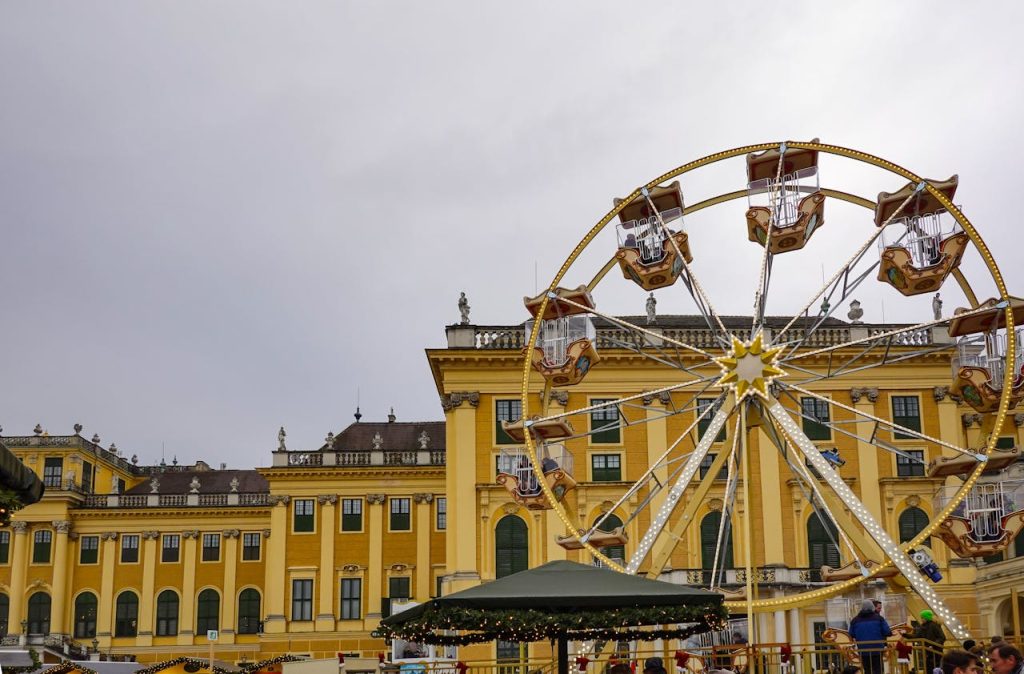
Vienna does winter elegance well, yet its most famous markets often run on volume, with landmark plazas acting like open-air retail districts wrapped in lights, branded chalets, and sponsor signage. Hotspots such as Rathausplatz become a steady conveyor of cups, ornaments, and repeated photo angles, while seating and quiet corners feel scarce and routes are guided by barriers, map boards, and the clink of deposit mugs. Smaller markets in outer districts can still feel neighborly, with choirs and simple food that invites lingering, but the headline experience often moves too fast to let the season settle in.
London, England
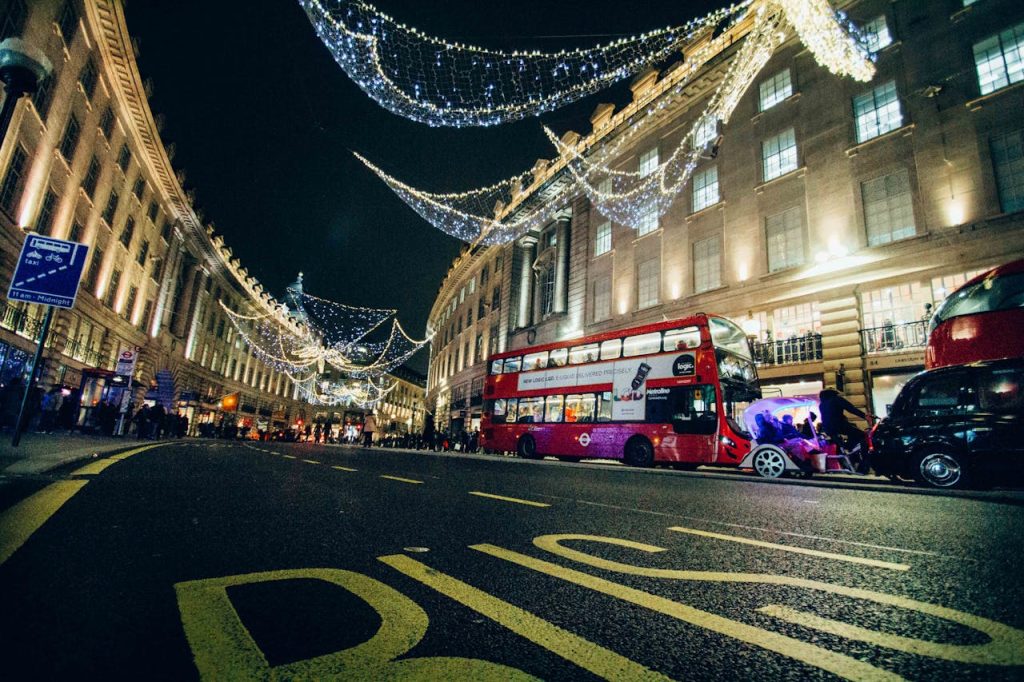
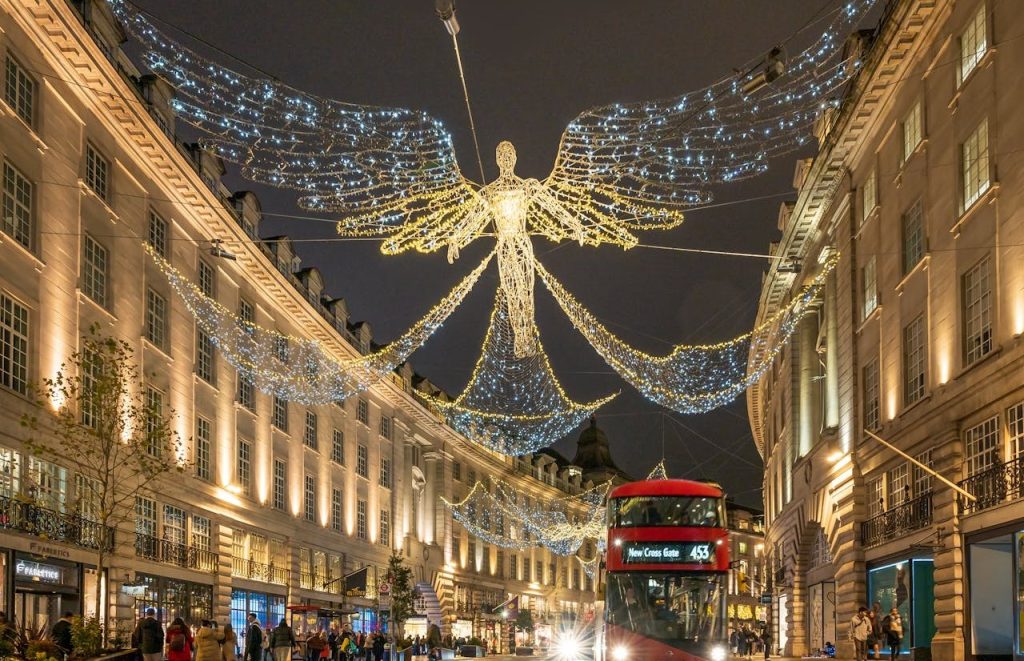
London’s holiday mood is real, but the biggest attractions can swallow the month, especially on weekends and school breaks when the center turns into one long line. Hyde Park’s Winter Wonderland and the main shopping streets turn festive into a wait-heavy routine, with queues for entry, rides, street snacks, and even a hot drink, plus crowds that make simple crossings slow. With wristbands, upsells, and constant crowd navigation setting the tone, carols and neighborhood pubs can feel like an escape hatch, while the loudest Christmas plays out like an event designed for throughput more than warmth.
New York City, New York
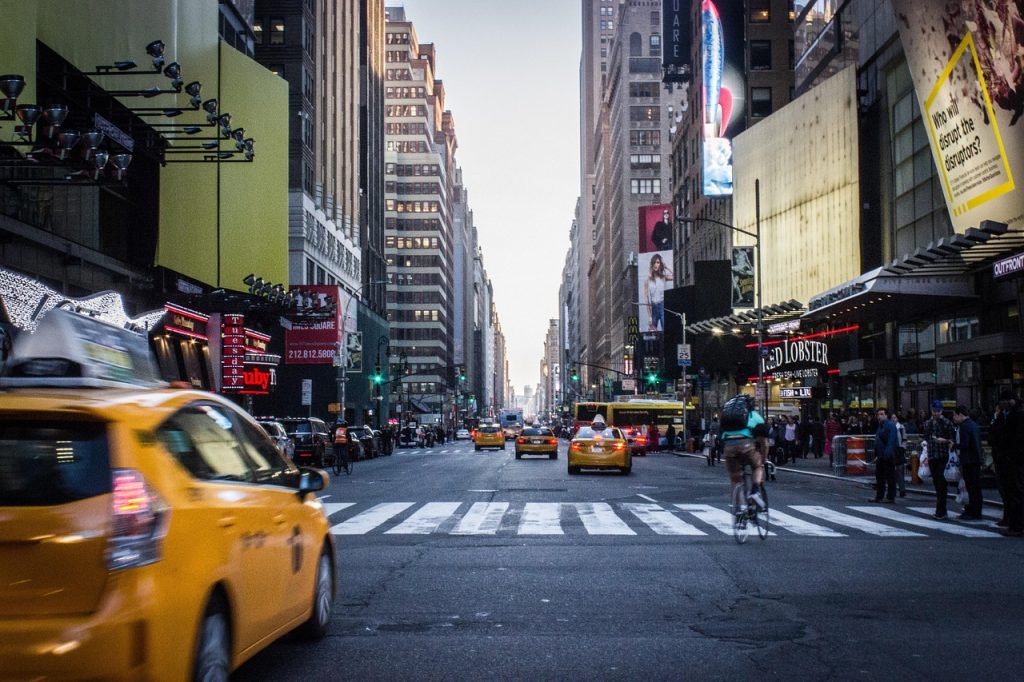
New York’s Christmas imagery is famous, which makes the experience easy to convert into a checklist, especially in Midtown where the highlights sit within a few intense blocks. Rockefeller Center, Fifth Avenue windows, and nearby photo points draw dense crowds that compress everything into security lanes, timed plans, and reservations that can shape the entire evening. The tree can still spark real awe, yet the pressure to complete the iconic circuit can crowd out smaller moments in other neighborhoods, like a quiet diner, a local choir, or simple street lights, making the season feel managed, not spontaneous.
Nuremberg, Germany
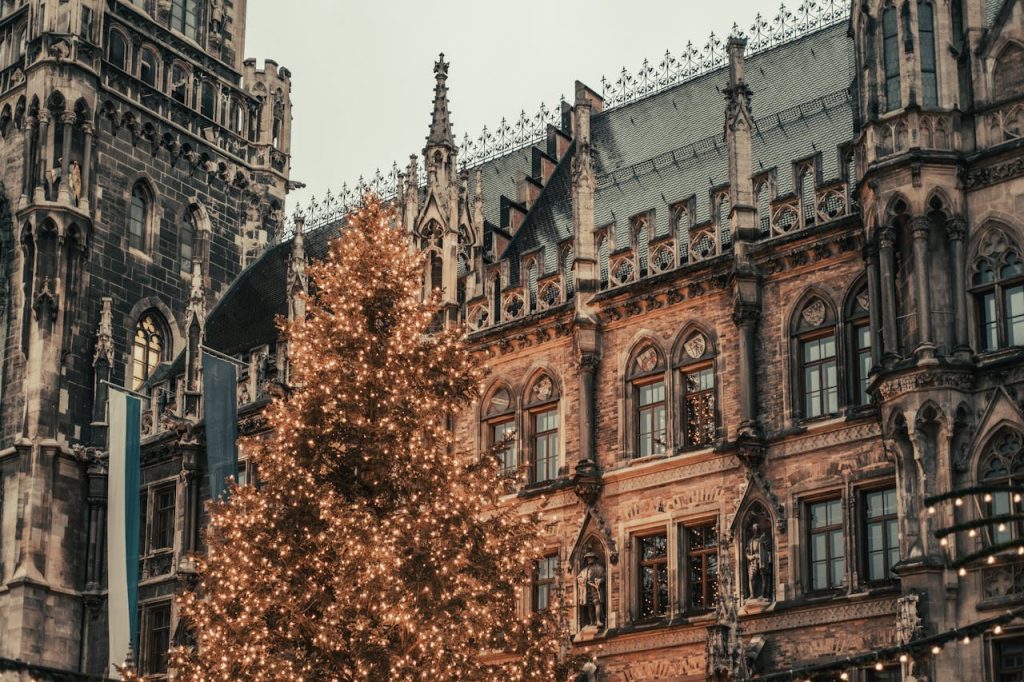
Nuremberg’s Christkindlesmarkt carries real tradition, but its reputation pulls it toward spectacle, with tour groups arriving in waves that pack the central lanes from midafternoon and keep them tight into the evening. Gingerbread, wooden toys, and glühwein remain classics, yet the market can feel like a corridor where movement matters more than conversation, and prime spots fill fast under guided routes. The cozier spirit shows up at the edges, where artisans talk and light falls softer, but it takes effort to find breathing room, linger over food, and let the place feel like a gathering instead of a traffic flow.
Salzburg, Austria
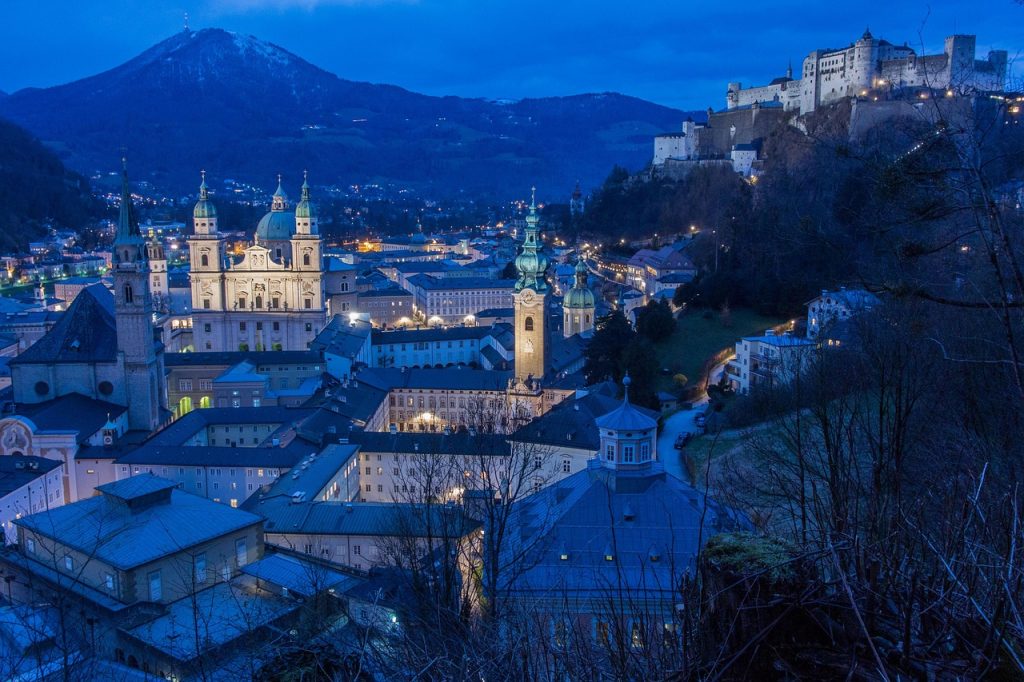
Salzburg’s baroque skyline and mountain air suggest a calm, musical December, yet the holiday version in the old center can feel tightly curated when crowds peak. Tour groups follow predictable routes, the soundtrack leans hard into nostalgia, and the same scenes replay at the same angles around the squares, with photo points and carriage rides turning the evening into a polished circuit. The city remains lovely, but the most convincing moments often happen off the main loop, where small churches, dim lanes, and simple cafés soften the noise, and local routines carry the season without needing a spotlight.
Bruges, Belgium
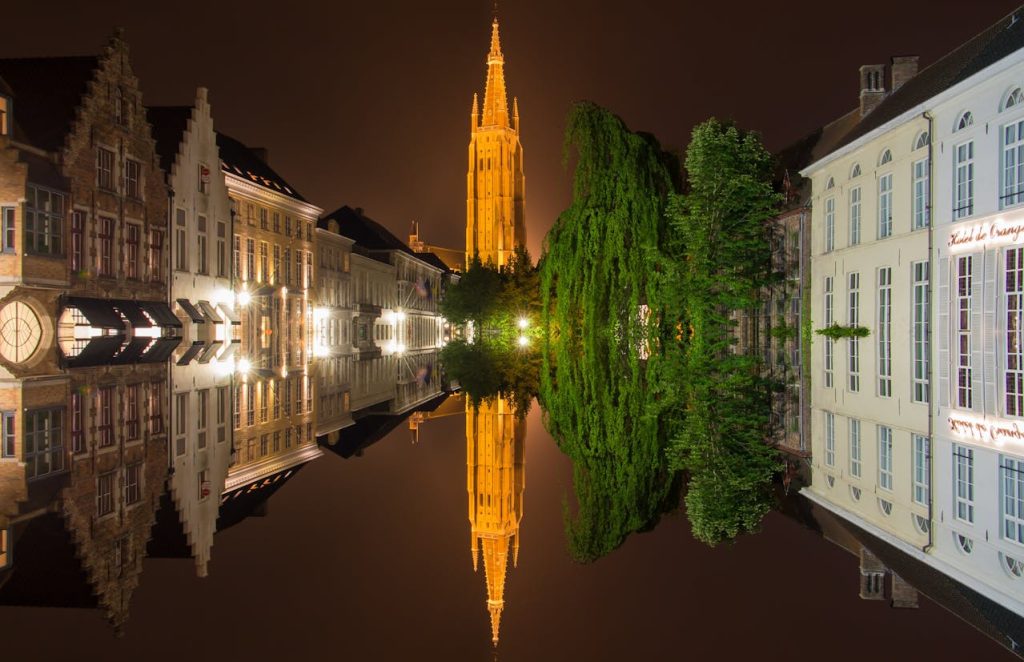
Bruges already reads like a fairy tale, and Christmas tourism can push that idea so hard that the historic core starts to feel like a stage set to a timer. Bridges and canals become bottlenecks for tour groups, and the market zone turns into a loop of stalls, light trails, and paid attractions that keep people moving and resetting for the next photo, while nearby menus quietly jump in price. The beauty is undeniable, but spontaneity shrinks when every pause becomes a traffic decision, and the town’s gentler rhythm is easiest to find early, late, or beyond the center where windows glow like homes, not displays.
Dubai, United Arab Emirates
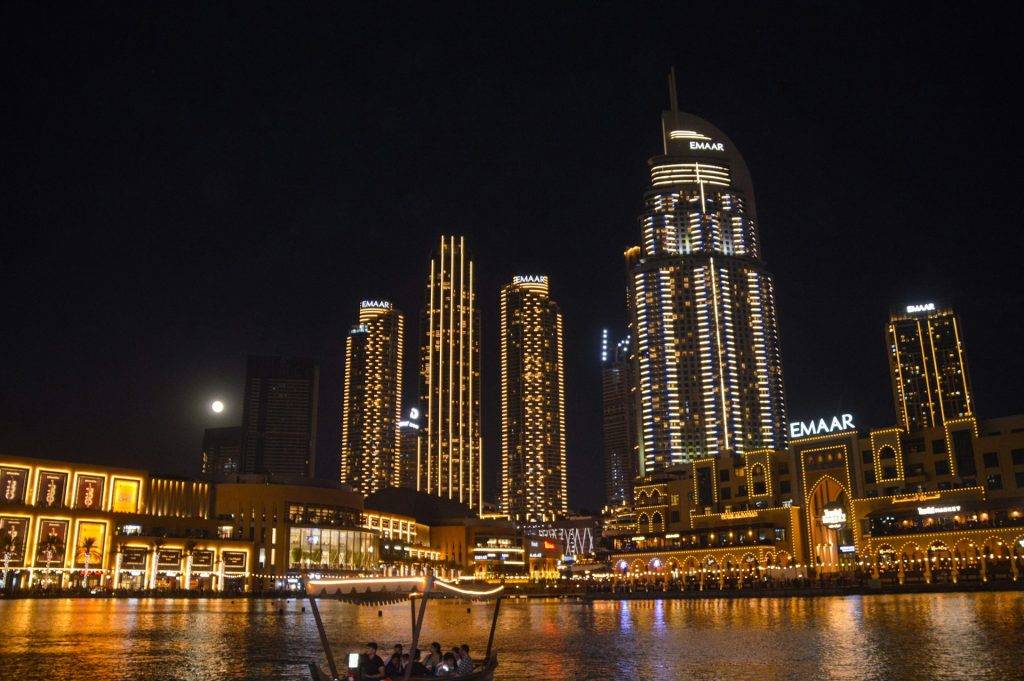
Dubai’s Christmas is grand and glossy, but it can feel like an imported production designed for malls and hotels, with scale doing most of the emotional work. Giant trees rise under atriums, artificial snow falls on schedules, and themed brunches and limited menus stand in for tradition, often paired with premium seating, timed entry, and photo-ready installations. Nothing about it is inherently wrong, yet the marketing plan is easy to sense beneath the ornaments, and the celebration can read as a curated visitor experience while the city’s everyday rhythms continue alongside it, mostly unchanged.
Singapore
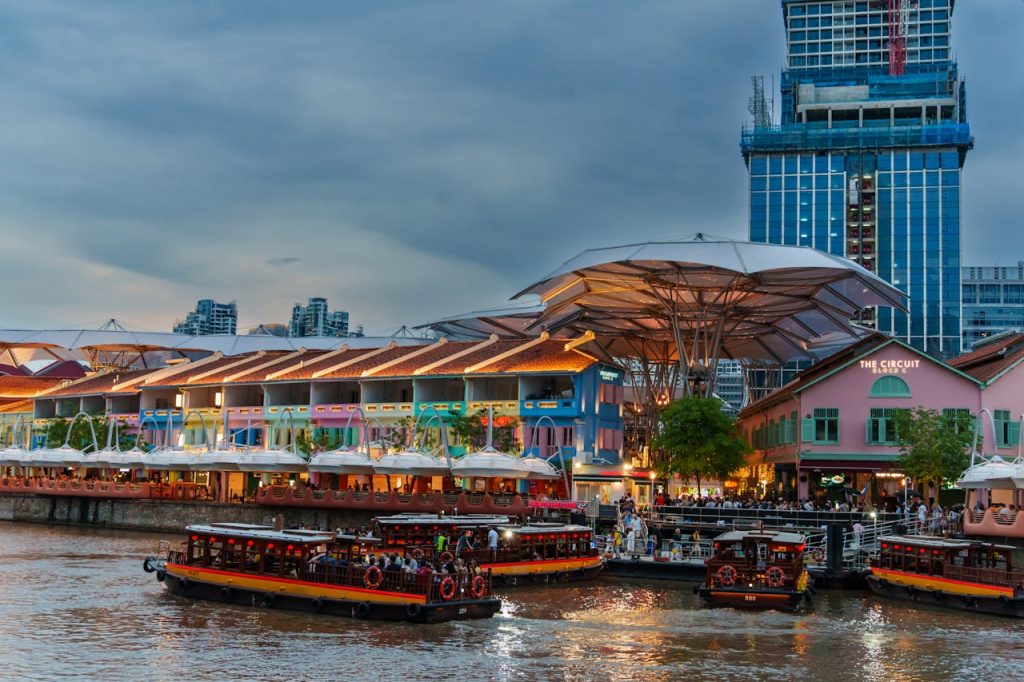
Singapore leans into December with polished precision, especially along Orchard Road, where lights, pop-ups, and concerts arrive on cue and stay spotless night after night. The displays can be stunning, but the mood often tilts commercial, driven by shopping calendars, brand activations, and limited-time packages that repeat the same festive photo moment across blocks. In a tropical climate, winter cues are recreated with artificial snow and scripted shows, and while families still come out to stroll and snack, the loudest version can resemble a campaign running on a loop rather than a season unfolding naturally.